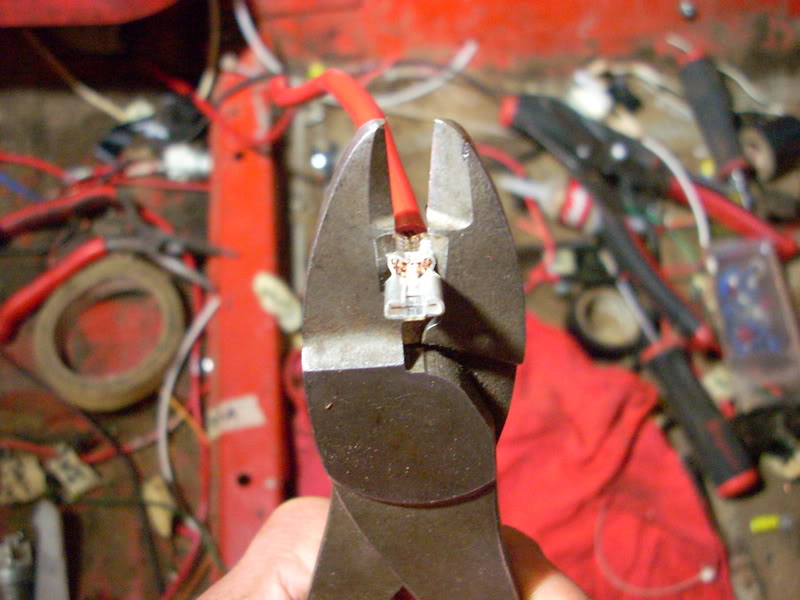
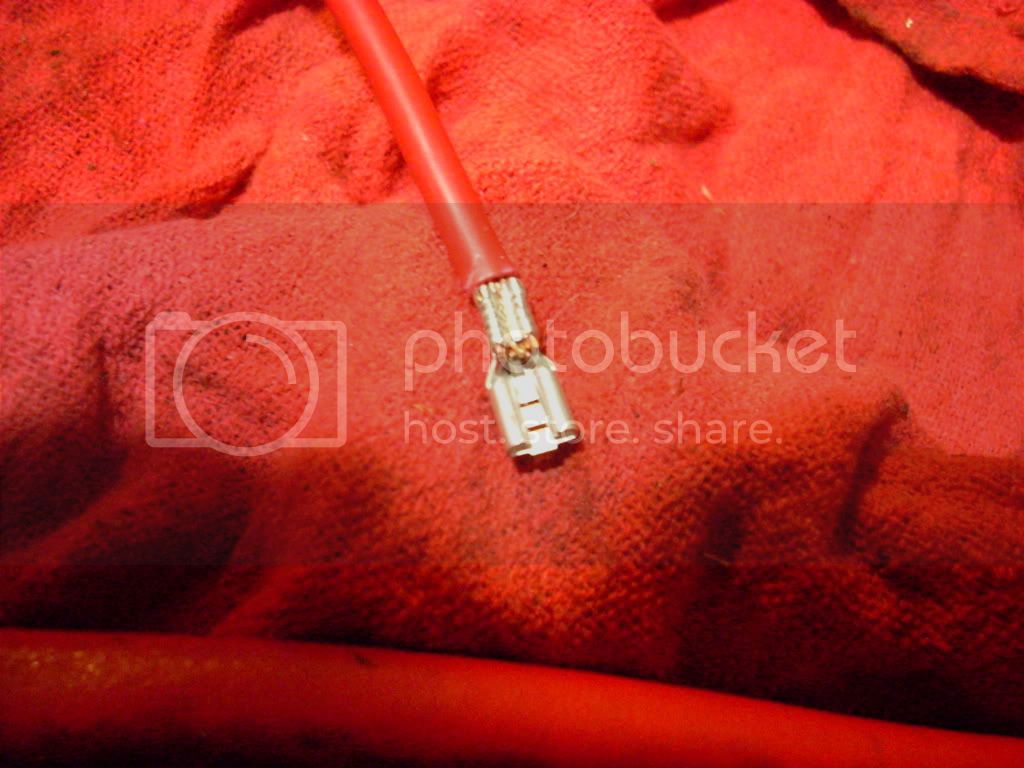
do you solder or crimp?

This site may earn a commission from merchant affiliate
links, including eBay, Amazon, Skimlinks, and others.

I have put my ezwiring harness together about a year ago and crimped 100% of the wires, but do to me constantly rebuilding crap that I can't leave alone, i have to tear some of it back out for relocation...

my question is, do you guys prefer crimping or soldering?


spades, eye holes, and butt connectors commonly come in crimped connections, is there connections out there that require/are used for soldered connections?

i'm leaning towards soldering/shrinkwraping my connections this time around, although i did shrinkwrap my connections last time.


any good source for solderable connections if they do exist?

Soldering. Solder the connection, shrink tube it, and then apply some liquid electric tape over that. Crimping is ok, but if not done well it can vibrate apart over time.
 
just picked up a can of lenox ... water soluble flux...

I'll just add my bit here...........

I think if you were to use a liquid flux like this, your soldering work would end up as ammunition for the "anti-solder lobby".

This corrosive liquid would wick up the wire beneath the insulation (even more-so where the wire is multi-stranded as in automotive wiring) and no amount of washing could remove it.

Then (probably just a couple of years later) the wiring would become so corroded near the soldered joints that those connections would probably just "break off" the loom.

:cheers:
 
Soldering. Solder the connection, shrink tube it, and then apply some liquid electric tape over that. Crimping is ok, but if not done well it can vibrate apart over time.

A solder joint, if not done well, can vibrate apart over time. :lol:

With the proper tools it's much easier to learn to make a good crimp than a good solder joint.
 
Well in my case, being surface mount device, military grade soldering skills, nothings gonna separate :D
 
Well in my case, being surface mount device, military grade soldering skills, nothings gonna separate :D

My back ground is SMT too. I use to do military stuff but my current gig is commercial. We do have a couple of COTS programs that go into missile systems.

Where did you get your training and how long did it take?
 
Use Ancor crimp connectors with built in shrink wrap. I use them in marine applications daily. They never fail and take a pounding in a saltwater environment. Using a good crimp tool (swag) is key.
 
x2 on Panduit
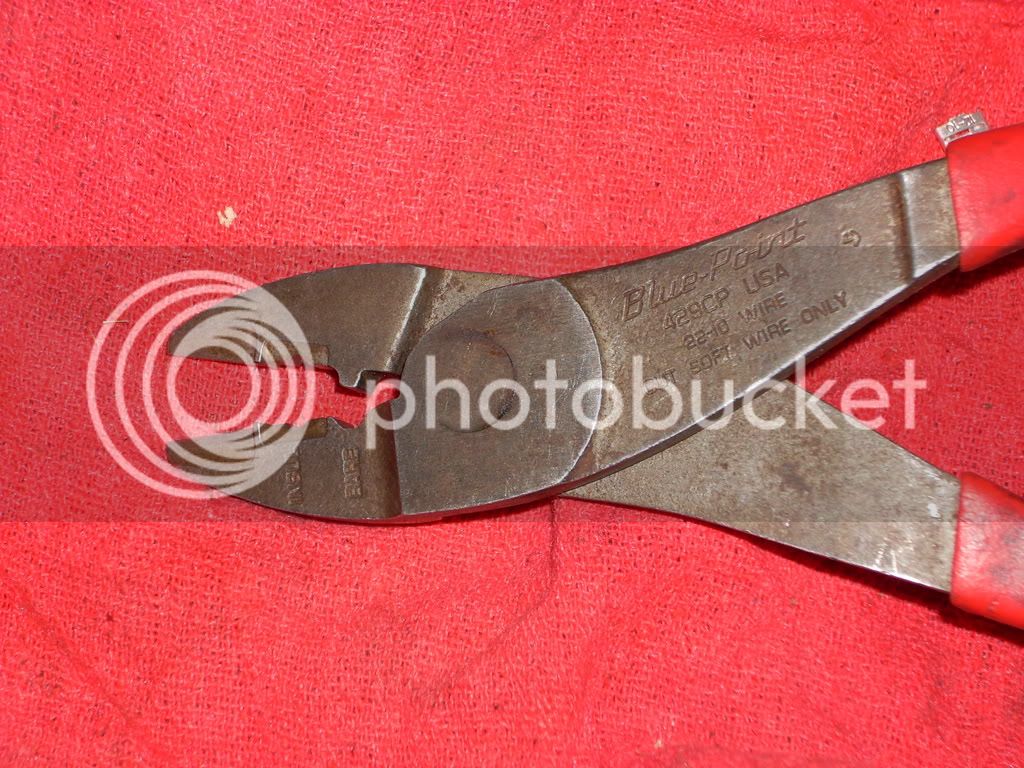
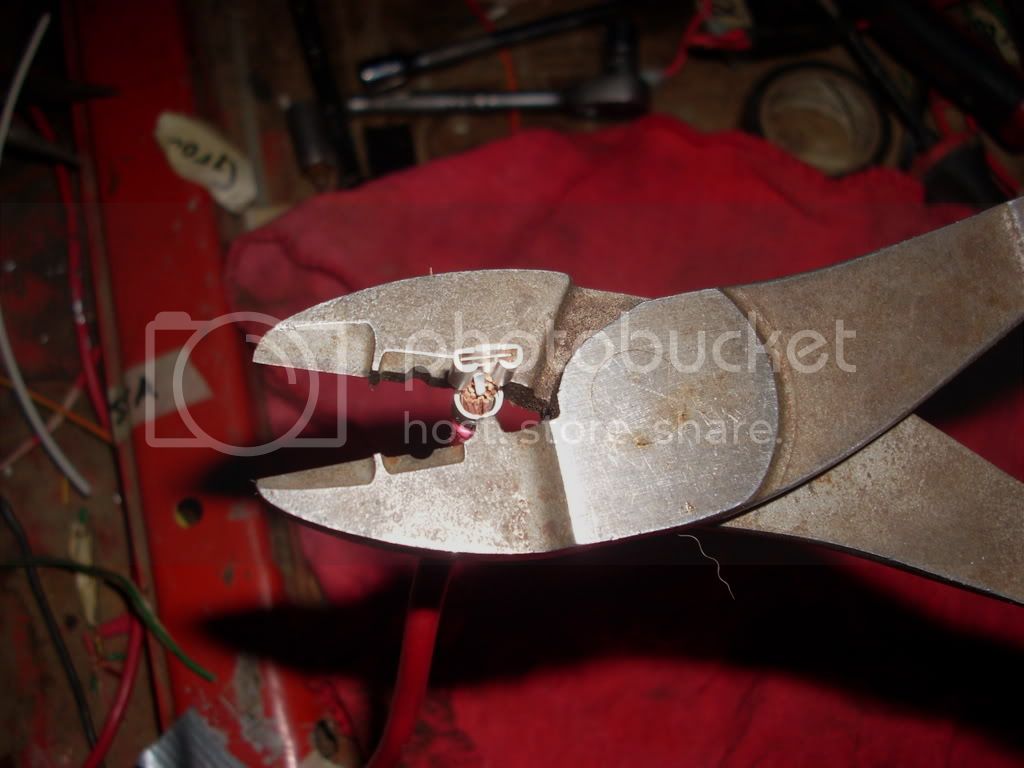
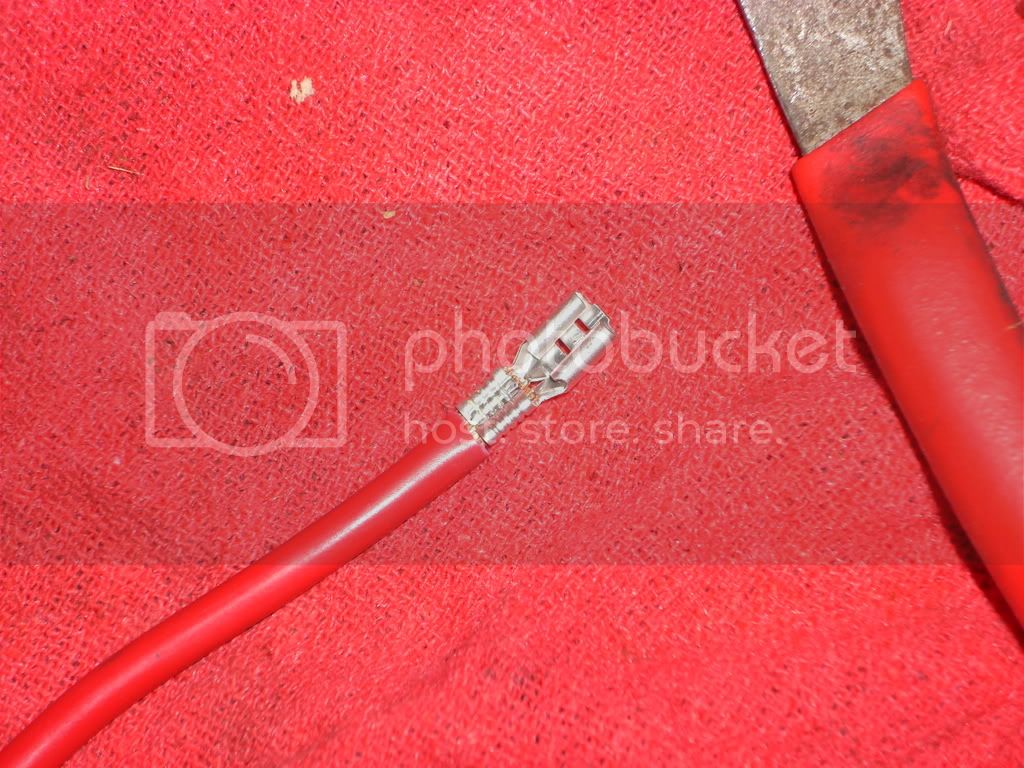
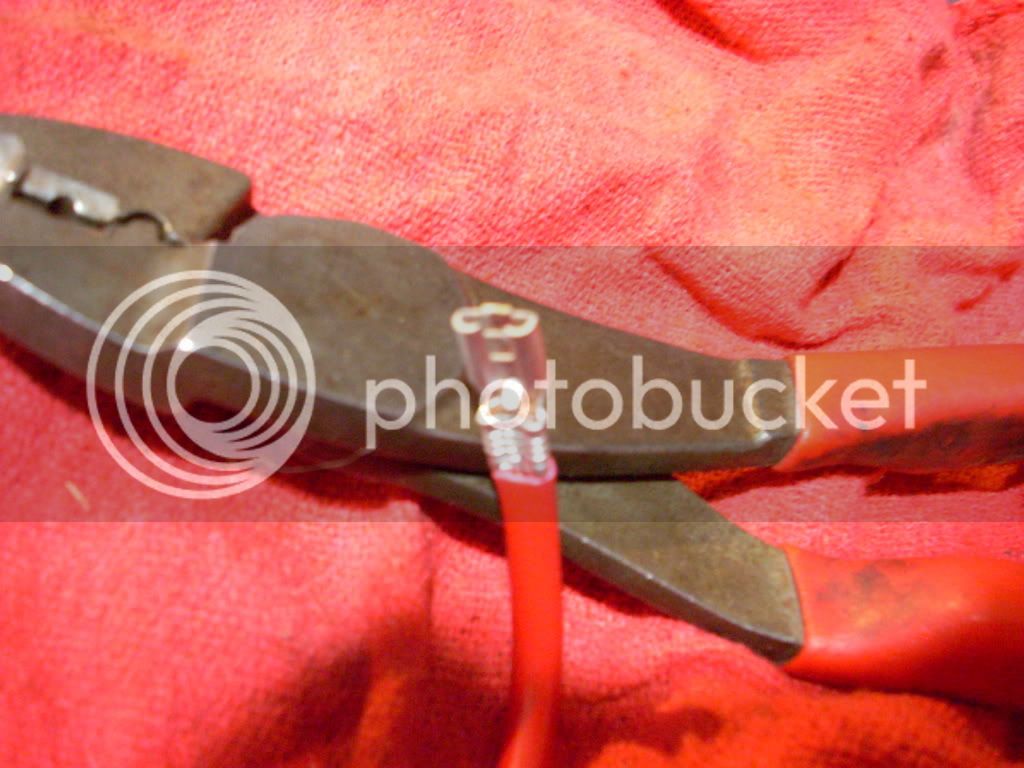
I use this crimping tool with excellent results
Product Search
Crimper.webp
 
I'm just a dumbass 2thmonkey, but I had to learn to solder...primarily gold with borax(glass) flux. The main reason I crimp and solder is that I need something to hold the s*** together WHILE I solder. I have had no problems with my electrical system..............but, I do not launch or submerge(for long) my cruiser. I am not disagreeing with anyone here, especially RustyTLC because he is w-a-a-a-y longer in the connector suit than I am. Everything that "works" is not necessarily "right" and not everything "right"......works. I will stand behind that:D


Ed
 
I'm just a dumbass 2thmonkey, but I had to learn to solder...primarily gold with borax(glass) flux. The main reason I crimp and solder is that I need something to hold the s*** together WHILE I solder. I have had no problems with my electrical system..............but, I do not launch or submerge(for long) my cruiser. I am not disagreeing with anyone here, especially RustyTLC because he is w-a-a-a-y longer in the connector suit than I am. Everything that "works" is not necessarily "right" and not everything "right"......works. I will stand behind that:D


Ed

well put sir.
 
I'm just a dumbass 2thmonkey, but I had to learn to solder...primarily gold with borax(glass) flux. The main reason I crimp and solder is that I need something to hold the s*** together WHILE I solder. I have had no problems with my electrical system..............but, I do not launch or submerge(for long) my cruiser. I am not disagreeing with anyone here, especially RustyTLC because he is w-a-a-a-y longer in the connector suit than I am. Everything that "works" is not necessarily "right" and not everything "right"......works. I will stand behind that:D


Ed
It's my "thang":D

BTW I know how to correctly solder wire connections, we did it for years, before good crimp connections were developed. Years ago I also built period crystal radios for a hobby because I didn't get enough electronics doing it for 8 hours a day.:lol:

You shouldn't need to hold stuff together with anything except the wire.
pre-tin the wire bend a loop in each end, hook them together and finish the solder joint. The linemans splice works the same way for stranded wire if you pre-tin.
Image28.gif


If you are adding a ring or spade you need a solder lug style that is designed for soldering.
Keystone__7327__1.webp
 
Wristpin, Any chance that you could pictures to this music for those of us out here who are either just starting out or just realizing that our technique needs upgrading? Thanks.:cheers:

sure

the right tool is essential

crimpprocedure001.jpg


put the tang of the tool in the seam of the connector

crimpprocedure002.jpg


after

crimpprocedure004.jpg


crimpprocedure007.jpg


then turn the tool 90 degrees and use the other crimping section.
crimp the sides

crimpprocedure008.jpg


then your done

crimpprocedure009.jpg


some pics are blurry. its hard to take pics of such a small thing up close. not even macro helps all the time
 
Exactly

sure

the right tool is essential

crimpprocedure001.jpg


put the tang of the tool in the seam of the connector

crimpprocedure002.jpg


after

crimpprocedure004.jpg


crimpprocedure007.jpg


then turn the tool 90 degrees and use the other crimping section.
crimp the sides

crimpprocedure008.jpg


then your done

crimpprocedure009.jpg


some pics are blurry. its hard to take pics of such a small thing up close. not even macro helps all the time

Wristpin,
The pics are great.:clap::clap::clap: This is exactly what I'm talking about. As those of you who do this for a living are discussing tool, connector and material types, which you may work with everyday but others not, it is REALLY helpful to the rest of us who are learning some new twists here to see exactly what you are talking about. Thanks alot, this is really very helpful. Gotta love Mud!:cheers:
 
Wristpin,
The pics are great.:clap::clap::clap: This is exactly what I'm talking about. As those of you who do this for a living are discussing tool, connector and material types, which you may work with everyday but others not, it is REALLY helpful to the rest of us who are learning some new twists here to see exactly what you are talking about. Thanks alot, this is really very helpful. Gotta love Mud!:cheers:

Everything I have handy is copywrite material. Training guides are expensive.

I'll try to do some pictures when I get back from Moab.
 
Oh! Now I know what you mean! One set of ears crimps the insulation and the other set crimps the wire...

Those spades actually look like relay terminals? Waytek carries those in 1/4" Part #31073 for 16-14 ga wire # 32074 for 12-10 ga wire.

I looked through three suppliers catalogs and did not find the ring terminals in the double crimp style... I'm sure their out there though!


They do make an insulated version (Nylon Insulated with extra sleeve) Look at part number 31704. It has to be double crimped...

so which crimpers would you use for the connector on the left? my bad post #97...thanks
 
That looks like some of the connectors we use. The terminal seats in a special die that keep it from "spreading out" as you crimp it. The outer portion is also crimp but just enough to wrap itself on the insulation part. When you get done crimping, it's almost impossible to pull the terminal off the wire. This type crimpers are not cheap is about the only thing I know bout them.:)

so which crimpers would you use for the connector on the left? my bad post #97...thanks
 
This type crimpers are not cheap is about the only thing I know bout them.:)

They do make an economy open barrel crimper that runs about $25. A heavy duty version runs about $90 and I'm sure the price goes up from there. I have the economy crimper and have no issues with what I've used it for.
 
They do make an economy open barrel crimper that runs about $25. A heavy duty version runs about $90 and I'm sure the price goes up from there. I have the economy crimper and have no issues with what I've used it for.
The big difference between the economy crimper and the high end units is the expensive ones can be "re-calibrated" or the crimp die can be replaced when they start making crimps they fail the pull test*. Most people will never make enough connections to wear out a decent tool.

*One of the thing they do in production environments is test the crimp tools from time to time to insure they are making good crimps. They do this with a strain gauge tool that measures the force needed to break a crimp connection.
 
I have several sets of hand crimpers for many different types of crimps.
The ones that crimp the double connectors are made by Waldom.

For RS-232 D sub connectors I use crimpers made by Amphenol. These have to be re-calibrated every year and the dies replaced every two years. I do thousands of crimps a year making cables and harnesses.

For the typical automotive connectors I use in my kits, I have a set of Sargent ratcheting crimpers. Does red (22-18 ga), Blue (16-14 ga) and yellow (12-10 ga)

For Weather-Pak terminals I have a set of Sargent ratcheting crimpers that does 20-14 ga terminals and crimps the cable seal and terminal in one operation.

So basically you need the right tool for the right job!

Oh, and for wire stripping up to 20-14 ga, I use a set of Panduit strippers with replaceable blades and for smaller stuff 26-22 ga I use a much smaller set of Panduit strippers. For these I have two sets of blades. One for regular wire insulation (PVC and polyethylene) then a set just for Teflon coated wires.
 
Back
Top Bottom