The Official 1HD-T/FT Fuel Pump Mod Tuning Thread

This site may earn a commission from merchant affiliate
links, including eBay, Amazon, Skimlinks, and others.

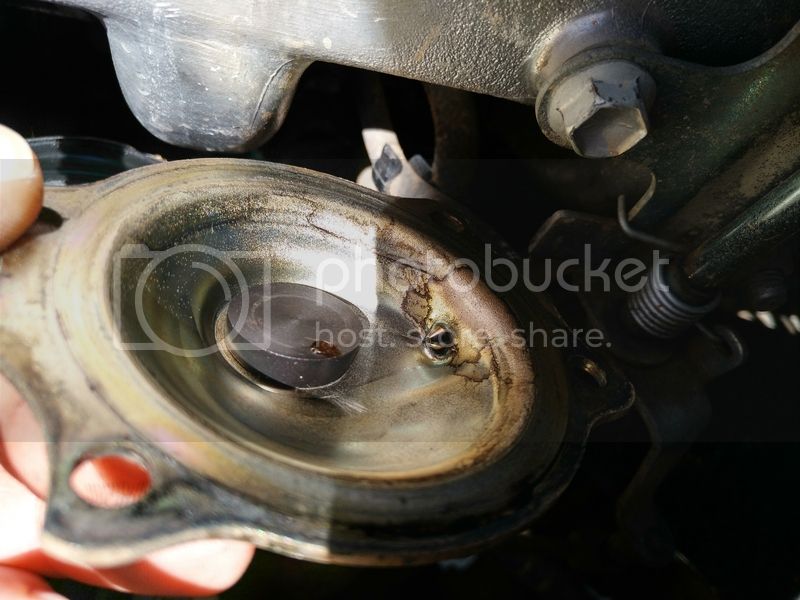
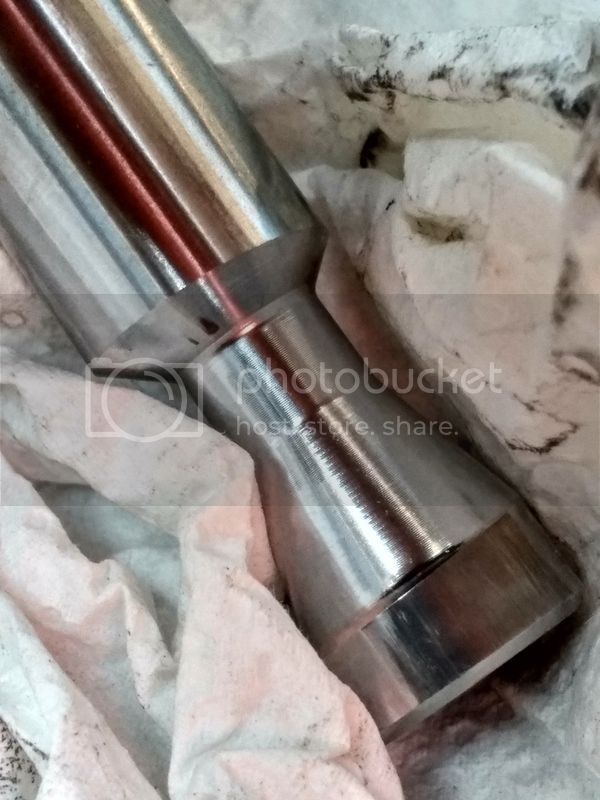
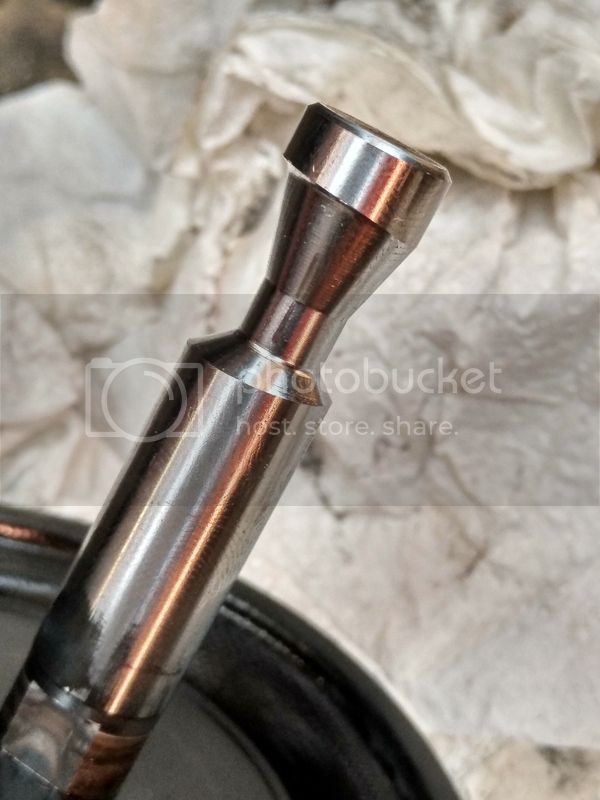
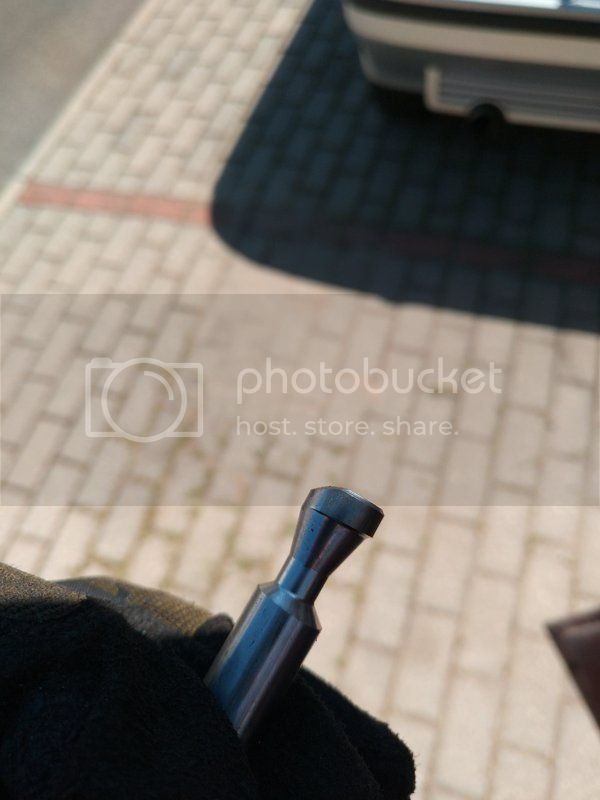
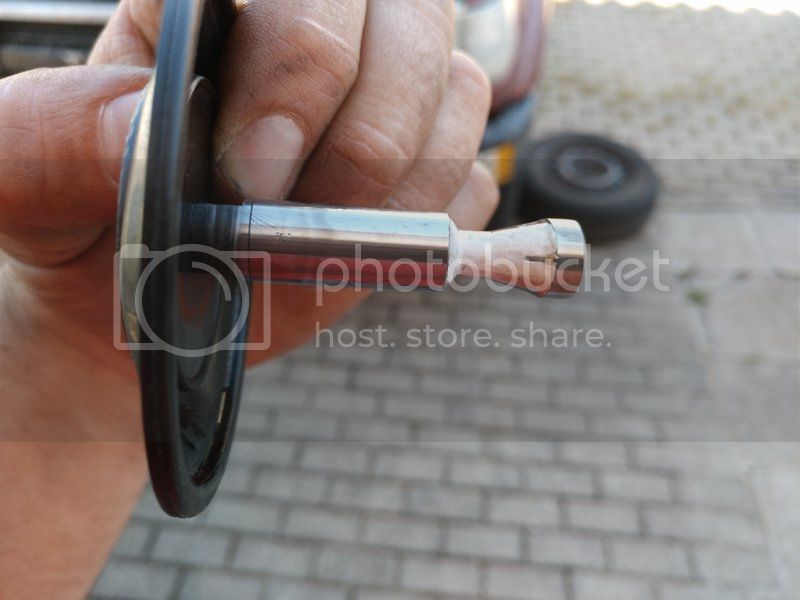
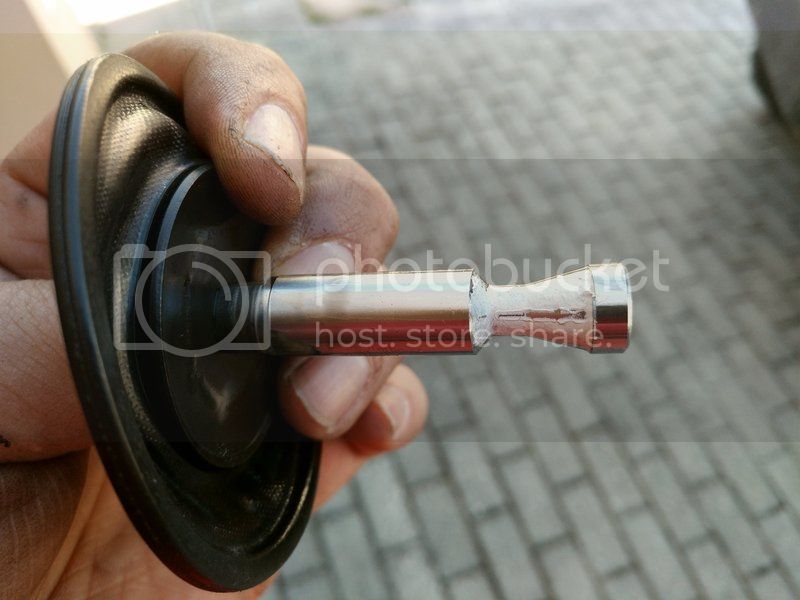
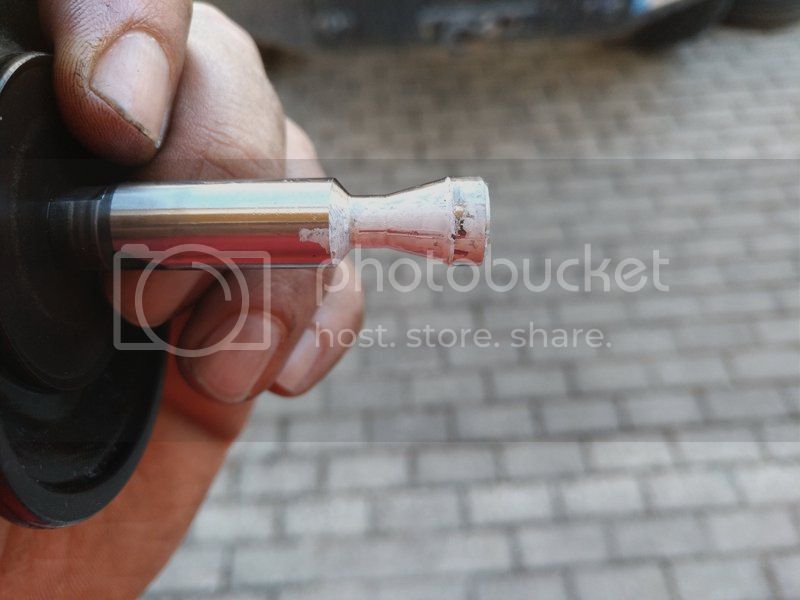
Is that picture your pin? Or one from the net.

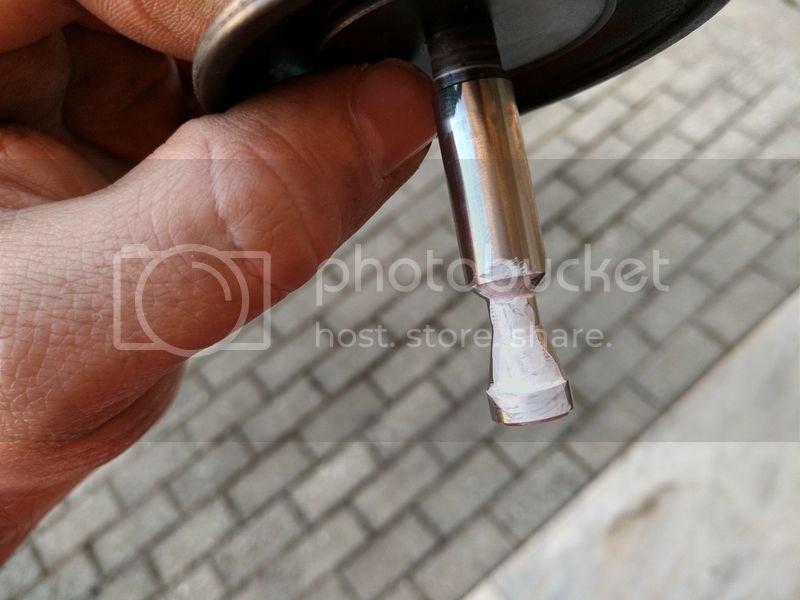
Check out the wear mark. It starts very high on the taper, too high, doesn't make sense.

That pin was providing very little increase in fuel.
 
Sorry I should have mentioned that the pin in the image is form page 2 of this thread, taken by a fellow mudder.
 
@loucaojr Check out this video, it really clearly shows the process.

 
Hi,

Thanks for the video, in fact I followed that tutorial and got the following results

First How the pump was set
Cover/rest bolt set to higher profile
IMG_20170404_120833_2_zpsoemdx9zh.jpg


The aneroid was just using a small bit of the ramp and hitting the cut off a lot
IMG_20170404_122630_zpsgurfyvww.jpg


This what I believe was stock setting
IMG_20170404_123335_2_zpsnwc6tgp3.jpg


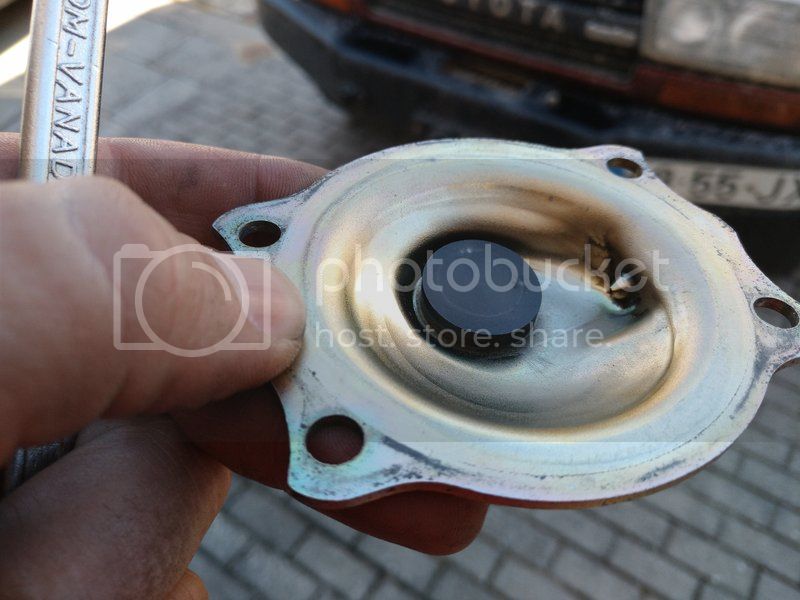
Ground the top of the aneroid
IMG_20170404_130023_zpsnzonf85t.jpg


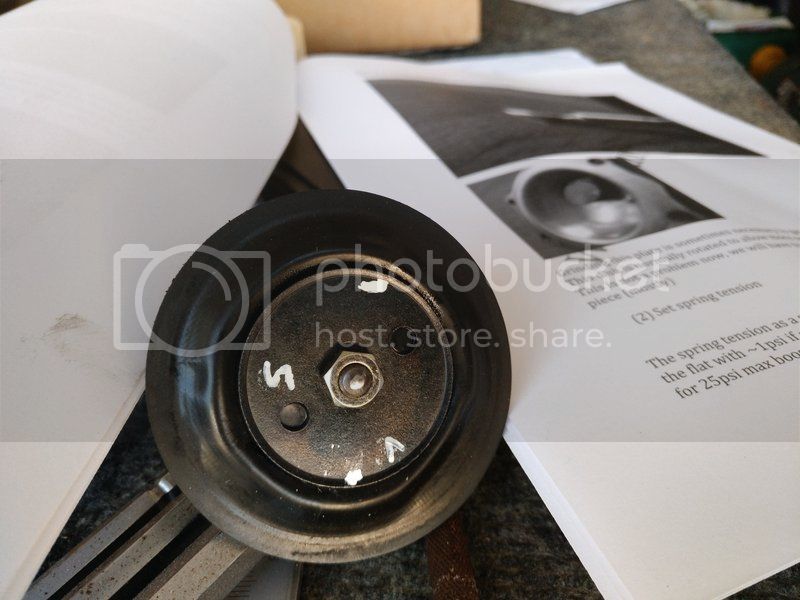
Marked the top of the diaphragm ( S - Stock; A - Old setting; minus - least aggressive profile ; dot - most aggressive profile)
IMG_20170404_135655_zpsfus3gijk.jpg


Rotated the rest position to the lower side
IMG_20170404_140650_zps82bhju1i.jpg


And started testing
IMG_20170404_140018_2_zpsvcxrm2t8.jpg


IMG_20170404_141843_zpsocf9sy65.jpg


Continues
 
Last edited:
First results of the tests
Mark made by just placing the cover in position, this makes me think that the rest position is not at the lowest part of the aneroid.
IMG_20170404_141514_zps6zhw8zsz.jpg


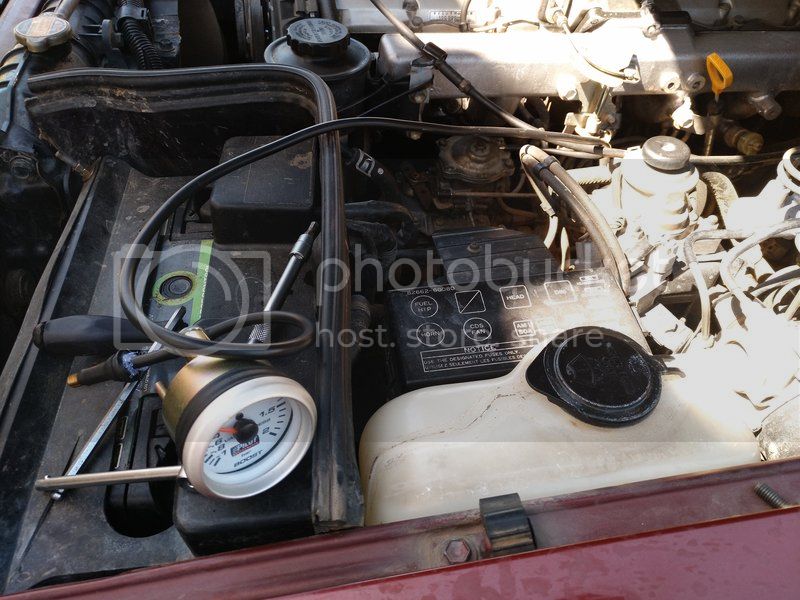
First runs to 1Bar ( did hit one or two times 1.1bar), still ride the diesel cut-off zone
IMG_20170404_142201_zpssj4nqq3o.jpg


After Several test runs and after adding a total of 30 clicks in the star wheel counter-clockwise. Not much difference but maybe a little more faraway from the diesel cut-off
IMG_20170404_145112_zpssuaqys7c.jpg


Had just a small drive.. Wasn't enough to get a felling for it. Didn't touch the main diesel screw.

So now... More clicks in the star wheel? What about the rest position? By Graeme's notes it necessary to grind it, right?
When fiddling with the main screw just 1/2 turn of adjust each time, less or more?

Am I missing something else?

Please comment.

Cheers

 
First results of the tests
Mark made by just placing the cover in position, this makes me think that the rest position is not at the lowest part of the aneroid.
IMG_20170404_141514_zps6zhw8zsz.jpg


First runs to 1Bar ( did hit one or two times 1.1bar), still ride the diesel cut-off zone
IMG_20170404_142201_zpssj4nqq3o.jpg


After Several test runs and after adding a total of 30 clicks in the star wheel counter-clockwise. Not much difference but maybe a little more faraway from the diesel cut-off
IMG_20170404_145112_zpssuaqys7c.jpg


Had just a small drive.. Wasn't enough to get a felling for it. Didn't touch the main diesel screw.

So now... More clicks in the star wheel? What about the rest position? By Graeme's notes it necessary to grind it, right?
When fiddling with the main screw just 1/2 turn of adjust each time, less or more?

Am I missing something else?

Please comment.

Cheers

I'd go 1/8-1/4 turns on the fuel screw. I have messed with the starting position (diaphragm cover screw) and not noticed any real difference, but I am all stock running 15lbs.

What are your EGT's like?

When does your boost come on?
 
HI,

Mine is running stock CT26 @ 15Lbs, straight through 60mm exhaust, air-to-water intercooler.

Till today, running the shown tune that also had a bit more fuel, EGTs around 250ºC@100KM/H ( after-turbo) and was at full boost around 1800RPMs, maybe a litle less 1700RPMs.

What I've noticed is that when you bleep the throttle is a bit smoother and around seems a bit cooler, which is logical.

By the way, any pics showing a rest plate that has been ground?...

Cheers
 
Last edited:
By 'rest plate ', are you referring to the little cam under the top cover?
I would not grind it. Once you grind metal of it you can't put it back on. It gives you fine adjustment of off idle fuel setting. It sets the starting depth of the aneroid pin and adjusts amount of fuel you get when you blip the throttle from idle.

Keep tinkering to optimise your tune before you grind anything. With stock turbo, you should be able to get a pretty decent improvement in tune without grinding IMO

Don't expect to get the perfect tune in one hit, I'd ssh expect to tinker with it repeatedly over a couple of weeks.
Tweak, test, observe, tweak, repeat

Also EGT at 100km/hr is irrelevant. You need to tune for a safe maximum EGT.

A 1/2 turn on the main fuel screw is a BIG change. Go in 1/8 turns, and you may want to tweak boost compensator after each change of main fuel screw
 
By 'rest plate ', are you referring to the little cam under the top cover?
I would not grind it. Once you grind metal of it you can't put it back on. It gives you fine adjustment of off idle fuel setting. It sets the starting depth of the aneroid pin and adjusts amount of fuel you get when you blip the throttle from idle.

Keep tinkering to optimise your tune before you grind anything. With stock turbo, you should be able to get a pretty decent improvement in tune without grinding IMO

Don't expect to get the perfect tune in one hit, I'd ssh expect to tinker with it repeatedly over a couple of weeks.
Tweak, test, observe, tweak, repeat

Also EGT at 100km/hr is irrelevant. You need to tune for a safe maximum EGT.

A 1/2 turn on the main fuel screw is a BIG change. Go in 1/8 turns, and you may want to tweak boost compensator after each change of main fuel screw

Thanks for the comments.
Yes, I was referring to the cam on the top cover.
So, basically, more clicks till the aneroid marks looks nicer, not rinding so much on the flat zone. And after this a bit of fuel. And check!

I'll keep you posted.

Cheers
 

What's wrong with this calibration? Assuming this marking was from your target boost level, you're using the entire useable surface without getting into fuel cut, if it was me I'd be aiming for this result when tuning my boost compensator. From here you'd adjust the cam plate to get your off-idle response, and rotate the aneroid to get a fuel curve you like best, and see if you need to make a main fuel adjustment?
 
Hi,

I see! Some times is a bit "difficult" to separate the thought of the aneroid movement VS throttle position VS Revs.. But I going there!

Since previous owner already tried to tune the car I'm just doing small adjustments... These won't be so noticeable like if I was doing it from stock.
Anyway from what I've done yesterday I notice a more linear response, I seems that the flat spot after 2000/2200 RPMs till 2800RPMs, where the boost starts to fall, it's solved or less noticeable. I'm pretty sure that the issue was the fuel cut-off due to the lack of spring tension.

I went by my garage and placed the cam plate back to the higher position and did a small test, RPMs climbed about 100RPMs, EGTs around town a bit higher, from 50 to 100ºC, and the rising of the boost pressure is less noticeable and there a bigger black puff comming out of the exhaust.

Regarding the cam plate, some say it should be in thinner profile others say to the higher profile.
Shouldn't it be set in a way that most of the slope of the aneroid is used, like in Graeme's document? But That will mean less take-of fuel... So some tune on the main fuel screw would be needed to get the same performance at off-boost. Opening the main fuel this means more fuel all over the rev band so a higher flow turbo is what compensates for the added fuel.
Running a stock turbo you won't get the needed air all that fuel, so the way to go is place the cam plate on the higher profile.
Do these last lines make any sense? The difference in the tuning philosophy is due to the different turbo?

Cheers
 
The way I look at it:
-injection pump provides linear fuel increase vs. rpm, does not take into account boost
Boost compensator allows for additional fuel to be added to account for the extra air that comes with a turbo.
-aneroid pin controls fuel vs. boost, not throttle, not rpm, calibrate so your target boost moves the aneroid pin the full travel before getting into fuel cut, this provides the maximum tuning resolution. If you were to think of it in terms of tuning an electronic fuel injection system on a laptop, the more cells you have to work with, the more accurate your tune CAN be, not will be. This is controlled by the star wheel adjustment which pre-loads the spring.
-cam plate controls off idle fueling, when you punch the throttle from idle you'll get base fueling plus whatever the aneroid will provide, so the off boost aneroid position is controlled by the cam plate.
-Rotating the aneroid pin affects the fuel curve vs. boost, or how quickly fueling ramps up as boost rises. If it comes on too quickly you can get EGT's rising too high as the fuel provided is more than the air available requires, if too little fuel then performance suffers.
-main fuel screw affects fuel across the board (see 1st point), after making changes here idle may need to be adjusted, and all the boost compensator adjustments may need to be revisited.
 
Hummmm there's more than meets the eye! Many thanks!
So Messing with the aneroid position is the next step so I understand and get a feeling of the different "maps".
 
yeah, I agree with Ian. The mark you have on the fuel pin looks good. the pin is travelling down to the maxium fuel, but not into over boost.

Totally agree with the EFI analogy, and that the boost compensator lets you fine tune fuel delivery.

The main fuel screw is a coarse adjustment and changes the amount of fuel delivered right across all conditions.

The cam plate fine tunes your starting point with the aneroid pin. It adjusts how much fuel you get BEFORE the aneroid pin moves due to boost by, Or as the engine comes 'off idle' and starts making boost.
Too much fuel here, you'll get puffs of dark smoke as you take off (a short puff is normal). Not enough, and you'll lack power down low and the turbo will be slow to spool, which in turn means there's a lag until the aneroid pin moves.

All settings work together, and are infinitely variable. It's not as easy as following a step by step, main fuel screw 1 full turn, off idle cam plate, on max, star wheel 6 clicks to the right.
Every pump will have a different baseline, every truck different modifications and spec levels.
 
I totally agree with the "infinitely variable"... And I'm learning all along which at least double those infinite variables!
One thing that I would like to have is a look at the exhaust while going trough the gears to be able to have a more precise idea of the amount of smoke coming out, which a very good base line in our diesel engines. I do see some puffs but a LHD car and a exhaust aiming the ground at stock position doesn't make it easy! Maybe the gopro hanging at the back will help!
Perfect was to do dyno runs... It also would be a great learning process watching the fine changes while messing with the pump.

With the soon to be exhaust and snorkel, I believe I'll probably see a bit better temps and maybe the pump will need a revised tune. Or these king of changes won't make all that difference?

Regarding EGTs, hard pull, flat out, slightly uphill, from low 3rd to hi 4th EGTs rise to around 600ºC.

Cheers
 
Last edited:
After... I've read about this it seems that it can vary a lot. Anyway that's not the way I drive normally and in that case it normally runs bellow 400ºC.
After turbo it will be laggier to get the reading , but at steady pace it won't be much far, don't you recon?

I haven't put much thought into this maybe due to the afraid of something getting loose in the probe and ending in the turbo... But even so, if the reading is much correct before why the brand say to place it 10cm after turbo?
 
@loucaojr I'm not sure what brand EGT you have, but generally there is a temp drop across the turbo that is very hard to account for, and not linear as temps rise. If you're looking to tune via EGT, you want the probe pre-turbo in the collector of the manifold to make sure you're tuning with good data.
 
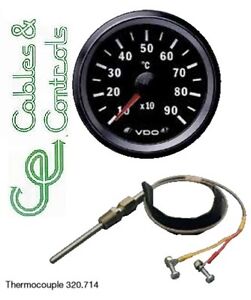
I use VDO's pyro, something like this
s-l300.jpg


And as per their catalog I quote
320.714 Thermocouple 1/4”-18 NPTF non bonded junction “K”
type to be fitted 100mm after the turbo

But I've noticed that they have available a thermowell, so no/reduced risk of something going into the turbine. Can I drill M16x1.5 into the manifold?
 
Last edited:
Back
Top Bottom