I'm not a mechanical engineer (even though I drive coal trains - but that's not called being an 'engineer' here in Oz!) but a couple of things with these devices...
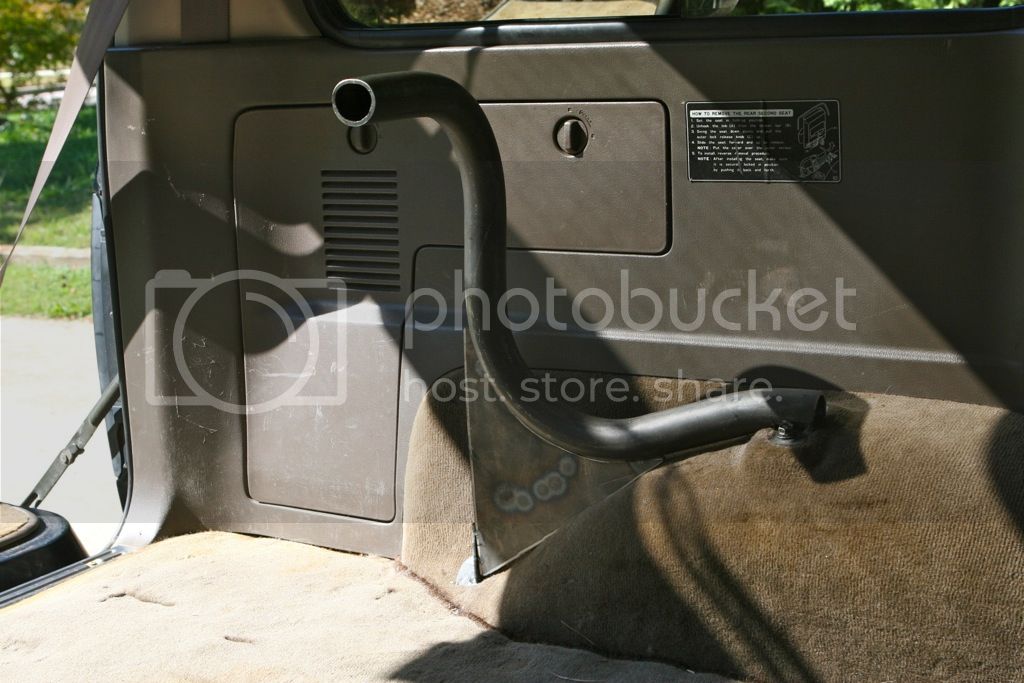
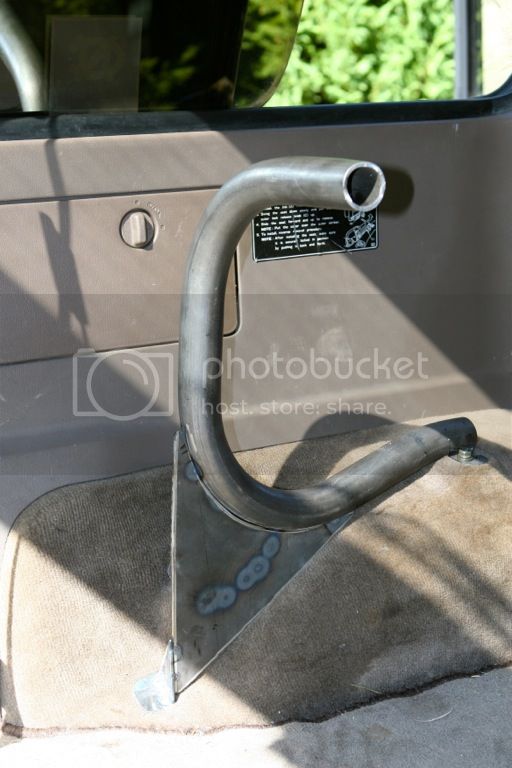
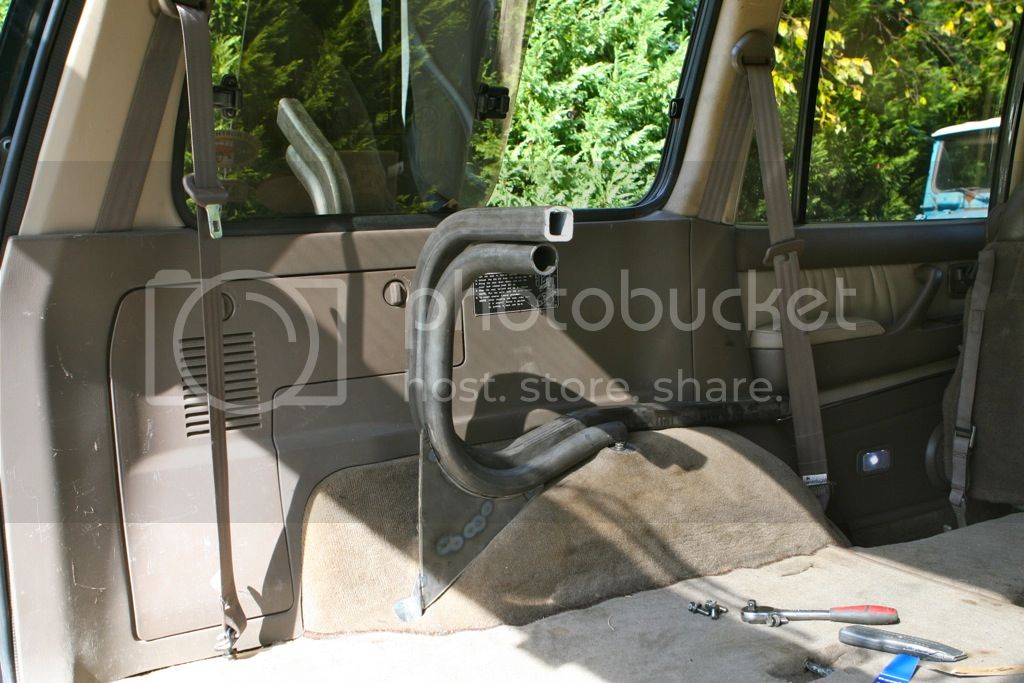
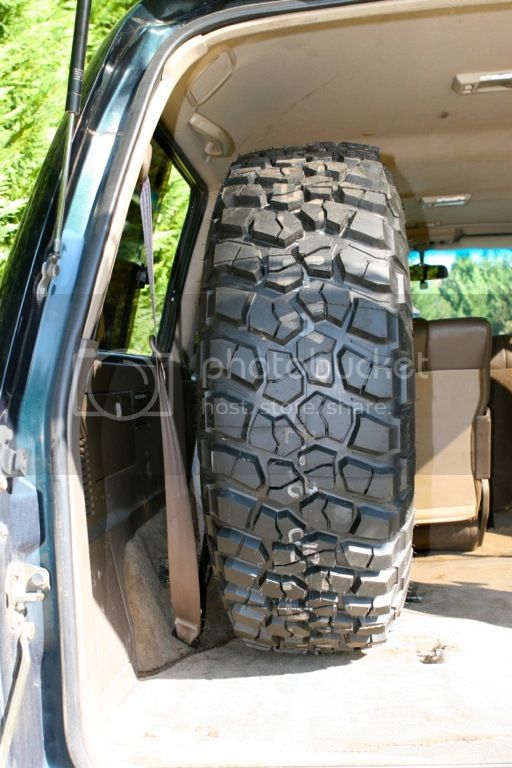
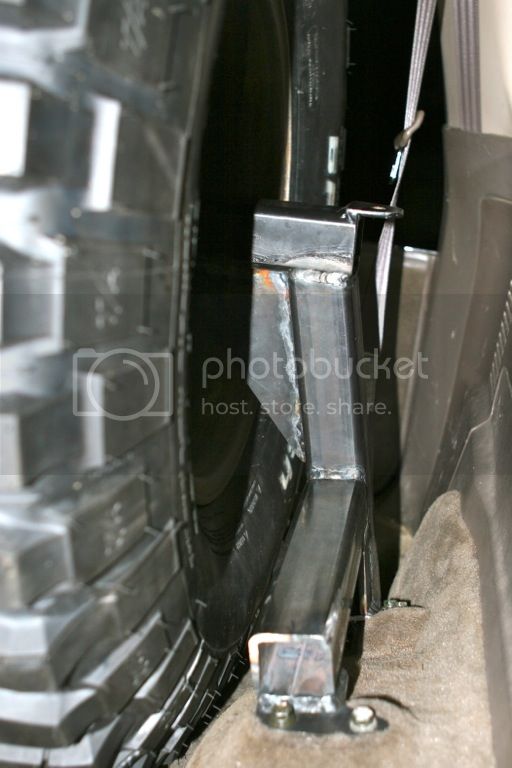
How strong is that rear wheel arch plate for securing what is basically a cantilevered load? When a wheel is mounted, what size tyre is it set up for? I run 31 x 10.5 R15 LT tyres (Bridgestone D694's) at present and I know a lot of people like to have 33's or even 35's. If the carrier is set up to hold the wheel so the tyre is just above the cargo bay floor, something like a piece of foam rubber could be used when placing the wheel so it has some cushioning to absorb energy that would otherwise be going straight to the mounting bolts. Or it could simply be arranged so the tyre sits nicely on the top of the cargo liner which does basically the same thing as a bit of rubber.
Second, being in Oz I wonder if mounting a wheel on the LHS of the cargo bay is going to be legal. I'm assuming it wouldn't be difficult to create a mirror-image version to mount to the RHS rear wheel arch plate? There might already be some wheel carriers made light that for here in Oz so I'll hunt around and see.
I don't really like the idea of spares mounted outside the rear (Cargo area) doors since they just impair visibility IMHO. Regardless of whether they are barn doors or 'the other type'.
Craig.
Hey Craig, I'm no mechanical engineer although I did consult with one. Lets see if I can help clarify what Joe already said.
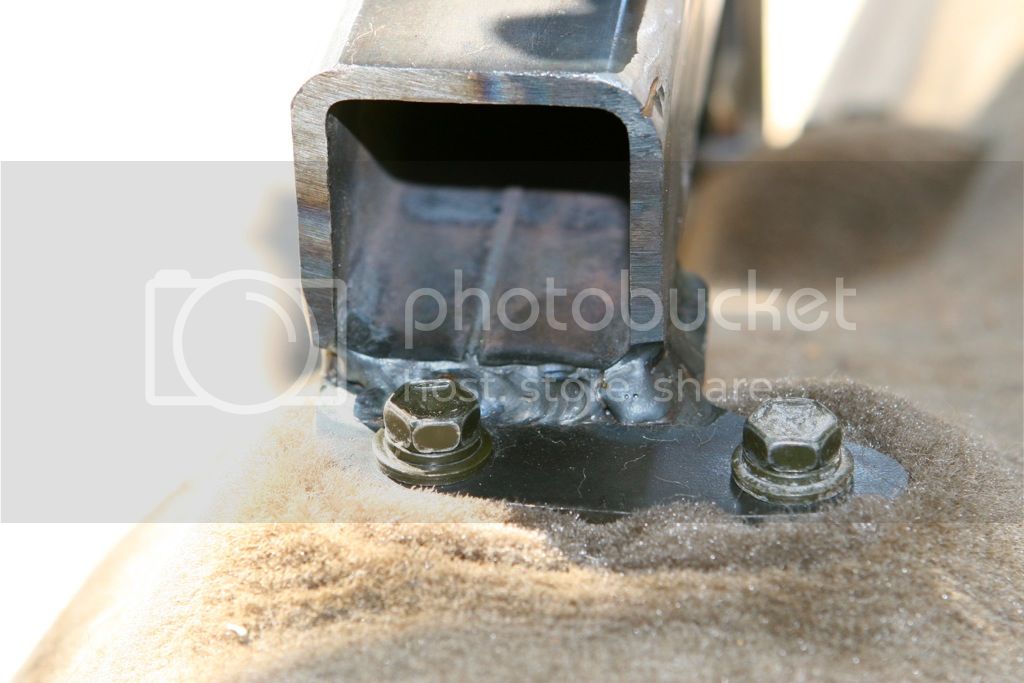
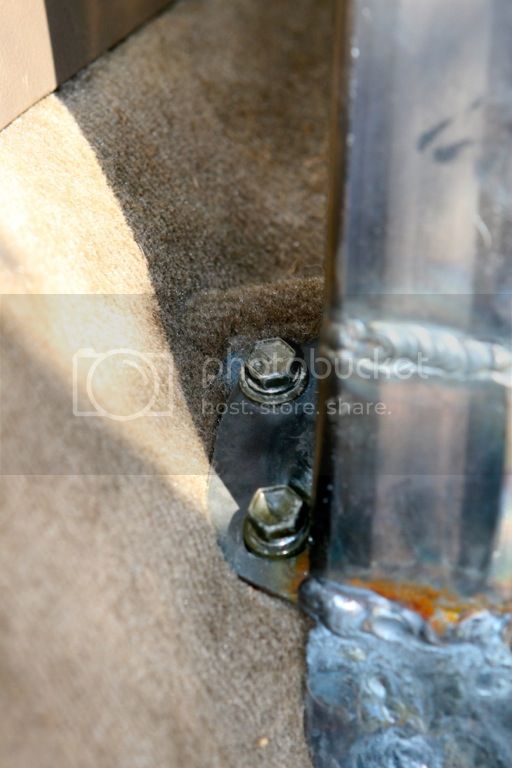
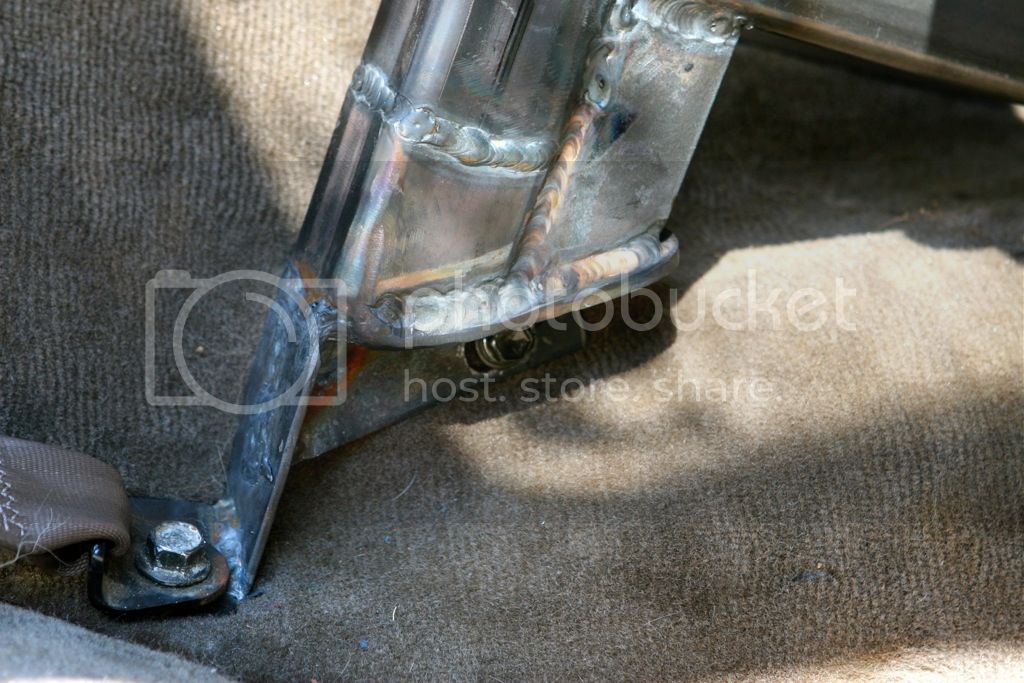
Yes, I did incorporate the rear seatbelt bolt into the bracket. This increases the overall strength of the bracket due to how seatbelt attachments have regulations in the US. I also believe that Toyota has "typically" over-engineered their vehicles when it comes to safety, with the 80 series being their shining example of safety when encountering "catastrophic" events.
The seat rail bolts are designed to hold the seat, its hardware as well as the adult occupant safely which can easily weigh over 250 lbs. My 0 mile 315/75/16 BFG KM2 weighs under 100 lbs on the stock alloy. I'm feeling fine with the attachment to the vehicle.
Yes, I designed it around a 35" or 315/75/16 tire. I tried a couple sliding options but didn't like that they may rattle or loosen and /or be a failure point. A good option that Joe and I discussed was to use some inexpensive wheel chocks to help support the wheel if one felt it needed it. Frankly, driving around, it doesn't wiggle or move at all. I may need to use my GoPro camera to take a video next time we hit the trails.
Yes, I have already had some ask for a version on the passenger side. For us that drive LHD, it blocks the passenger quarter window, making a blind spot where one would have to rely 100% of the passenger side mirror. Not the best option IMHO. Yet, I know some will ask for it, so I'm also working on modifying the bracket to fit the passenger side also. The passenger side is a bit easier since the seat rail bolt holes have less angles than the driver side has.
The only difference I have to make is to flip or flop the tubing to bend it one way or the other, pretty easy when it comes to that part. Its the bracket that took the time to fabricate.
In any event, this came to fruition due to Joe's input to not have his tire outside. Its not my first pic although I understand why many like the option to mount the tire inside. As we know, its tough to get a 33" tire under the 80's, let alone having to try and get it free when off-road.
In my opinion, its better than having it on the roof or strapped down with nylon tie-downs. It is a 6 bolt installation that should take a monkey 5 minutes to remove the existing seat bracket and install this tire mount.
Its just another option for those who choose this method to secure their spare. Not for everyone but certainly for some.
Hope this helps...
Jerry