Power to cargo area - what guage wire?

This site may earn a commission from merchant affiliate
links, including eBay, Amazon, Skimlinks, and others.

I opted for 6AWG and a 50A manual reset circuit breaker under the hood to the back to run all of our aftermarket electronics. One nice feature the manual reset breaker is that it also functions as a switch to turn off all power to the rear with the push of a button.

I won't try to talk you out of running a dedicated ground if that's your preference, but I don't feel it's necessary for most all applications. We've probably built over 5,000 vehicles utilizing factory ground locations and I can't remember a single vehicle ever having an electrical issue because of it. The only thing we do to improve upon the factory ground is to remove any paint with a coarse, straight wire brush for a drill. I'll leave it at that:cheers:

Here's how and where I did the grounds in the rear of our rig:

IMG_6295.JPG


IMG_6296.JPG
 
Last edited:
Wow, that's tough to argue, with that many successful vehicle installations. It sure would be easier to only run one wire, so I think I'll do that. Worst case, I can run another ground later.
 
Yes, I was going to run two wires of the same size.

No need to add weight and cost here. It's common and a best practice to use the chassis as ground. I'll go further and say it's actually bad practice to run a ground. When the chassis is the largest gauge conduit, with the least resistance.
 
No need to add weight and cost here. It's common and a best practice to use the chassis as ground. I'll go further and say it's actually bad practice to run a ground. When the chassis is the largest gauge conduit, with the least resistance.

The ONLY time I would disagree is if some equipment to be used was interconnected with other equipment that used a different ground point in the vehicle and was subject to floating ground noise (stereo equipment is the only one that comes to mind easily).
 
I believe the BlueSea panels are rated for 100amps total, so you definitely want to downsize the circuit breaker.

I've previously ran 2gauge wiring from the battery to the bed of my Tacoma, and would do the same thing again. Play it safe, overkill it, and you won't have issues down the line.
 
The ONLY time I would disagree is if some equipment to be used was interconnected with other equipment that used a different ground point in the vehicle and was subject to floating ground noise (stereo equipment is the only one that comes to mind easily).

Yup, grounding to a star configuration ground point so sensitive equipment have a common singular point of reference. Useful for engine sensors as well. Where millivolts of difference matters. Different story here, where we're just focused on power distribution so didn't want to confuse the conversation.
 
Anyone have issues with the BlueSea breakers (Thinking 50A) under the hood tripping due to engine and ambient heat? I was
planning for 40Awith MIDI/AMI, but I see a number if folks doing the resettable breakers. I’m about to do a 4 AWG run to the hitch for my trailer-mounted BCDC and trying to decide... ive read some places that they’re sometimes plagued by tripping due to ambient plus current temp through the breaker.

Thanks in advance!
 
I haven't had any breaker tripping problems at all. I am not in a super hot area of the country/world, but we've had a handful of 90+ degree days this summer. I have one on the circuit back to my rear cargo area cargo distribution panel. All of my Redarc gear is fused with AMI/MIDI fuses.
 
I have a 100A breaker mounted to the inner fender tucked behind the air box, feeds a 12-circuit panel in the back with #4 wire. No problems, been there almost 2 years. It's probably way oversized, given that I have very few loads on that system currently. I'll probably swap it out at some point with something lower rated.

IMG_20200802_122844.jpg
 
I ran 4g up the driver side to a fuse block behind the pop out panel. Makes it easy to access fuses and install other accessories I may need in the future.

View attachment 2319077

I ran TWO 1g wires to my rear driver side... But that was to help fight voltage drop to my very large inverter. Nothing near huge that is needed for anything else.

Believe me...it is no easy feat to cram them through the door jam space and rearward. 😵
 
Last edited:
OP - Please run larger than 10 gauge to the rear! I've seen it a thousand times. A customer has 10 gauge or similar and is trying to run way too much stuff off of it. IMO 10 gage is for the fridge power. Minimum 6 gauge to the rear. That way you'll only have to do the annoying job of running the wires once.

I recently had a vehicle in for an install that had just come from another shop. The customer had indicated to the shop he was going to run a 4000 watt inverter in the back! The shop ran a 10 gauge wire to a 100 amp fuse block. I'm not kidding. Needless to say we ran an appropriate wire and I talked him out of the 4000 watt inverter for something more reasonable.

While you're in there run extra 16-18 gauge wires for future expansion/signal wires. Inevitably down the road you will want to switch a relay or something in the rear from the cab. Lay the groundwork now.
 
I recently had a vehicle in for an install that had just come from another shop. The customer had indicated to the shop he was going to run a 4000 watt inverter in the back! The shop ran a 10 gauge wire to a 100 amp fuse block. I'm not kidding. Needless to say we ran an appropriate wire and I talked him out of the 4000 watt inverter for something more reasonable.

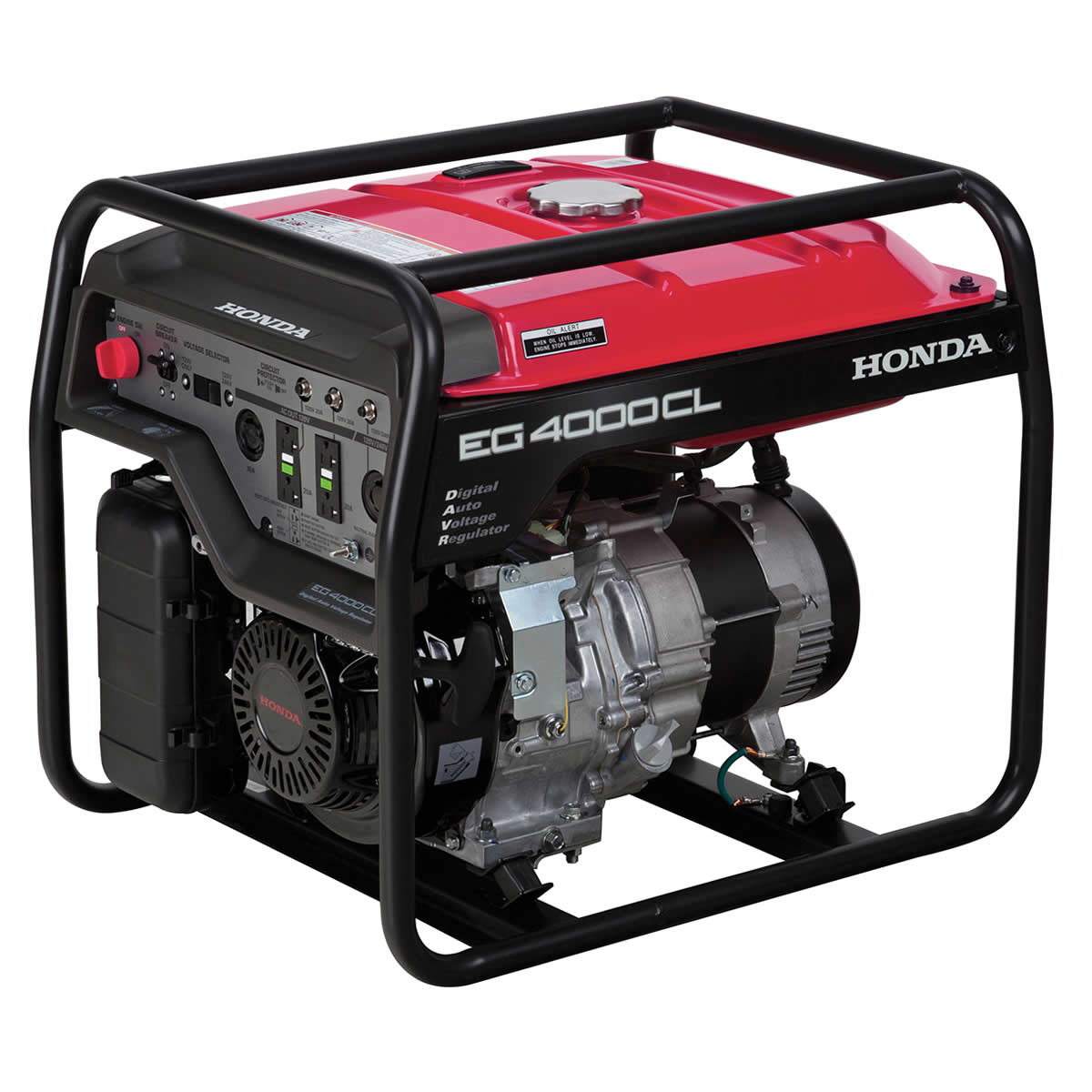
OMG... I didn't know they even made a 4kW inverter. That's genset territory.

eg4000clat_pe_imglg.jpg
 
OMG... I didn't know they even made a 4kW inverter. That's genset territory.

eg4000clat_pe_imglg.jpg
4k is crazy huge for sure. The problem is often voltage drop rather than watt rating. I have a 2k sine wave & can power a microwave...but even with 2 strong batteries...that’s with the engine running.
 
No need to add weight and cost here. It's common and a best practice to use the chassis as ground. I'll go further and say it's actually bad practice to run a ground. When the chassis is the largest gauge conduit, with the least resistance.
I just ran a 4awg wire from the main battery to the rear passenger cargo area. I was prepared to run a dedicated ground along the same path, however, I came across this post and wanted to double check.
The main purpose is to power a 18amp Victron DC to DC charger (up to 25 amps). I have the wire ready to go, but should I just grab a ground from the chassis area?
 
Back
Top Bottom