



- Joined
- Oct 2, 2007
- Threads
- 35
- Messages
- 141
- Location
- Inter-Mountain Northwest
- Website
- www.jonesdrafting.com
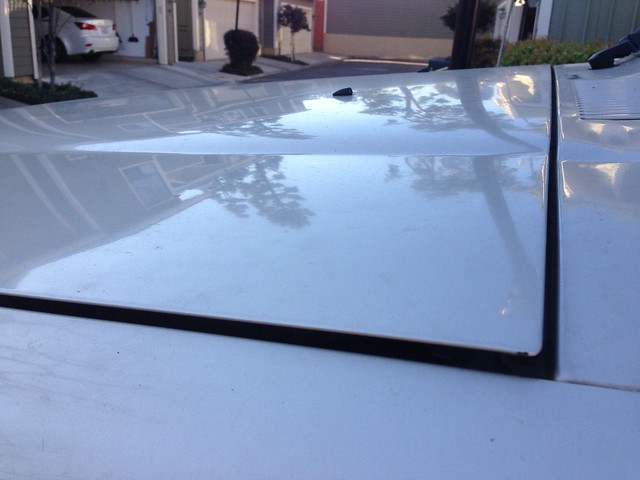
Anybody used hood lifts(spacers) at rear of hood, to vent engine bay?
Follow along with the video below to see how to install our site as a web app on your home screen.
Note: This feature may not be available in some browsers.
This site may earn a commission from merchant affiliate
links, including eBay, Amazon, Skimlinks, and others.


They have a carb cooling fan to help prevent heat soak from the exhaust directly under the carb; too much and it'll vapor lock.The issue is caused by its being an Fj60. Same reason they have carb cooling fan.
When you're at speed, that area of the vehicle is actually under high pressure (which is how cowl induction hoods work, or why you can feel air blowing out your vents even with the fan is off). No hot air is going to escape from lifting the rear of the hood.The issue is caused by its being an Fj60. Same reason they have carb cooling fan.

At speed, yes.When you're at speed, that area of the vehicle is actually under high pressure (which is how cowl induction hoods work, or why you can feel air blowing out your vents even with the fan is off). No hot air is going to escape from lifting the rear of the hood.
The carb cooling fan is necessary because the hot exhaust manifold, located directly under the carb, will cause the fuel to boil ...when the vehicle is off. The carb fan doesn't even operate when the vehicle is running. Many inline engines, from many different manufacturers had carb/fuel-rail cooling fans for this reason.
The whole underneath of the vehicle is open. I think the more appropriate question is to ask: Am I having trouble keeping my vehicle cool?At speed, yes.
But would this type of venting be helpful while in 4x4 at low speed, in warmer climates?
I'm only asking
I've wondered if the side vents on the front fenders are for this purpose, as you can feel the heat from them at idle. Not sure how things might change temp wise if you plugged them up.
Again, just asking.


What are you solving for?Anybody used hood lifts(spacers) at rear of hood, to vent engine bay?


Years ago when taxis were all Ford Crown Vic's, cabs in NYC and Chicago always drove around in the summer on the safety catch. It works great at slow speed, but best not to forget to latch it on the highway.150k miles later - just pop the hood and let the safety latch hold it - force that cool air in across the top
The unfortunate truth is that aftermarket companies release all kinds of products that are dubious, unhelpful or even harmful. Just look at all the "cold air intakes" that actually take hot air from under the hood, when almost every production vehicle made in the past like 35 years has a factory cold air intake that takes cool air from the fender."Generally speaking" There is a reason companies offer hood louvers and hood hinge spacers. OEM engineers map out the under hood cooling plan but any mod you do under the hood can alter this. So if you're stock, I agree with others that you probably don't need them.
I know many Jeep people that benefit from using the hood vents and some used spacers at the rear of the hood. It did solve their under hood heat problems. I'm also in AZ so it's damn hot. They had all kinds of mods under the hood.
I know zero about ANY Land Cruiser since I've never owned one. (I'd love to) So I can only comment on personal experience with my own truck.
My 86 Xtra Cab mini truck is highly altered from stock and I got a huge reduction in under hood temps because I vent most of the hot air directly off the radiator out the wheel wells. Open your hood and feel where the majority of air comes off the fan. I can open the hood after pulling off the freeway or wheeling all day and get no blast of hot air at all. There is still enough blowing back to go underneath and through the trans tunnel.
I probably wouldn't like open wheel wells in mud, snow or wet climates. Not a problem for me so far for many years. There's always a trade off with any modification you do.
My buddy can switch out his Jeep fender well stuff. Screen, louvers or solid. IDK what brand those parts are.
*cough* sniper *cough*True. There's also a ton of forum posts asking why they have problems with their vehicles after doing mods.


