



Keep up the research Coax, it'll be worth it at the end.
Just making sure that the lingo is correct here, "slow speed" is referring to shock piston velocity, not wheel speed, correct?
quitter


Follow along with the video below to see how to install our site as a web app on your home screen.
Note: This feature may not be available in some browsers.
This site may earn a commission from merchant affiliate
links, including eBay, Amazon, Skimlinks, and others.
Keep up the research Coax, it'll be worth it at the end.
Just making sure that the lingo is correct here, "slow speed" is referring to shock piston velocity, not wheel speed, correct?

Just making sure that the lingo is correct here, "slow speed" is referring to shock piston velocity, not wheel speed, correct?

Admittedly I wasn't at a low PSI in the tires, and I 100% agree it makes a great deal of difference. (I did air down a bit halfway through the trip to make the driving a bit more bearable). However, since I am still in the "testing/setup" phase of these shocks I do NOT want soft tires masking improper valving. Once I get the shocks to where they need to be, then airing down of the tires is the final step.
 Hijack off
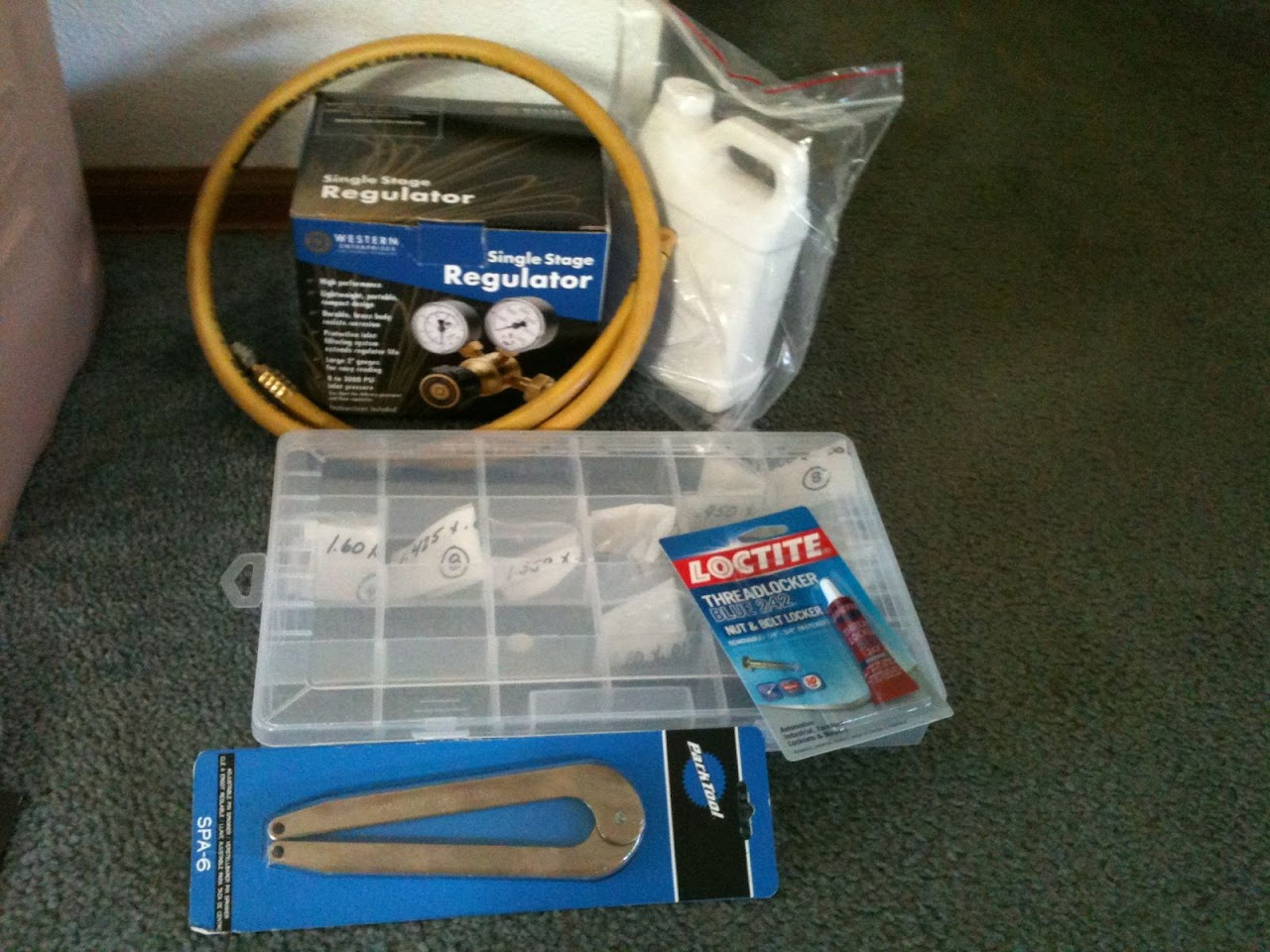

FWIW I have a loss-less style air chuck for my shocks. Mostly its just a longer way around the block
A couple quick blasts with a regular tire type inflation chuck works just as well...quicker...simpler...equally effective.
 If I get too annoyed with the no-loss contraption I'll buy a nice air chuck.

A few other thoughts and whatnot:
- It's hard to know exactly where the floating piston is in the reservoir and to then judge how much oil needs to be in the shock. I got pretty close but for the final re-valve I'll pull the cap off each remote res and measure out the fluid per Fox's instructions to make sure everything is where it needs to be.
I wonder how layering two thinner shims of the same diameter changes things compared to having a single thicker shim in the same place?
What made you choose to layer the two 1.425s on rear compression? I wonder how layering two thinner shims of the same diameter changes things compared to having a single thicker shim in the same place?
....I wonder how layering two thinner shims of the same diameter changes things compared to having a single thicker shim in the same place?
I went with the two shims for a few reasons. To provide a bit more cornering stability in the rear as the rear end 1.) flexes more easily than the front and 2.) would typically have more weight to control. Doubling up thinner shims I think makes the damping "smoother" compared to one thicker shim. It will also hopefully help with the mid range damping as well. Now just gotta get out and test it this weekend.

Awesome thread going here. If time allows, I'll do some research and see if I can come up with anything for you. Most of my intermediate at best (I rely on the extensive setting bank info and experts) valving experience is w/ Ohlins... but some of it can be transferred over to the Fox. My best results usually come with 2 or 3 stage flutter stacks...

If you decide to try the flutter again... The .8 x .020 shim you are dividing the the stages with is too thick... it's allowing too much flow and that's why you have the wallow. I would try an .008 or thinner even. It also sounds like the second stage of the stack is too heavy, go thinner on those shims, but add a couple smaller diameter units to keep the same overall height of the stack.

Mica and the crew figured it was a rock that scored the piston - destroying the seal. The irony being the rock must have been on the Freeway......
