Barn Rebuild: The family heirloom

This site may earn a commission from merchant affiliate
links, including eBay, Amazon, Skimlinks, and others.

Install the pressure plate by starting all 6 bolts before tightening any of them. Double check that the slighment tool slides in and out easily before tightening the pressure plate, also. You have to spin the crank in order to install all the bolts, then spin it again to tighten them.

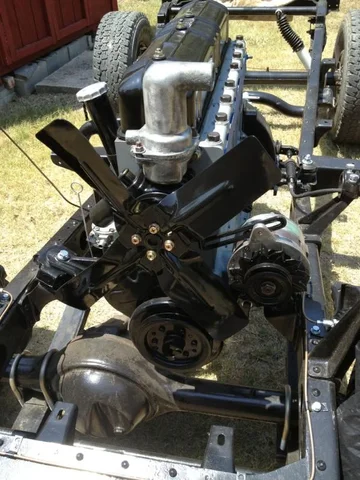
After getting the clutch installed, I went ahead and installed the motor mounts and hung the engine on the frame.
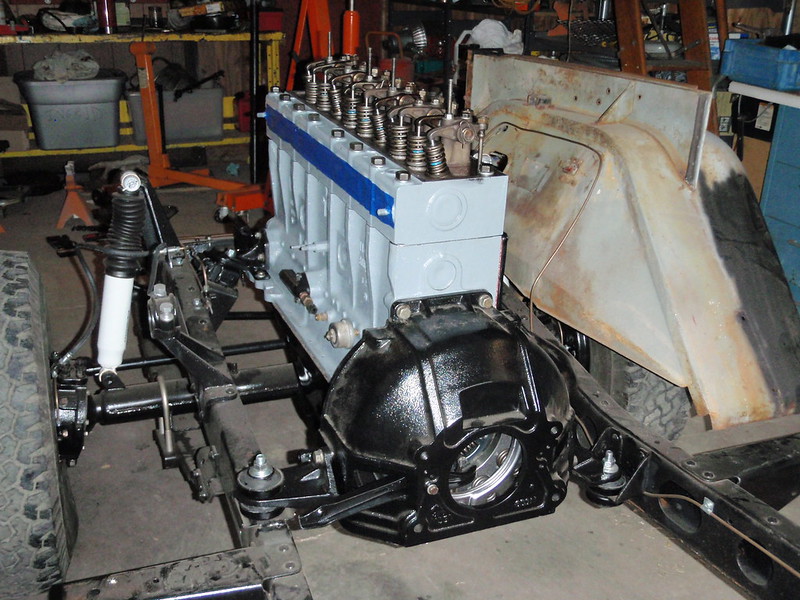
9362352736_a1f18d695f_c.jpg


I removed the old throw out bearing from its carrier using a drift and hammer.
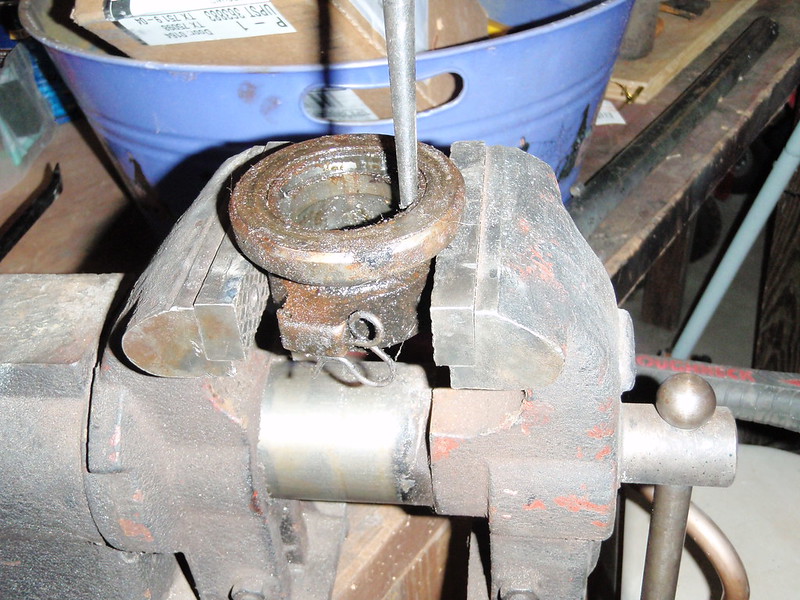
9362351628_3ced078b10_c.jpg


I installed the new throw out bearing using a bearing installer. The installer must only contact the inner race and no other part of the bearing to guarantee no damage.
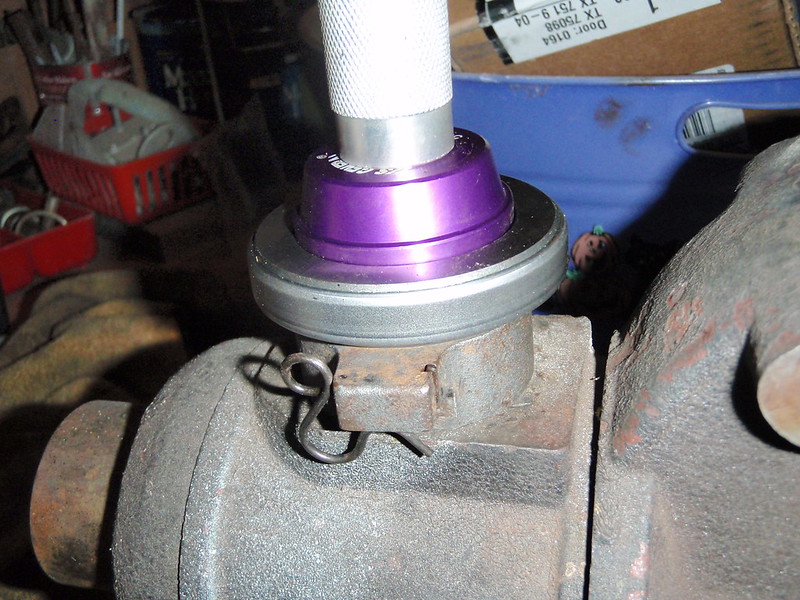
9359573413_baf28dfafd_c.jpg


Then I stabbed the transmission. I stuck the transfer in 4 High and the transmission in 3rd so I could spin the front driveshaft flange, which spun the input shaft while I aligned the transmission with the clutch disk. Make sure everything slides together before tightening those bolts down so you don't damage the pilot bearing. Take note that the shift fork and throw out bearing are in place in the bell housing before the transmission goes in.
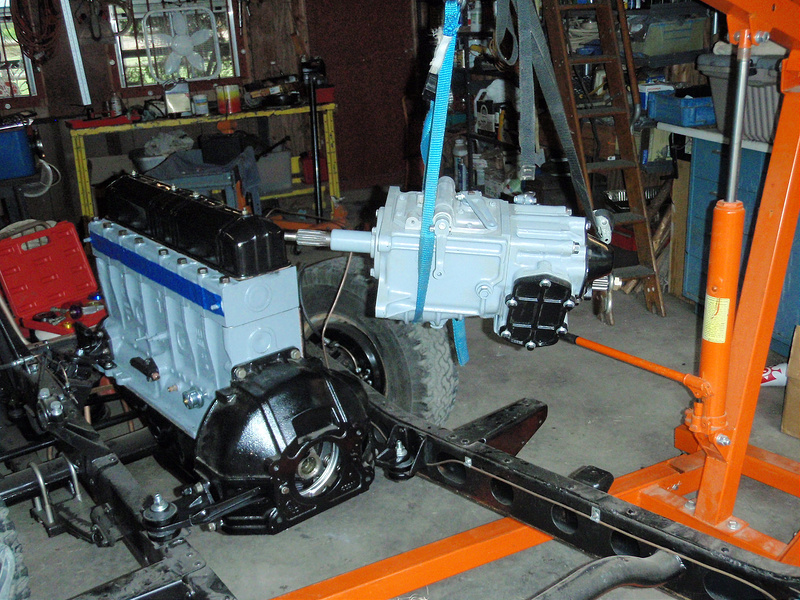
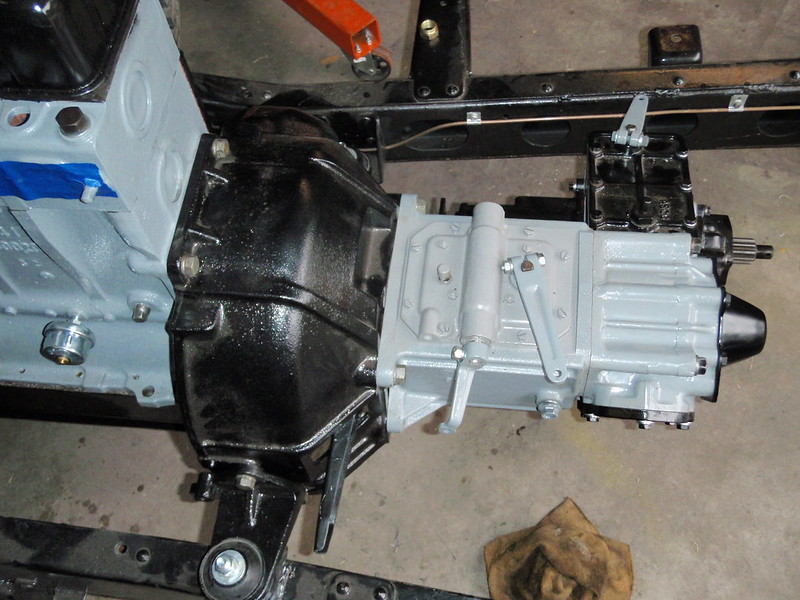
9362349250_ec68dc9a2e_c.jpg


9359570209_57ee8eb616_c.jpg


I spent a little time after this cleaning and painting a few bits and pieces. I left with it looking this way, mostly.
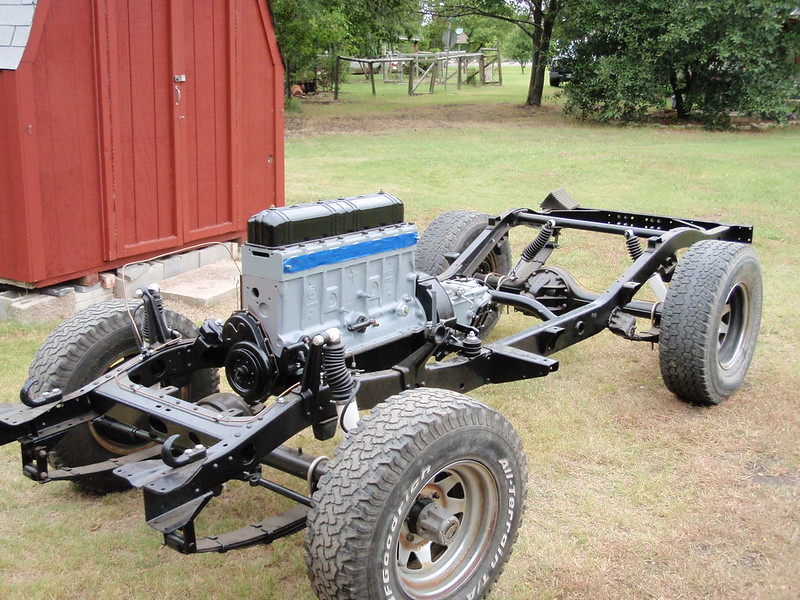
9359569083_4f9c2bf296_c.jpg


Questions:

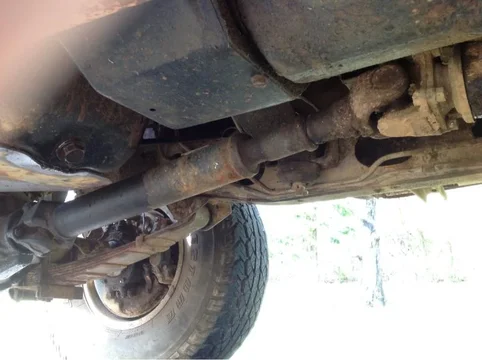
1. I installed the front driveshaft with the slip joint near the transfer case end. Is this correct?
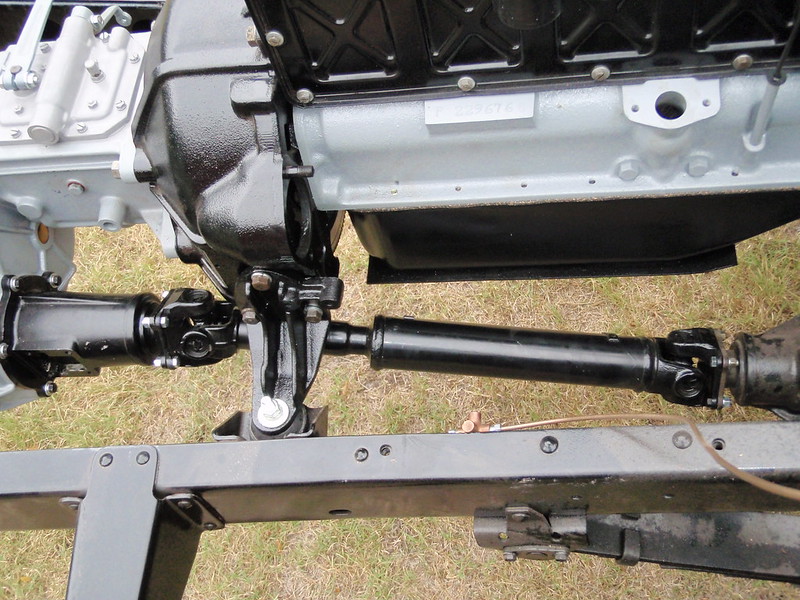
9359566845_a4bf9ae76a_c.jpg


2. The valve cover vents were aimed toward the back (firewall). Is this correct?
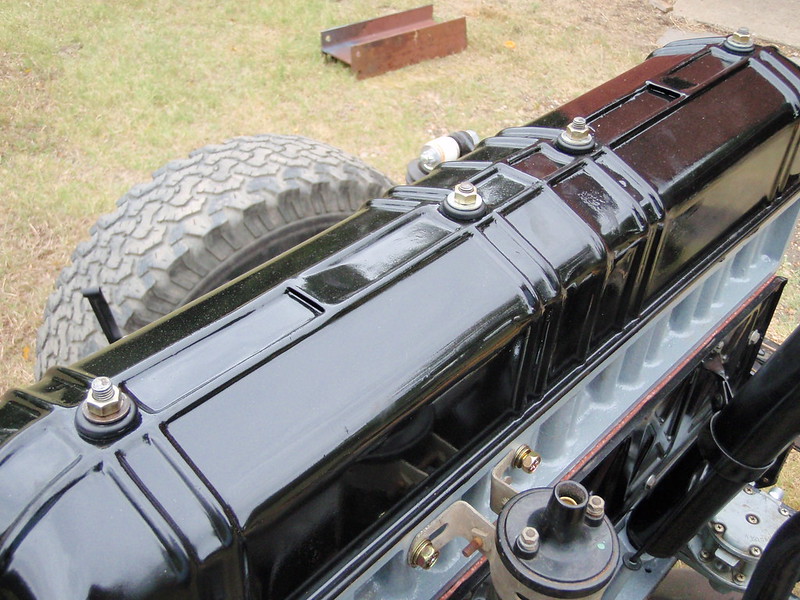
9359565685_78ee95c149_c.jpg
 
It has been a while since I updated this thread with good tech. This post won't be great tech.

It seems the cool kids like electrolysis for rust abatement. I had to give it a try.

So, at high school level chemistry, this should work with any electrolyte. The current is doing the work. The electrolyte just allows the solution conduct electricity.

Popular opinion and Internet knowledge claims that you need an alkaline salt for electrolysis. OK. I'll play. Baking soda:


image-2448085160.webp

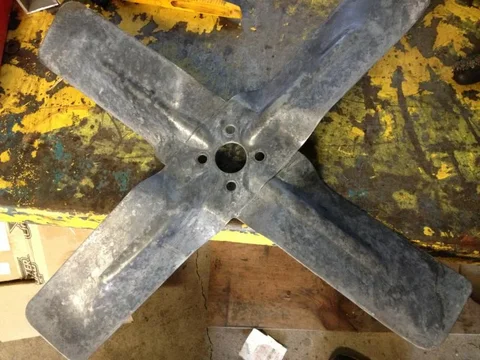
There's the fan after electrolysis with baking soda (sodium bicarbonate) for 3-4 hours. Oh, wait: I also wire brushed it (not on a wheel, but by hand) and spritzed a weak phosphoric acid wash to neutralize it. No before pic, but it had a medium layer of surface rust covering the entire part evenly. Very small pitting near the leading edges that paint might hide.

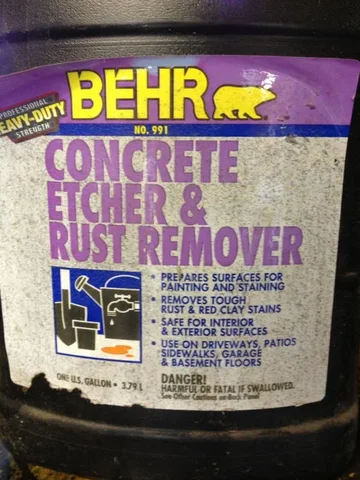
Here's the acid I used. Reduced 3:1 with tap water.

image-455446017.webp

Hey people, always pour ACID INTO WATER for safety. I didn't look up concentrations before using the stuff.

Internet wisdom recommends using stronger bases for better results with electrolysis. I set up a tank with soda ash (sodium carbonate), which is a stronger base. That will run overnight with a sacrificial clutch slave cylinder.

Non-Mud Internet wisdom claims that surface area for the positive terminal is the effective way to increase efficiency. Further information says that making the anode more inert than ferrous metal would improve the system. Many people are using fiberglass reinforced graphite sheets for the anode. It has lower reactivity, which makes the anode less of a "sacrificial" part that lasts longer and wipes clean. I don't have this yet, so I use sheet metal scraps.

Reference: this is a thread in an antique tractor forum.

http://www.smokstak.com/forum/showthread.php?t=28471

I'll experiment a little. Maybe in class. Results will be posted.
image-2448085160.webp
image-455446017.webp
 
It has been a while since I updated this thread with good tech. This post won't be great tech.

It seems the cool kids like electrolysis for rust abatement. I had to give it a try.

So, at high school level chemistry, this should work with any electrolyte. The current is doing the work. The electrolyte just allows the solution conduct electricity.

Popular opinion and Internet knowledge claims that you need an alkaline salt for electrolysis. OK. I'll play. Baking soda:

There's the fan after electrolysis with baking soda (sodium bicarbonate) for 3-4 hours. Oh, wait: I also wire brushed it (not on a wheel, but by hand) and spritzed a weak phosphoric acid wash to neutralize it. No before pic, but it had a medium layer of surface rust covering the entire part evenly. Very small pitting near the leading edges that paint might hide.

Here's the acid I used. Reduced 3:1 with tap water.

Hey people, always pour ACID INTO WATER for safety. I didn't look up concentrations before using the stuff.

Internet wisdom recommends using stronger bases for better results with electrolysis. I set up a tank with soda ash (sodium carbonate), which is a stronger base. That will run overnight with a sacrificial clutch slave cylinder.

Non-Mud Internet wisdom claims that surface area for the positive terminal is the effective way to increase efficiency. Further information says that making the anode more inert than ferrous metal would improve the system. Many people are using fiberglass reinforced graphite sheets for the anode. It has lower reactivity, which makes the anode less of a "sacrificial" part that lasts longer and wipes clean. I don't have this yet, so I use sheet metal scraps.

Reference: this is a thread in an antique tractor forum.

http://www.smokstak.com/forum/showthread.php?t=28471

I'll experiment a little. Maybe in class. Results will be posted.

Good article. Thanks for finding it. I'm going to copy it to that electrolysis thread.
 
The slave cylinder came out okay. I didn't take a picture, since it is consistent with other results seen here.

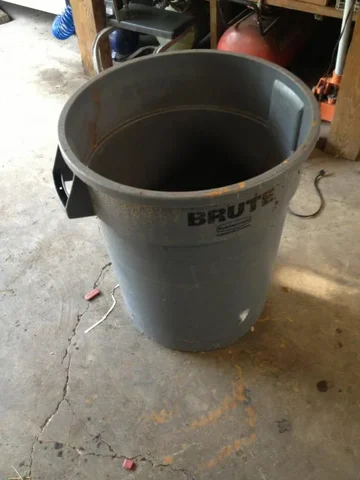
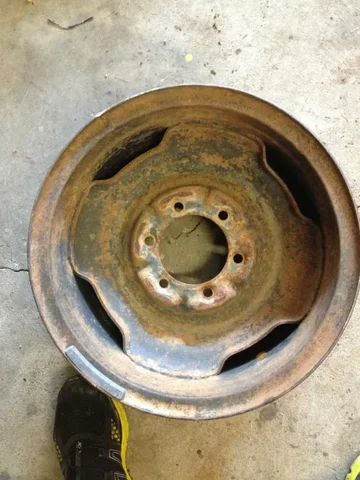
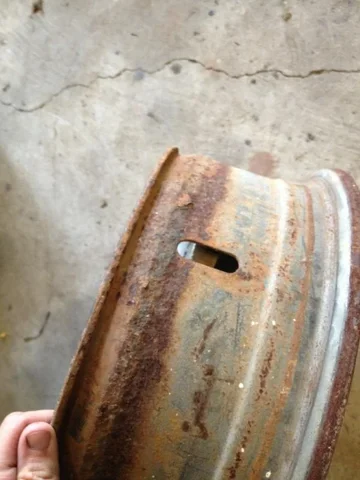
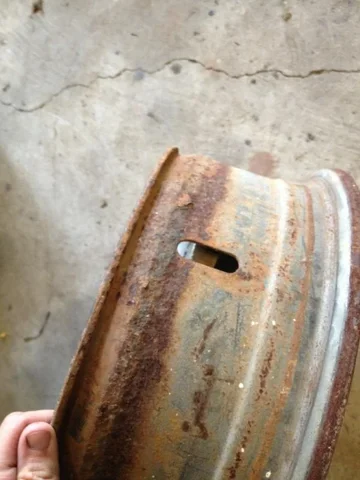
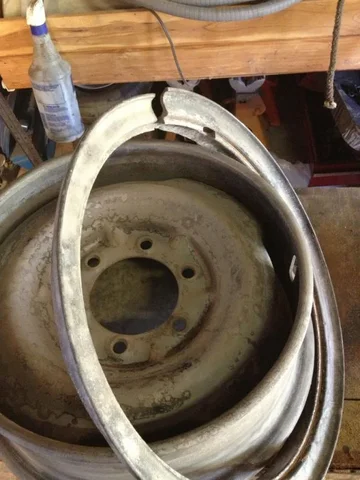
I set up a tank for the spare wheel I bought (split rim). A big plastic trash bin should do the trick.

image-1183707541.webp

Wheel before:


image-968522468.webp


image-1505596408.webp

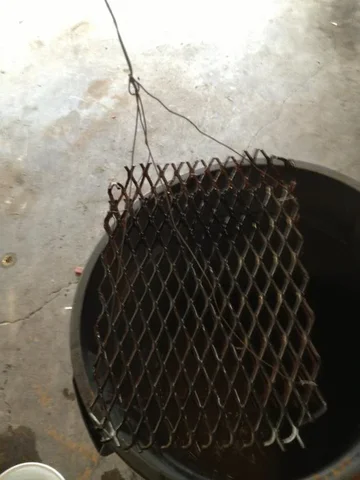
For the anode, I used expanded steel. The wheel went in the bottom, resting on plastic spacers to keep it off any sludge. The expanded steel was suspended above. I let it run a few hours, then rinsed and cleaned the pieces before flipping the wheel over in the tank.

image-3599747881.webp

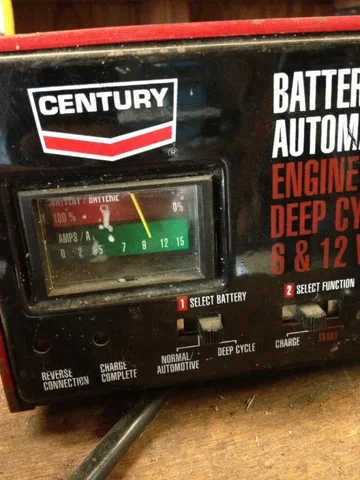
Charger set at 2 amp setting ran a bit above 2a.

image-653247064.webp


image-1852380638.webp

The experiment went well, except the wire suspending the expanded steel rusted through and dropped the anode. At this point, the reduction halted on my wheel. That's fine, since I planned on sand blasting before painting the wheel anyway.
image-1183707541.webp
image-968522468.webp
image-1505596408.webp
image-3599747881.webp
image-653247064.webp
image-1852380638.webp
 
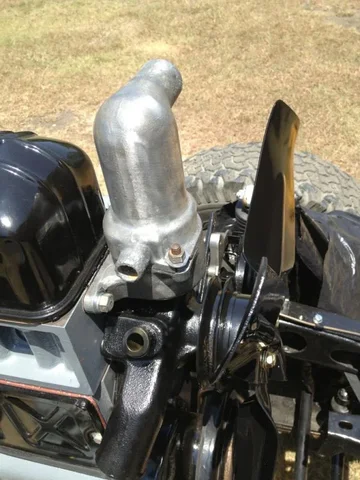
Also, some engine accessories went on. That water pump has been in a box in Grandma's barn for over 30 years. Bearings and seals felt like a new water pump, so we'll see how long it lasts. The thermostat housings are my originals. They cleaned up reasonably. I squared the gasket surfaces with a fine cut file. One ear is a "c" shape, because the end is broken. A big washer should get me in service here.


image-3788046989.webp


image-2168258156.webp


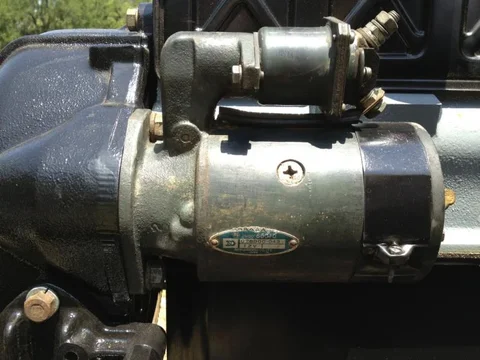
I know the starter is good, because I used it to check compression before pulling it all apart.


image-2921996554.webp
image-3788046989.webp
image-2168258156.webp
 
Careful with the fumes and leftover chemicals from electrolysis - it makes some serious Hazmat stuff.

Evapo-rust (they sell it at my local HF) actually works surprisingly well. Converts rust to black sludge that you can wipe off the metal before it dries, or leave for a protective coating. It's about $30/gallon but a gallon will last a surprisingly long time.
 
Careful with the fumes and leftover chemicals from electrolysis - it makes some serious Hazmat stuff.

Evapo-rust (they sell it at my local HF) actually works surprisingly well. Converts rust to black sludge that you can wipe off the metal before it dries, or leave for a protective coating. It's about $30/gallon but a gallon will last a surprisingly long time.

I've tried evaporust. It worked ok, but seemed expensive, considering I could soak in vinegar much more cheaply with similar results.

Electrolysis really is effective and inexpensive. My electrolysis setup does not create many hazards.
 
Electrolysis update:

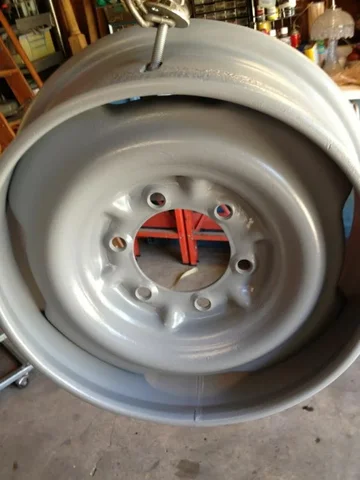
The wheel went in the tank pretty rusty and came out pretty clean. I sand blasted and primed it.


image-2861541798.webp


image-2125248011.webp


image-1649972518.webp

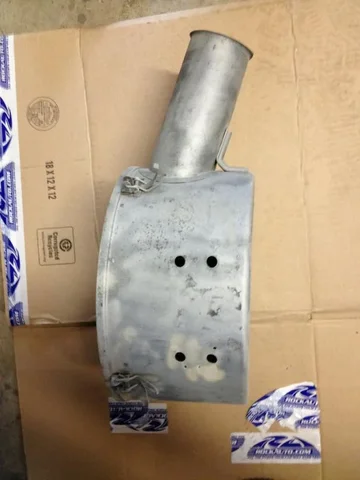
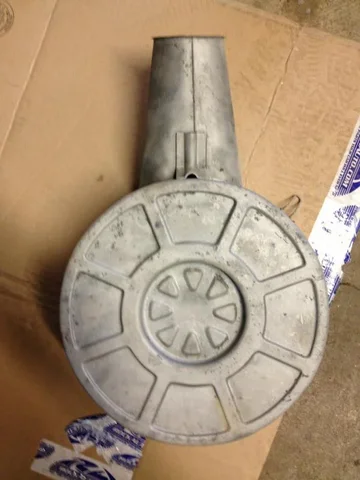
I also started cleaning the air filter housing.


image-1136015182.webp

It isn't done, but progress is happening.

Parts are on the way for distributor and carburetor refreshing.
image-1649972518.webp
image-2125248011.webp
image-2861541798.webp
image-1136015182.webp
 
Electrolysis update:

The wheel went in the tank pretty rusty and came out pretty clean. I sand blasted and primed it.

I also started cleaning the air filter housing.

It isn't done, but progress is happening.

Parts are on the way for distributor and carburetor refreshing.

Looks pretty good!
 
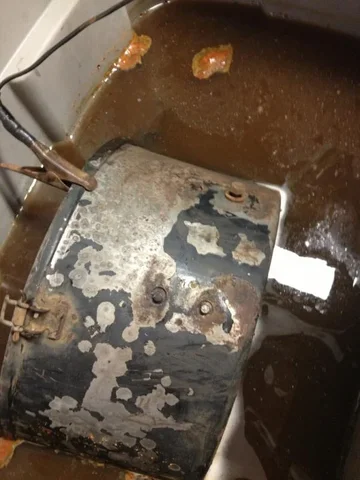
Air cleaner housing ran in the tank overnight. It came out improved, but not finished.

Way back when I was pulling this thing apart, three of the four studs that attach the housing to the bracket snapped. I decided to chisel through the spot welds so I could get the rust from behind the backing plates. Although I thought I was being careful, I managed to get a couple little holes where the chisel bit into the housing, instead of the spot weld. It's OK, I'll just repair the housing and put new studs and plate in before repainting. After getting the plates out, I used a die grinder to smooth the remaining weld.

For now, the part is back in the electrolysis tank for another day.
image-3448495722.webp
image-3292983000.webp
image-1063877417.webp
image-4649163.webp
image-3521087591.webp
 
That's looking real good I think I am going to try this method. Thanks for posting your work

Chad Wells
 
Electrolysis worked well on the air cleaner housing. I sand blasted it after.

image-1864744601.webp


image-3696294163.webp

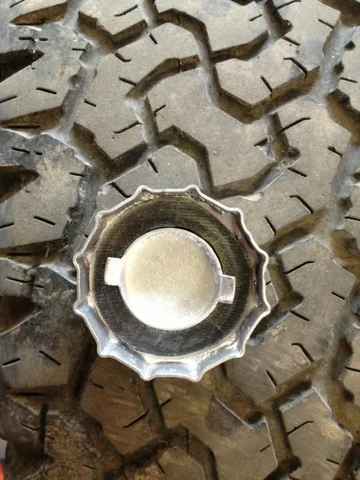
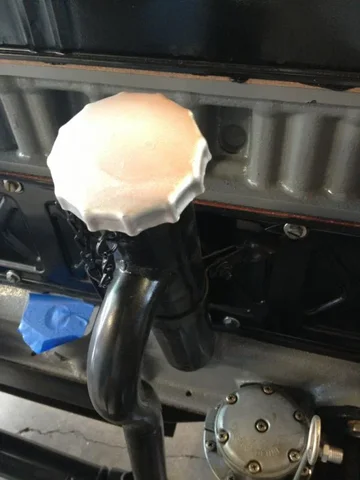
I also cut some material from an old motorcycle tube to make a new oil filler cap seal.


image-2422134702.webp


image-658168600.webp

Finally, I blasted and painted the parking brake drum, installed a new cable, and assembled the pieces to complete the rear drivetrain. No pics.

Parts are here for distributor rebuild and carb rebuild, so I will try to chronicle that here... If I manage enough patience to take pictures.
image-1864744601.webp
image-3696294163.webp
image-2422134702.webp
image-658168600.webp
 
Bo, Looking good , got the 1979 engine,transfer,and Trany. pulled Sun. With a lot of help. Larry came over from Fort Worth and was great. We pulled a lot apart, oil pan was on tight. At least a 1/2 of sludge in the bottom I cleaned it out by hand ,what a mess. I bet it did ruin your cleaner when you did your oil pan in your parts cleaner. Mike
 
Bo, Looking good , got the 1979 engine,transfer,and Trany. pulled Sun. With a lot of help. Larry came over from Fort Worth and was great. We pulled a lot apart, oil pan was on tight. At least a 1/2 of sludge in the bottom I cleaned it out by hand ,what a mess. I bet it did ruin your cleaner when you did your oil pan in your parts cleaner. Mike

Glad to hear. Are you getting the engine from Austin?

I actually poured the diesel from my part washer through a coffee filter last week. Didn't get it clear, but a little cleaner.
 
Back
Top Bottom