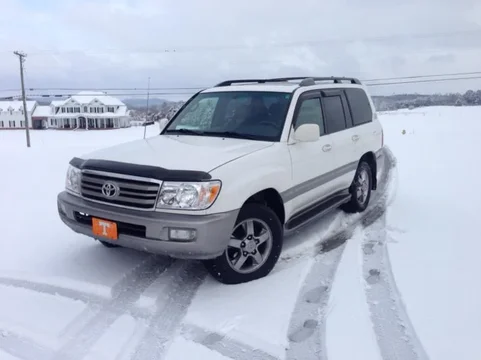
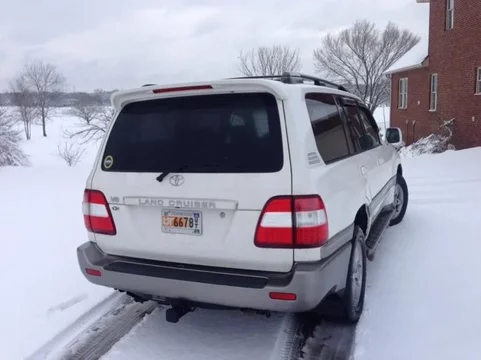
Cfbrenton is right in the money in every way. Winter is 8 months a year in most parts of canada, so we tend to have a lot of experience. No diff lock and all electronic gizmos should be on. The vsc will drag individual wheels by braking each independently - this is impossible to do as a driver and usually we aren't able to execute normal evasive manoeuvres in an emergency in ice or snow unless you have lots of distance and your speed is appropriate for conditions. Any all wheel drive is superior for getting traction going forward, but no different than anything else to stop or steer in snow/ice. In fact, high Center of gravity with the cruisers is very hard to control once out of control. I argue you have better control in an emergency scenario in a low slung sports car - low centre gravity, responsive feel of the car, quick to respond when needed and forces you to behave like a human that is vulnerable to snow/ice. Now, would I rather be in a wreck with a sports car, no. Physics wins every time. The argument to to not use vsc is like like the old argument to not use abs. In the majority if cases, computer recognition of yaw rates, g forces etc is faster and more accurate than human recognition and resulting reaction.
Nick, I had BFF a/t's on my cruiser for a winter and eventually changes them. They are good all round, but anything short of a dedicated snow tire is insufficient for those conditions. It's an extra margin of safety to increase your reaction time when you have close to a 30% improvement on stopping distance with snow tire vs an all season. At +7 all season tires start to lose their grip abilities as the rubber isn't able to be soft enough to flex. It's like a hockey puck on ice vs a gummy rubber tennis shoe. Tread design also consists of lots of micro grooves that allow the rubber to flex as well.
My .02
Sent from my iPhone




 I get a kick out of trying to fishtail in this beast on a safe straight slick road or open parking lot. I leave the cdl off unless I want to slide on purpose.