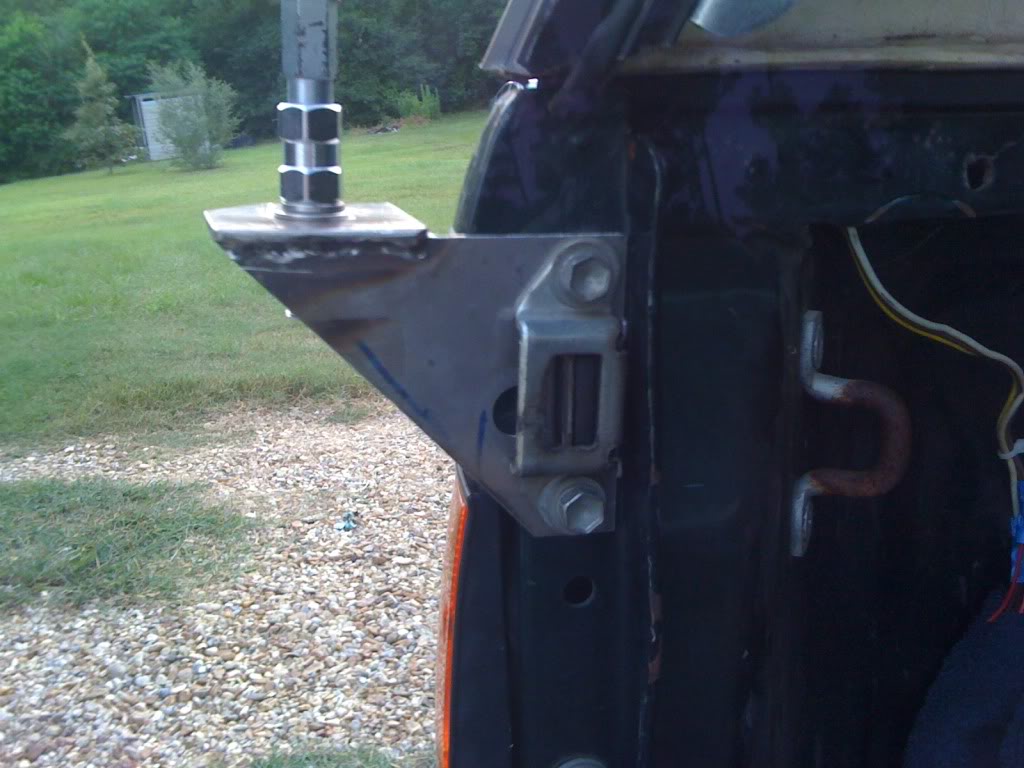
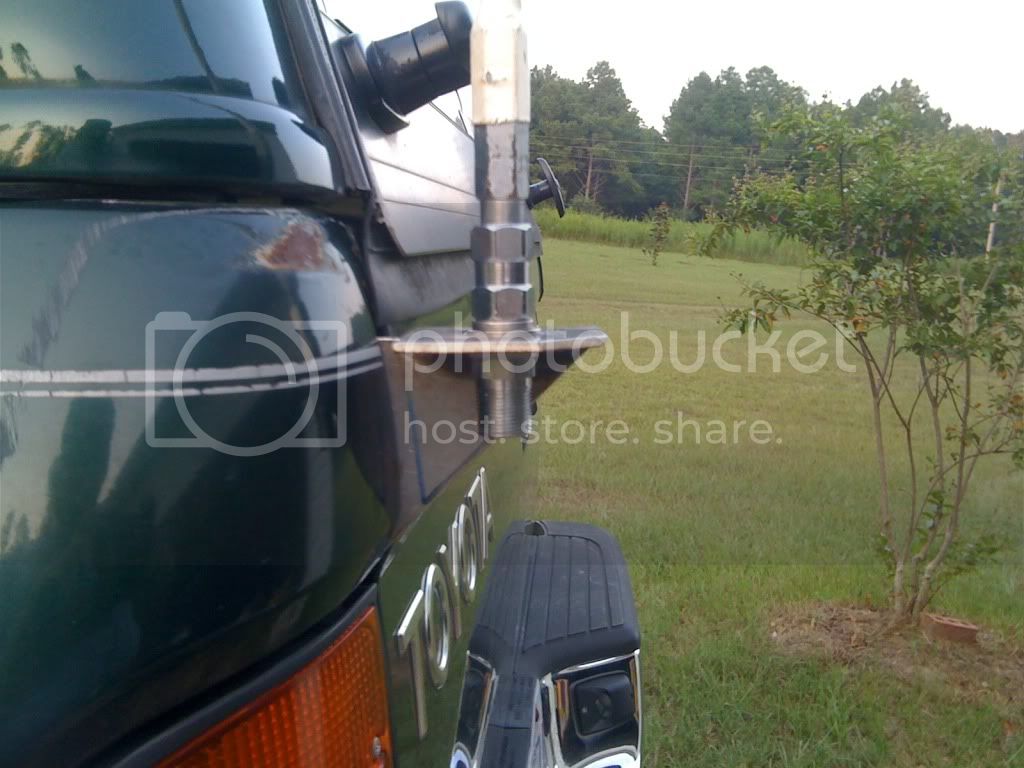
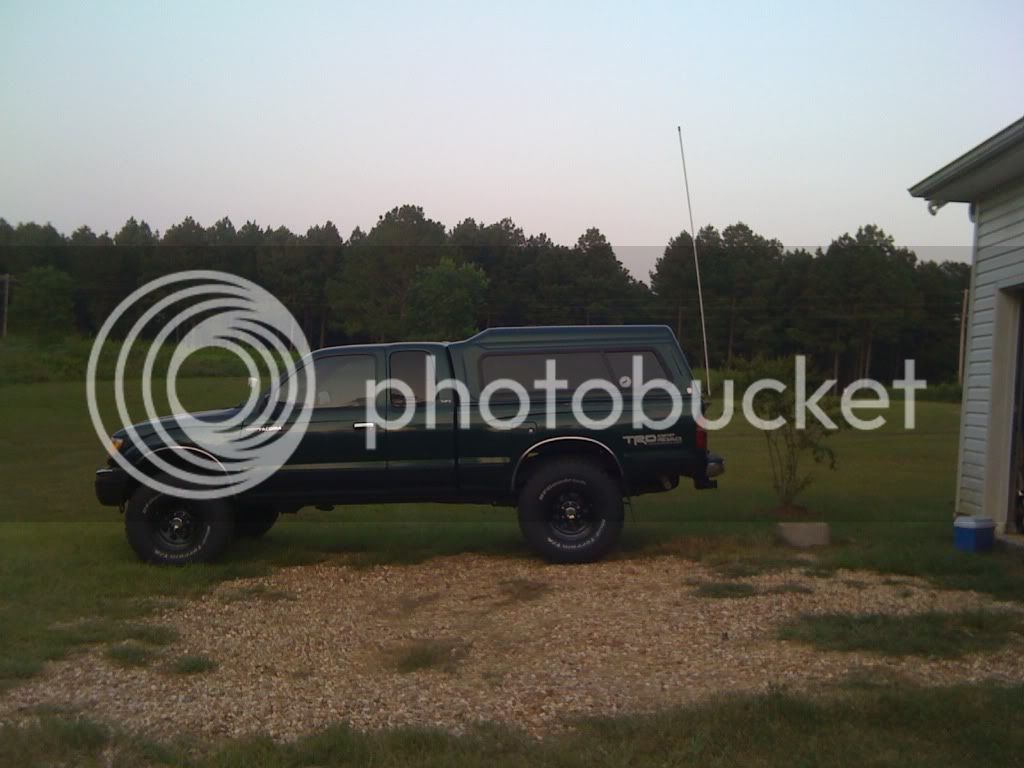
For the most part true. Certain conditions need to be met for it to be true. Stuff like the surface needs to be well grounded. No area of the vehicle can be higher. Etc.. Note, many modern auto bodies are glued together and there isn't a good ground path from the roof to the battery.From past experience: best coverage of broadcast is a mount dead center of the vehicle.
Nope. Without a longer antenna or co-phasing antennas you can't get a further distance than center top mounting on a nice well grounded metal roof. Also the corner of the vehicle is a poorer ground plane so transmission and reception distances are reduced because it can't generate a good push off of the ground. Poor ground planes electrically flex. As the signal is peaking the ground plane is dropping. An example of the principal is trying to jump up when standing on sand versus standing on cement. This drop in the ground plane is only local to the transmit antenna. The receive antenna is still referenced to the normal ground plane. That means it sees a signal that is proportionally lowered by the same percentage that the ground plane flexed.Mount it by the rear driver's tail light would allow you to 'talk' further to the front/passenger side and just the same the other way. Mounted on rear passenger side will allow a further broadcast to the front/driver's side direction.
Seemed is the key. Didn't look at the real signal strength?Reception seemed to be unaffected by the location of the mount.
While location around a vehicle can lead to directionality in broadcast and reception, unless co-phasing or similar type techniques are used, the distance is always reduced by interfering objects, like the side pillars and roof of the vehicle. The reason is they absorb or reflect some of the transmitted energy. Absorbed energy obviously doesn't go anywhere. Reflected energy usually interferes with the signal and tends to cancel it out. There will be lobes where the reflected energy does enhance the signal, but they won't be forward or aft on the average vehicle. Simple mechanics of reflection says so. There is some aperture type bending of the radio waves around the front of the vehicle, but that just spreads the energy that was traveling next to the body over a wider area. That means the signal in that area would be a lower intensity because of that. I could go on and on about this, but it's boring to me now. Get and read the ARRL Antenna Handbook. Also go out and read a few good journal articles on antenna design principals and come back when you've educated yourself. I'm no antenna expert, but I do know how to find and listen to what they say.But the location of mount leading to a directional broadcast, I have first hand experience with.
As for the stronger signal towards the battery ****. I'd bet when things are closely looked at, the best ground path to the battery was in the direction of the increased strength.


 now. the peanut gallery is spent.