

ARB said it couldn't be done.

This site may earn a commission from merchant affiliate
links, including eBay, Amazon, Skimlinks, and others.

Joined
Aug 1, 2011
Threads
33
Messages
292
Location
Elkton, FL
and so did everyone else on the interweb, but they were wrong!

http://i80.photobucket.com/albums/j161/nickswan/af8e5d33.jpg

http://i80.photobucket.com/albums/j161/nickswan/cbf70bfc.jpg

yea, its a winch. but not any winch. look closer

http://i80.photobucket.com/albums/j161/nickswan/a9153d2a.jpg
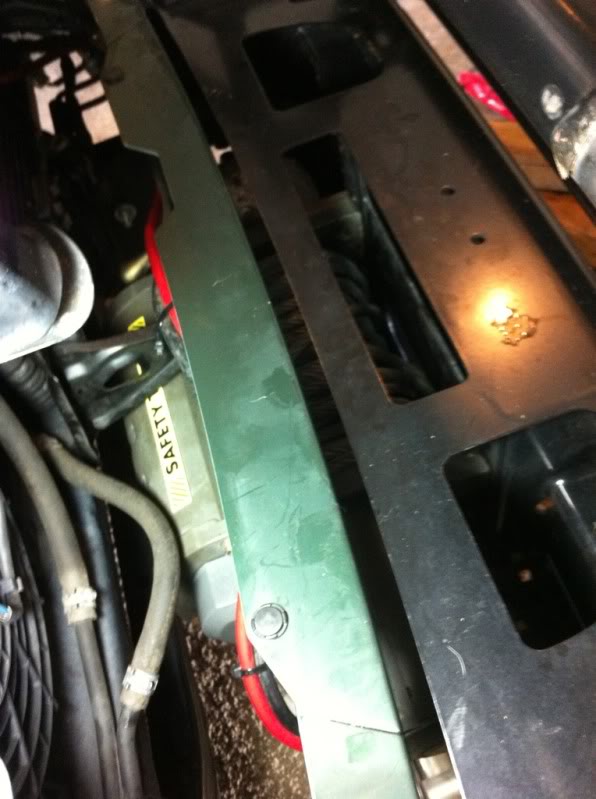
looks like an integrated solenoid winch in an ARB

http://i80.photobucket.com/albums/j161/nickswan/45aa90c0.jpg
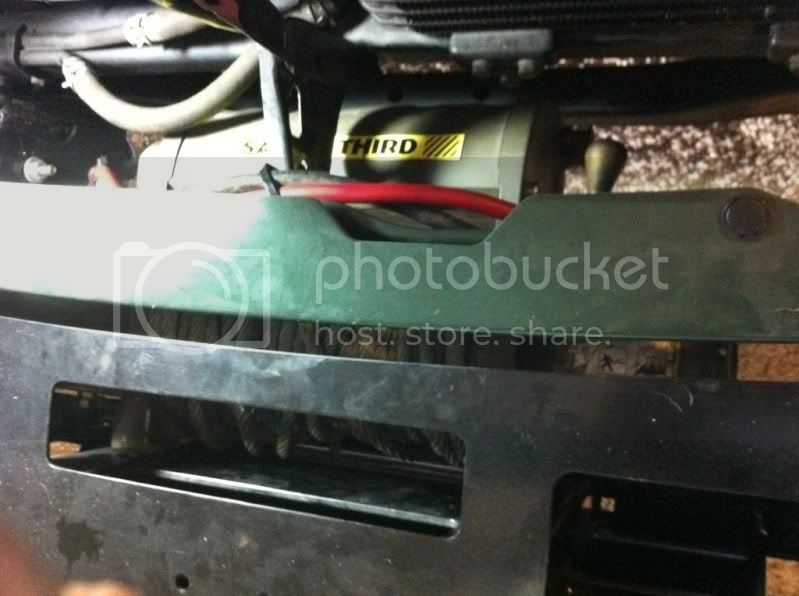
there is about 3/4" clearance from the cross member bolts and half an inch from the front fender brace that holds the Toyota Denso smoke detector. (WTF?)

http://i80.photobucket.com/albums/j161/nickswan/a4e313bc.jpg

http://i80.photobucket.com/albums/j161/nickswan/d7a5ae70.jpg

everywhere I looked online everyone said an integrated solenoid winch couldn't fit in an ARB and I needed to spend another $800. I picked up this winch about five years ago and its paid for itself a hundred times over, its a sealed waterproof 10k winch with an additional wireless transmitter as well. I had to use the hawse fairlead but I plan to go to a synthetic line in the near future anyway.

so for anyone else looking at an ARB but turned off by what they've heard about their integrated solenoid winches not fitting, measure first before you blindly follow everyone's advice, yours might fit too.

Obviously in a front end collision that solenoid is going into the crossmember, which is what I assume ARB is trying to protect people from by saying they wont fit. hopefully I wont find out.
 
The reason you got the advice is that is was not tested. So nobody is going to say it does fit unless they have done it. A lot of times things can be made to work, but as a supplier / vendor you have to cover your bases, otherwise someone buys the setup you recommend and it does not fit, and now you own the problem.

The other technical issue is if the winch is designed to pull in that direction. If you check the instructions on a lot of winches, they will explicitly state that they should not be used in a overhead hoisting situation, which is exactly what you are doing when it pulls in the orientation you have it now.
 
and I needed to spend another $800.
Who said that? I have a TW12 that has a remote solenoid that was something like $600 shipped and has a proven track record. Good luck with the winch, hope it works out well in that mounting position for you.
 
I see what you're saying, and I could be way off here but wouldn't the mounting bolts have less stress on them pulling in line with the bolts as opposed to putting the stress on the bolts in a perpendicular fashion? and isn't it mounted in the exact same orientation as the remote solenoid winches, eg TW12?
 
Last edited:
I see what you're saying, and I could be way off here but wouldn't the mounting bolts have less stress on them pulling in line with the bolts as opposed to putting the stress on the bolts in a perpendicular fashion? and isn't it mounted in the exact same orientation as the remote solenoid winches, eg TW12?

Normally it is not an issue on the bolts, but the design of the drum support and the winch feet.
 
The other technical issue is if the winch is designed to pull in that direction. If you check the instructions on a lot of winches, they will explicitly state that they should not be used in a overhead hoisting situation, which is exactly what you are doing when it pulls in the orientation you have it now.

The reason winches should not be used for hoisting has more to do with the fact that winches used for hoisting applications have a lot more standards and safety guidelines they have to follow.

"Hoisting refers to the vertical lifting of materials. This covers everything from Search and Rescue equipment/aircraft to enormous building cranes. There is an entire industry devoted to the safe and efficient practice of hoisting. Engineering is thorough and industry standard's are strict. In marked contrast, there are few, if any, industry standard for recreational vehicle winching (winching being the movement of objects in a horizontal, or mostly horizontal, plane), either in terms of safety, engineering and design practices, or whatever. As such, manufacturers can (and do) make all sorts of claims about product fitness and ratings based on no established standards."

Pirate4x4.Com - Extreme Four Wheel Drive
 
The reason winches should not be used for hoisting has more to do with the fact that winches used for hoisting applications have a lot more standards and safety guidelines they have to follow.

"Hoisting refers to the vertical lifting of materials. This covers everything from Search and Rescue equipment/aircraft to enormous building cranes. There is an entire industry devoted to the safe and efficient practice of hoisting. Engineering is thorough and industry standard's are strict. In marked contrast, there are few, if any, industry standard for recreational vehicle winching (winching being the movement of objects in a horizontal, or mostly horizontal, plane), either in terms of safety, engineering and design practices, or whatever. As such, manufacturers can (and do) make all sorts of claims about product fitness and ratings based on no established standards."

Pirate4x4.Com - Extreme Four Wheel Drive

I totally agree with this. my manual says to use the winch for its intended purpose, moving weight across the ground. not moving weight up into the air, using it as a hoist.
 
I really like the 5k lb viper I installed on my Polaris ranger. It is much better than the warn atv winch with exploding plastic side gears at twice the price.

This is the reason I went with Viper, even though at that price point I'm sure its Chinese. The ATV crowd had nothing but years of good reviews for them. And you can add me and my wheeling buddies to the list, they have been great and at that price I can afford to buy a few of them for the price of a Warn.
 
Back
Top Bottom