



This might be useful enough on its own that I pulled it from my build thread.
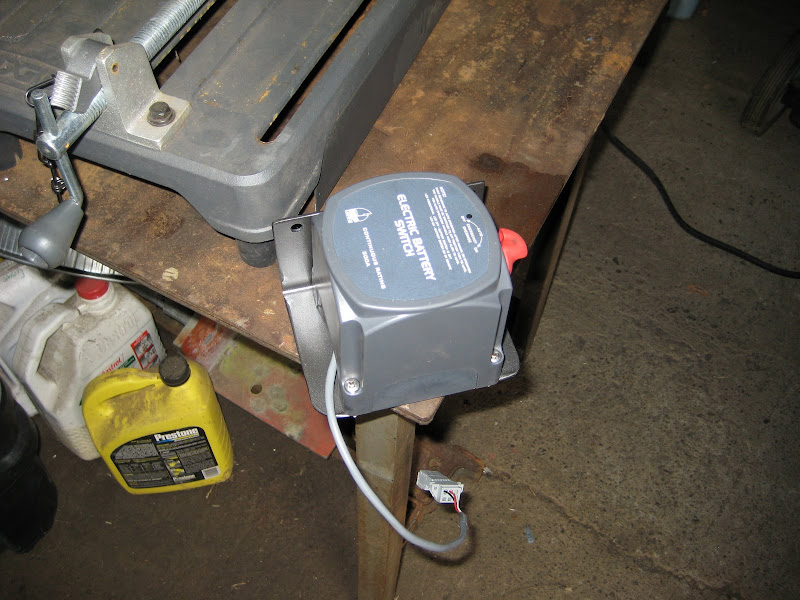
I am using a BEP Marine VSR (voltage-sensing relay). Let me show you a comparison with another brand that led me to this choice...
BEP Marine 300A VSR
- 300A continuous, 1250A instantaneous rating
- marine-grade, sealed
- $135 on Ebay, + 2nd voltage gauge (~$30) or aus dual digital volt gauge (~$65) = up to $200
- on (combine batteries), auto (voltage sense mode), off (isolate batteries)
- auto mode- isolates Aux battery until Main reaches 13.7V
- control switch on unit housing with wiring/plug for remote switching (emergency parallel override)
Brand "NL"
- 85A continuous
- rubber covers, automotive sealing
- $375
- not quite so similar or simple operation, but has low-voltage protection system (see below)
- auto mode- (bear with...) if the Main goes above 13.1V, a 5m timer starts.. after 5m, Aux batter can be charged.. 12.7V cutout automatically disconnects both batteries but can be overridden.. on engine shut-down, both batteries stay connected until 12.7V level is reached
- remote monitor/controller has cutout override/jump-start (combine) mode
I used Marco's (Rover67) writeup on Rising Sun club forums as a guide. It is nearly identical to my connections. I think the only minor differences are my starter is connected directly to the Main and the alternator is on the VSR +battery post.
My cable runs, battery locations, and VSR location were decided upon by how difficult it would be to modify existing wiring and make new runs. The 1HZ starter is on the driver's side so my Main went there (shortest distance). Likewise the factory wiring came out on the passenger, so instead of extending the "bundle" I just turn it all aft and connected to the +battery post of the VSR. The only added cables were a 1/0 cable from Main to +battery, and another 1/0 from Aux (+) to the VSR's "load" post.
VSR locating. Used a simple piece of steel channel with one side cut off for an L bracket(scrap on hand), also made two small spacers to push the air filter housing out about 3/4" All used existing captured nuts and Toyota fasteners.

mount bracket painted with Duplicolor Wheel Paint (Graphite). i am obsessed with that paint, it is great stuff. also rounded all the edges and corners near cabling
wiring.. 3 connections. had to hog out the oem connector a little. you can see the marine sealing of the VSR's housing

Main battery- G34 (32? forget now) Sears DieHard Platinum on stainlesstrays.com tray, my cables and military top posts from WranglerNW Power Products in Portland. oh and my fugly battery clamp made from scrap

Aux- was my main, a Blue Top Optima (same as yellow with extra top posts.. handy). Connections are VSR, wayne tangen's headlight harness, stereo amps, winch, accessory fuse block in passenger kick panel. Need to reroute the Main VSR cable more stealthily. VSR in background.

VSR installed. looped cable is the remote switch cable/connectors

dual gauge showing Auto (voltage-sensing) mode readouts. top is Main, bottom is Aux

readout with VSR set to Off (isolate) mode

did run into a minor design flaw. the coil spring arm hits my spaced air housing mount now. have been meaning to swap to struts and design around it. note: fender panel has my last 3FE compression numbers behind the engine swap.. Cyl 6 was 165 before the engine was ejected. (cylinder #6 now has much, much greater compression )
)

another interference shot

I am using a BEP Marine VSR (voltage-sensing relay). Let me show you a comparison with another brand that led me to this choice...
BEP Marine 300A VSR
- 300A continuous, 1250A instantaneous rating
- marine-grade, sealed
- $135 on Ebay, + 2nd voltage gauge (~$30) or aus dual digital volt gauge (~$65) = up to $200
- on (combine batteries), auto (voltage sense mode), off (isolate batteries)
- auto mode- isolates Aux battery until Main reaches 13.7V
- control switch on unit housing with wiring/plug for remote switching (emergency parallel override)
Brand "NL"
- 85A continuous
- rubber covers, automotive sealing
- $375
- not quite so similar or simple operation, but has low-voltage protection system (see below)
- auto mode- (bear with...) if the Main goes above 13.1V, a 5m timer starts.. after 5m, Aux batter can be charged.. 12.7V cutout automatically disconnects both batteries but can be overridden.. on engine shut-down, both batteries stay connected until 12.7V level is reached
- remote monitor/controller has cutout override/jump-start (combine) mode
I used Marco's (Rover67) writeup on Rising Sun club forums as a guide. It is nearly identical to my connections. I think the only minor differences are my starter is connected directly to the Main and the alternator is on the VSR +battery post.
My cable runs, battery locations, and VSR location were decided upon by how difficult it would be to modify existing wiring and make new runs. The 1HZ starter is on the driver's side so my Main went there (shortest distance). Likewise the factory wiring came out on the passenger, so instead of extending the "bundle" I just turn it all aft and connected to the +battery post of the VSR. The only added cables were a 1/0 cable from Main to +battery, and another 1/0 from Aux (+) to the VSR's "load" post.
VSR locating. Used a simple piece of steel channel with one side cut off for an L bracket(scrap on hand), also made two small spacers to push the air filter housing out about 3/4" All used existing captured nuts and Toyota fasteners.
mount bracket painted with Duplicolor Wheel Paint (Graphite). i am obsessed with that paint, it is great stuff. also rounded all the edges and corners near cabling
wiring.. 3 connections. had to hog out the oem connector a little. you can see the marine sealing of the VSR's housing
Main battery- G34 (32? forget now) Sears DieHard Platinum on stainlesstrays.com tray, my cables and military top posts from WranglerNW Power Products in Portland. oh and my fugly battery clamp made from scrap
Aux- was my main, a Blue Top Optima (same as yellow with extra top posts.. handy). Connections are VSR, wayne tangen's headlight harness, stereo amps, winch, accessory fuse block in passenger kick panel. Need to reroute the Main VSR cable more stealthily. VSR in background.
VSR installed. looped cable is the remote switch cable/connectors
dual gauge showing Auto (voltage-sensing) mode readouts. top is Main, bottom is Aux
readout with VSR set to Off (isolate) mode
did run into a minor design flaw. the coil spring arm hits my spaced air housing mount now. have been meaning to swap to struts and design around it. note: fender panel has my last 3FE compression numbers behind the engine swap.. Cyl 6 was 165 before the engine was ejected. (cylinder #6 now has much, much greater compression
)
another interference shot
Last edited:


