

Don't splice wire like this...

This site may earn a commission from merchant affiliate
links, including eBay, Amazon, Skimlinks, and others.

Mike6158

Random Pixel Generator
Joined
Jun 1, 2014
Threads
65
Messages
987
Location
Weimar, TX
Website
wildlightimagingstudio.com
I hate wiring connections like i found today. :( I've done them before, when I was like 12.

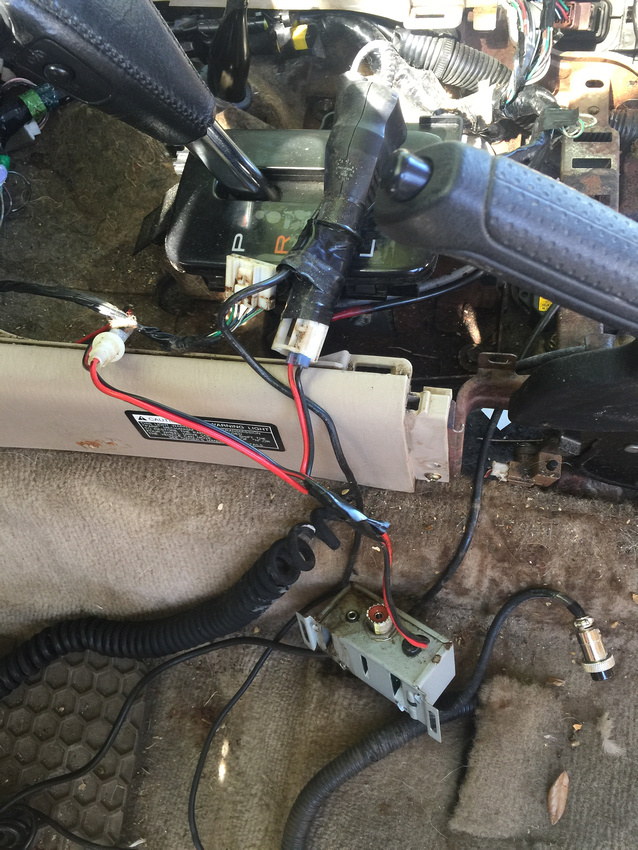
The first one I found was for fused power to a CB that is no longer in the TLC.

This is cigarette lighter power plug, plugged into a cigarette lighter socket. The one that came out of my LC as a matter of fact. Then they taped it all up with electrical tape.
p1929818317-5.jpg


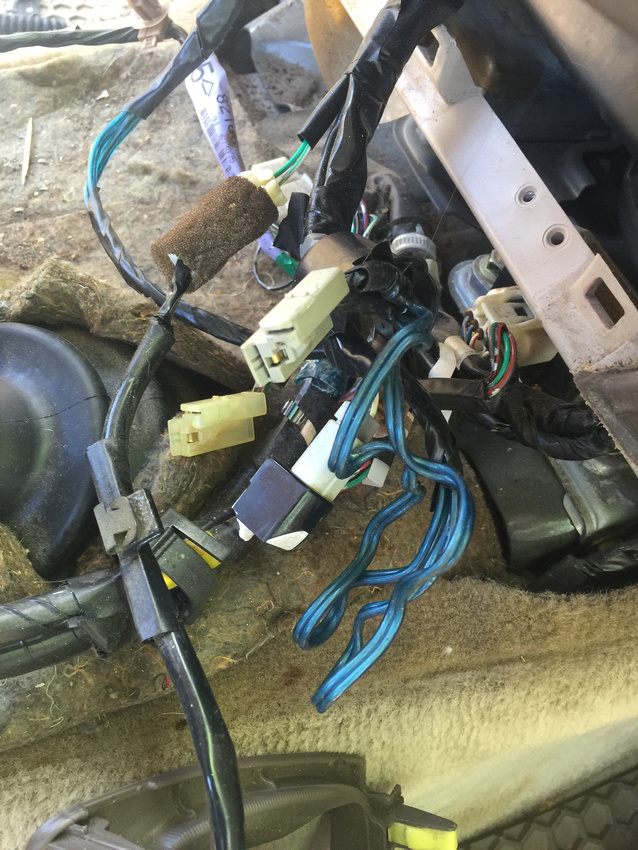
So where does the other end of the fuse (red and black wires) go? Well it goes to two blue wires of course. No sense in using anything to indicate polarity
p1943647398-5.jpg


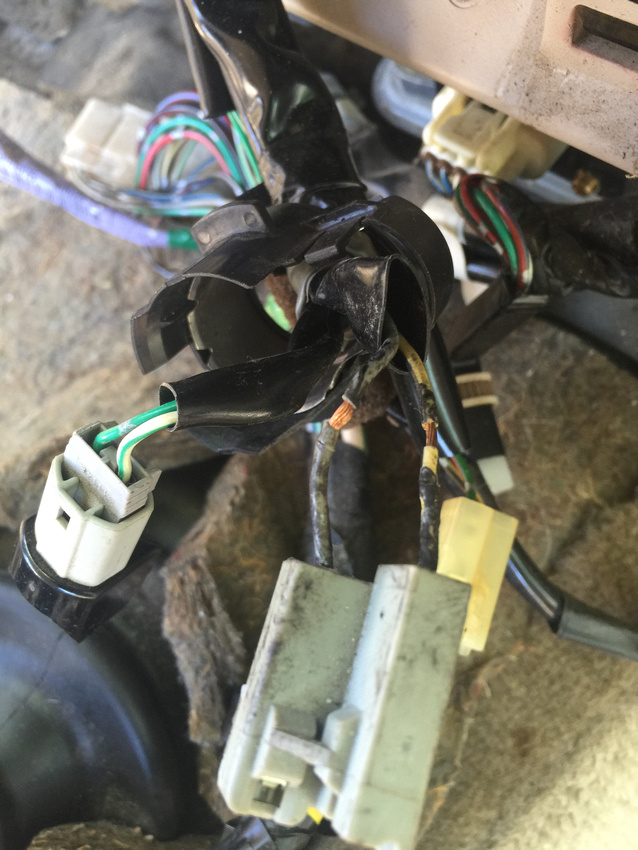
But what do the two blue wires connect to? The power socket on the right side of the front panel. It's kind of hard to see because I had already removed the black tape from the connection and taken the wire that was wrapped around the conductors off. They just peeled back some insulation, spliced the wire on to it by twisting it and covering it with black electrical tape
p1975167159-5.jpg


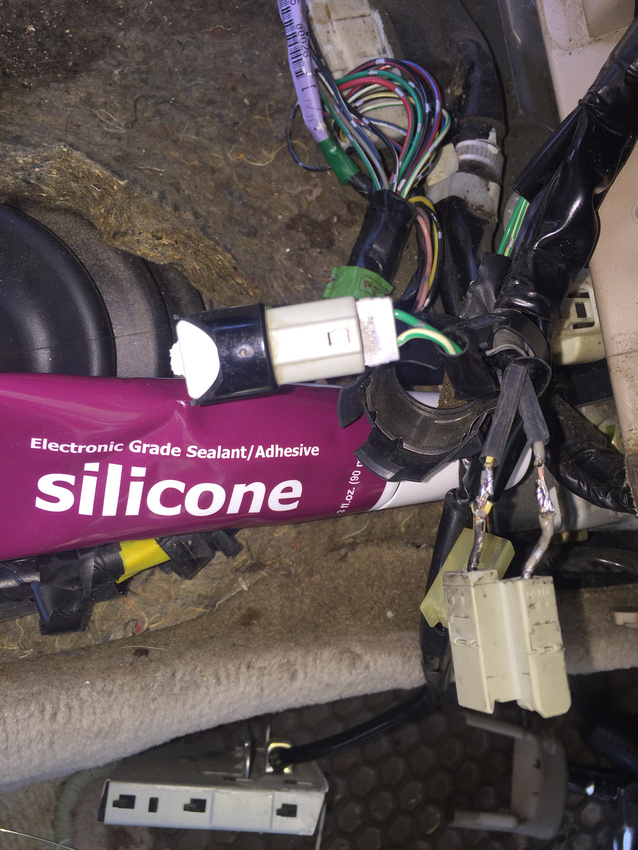
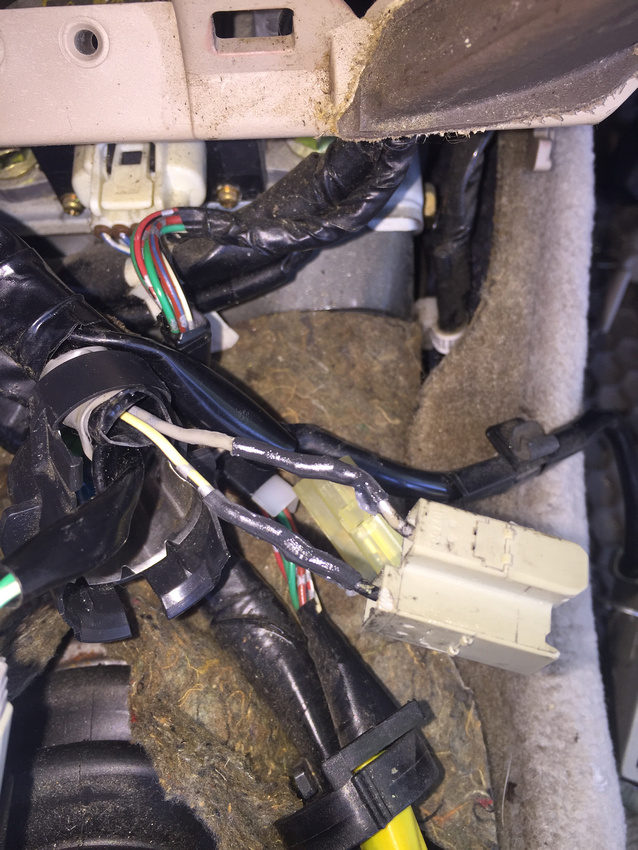
I cut just past the bare copper so I could make the exposed wire on the plug side longer and then stripped back the other side. I tinned the wire and slid some heat shrink down far enough that soldering wouldn't cause it to shrink. Then I soldered on the wire with the plug on it. I coated the wire with high temp RTV. I used this stuff for putting vacuum tube sockets back on so it should be fine here. Then I slid the heat shrink over the silicone and the connection and used a heat gun to shrink the connection
p2003551355-5.jpg


All done and it's a nice water tight connection that won't corrode or short out
p2055862446-5.jpg
 
Good you caught it. What a mess. My 80 had some wiring like that and it sure scared me when i found it.

I haven't used sealant like that on electrical connections. Do you let it dry before using the heat shrink tubing?
 
The marine-grade heat shrink tubing comes with a sealant already coating the inside. Just an FYI, still glad to see that you caught it!
 
Good you caught it. What a mess. My 80 had some wiring like that and it sure scared me when i found it.

I haven't used sealant like that on electrical connections. Do you let it dry before using the heat shrink tubing?

Nope. I shrink the tubing while it's still wet. When I shrink it the silicone squeezes out and makes a nice tight seal when it dries.

The marine-grade heat shrink tubing comes with a sealant already coating the inside. Just an FYI, still glad to see that you caught it!

That's where I got the idea from. I don't usually have the marine grade heat shrink on hand though. My heat shrink is used on old tube radio restorations and spot fixes like the one I had to do today.
 
I've seen a lot worse, thankfully you removed it though! The last vehicle I fixed up had wire splices like this all over, the worst part was that half of them didn't even have tape or heat shrink!
 
I can't stand when people don't at least phase wiring when using same color. If I see that, I'll usually rip out and start over. I try to keep things as factory looking and safe as possible when adding stuff. Can't stand garbage like that.
 
Nope. I shrink the tubing while it's still wet. When I shrink it the silicone squeezes out and makes a nice tight seal when it dries.

That's where I got the idea from. I don't usually have the marine grade heat shrink on hand though. My heat shrink is used on old tube radio restorations and spot fixes like the one I had to do today.
You can save time and mess with a couple 4 footers of maybe 3/16 and 1/4" with pre-applied sealant inside. Boats tend to use a lot more non-coated tube than coated. Wiring around the inside of the boat doesn't need sealant, what you worry about is equipment outside. ;)


I can't stand when people don't at least phase wiring when using same color. If I see that, I'll usually rip out and start over. I try to keep things as factory looking and safe as possible when adding stuff. Can't stand garbage like that.
Same color may be difficult if you're attempting to connect to a wire with a stripe...it's gettable, but you're looking at a minimum of 100 feet and you'll be charged for adding the stripe. I'm more used to wiring flying machines and military ground vehicles, where the majority of wires are white. So, I just draw a little colored square with a stripe through on white shrink tube it to match what I'm splicing, and string a piece on each end of the wire before I splice it in. I can also get a permanent marker and print what the wire goes to and comes from...marking meets mil-spec requirements for permanency once I shrink the tubing.

Solid colors are still a problem, but multiply 9 colors (other than white) by awg's from maybe 20 to 12, and it could become a nightmare to catalog everything.

I'm also using airframe wire rated at least to 150C, so I don't really get concerned too much with heat around the engine.

Steve
 
Last edited:
You can save time and mess with a couple 4 footers of maybe 3/16 and 1/4" with pre-applied sealant inside. Boats tend to use a lot more non-coated tube than coated. Wiring around the inside of the boat don't need sealant, what you worry about is equipment outside. ;)


Same color may be difficult if you're attempting to connect to a wire with a stripe...it's gettable, but you're looking at a minimum of 100 feet and you'll be charged for adding the stripe. I'm more used to wiring flying machines and military ground vehicles, where the majority of wires are white. So, I just draw a little colored square with a stripe through on white shrink tube it to match what I'm splicing, and string a piece on each end of the wire before I splice it in. I can also get a permanent marker and print what the wire goes to and comes from...marking meets mil-spec requirements for permanency once I drink the tubing.

Solid colors are still a problem, but multiply 9 colors (other than white) by awg's from maybe 20 to 12, and it could become a nightmare to catalog everything.

I'm also using airframe wire rated at least to 150C, so I don't really get concerned too much with heat around the engine.

Steve

I meant phase as just add some color tape to both ends so you know what is what. I've seen so many add-ins with just all black wires running everywhere.
 
I meant phase as just add some color tape to both ends so you know what is what. I've seen so many add-ins with just all black wires running everywhere.
Brings back memories of laying under the dashboard of a '55 Nomad at midnight with a trouble light and continuity checker on more than a few evenings. Freaking so bad I gave up and re-wired her. :bang::bang::banana::banana::banana::banana::banana::banana::banana::banana:
 
Last edited:
Back
Top Bottom