



I had noticed the brakes feeling weak on my 2005 Double Cab for a bit now. I only drive it occasionally, but its primary use is towing the camper with the fam. A few times now quick stops with the camper were alot longer than I felt they should be. Now I know everyone says the brakes on these trucks were pretty lack luster, and they probably are, but this is beyond just extra weight pushing you further than you think. The notion got driven home over the weekend when some quick traffic stops were almost collisions.
I read mulitple pages on some of the Tundra forums about master cylinder failure. The truck is in very good shape, 166K miles, but it has probably sat too much, which can be a detriment to hydraulic systems. Most guys talked about a soft or sinking pedal, poor braking. Most had experienced a loss of brake fluid, that seems to be going into the booster. I have noticed a very small drop in fluid level that has had me curious. No external leaks are evident.
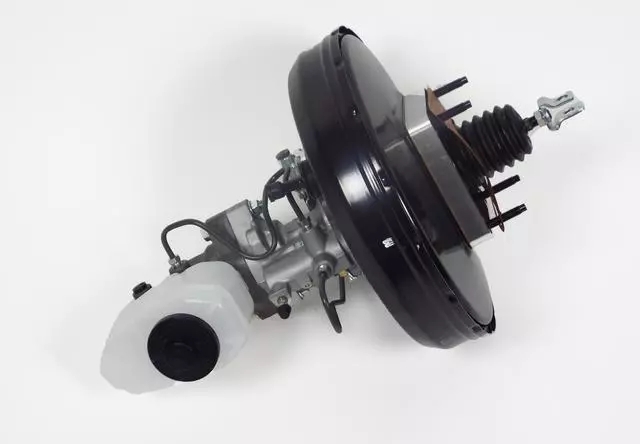
The complication is that on the 1st Gen Double Cab trucks, and apparently on a few years of Sienna, Toyota added this secondary master cylinder piece called a "brake pressure conversion unit" that is supposed to assist braking efforts during the loss of vacuum, or brake booster failure. I have attached a picture of the new unit from Toyota. The Tundra guys were calling it the unicorn piece. New and rebuilt master cylinders are readily available, but they are only the forward part of the cylinder. This extra piece mounts between the master and booster and is filled with brake fluid off the back of the master. It appears the rear brake circuit passes through it. No one really knew how it worked. I'm starting to wonder if booster vacuum has some effect on it, and the lack off lets a primary piston within it activate the rear brakes. It is a smaller bore, which would make more pressure without assistance. The problem is, this extra piece of the master is not rebuildable, or able to be purchased separately. It fails and lets the master leak fluid in the booster. The only solution is to replace the entire master cylinder combo at $850 plus.
I fear I'm headed down that road, need to try and dip the booster and look for fluid, maybe try a bleed, it has felt to me like the rear brakes are not doing alot, so this all makes sense.
Some guys have put T100 master cylinders and boosters on these trucks with mixed results. The pedal designs are different, so leverage is different and the master bore sizes are different. I don't know if the bigger master from the T100 is really the right approach to this. The regular and access cab Tundras used a different booster and master combo. They did not have this extra doohicky on the master. What I don't know is if the pedal bucket and firewall design is identical between the two truck bodies. The double cab is unique, basically a seqouia front half. I looked at Sequoia master booster combos, they are different too. The exisitng booster appears to not accept any other type of master cylinder, it is unique to the unicorn piece.
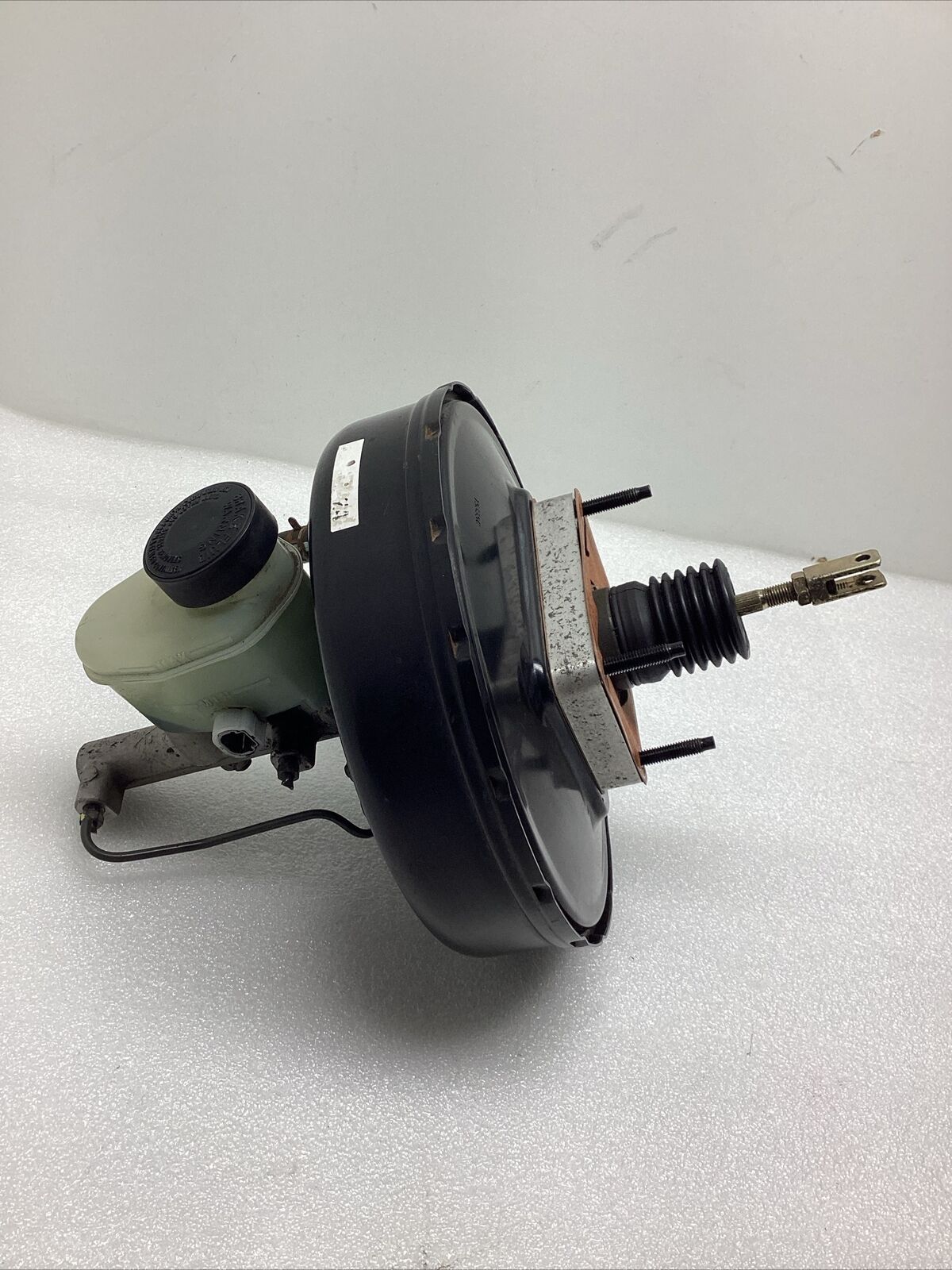
Has anyone used a normal master/booster combo from other tundras in place of this special limited master/booster combo? The master bore size differs slightly, 3/4 on the special unit, 13/16 on a normal tundra master. I'm assuming that should not have a significant difference. The special unit is below, a normal Tundra master combo below that. These double cabs have a very short booster rod it seems.
Also, forgot to add, the proper master/booster part, 47200-0C073, may or may not be discontinued. I haven't called around but the Toyota parts sites keep showing a price, but then says unavailable, manufacturer shortage, discontinued, that sort of language, so maybe conversion is the only answer.
I read mulitple pages on some of the Tundra forums about master cylinder failure. The truck is in very good shape, 166K miles, but it has probably sat too much, which can be a detriment to hydraulic systems. Most guys talked about a soft or sinking pedal, poor braking. Most had experienced a loss of brake fluid, that seems to be going into the booster. I have noticed a very small drop in fluid level that has had me curious. No external leaks are evident.
The complication is that on the 1st Gen Double Cab trucks, and apparently on a few years of Sienna, Toyota added this secondary master cylinder piece called a "brake pressure conversion unit" that is supposed to assist braking efforts during the loss of vacuum, or brake booster failure. I have attached a picture of the new unit from Toyota. The Tundra guys were calling it the unicorn piece. New and rebuilt master cylinders are readily available, but they are only the forward part of the cylinder. This extra piece mounts between the master and booster and is filled with brake fluid off the back of the master. It appears the rear brake circuit passes through it. No one really knew how it worked. I'm starting to wonder if booster vacuum has some effect on it, and the lack off lets a primary piston within it activate the rear brakes. It is a smaller bore, which would make more pressure without assistance. The problem is, this extra piece of the master is not rebuildable, or able to be purchased separately. It fails and lets the master leak fluid in the booster. The only solution is to replace the entire master cylinder combo at $850 plus.
I fear I'm headed down that road, need to try and dip the booster and look for fluid, maybe try a bleed, it has felt to me like the rear brakes are not doing alot, so this all makes sense.
Some guys have put T100 master cylinders and boosters on these trucks with mixed results. The pedal designs are different, so leverage is different and the master bore sizes are different. I don't know if the bigger master from the T100 is really the right approach to this. The regular and access cab Tundras used a different booster and master combo. They did not have this extra doohicky on the master. What I don't know is if the pedal bucket and firewall design is identical between the two truck bodies. The double cab is unique, basically a seqouia front half. I looked at Sequoia master booster combos, they are different too. The exisitng booster appears to not accept any other type of master cylinder, it is unique to the unicorn piece.
Has anyone used a normal master/booster combo from other tundras in place of this special limited master/booster combo? The master bore size differs slightly, 3/4 on the special unit, 13/16 on a normal tundra master. I'm assuming that should not have a significant difference. The special unit is below, a normal Tundra master combo below that. These double cabs have a very short booster rod it seems.
Also, forgot to add, the proper master/booster part, 47200-0C073, may or may not be discontinued. I haven't called around but the Toyota parts sites keep showing a price, but then says unavailable, manufacturer shortage, discontinued, that sort of language, so maybe conversion is the only answer.
Last edited:
