FJ60 Power Steering Install into a 1981 (and newer) FJ40

This site may earn a commission from merchant affiliate
links, including eBay, Amazon, Skimlinks, and others.

Joined
Nov 5, 2004
Threads
529
Messages
9,860
Location
NOVA
Website
www.capitallandcruiserclub.org
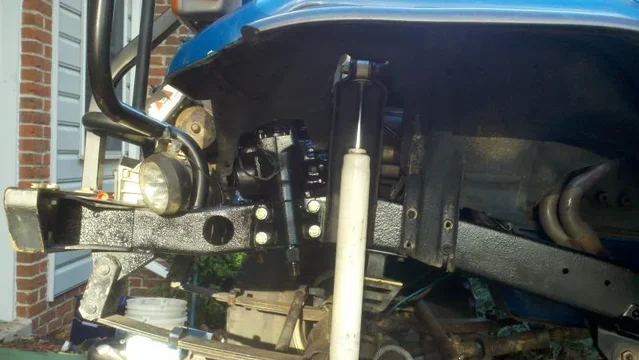
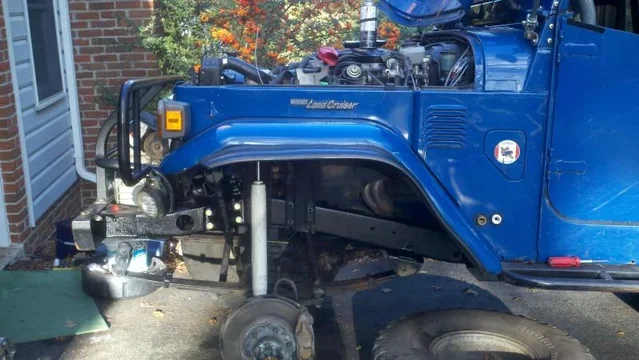
This thread will detail my installation of FJ60 power steering on my 1981 FJ40 using the IPOR prefabricated mounting plate. My truck is SOA with 4x4 labs hi-steer arms, F-250 shock towers (part # E5TZ-18183-A) and had OEM power steering already installed. If you don't have F-150 shock towers prior to doing this modification, I highly recommend making it part of your build. You are going to have to cut the inner fender anyway, so you might as well do it all at once. If you choose to stick with the stock shock towers, you will have to do some serious clearancing to fit the steering shaft.

I spent a lot of time searching and reading countless threads over and over again so I must give credit where credit is due:

Thanks to those who contributed to following threads:

https://forum.ih8mud.com/40-55-series-tech/612814-ipor-fj60-power-steering-question.html

https://forum.ih8mud.com/40-55-seri...j40-power-steering-conversion-issues-2-a.html

The FJ60 steering threads in the FAQ here:

https://forum.ih8mud.com/40-55-seri...ing-conversion-into-40-series.html#post813325

And Skrewball for answering my inane questions and giving me some good tips regarding this whole process

Parts:

1. 1985+ FJ60/62/80 power steering gear box
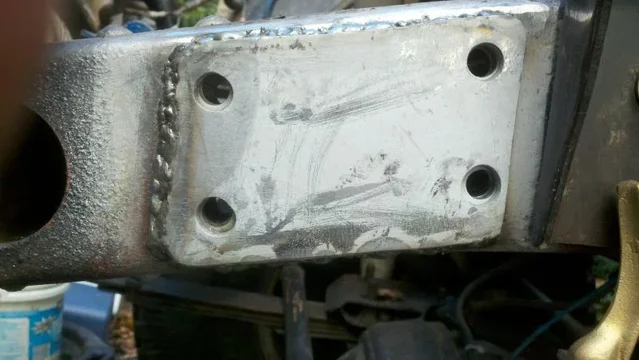
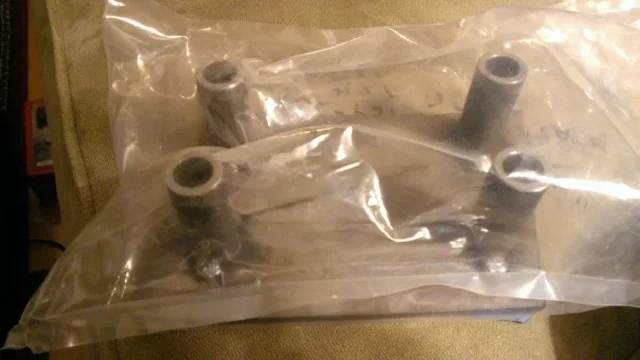
2. IPOR sleeved mounting plate You can call them and order it directly.
WP_20131110_007.webp

3. 4x 12mm -1.25 bolts and washers
4. 1/4” scab plate
5. Flaming River collapsible steering shaft
6. 11/16”-36 X 3/4” DD borgeson style u-joint
7. 3/4” DD X 1” DD borgeson style u-joint
8. DOM draglink/relay rod from 4x4 Labs with 80TRE @ pitman arm and 1T @ steering arm (Or whatever you are running)
9. Sky Off-road Design flat pitman arm
10. Power steering cooler
11. Hi pressure hose (I fabbed my own)
12. 16mm-1.5 to #6 JIC/AN adapter (x2)
13. 45* -6AN fitting
14. 90* -6AN fitting
15. Russel proflex high pressure hose (approx 24”)
16. 3/8” low pressure hose
17. 50mmODx22mmID bearing for steering stub shaft
18. 1/2” bolts and washers for radiator support

Deconstruction:

1. Remove DS fender, front bib and front splash guard
2. Drain coolant and remove radiator, radiator support and fan shroud
3. Remove old steering hardware to include center arm box, steering dampener, stock steering box and pedestal
4. This is for 1981 and later FJ40: You can remove the stub shaft with the column is still installed. To do this, remove the c-clip that holds dust seal in place, then remove the dust seal. Be careful when doing this, as the stub shaft and the two anti rattle squares will want to fall out at this point. You can also see a slot at the 3 o'clock position the column housing in the image below. This is the how you can remove the column without removing the firewall shield
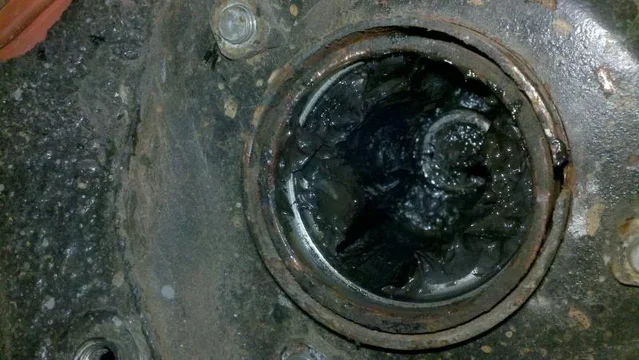
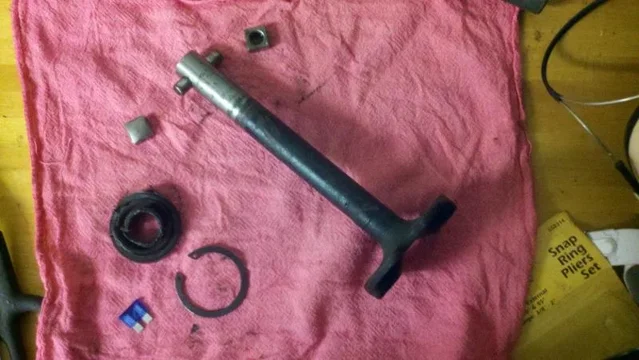
2013-09-23_19-34-17_915.webp

2013-09-23_19-37-50_831.webp

5. Remove the steering wheel (mark the wheel and splines for proper orientation when reinstalling), turn signal and key assemblies. Loosen the column dash supports and remove the 4 short bolts that hold the column to the dash support.
6. From the driver's seat, Turn the column clock-wise and pull it out. You will notice a key way in the column housing. I found this the simplest way to remove the column and work on it. You can also just undo the 3 shield bolts at the fire wall and remove the dash support to remove the column. Then take the stub shaft out

7. I cut the rag joint off the stub shaft and sent it to be machined down to a 3/4” DD while I continued with the rest of the work. If you are up for it, you can grind the stub shaft to the 3/4” DD, but I chose not to.
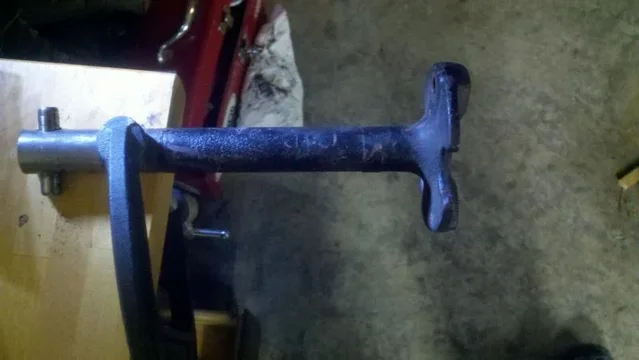
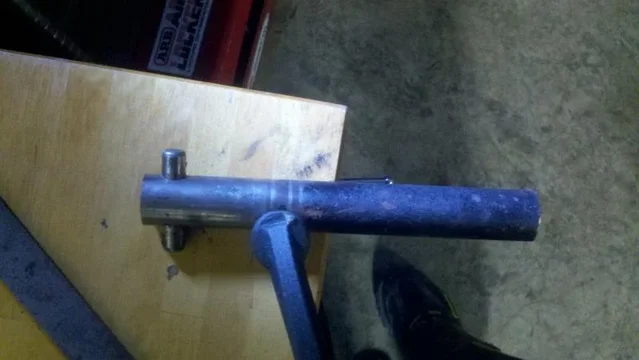
2013-09-23_19-42-03_251.webp

2013-09-23_19-45-26_959.webp
2013-09-23_19-34-17_915.webp
2013-09-23_19-37-50_831.webp
2013-09-23_19-42-03_251.webp
2013-09-23_19-45-26_959.webp
WP_20131110_007.webp
 
Last edited:
Part 2

Mock-up:

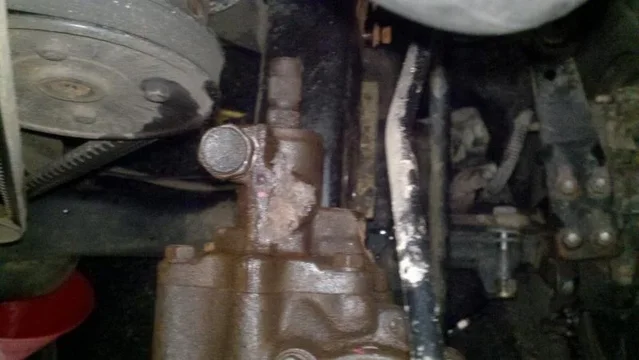
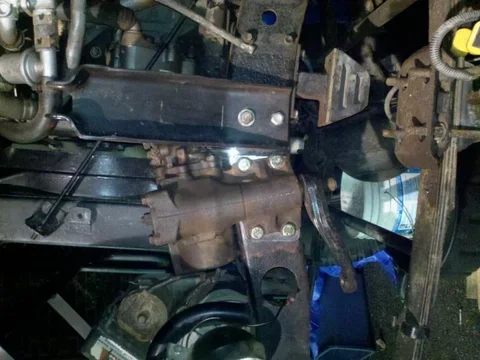
1. Mock up the PS box. Install the pitman arm on the box prior to fitting the box to the frame (you can even install the TRE to be double sure you have enough frame clearance. I used 1/4” plate to space the box from the top of the frame. Pay careful attention to the position of the PS box with respect to the frame rivets, shock mount and smog pump (if you still have it).

2013-09-16_19-42-35_960 1.webp

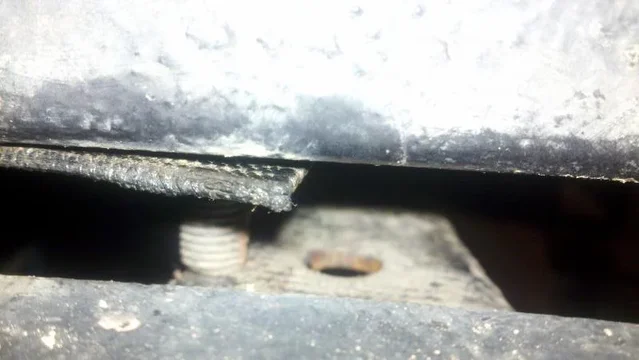
You want to avoid having the bolt sleeves directly inline with the frame rivets due to clearance issues.

2013-09-16_19-09-25_334.webp

If you position the box to far back, you won't be able to change the smog pump belt. Simply put, you want to properly position the box between the upper and lower frame to allow the bolt sleeves to pass through the frame with no interference.

View attachment 833925


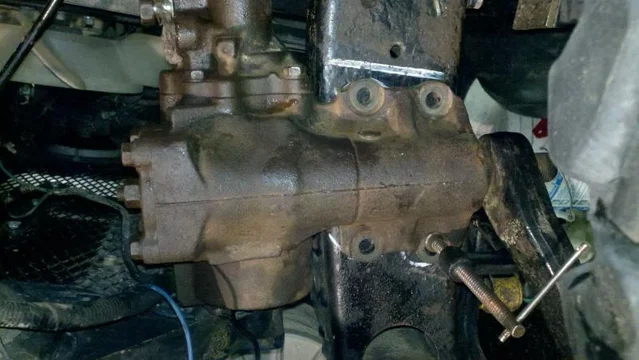
2. Secure the box with C-clamps and double check your positioning.

2013-09-16_19-42-00_854.webp

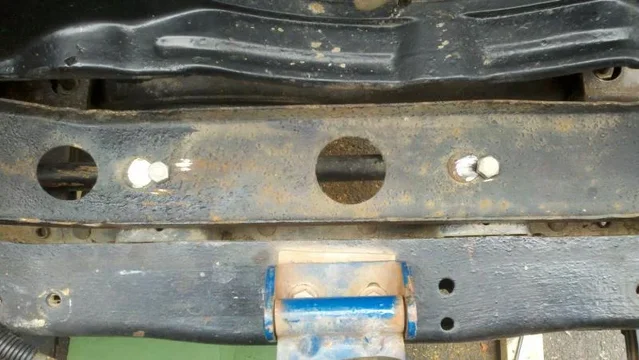
3. If you are confident in the box's position, drill 4 holes in the frame using the steering box as a jig. Also make note of where the drill bit hits the inner frame. If you can continue to drill through the inner frame, then do so. You will have to use a burr grinder to open the inner frame areas to fit the bolt sleeves. There isn't a lot of metal to remove, so a good carbide burr grinder bit does the job nicely. It doesn't have to be pretty since it will be covered up by the plate.
4. If you plan to use plate to space the PS box on the outer frame, now is the time to do it. I again used the PS Box as a jig to drill the holes. Then I fit it along with the IPOR plate and trimmed it to fit the outer frame. You can also do this later if you want to try to fit the radiator without the plate. I found I needed the plate to keep from cutting too much of the radiator support and weakening it.
5. Fit the IPOR plate by grinding and fitting until the plate fits with no interference and the sleeves align with the outer frame holes.
6. The plate will be too tall for your frame, so some trimming is in order. Bolt the plate in place and mark it so it can be welded to the inner frame. Remove the plate and trim accordingly.
7. Prepare the inner frame for welding
8. Fit the PS box with the IPOR plate and the outer plate (if going that route).
9. Tack the inner and outer plates to the frame.
10. Remove the steering box and burn in the plates.

2013-09-28_15-23-52_94.webp
2013-09-16_19-09-25_334.webp
2013-09-16_19-42-00_854.webp
2013-09-16_19-42-35_960 1.webp
2013-09-28_15-23-52_94.webp
 
Last edited:
Part 3: Radiator

There are many ways to do these next steps. This is what worked best for me and hopefully this method saves you some time and frustration.

1. Bolt up the steering box

2013-09-27_22-01-41_783.webp

2. Grab the radiator support (RS) and set it on the frame radiator mounts. It will likely not fit into the mounting holes because of the steering box interference. If this is the case, cut the threaded studs flush with the bottom of the RS.

2013-09-16_21-00-42_19.webp

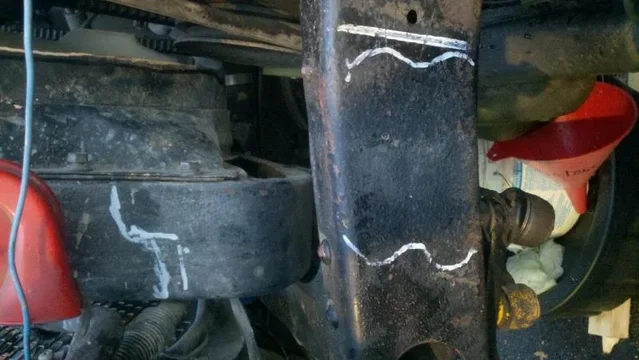
3. Set the RS on the frame mounts and snug it up to the steering box. Mark the rad support where the steering box interferes with it.

2013-09-27_22-04-09_528.webp

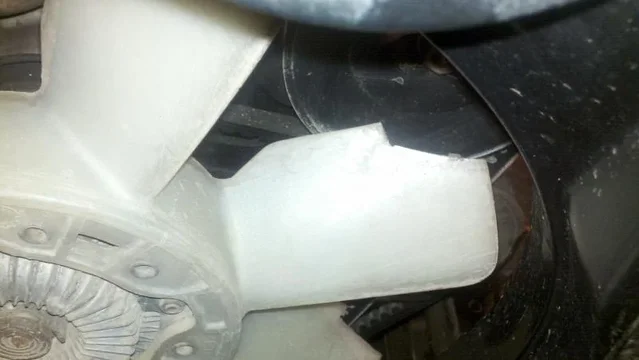
4. I opened up the fan shroud (FS) mounting holes to push it as far to the driver's side as possible without interfering with the upper rad hose and cutting the sides of the shroud. This helps provide ample fan clearance while not having the radiator too far to the passenger side. Bolt the FS to RS and set it on the frame supports.

5. Refit the RS. The cooling fan my prevent you from getting the radiator support to fit vertically. Cut a little bit of the RS at a time until you get the RS to fit vertically with about 1/2” of clearance between the fan and the shroud on the driver side. I have about 1/4” of clearance between the RS and the steering box.

2013-09-16_21-01-39_331.webp

6. With the RS in place where you are happy with the position, crawl under the front of the truck and use the RS frame mounting holes to mark the RS for drilling.
7. Remove the RS and drill the RS for the mounting bolts.

8. I ground the old stud on the RS, then insert the bolts. I used 1/2” or 5/8” bolts and they were interference fit so I had to use a socket to drive them in. I then tack welded the bolt heads to make removing the RS easier in the future.

2013-09-28_11-06-42_605.webp

9. Now you can clean up the RS, paint it and reinstall the radiator and the hole unit back in the truck.

10. You will have to bend the driver side radiator support bracket to clear the steering shaft, but we will get to that later.
2013-09-27_22-01-41_783.webp
2013-09-16_21-00-42_19.webp
2013-09-27_22-04-09_528.webp
2013-09-16_21-01-39_331.webp
2013-09-28_11-06-42_605.webp
 
Part 4: Modified Stub Steering shaft

This is the part that is unique to the 1981and newer FJ40's with the two piece steering columns

1. With the column out of the truck, remove the inner shaft from the column housing and clean the bell of any grease, rust and paint.

2. Getting back to the stub shaft: I had mine machined about 6 inches up from the old rag joint. To figure this out, I did the following:

a. Fit the 50mm bearing onto the stub shaft. (you may have to grind the c-clip retaining ring flush to the inner bell surface to get the bearing to fit)

b. Set the stub shaft with the anti rattle squares (notice they have little round inserts in the squares that are designed to ride on the faces of the cross in the bell.) The bearing will set proud of the bell about 1/4”, but this allows for a good weld surface.

c. Pull the stub shaft up about 1/2” and mark it around the bearing. This is the MAXIMUM depth of your machining.

d. I had the DD machined in perpendicular to the stub cross pin (DD positioned vertically when the column is reinstalled)

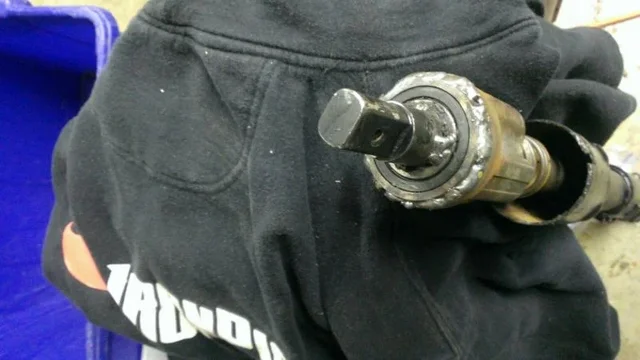
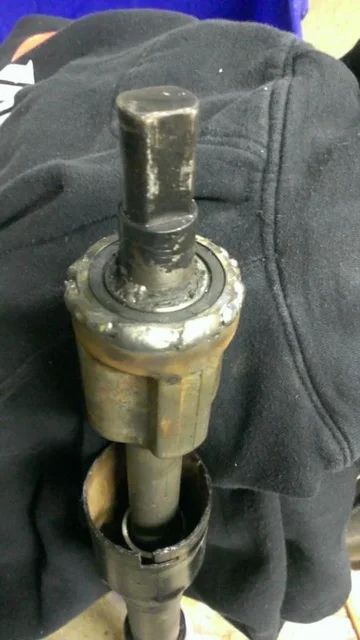
e. When you are ready to install the stub shaft, slip it into the bearing and tack weld the shaft to the inner bearing race. (you can weld all the way around if you want, otherwise, put some strong stitch welds on it(there is a lot of vibration transmitted up the shaft and it can break the welds if they are not solid). Ypu can see the heavy tack weld on the inner bearing in this image. There is another one on the other side.

WP_20131101_001.webp

f. Install the stub and bearing into the bell and weld it all the way around. Don't worry about welding the bearing since it is only there to center the stub shaft.

WP_20131101_003.webp

g. Clean up any weld bead that is outside the bell with a flap disk. There is tight clearance between the bell and the column housing.

h. Install the upper u-joint onto the shaft, remove the set screws, mark the set screw location

i. remove the u-joint and drill set screw indents.

3. Reinstall the inner column into the column housing.
4. Loose fit the column into to truck, but don't secure it. You may need to cut the stub shaft down a bit when installing the steering shaft.

WP_20131012_003.webp
WP_20131101_001.webp
WP_20131012_003.webp
WP_20131101_003.webp
 
Part 5: Steering Shaft, Relay Rod and Radiator Support Rod

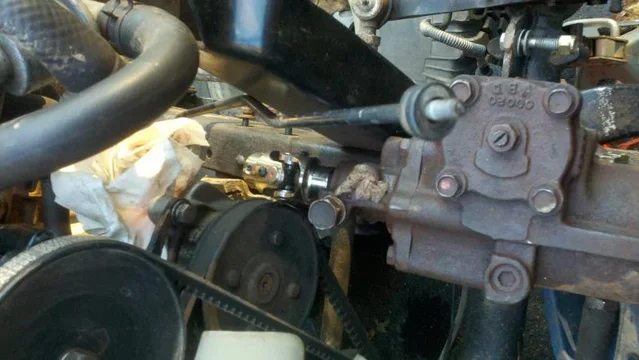
1. Fit the u-joints on the stub shaft and the steering box.

2013-09-22_17-47-55_373.webp

2. Measure the distance between the box and the stub shaft, accounting for the u-joint fitment.

2013-09-28_23-14-29_444.webp


3. Compress the FR steering shaft about ½ way and transfer your measurements to the shaft

4. Cut steering shaft (err on the long side since you can always trim more off)

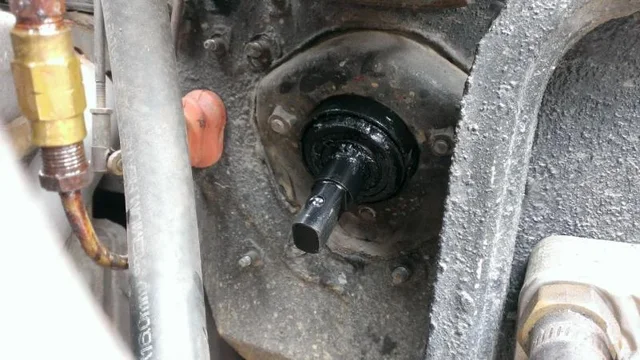
5. Test fit the steering shaft, trim as necessary. I cut my stub shaft to about 3” from the firewall to get the ideal angle of the steering shaft for my application

6. Remove the u-joints from the box and stub shaft and install them onto the steering shaft without the set screws installed

7. Mark the set nuts on the shaft, remove the joints and drill set screw indents.

8. Install the u-joints onto the steering shaft

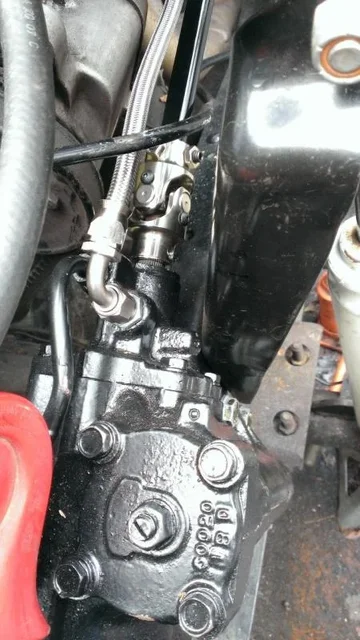
9. Install the lower shaft into the steering box (Ensure the pitman arm is centered when doing this)

WP_20131012_014.webp

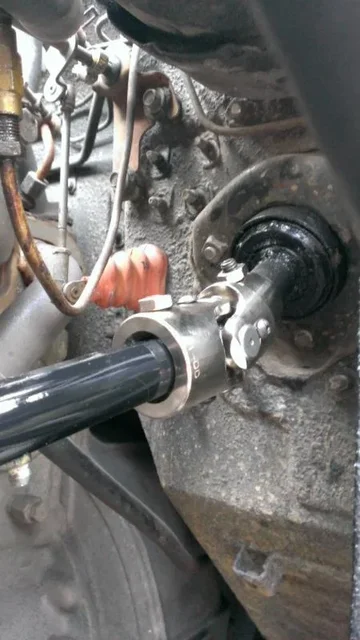
10. Install the upper shaft into the stub shaft.

WP_20131012_011.webp

11. Install relay rod onto pitman arm TRE

12. Install steering arm end of TRE.

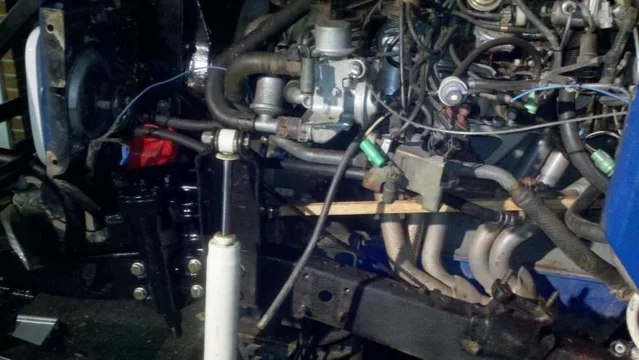
Radiator Support Rod - This is a fiddly issue that takes some patience, but can be done using the original anchor point.

1. Install radiator support rod on frame

2. Note where steering shaft interferes with the rod

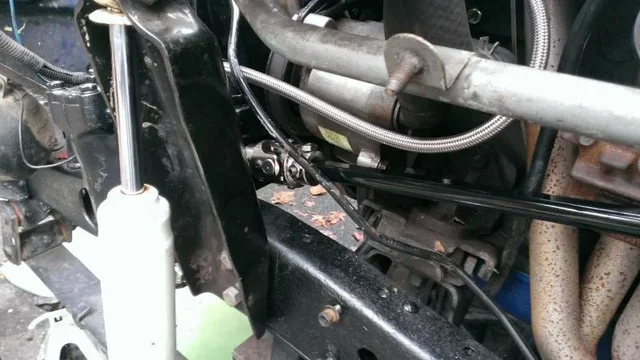
3. Bend the rod around the shaft as necessary (no need to heat it up, it bends fairly easily). You can see I bent it out towards the fender and back in to the radiator in this image:

WP_20131012_009.webp
2013-09-22_17-47-55_373.webp
2013-09-28_23-14-29_444.webp
WP_20131012_014.webp
WP_20131012_011.webp
WP_20131012_009.webp
 
Part 6: Fitting DS Fender

Having 2 people for this job would make it a bit easier and go faster.

1. Install the lower 2 bolts of the fender mount into the frame just enough so they won't strip out or bend (3 or 4 threads)
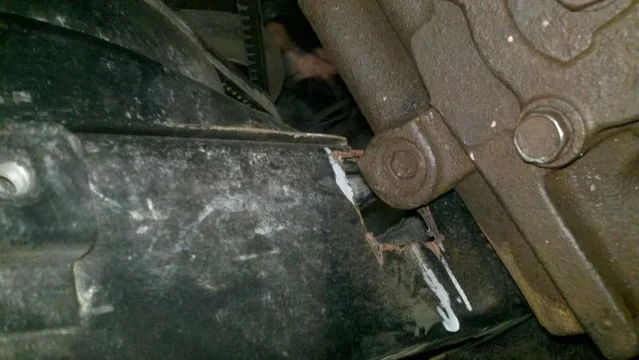
2. Side the fender onto the lower supports and push it towards the engine until it begins interfering with the steering box
3. Estimate where you will have to cut the fender to get it to fit
4. I tried to minimize the amount of fender I cut so I made a template as well to get the best looking cut. It took me several rounds of fitting and marking, then fitting and cutting to get it the way I liked it.
5. Cut the fender. I used a 4 1/2” angle grinder with a cut-off wheel
6. Clean up and paint the cut edges.

2013-09-29_17-29-12_275.webp

2013-09-29_17-29-00_641.webp
2013-09-29_17-29-12_275.webp
 
Last edited:
Part 7: Finishing Up

1. Secure the steering column to the dash
2. Reinstall the key and turn signal assemblies.
3. Install the steering wheel centered.
4. Install the PS cooler to the front of the radiator

WP_20131012_017.webp


5. Install Hi pressure and low pressure hoses

WP_20131012_014.webp


WP_20131012_005.webp


WP_20131012_006.webp


6. Fill PS reservoir with ATF

7. Refill cooling system (now is a good time to do a flush and fill)

8. Jack up front of truck with tires off the ground

9. Start truck and top off PS reservoir

10. Cycle steering from lock to lock repeatedly while topping reservoir until system is full and wheels turn smoothly.

11. Reinstall your bib and fenders.

12. Get it aligned

13 WHEEL IT!!!!
V__9C00.webp


WP_20131012_005.webp


WP_20131012_014.webp


WP_20131012_017.webp


WP_20131012_006.webp
 
Last edited:
Looks like a really solid write-up!

Glad I was free of some of your issues on my '78.

Thanks... There is always room for improvement and I, of course, did not take enough pictures of the finer details. Next time I'll try not to be under a deadline.

I read through your thread about 100 times, it was a great resource!
 
What year Fords do these need to come from?

These are F-250 shock towers ( I will correct OP) part # E5TZ-18183-A
from late 80's/ early 90's F-250.
 
I cannot find what you are doing for relay rod?

I used a DOM relay rod from Luke @ 4x4 Labs with and 80 series TRE at the pitman arm and a Chevy 1 ton TRE at the 4x4 Labs hi-steer arm. It was the most expeditious way to address the issue.
 
Back
Top Bottom