Errols FJ40 Build x4

This site may earn a commission from merchant affiliate
links, including eBay, Amazon, Skimlinks, and others.

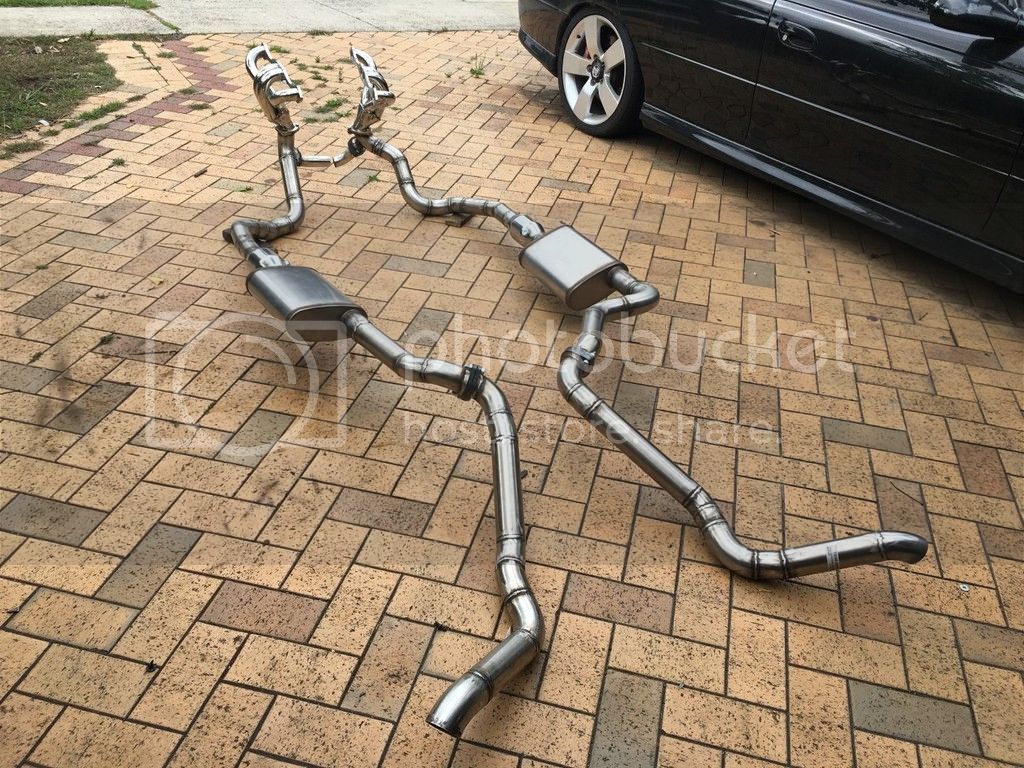
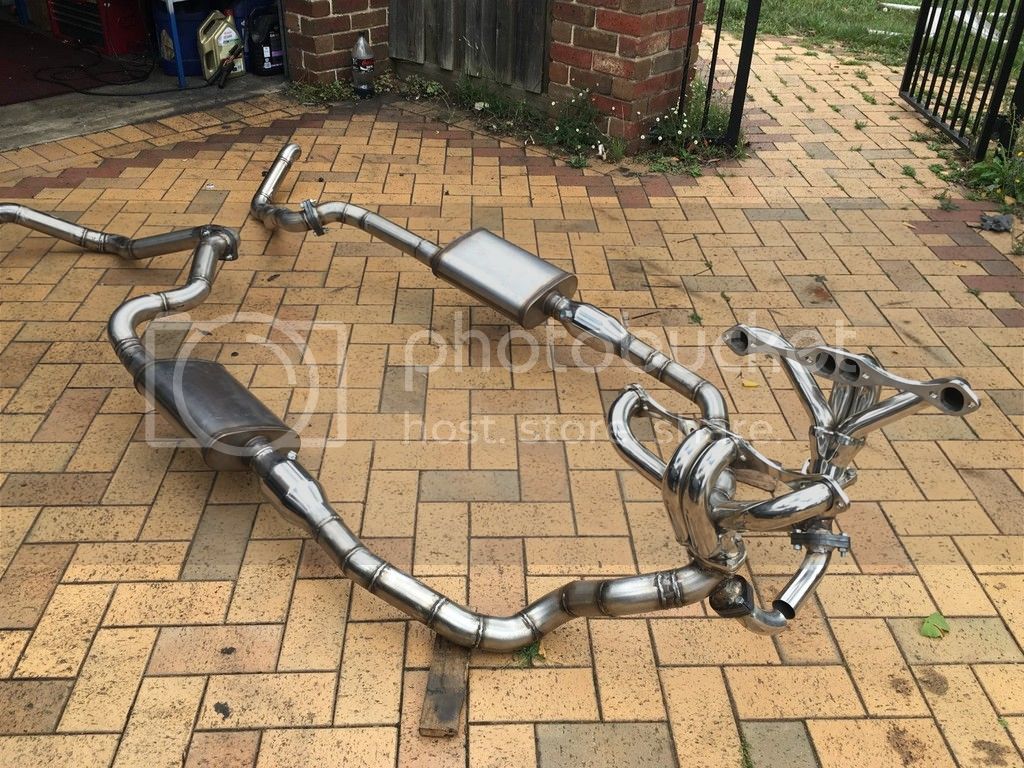
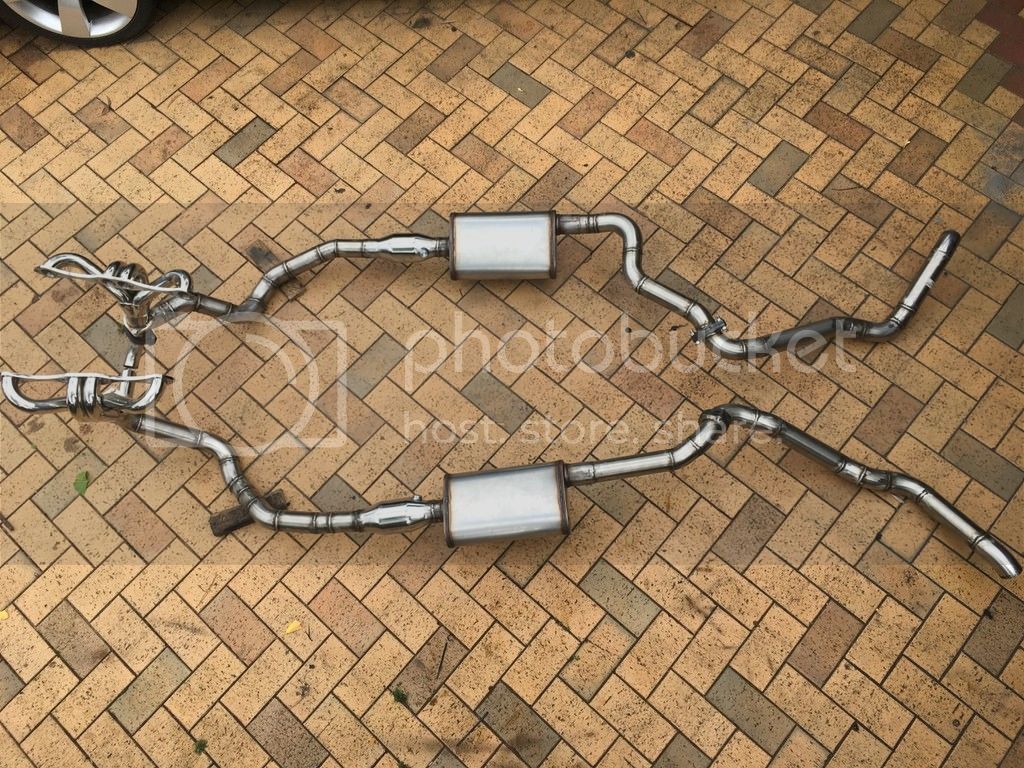
Now the main exhaust system was complete, I needed to add a balance pipe at the front. Now normally you have the balance pipe in the middle of the car (after the cats but before the mufflers), but obviously with this design the exhausts run down the outside so this isn’t possible.

Instead, I decided to add the balance pipe under the sump at the very front of the engine.

Using 1.5” stainless mandrel pipe, I added the first flange port on the drivers side….


Exhaust%2083_zpsys64urxv.jpg


Exhaust%2084_zpsm7v41s6x.jpg


Exhaust%2085_zpsq43uafyn.jpg


Exhaust%2086_zpsjj5owaic.jpg


Exhaust%2087_zpsqyjsiiyh.jpg


Next, made up a bend pipe to join the flange…


Exhaust%2088_zpstjguqooc.jpg


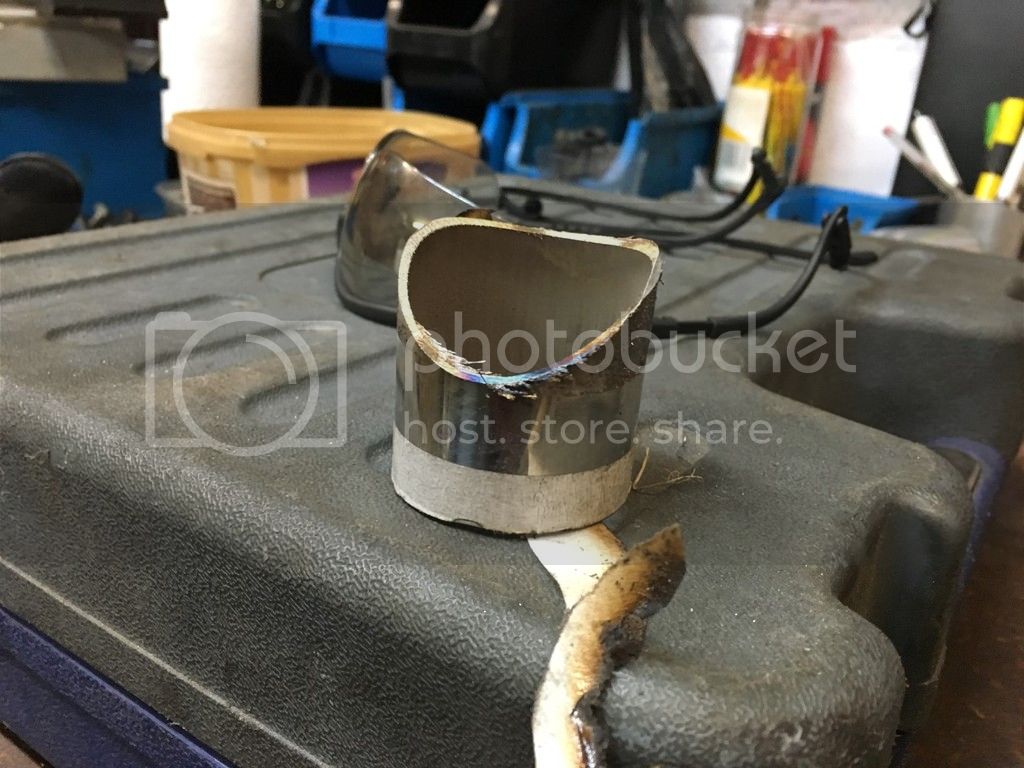
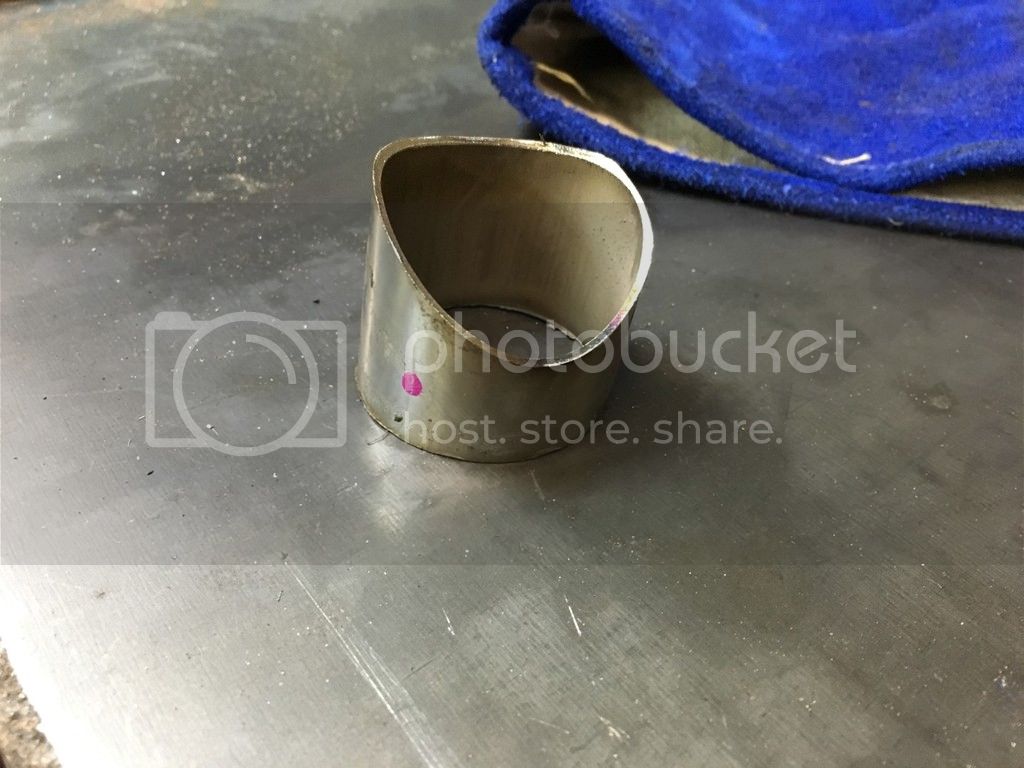
Had to create the matching passenger side port, as you can see it took some “interesting” angles to make it work. Luckily the end of the belt sander is roughly the same size as the diameter of the exhaust pipe, so was able to shape the pipe to roughly the right shape.

Exhaust%2089_zpsvdwol2cp.jpg


Exhaust%2090_zpsczlbpe08.jpg


Exhaust%2091_zpsds5mtfyb.jpg


Exhaust%2092_zpsmjvynazy.jpg


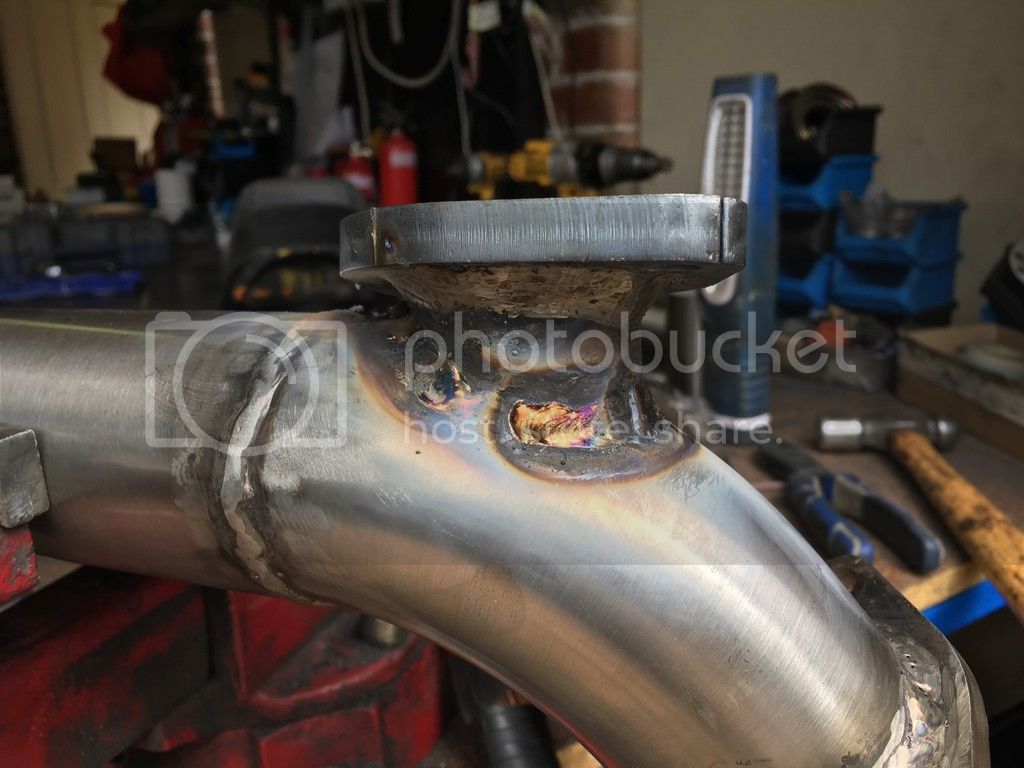
Didn’t grab a pic of lining it up, but here is welded into place.

Exhaust%2093_zpsazp6ajly.jpg


Needed to “cut” out the existing pipe… On the first one I used drill bits and milling bits which was bloody hard work. Decided on the passenger side to cheat a little and use my ability to blow holes with the welder…


Cranked the welder up from ~60amp to 200amp and blew the metal out in about 6 seconds vs the 20 minutes it took on the drivers side lol.


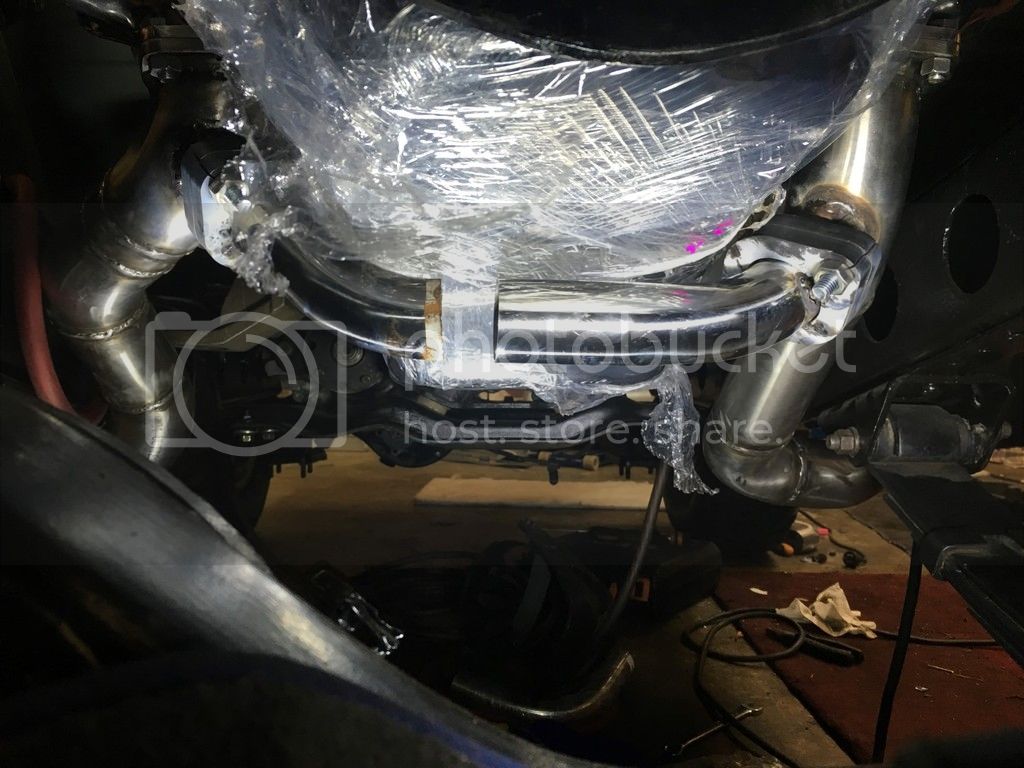
Exhaust%2094_zps6tk3vxfr.jpg


Exhaust%2095_zpsbxjfvqkx.jpg
 
Fitted back up to the engine…


Exhaust%2096_zpsdoyx95kn.jpg


Now tacked the second matching pipe up


Exhaust%2097_zpstyylq4ac.jpg


Exhaust%2098_zpsb39mbjyt.jpg


Exhaust%2099_zpsiyag6grv.jpg


Fully welded and bolted up


Exhaust%20100_zpsqh9adtoj.jpg


Exhaust%20101_zpsij4ayohk.jpg


Now I know the pipes don’t line up exactly at the moment, but the alignment will move when I properly bolt up the headers/gaskets etc. So I plan to install the exhaust system fully (gaskets, hangers etc) and the very final step will be to join the pipes. Now rather than using exhaust pipe, I am going to use a flexi joint piece. This should have enough “give” for any expansion etc during heat cycling of the engine.


Exhaust%20102_zpszut6q8di.jpg


So here is the finished system (minus the flexi joiner).


Exhaust%20103_zpsldhb6qcr.jpg


Exhaust%20104_zpsmqwsw7n5.jpg


Exhaust%20105_zpsinx8ab4p.jpg


Exhaust%20106_zpsxa2vy62l.jpg
 
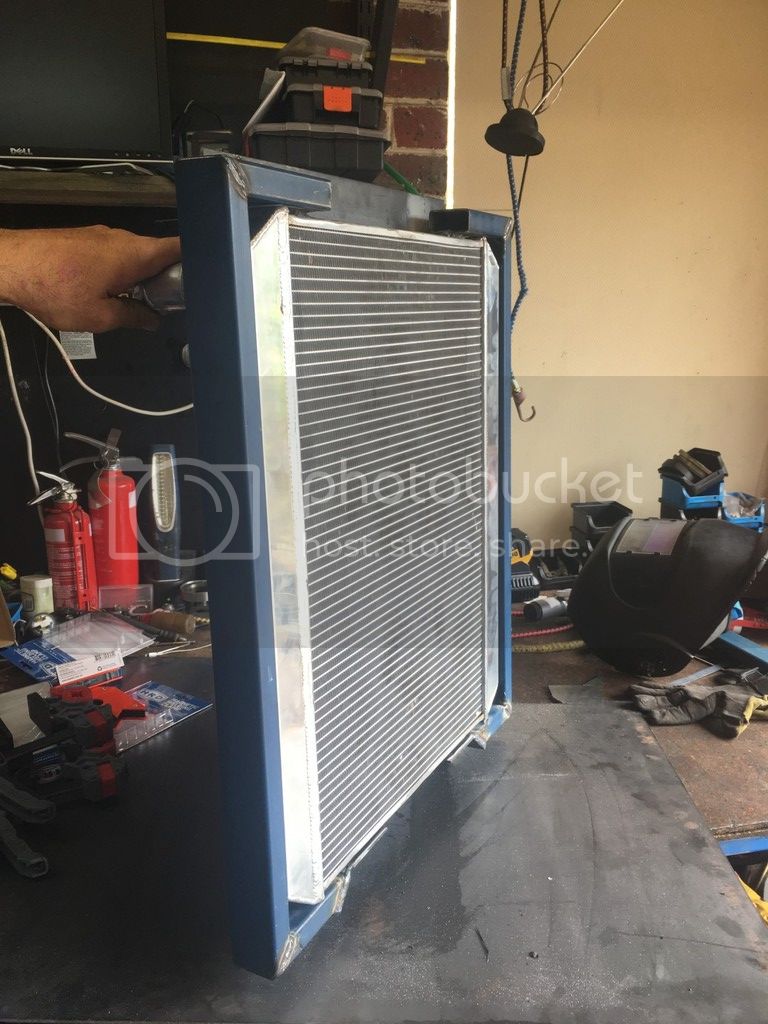
Radiator: Next step was the radiator system. Now I am pretty much doing the exact same radiator mounting design as the Green FJ40, so it was just a matter of copying the design. I had one of the radiators welded up (Changed the direction of the filler and added some extra welds across the top)

Started by cutting out the materials for the frame…


Frame%2001_zpsfpzkebis.jpg


Welded the end pieces to the top frame section.


Frame%2002_zpshk0ow93p.jpg


Added the extra bracing


Frame%2003_zpsukanv8sy.jpg


Welded up the bottom section and the side pieces


Frame%2004_zpsdq63bdbl.jpg


Was now ready to trial fit the radiator in the frame (you can see the welds on the radiator)


Frame%2005_zpscsau8sjn.jpg


Frame%2006_zpspr6hdmwr.jpg


Frame%2007_zpswavngmhz.jpg


Frame%2008_zpsgorjriwx.jpg


Frame%2009_zpskrvb6hk0.jpg


Ready to test fit the thermofans (They are Falcon AU Thermofans with some small modifications). You can see why I needed the right angle material… Ensures the thermofans are sealed on both ends for maximum cooling.


Frame%2010_zpsusljsdwf.jpg


Frame%2011_zpswsw7mezt.jpg


Frame%2012_zps9y2klwra.jpg


Frame%2013_zpskqai4aqn.jpg


Frame%2014_zpsry8bdyqn.jpg


Frame%2015_zpsdnjcwpef.jpg


Once confirmed the frame was correct, added some triangle bracing on the corners for extra strength.


Frame%2016_zpsh54yjker.jpg


Frame%2017_zpsv2dre3yr.jpg


Got 2 bolts ready to be welded on the bottom (The bolts are actually used on the front suspension strut of VT-VZ commodores).


Frame%2018_zpst3snxuu8.jpg


Frame%2019_zpsgmhxumde.jpg
 
Now for rubber mounts I decided to reuse the rubber mounts from a VT-VZ radiator. Unfortunately I couldn’t find a pipe to fit perfectly around the outside, so instead decided to trim down the rubber to fit some pipe I had.


To do this I bolted the rubber mounts onto a bolt/nut so I could spin it using a drill and ratchet spanner. While the rubber was spinning around I then used a grinding wheel to shave down the rubber till it was a nice tight fit.


Frame%2020_zpsrg0i64to.jpg


Frame%2021_zpsqsciilxq.jpg


Frame%2022_zpsu4flypuz.jpg


Here is an example of how the 2 rubber mounts will be used to clamp to the support bracket.


Frame%2023_zps9z8d4vco.jpg


Roughly positioned the bolts on the bottom of the frame


Frame%2024_zpsyd8sitgk.jpg


Now needed to make the frame support (which will be welded to the chassis). In hindsight I could have just welded some steel at a 90 degree angle, but I got this from the scrap pile so only cost its weight (4kg for $4).


Frame%2025_zpsgvosvan5.jpg


Frame%2026_zpspnnqhinm.jpg


Frame%2027_zpsrqa5ewak.jpg


Started shaping the material to the right size


Frame%2028_zpsu9u5ceqr.jpg


Cut out a bit of pipe to be welded


Frame%2029_zpsazyasxtz.jpg


Frame%2030_zpsrfps9uq8.jpg


Frame%2031_zpsdyhvmuvp.jpg


Frame%2032_zpsgdp4rfqs.jpg


Took a bunch of measurements so I knew exactly where to cut/weld the pipe.


Frame%2033_zpsjkhvbfjy.jpg
 
Fully welded the pipe then cut the border out


Frame%2034_zpsyspt0kjl.jpg


Now just needed to drill a hole in the middle using a 25mm drill bit


Frame%2035_zpsxq1g4i41.jpg


Frame%2036_zpsi80q79d7.jpg


Frame%2037_zps1whbjoed.jpg


Frame%2038_zpslqpmu6mf.jpg


You can see the clearance between the bolt and steel. Essentially this keeps the metal frame fully isolated from the chassis.


Frame%2039_zpsuh6su4w1.jpg


Frame%2040_zpszhx0eea5.jpg


Now I was going to weld another ring on the bottom side, but once you tighten the nut up its bloody solid as. So decided to leave it as is.


Frame%2041_zpsqx3zblhw.jpg


Frame%2042_zpsztwbsrky.jpg
 
Before welding the bolts onto the bottom of the frame I decided to create the mounting system for the thermofan. Essentially just welded some allthread onto the frame, although to make life easier I welded a nut on as well.


Frame%2043_zpsfmzysbgk.jpg


Frame%2044_zpsmk5d1zek.jpg


Frame%2045_zpsrlsxklph.jpg


Frame%2046_zpski88ofa9.jpg


Once I was happy with the location I fully welded the nuts/all thread into place


Frame%2047_zpsxlq3wrnl.jpg


Frame%2048_zpslpnwaycs.jpg


Frame%2049_zps515twyyu.jpg


Frame%2050_zpszqirkhjv.jpg


Now annoyingly there is a gap at each end of the thermofan, so welded a small blocking plate into place. Had to use 90 degree angle stuff and shape the top for the extra overlap.


Frame%2051_zpstxqfkzyd.jpg


Frame%2052_zpsnycss39a.jpg


Frame%2053_zpsnkpqemdq.jpg
 
Cut the standard mounts off the chassis so I could trial fit the support pieces and get an exact measurement.


Frame%2054_zpsq7dbqxuq.jpg


Once I had the measurements I could weld the bolts onto the frame


Frame%2055_zpsmmmjx8eg.jpg


Frame%2056_zpsybzwtiyu.jpg


Frame%2057_zpsg2ifp0rx.jpg


Now trial fitted the support pieces, noticed there wasn’t as much clearance as I wanted in a few areas, so marked it to be cut out.


Frame%2058_zpsvqvigb1d.jpg


Frame%2059_zpsbjztvuzs.jpg


Frame%2060_zpsfli1kkui.jpg


Took a quick measurement to check everything lined up…


Frame%2061_zpso0mithht.jpg


Frame%2062_zpsuzoyemt8.jpg


Frame%2063_zpsc76c4kty.jpg
 
It looked good, so now made the changes to the mounts


Frame%2064_zpspalibndn.jpg


To help distribute the load over the rubber mounts I used some spare big washers.


Frame%2065_zpsrj9geoiy.jpg


Frame%2066_zpsy72gguyk.jpg


Frame%2067_zps39ws8mjn.jpg


Frame%2068_zpsfe3fhk1i.jpg


Lots of clearance now…


Frame%2069_zpspyuam7to.jpg


Frame%2070_zpsc8ojhd6j.jpg


Fully assembled


http://i1224.photobucket.com/albums/ee369/feistl/Frame%2071_zpswtb28w92.jpg /IMG]


Now ready to mount the lower brackets to the chassis


[IMG]http://i1224.photobucket.com/albums/ee369/feistl/Frame%2072_zpsxpaj2wgl.jpg


Frame%2073_zpsocmrt7ks.jpg


Frame%2074_zpsmqxae10q.jpg


Frame%2075_zpssjgjb8dc.jpg


Frame%2076_zps01hw0p8f.jpg
 
Trial fitted the frame


Frame%2077_zpsbwbhjn2q.jpg


Then mounted the radiator and thermofans properly for a final trial fit


Frame%2078_zpsyfxobxr5.jpg


Frame%2079_zpssabbs2za.jpg


Was happy with the alignment/clearances, so welded up the mounts properly and gave them a coat of paint.


Frame%2080_zpsegogzfil.jpg


Frame%2081_zpsbfelvihg.jpg


Frame%2082_zpsj5uhjzhl.jpg


Fitted in the rubber donuts (nice tight fit)


Frame%2083_zpsxp6n13vc.jpg


Frame%2084_zpsijt4dl8r.jpg
 
Water Pump:

Now one of the unexpected issues we faced was the standard Chev water pumps all exit on the drivers side, whereas the holden pumps exit on the passenger side. The radiator we had purchased exited on the passenger side and I didn’t pick up on this till I had already finished the radiator design…


Now I could have got the radiator modified, although aluminum welding seems to be very expensive. So instead we decided to fit an Aerospace Components electric water pump which has the inlet on the passenger side. We had actually planned to fit an extra inline electric pump to assist anyway, so running a full electric pump instead wasn’t a big issue (Other than added cost)


We will also configure the water pump to be on anytime the engine is running OR the engine temperature is above 75 degrees. So basically after driving around normally and stopping the engine the thermofans and water pump will continue to run until the temp drops below 75 degrees. This is also an advantage if the engine starts to get too hot… Turn it off and it’ll cool much faster than a normal setup.


Pump%2001_zps6scabq5q.jpg


Pump%2002_zps6cnanba1.jpg


Clearance was tight, but the electric pump is the same length as the mechanical one were going to use so the clearance is the same.


Pump%2003_zps16mjxdqs.jpg


Pump%2004_zpslvuvugyq.jpg


Although tight, we should be able to work out a radiator hose for the bottom to suit the new pump.


Pump%2005_zpswhxyqlpc.jpg


Pump%2006_zpsh3g2f1iq.jpg


To top pipe should be easy enough


Pump%2007_zps5vd6l79i.jpg


Will work out the hoses later…
 
Alternator:

Now fitting an electric water pump creates another issue of not having a pulley for the drive belt, meaning a standard alternator bracket won’t work. Now we had planned on fitting a VT 120amp alternator anyway, so it meant creating another custom bracket. Easiest way was to start with the standard VT Alternator bracket and modify it to mount to the chev V8.


Now unfortunately the Chev heads on the drivers side only has a single bolt hole, meaning I couldn’t use the standard method of mounting (Eg a bracket bolted to the head). Instead, I had to be creative and decided to mount the VT alternator bracket onto the Marks4WD engine mount arm.


So started by bolting the standard VT alternator to the VT Bracket and holding it in roughly the right area (no pics of this). Once I was happy with placement I cut a small grove so it would “sit” on the engine mount bracket in the right place and tack welded it


Alternator%2001_zpstqvt0ekp.jpg


It should work, although there isn’t much clearance/room for tensioning between the belt.


Alternator%2002_zpsaoy1padd.jpg


Alternator%2003_zpscqpf33t1.jpg


The clearance to the water pump was also tight, but I could remove some material shortly


Alternator%2004_zpsbyzwgtv0.jpg


Now to give extra strength I made up a bracket to bolt to the head


Alternator%2005_zps6nexxehz.jpg


Alternator%2006_zpsxq5hh601.jpg


Alternator%2007_zpskql4ktov.jpg


Alternator%2008_zpsgcwn52mv.jpg


Then added a support brace for the bottom mounting point


Alternator%2009_zpsgqfig9in.jpg


Alternator%2010_zpsjdwsbgfs.jpg


Then added lots more bracing


Alternator%2011_zpsj90zn2ra.jpg
 
Once everything was tacked into place, measured the approx. belt length and went and purchased a bunch of belts in roughly the right length to trial fit. Ended up 11A1130 was a bloody tight fit (took two of us to get it on) but did mean I had maximum clearance between the belt on the feed/return path.


Alternator%2012_zps1ayjyudz.jpg


As you can see alignment is good


Alternator%2013_zpsr4mwgtij.jpg


Unfortunately to weld up the bracket I had to remove it from the car, which meant supporting the engine during this time.


Alternator%2014_zpsgiurbl7y.jpg


Alternator%2015_zpsqew95ssr.jpg


Bracket removed


Alternator%2016_zpstajojnhk.jpg


Alternator%2017_zpsj2b51sjj.jpg


Then welded it all up and gave it a coat of paint


Alternator%2018_zps6manypkq.jpg


Alternator%2019_zpshavxniby.jpg


Alternator%2020_zps3wacskck.jpg


Alternator%2021_zpstuh7zxin.jpg


Alternator%2022_zps5t6zu82i.jpg
 
Fitted and lock tited it back into the car


Alternator%2023_zpsvrqzsz3t.jpg


Alternator%2024_zpsvarsrwtp.jpg


Now ready to install the alternator and belt


Alternator%2025_zpso8024bc1.jpg


Alternator%2026_zpsi4jjlgfe.jpg


You can see the extra clearance to the water pump (which importantly means the pump can be installed/removed with the bracket in place)


Alternator%2027_zpsrrgjixv9.jpg


Alternator%2028_zpsyevssz9p.jpg


Now ready to reinstall the radiator


Alternator%2029_zpsxwzs560t.jpg


Alternator%2030_zps4h93aico.jpg


Alternator%2031_zpszsmpemc7.jpg


Alternator%2032_zpsjviejiu1.jpg
 
Radiator Hoses: Now the bottom hose is proving more challenging. As the engine bracket is so close there is very little room to actually run a hose, and using that custom fitment hose didn’t work as it was still hard pressed against the engine mount bracket.


The other issue with the electric pump is it has no return for the heater/lpg converter. So decided to kill 2 birds with one stone and make a custom fitting to get around the space constraints and to provide a heater hose return.


Started by fitting a couple of 90 degree radiators hoses


Hose%2001_zpswmwxysrs.jpg


Went and got some 38mm / 1.5” steel tube and custom cut/weld it to make an “S” type pipe. Now I know these sorts of cuts/bends aren’t great for flow, but the mandrel bend radius in that size is too big, so this was the only real option.


Hose%2002_zpsgzfc2qoe.jpg


Hose%2003_zpsyznyuoag.jpg


Once I was happy with the alignment, I welded it up


Hose%2004_zpswj0gizfq.jpg


Hose%2005_zpsclr7kdae.jpg


Hose%2006_zpsri8xosys.jpg


Hose%2007_zpsnouq0f4b.jpg


Hose%2008_zpsyhceh1pa.jpg


Was now able to weld in a 5/8” heater hose bung for a return for the heater/lpg converter


Hose%2009_zpspgsnayta.jpg


Hose%2010_zpsd9qse0pd.jpg


Hose%2011_zpsqr5eepbt.jpg


Hose%2012_zpsjk6as5im.jpg


Hose%2013_zpsgofbgaqm.jpg


Still not 100% decided on a top hose yet, but changing to a spare thermostat housing from a VT 304 means I can run a universal type hose.


Hose%2014_zpsxg0fnlul.jpg
 
IMG_7868_zpszi6f3rcl.jpg


So this is where we are up to as of 18/03/2016.

(EDIT - All pictures should now be showing correctly)

I hope you have enjoyed the build thread so far and am happy to answer any questions and welcome feedback/suggestions.

Cheers, Errol.

(Also, they must nearly be the record for most posts in a row by a single user...?
 
Last edited:
Errol, This thread is just bloody amazing, I've spent nearly all day reading your post and the Aust Ls1 forum post.. I have a mate doing a total frame up resto and v8 re build, and I'm getting mine ready for club rego as well, I'll make sure he reads this too.. We are not far from you so we'll be in contact...

Cheers, Gaz...
 
So cool to read and see your story!

Cheers man.

The stuff you guys are cutting up and scrapping would be gold over here , not to mention the floater axles and H55's . If we could just combine the two countries - that would be ultimate .
Nice build thread ..

Sarge

Cheers dude. Yeah, thats the biggest thing I've noticed is that the quality and quantity of parts available over here is much better. As mentioned, i collected 8x H55F gearboxes at an average price of about $150-200ea and just about every axle is full float.

Also, it appears diesels are far more common over here (all the mining trucks here are diesel). We did contemplate using 12HT turbo diesels, but i prefer the sound of the V8.

As mentioned in the thread, LPG is also a common modification over here. In Melbourne especially, LPG is very cheap (Usually 30-50% of petrol) and some of the modern LPG injection systems are only 10-20% less efficient than petrol.

Errol, This thread is just bloody amazing, I've spent nearly all day reading your post and the Aust Ls1 forum post.. I have a mate doing a total frame up resto and v8 re build, and I'm getting mine ready for club rego as well, I'll make sure he reads this too.. We are not far from you so we'll be in contact...

Cheers, Gaz...

Hey mate,

Glad to hear you enjoyed it. I am just up the road (Rowville) so feel free to hit me up for help/parts.
What car club are you going with?

Final thing i should mention is the White and Green FJs are sort of "prototype" builds, the next 2 we are building will be significantly better builds. The first two have been good experience and to learn what does/doesn't work.

Cheers
 
Thermofans:


Spent a bit of time playing around with the thermofans. It appears between the AU and BA falcon ford made some minor changes to the thermofan blades and electric motor. The AU ran a Valeo with a pair of 8 blade fans whereas the BA ran a Kamco electric motor with a pair of 6 blade fans.

Now I couldn’t swap the fan blades over due to being slightly different sizes (and not fitting the shroud), but with very minor modifications the motors can be swapped. The newer Kamco motor seems to be more powerful.


Thermofan%200A_zpsvlgigxce.jpg


Thermofan%200B_zpsvq7tckl5.jpg


At this point I decided to strip down the motors to give them a clean and change the bearings.

Removed the motor from the housing


Thermofan%2001_zpslipagzks.jpg


Thermofan%2002_zpsesdmad3j.jpg


Took the rear cover off


Thermofan%2003_zpscf3sjci3.jpg


Remove the circuit board


Thermofan%2004_zpsucy0dy2b.jpg


You can see the core


Thermofan%2005_zpspkkjjbrs.jpg


Pressed the core out


Thermofan%2006_zpsmwdem7qe.jpg


Thermofan%2007_zpsgzebu2yx.jpg


Gave it a clean with the air compressor


Thermofan%2008_zpssykdyv1t.jpg


Removed the casing holding the bearing in


Thermofan%2009_zpsm5mnjqtr.jpg


Thermofan%2010_zpsvxym2tp3.jpg


Thermofan%2011_zpsjd77iqpb.jpg


Removed the old bearing from the casing, gave the casing a clean with the wire brush and installed the new bearing


Thermofan%2012_zpszp8nhxks.jpg


Thermofan%2013_zpsflc480v7.jpg
 
Back
Top Bottom