Errols FJ40 Build x4

This site may earn a commission from merchant affiliate
links, including eBay, Amazon, Skimlinks, and others.

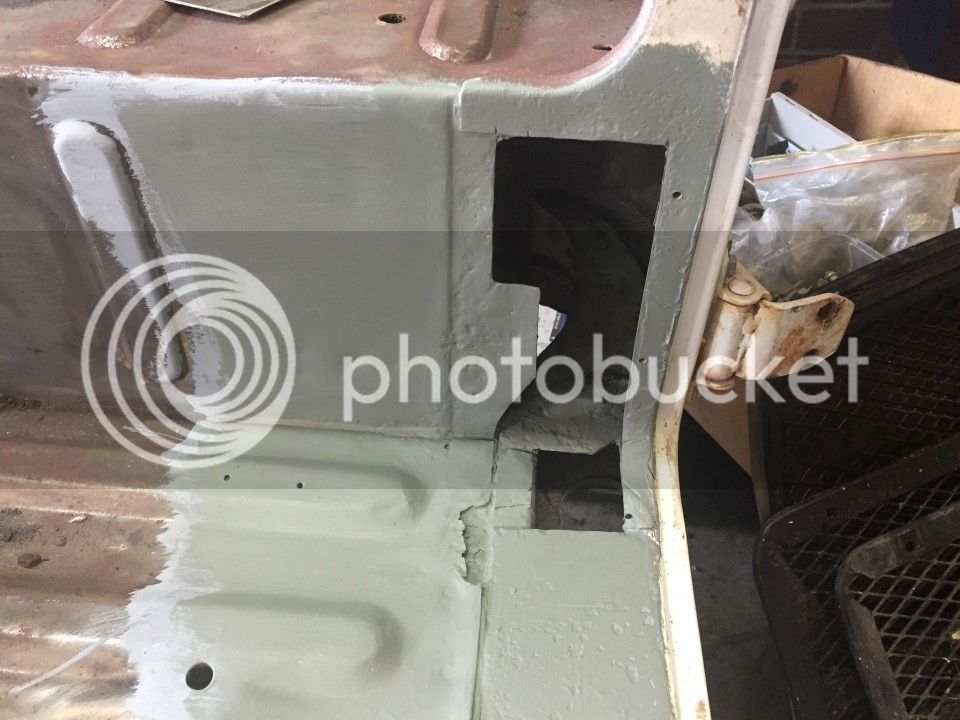
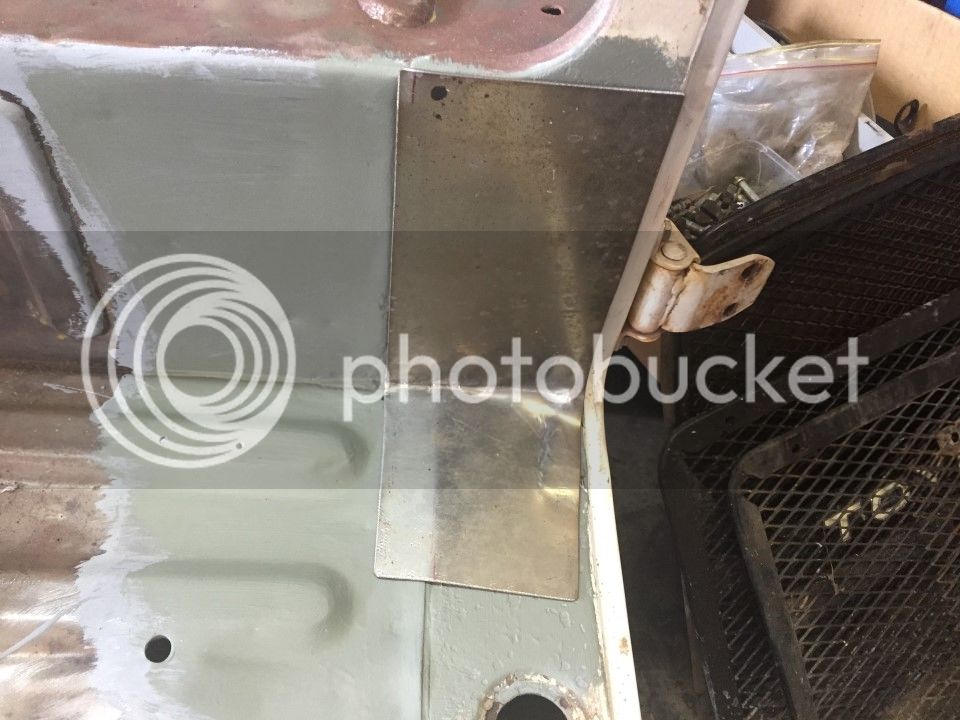
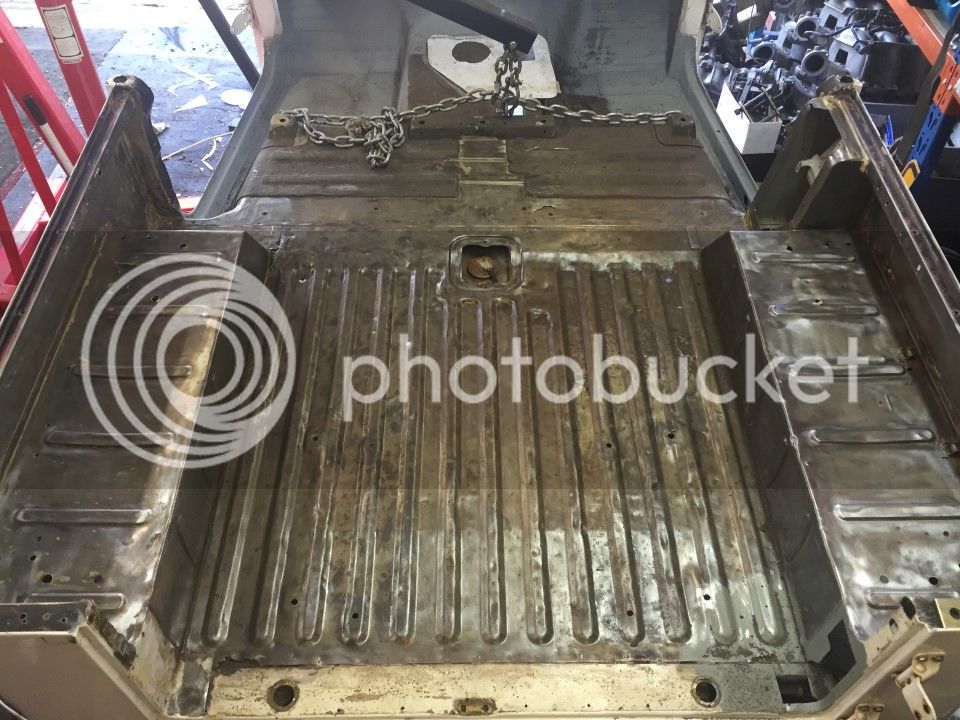
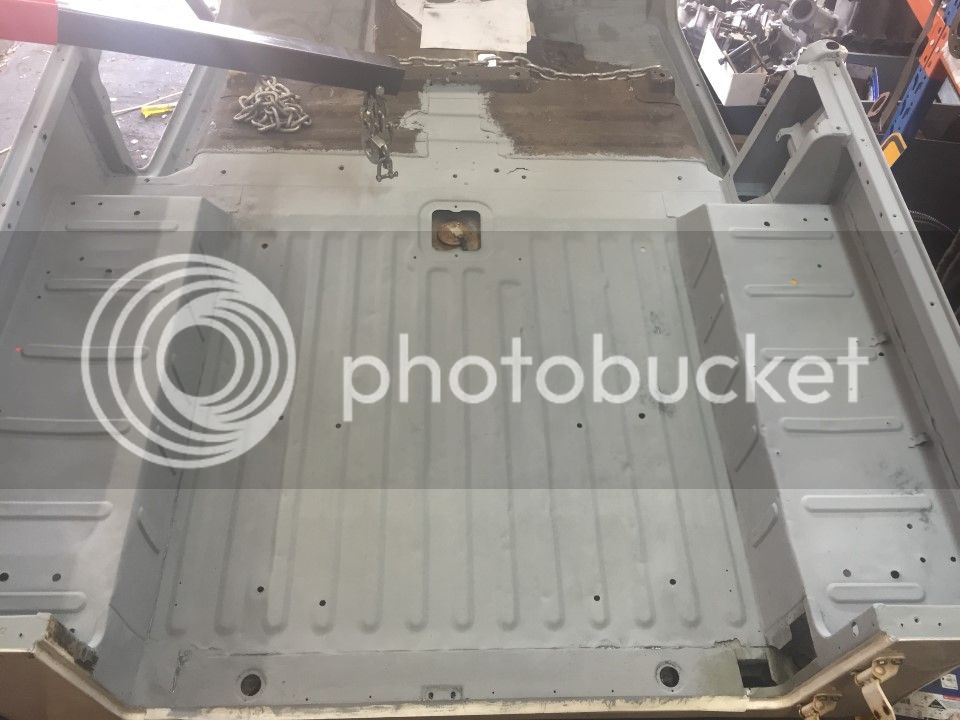
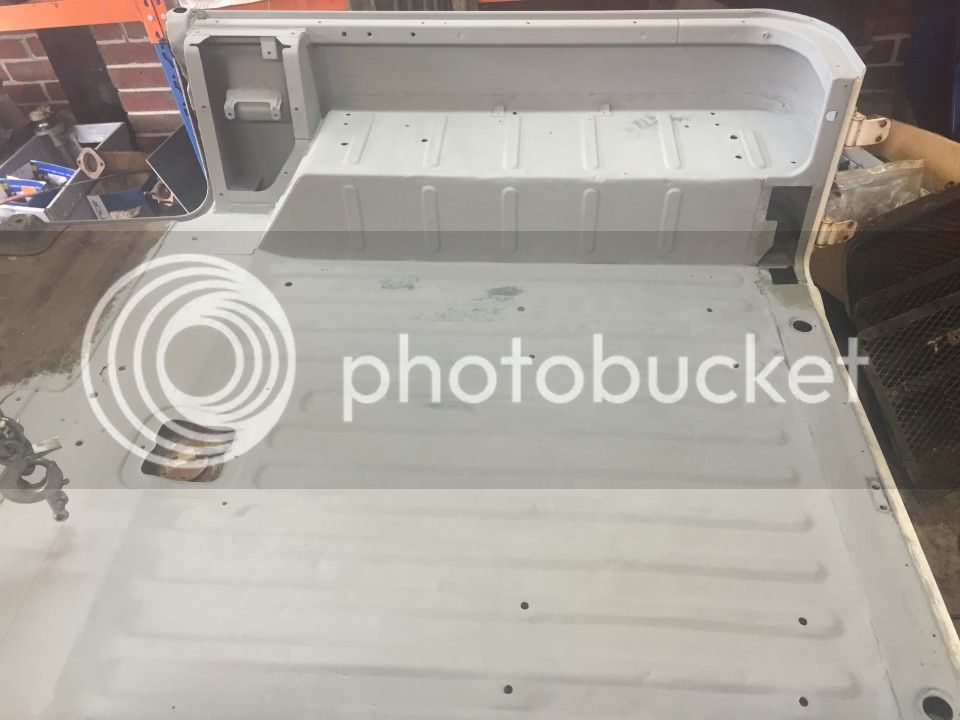
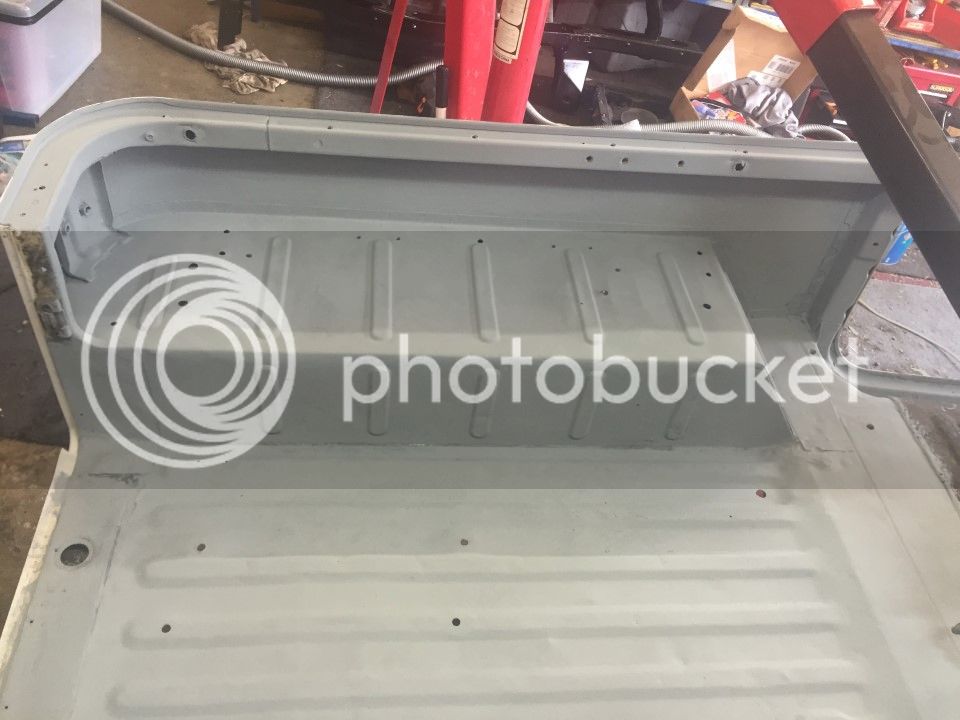
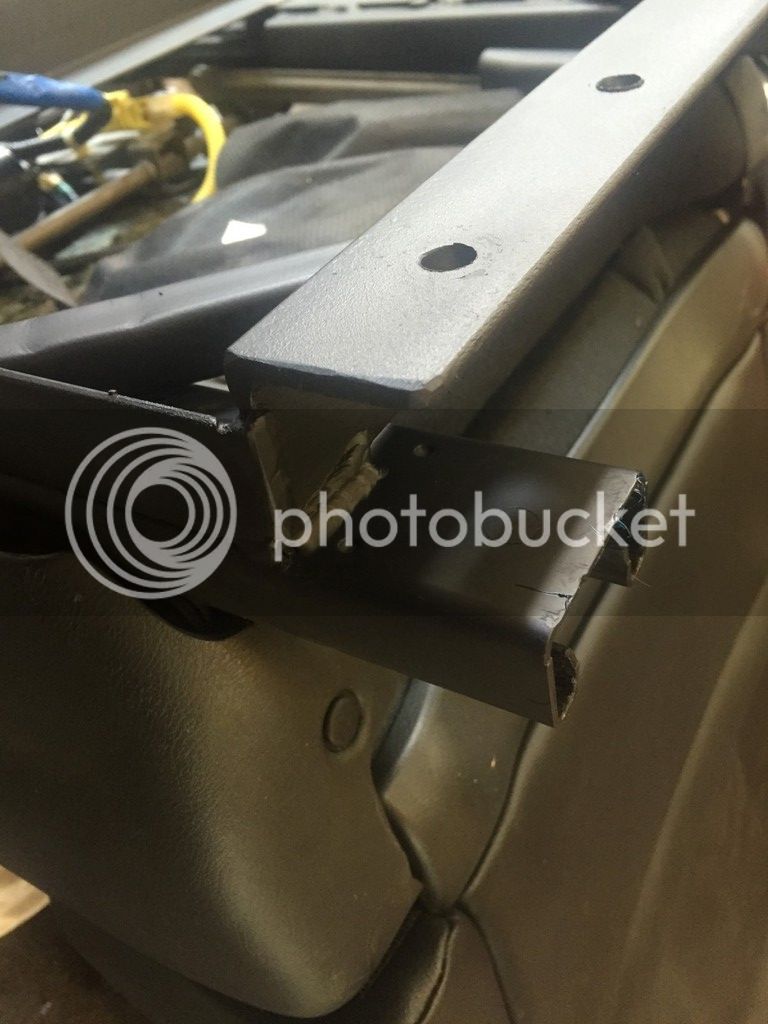
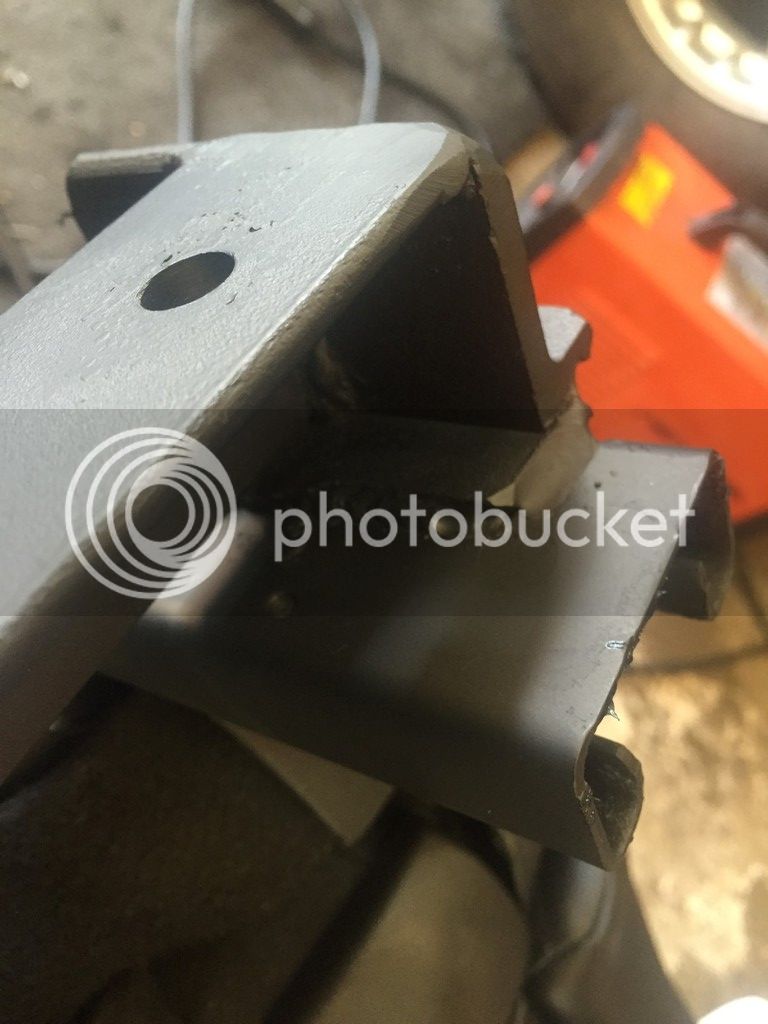
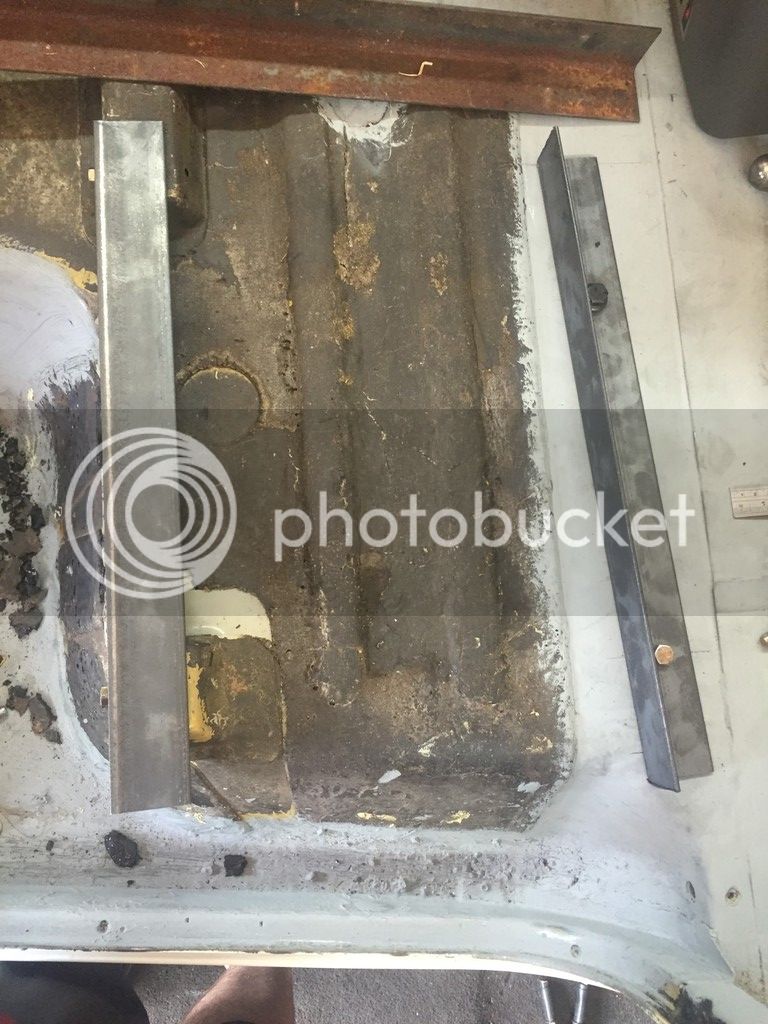
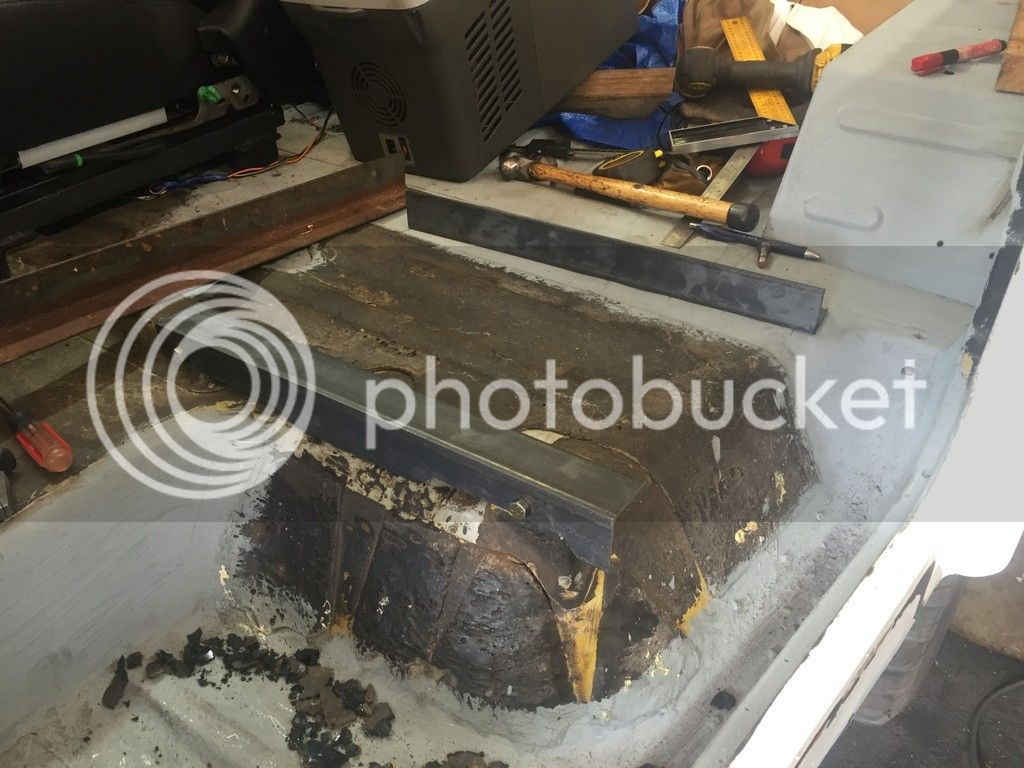
Last area of rust to deal with was fairly minor in the rear section of the tub. Didn’t get a pic of the original rust section, but we cut it out and created a new plate to go in its place. We also created another backing plate so we can pop rivet/glue them together for extra strength. Same process of cold gal/bitumen to protect the steel.


Tub%20Rear%2001_zpsokzk8g9t.jpg


Tub%20Rear%2002_zpsqes73qme.jpg


Tub%20Rear%2003_zpsf7rcsynk.jpg


Tub%20Rear%2004_zpshwfw8k9i.jpg


Tub%20Rear%2005_zps7ilantxo.jpg


Tub%20Rear%2006_zpsa3rayaya.jpg


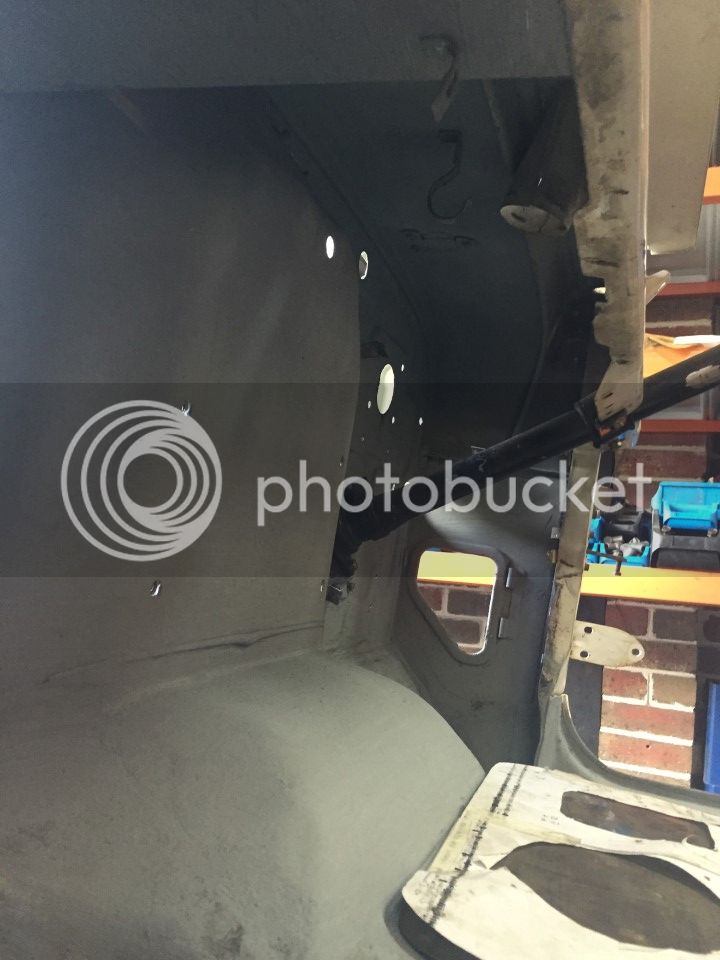
This included the rest of the interior at the front…


IMG_3599%20Custom_zps0pwt15dd.jpg


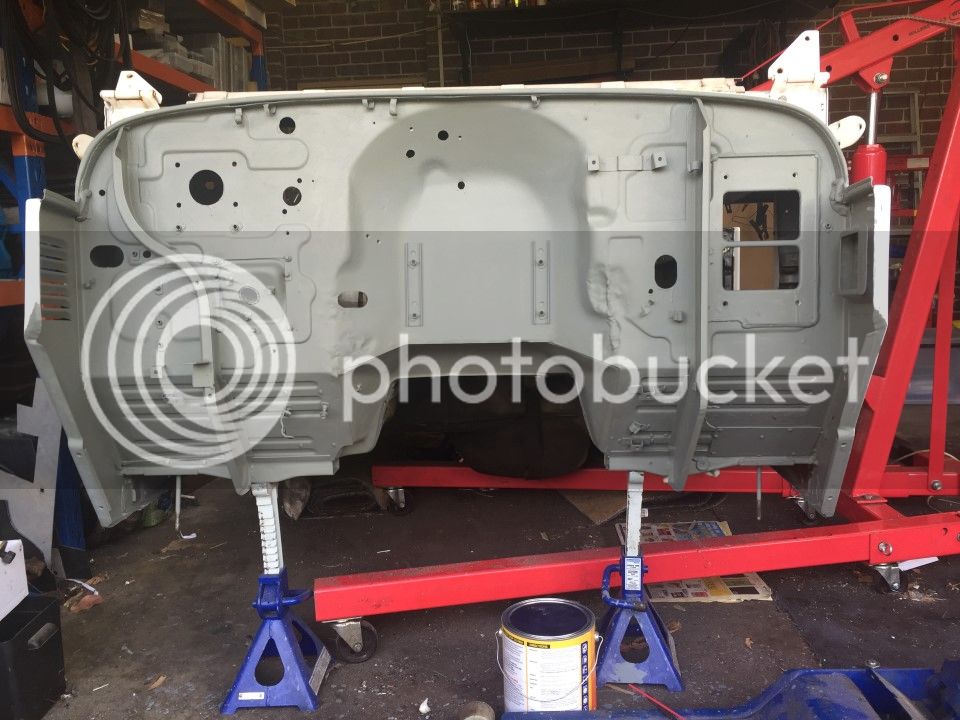
Also finished prepping the firewall and gave it a coat of cold gal…


IMG_3592%20Custom_zpswfiestl7.jpg
 
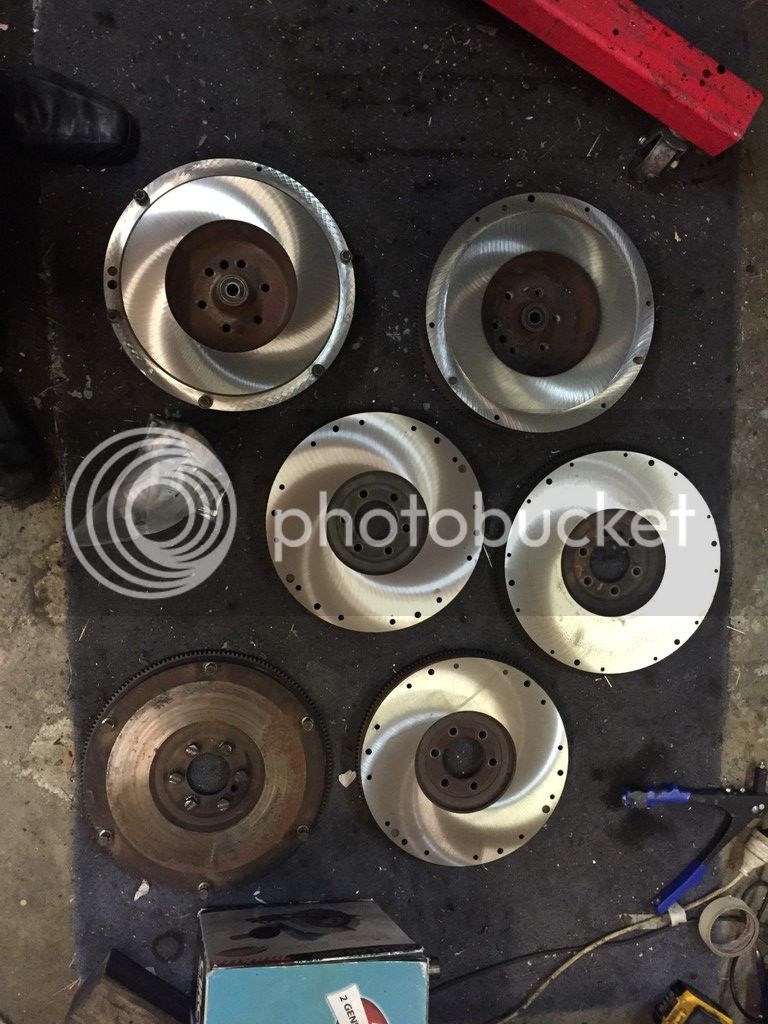
Got a bunch of the V8 flywheels machined (For the Chev 350 and Holden 304s, One had damaged ring teeth so didn’t use it. Had a replacement for it anyway)


Flywheel%2001_zpsk8hbgcpt.jpg


Engine Time:


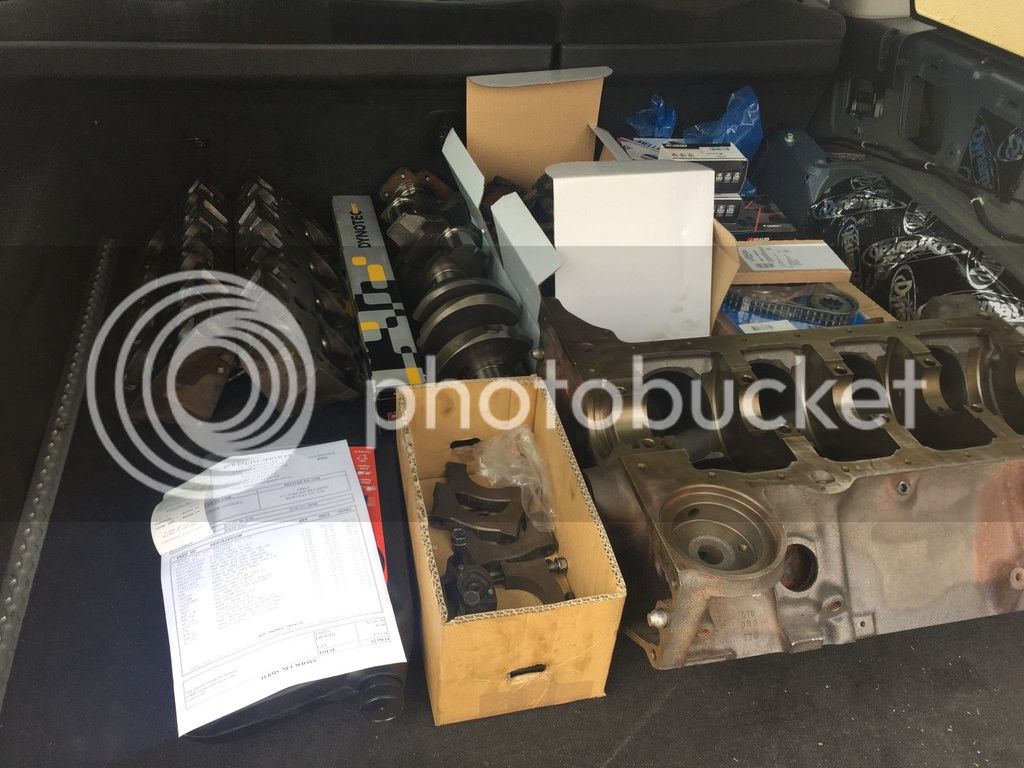
Firstly, managed to sell the Chev 400ci for a good price, although I did have to deliver it to Ararat (6 hour round trip). Luckily it fits in the back of the wagon, so the drive wasn’t too bad.


Here are some pics from the ad…


Chev%20400%201_zps5mlpa44k.jpg


Chev%20400%202_zps91wmnnmj.jpg


Chev%20400%203_zpstbcdem1y.jpg


Chev%20400%204_zpsl2ye33lb.jpg
 
Chev 350:


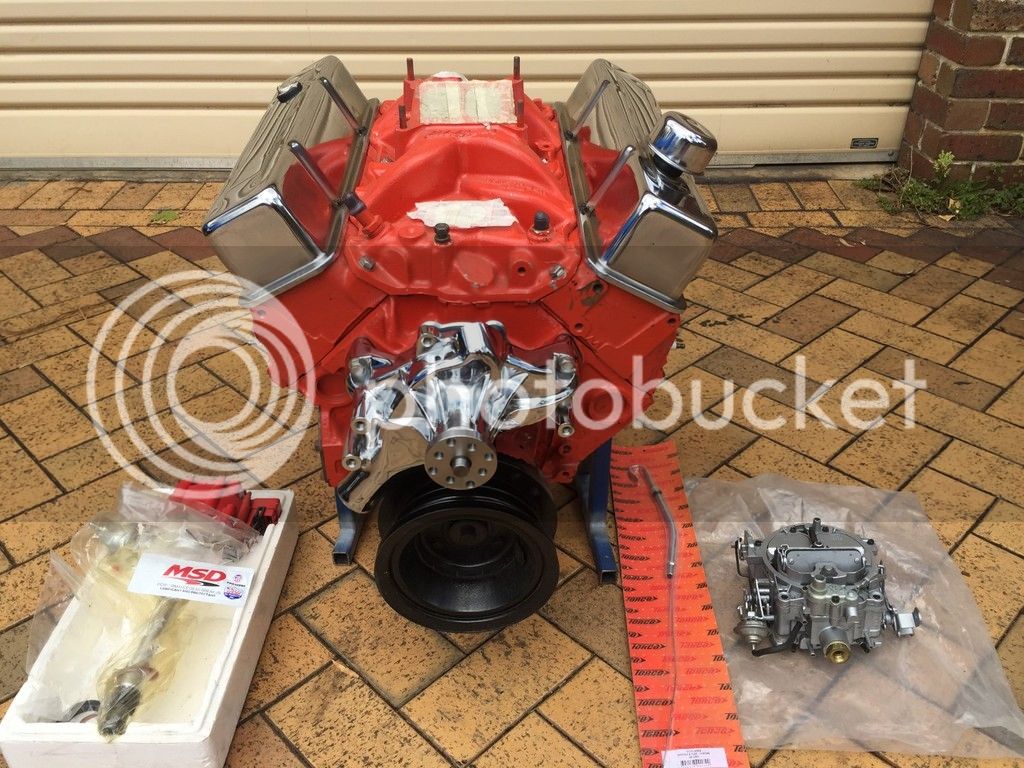
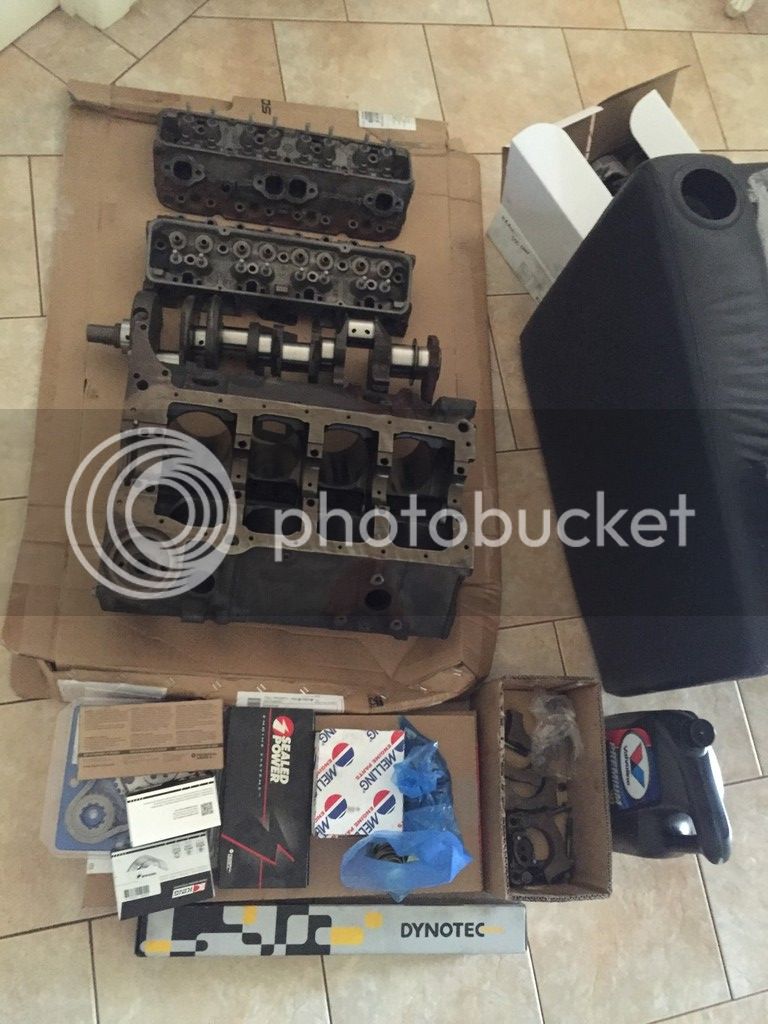
The block/heads came back from the machine shop and was happy with the quality/price of the work.


Chev%2001_zpsm3punj8q.jpg


Chev%2002_zps6y0gsach.jpg


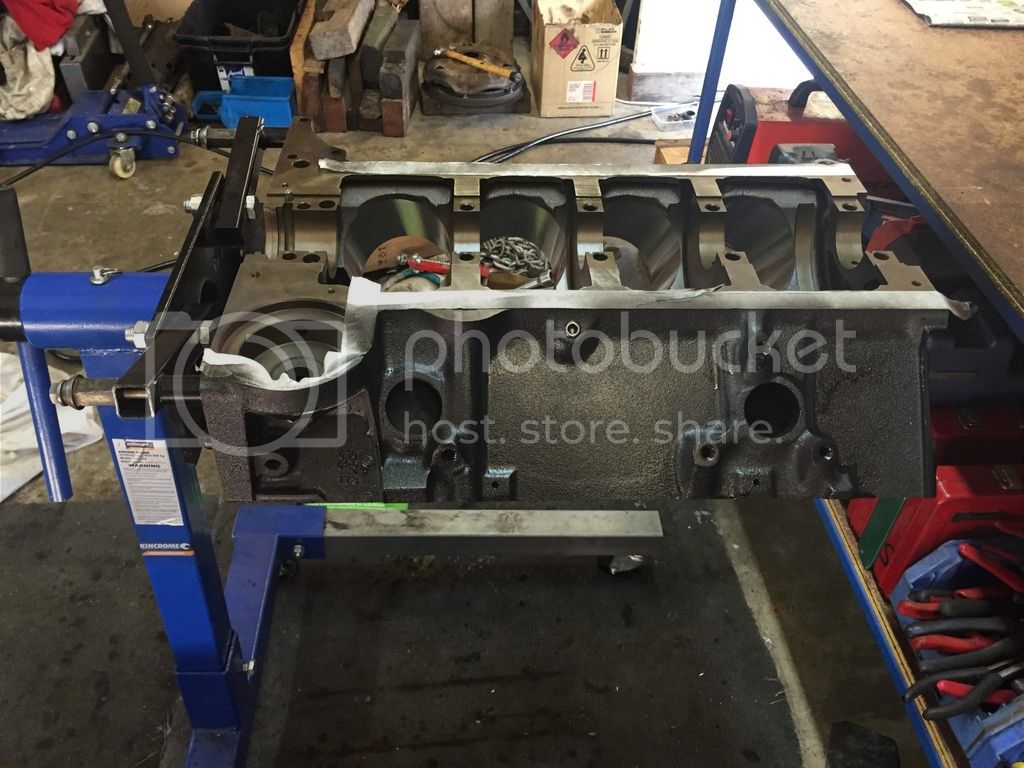
Started by putting the block on the engine stand and giving it a coat of paint.


Chev%2003_zpsbbwrpnbo.jpg


Chev%2004_zpsdpetavm9.jpg


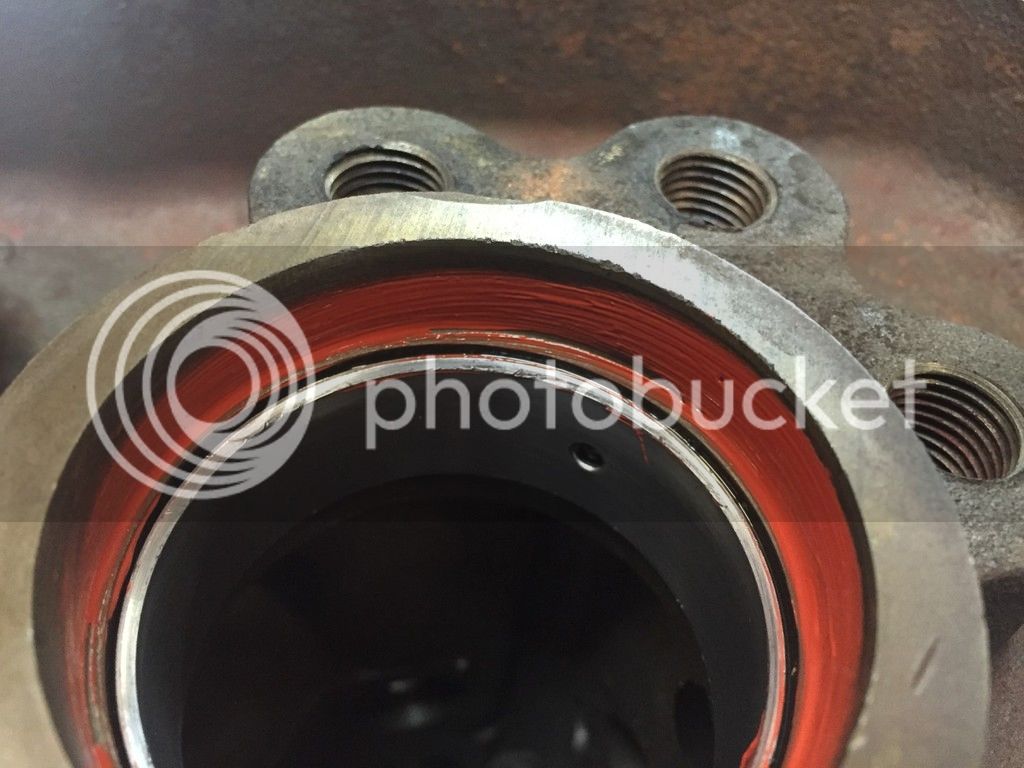
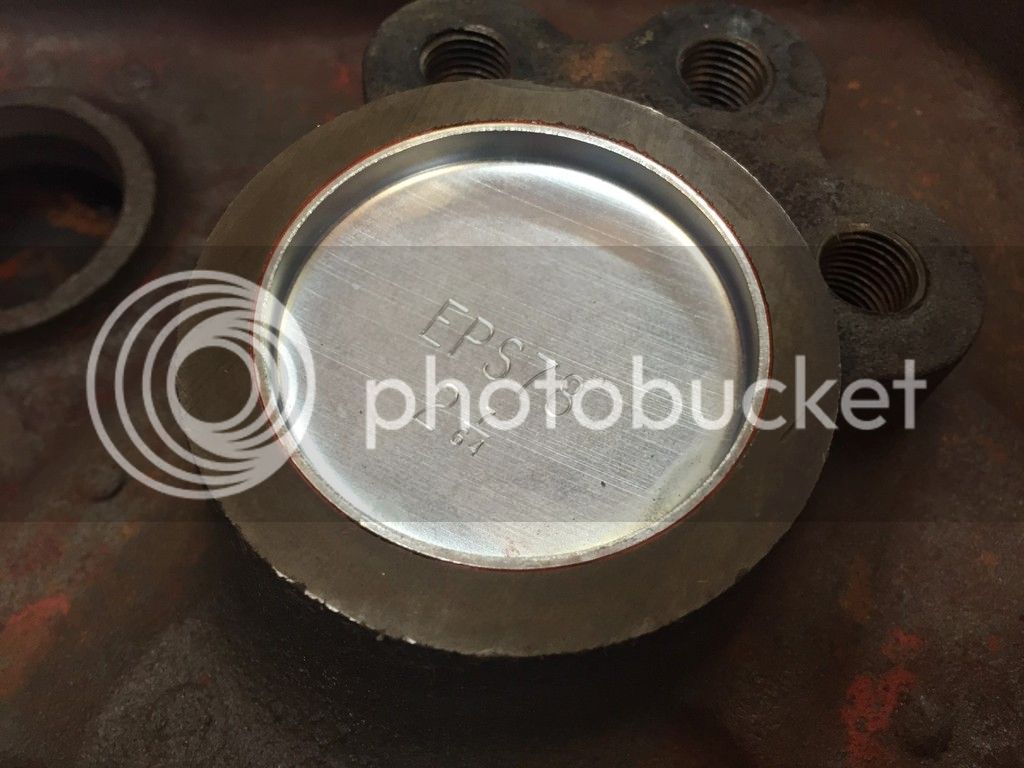
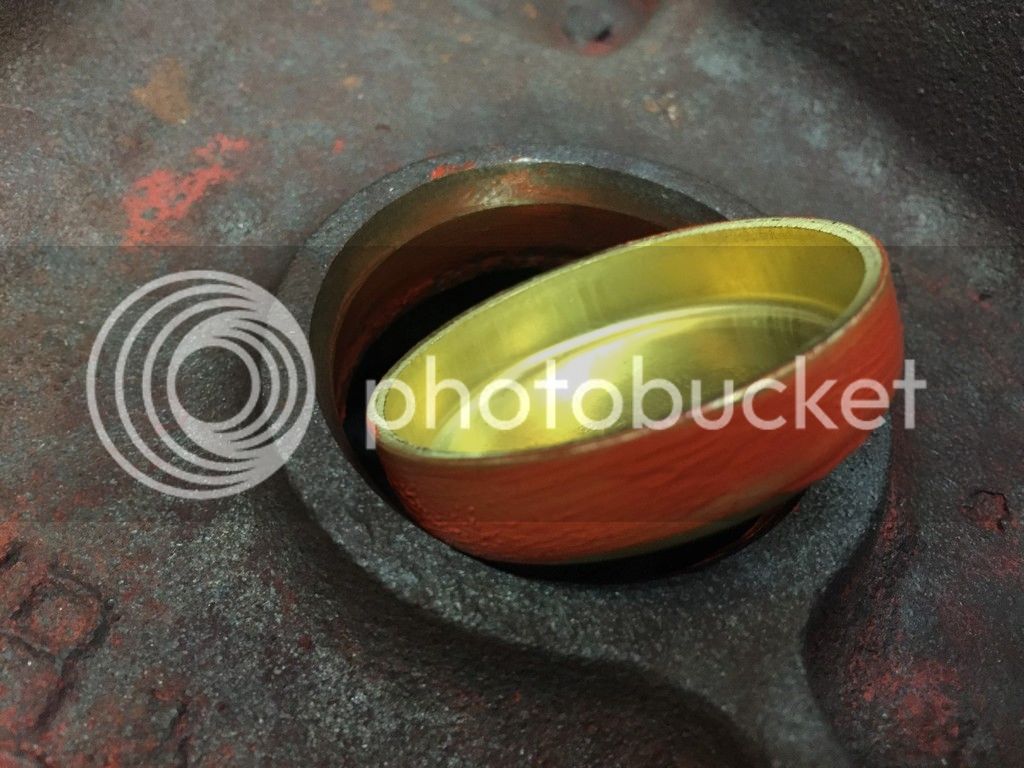
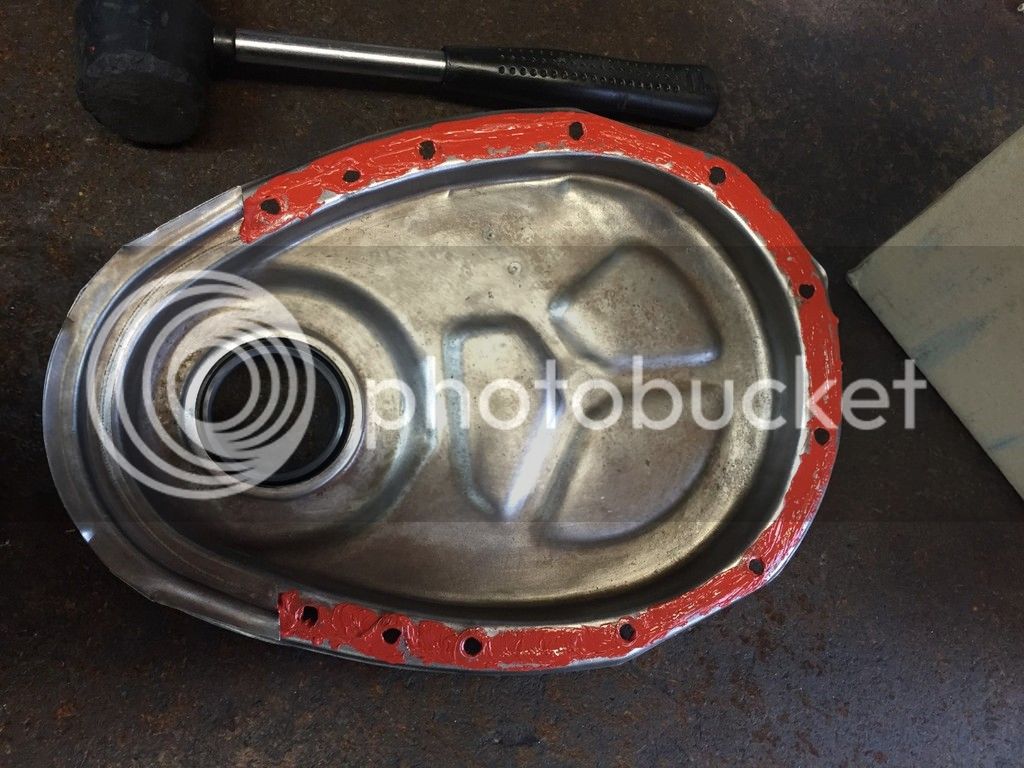
Installed the cam/welsh plugs (all orange paste used during the build is Threebond 1207C)


Chev%2005_zpsfz3xqhrz.jpg


Chev%2006_zpsxvmzik1b.jpg


Chev%2007_zpszfxglmjs.jpg


Chev%2008_zpsqrhxojyd.jpg


Chev%2009_zpsu4eicp1k.jpg


Chev%2010_zpscxa2al5j.jpg


Chev%2011_zpsyee5rbye.jpg


Chev%2012_zpscrubhmmw.jpg


Chev%2013_zpsbn2jv4i9.jpg


Installed the new camshaft (204/214 .422”/.444” @ 112LSA) first, as it’s easier to guide in without the crank in the way.


Chev%2014_zpsg6jpsprg.jpg


Chev%2015_zps8s1b5wwe.jpg


Chev%2016_zpsprfrgejx.jpg


Chev%2017_zpsufthuq1x.jpg
 
Gave the block a wipe down


Chev%2018_zpsawty4cxh.jpg


Installed the rear main seal (It was a special seal with an offset lip as the crank had wear where the normal main seal goes, so may have leaked. The new seal goes against a “fresh” part of the crank and wont leak).


Chev%2019_zpswcii3d2b.jpg


Chev%2020_zpscpvuvt2a.jpg


Installed the main bearings and lubed everything up


Chev%2021_zpsflsohvtr.jpg


Chev%2022_zpslizxsycv.jpg


Chev%2023_zpstyadjiuj.jpg


Then dropped the crank in place (You can see how the new offset seal works)


Chev%2024_zpsnq94m3zs.jpg


Chev%2025_zpsvwkswndy.jpg


And installed the main caps (Torqued and marked with a red dot)


Chev%2026_zpsjwhplfc9.jpg


Chev%2027_zpskc2jlvbn.jpg


Checked to make sure the crank spins over nicely and freely, once we were happy we moved on to assembling the pistons/piston rings.
 
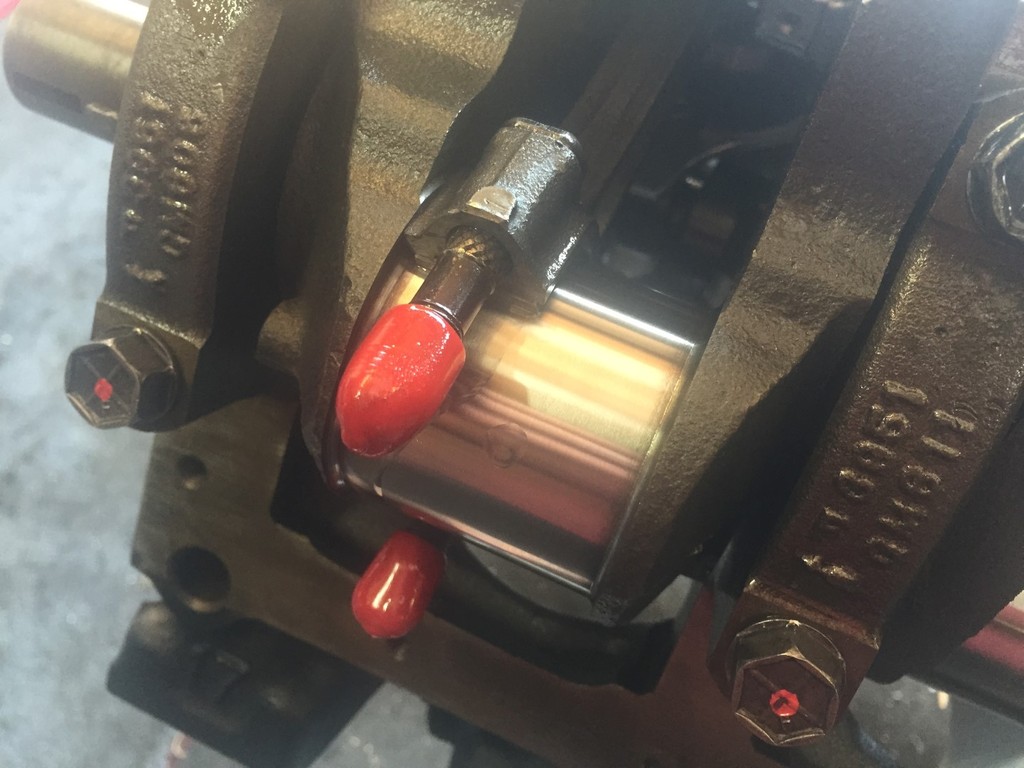
We assembled the piston rings onto the pistons and once all 8 were ready to go, we put the piston ring compression tool on, installed the conrod bearing (and some spare rubber caps to protection the bore from the rod bolts during installation) and installed the first piston.


Chev%2028_zpsmtwjrzdb.jpg


Chev%2029_zpsoumok5k4.jpg


Chev%2030_zpscm7nekfi.jpg


Chev%2031_zpsf3p0gygr.jpg


Chev%2032_zpsvqlogipd.jpg


Chev%2033_zpsdpqf7ae8.jpg


Chev%2034_zpsqs2bteqs.jpg


Chev%2035_zpsahjfhoy1.jpg


Chev%2036_zpsnvahb4xh.jpg


Chev%2037_zpsof6jbig7.jpg


Chev%2038_zpslxosbkh3.jpg


Chev%2039_zpsadqkqp5c.jpg


We then put the matching conrod cap on and put the nuts on (firm but not torqued yet).


Chev%2040_zpsj9y5umzi.jpg


Then repeated the process for the remaining pistons. Check after each piston that the engine spun over freely. Once all 8 were installed, we torqued and marked the conrod nuts.


Chev%2041_zps0od3ivbg.jpg


Chev%2042_zpsdvdc5lyy.jpg
 
Then fitted the high performance oil pump and pickup….


Chev%2043_zpsmb4dr95l.jpg


Chev%2044_zpsroa4rket.jpg


Chev%2045_zpsazv5lbip.jpg


Chev%2046_zpskt3y3a6d.jpg


Then the new double row timing chain…


Chev%2047_zpskqattkit.jpg


Chev%2048_zps6y01zs79.jpg


Chev%2049_zpsydpquhaf.jpg


Chev%2050_zps3x0pigao.jpg


We then prepared the heads by giving them a coat of paint and lapping in and installing the valves/new valve springs. Once both heads were built, they were ready to be installed….


Chev%2051_zpstaxkiows.jpg


Chev%2052_zpsdk8e2v2v.jpg


Chev%2053_zps1p83arwn.jpg


Chev%2054_zpscba9yiu5.jpg


Chev%2055_zpsmn3lkrfo.jpg


Chev%2056_zpsj74uthzb.jpg
 
We cleaned the bottom of the heads and the top of the block, installed the new head gaskets and installed the heads.


Chev%2057_zpsdbk1dfej.jpg


Chev%2058_zps1klh4czx.jpg


Chev%2059_zps5djzi9i5.jpg


Chev%2060_zpsczkgi9rs.jpg


Chev%2061_zpsycbxcbnp.jpg


Once the heads were on we torque the bolts and marked them with red paint.


Chev%2062_zpsctgxwu93.jpg


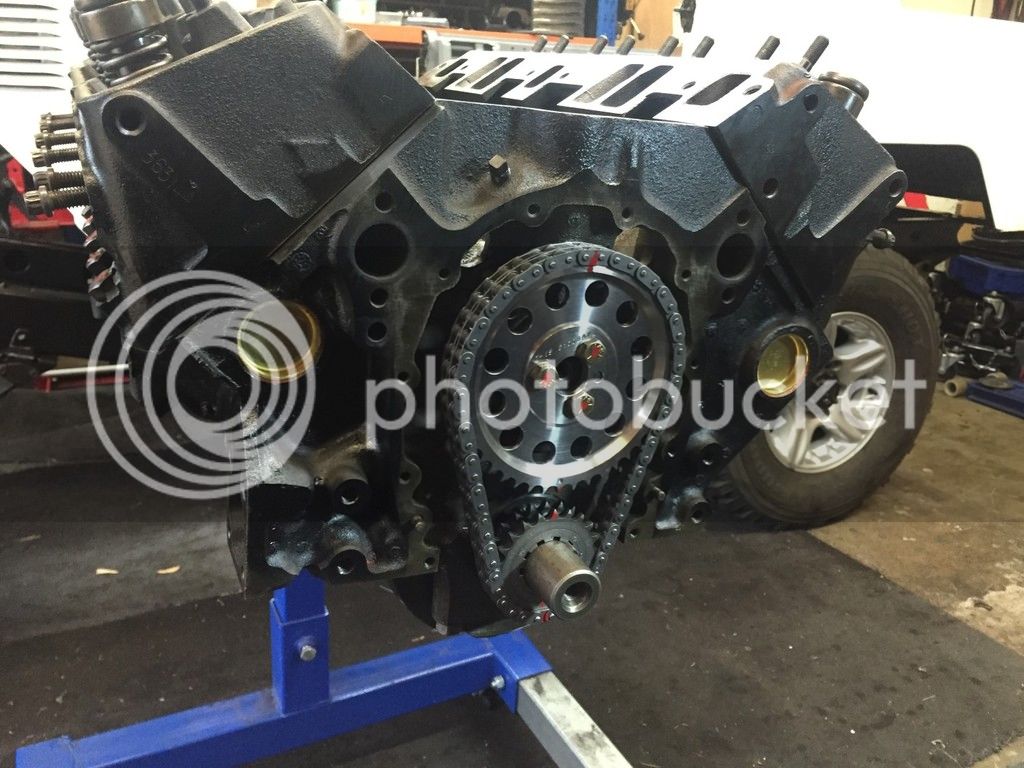
Next step was the front timing cover, so installed a new front seal and got the bolts ready.


Chev%2063_zpstzssoxdc.jpg


Chev%2064_zpsemcrrfeb.jpg


Chev%2065_zpstcpy2fuc.jpg


Coated the front of the block and the back of the timing cover with more Threebond and installed the new gasket, before assembling the whole thing (Locktiting and torqueing the bolts up)


Chev%2066_zpsvo5htp9i.jpg


Chev%2067_zpsnjuot7xo.jpg


Chev%2068_zpshifbvwmr.jpg


Chev%2069_zpsdsqqe2fs.jpg


Chev%2070_zpsgplncfl5.jpg
 
Turned the block over and installed the oil filter thread


Chev%2071_zpsgiyidylp.jpg


We were then able to install the one piece sump gasket and sump. Despite the high price (~$70), the single piece sump gasket is a terrific idea and works really well. We also straightened the sump lip to ensure a good seal. (Using a tube of steel and a press we got a very nice straight finish).


Chev%2072_zpsilrsn9nl.jpg


Chev%2073_zpscpa0vuph.jpg


Chev%2074_zpsy2z7ovlg.jpg


We then installed the sump and locktited/torqued up the new sump bolts.


Chev%2075_zpsehttcsjv.jpg


Chev%2076_zpskboxjfyd.jpg


Now at this stage we couldn’t permanently install the intake manifold as we need to freshly add cam break in lube just before we start the engine, so we temporarily added the intake manifold and rocker covers to protect the engine.


Chev%2077_zpsxtcgqsyu.jpg


Chev%2078_zps3effls2x.jpg


Chev%2079_zps5eqlwgzj.jpg


Chev%2080_zpslmg2tfwp.jpg


Chev%2081_zpsmnvtriww.jpg


Now as we wanted to install the engine (so we could build the exhaust) we decided to tape up the various ports and then wrap up the engine in plastic to prevent any dust getting in.


Chev%2082_zpsje2t6jjr.jpg


Chev%2083_zpsrmhnn7rl.jpg
 
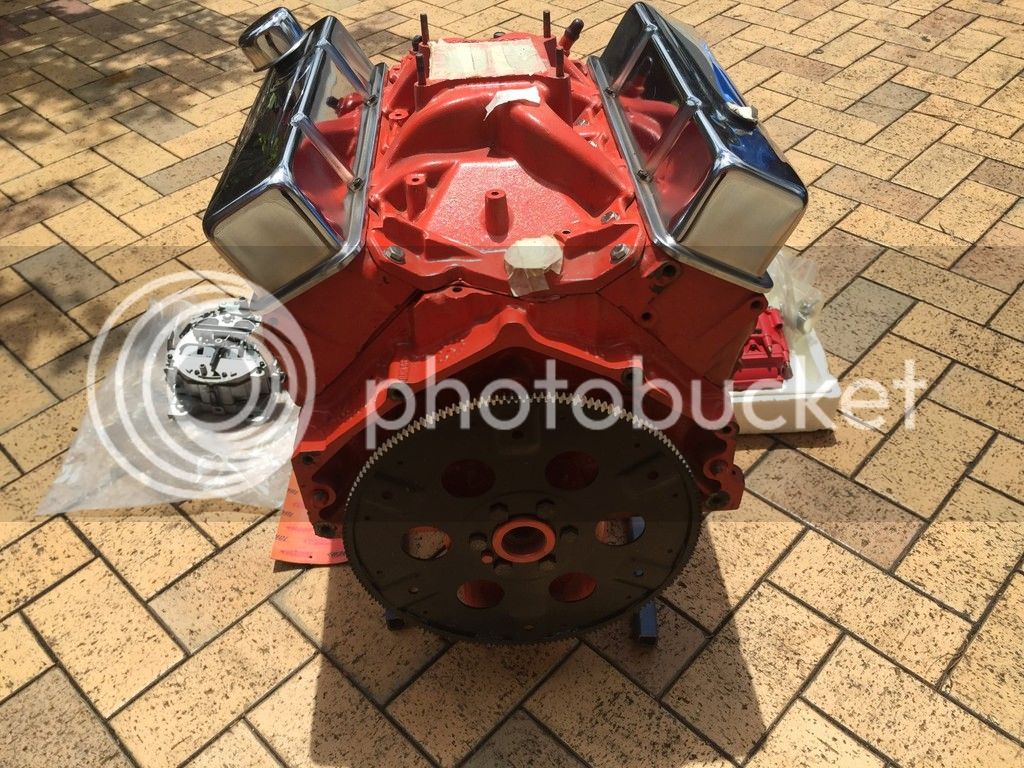
Engine Installation: We installed the flywheel, new clutch/thrust bearing etc and installed the gearbox onto the engine. Can’t seem to find pics of the flywheel install, but here is the engine/gearbox mated together.


Install%2001_zps057npj6d.jpg


Install%2002_zpspbii7xbk.jpg


Install%2003_zpssfy7keq1.jpg


Now the easy part of dropping the engine/gearbox into the chassis. Everything lined up perfectly…


Install%2004_zpsi5j14g4k.jpg


Install%2005_zpsmduopojz.jpg


Install%2006_zpsqh9fvc3l.jpg
 
Seats: Now the original seats that came with the tub were quite nice (Very comfortable) but are cloth and manual.


Seats%2001_zpsvdzv6aqw.jpg


In the early days before we decided on the Volvo seats, I picked up a set of Honda Accord Euro black leather seats which have been sitting in the spare room. As we didn’t have a plan for them (other than selling them) we decided to use them in this build.

They are black leather in good condition, 8 way electric and are heated. Only thing missing compared to the Volvo seats was the memory function.


Seats%2002_zpse0eiflel.jpg


The other problem (and the main reason we didn’t want to use this tub in the first place) is it has the raised floor. Prior to 79 the fuel tank was located inside the cabin under the seat, so the tub had a flat floor. Post 79 they moved the fuel tank under the body (regulations?) and had a raised floor. The big issue here is regardless of what seat/mounting combination I use the seat ends up being very high up (Not great for tall people).


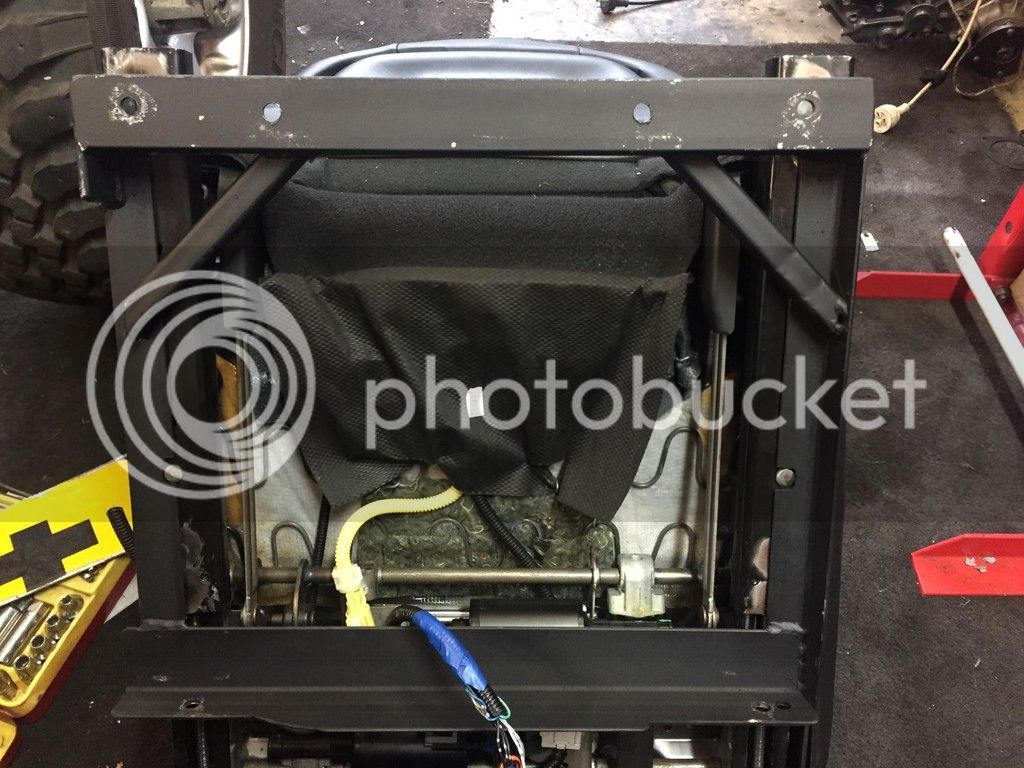
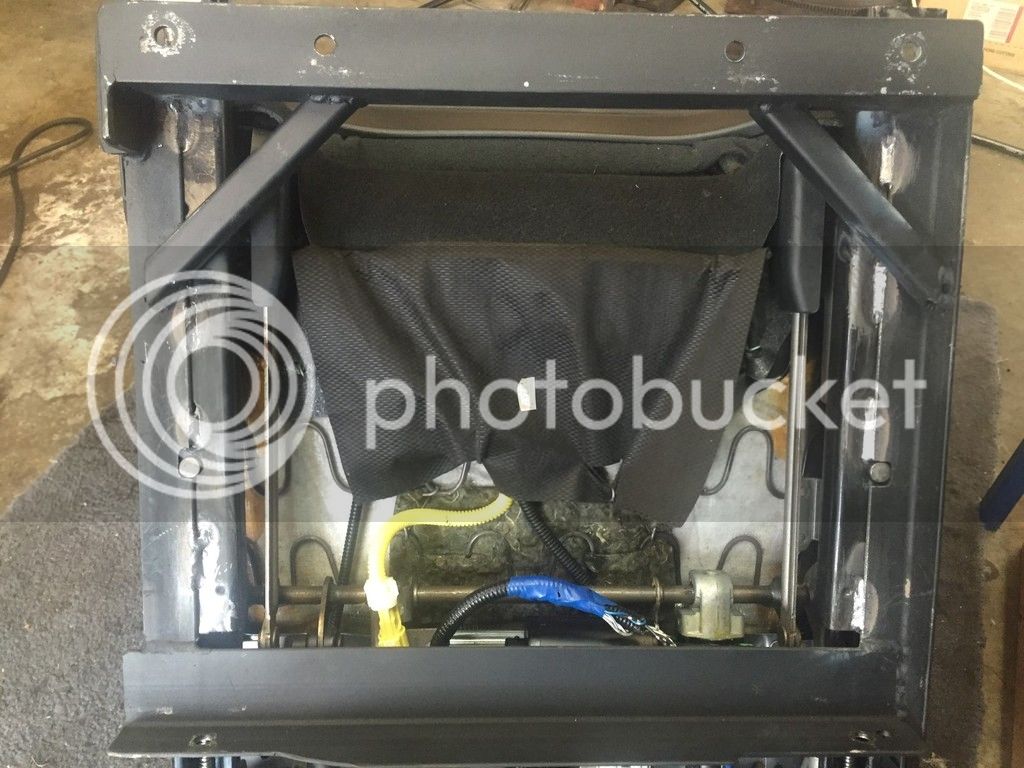
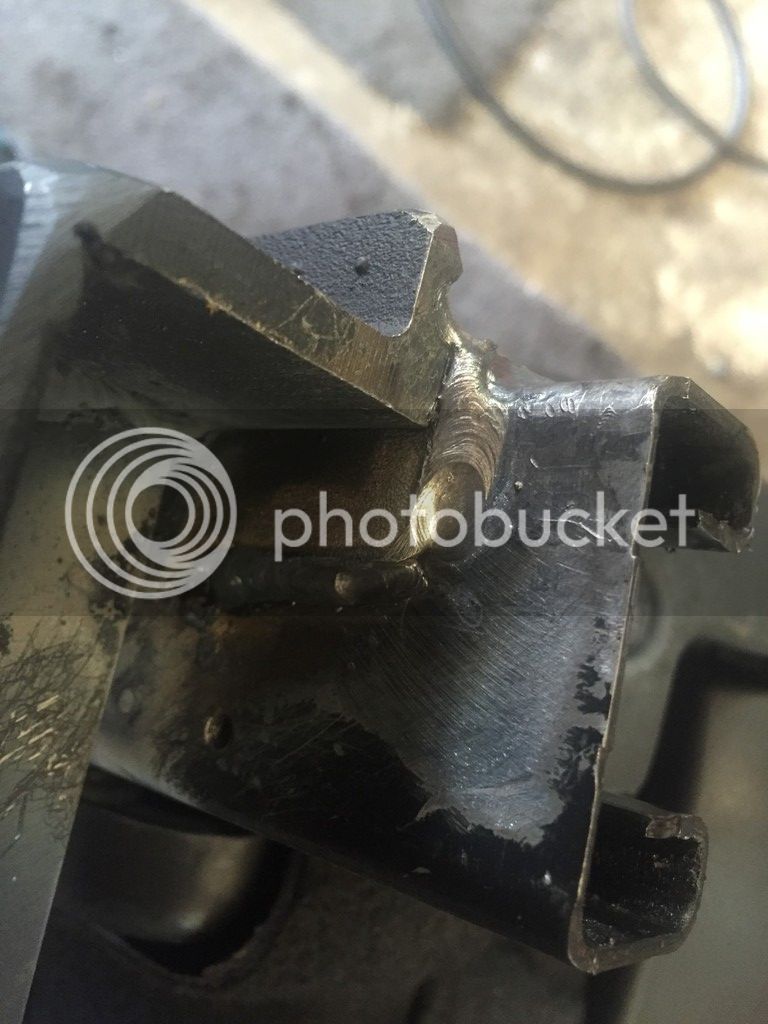
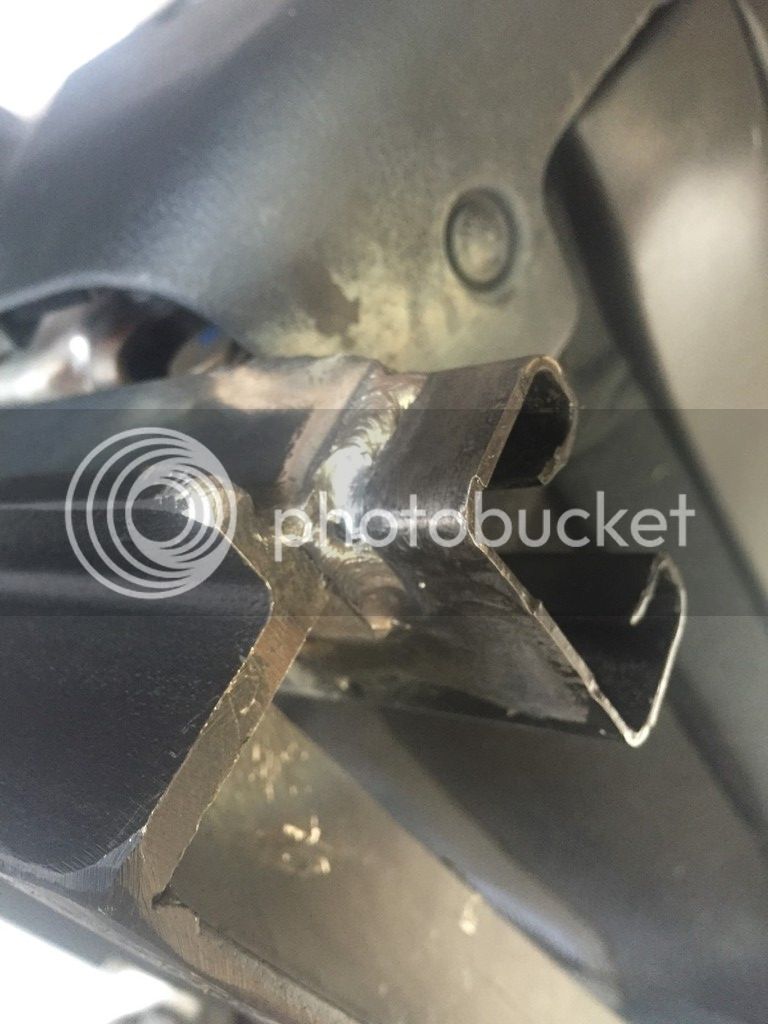
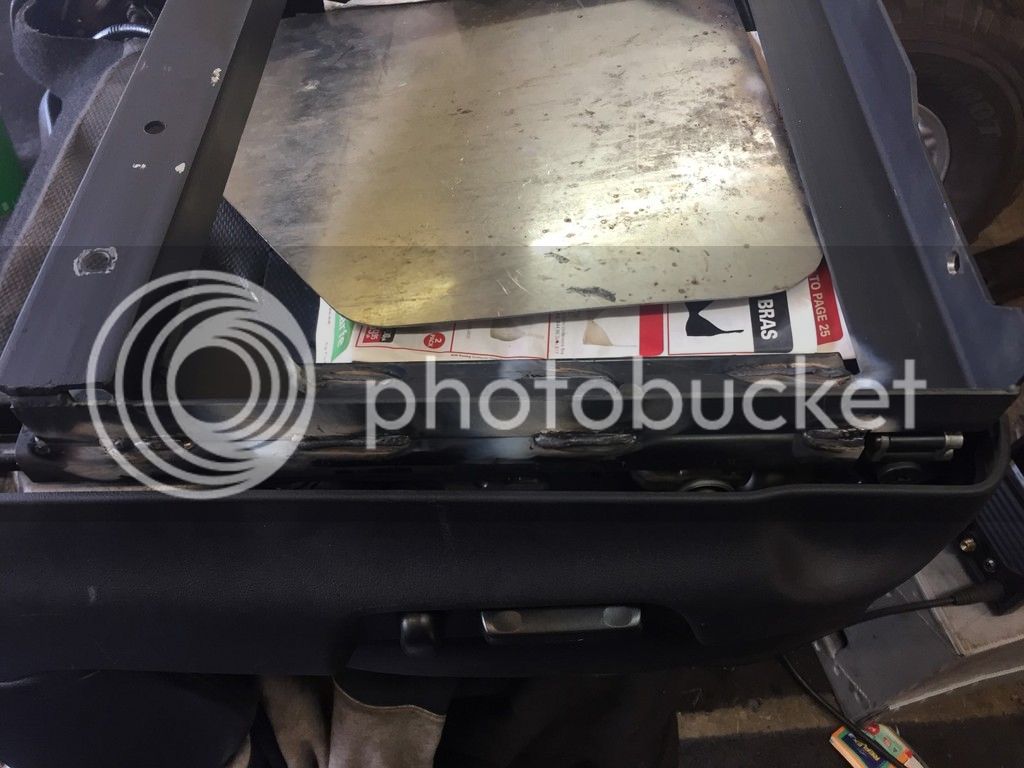
Anyway, first step to fitting the Accord seats was to remove the mounting points from the base of the seat rail. It was just a matter of hitting them with a grinder…


Seats%2003_zpsinuotcqo.jpg


Seats%2004_zpsuaef7vol.jpg


Seats%2005_zpsbk3rsqfp.jpg


Seats%2006_zpssymrwsxl.jpg


Once the mounts had been removed (and the stud things ground flat) I could trial fit the seats in the car. Note: We will be mounting a Waeco Fridge/Freezer in the centre which also works as an arm rest.


Seats%2007_zpsfmlvy63x.jpg


Seats%2008_zps2xtlnbmf.jpg


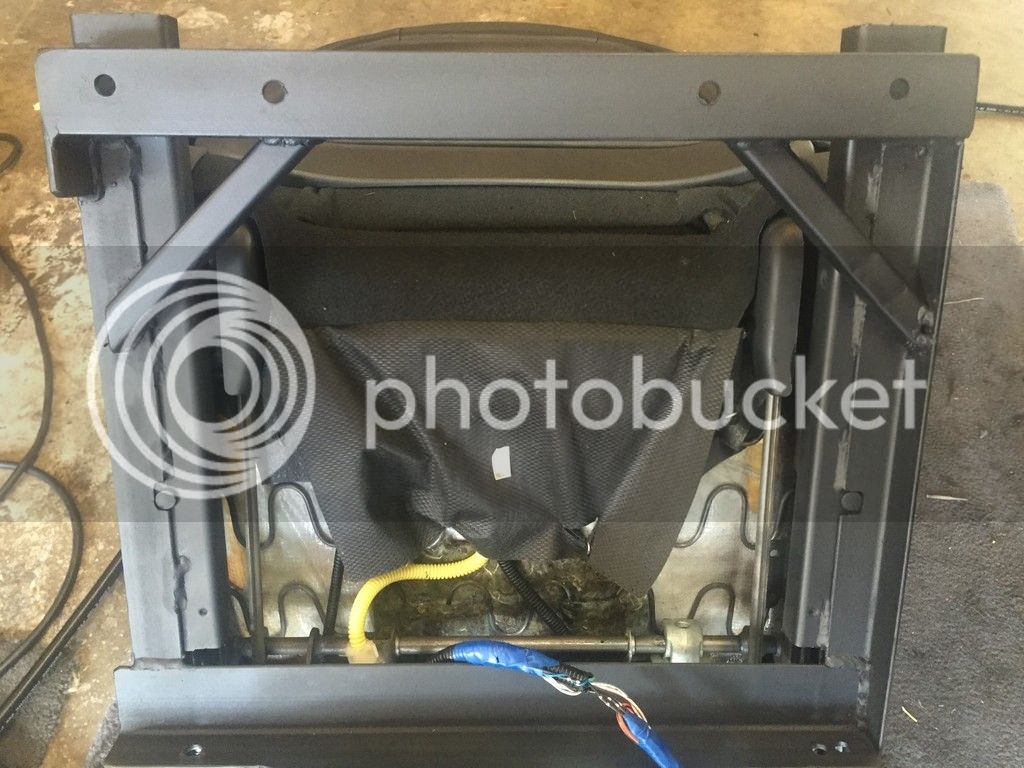
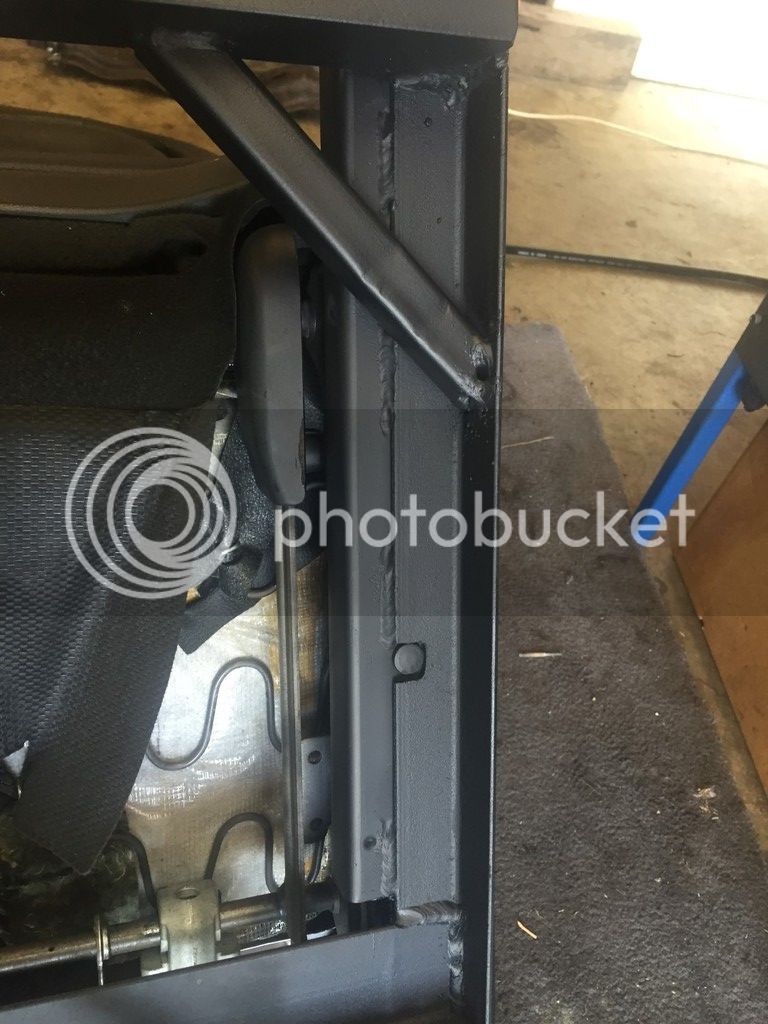
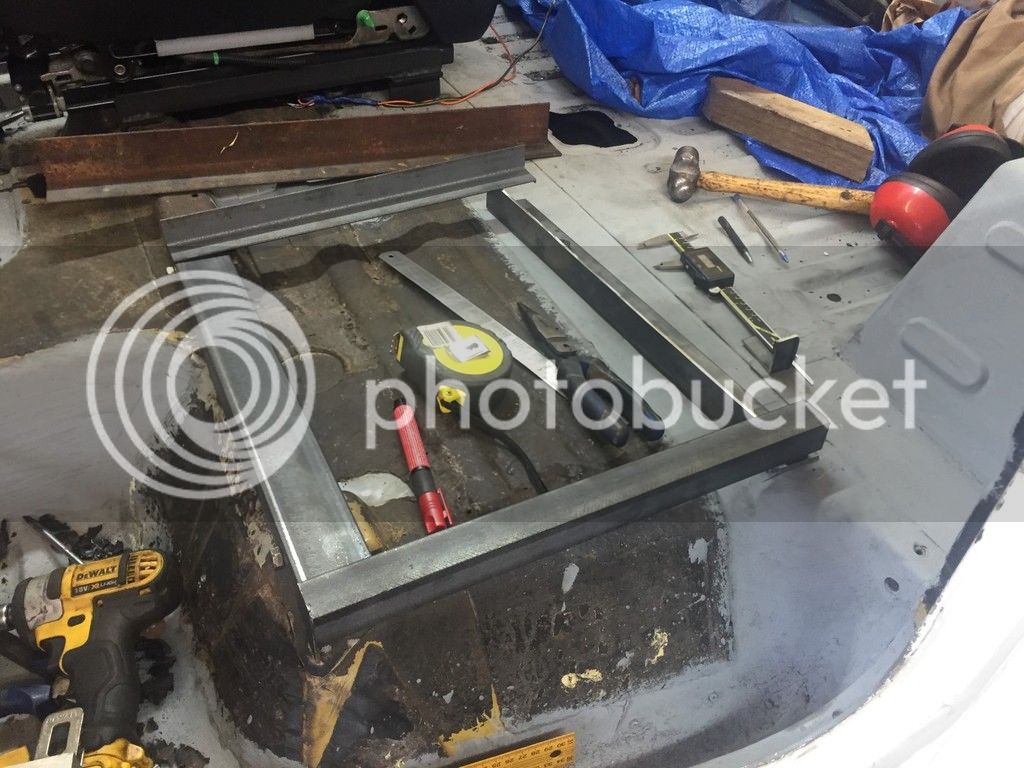
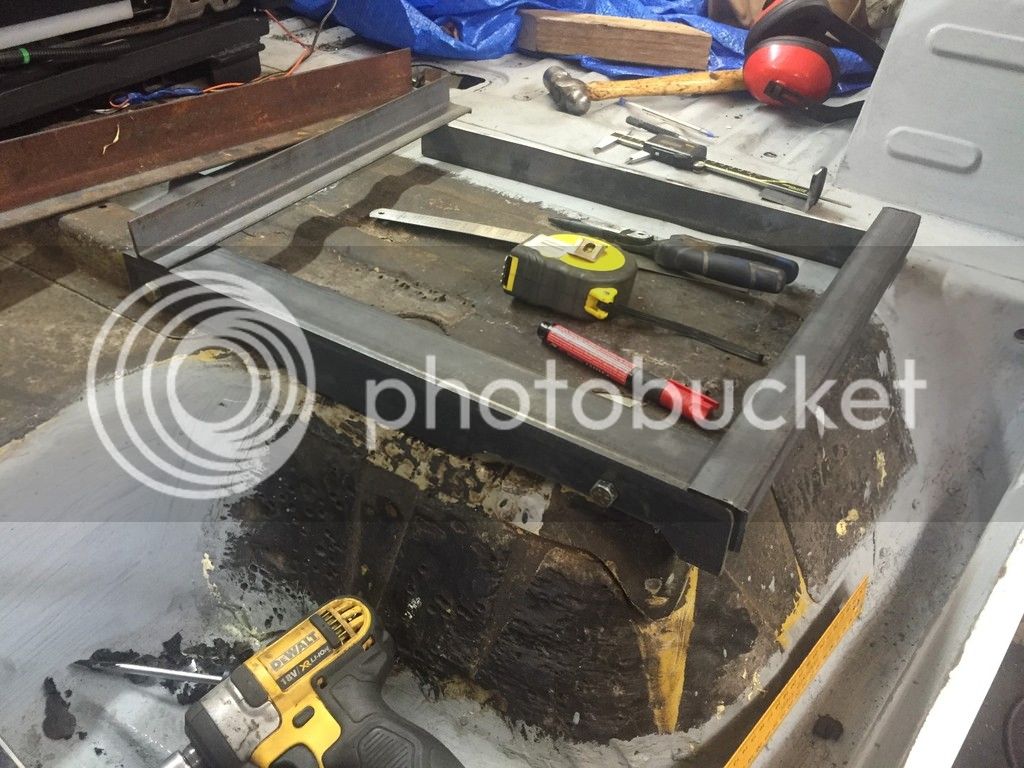
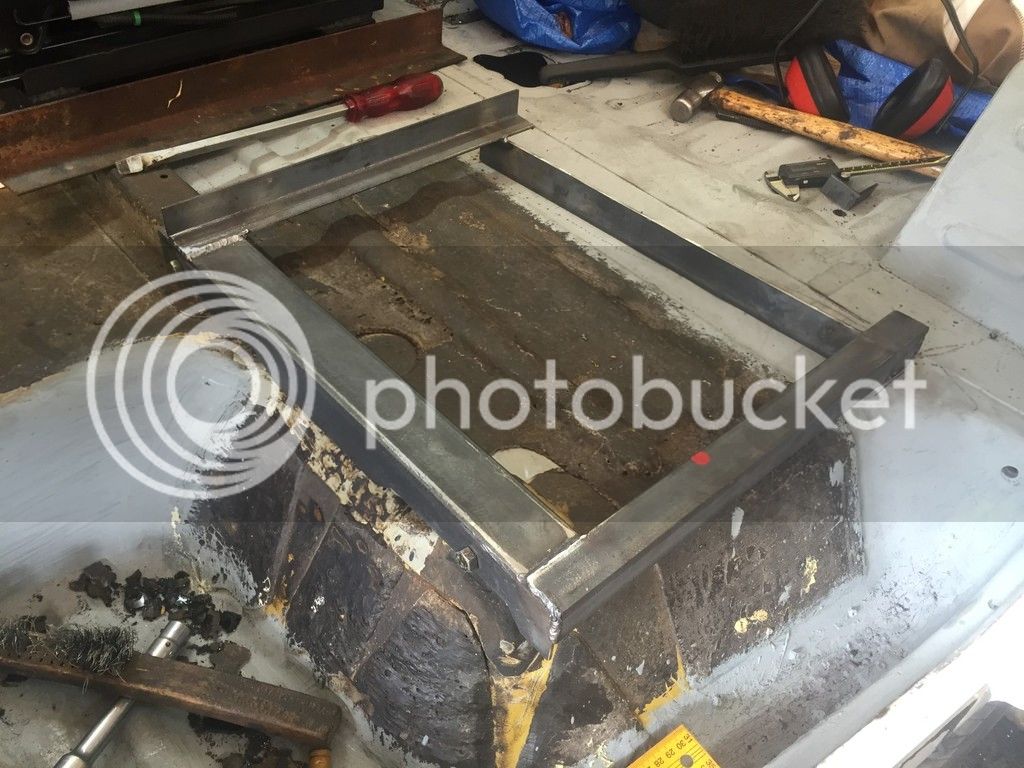
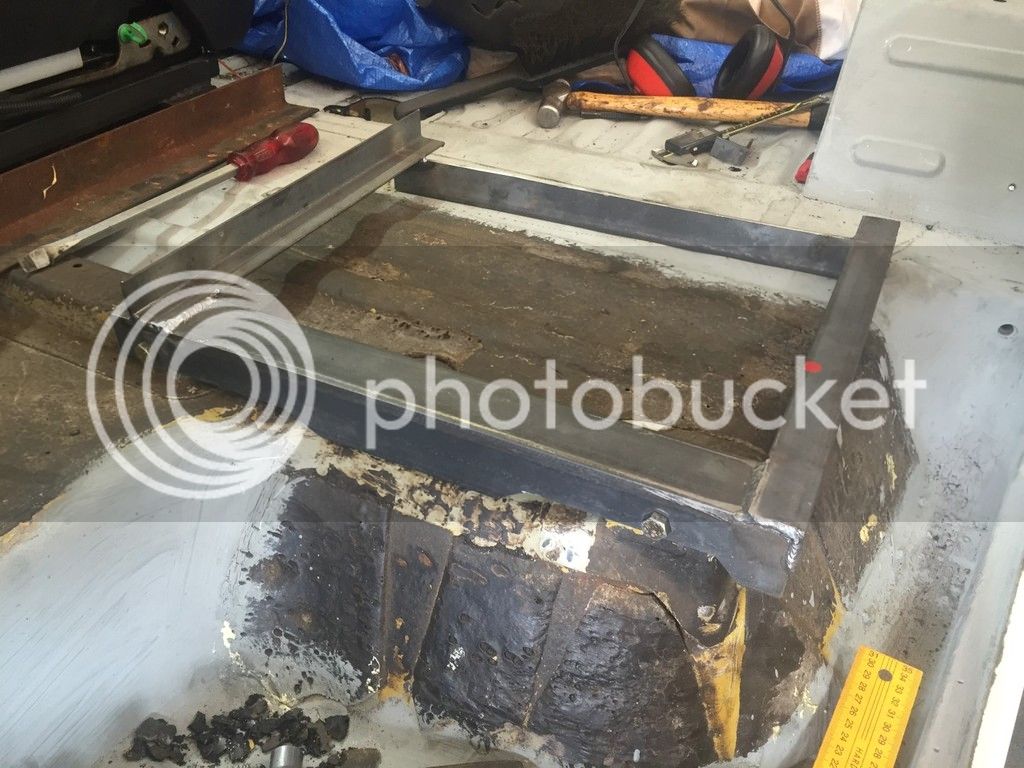
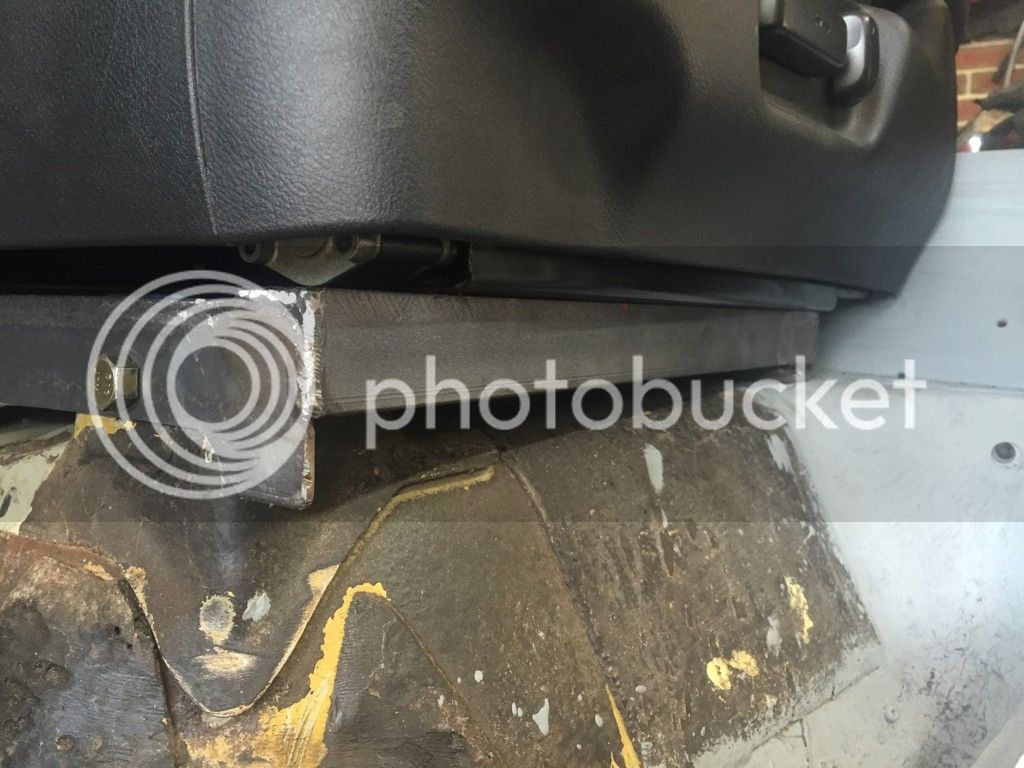
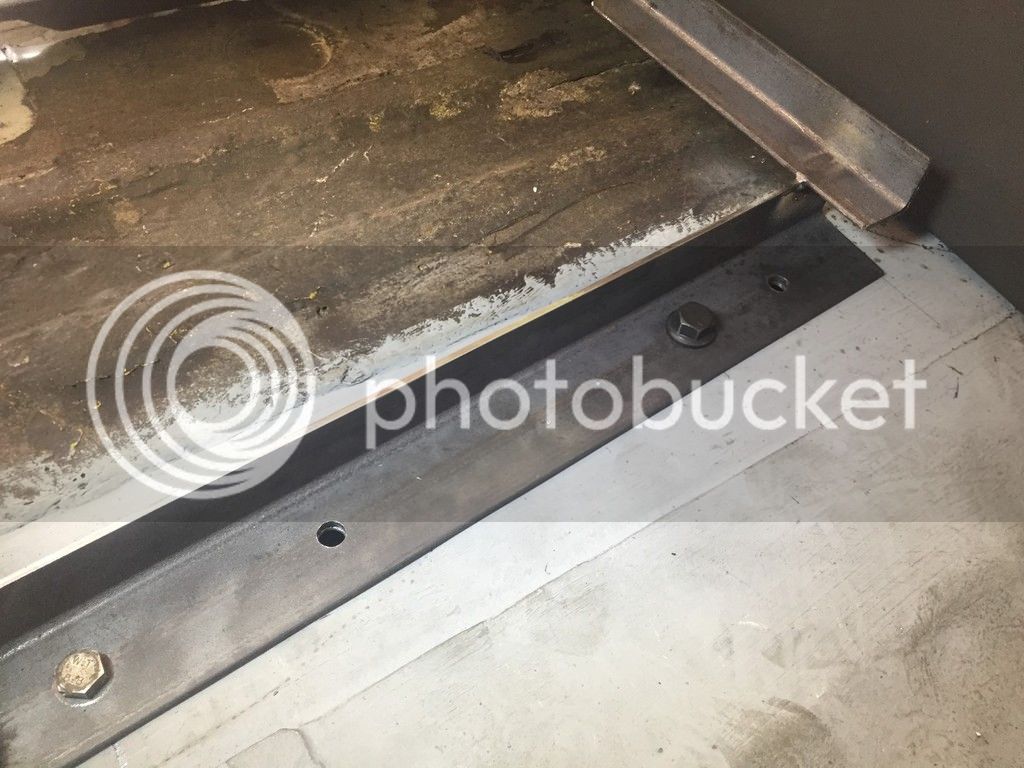
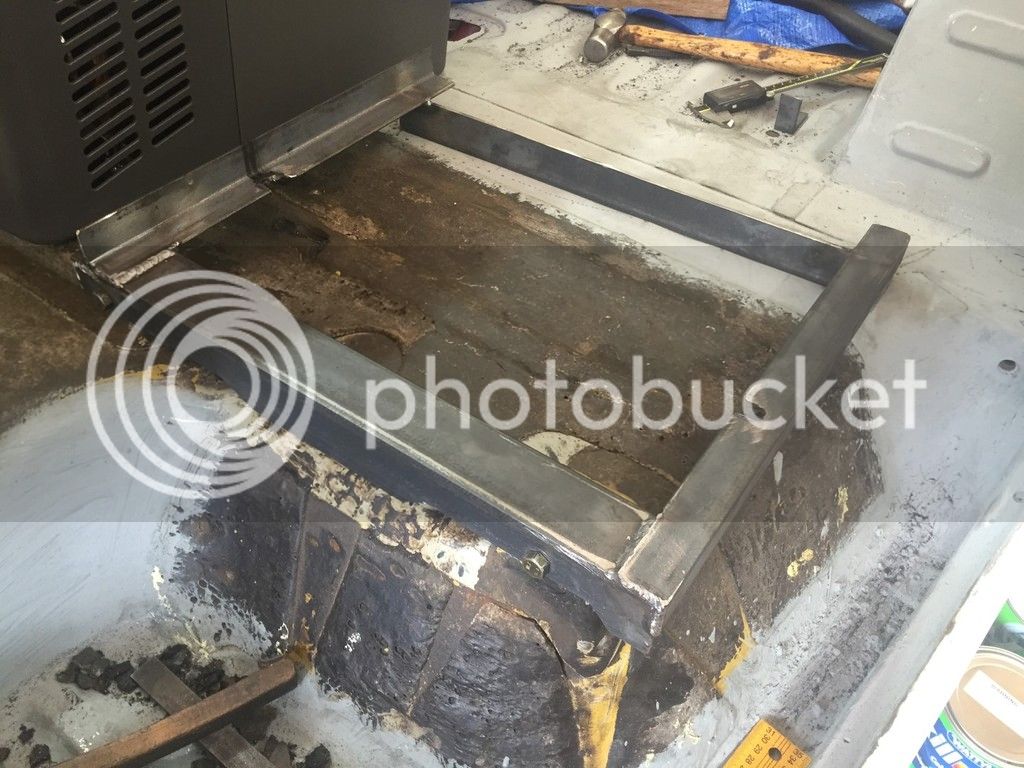
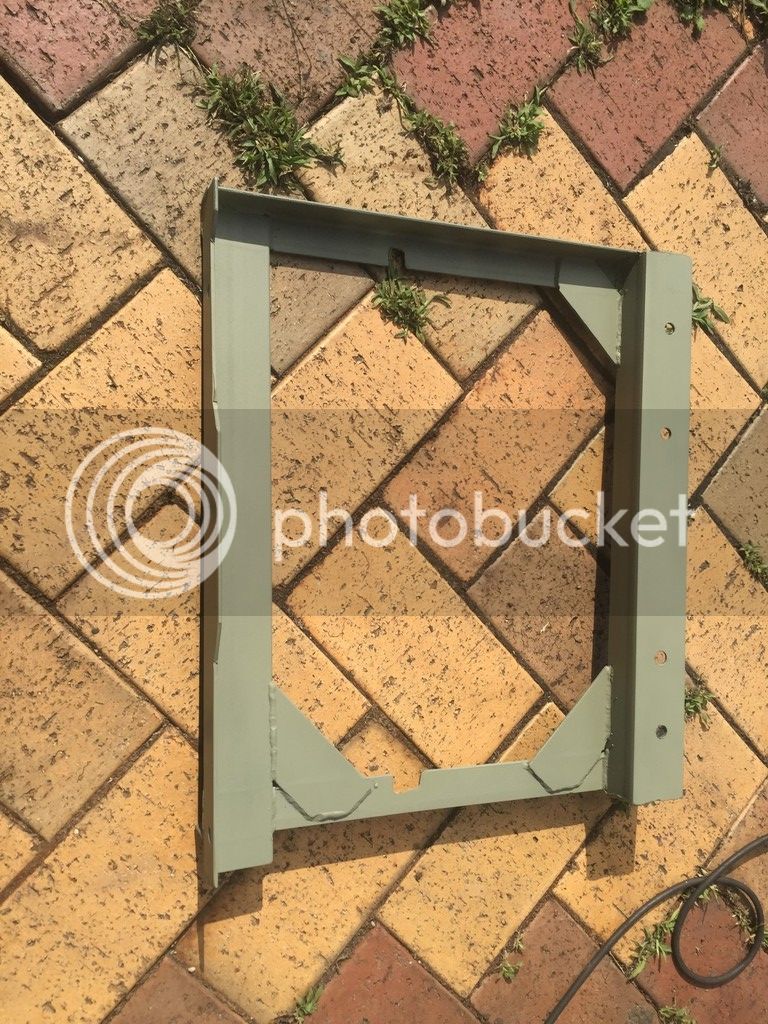
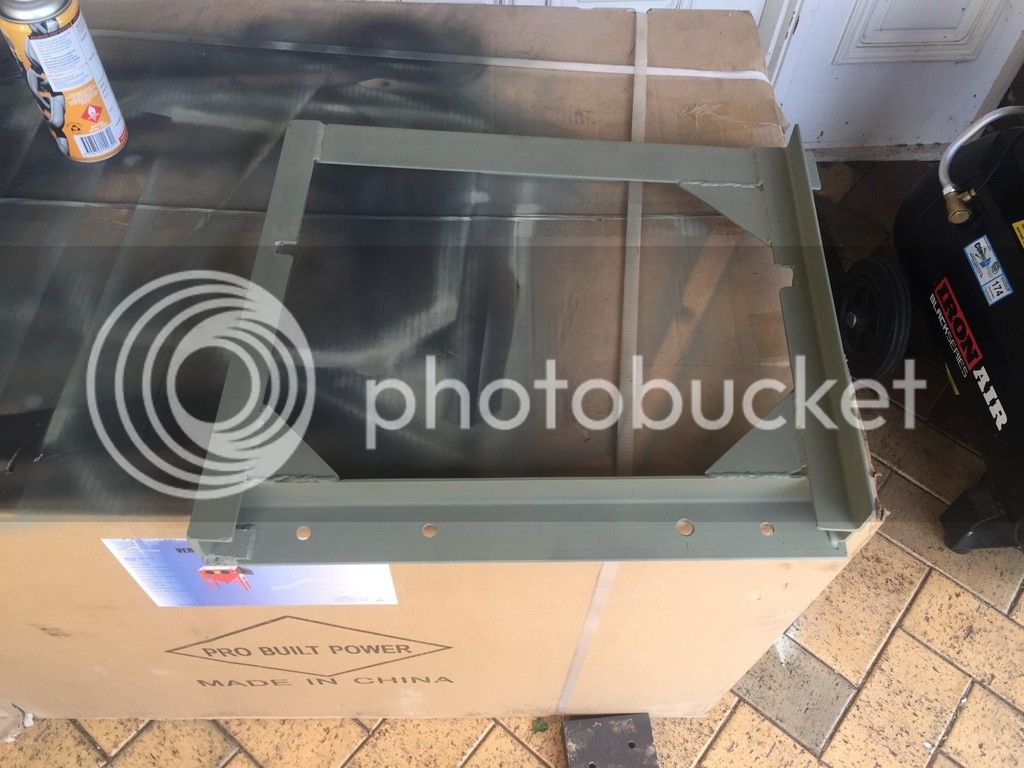
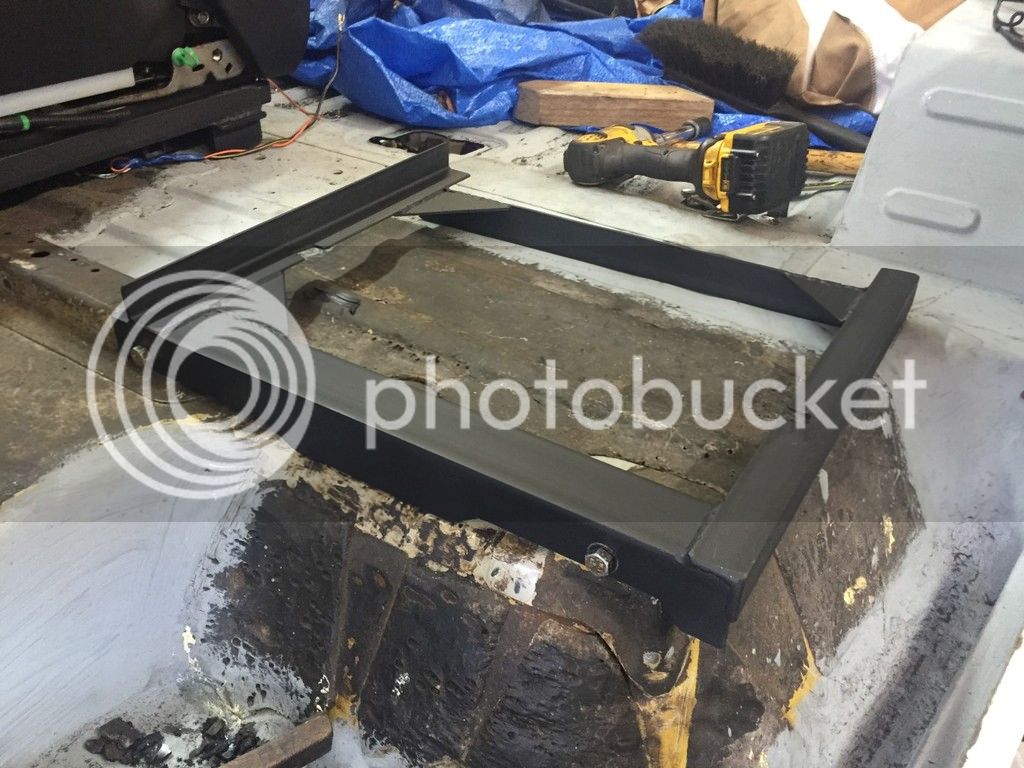
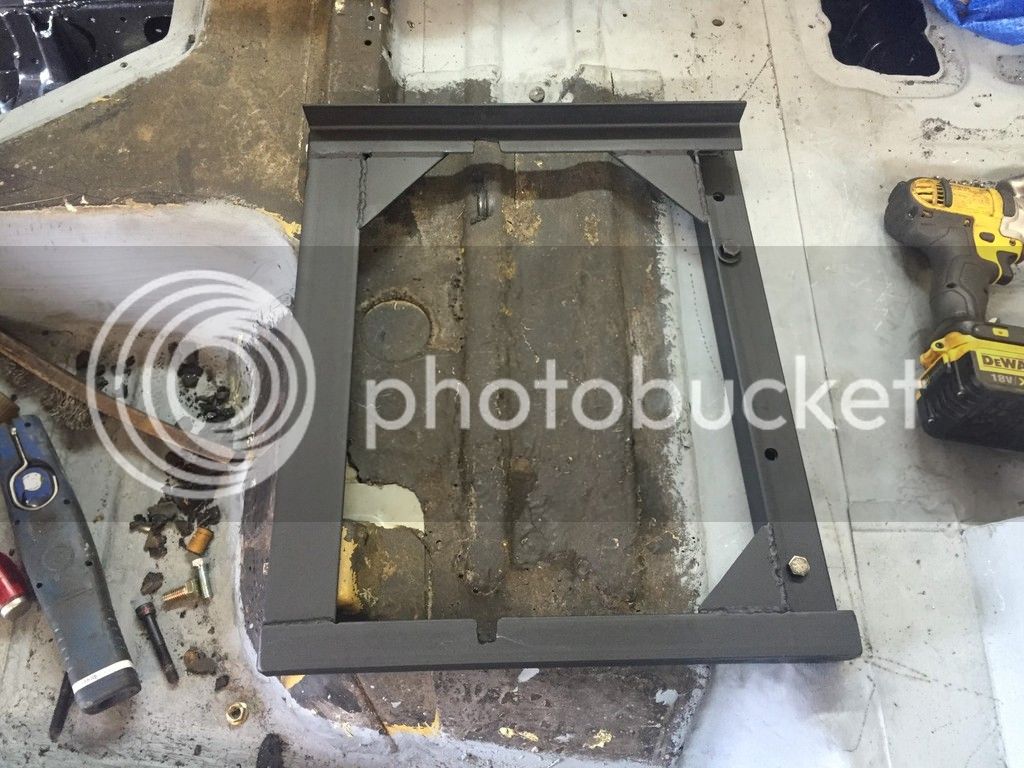
After lots of measurements and design I had a frame in mind. It uses the existing mounting points, plus adds another pair of M12 12.9 bolts for extra strength. Its pretty tricky/time consuming as I need to get the seat perfectly aligned so it can go back as far as possible (within 5mm of the body frame behind), have enough room for the fridge/freezer in the middle and have enough clearance to the door when its moved forward for shorter drivers.


Once I was happy with the design it was just a matter of fabricating the drivers frame and trial fitting it in the car with the seat…


Seats%2009_zpsgba720bj.jpg


Seats%2010_zpsdqmtdstc.jpg
 
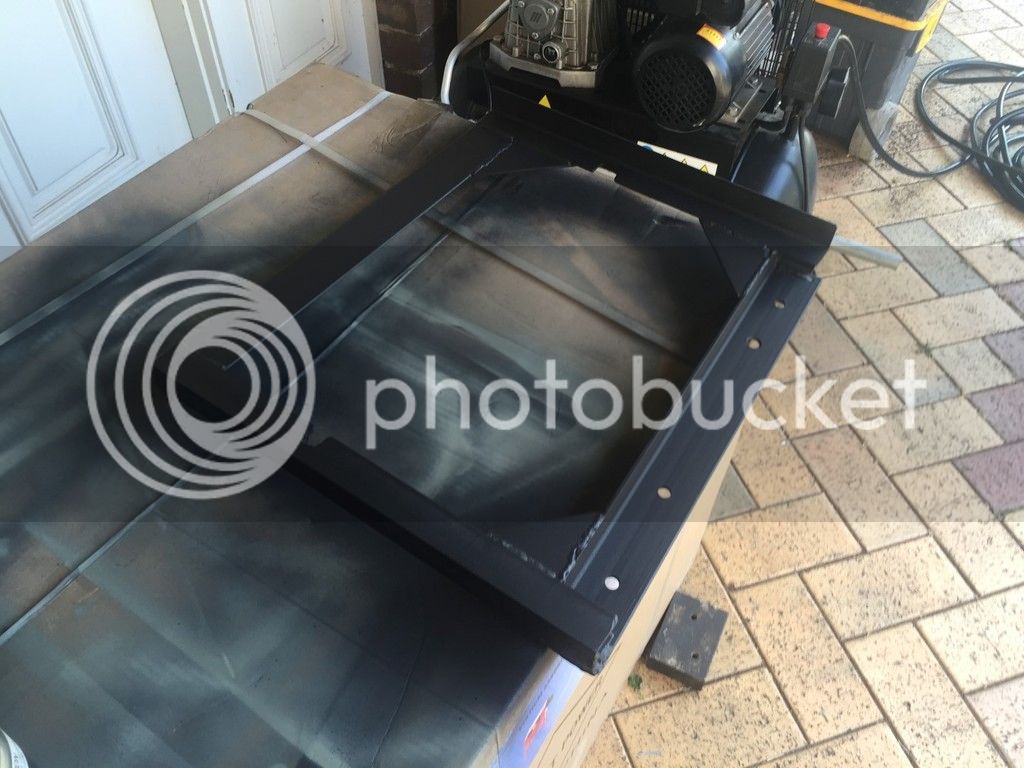
Then gave it a coat of paint…


Seats%2011_zps6dpfi8l9.jpg


Seats%2012_zps0qdfx50t.jpg


Seats%2013_zpstxuo0wdw.jpg


Seats%2014_zpslbeq25ay.jpg


Double checked alignment and marked where the seat should weld to the frame.


Seats%2015_zpswp0a5rpc.jpg


Seats%2016_zpsjqftvbv2.jpg


Seats%2017_zpspxm6whmp.jpg


Seats%2018_zpsf6s2ad2t.jpg


Seats%2019_zpscofacede.jpg
 
Once I was happy with the alignment, I welded the seat to the frame.


Seats%2020_zpskwot3fjc.jpg


Seats%2021_zpsooxxvhan.jpg


Seats%2022_zpsvvvfc6o4.jpg


Seats%2023_zpsnjahvapi.jpg


Painted the welds…


Seats%2024_zpslnxksath.jpg


Seats%2025_zpsgseszkse.jpg


Seats%2026_zpsuux0erdj.jpg


Seats%2027_zpsdv2grfhl.jpg


One down, one to go.

The passenger mounting points weren’t square, so the frame design was a little trickier however the process was pretty much the same.


Seats%2028_zpszkbqt0d5.jpg


Seats%2029_zpslvbdcic8.jpg


Seats%2030_zpsmealtdus.jpg


Seats%2031_zpsisqccgn2.jpg


Seats%2032_zps3rdryt9x.jpg


Seats%2033_zpsxxmydler.jpg


Seats%2034_zpspxtamzu4.jpg


Seats%2035_zpshizrqnfs.jpg


Seats%2036_zpsv7nu0qnp.jpg
 
Once I was happy with the design, I added a bunch of reinforcement and strengthening plates (same as the drivers side). Gave it a coat of paint…


Seats%2037_zpsjdbsuc2m.jpg


Seats%2038_zpsdrkj1vdt.jpg


Seats%2039_zpszceztjq9.jpg


Seats%2040_zps4usammsk.jpg


Seats%2041_zpsacreli7k.jpg


Then welded the seat to the frame.


Seats%2042_zpsvngedlef.jpg


Seats%2043_zpsst19a8ka.jpg


Seats%2044_zpsqtkqc80o.jpg


Seats%2045_zpsyxhxjrwx.jpg


Seats%2046_zpst7pl7ygu.jpg


Seats Installed.


Seats%2047_zps6dcrqljm.jpg


Overall I am reasonably happy with the design. The seat is a little high for my liking, but that is a limitation of the tub. It proves how well the design works in the Green FJ40 (Using a custom frame and fuel tank so the seat can be mounted much lower).
 
Hinges:

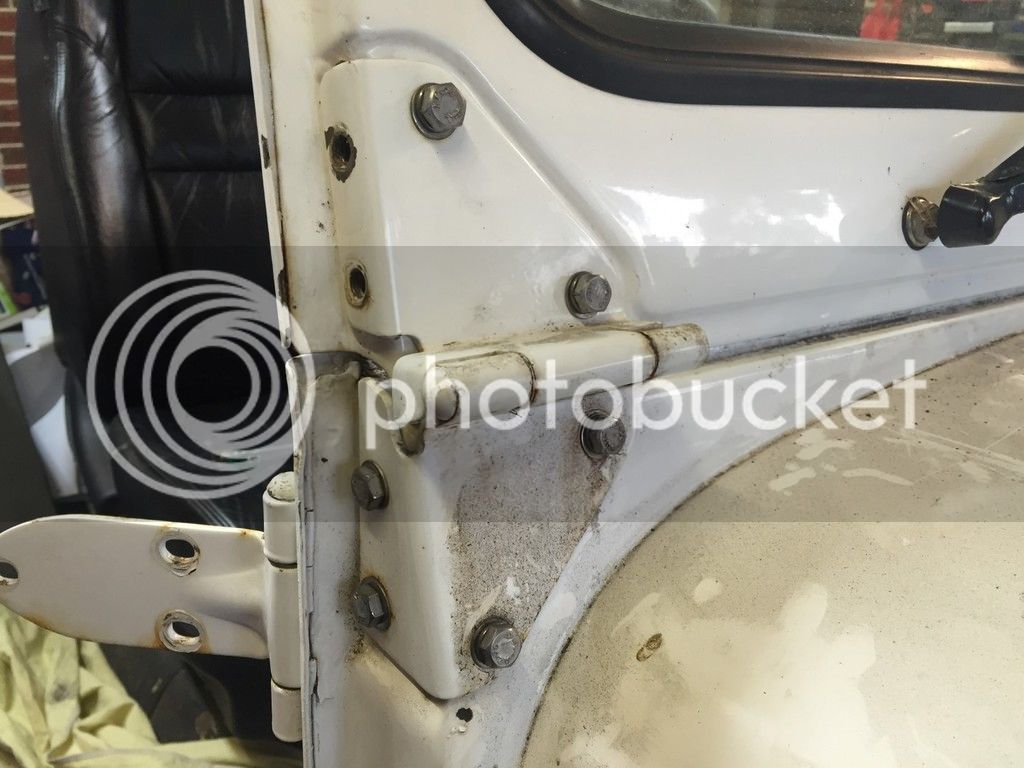
One of the other things we decided to change was the hinge for the windscreen. One of the features of the FJ40 is the ability to lower the front windscreen down when driving offroad, however I have never been a fan of this. The biggest problem is the hinges tend to rust and you need the special clips on the bonnet to hold the windscreen down which also tend to rust.


Hinge%2001_zpsdvjhtvoc.jpg


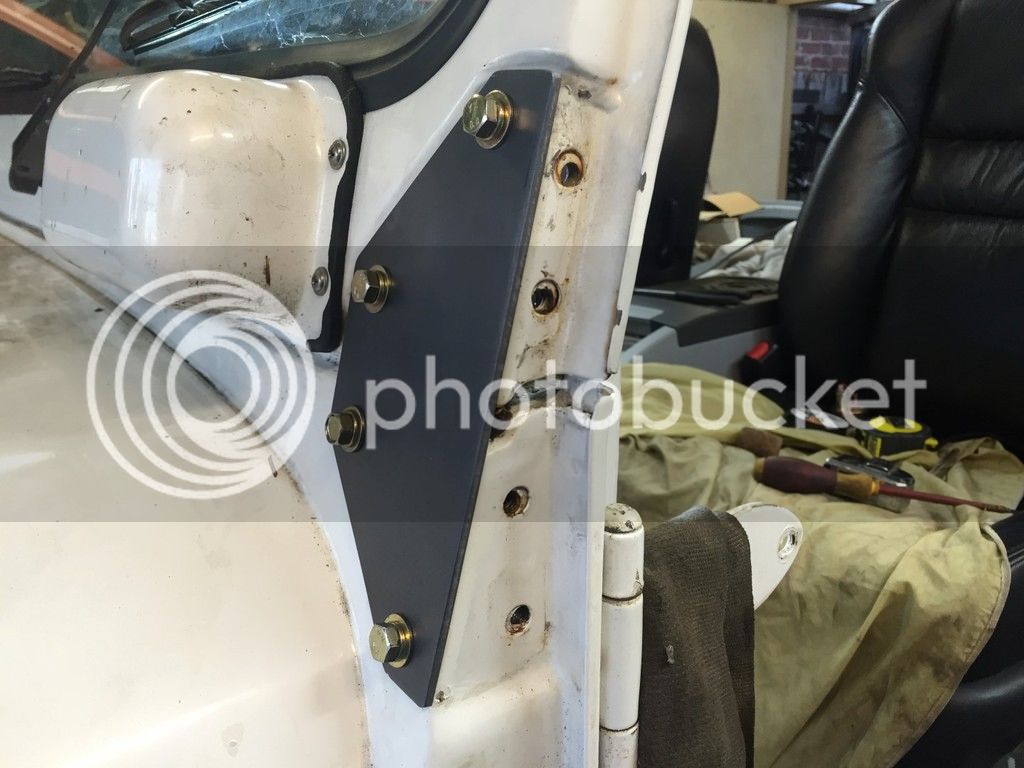
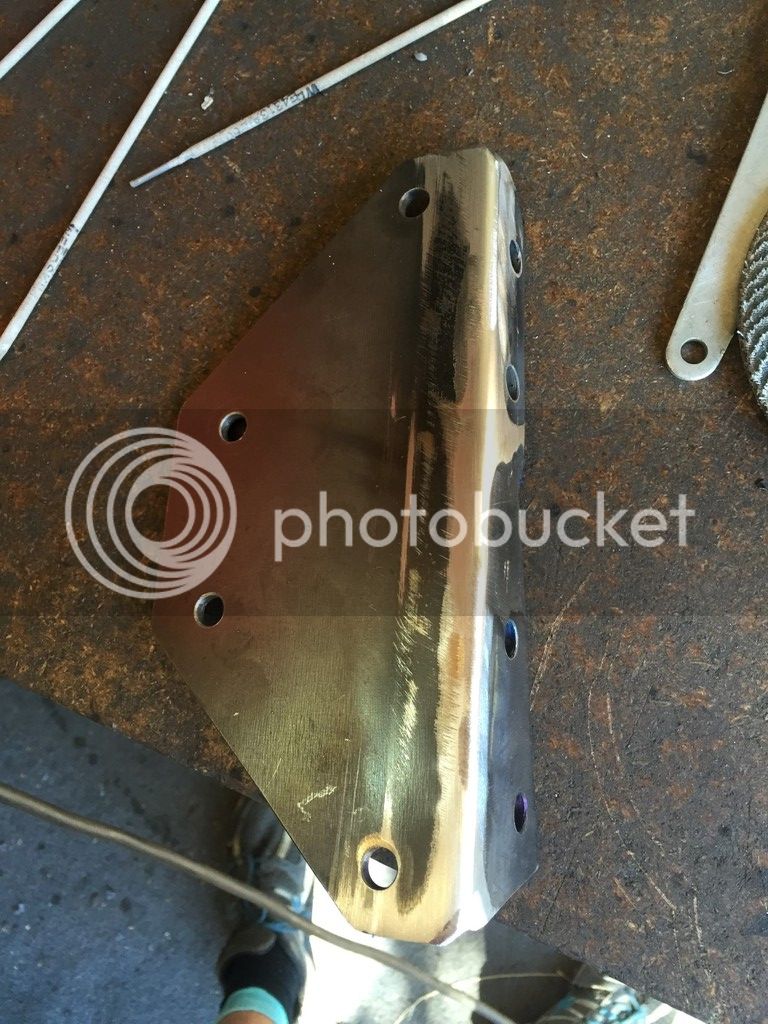
So I decided to make some solid brackets to permanently mount the windscreen in place.

Started by tracing the front section of the hinge and creating the first section of steel plate.


Hinge%2002_zpsf88a1pqr.jpg


Hinge%2003_zps3fwwggdb.jpg


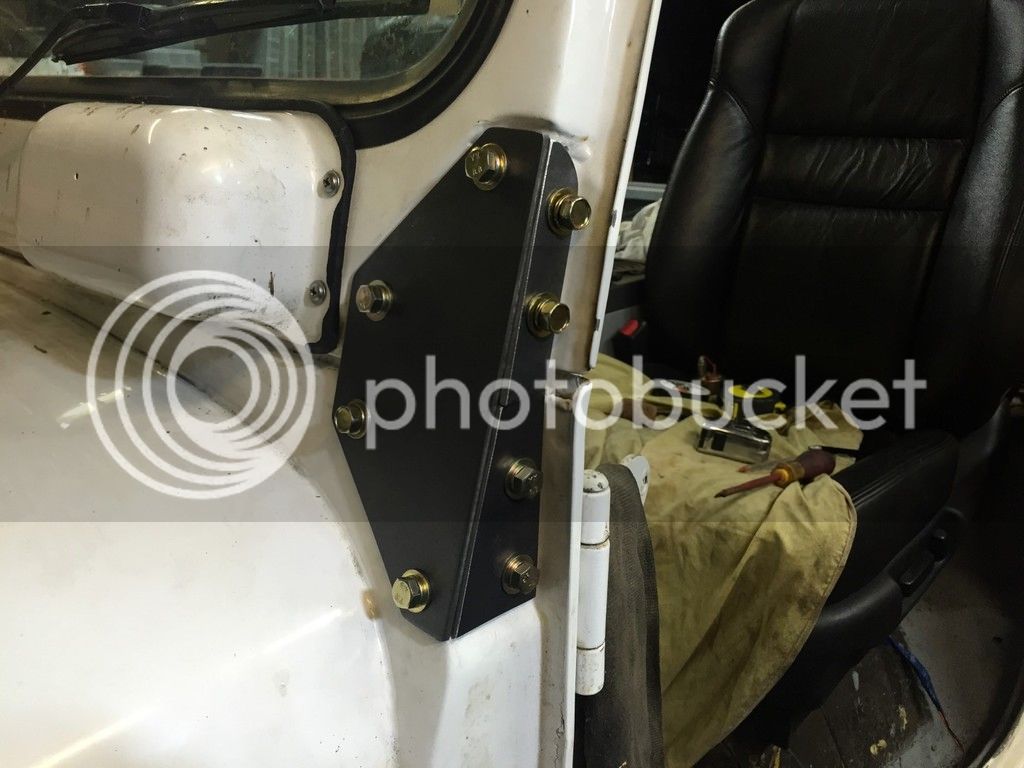
Once that was bolted onto the car I could make up the side pieces…


Hinge%2004_zps5e5tzqva.jpg


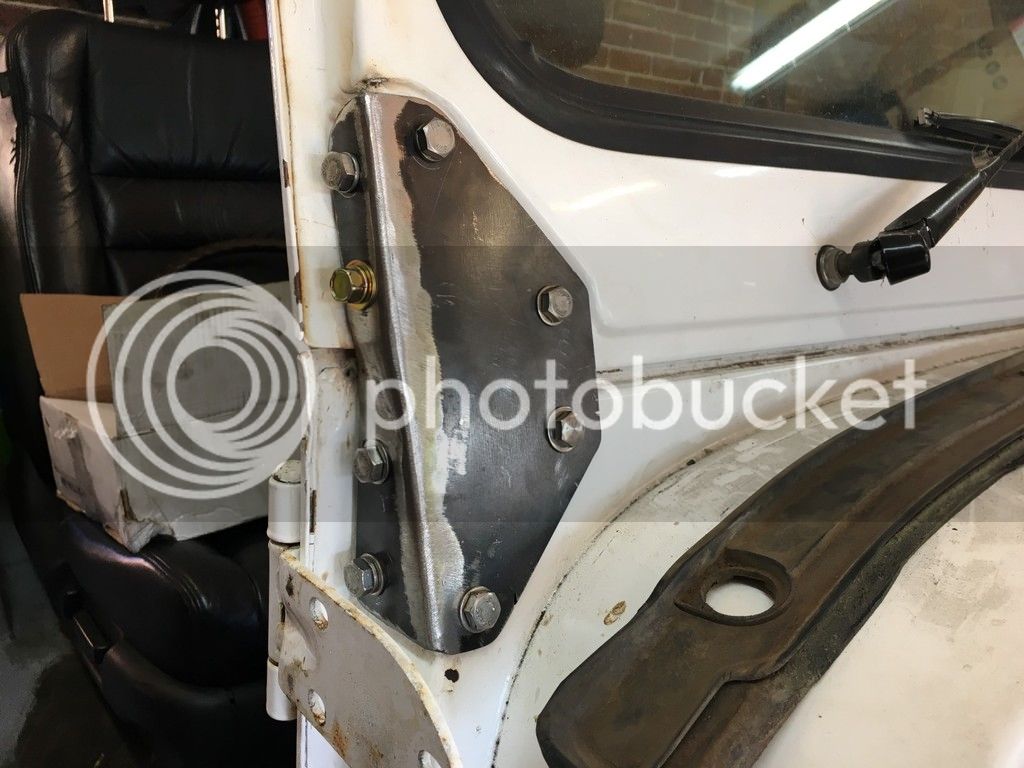
Once the 3 parts were bolted onto the windscreen and in alignment, I tacked them up then welded them up fully. Once welded, I smoothed the edges using a grinder and linisher. These will be painted black and bolted up using stainless steel bolts.


Hinge%2005_zpst0vnp8kx.jpg


Hinge%2006_zpszxjzvzws.jpg


Hinge%2007_zpsksugtk9c.jpg


Same process for the drivers side…


Hinge%2008_zpsyggkfl1w.jpg


Hinge%2009_zpsg70appcb.jpg


(Yes, the gold bolt will be swapped for a stainless steel one lol)
 
Exhaust System:

So one of the big problems we faced was the exhaust system. I spoke with a number of shops, but as the exhaust had to be custom made I was getting quotes of $2500+ plus materials for a fairly average quality system.


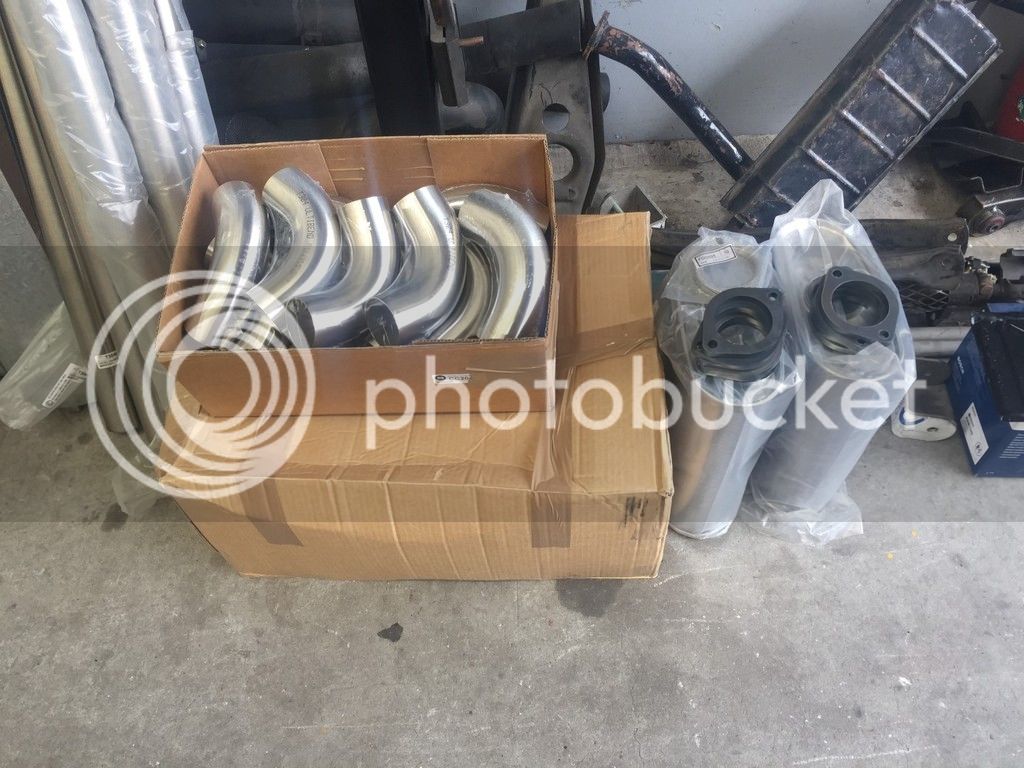
So I decided to try custom building an exhaust system myself. Went and spoke to Richard at Rowville exhaust and picked up 50x 2.5” 90 degree stainless steel mandral bends, 9m of stainless pipe, 2x Triflow stainless mufflers and some flanges. Cost $2500 (Which to be honest wasn’t brilliant pricing, there is a place in Vermont that I reckon I could have got it a lot cheaper, but he had already got the stuff in for me and previously said that the price would be “good” so there wasn’t much I could do. That said, he was really helpful and offered lots of advice so don’t mind paying the bit extra).


Exhaust%2001_zpsru4mhrgz.jpg


Exhaust%2002_zpschbafcak.jpg


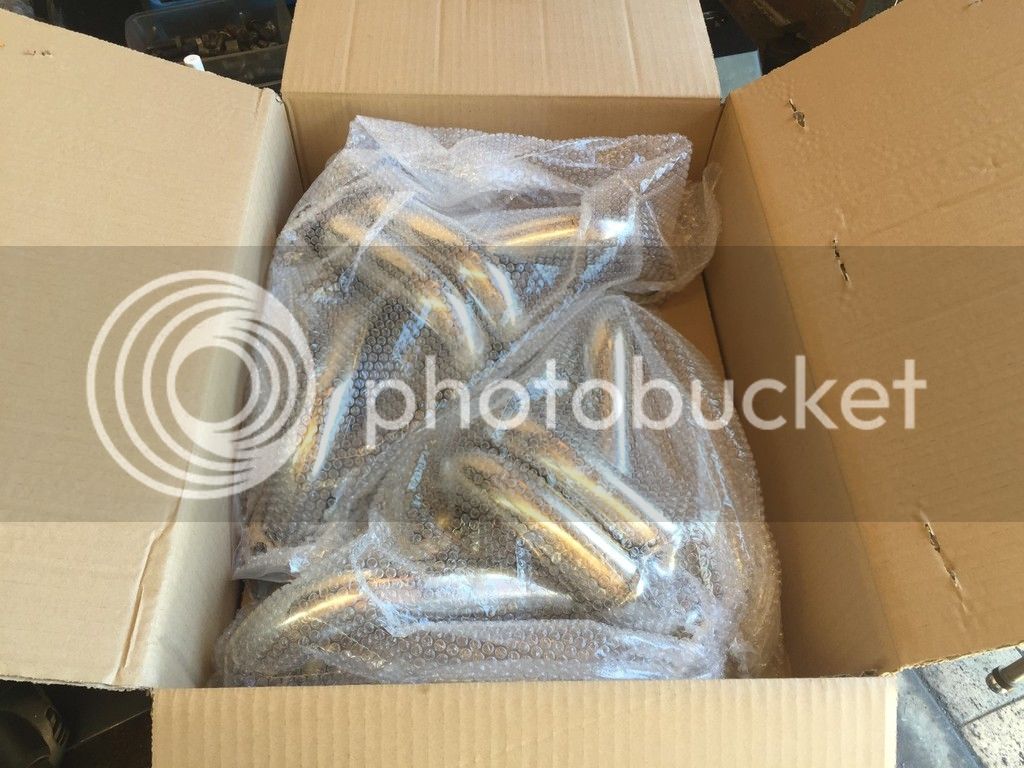
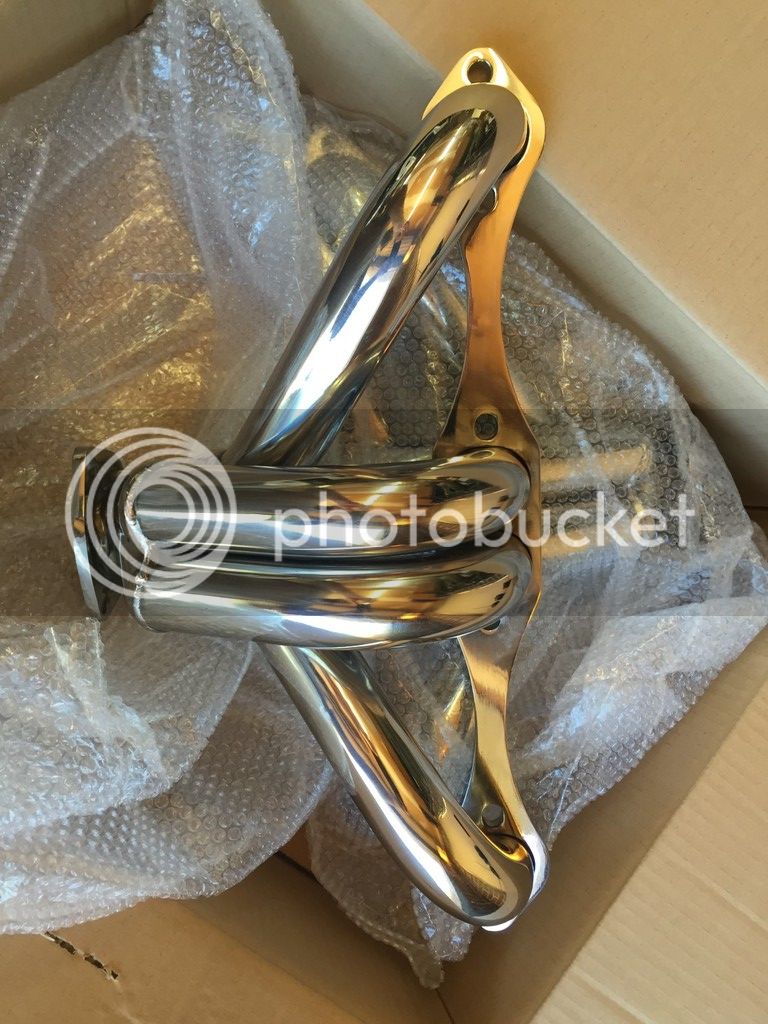
Also purchased a set of polished stainless steel 4 into 1 block hugger headers. Main reason was the stock headers were cast and very rusty, and the new ones should give better flow and note. Being stainless steel they won’t rust (although apparently can go slightly blue when they get hot) and I could easily weld the new pipe to the flange supplied.


Exhaust%2003_zpsmok89acl.jpg


Exhaust%2004_zpsnavspish.jpg


Started by bolting the headers onto the engine, luckily there is lots of clearance.


Exhaust%2005_zpsserdyjme.jpg


Exhaust%2006_zpsvuzpeqls.jpg


Exhaust%2007_zps6ajg4uzi.jpg


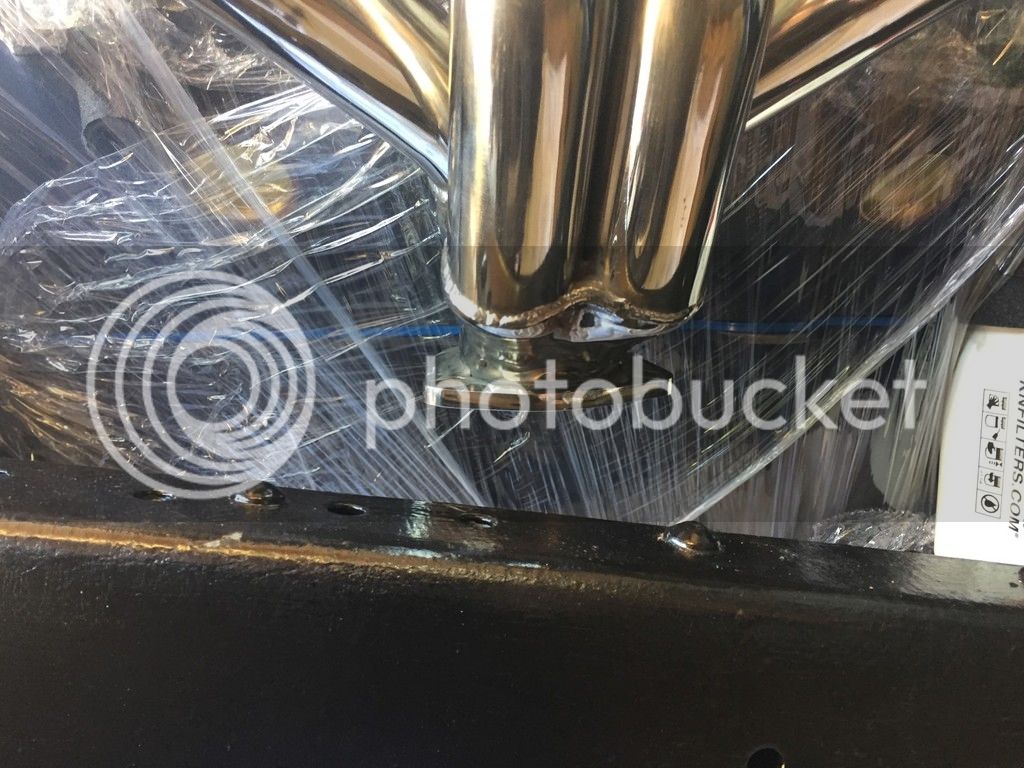
First problem was the flange the supplied goes from 2.5” down to 2”, so I had to cut and remove the bit of pipe from the flange before I could get started.


Exhaust%2008_zpsm29xh2zs.jpg


Exhaust%2009_zpsgkxysblx.jpg


Exhaust%2010_zpsnm0pkvpx.jpg


Exhaust%2011_zps3nuitosz.jpg


As you can see the new 2.5” fits inside perfectly.


Exhaust%2012_zpsx4i7xfqb.jpg


Exhaust%2013_zpsae45yyzo.jpg
 
Now in order to weld the stainless steel pipe I had to buy some special welding rods (Cigweld Satincrome 316L-17) for the job, but luckily I found someone on ebay selling 4 packets for $320 cash (vs ~$170 per pack price from most retailers).


Unfortunately with the block hugger header the exhaust pipe has to route under the chassis rail as there isn’t enough room to go over the top. On the 304 EFI headers I am hoping to keep the exhaust above the chassis rail and go over the top to the outside for maximum ground clearance.


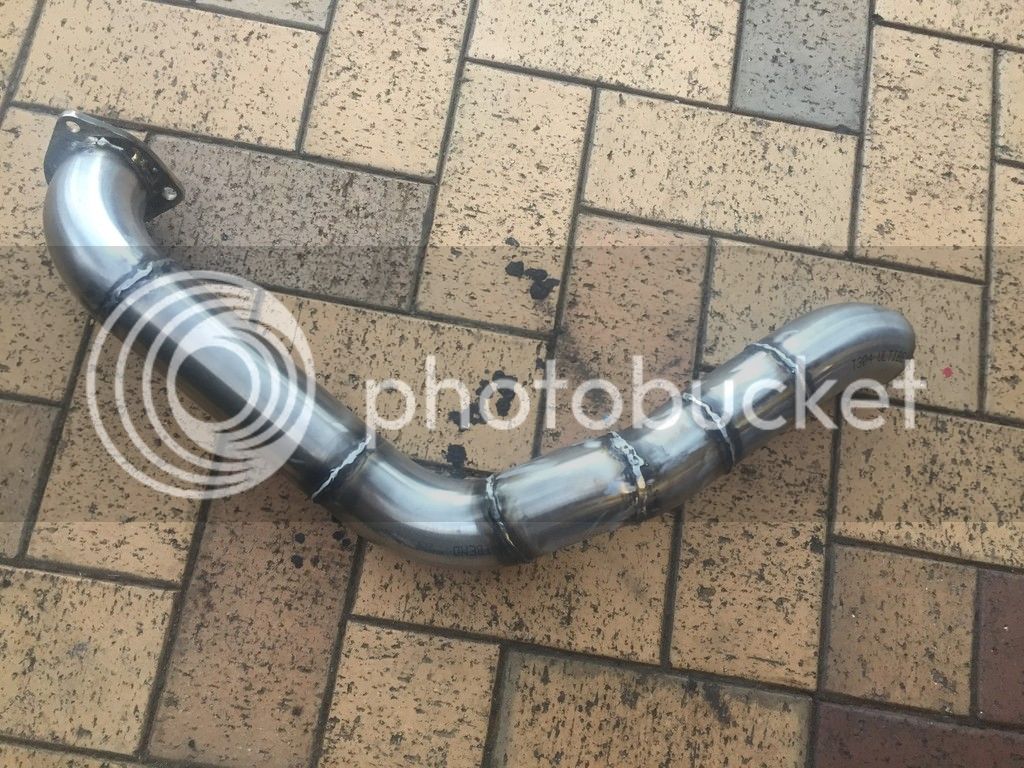
Starting with the passenger side I welded the first 90 degree mandrel bend to the flange. Now the process is pretty straight forward, basically work out approximately what angle you want the pipe to head and cut a mandrel bend to size. I only had an angle grinder so it wasn’t possible to get a perfectly flat cut, so I then used a belt sander to grind it flat for welding. It was then a case of holding the new cut pipe against the existing one to check angles/direction etc, more grinding on the belt sander until the angle was right then marking it up with a paint pen. Basically just a couple of lines across the joints so I could remove the exhaust from the car and tack weld it into place using the pen lines as an alignment guide.


Then refit into the car, check that the tack weld was exactly right and continue the process. Once I was happy with a section I would pull it out and weld it up properly….


So here is the first section tack welded…


Exhaust%2016_zpse1dhlxop.jpg


Exhaust%2017_zpsauzt3gyx.jpg


The fully welded…


Exhaust%2018_zpsyeh4o6rk.jpg


Exhaust%2019_zpskaosybpz.jpg


Then fitted back up to the car…


Exhaust%2020_zpso6pydwak.jpg


You can see I have left at least 15mm clearance around the pipe at all times


Exhaust%2021_zpsm45mw0vx.jpg


Exhaust%2022_zpsuzvoka0a.jpg


Exhaust%2023_zpszjqy7fgd.jpg
 
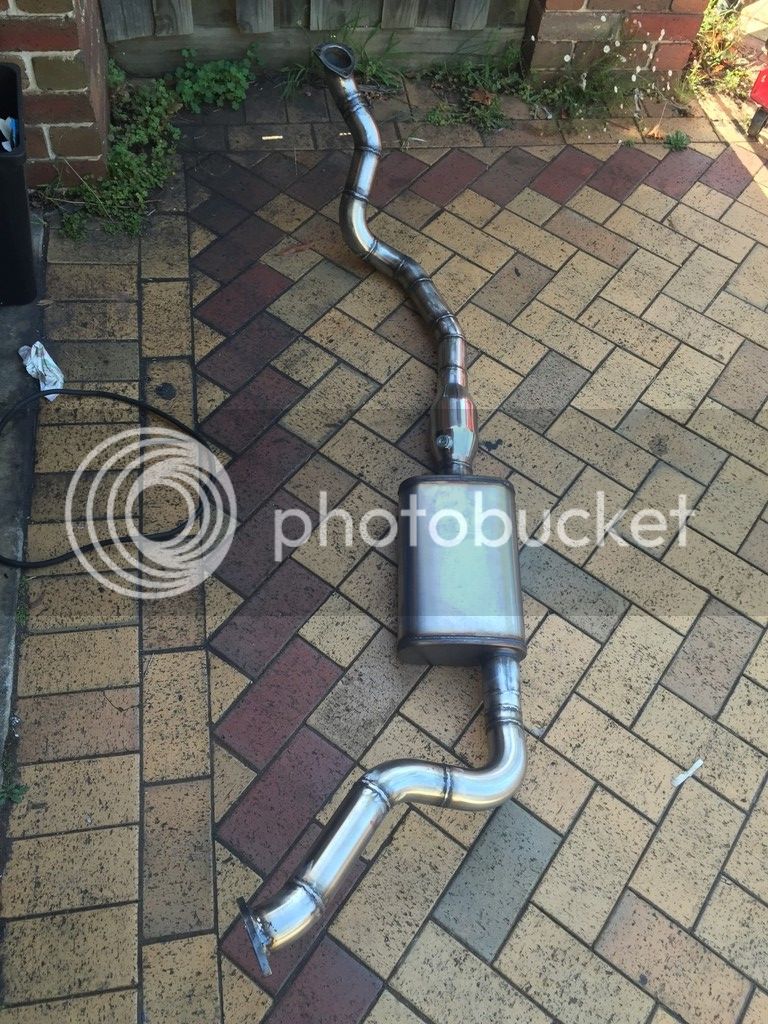
Now for the next section I used 200cpi high flow stainless steel cats and quality stainless steel mufflers. Technically speaking I didn’t need a catalytic converter as the engine predates the requirement, but I prefer the safer co2 emissions that a cat provides (Being a convertible that does lots of slow speed off road driving, you get exposed to a lot of exhaust gasses, would prefer CO2 to CO and HC).

I welded the cat directly to the muffler as there is minimal space, so hopefully that doesn’t cause an issue.


Exhaust%2024_zpssidm2jst.jpg


Held the new cat/muffler section in place and created the section to join to the front of the exhaust and the cat (Couldn’t get a picture of this as it was hard enough trying to hold/align everything without trying to take a photo), but here is the result


Exhaust%2025_zpsfypss2vy.jpg


Exhaust%2026_zps9avn3vzb.jpg


Exhaust%2027_zpsysf6i9jj.jpg


Exhaust%2028_zpsvnxsnlbd.jpg


Bolted everything up, looks good. Nice ground clearance as should have enough clearance from the chassis. I am worried about heat radiating into the cab, but will install some heat shielding down the track. If its bad enough I might add some HPC coating.



Exhaust%2029_zpsgyvtwiik.jpg


Exhaust%2030_zpsuevb05oy.jpg


Exhaust%2031_zpstfqxtcl5.jpg


Once I was pretty happy with the passenger side, I started on the drivers side. This was a lot harder as there is a tailshaft and power steering box to deal with. Now there wasn’t enough room to come out on a normal 90 degree bend, so I had to cheat a little and cut the mandrel bend on an angle (rather than square) which increases the rate the pipe changes direction. The downside to this approach is the pipe is no longer “round” as the cut angle makes the pipe “oval”. So I had to grind the flange into an “oval” shape to match the pipe, which is a very time consuming process. The first bend took around 4 hours to get right, but the result is maximum clearance to the tailshaft. (It’s really hard to tell in the photos, but the extra angle saves a good 40-50mm).


Exhaust%2032_zpspra36nlh.jpg


Exhaust%2033_zps5hbewui4.jpg


I also used this trick a bit more on a few other tight bends, although was a little faster as the pipe is easy manipulate with the belt sander vs the thick flange which required a file/milling bit.

I followed the same process as the passenger side till I ended up with the following…


Exhaust%2034_zpsfwbeicoa.jpg


Exhaust%2035_zpsulhlsrpb.jpg


Exhaust%2036_zps5ydlzkuw.jpg


Exhaust%2037_zpsq3a2ro8m.jpg


From the point of view of the gearbox output flange, you can see where the tailshaft roughly runs to the diff and how much clearance there is to the exhaust. So shouldn’t have an issue…


Exhaust%2038_zpsk1yo4qkp.jpg
 
Welded it up properly and fitted it to the engine


Exhaust%2039_zpsxcf3mpte.jpg


Exhaust%2040_zpscscoxenk.jpg


Exhaust%2041_zpscqy0xm8b.jpg


Exhaust%2042_zpsuvm88gye.jpg


Exhaust%2043_zpsgdatgstn.jpg


Another view showing the tailshaft clearance (looking from the diff flange towards the gearbox flange)


Exhaust%2044_zpsoq1qaxay.jpg


Welded the drivers side Cat and muffler together…


Exhaust%2045_zpss4rffhaz.jpg


Once I had the pipe right I welded the cat/muffler to the front section and fitted it back up.


Exhaust%2046_zpsixtwhnvq.jpg


Exhaust%2047_zpsljg66saj.jpg


Exhaust%2048_zpsblz1k5xr.jpg


Exhaust%2049_zpslezakpcv.jpg


Next section routed the pipe back inside the chassis (around the body mount). Again made sure there was at least 15mm clearance in all directions.


Exhaust%2050_zpsjytcs99r.jpg


Exhaust%2051_zpsaiuqzcil.jpg


Exhaust%2052_zpsocwlqq7x.jpg


Exhaust%2053_zpsvyjujxfy.jpg


Exhaust%2054_zpsp9vllddm.jpg


I added a flange/join for the final rear section, but specifically added it on a 45 degree angle. This way I can either go directly out the rear or if that proves too loud I can head inwards towards the centre of the car where there is enough room to fit another rear resonator. Time will tell… Luckily as its pre 1983 the exhaust limit is 96db as opposed to 90db, so hopefully will work without additional resonators.


Exhaust%2055_zpsgvoys82l.jpg


As with all flanges, I made sure to weld the inside as well as the outside to ensure no leaks.


Exhaust%2056_zpsyzaknytb.jpg


Exhaust%2057_zpsctyiuluy.jpg
 
Tacked up then fully welded the rear section


Exhaust%2058_zpsstbpjdgy.jpg


Exhaust%2059_zps620kklui.jpg


As fitted, had to run the pipe over the top of the leaf spring as I still need to fit the LPG tank. Clearance was tight near the shackle/tyre, but should be enough clearance.


Exhaust%2060_zpsrdpp0kcy.jpg


Exhaust%2061_zps0wpeniw6.jpg


Exhaust%2062_zpsjt7isboa.jpg


Continued on with the passenger side in the same fashion, although the pipe went inside the chassis in front of the body mount as opposed to around the outside as per the drivers side.


Exhaust%2063_zps5amkkcsi.jpg


Exhaust%2064_zpsb9jpurdn.jpg


Exhaust%2065_zpskx6puu67.jpg


Added a flange (again on a 45 degree angle in case I need to fit a resonator later)


Exhaust%2066_zpstdrqbany.jpg


Exhaust%2067_zpsz9fgz9ti.jpg


Now between finishing the drivers side rear section and the passenger side, I found out that having the exhaust pipe exit directly out the back on a convertible isn’t a great idea as the exhaust gas tends to get sucked back into the cabin. Apparently the best location is to exit on a 45 degree angle behind the rear wheel angled 30-45 degrees down. So I did tacked up the passenger rear section…


Exhaust%2068_zpsf1k3tp4k.jpg


Exhaust%2069_zpsn2w5zhkd.jpg


Exhaust%2070_zpsuylojiec.jpg
 
Welded it up fully…


Exhaust%2071_zpslj9isx5p.jpg


Exhaust%2072_zpszho85zc3.jpg


Exhaust%2073_zpspcsg56yj.jpg


As you can see, it now exits on a 45 degrees facing down


Exhaust%2074_zpskgozx8ti.jpg


Exhaust%2075_zpsglo7n5tj.jpg


Exhaust%2076_zpszisxvf7b.jpg


Just had to go back and modify the drivers side….


Exhaust%2077_zps5vcp0ffl.jpg


Exhaust%2078_zps3lwq43tv.jpg


Exhaust%2079_zpsli2sjghg.jpg


Tacked the new section in


Exhaust%2080_zpsom0a4vyu.jpg


Exhaust%2081_zpscfamjjwu.jpg


Fitted nicely, so welded it up fully


Exhaust%2082_zpst7npsehm.jpg
 
Back
Top Bottom