Errols FJ40 Build x4

This site may earn a commission from merchant affiliate
links, including eBay, Amazon, Skimlinks, and others.

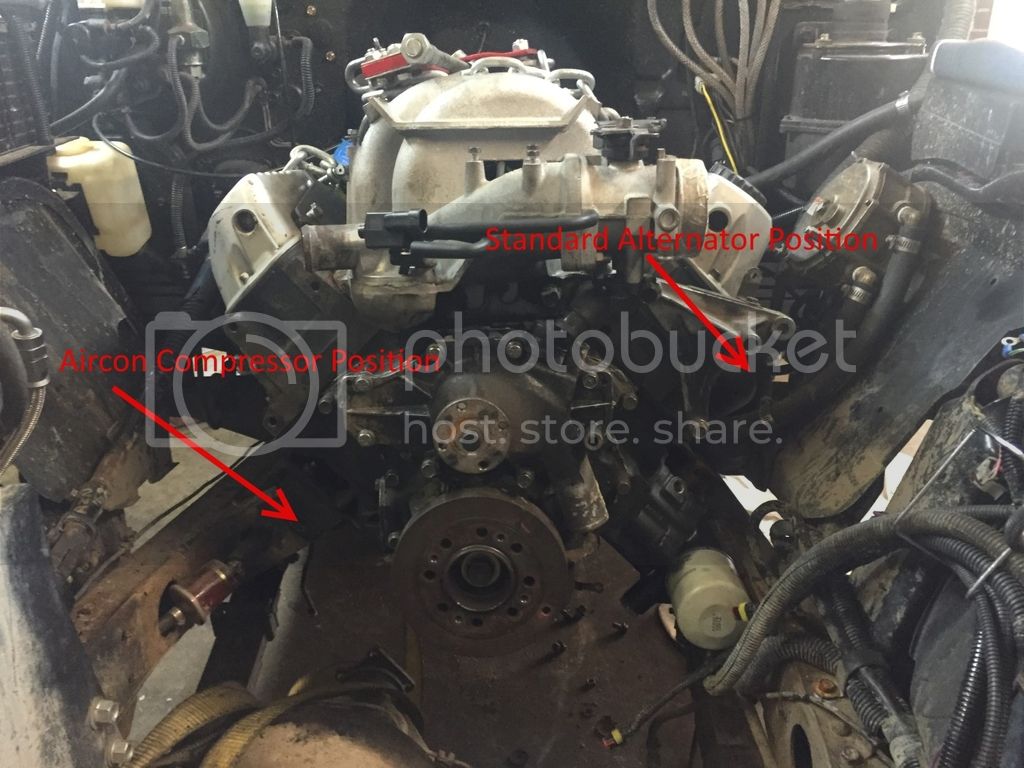
Next problem to overcome with the aircon/alternator setup.


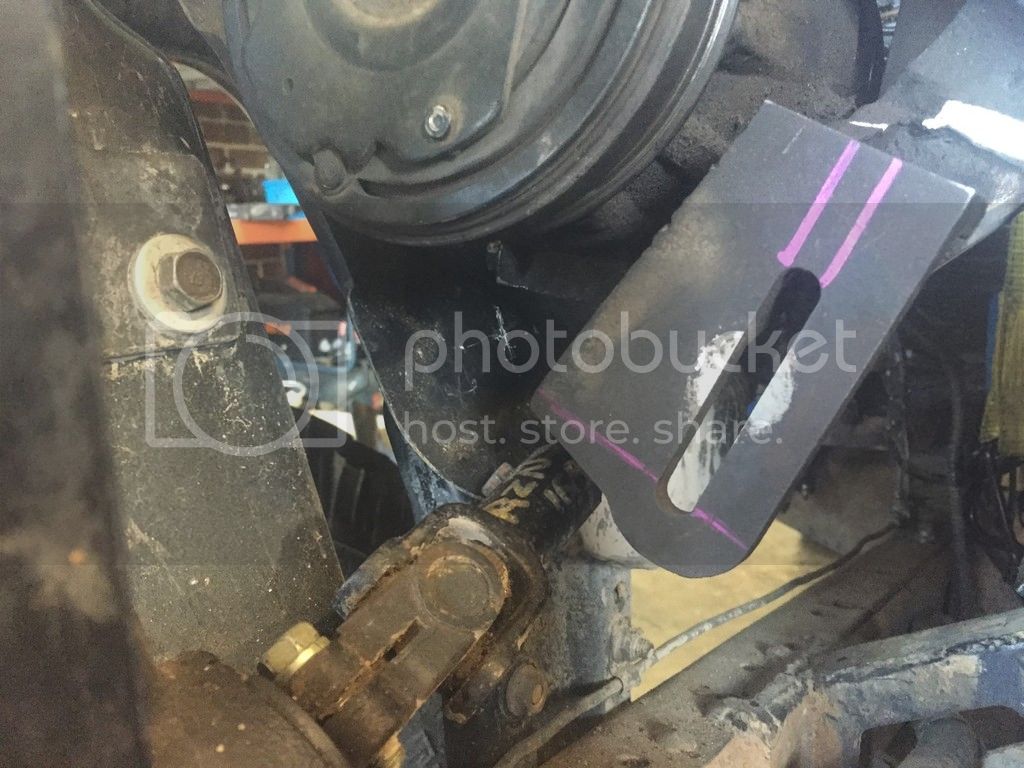
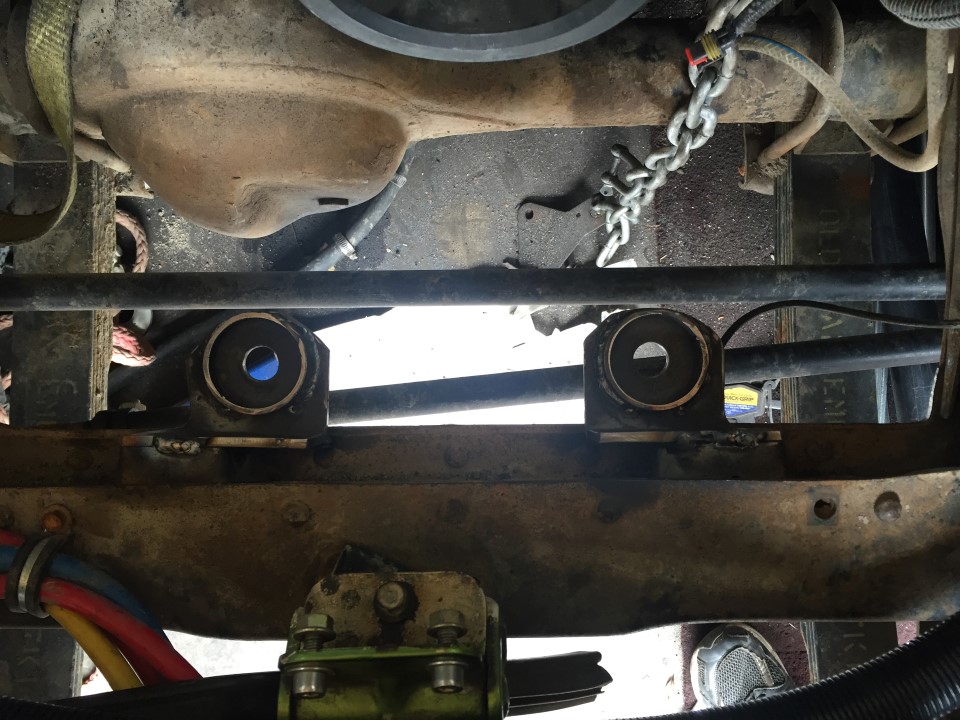
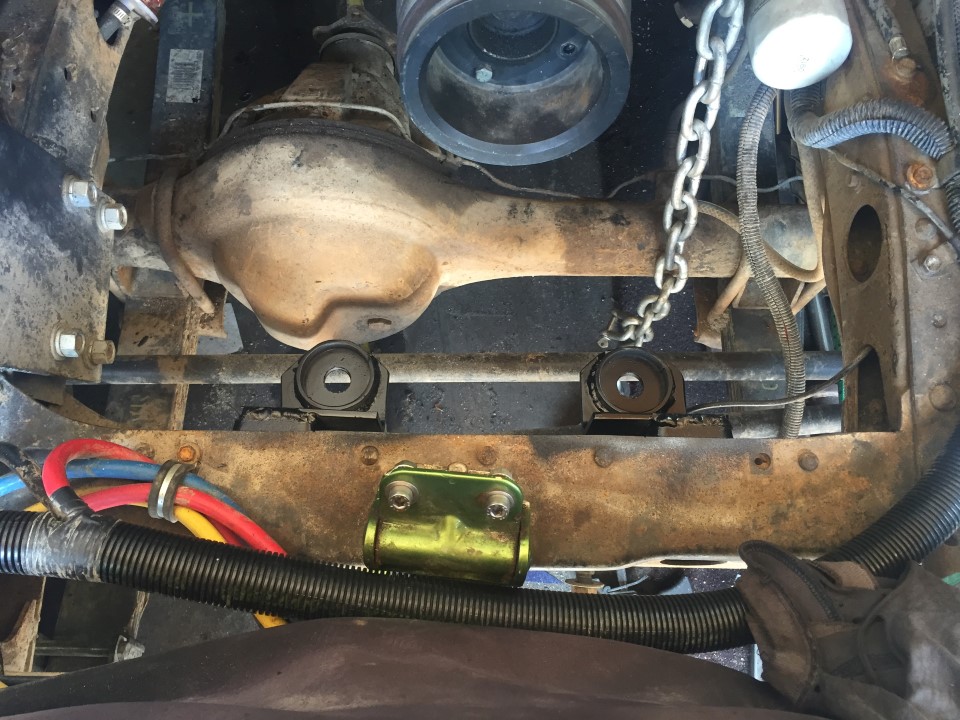
The aircon compressor and bracket sit quite low in comparison to the engine block, which means on full suspension compression the top of the diff pumpkin will hit the bottom of the aircon compressor. This is super frustrating as we didn’t pick up on the height issue during initial visual inspection (We were more focused on it hitting the chassis rail on the side or the steering shaft).


The other problem is the clearance around the alternator. There is no way it will fit in its normal position (On the passenger side), but we were hoping to rotate it upwards on the original top mount.

This works with the 308, but it gets very tight with the intake on the 304. It also has limited movement to act as a belt tensioner.

IMG_1743%20Large_zpsgdwpv4gc.jpg


So it was time to get creative….


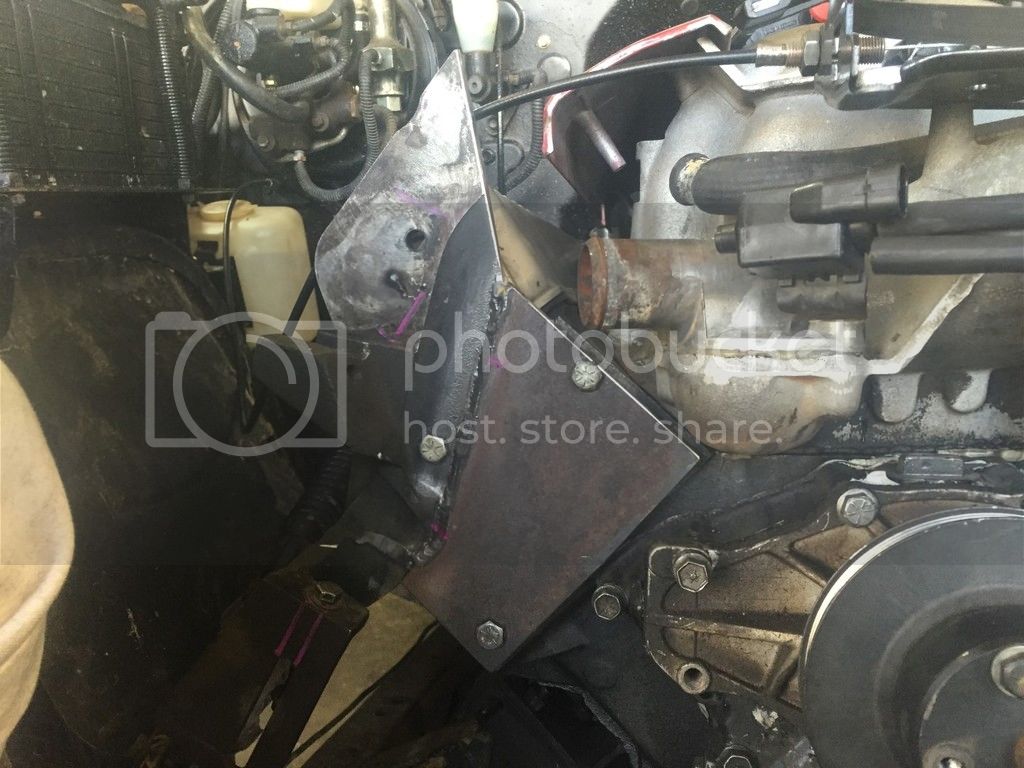
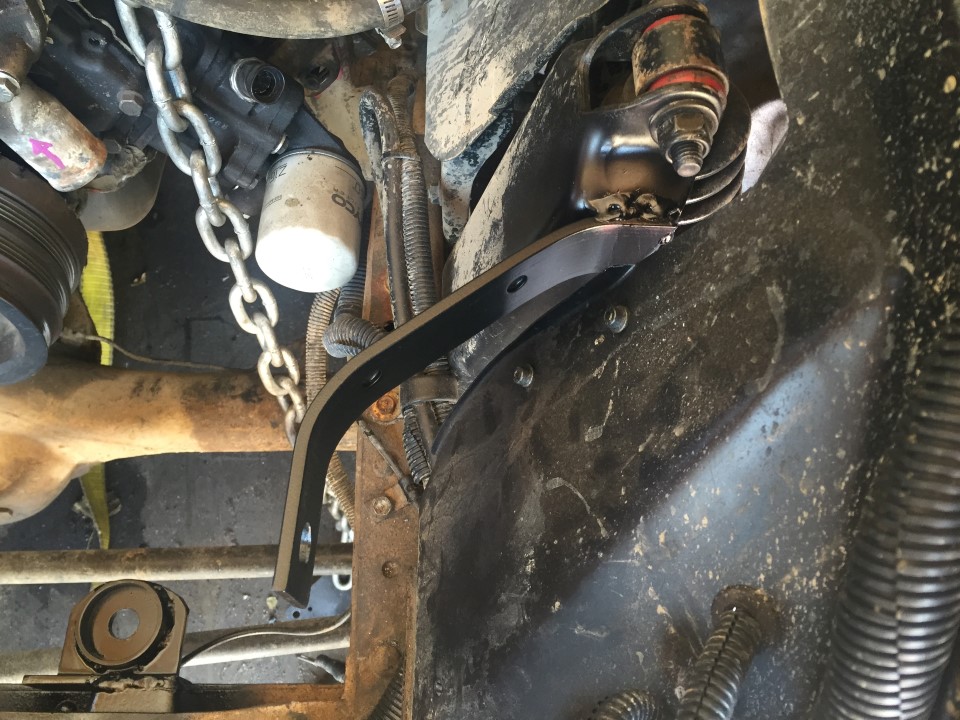
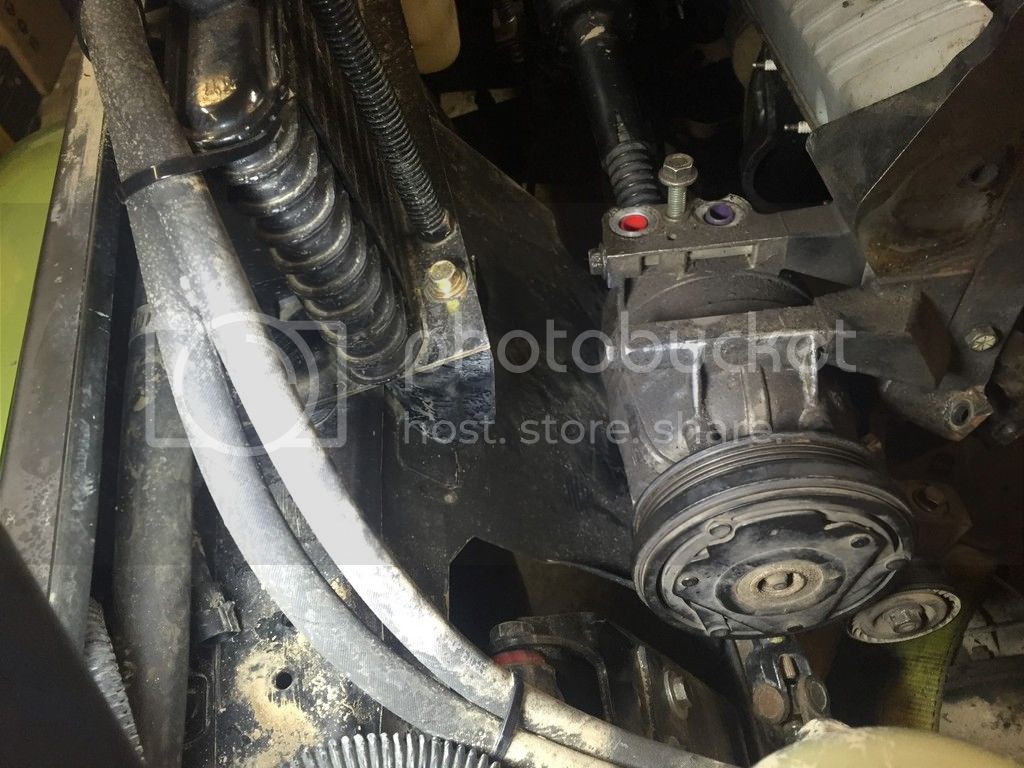
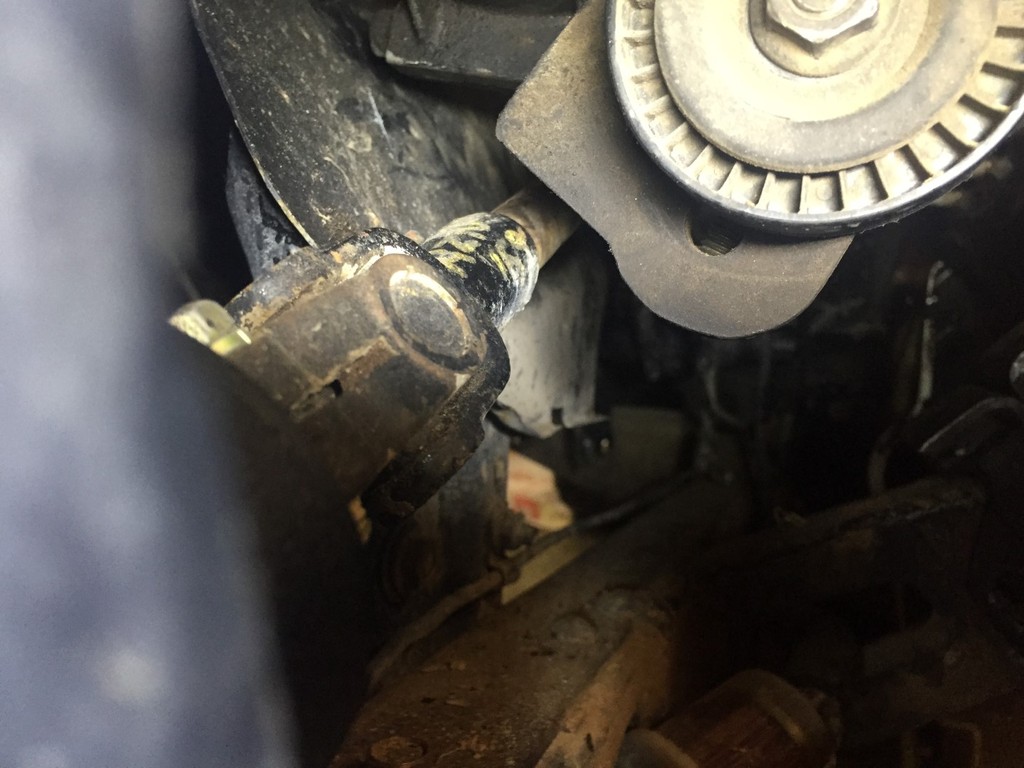
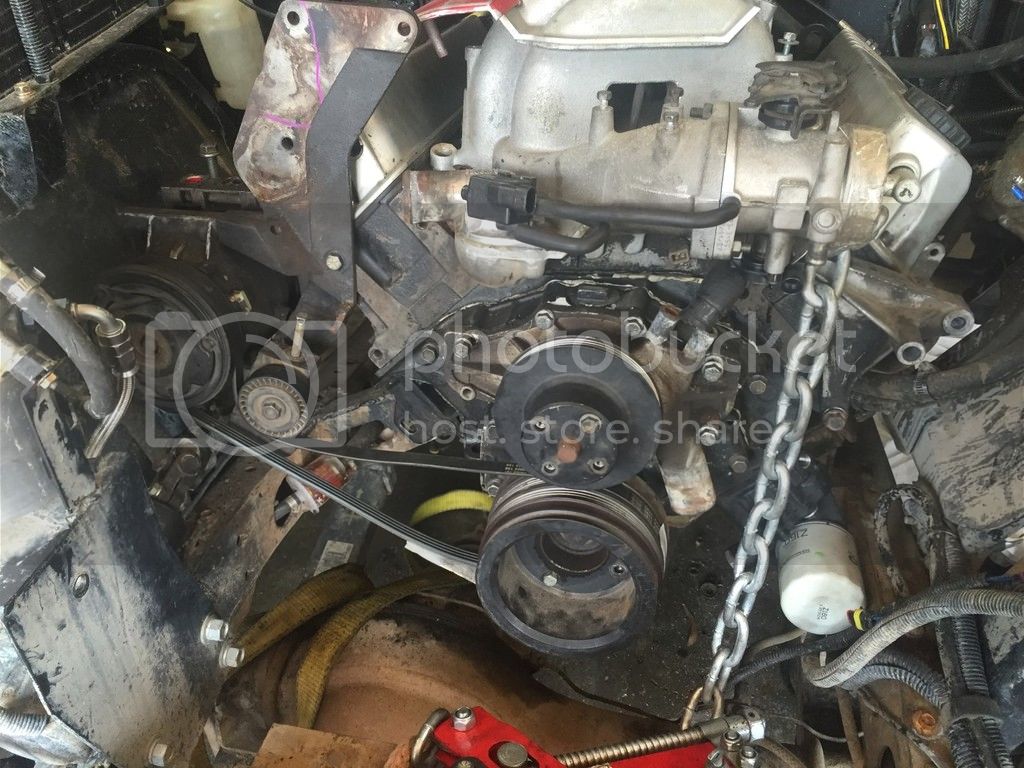
Firstly the aircon compressor had to be moved up to make clearance. Rather than reinventing the wheel we essentially wanted to reuse the standard bracket as much as possible but just reposition how it mounts to the block. We started by physically holding the compressor in the right area and drilled a new hole to bolt up to the head.


IMG_1749%20Large_zpsrhwefxsx.jpg


This seemed to give enough clearance to the steering shaft and outside guard. As we were using the same mounting bracket in roughly the same position is meant the belts should line up.
IMG_1751%20Large_zpskry3qdmm.jpg


IMG_1753%20Large_zpssgdetvy0.jpg


IMG_1757%20Large_zpsocjuspbj.jpg


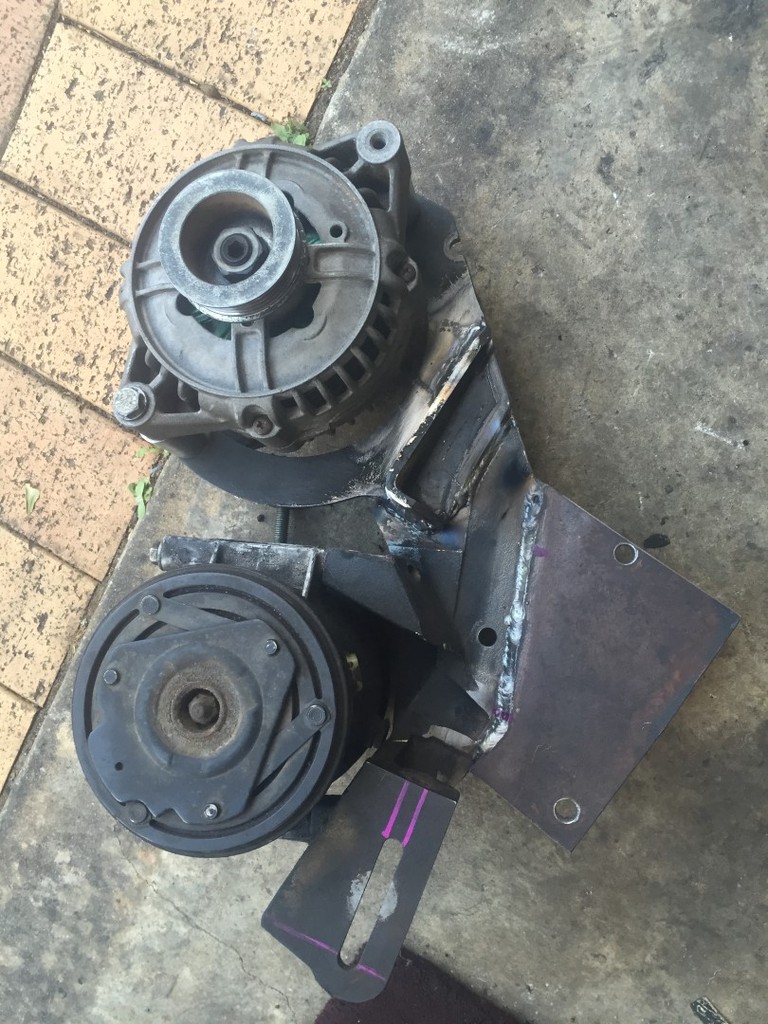
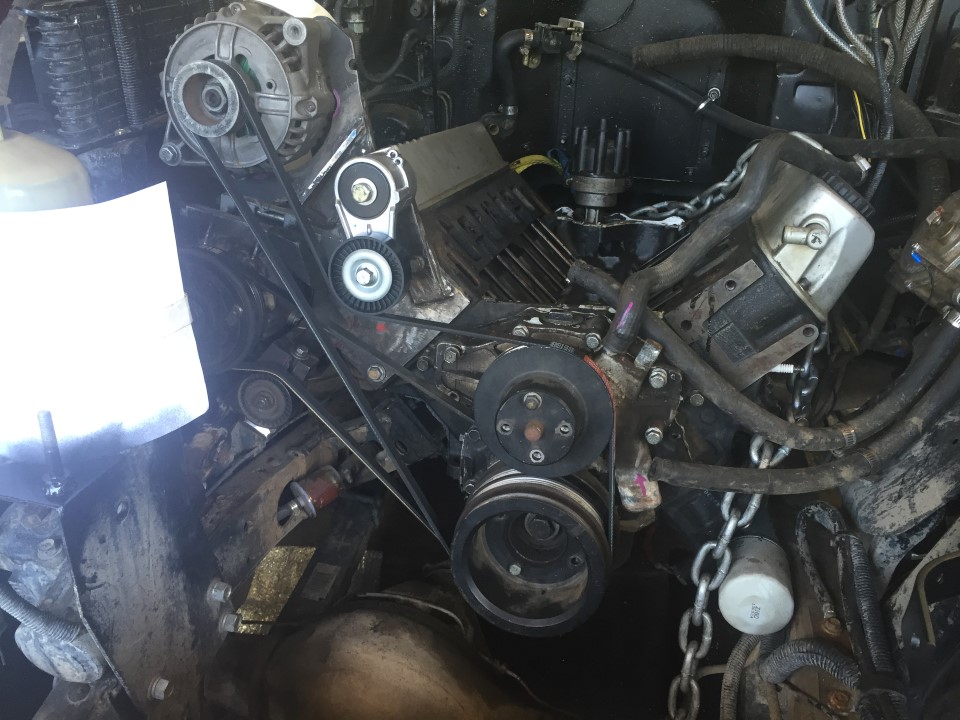
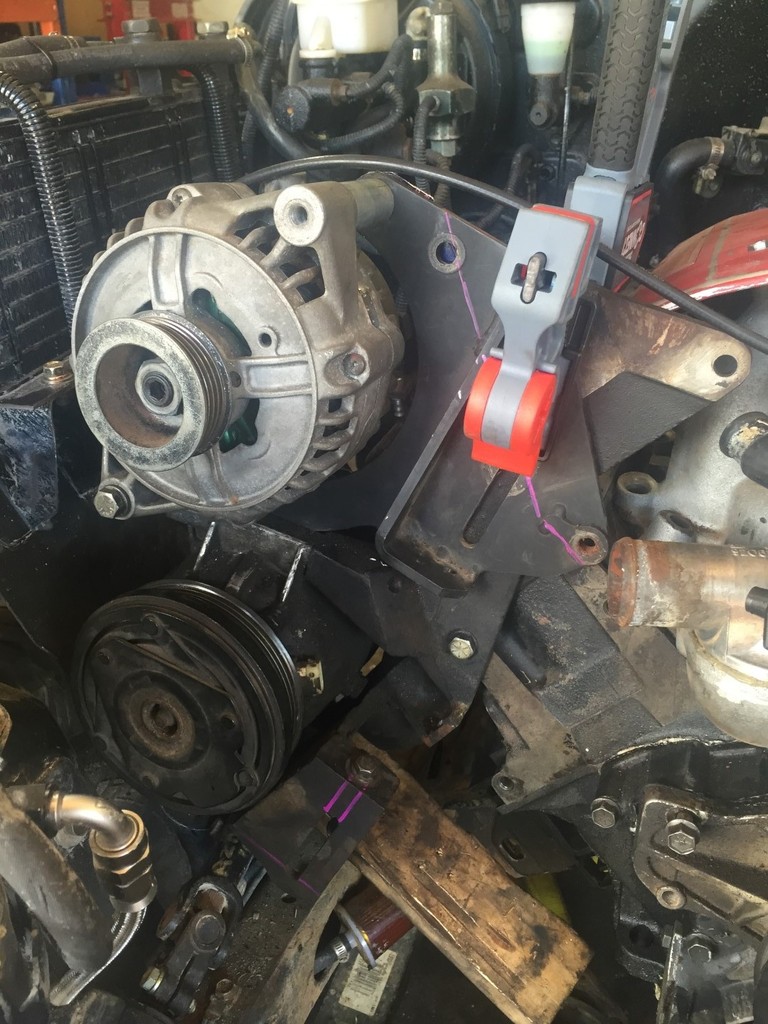
This was also a good opportunity to relocate the alternator from the passenger side to the drivers side above the aircon. The major benefit (Apart from the fact it physically fits) is it keeps the alternative high and out of the water/mud. The problem with this design is the belt path is going to clash with the radiator top hose.

IMG_1911%20Large_zpsk8zxglqu.jpg


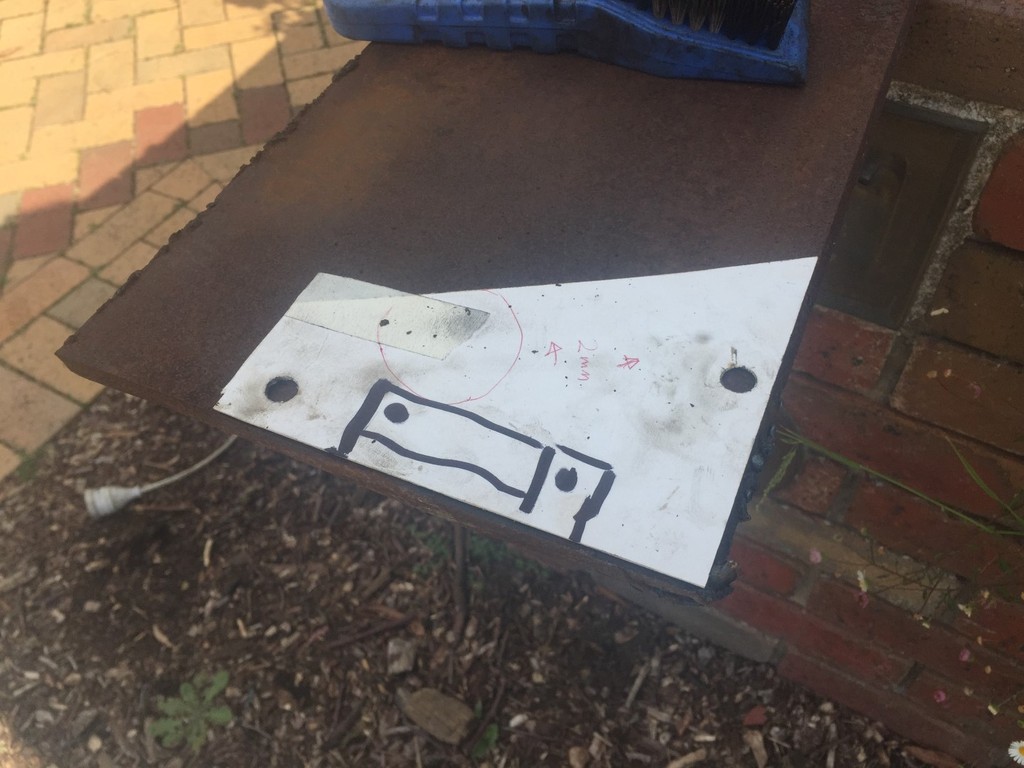
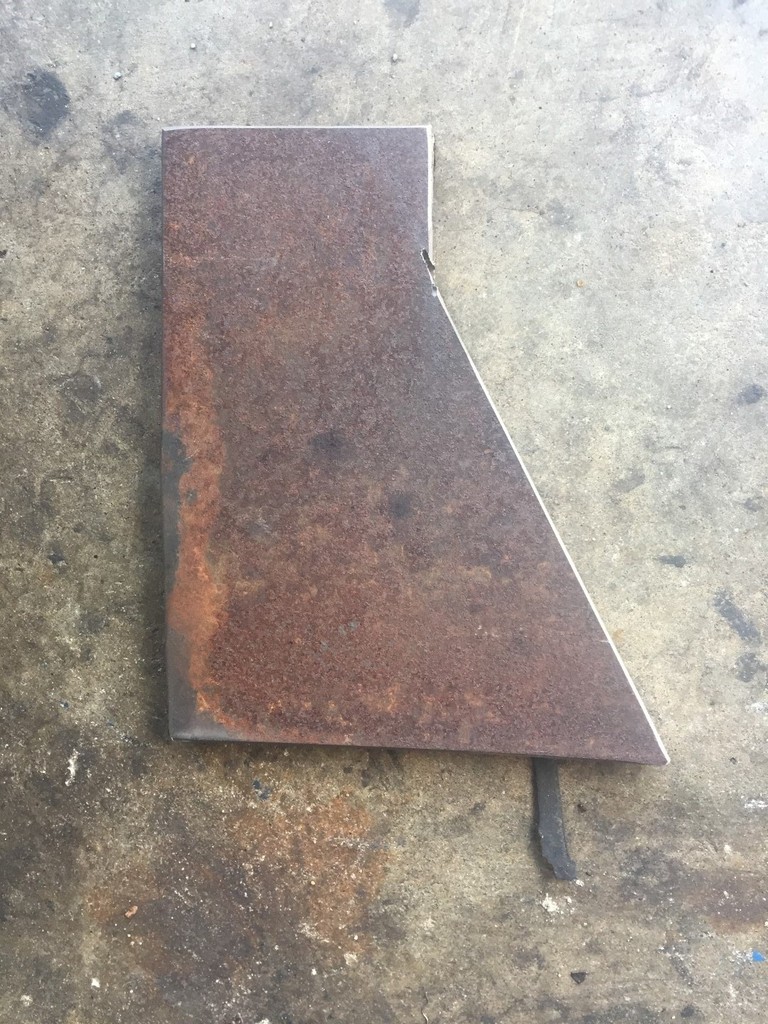
Once we had it all jigged up it was time to make a mounting plate to reuse the head mounting points.

IMG_1914%20Large_zpskrckgae0.jpg


IMG_1916%20Large_zpsbcjryybs.jpg


IMG_1918%20Large_zpsecunki0n.jpg


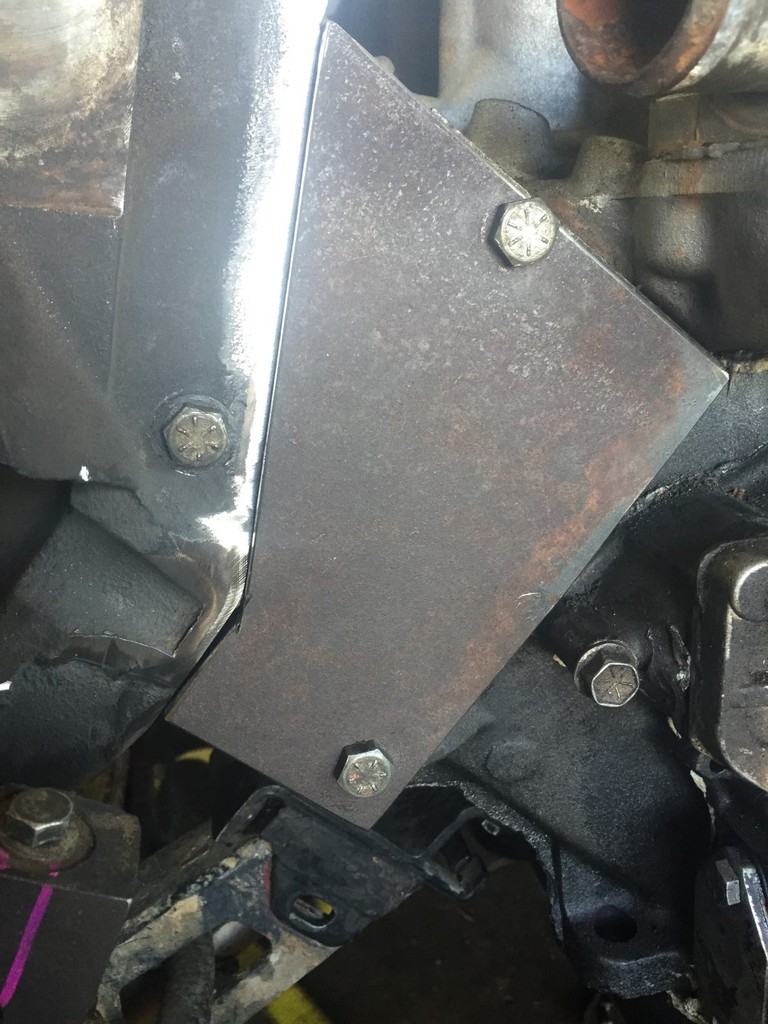
After some cutting and grinding it fit nicely. It was then just a matter of drilling some mounting holes (which is easier said than done). Using the “eye/guess” method we got within ~2mm which is pretty good.

IMG_1919%20Large_zpstv54ym1h.jpg


We then bolted it up to the block and tack welded the two brackets together.


IMG_1925%20Large_zpstcbwphcs.jpg


Then it was just a matter of pulling it off and welding it up properly.


IMG_1927%20Large_zpsdxhdirju.jpg


A few of the welds were a bit blotchy, but remembering I only learned how to weld not that long ago and have had minimal practice I was pretty happy with the results.


You can now see the bracket bolted into place.
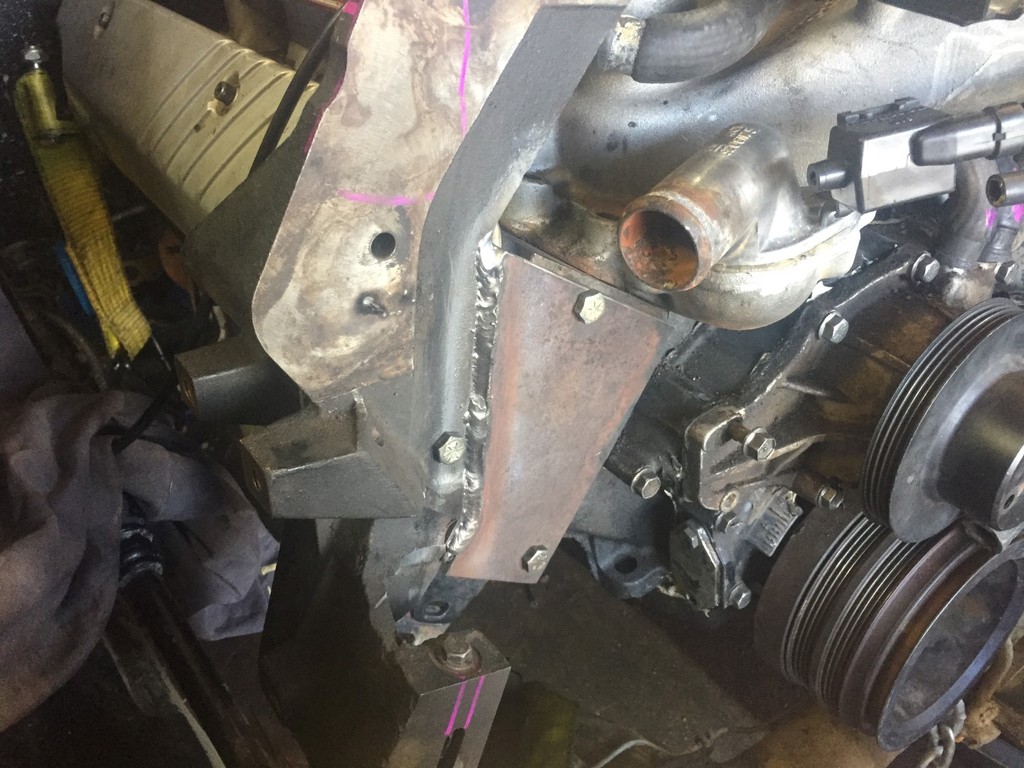

IMG_1932%20Large_zpsgdvxyo5q.jpg


Once the alternator bracket was marked, we marked and cut the main bracket.


IMG_1934%20Large_zpsfare8tyg.jpg


IMG_1943%20Large_zpsv89v9uf6.jpg
 
Then it was just a matter of cutting and welding the alternator bracket in place. (At this stage the alternator is parallel with the harmonic balancer but the offset is incorrect).


IMG_1936%20Large_zpsnhqkdrzs.jpg


IMG_1944%20Large_zps9aekrlea.jpg


IMG_1948%20Large_zpsmnpts8hs.jpg


IMG_1949%20Large_zpsspskktso.jpg


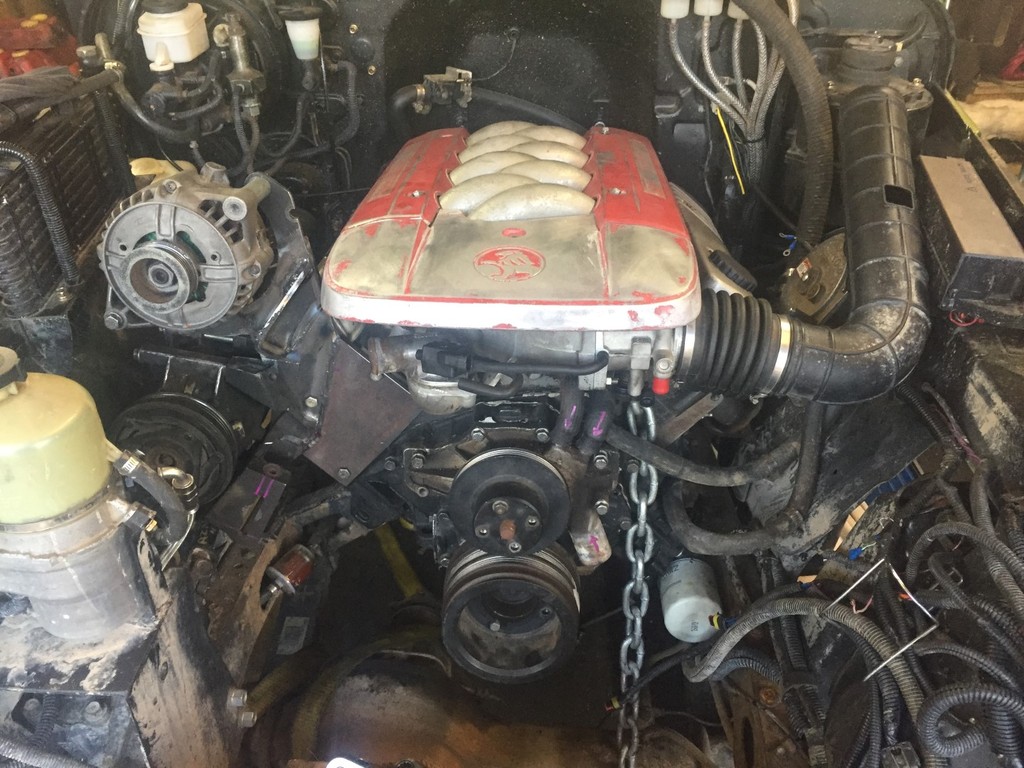
We could now test fit the whole assembly (which was starting to get bloody heavy). The good news is everything fit as expected, although there isn’t very much clearance to the exhaust header which still has to be moved outward. We will deal with this later


IMG_1957%20Large_zps3vdxufmx.jpg


IMG_1955%20Large_zpsgha56c2i.jpg


IMG_1956%20Large_zpsths33l5s.jpg
 
We then popped the engine cover on to check for clearance and too see how it looked… I am pretty happy with the result


IMG_1960%20Large_zpsey2d55kx.jpg


IMG_1965%20Large_zps7epytvme.jpg


IMG_1963%20Large_zpstcliwo6o.jpg


IMG_1964%20Large_zpsobxjro3p.jpg


Then we measured and cut some spacers/sleeves for the alternator to get the offset correct. Luckily the design allowed the alternator to move forwards/backwards considerable distance so getting the offset correct wasn’t that difficult. (We checked for alignment with a long steel ruler).


IMG_1968%20Large_zpspxhboos4.jpg


The design also leaves (just) enough room to hook up the aircon pipes and alternator wiring. It will be tight and a pain to install, but shouldn’t be pulled apart too often.


IMG_1971%20Large_zpswknbf1iz.jpg


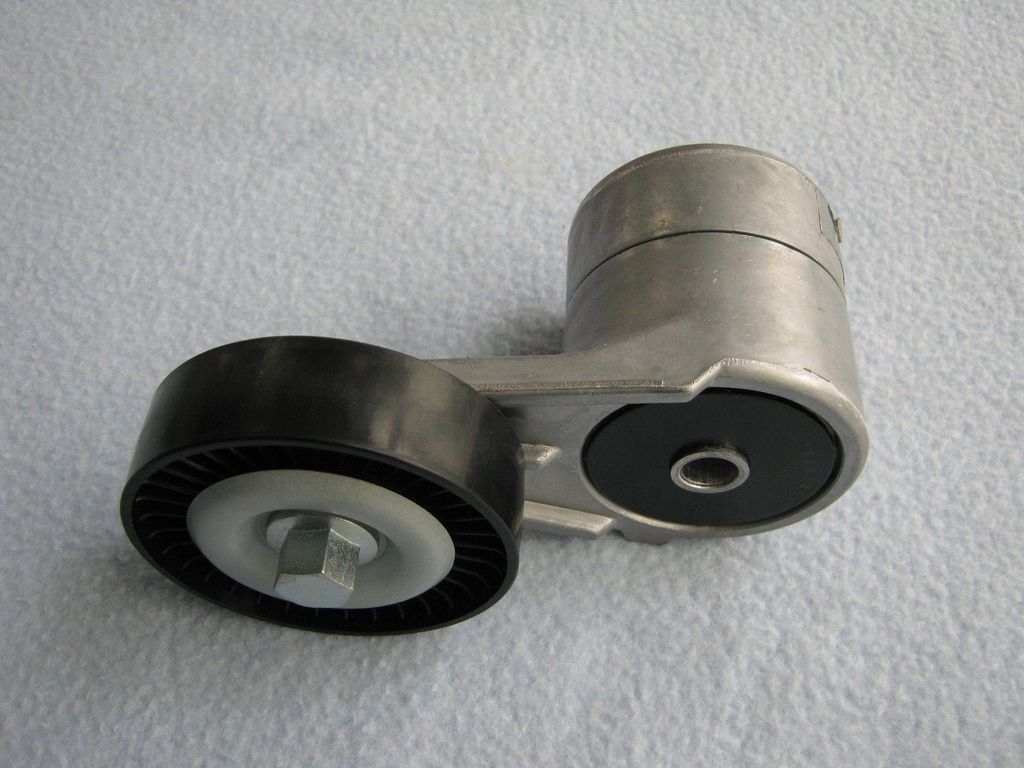
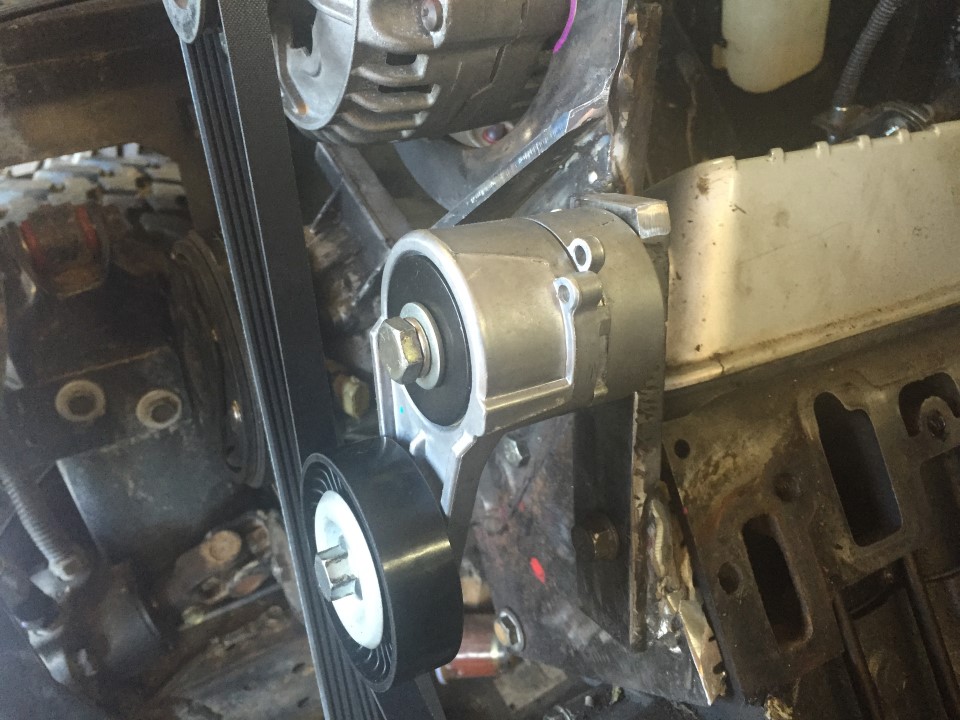
Now the final thing we need to sort out is the belt tensioner system. As you may have noticed in the pictures the alternator is fixed, so we needed some form of tensioner. We did consider reusing the standard style tensioner, but I prefer a spring loaded tensioner so no issues with belt slip etc. We ordered a belt tensioner from a 1998-2004 Holden Astra TS 1.8L.


1_zpshbel7bv0.jpg


2_zpscvisydgl.jpg


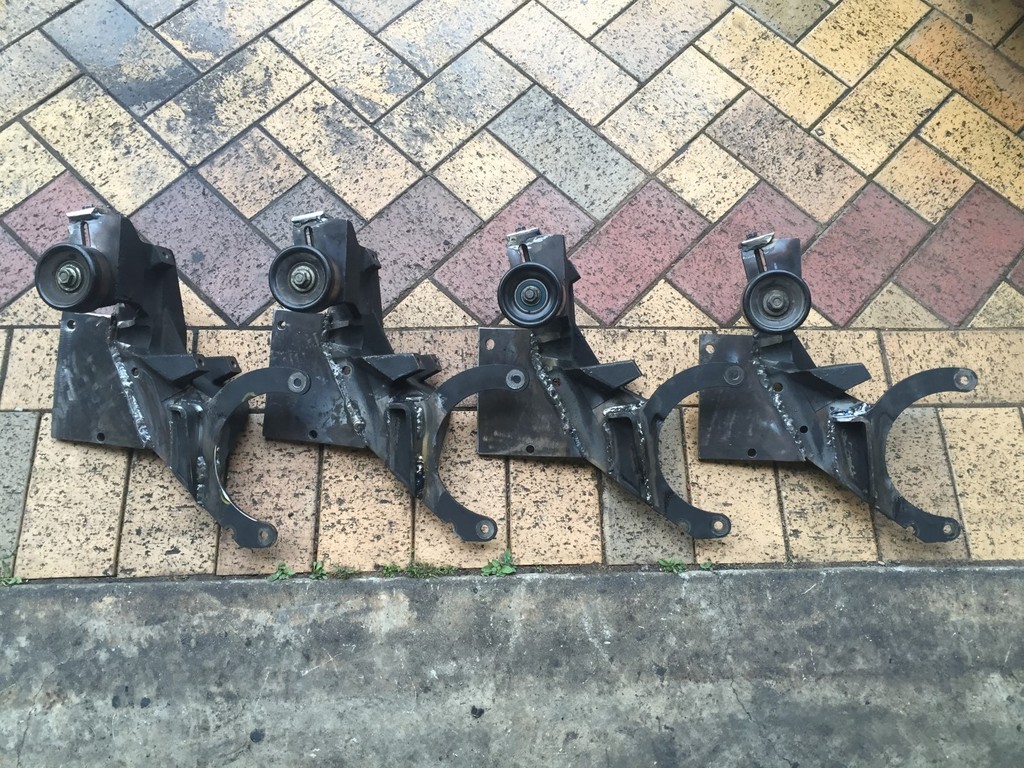
While we were waiting for the tensioner to arrive, we just needed to create matching brackets for the other engines.


IMG_1976%20Large_zpsolnxgjof.jpg


IMG_1978%20Large_zpsankx7ila.jpg


IMG_1980%20Large_zpsoruf5rqc.jpg


IMG_1997%20Large_zpsdxcymf3n.jpg


IMG_2001%20Large_zpsrx7lljtc.jpg


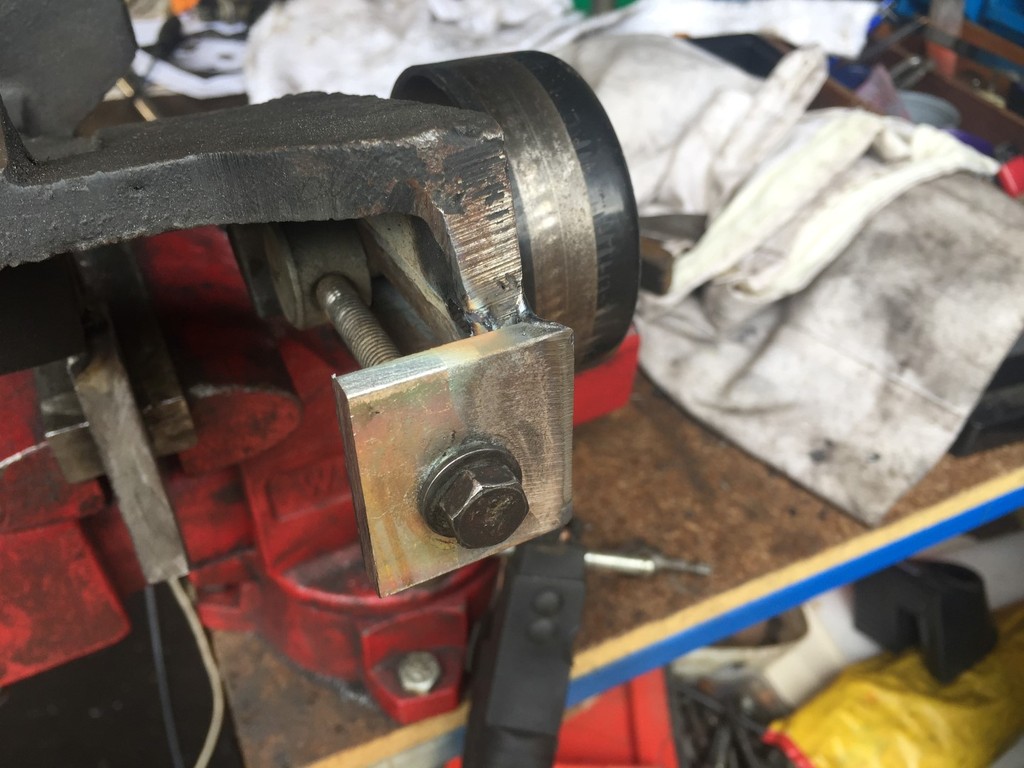
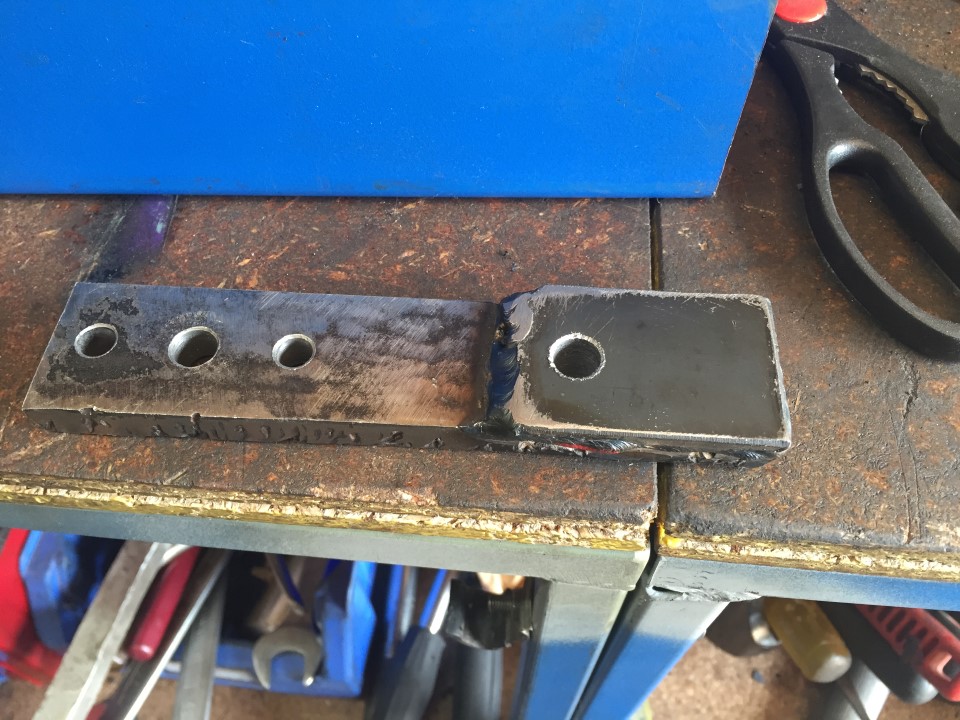
At this point we did have to make a slight design change… To get enough clearance from the alternator belt tensioner we decided it would be better to pull the top aircon belt downwards rather than the bottom one up. Unfortunately the manual tension can only “pull” upwards, so we had to weld a plate on the bottom and flip the direction of the tension bolt. Not too much work, but still takes time.


IMG_1990%20Large_zps9zzjl7o5.jpg
 
Last edited:
Unfortunately when the belt tensioner arrive it appears the spring pressure is reverse of what I wanted (It pulls clockwise, would have been better pulling anti-clockwise), however I was still able to mount it on an extended “bar” that fits just below the engine cover. I was able to add metal plates to get the offset correct, welded a nut on the back so it could be easily screwed into place and drilled 2 locating holes for the locating pins to keep it in correct alignment.


Tensioner%2001_zpsj92vrfvu.jpg


Tensioner%2002_zpski3eqam5.jpg


Tensioner%2003_zps7cn5cb9i.jpg


Tensioner%2005_zpstbvdcgpd.jpg


Tensioner%2006_zpsnqbp4lim.jpg


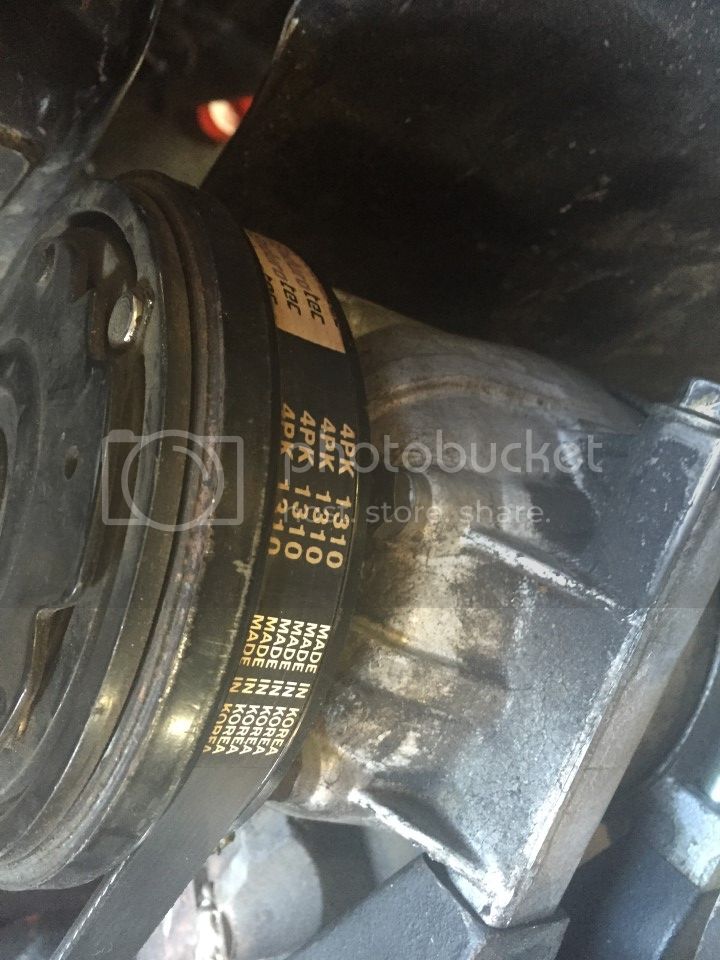
Once the tensioner was installed I was able to measure and order some belts. Luckily the lengths I required were “standard” sizes from other cars, so weren’t overly expensive. Belts seem to fit very nicely, time will tell whether it throws a belt or not.


Belts%2001_zpsrcdhqeoz.jpg


Belts%2002_zps2y0edrwf.jpg


Belts%2003_zpsge31lysb.jpg


Belts%2004_zpsyu0gpnnl.jpg


Also purchased a rotatable thermostat housing as the standard housing wasn’t going to fit with the new tensioner.


Thermostat%201_zpsbh0wxf7w.jpg


Thermostat%202_zpszzgaekfh.jpg
 
Next stage was design a new radiator/cooling system. Problem with a 40 series landcruiser is there is very little space for a radiator, (In terms of width) which also makes it hard to mount electric thermofans.


The big problem I found even running a SPAL thermofan is you really require the shroud to get proper cooling from the radiator. Those 16” thermofans without a shroud do move a lot of air, but only from ~50% of the surface of the radiator core that it covers.


IMG_4796%20Custom_zpsqyjhgwbr.jpg


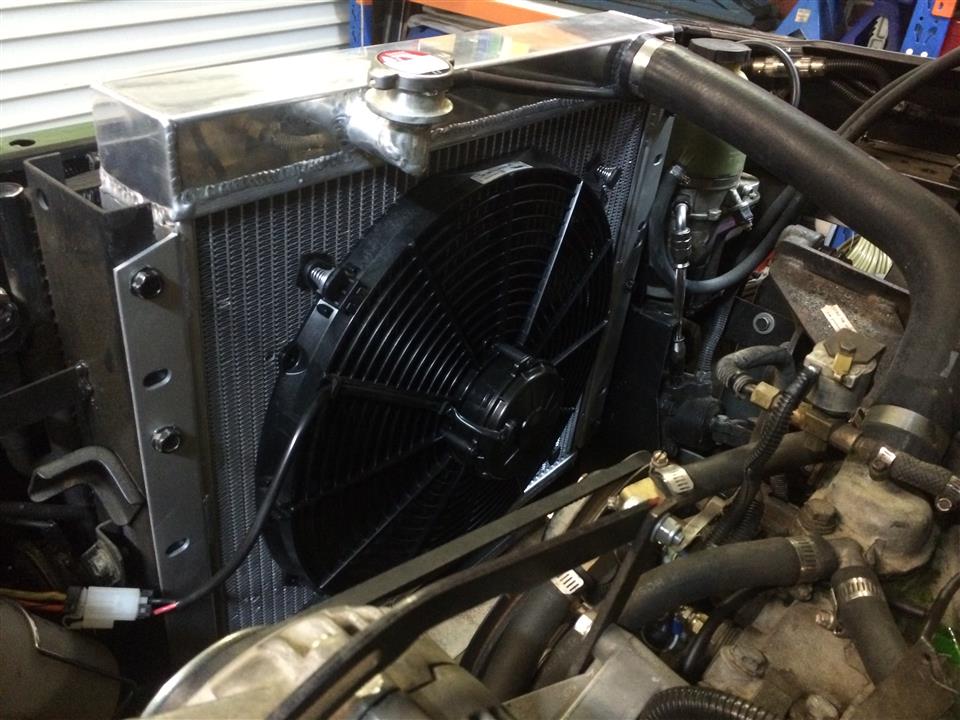
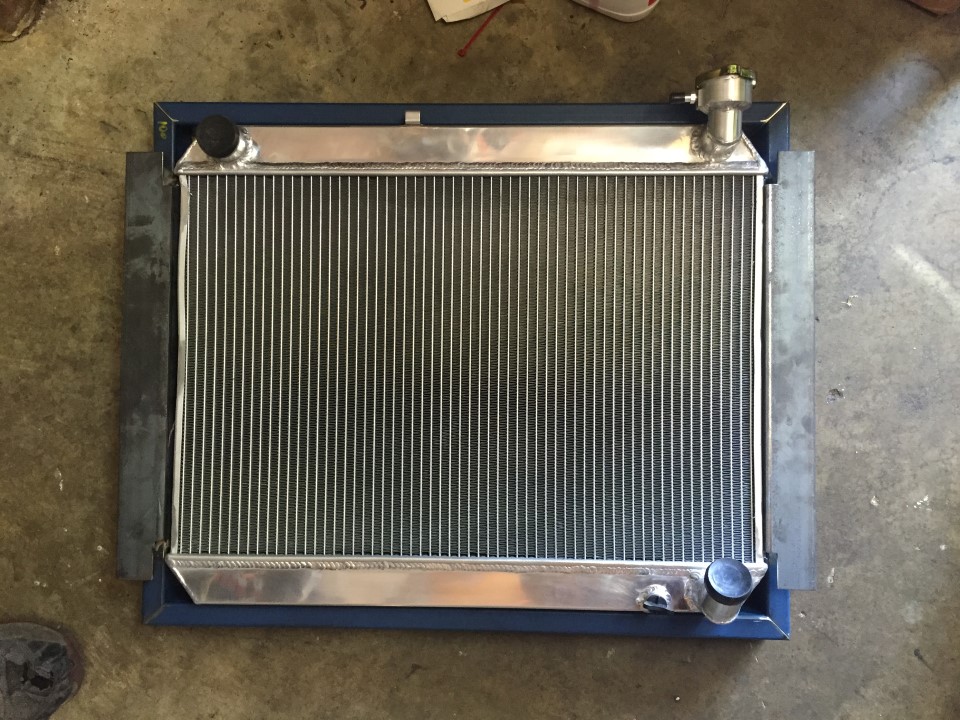
So after lots of research and design, I decided to try and use some Ford Falcon AU thermofans including the shroud. Now there isn’t enough room to mount them horizontally, but I did have enough space to mount it virtually providing they sit down between the chassis rails. Next stage was to find a suitable radiator to mount virtually….


I did enquire about custom radiators, but the $1200+ price tags were a bit scary. So instead after lots of research I found that a 60 series radiator will potentially fit with the inlet/out pipes in the correct location. I purchased an all alloy unit (One of the Chinese made ones) from ebay… Not sure how good the quality will be but it’s less than 1/3rd the price of a PWR. Only modifications will be cutting the filler neck and rewelding it on to face upright (90 degrees from stock position).


I also decided to use the same mounting system I used in the VX, as in having a plate sit on top of the radiator core and drilling through the top layer and pop riveting the plate to the core. (The trick is to drill through a cork and cut the cork to the correct length and leave it on the drill bit, so when you drill down the cork is “sandwiched” between the radiator core and the drill, this prevents you drilling too deep and damaging the core where the coolant flows through).


By pop riveting a plate at the top and bottom of the core I am able to “hold” the radiator in place. The design is to build a “frame” to mount directly to the radiator, and the radiator frame can be electrically isolated from the chassis frame using rubber mounts (To prevent electrolysis).


(Note: The first radiator I ordered was damaged during transit, so I was given a new replacement. I am using the damaged one for mock up and trial fitting).


Although the design is simple, it ended up being a lot of work as space is really tight and I had to do some creative fabrication to minimize how low the radiator frame sits.


Radiator%2001_zpsun5og4vn.jpg


Radiator%2002_zpsqv0uur8h.jpg


Radiator%2003_zpsqo2izvrt.jpg


Radiator%2004_zpskvasydnr.jpg


Radiator%2005_zpsrtcfjwue.jpg


Radiator%2006_zpsp1ddkdpa.jpg


Radiator%2007_zps0ztlyt9y.jpg


Radiator%2008_zpsjy28pn5y.jpg


Radiator%2009_zpsrxsmfzfx.jpg


Radiator%2010_zps6grnopig.jpg


Radiator%2011_zpsj2myef5o.jpg


Radiator%2012_zpst4qdvwen.jpg


Radiator%2013_zpsjzanjwbf.jpg


Radiator%2014_zpsksslng7i.jpg


Radiator%2015_zpsq5y2n13w.jpg


Radiator%2016_zpsj9noex4c.jpg


Radiator%2017_zpshfuz8i4w.jpg
 
Last edited:
Note: There will be another rubber bush at the bottom, then a large washer and nut clamping down on it. Just for mock up purposes I left it out


Radiator%2018_zps01mrkrlo.jpg


Radiator%2019_zpseypnd9mu.jpg


Radiator%2020_zpswj5x1y6m.jpg


Radiator%2021_zpsg1h1vqff.jpg


Radiator%2022_zpsiaakfo33.jpg


Radiator%2024_zpshtftpwbh.jpg


Radiator%2025_zpsfdwmghoz.jpg


Radiator%2026_zpsxtuesq6f.jpg
 
Last edited:
Meanwhile the blocks/heads were acid dipped over the previous weekend and then inspected. All 5 blocks had minimal wear and the heads were crack test with no issues. So the decision was made to power hone the bores (Which apparently straightens the bores compared to a normal hone which just smooths them out). The power bore apparently also leaves a much smoother finish so there is minimal run in procedure for the new piston rings.


The block and head surfaces were decked to ensure a perfect fit. The valve guides look in good condition and don’t need replacing which is good. It was then just a matter of fitting up new cam bearings and the cam cover retainer thing.


Went down and picked up the finished engine parts as well as 5 new gasket sets, main bearings, conrod bearings, welsh plugs, piston rings and running in oil.


IMG_1881%20Large_zps3a0dahmk.jpg


IMG_1887%20Large_zpsy3njfvcx.jpg


IMG_1901%20Large_zpseywfdu2m.jpg


Running out of space in the shed… so hallway it is.


IMG_1890%20Large_zpsxrokb9oo.jpg


IMG_1893%20Large_zpscns5j0xy.jpg


Next stage was cleaning…. Oh so much cleaning.


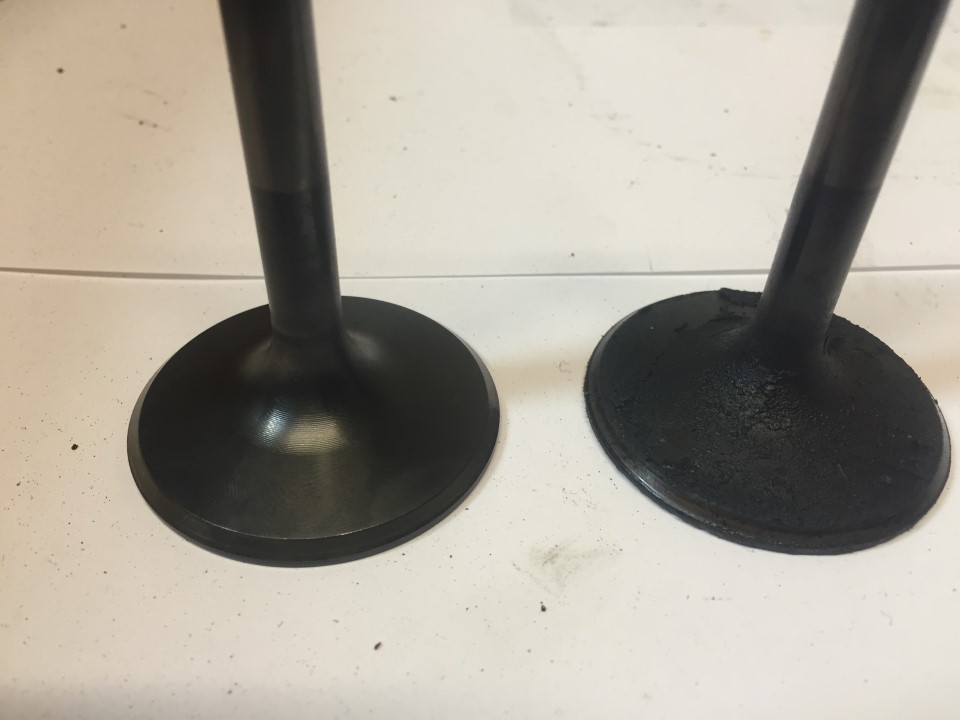
Luckily I found that a 50/50 mix of Chemtech CT14 degreaser and kerosene works amazingly well at removing sludge, grease, carbon build up etc.


Chemtech%201_zpsvwx2ijkh.jpg


Chemtech%202_zpsnv7yzk6h.jpg


Chemtech%203_zpssnh68gvj.jpg


Basically let things soak over night and in the morning you can pretty much rinse off everything with hot water. That said, it was incredibly hard work cleaning up the valves (especially the exhaust valves) as the carbon had baked on hard.


Plus when you’ve got ~80 valves to clean it takes a long time…


Here are a few pics of the cleaned pistons and valves. I will post up more pictures when I get to the engine building stage.


Cleaning%2001_zpsviydsr8k.jpg


Cleaning%2002_zpsylqwupbq.jpg


Cleaning%2003_zps5ydpmq2t.jpg


Cleaning%2004_zps4uzczchr.jpg


Cleaning%2005_zpsdbyrunjw.jpg


Cleaning%2006_zpsl3hhdxck.jpg


Cleaning%2007_zpsaosrxj7h.jpg


I also picked up a replacement crankshaft/conrods etc to replace the damaged ones. Once everything was cleaned/sorted it was stack on the shelf ready for engine assembly…
 
Last edited:
That’s when there was another curveball… Yes we bought ANOTHER damn FJ40.


New%20FJ%2001_zpsf4e0iieg.jpg


New%20FJ%2002_zps3tvmmehy.jpg


Basically we purchased this for a couple of reasons…


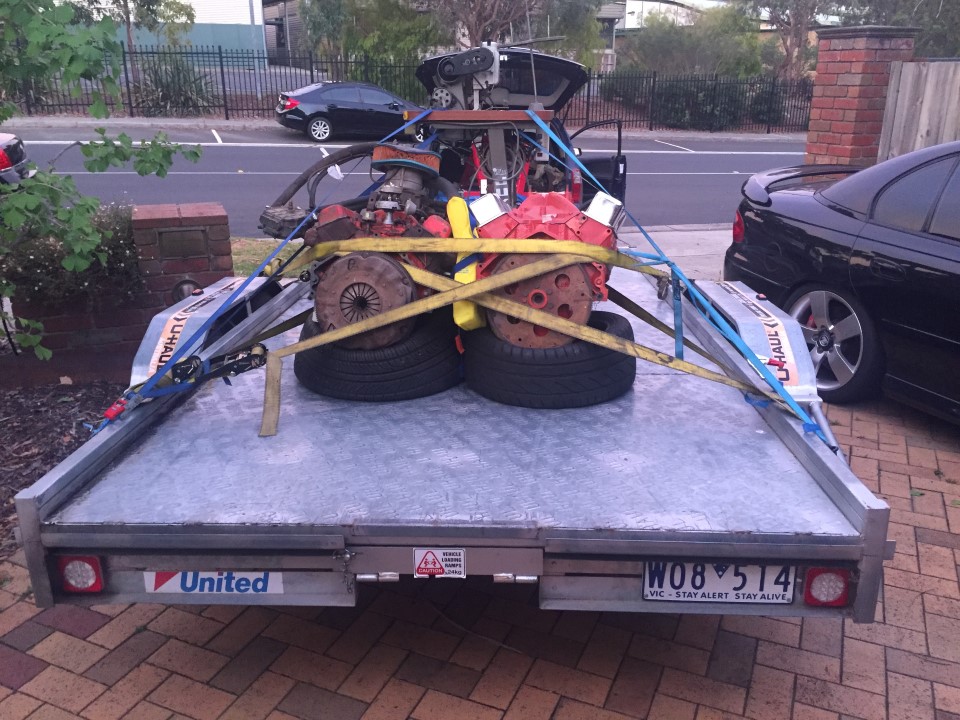
It included a fully rebuilt 400ci Chev V8 imported from USA in 2009 with receipts (Hasn’t been turned over yet but has been stored properly). We plan to sell this motor to cover most of the entire purchase price (The guy didn’t want to separate).


It also included a complete 350ci Chev V8 (in need of rebuild) which was previously installed in the FJ and it also included a commercial grade sewing machine (The sewing machine is for sewing the convertible soft tops and heavy materials etc).


New%20FJ%2003_zpsi551ewnm.jpg


New%20FJ%2004_zpsj7ichgfq.jpg


The chassis is in good condition (Minimal rust etc).


It included an engineering certificate for the Chev V8 engine AND LPG certification and had been previously registered with Vicroads. This means I can present the cert to the mechanic writing the road worthy and then submit the RWC to vicroads with minimal effort/cost.


It included the conversion hardware for the Chev V8 (Engine mounts and bellhousing adapter).


So the plan is to rebuild this FJ40 first using one of the spare 5 speed gearboxes and the white body from the second FJ40 we purchased last year. We will rebuild and use the Chev 350 as we can get it registered using the existing engineering cert.


We also have enough spares and left over parts from the other FJs that the build cost should be pretty minimal.


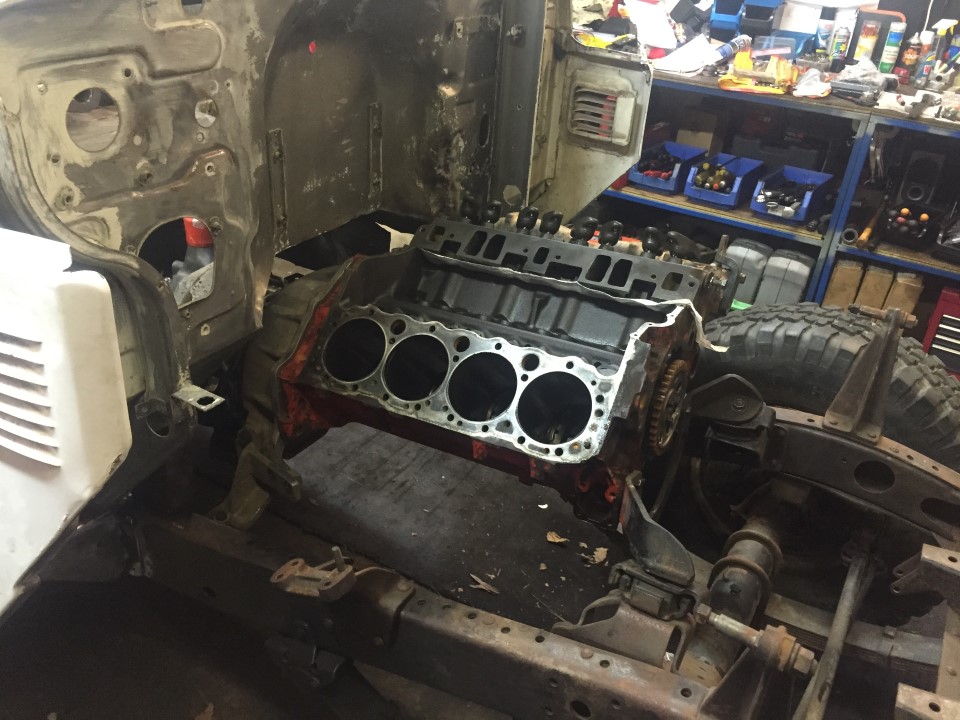
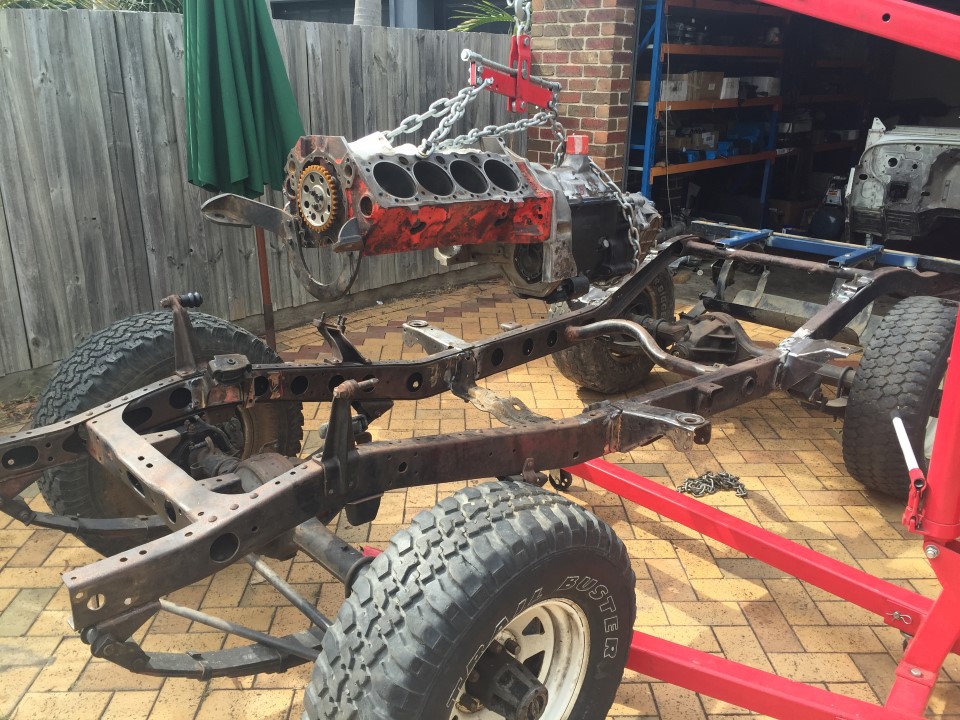
First thing was to tear down the Chev 350 and see what condition it’s in.


Here is an important tip, if you are ever leaving an engine for an extended period of time, make sure you either tape up the intake and exhaust ports or turn the motor periodically.


As you can see, the engine itself looked in reasonable condition but one of the cylinders (which the exhaust valve with in the open position and exposed to the elements) has badly rusted/corroded due to expose to the moisture. Had the exhaust header been taped up this wouldn’t have happened.


Chev%2001_zpssfhdjwrr.jpg


Chev%2002_zpsdbqea63q.jpg


Chev%2003_zpsmbloilpv.jpg


Anyway after a little bit of time with a light gauge sandpaper we removed most of the contaminants and crap. The good news is that it doesn’t appear to have rusted much of the bore. Not sure if its salvageable, will see what the machine shop says.


Chev%2004_zpsssqajb9z.jpg


Chev%2005_zpsmhfdnpas.jpg


I took engine down to the workshop for an inspection… Unfortunately the bore is too damaged for just a hone, but it can be rebored to .040” over.


So the plan is to…

Acid Hot Dip the block

Bore and hone to .040” over

Shave the block/heads

Fit new flat top pistons

Regrind/clean/balance the crank

Fit a new performance cam and genuine lifters

Fit a new double row timing chain and gears

Fit a new performance oil pump

New gasket set including single piece sump gasket

New bearings (Main caps, conrods, cam)

Clean and reseat the valves

Inspect and possibly replace the valve springs
 
In the mean time we wire brushed and cleaned up the rocker covers, intake manifold, sump etc and gave them a coat of paint.


http://i1224.photobucket.com/albums/ee369/feistl/Engine%20Paint%2001_zpsu4solcuw.jpg[/

IMG]


[IMG]http://i1224.photobucket.com/albums/ee369/feistl/Engine%20Paint%2002_zps1h0y4mi2.jpg


Engine%20Paint%2003_zpsnincohin.jpg


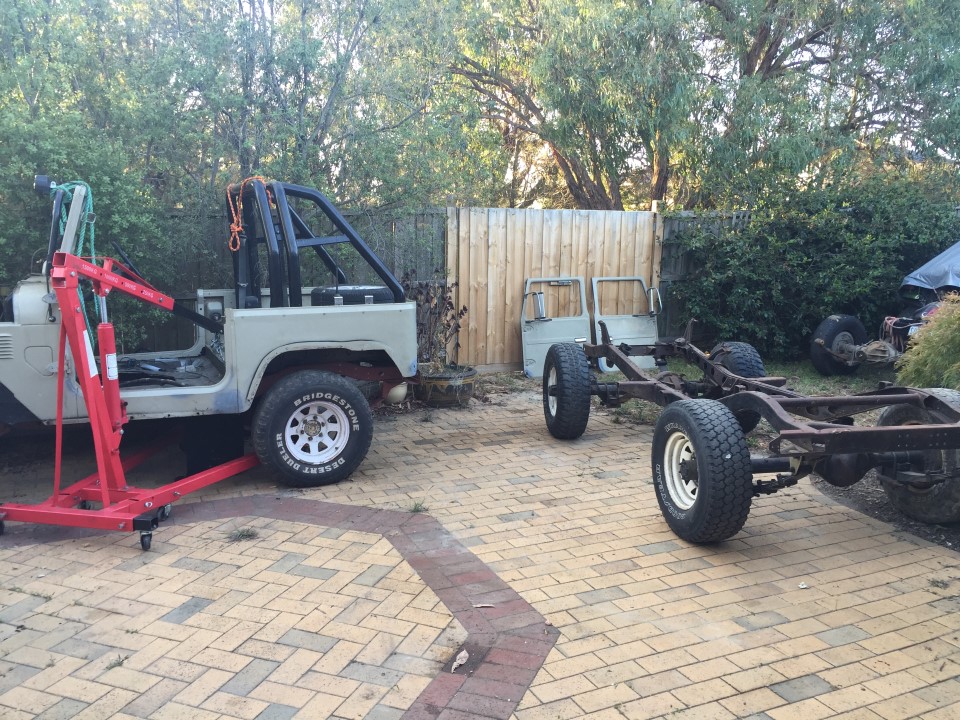
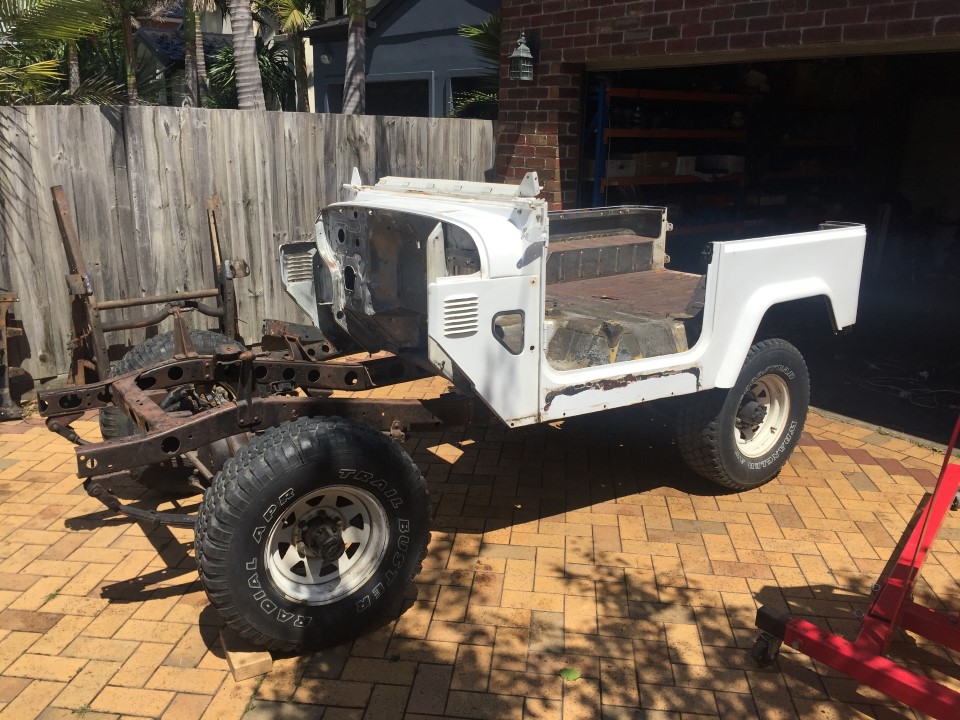
First stage of preparing the newest FJ40 was to take it around the back and take the body off and put the body on the spare chassis we had (for somewhere to store it).


Moving%20Bodies%2001_zpscfyq1swg.jpg


Moving%20Bodies%2002_zpsdhpokjzv.jpg


Moving%20Bodies%2003_zpsiirb3xpx.jpg


Moving%20Bodies%2004_zpsqio3mboe.jpg


Moving%20Bodies%2005_zpsm2b8x7oo.jpg


Moving%20Bodies%2006_zpsaag9n7jc.jpg


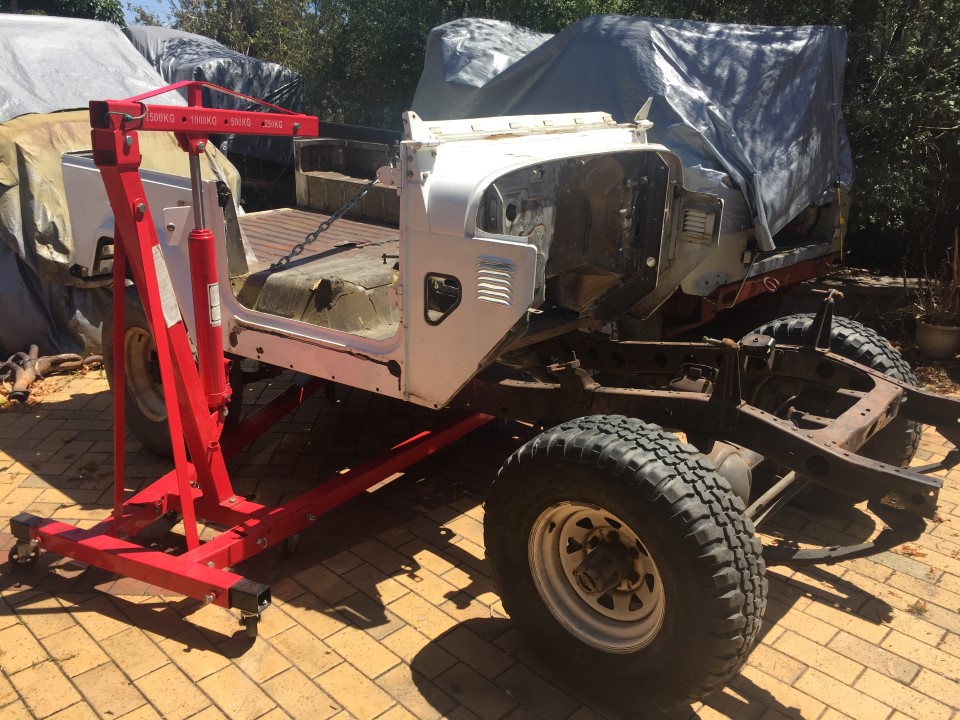
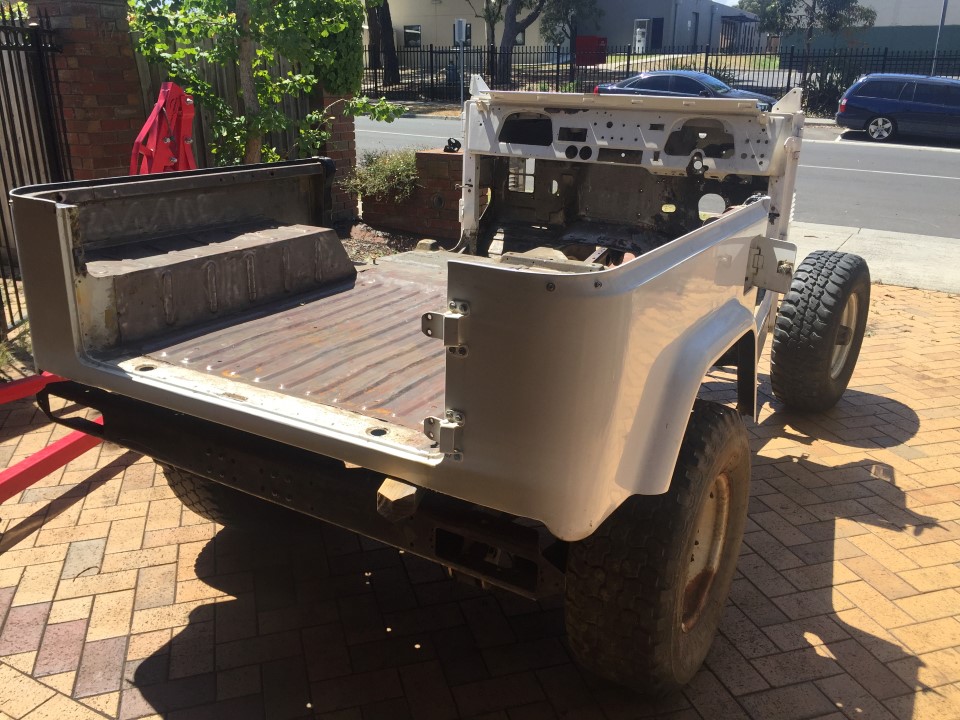
The following day we grabbed the donor white body from under the tarp and put it on the new chassis… Which is when the problems started.


Moving%20Bodies%2007_zpstgjqk5cm.jpg


Moving%20Bodies%2008_zpsu2axa7v8.jpg


Moving%20Bodies%2009_zpszl2hzdzf.jpg


Moving%20Bodies%2010_zpsx8bgohhb.jpg


Unfortunately the chassis is a 1977 model, while the white body is a 1982 model. In 1979 they switched from a “Flat floor” to a “raised floor” and moved the fuel tank from inside the cab to underneath. In doing so, they also changed the body mounts….


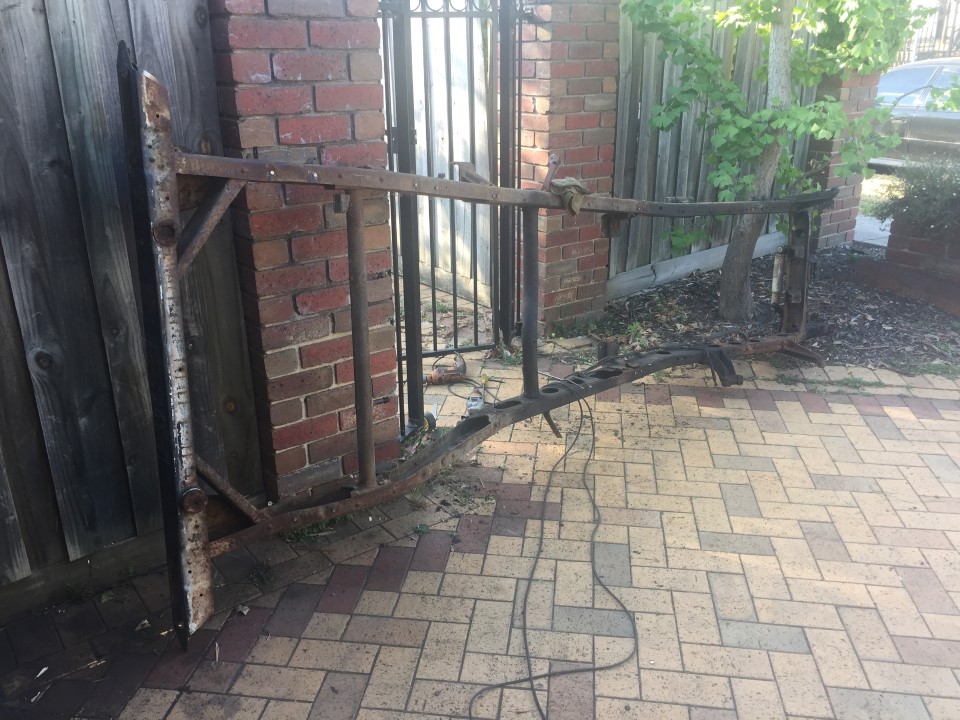
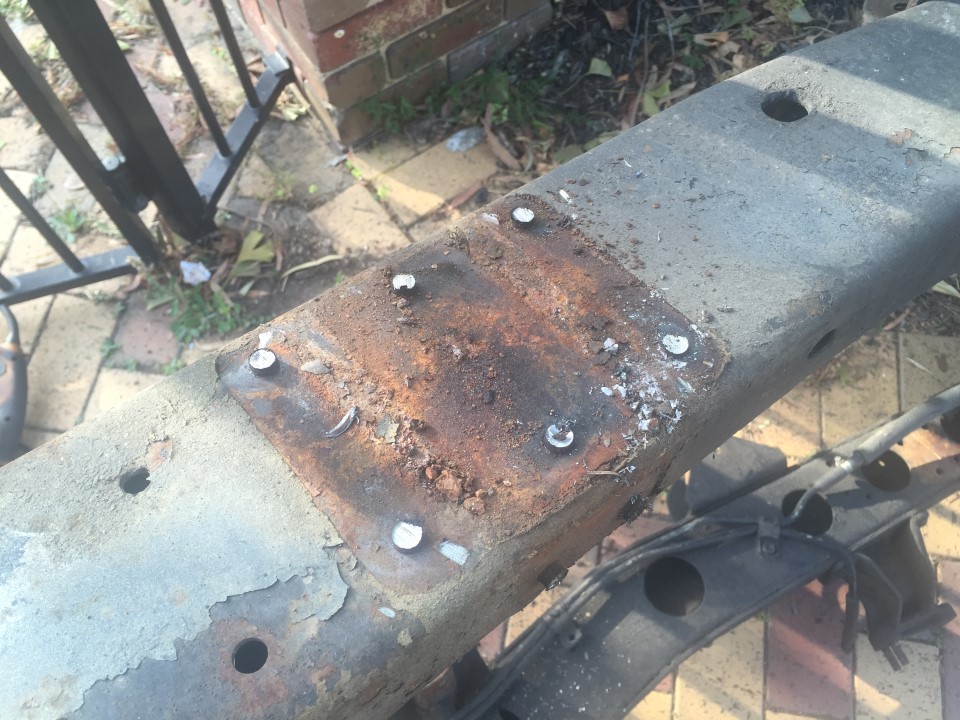
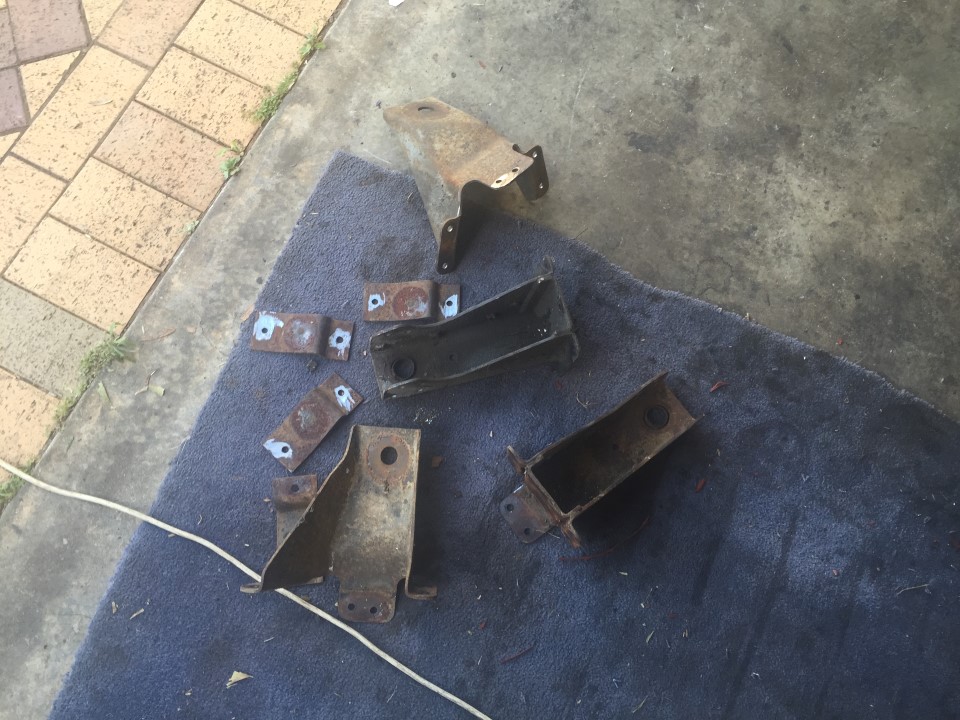
So the white body wasn’t lining up with the body mounts on the new chassis. So we grabbed the original white chassis (which has been in storage beside the house for the last 12 months) and had to grind off all the body mounts.


It also meant grinding the body mounts off the new chassis…


Body%20Mounts%2001_zpsgl1tbeb5.jpg


Body%20Mounts%2002_zpsu2gtwqzb.jpg


Body%20Mounts%2003_zpsk3yvuarl.jpg


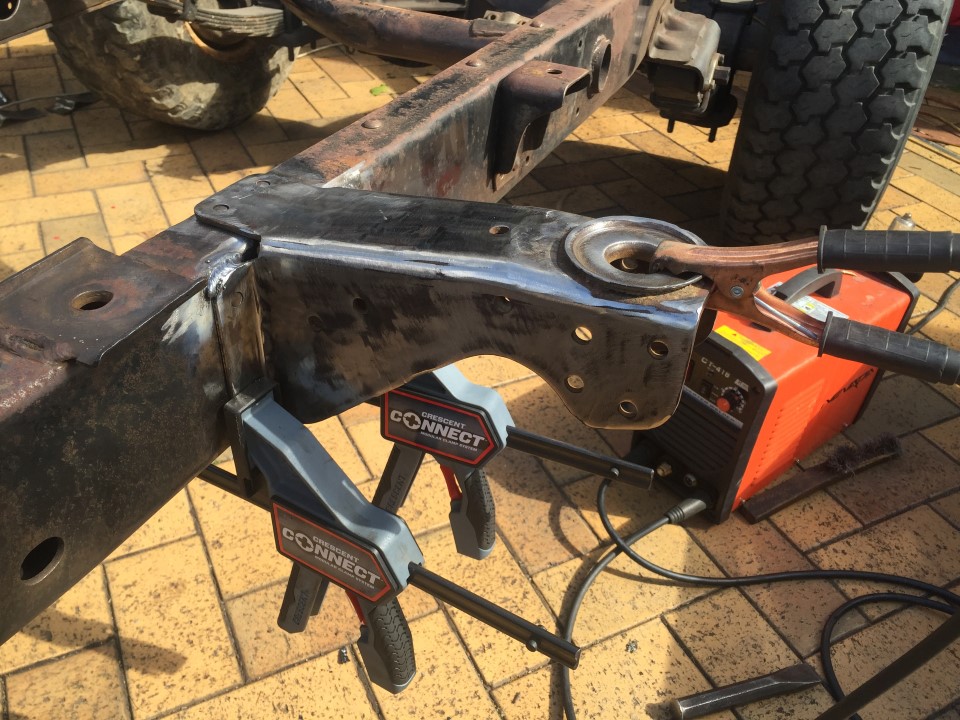
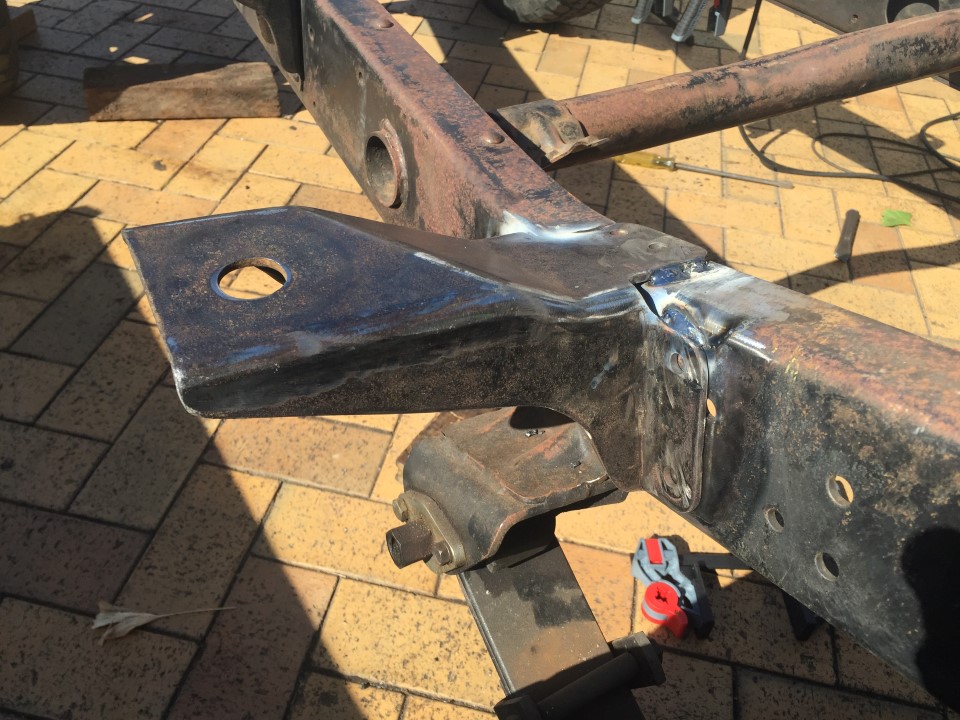
I was then able to tack weld on all of the 1982 mounts onto the 1977 chassis. Luckily when Toyota changed the mounting system they kept the location on the chassis the same, so working out where to put the mounts was pretty straight forward.


Body%20Mounts%2004_zpsrztcksfq.jpg


Body%20Mounts%2005_zpsbjfkqwyj.jpg


Body%20Mounts%2006_zpsd3pfrsie.jpg


Body%20Mounts%2007_zps6hjauzms.jpg


With the mounts tacked on, we could put white body back on to double check the alignment etc. Once I was happy with the alignment and mounting locations for the body, we could trial fit the engine/gearbox.
 
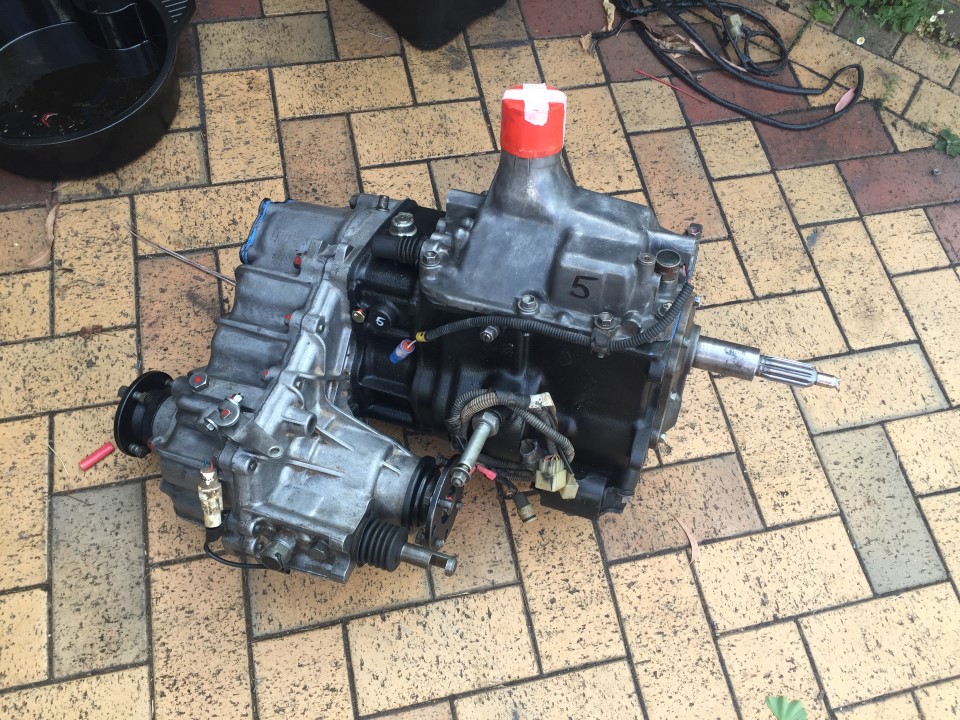
So we grabbed the bare engine block and one of the spare 5 speed gearboxs and bolted them together.


Trail%20Fit%2001_zpsoax4i2lw.jpg


Trail%20Fit%2002_zpsgdkblafu.jpg


Trail%20Fit%2003_zpsbrh1pdbj.jpg


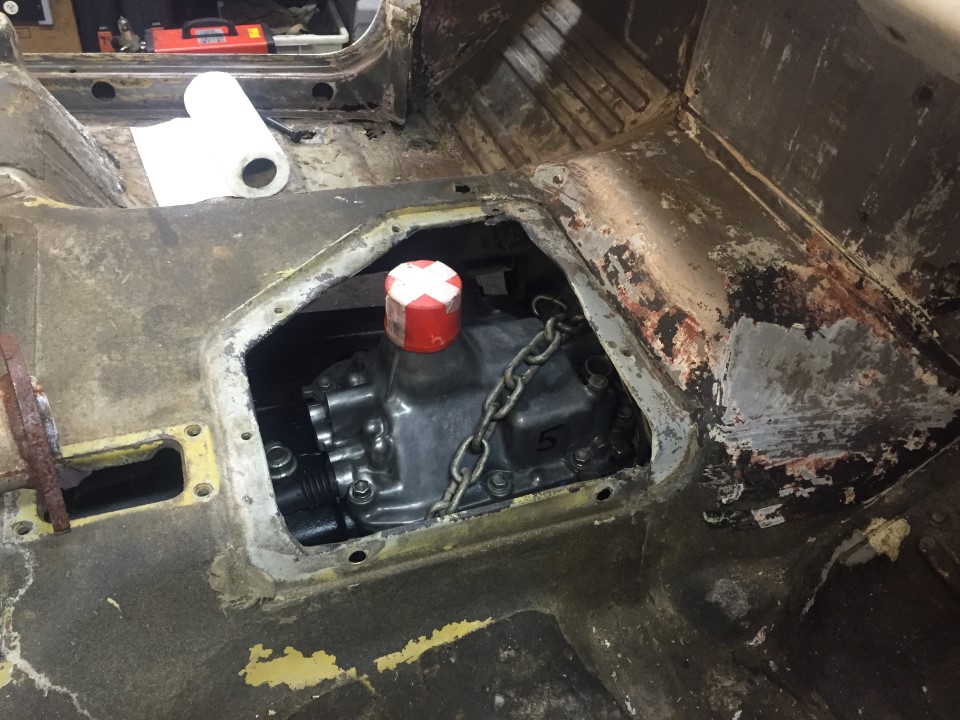
Then temporarily installed the engine/gearbox into the chassis using the standard placement and put the body on.


Trail%20Fit%2004_zpsfgasgpks.jpg


Trail%20Fit%2005_zpsdtjrrtxr.jpg


The engine was too close to the body for our liking and meant the gearshifter location was a bit too far back from an interior perspective. It also would have meant the rear tailshaft would have been very short, which is a problem for tailshaft travel and CV angles.


Trail%20Fit%2006_zpsajbmijzs.jpg


Trail%20Fit%2007_zpsitmmm4gg.jpg


So we grinded off the engine mounts and the standard 4 speed gearbox mounts (the 4 speed gearbox has the mounts on the bellhousing, but the 5 speed uses a cradle under the gearbox due to the increased length and weight).


http://i1224.photobucket.com/albums/ee369/feistl/Weld Mounts 01_zps2wbo4qws.jp

g


Weld%20Mounts%2002_zpss0hho37w.jpg


Weld%20Mounts%2003_zps5ztstauv.jpg


We then bolted the engine and gearbox mounts onto the engine and gearbox, and then “held” them in place with the engine crane/clamps.


Weld%20Mounts%2004_zpsikmsnyea.jpg


There was a lot of trial and error as there is a number of factors to consider (distance front to rear, side to side, angle from front to back, height at the engine/gearbox, tailshaft angles and length, sump placement and clearance, gearbox to ground clearance etc etc).


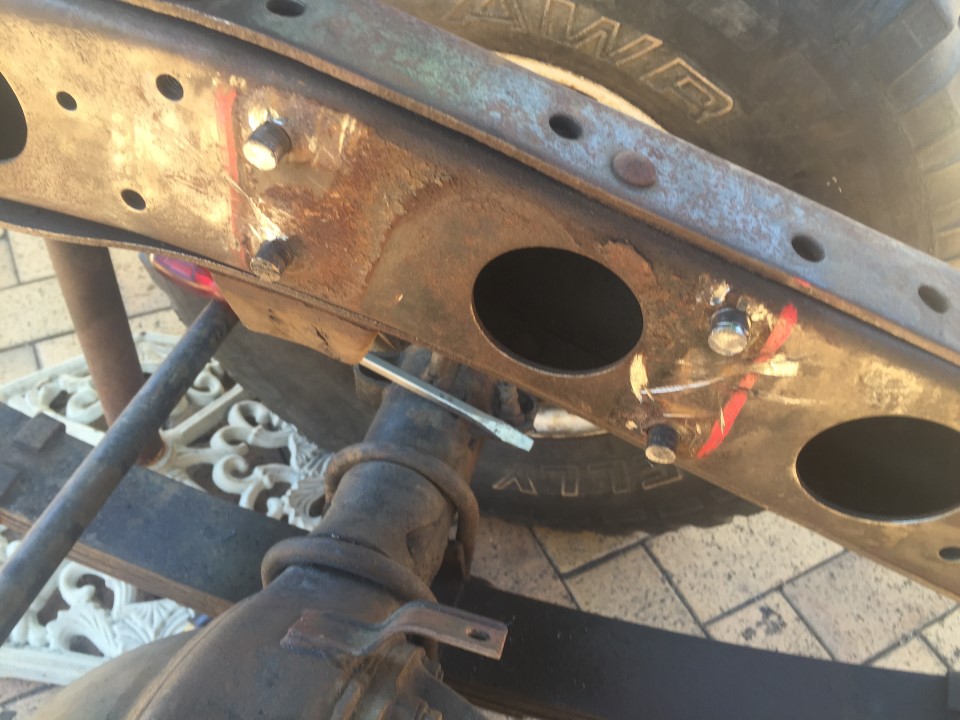
Once we were happy with placement I tack welded the engine and gearbox mounts into place.


Weld%20Mounts%2005_zpswjarfjpt.jpg


Weld%20Mounts%2006_zpsdfm5fxgu.jpg


Next step was welding a frame up to hold the LPG tank in place (As we were doing a 2” body lift we are able to mount the LPG tank higher up which gives more ground clearance.


LPG%20Tank%201_zpsvbniaukp.jpg


LPG%20Tank%202_zps4nmnbmdw.jpg


We then dropped the body on for one last clearance check and confirmed alignment etc. I was very happy with the placement, it was pretty much millimeter perfect.


Weld%20Mounts%2007_zpszyezocnv.jpg
 
Last edited:
Then it was just a matter of taking the body off and removing the engine/gearbox…


Welding%20Chassis%2001_zpsktijwdh6.jpg


Welding%20Chassis%2002_zpsgpcrjo6r.jpg


Welding%20Chassis%2003_zpsrjmz2cvl.jpg


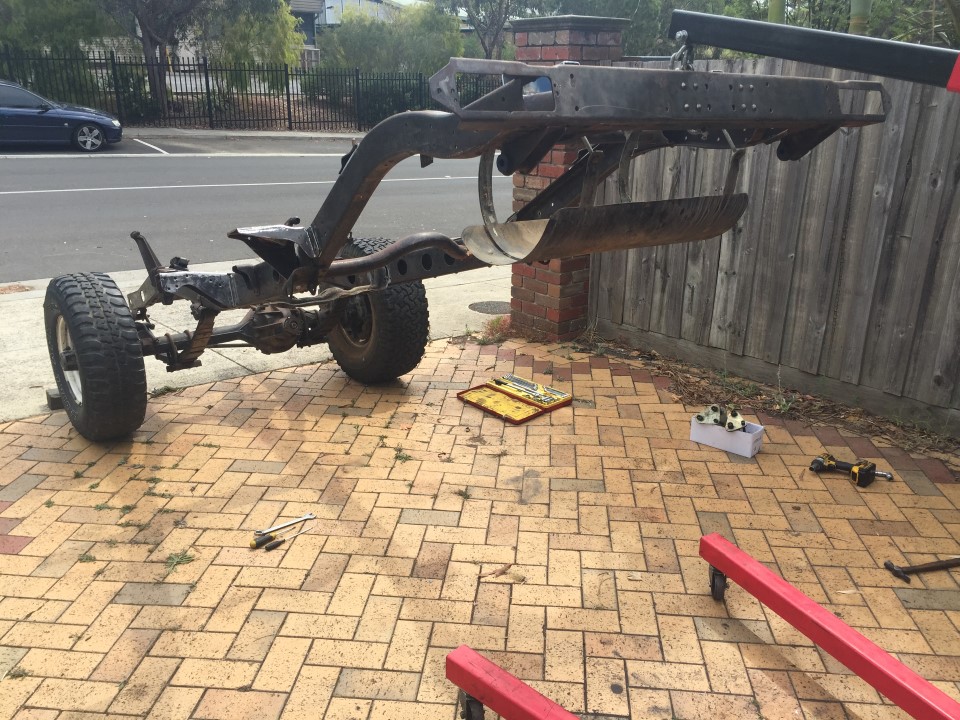
Then dropped off the axles/springs…


Welding%20Chassis%2004_zpsysgz6lis.jpg


Welding%20Chassis%2005_zpsnfd2hwro.jpg


Welding%20Chassis%2006_zpsaasknufc.jpg


Welding%20Chassis%2007_zpsis68jlm8.jpg


Welding%20Chassis%2008_zpslwpuwyqc.jpg


Welding%20Chassis%2009_zps1rwoirpp.jpg


Welding%20Chassis%2010_zps7iwnbmip.jpg
 
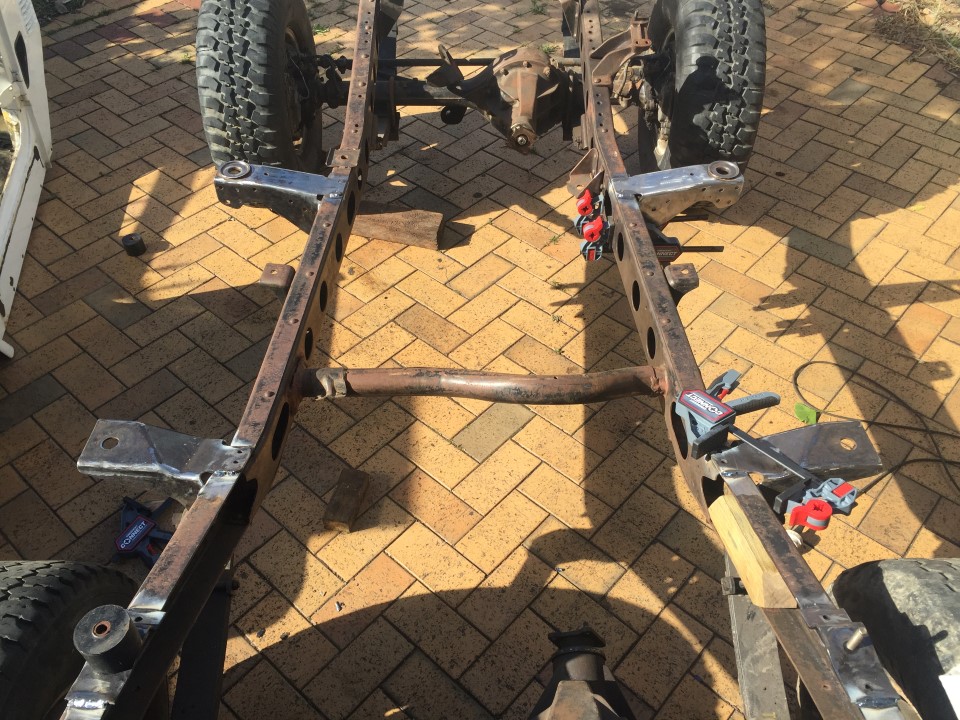
Then we were ready to start properly welding everything up. This was made easier by the fact we could stand the chassis up (no vertical welding).


Welding%20Chassis%2011_zpsldobisjk.jpg


Welding%20Chassis%2012_zpseyyquihp.jpg


Welding%20Chassis%2013_zpsodsvsyso.jpg


Welding%20Chassis%2014_zpsltp0mf4s.jpg


Welding%20Chassis%2015_zpsy4kngwbk.jpg


Once everything was welded up we reinstalled the engine/gearbox/body for one final check, the good news is the alignment is perfect.


Now the chassis was pretty much finished from a modification point of view, we turned the attention to the body. First problem was the steering linkages…


As we were doing a 2” body lift, the end of the steering column no longer lines up with the standard 40 series steering box.


On the other vehicles this isn’t a problem as we are doing the 60 series power steering conversion, but as this chassis was already engineered we didn’t want to do the steering conversion (as it would have required a new engineering certificate).


So we decided to do a 60 series steering column conversion and use a standard 40 series power steering box for a couple of reasons….


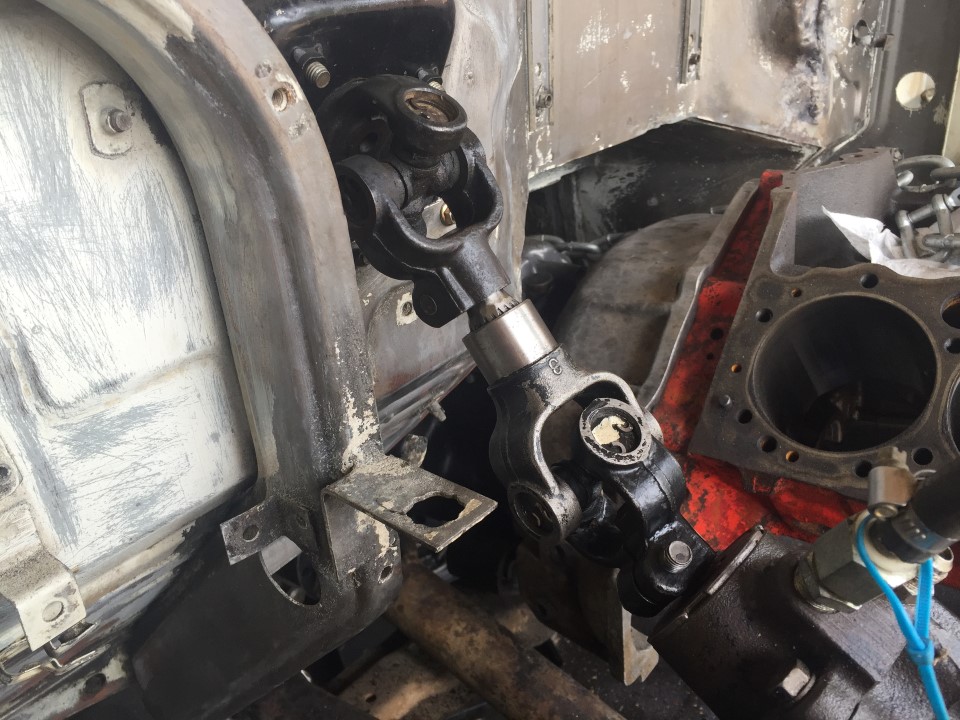
The 60 column has a uni joint on the end of the shaft. We want to use the 60 series columns for the remaining vehicles as it has the headlight switch built as part of the column rather than having buttons on the dash. So this was a good test for length, functionality etc.


We were lucky enough that there is just enough room to run a second uni joint between the 40 series box and the column. The alternative was to cut the firewall and move the column down by 2 inchs but this causes other alignment issues.


The double CV joint also removes the standard rubber insulating pad that the 40 series column uses, so should give slightly better steering feel.


Steering%2001_zpsxjxoxt40.jpg


Steering%2002_zpszg8mwyoz.jpg


Steering%2003_zpsnp5jykzd.jpg


Steering%2004_zpsrrdfxyxe.jpg


Now that all the chassis welding had been complete, it was time to start prepping the chassis for painting. I had purchased a sandblasting tool and a big compressor, but I was having issues with the compressor leaking fuel… So had to stick with a wire brush and grinding pads.


Chassis%20Painting%2001_zpserb2ihmq.jpg


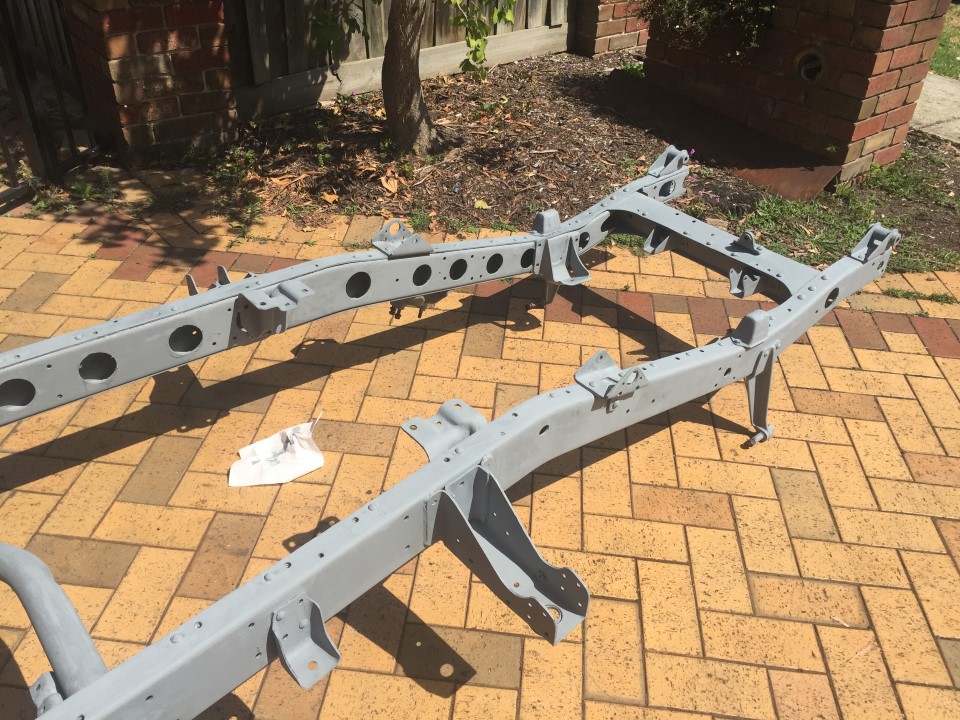
After many hours of prep and removing any flakey paint, grease etc we were able to apply a coat of cold galvanizing paint. It’s really fiddley as you need to paint inside the chassis rails which is difficult to access. However we were able to flip the chassis over which made painting the underside much easier.


http://i1224.photobucket.com/albums/ee369/feistl/Chassis%20Painting%2002_zpslgio9h8u.jp

g


Chassis%20Painting%2003_zpst8andikf.jpg


Chassis%20Painting%2004_zpsixxqh5ur.jpg


Also took the opportunity to paint the axle/diff housings. Same process of prepping and coating in cold gal.


Chassis%20Painting%2005_zps06bbs5pk.jpg


Chassis%20Painting%2006_zps3h9nd8rm.jpg


Chassis%20Painting%2007_zps6nyexlmq.jpg
 
Next stage he wanted to try was to coat the chassis/axles in a thick layer of bitman paint. It’s a bit sticky to deal with, but should give really good water proofing and protection to the cold gal.


Chassis starts to look really good with fresh black (bitumen) paint.


Chassis%20Painting%2008_zpstcsvt3xz.jpg


Chassis%20Painting%2009_zps7eq8wytz.jpg


Chassis%20Painting%2010_zpsobi3vdls.jpg


Now we sort of found AFTER we had applied the bitumen paint that it doesn’t really dry, it always stays a little sticky (especially In the sun). So we got some special driveway paint which dries with a very hard finish and coated over the top of the bitumen paint (Although this time we did a little test area to see how well it would work).


Final result is a very hard coating over the bitumen paint (although also black so can’t really tell in the pictures), so I don’t foresee this chassis ever rusting J. Still took another 3 hours to apply though…


Chassis%20Painting%2011_zps8oq7yjux.jpg


Chassis%20Painting%2012_zpsdywg0bus.jpg


Chassis%20Painting%2013_zps2hj9lqdi.jpg


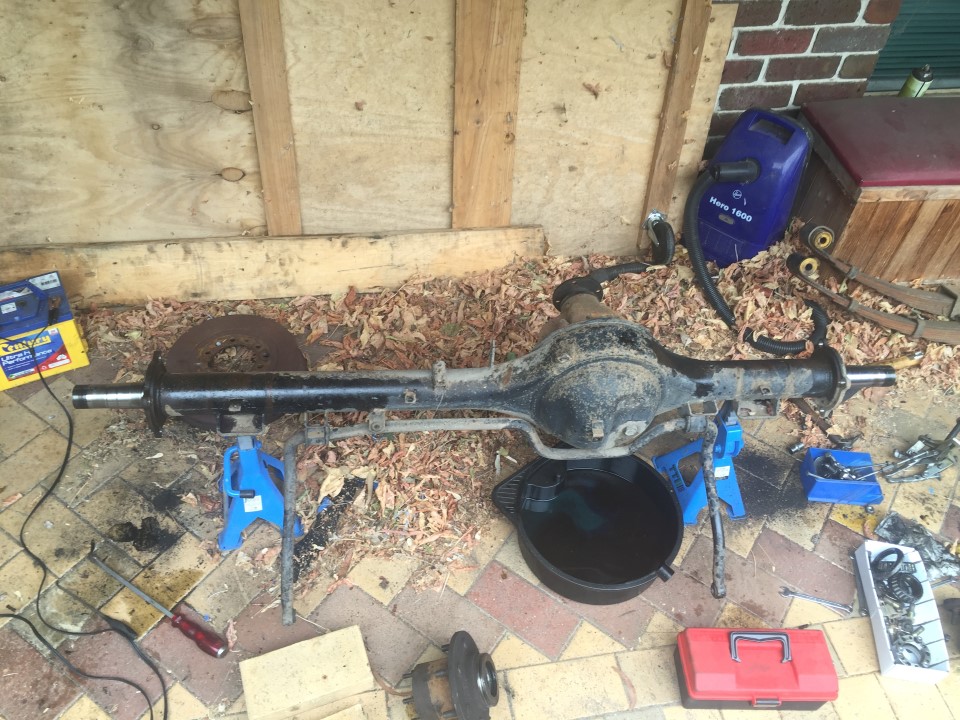
Once the axle was painted/prepped/drying we started prepping the brakes/hubs/diff…


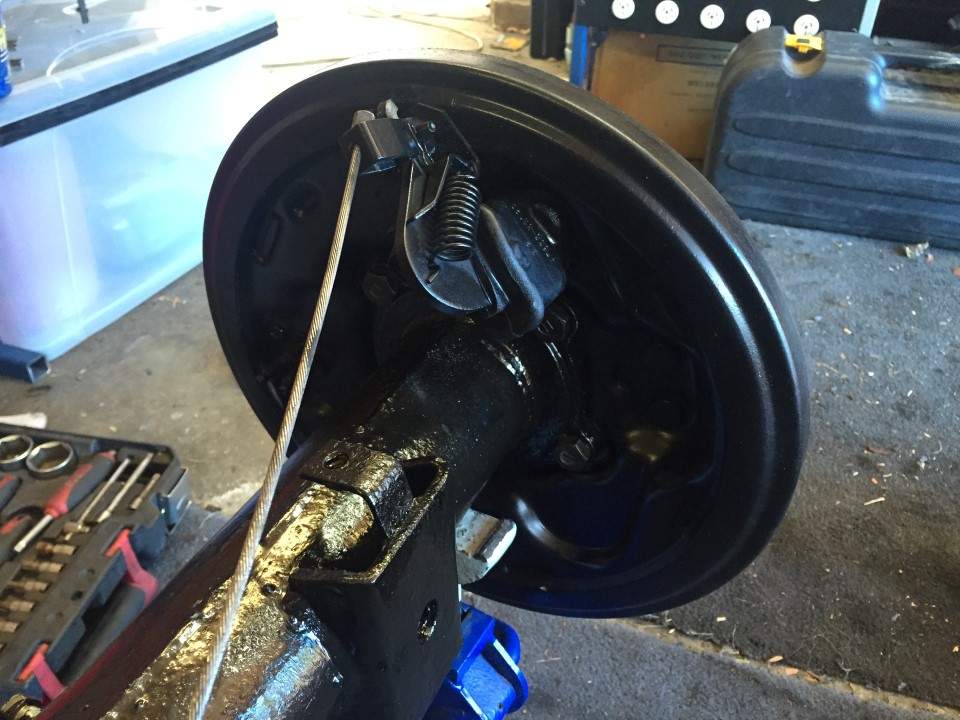
The standard 40 series used a drum handbrake on the back of the gearbox/transfer case (which was crap as the transfer case always leaked fluid into the handbrake so it wouldn’t work). As we were changing to a 5 speed we needed to build a axle handbrake instead.

Luckily the “standard style” handbrake from a 60 series axle can be retrofitted onto a 40 series axle.

Furthermore we actually have a couple of 60 series rear axles we are using on the other FJ40s and will be doing a 4 wheel disk conversion on, so the parts were able to be used as donors.

Next step was to pull the rear hubs/handbrake/brakes from the 60 series axle…


Axle%20Rebuild%2001_zpsdnx3qr46.jpg


Then it was a matter of wire brushing and servicing them in preparation for the axle rebuild.

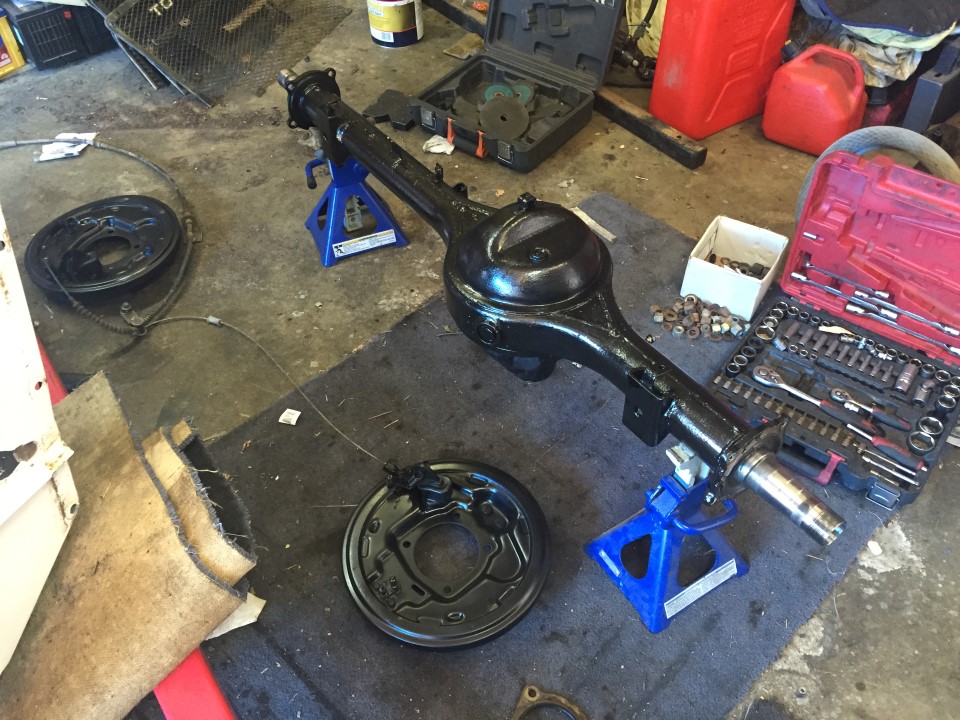
As you can see all nice, clean, painted and ready to assemble.


Axle%20Rebuild%2002_zpswjcqinwn.jpg


Axle%20Rebuild%2003_zpsuyojxhib.jpg


Axle%20Rebuild%2004_zps6ixefydh.jpg


We also decided to use the 5th rebuilt diff we did earlier as a spare, plus decided to fit a spare LOKKA diff centre.

The center is pretty easy to install, and luckily with the shims we had it assembled within specification.


Axle%20Rebuild%2005_zpsxcxjsqkg.jpg


Axle%20Rebuild%2006_zpsktpr9voy.jpg


We then dropped the diff into the old 60 axle so we could easily wire brush and paint without fear of getting crap into the diff gears.


Axle%20Rebuild%2007_zpsrwhpdhy3.jpg


Once everything was cleaned and prepared, we started assembling the rear axle.

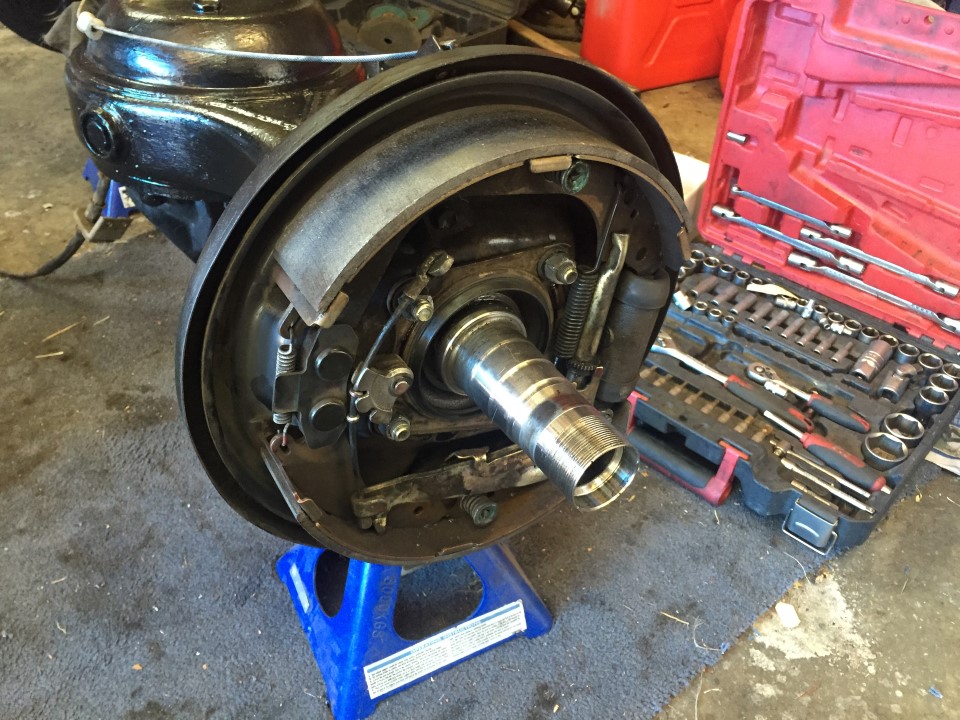
Step 1: Bolt up the brake assembly onto the axle.


Axle%20Rebuild%2008_zpsjoxiollw.jpg


Axle%20Rebuild%2009_zpsvsg49ibr.jpg


Axle%20Rebuild%2010_zpsnqstrbxa.jpg


Axle%20Rebuild%2011_zps38cvbxsg.jpg


Axle%20Rebuild%2012_zpsjaqqymbv.jpg
 
Step 2: Add some grease onto the sealing surfaces


Axle%20Rebuild%2013_zpstl393tdj.jpg


Step 3: Ensured the inside of the hubs was clean, then fit the inner bearings.


Axle%20Rebuild%2014_zpsvc9uvulf.jpg


Axle%20Rebuild%2015_zpse5qyzfvz.jpg


Axle%20Rebuild%2016_zpsi1cfeaww.jpg


Step 4: Fill the hub with grease (Apparently Anglomoil is really good stuff)


Axle%20Rebuild%2017_zpsikvtimg1.jpg


Axle%20Rebuild%2018_zpsucvrafju.jpg


Axle%20Rebuild%2019_zpstpvfcev8.jpg


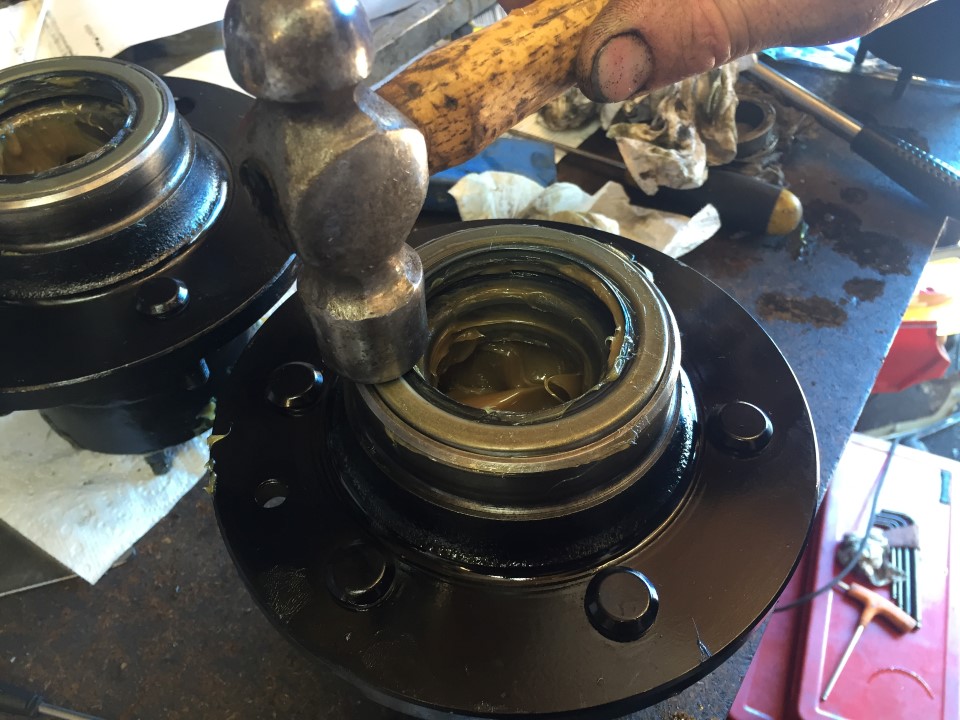
Step 5: Tap the seals into place on the hub


Axle%20Rebuild%2020_zpsdylo1wj5.jpg


Axle%20Rebuild%2021_zpsxlwwyvfw.jpg


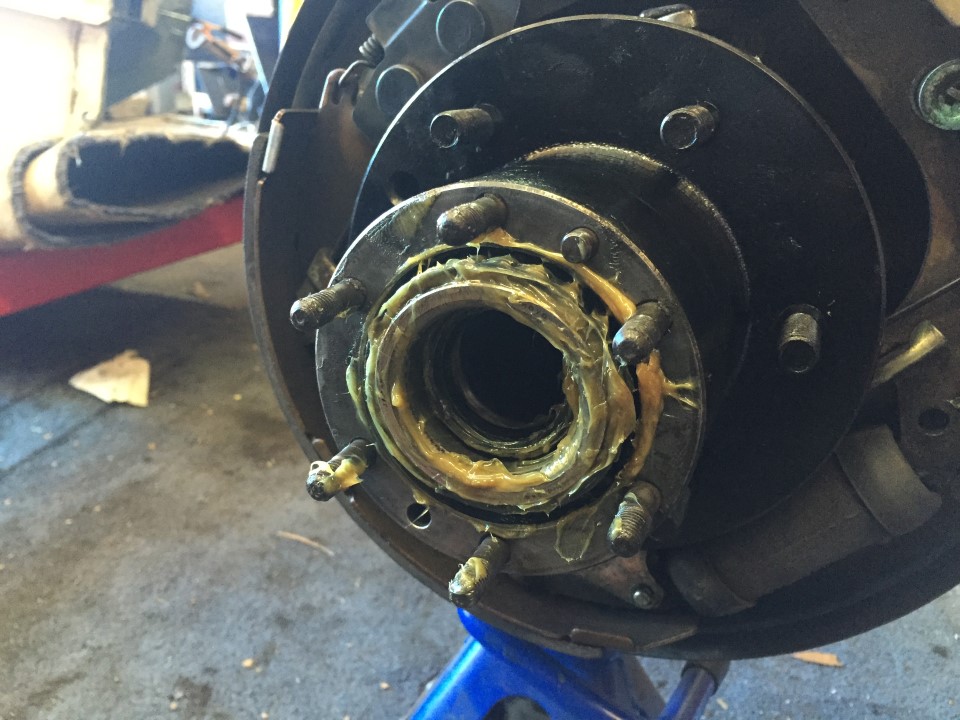
Step 6: The hub can now be installed onto the axle


Axle%20Rebuild%2022_zpssn9azcza.jpg


Step 7: Slide on the outer bearing


Axle%20Rebuild%2023_zpse5z2m4az.jpg


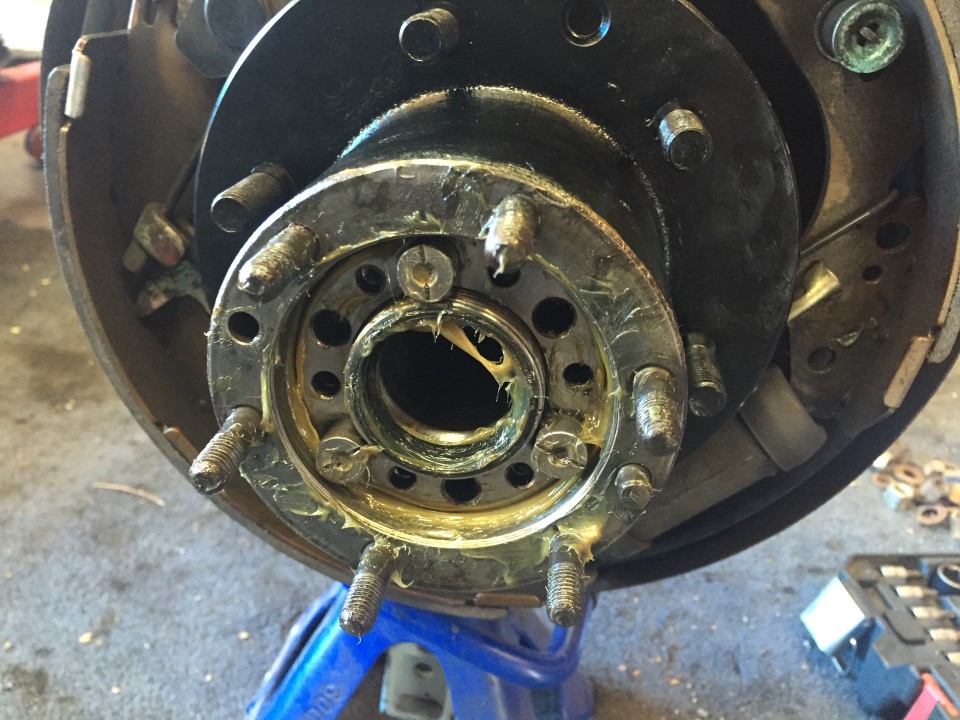
Step 8: Slide on the retaining plate and the bearing locking “nut/plate”


Axle%20Rebuild%2024_zpsjhpy0msa.jpg


Axle%20Rebuild%2025_zpsg73tmmkp.jpg


(The really clever part is the retaining plate has a keyway on the axle shaft, so it cant spin. It also has 4 screw holes/threads on the face. The locking “nut/plate” has 6 screw holes, so as you tighten the “nut/plate” 2 of the holes will line up every few degrees with the retaining plate underneath. You can tighten the nut until the preload/pressure on the bearing is correct then screw this top “nut/plate” to the retaining plate underneath. This is how you set the wheel bearing preload).

It’s kinda hard to explain, but if you ever pull one apart you’ll see what I mean.


Step 9: Fit the brake drum (and hold in place with a wheel nut).


Axle%20Rebuild%2026_zpst5xiw6bi.jpg


Step 10: Fit the diff centre to the axle (Using a gasket and sealing compound)


Axle%20Rebuild%2027_zpsw1s8rolk.jpg


Axle%20Rebuild%2028_zpsed1fm5fl.jpg
 
Step 11: Fit the drive shafts from the end of the axle into the diff centre (Again using gaskets and sealing compound) and bolt into place with the locking nuts and locktite.


Axle%20Rebuild%2029_zpsppfjrl2q.jpg


Axle%20Rebuild%2030_zpsdrbcua7g.jpg


Axle%20Rebuild%2031_zpspxdmmshx.jpg


Axle%20Rebuild%2032_zpsiajawrlg.jpg


Axle%20Rebuild%2033_zpstduvezem.jpg


Once the axle was assembled, we fitted the rear leaf spring to the axle and fitted some wheels.


Axle%20Rebuild%2034_zps4wa4svdy.jpg


We were then able to roll the axle into place under the chassis.


Once in place we bolted up the shackles (Checked the alignment and clearance and everything looked good).


Assembly%2001_zpscb4gb8s7.jpg


Assembly%2002_zpspvxisj2x.jpg


Assembly%2003_zps5uwjh1e4.jpg


We repeated the same process for the front axle (Installed the springs to the axle then slide it into place and bolted the shackles up).


We now had a rolling chassis


Assembly%2004_zpsxhnjxnfr.jpg


To make life easier we also installed the steering arms and steering box. (you can see the complicated counter lever system).


Assembly%2005_zpsdgitlanh.jpg


Assembly%2006_zpsbedhxerw.jpg


We now have a complete rolling chassis


Assembly%2007_zps352iuvb2.jpg


Assembly%2008_zpsnsqe332i.jpg


Assembly%2009_zpsnapvuvho.jpg


Assembly%2010_zpszricsg0l.jpg


Assembly%2011_zpssyk2cgmi.jpg


Then it was ready to move around the back so we can focus on the tub (which is still in the garage).

Note: We put a tarp over it after this pic.


Assembly%2012_zpsgfm0yp4r.jpg
 
Now that the chassis was done, we started repair work on the body. Now if you’re a bit of a perfectionist you might want to skip the next stage, as it’s very “backyard hack” repair work.


Essentially there are 3 bad areas of rust on the donor body (Driver footwell, passenger footwell and rear tailgate area). It seems when Toyota switched from the pre 79 to post 79 bodies the changed the grade of steel to a might lighter gauge. The later model bodies have a tendency to rust out in these areas.


First step was to lift the body up so we can access the bottom of the tub easily…


Tub%20Pass%2001_zpscv6pdoob.jpg


So starting with the passenger side (Which was the worst), here are some of the pics of the rust holes.


Tub%20Pass%2001a_zpsdnyubs2y.jpg


Tub%20Pass%2002a_zpstcgs0dve.jpg


Tub%20Pass%2002b_zpsq18ezcen.jpg


Tub%20Pass%2002c_zpsmiuwjevd.jpg


Step 1 was to wire brush the entire area back to bare metal (Or more the point the remaining bare metal).


Tub%20Pass%2003_zps492ersps.jpg


Tub%20Pass%2004_zpsagaqmq1s.jpg


Tub%20Pass%2005_zps8iobqdnf.jpg


Now in a professional job you would cut out the entire rust area and weld in replacement panels, but I don’t have the right type of welder (My rod welder just blows holes through the thin steel) and don’t have the replacement panels (As they are damn expensive).


So instead we cut out some replacement sheets to stick above and below the normal floor pan.


We started with the under piece first, by cutting out a 3mm plate to the appropriate size/shape. It appears someone has previously (poorly) done some repair work (The part im talking about is behind the plate in this pic). We used this to our advantage to tuck our new plate behind.


Tub%20Pass%2007_zpsxf8hl9dy.jpg


It’s a bit hard to photograph, but I cleaned in behind this plate and applied some paint to stop further rusting…


Tub%20Pass%2008_zpssdvucl9c.jpg


Then we painted the entire area in cold gal…


Tub%20Pass%2009_zpstdlgswli.jpg


And applied bitumen paint under that repair plate and in the general area…


Tub%20Pass%2010_zps1unicznv.jpg


Tub%20Pass%2011_zpskwwynmqc.jpg


We then made a plate to fit the lower section of rust


Tub%20Pass%2012_zps2ftuyfuk.jpg


Tub%20Pass%2013_zpssf1gnyl6.jpg


Tub%20Pass%2014_zps67a9zjqx.jpg


Tub%20Pass%2015_zpsrfnbh9ol.jpg


Tub%20Pass%2015_zpsrfnbh9ol.jpg


Tub%20Pass%2017_zps5z0eftfz.jpg
 
Then a top coat of bitumen paint…


Tub%20Pass%2018_zps8ehv3tn4.jpg


Tub%20Pass%2018_zps8ehv3tn4.jpg


Tub%20Pass%2020_zps5atahnlx.jpg


As I didn’t have the right type of welder, I decided to liquid nails glue and pop rivet the plates in place (Pop rivets are aluminum and shouldn’t rust).


Tub%20Pass%2022_zpsdlhmlthy.jpg


Tub%20Pass%2023_zpseyc78dut.jpg


Tub%20Pass%2024_zpsvcxsf9ln.jpg


Tub%20Pass%2025_zps9vf6pvxe.jpg


Tub%20Pass%2026_zpstyfvhned.jpg


Tub%20Pass%2027_zpsftbfiwzr.jpg


Tub%20Pass%2028_zpsifdnudui.jpg


Tub%20Pass%2029_zps4yplwpnx.jpg


Tub%20Pass%2030_zps8qzoproo.jpg


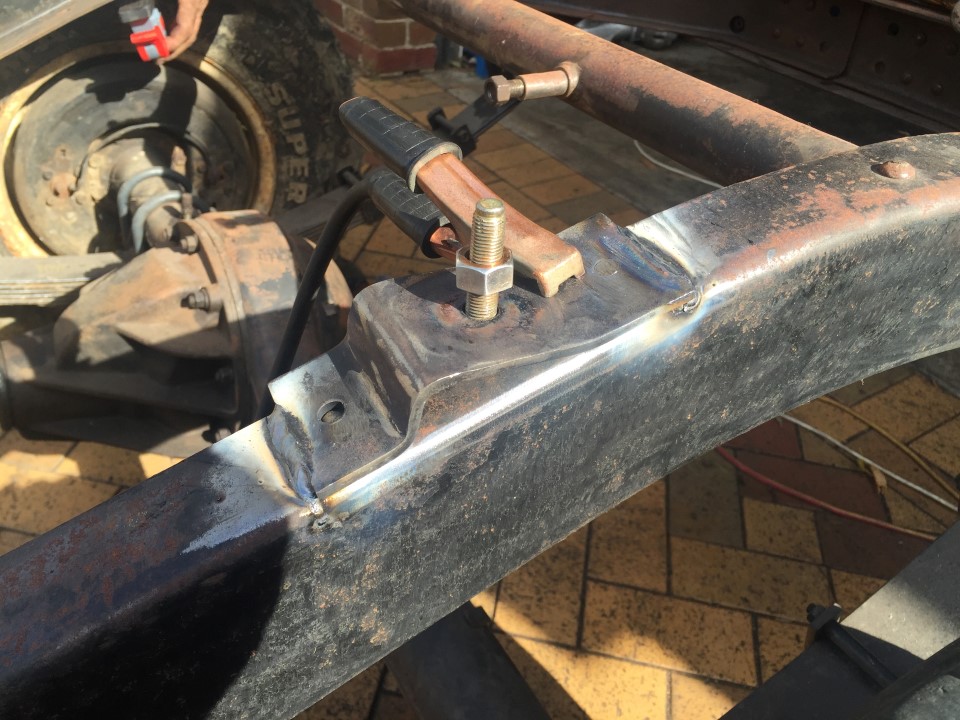
Once I was happy with the underside, it was time to start working on the inside. Now normally you need access to put a bolt down from above, however I decided to weld the bolt to the floor so I could cover over it.


Tub%20Pass%2021a_zpsdybjkzcx.jpg


Tub%20Pass%2032_zpsz7jdxgmc.jpg


After welding the bolt in place, I gave the entire area a quick wire brush then a coat of cold gal…


Tub%20Pass%2031_zps0pvgpqeg.jpg


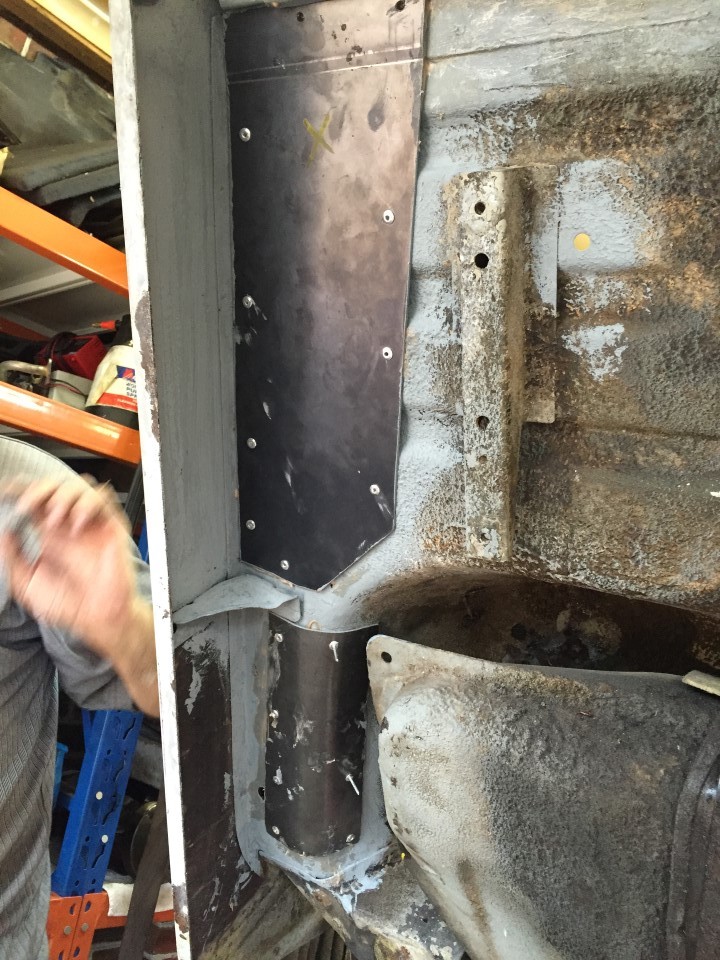
Then it was a matter of cutting out a plate to sit in the foot well to give it strength…


Tub%20Pass%2033_zps5hrkdwpw.jpg
 
Last edited:
After making the plate I decided to make another to cover the entire floor (So you don’t feel any strange bumps with your feet.


Tub%20Pass%2034_zpsdebt0c1s.jpg


As I extended the plate, need to do a bit more painting…


Tub%20Pass%2035_zps8zsiym56.jpg


Before gluing and pop rivting the plates down, I decided (rightly or wrongly) to fill the sill/gaps with expanding foam filler.


Tub%20Pass%2036_zpse5er2itk.jpg


Then added some liquid nails…


Tub%20Pass%2037_zpstsle4xsi.jpg


And glued/pop rivted the plate into place.


Tub%20Pass%2038_zpsi6zsezmd.jpg


Tub%20Pass%2039_zps3hnzuvbv.jpg


Now I couldn’t really photograph it, but once the first plate was in place I squirted a lot more expanding foam in the gaps till it was oozing out everywhere… And quickly put the second plate down (So under both plates is full of expanding foam)


Tub%20Pass%2040_zpsi7zqvquf.jpg


Added more liquid nails, pop rivets and cleaned everything up (mostly).


Tub%20Pass%2041_zps6iwbxkbq.jpg
 
Now that the passenger side was under control, we switched over to the drivers side. The rust wasn’t anywhere near as bad, but it still required attention.


It was pretty much the same process as before, strip the old paint off back to bare metal, inspect, make up some plates and paint the whole thing in cold gal and bitumen. Then liquid nail glue and pop rivet the plates into place. At a later point we filled in all the gaps to ensure water cant get in anywhere.


Tub%20Driver%2001_zpsij4bzjo7.jpg


Tub%20Driver%2002_zps55mhkvp1.jpg


Tub%20Driver%2003_zpsmjair46z.jpg


Tub%20Driver%2004_zps26blpk7h.jpg


Tub%20Driver%2005_zpspd7lfs5s.jpg


Tub%20Driver%2006_zpshgilzede.jpg


Tub%20Driver%2007_zpszk4aswve.jpg


Tub%20Driver%2008_zpsnlpt1vyu.jpg


Tub%20Driver%2007_zpszk4aswve.jpg


Tub%20Driver%2010_zpstukdaplb.jpg


Tub%20Driver%2011_zpsbkramajq.jpg


Tub%20Driver%2012_zps67udt2z3.jpg


Tub%20Driver%2013_zpsdwsaxzs3.jpg
 
Last edited:
Cut out a template from paper…


Tub%20Driver%2014_zpshbddhhsg.jpg


Then made the real thing…


Tub%20Driver%2015_zpsiwqdrmsx.jpg


Tub%20Driver%2016_zpsh7hmj2fl.jpg


Tub%20Driver%2017_zpsryafnawg.jpg


Tub%20Driver%2018_zpsymxail6s.jpg


Tub%20Driver%2019_zpsmptqwyzc.jpg


Tub%20Driver%2020_zpsgvwgyfxl.jpg


So at this point we are pretty happy with the results. I know this isn’t a traditional repair, but it has lots of strength and i will be adding a layer of dynamat on the top and bottom so everything should be water tight.

It was also virtually a free repair (Cost of paints, liquid nails, metal sheets etc is minimal).


Once its fully covered up you won’t know it’s there.
 
Back
Top Bottom