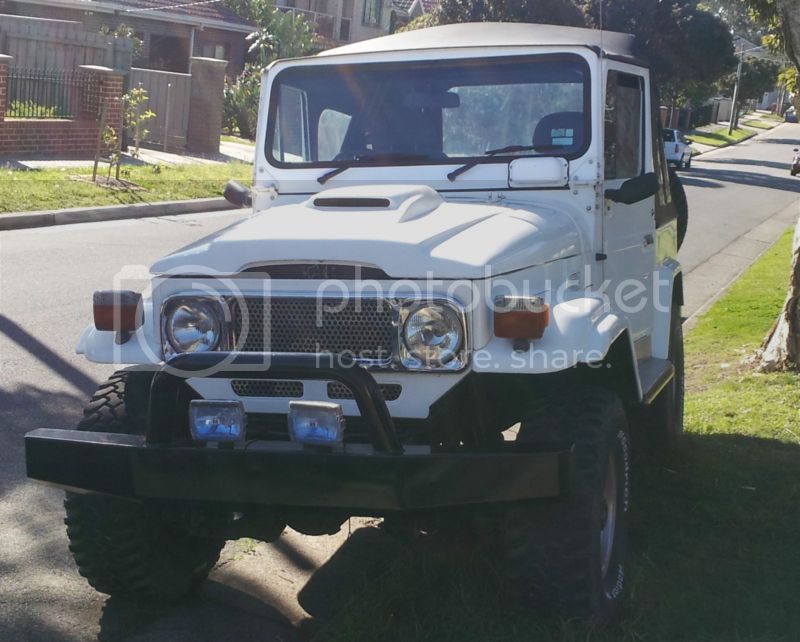
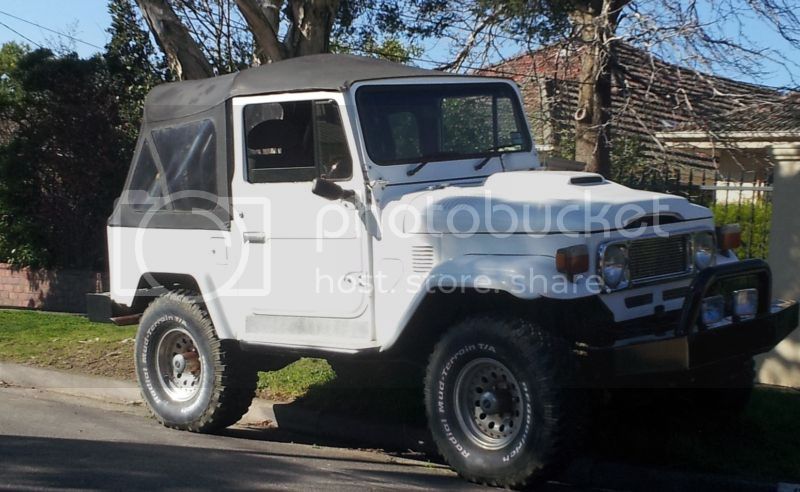
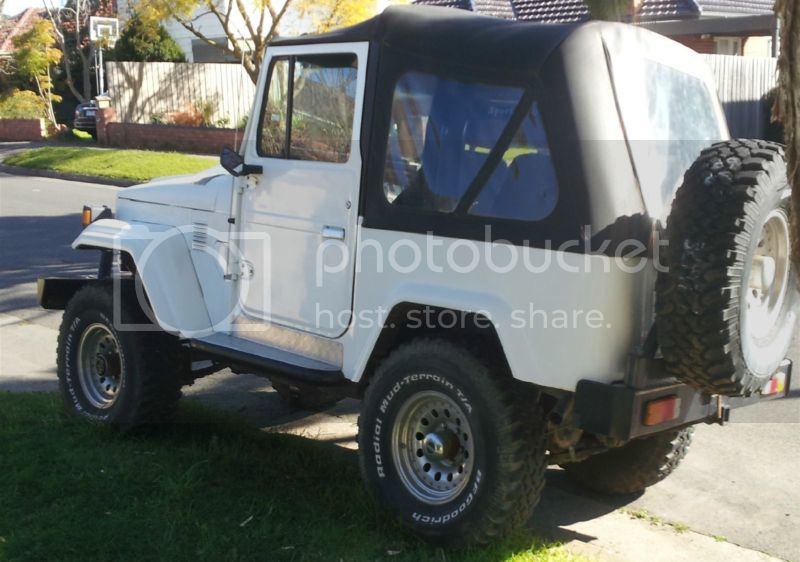
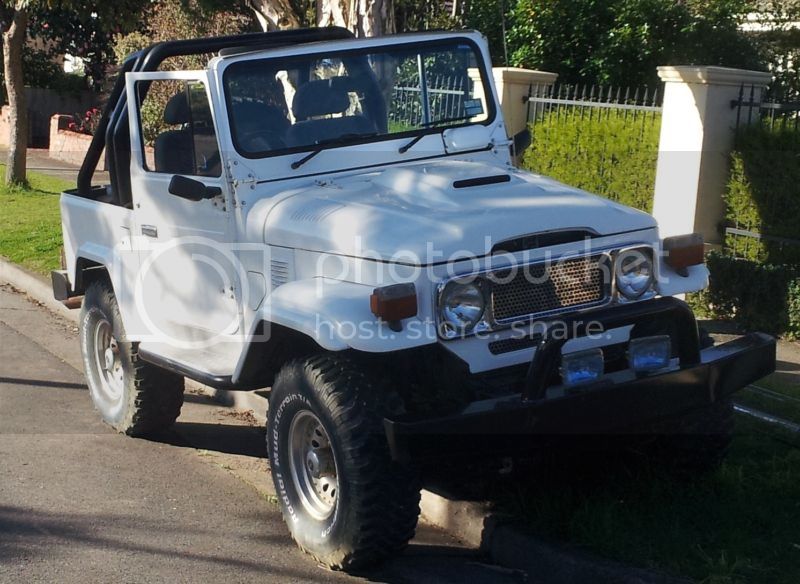
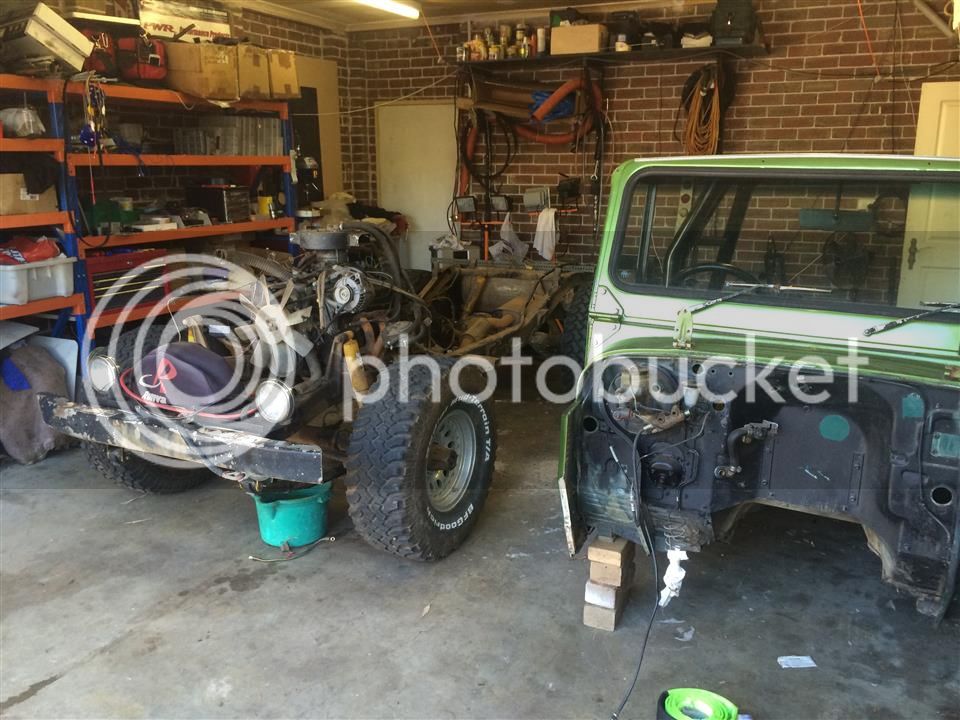
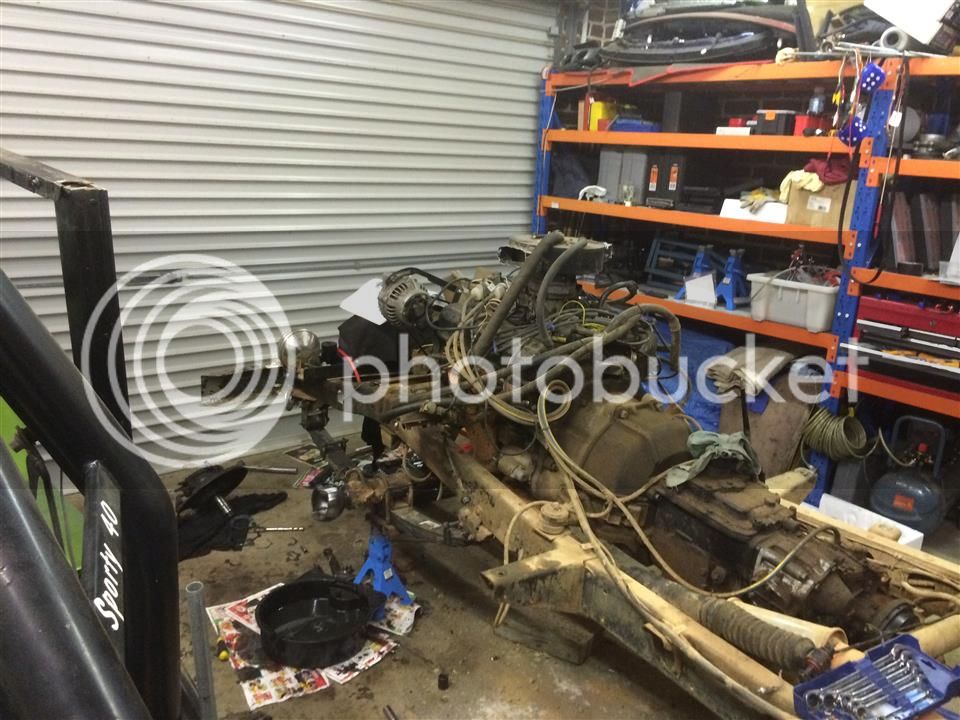
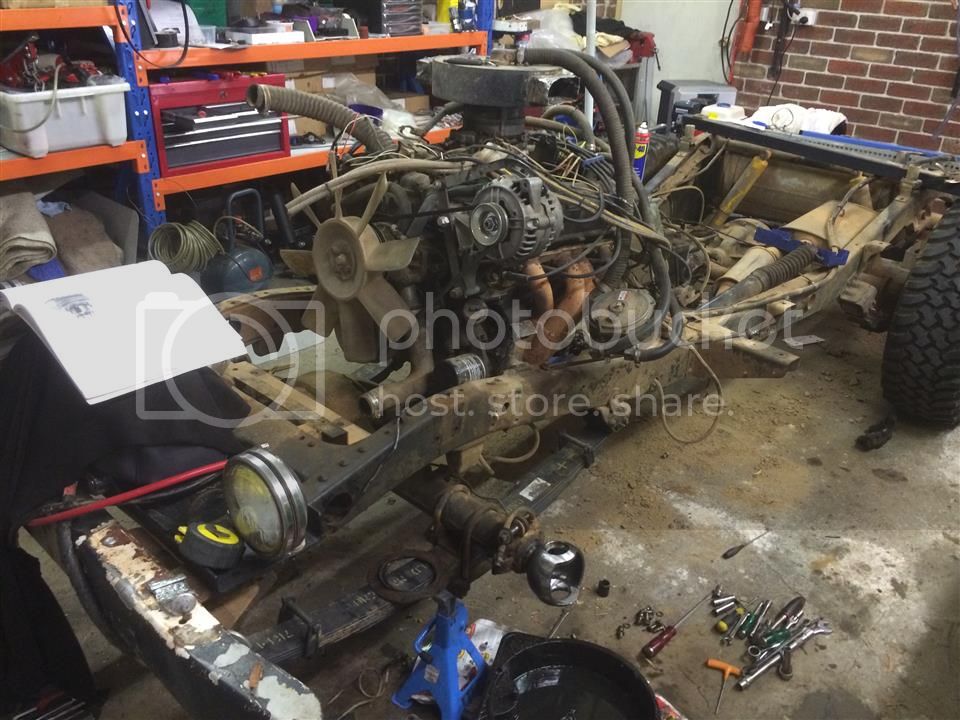
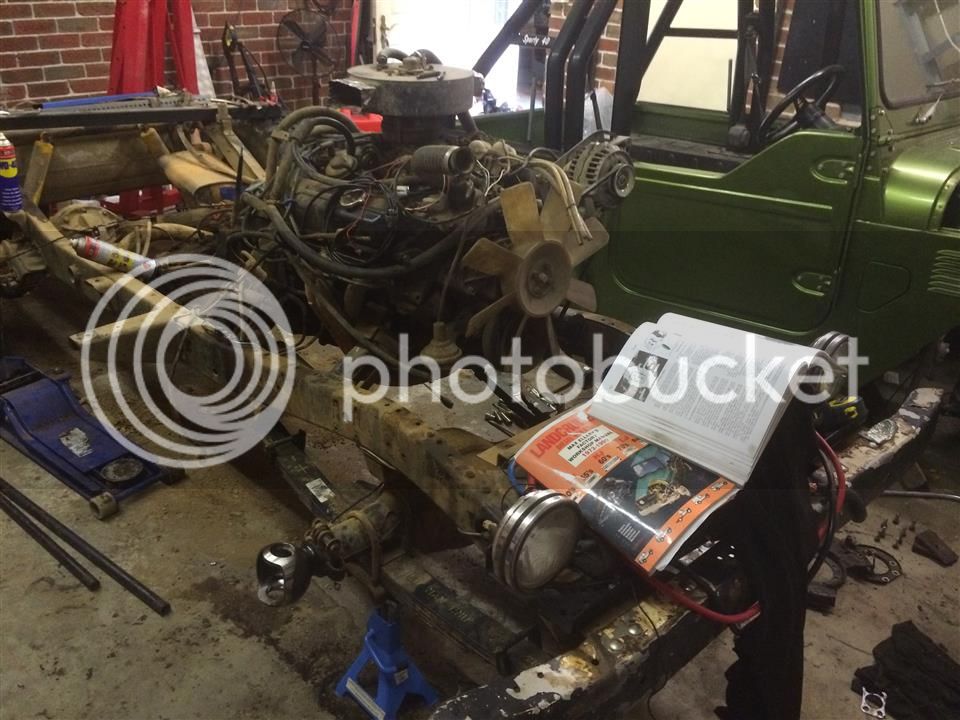
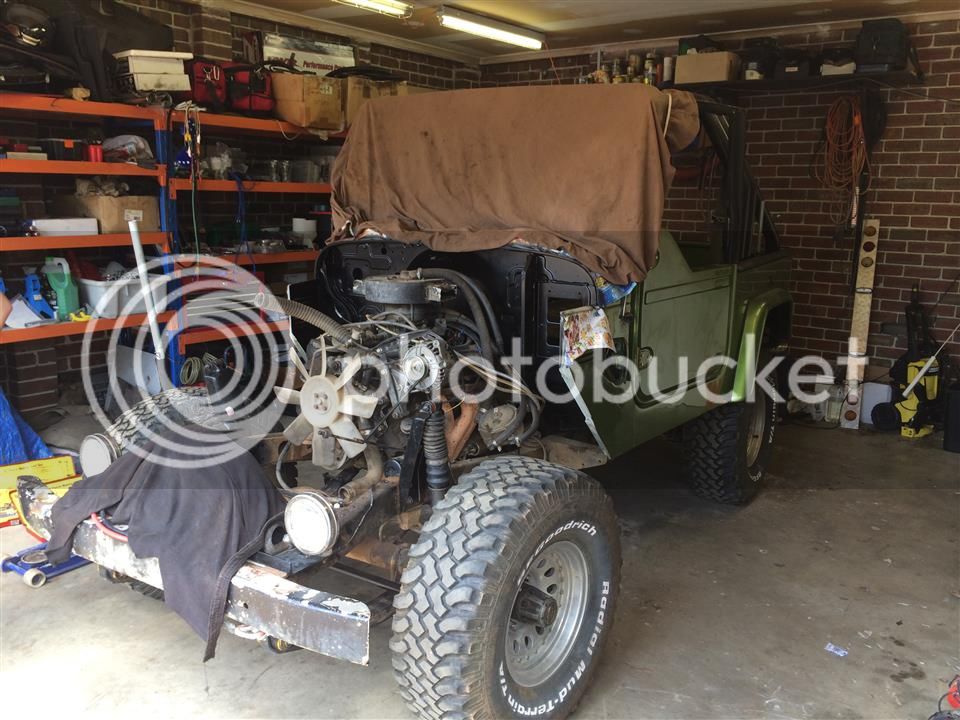
Errols FJ40 Build x4

This site may earn a commission from merchant affiliate
links, including eBay, Amazon, Skimlinks, and others.

Joined
Sep 30, 2014
Threads
23
Messages
683
G’day from down under.


I’ve been a member of ih8mud for a while now, but mostly been lurking in the background. Lots of good information and some interesting builds, so finally decided I should add a build thread of my own.


Firstly, my name is Errol and I am based in Melbourne, Australia. I have been doing this project with my father, Peter, since May 2014. For those interested, if you search for “Errols FJ40” you’ll find a link to the Australian LS1 forum where I originally posted this build. It has a bit more information and was posted in chronological order.


Note: Throughout this thread I have tried to rearrange the posts so they follow a more “logical” path rather than chronological. Sometimes you’ll see stuff in the background that isn’t explained till later and sometimes you’ll see stuff in pictures that had been sold in a previous post. However I think this is easier to follow as it’s a pretty complicated build.


The whole concept started in early 2014 when a mate purchased a Toyota Landcruiser Prado (which I think is called a Lexus GX in USA). I had looked at getting a modernish 4WD, but in Melbourne, Australia standard registration costs are approaching $800 per vehicle per year, plus insurance etc etc so running/owning another modern car was too expensive.


One of the (few) nice things our local traffic authority allows is “club registration” for vehicles over 25 years old. Essentially for $73/$142 you can register a classic vehicle for 45/90 days of use per year. Local insurance companies also offer “limited use” insurance policies for club registered vehicles, so including club membership fees, registration and insurance I can drive a classic car for 90 days per year for less than $300.


So following on from the conversation with my work colleague, I spoke with the old man about the idea of purchasing a couple of classic 4WDs for weekend use. The idea was to get something relatively cheap, reliable but easy to repair that we could take out for a bit of fun.


We started looking around at various classic 4WDs (Nissan Patrol’s, Toyota Hilux’s etc) but the only real choice was a Toyota Landcruiser (Which are incredibly popular in Australia). We narrowed the choices down to either a 40 series or 80 series cruiser (not a fan of the 60 series looks). For a bit of fun we settled on the idea of a convertible FJ40 with a V8 engine (ideally running LPG).


Not sure if LPG is sold in the US, but here in Melbourne it’s sold at virtually all metro service stations and most main regional servos as well. Prices fluctuate but are usually 30-40% of the cost of Petrol/Diesel.


Having no real knowledge or understanding of landcruisers, we spent a bit of time looking around and reading up on them and getting an idea of what we should look for.


So sit back and enjoy the story of how a FJ40 obsession developed.
 
Last edited:
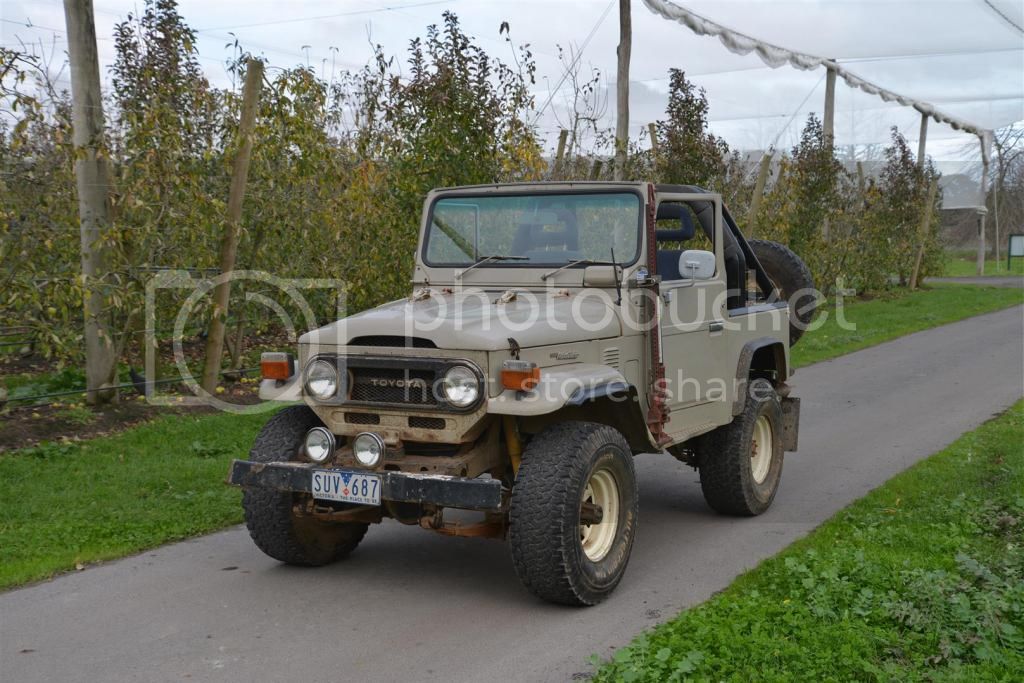
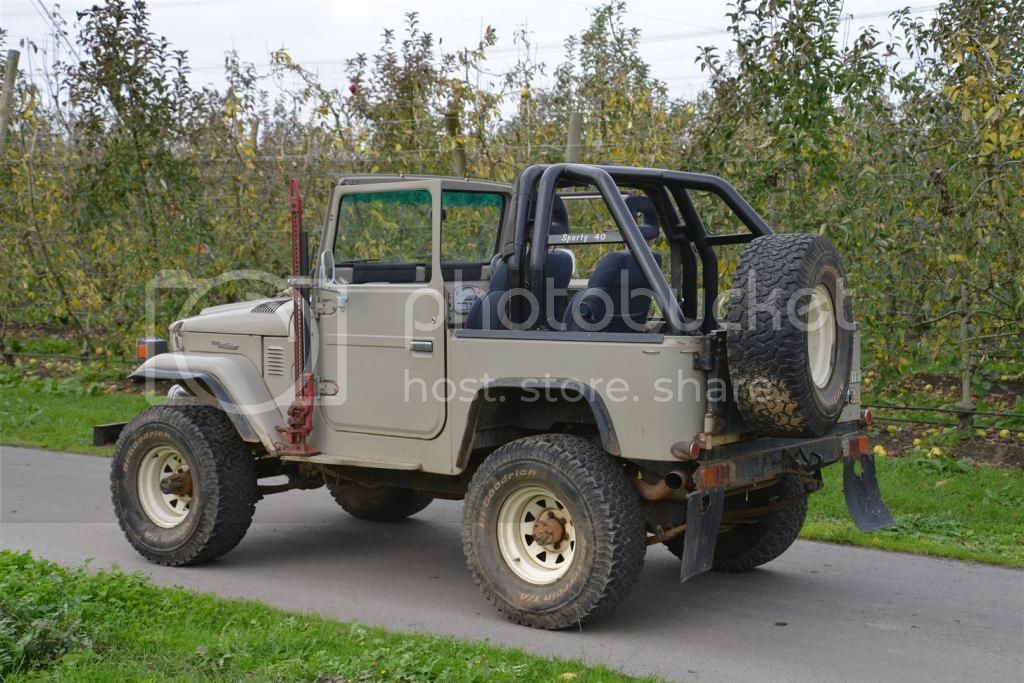
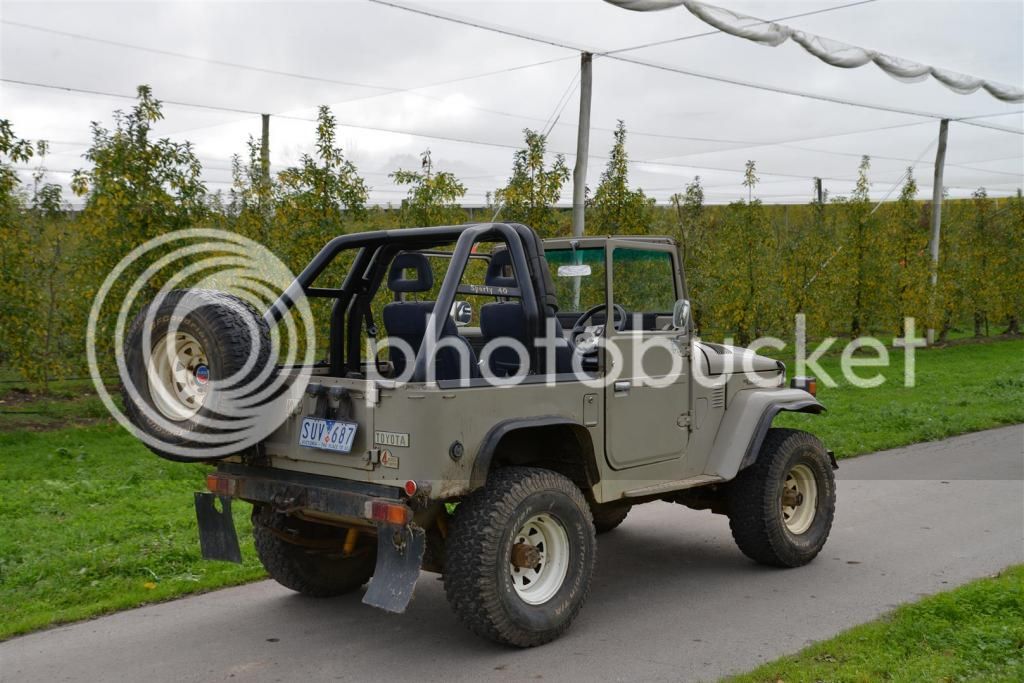
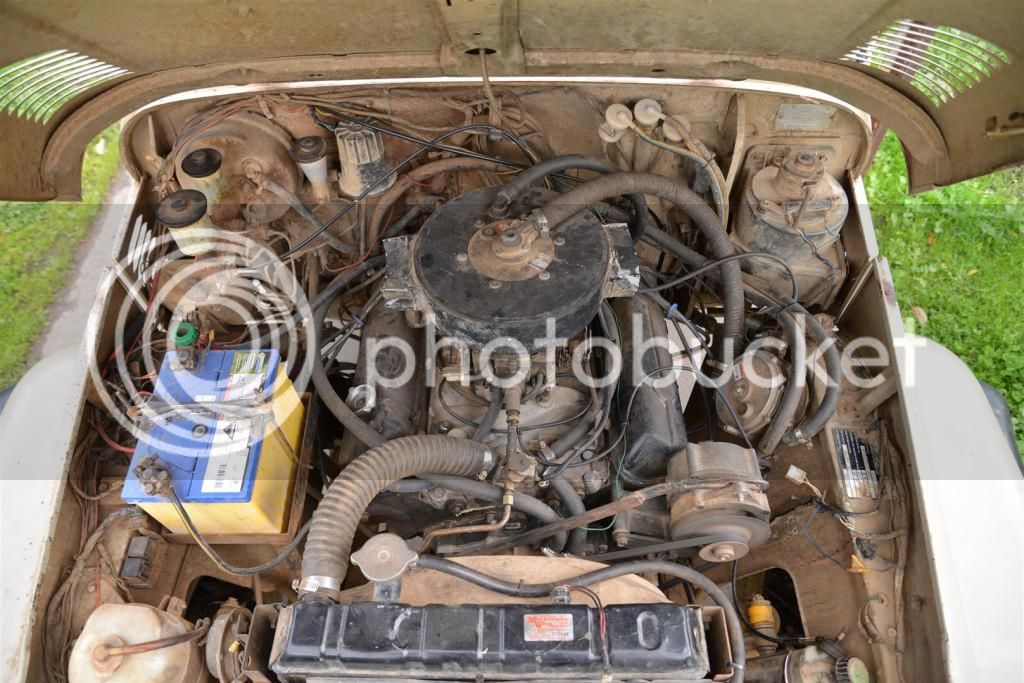
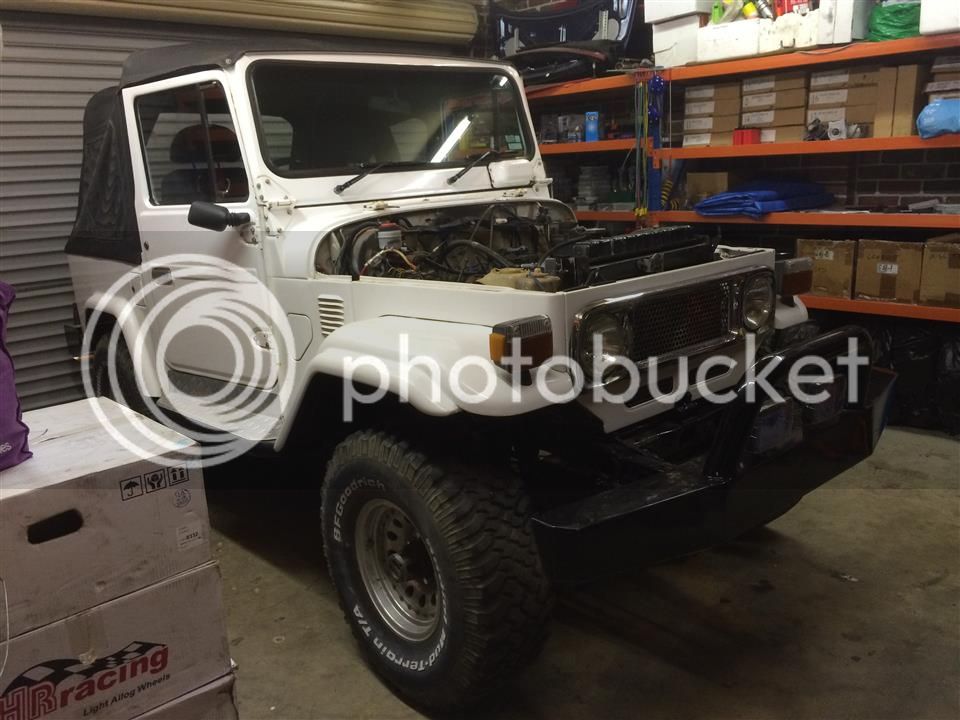
We ended up purchasing a local FJ40 which meet most of the criteria. It was a convertible 1978 FJ40 fitted with a Holden 308ci V8 on LPG.


It had an engineering certificate (For the engine change), road worthy certificate and LPG certification.


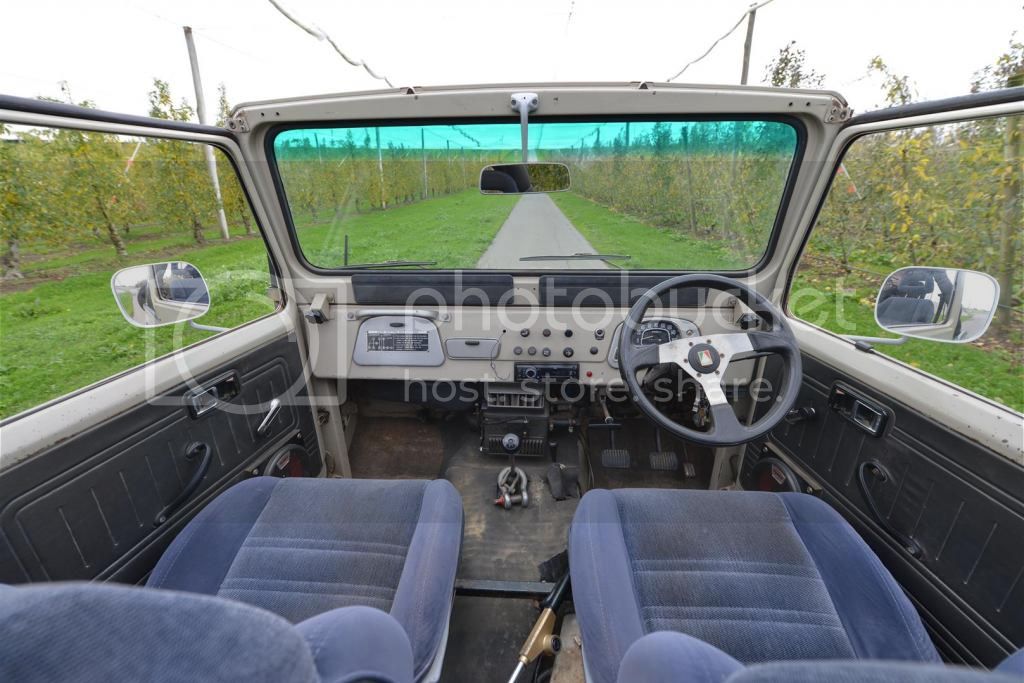
It had 12 years of service history, including rebuilt diffs/axles, rebuilt 4 speed gearbox, good roll bar, bucket seats, front disk brakes etc. It didn’t have power steering and it’s a bit rough around the edges, but overall was a pretty solid buy for $5500.


(In Victoria the road authorities are incredibly anal about regulations and restrictions, with most modifications requiring an expensive engineering certificate. For example, we are only allowed to raise the vehicle by 2” TOTAL (So either upgrading the wheels from 31” to 33”, OR 2” suspension lift OR 2” body lift). It is financially unviable to get more than 2” of lift certified as it requires a lane change/swerve test to be done by a professional driver at 110kph with a Vicroads inspector at a closed track environment (EG race track). I have been quoted between $5000-7000 for the certification assuming the vehicle passes first go, each additional attempt will cost another $5000).


One of the main reasons we purchased this FJ40 was the paperwork had been sorted, so we were able to get it registered and on the road straight away.


Anyway here are a few pics when we first took ownership….


DSC_2818Large_zpse57e3c51.jpg


DSC_2823Large_zps196abd77.jpg


DSC_2831Large_zps8f48ede8.jpg


DSC_2844Large_zps8d6cc875.jpg


DSC_2854Large_zps95dc0c32.jpg
 
We spent the next few weeks/months using the vehicle at local 4WD tracks and fixing minor issues. We added a Runva winch, upgraded the alternator (from 45amp to 120amp), upgraded the battery and some of the wiring, serviced the carby and generally got the thing running pretty well.


While the vehicle is very impressive off road, there were a number of issues we wanted to address…


Manual steering is bloody hard work

Seat placement/driving position is very cramped and uncomfortable (I am 6’2”)

The 4 speed gearbox/gear ratios really struggle at highway speed

Lack of diff locker(s) meant traction was poor when rock crawling

The heater was fairly poor, especially in winter.

No air-conditioning (We often see temperatures above 40c/104f). For example on 7th February 2009 in Melbourne/Victoria we had black Saturday where temperatures reached 46c/115f with humidity at 6%, we had 400 individual bushfires burning which claimed the lives of 173 people with a further 414 injured. It took over 4 weeks to get the fire under control, in which time over 1,100,000 acres were burned and over 3500 structures lost (Houses, buildings etc).

To put that in perspective, more land and structures were burned in Melbourne/Victoria in that 4 week period than in the entire California state during the entire 2007 Wildfire Season. So aircon is pretty important for summer use.


So we started planning an upgrade path to try and address these issues. The decision was made to do a body off restoration/modification all in one go, as trying to do individual changes will take more effort overall.


During this period we kept an eye out for another FJ40 so we could have two…
 
We eventually managed to find another local FJ40 (albeit not running).


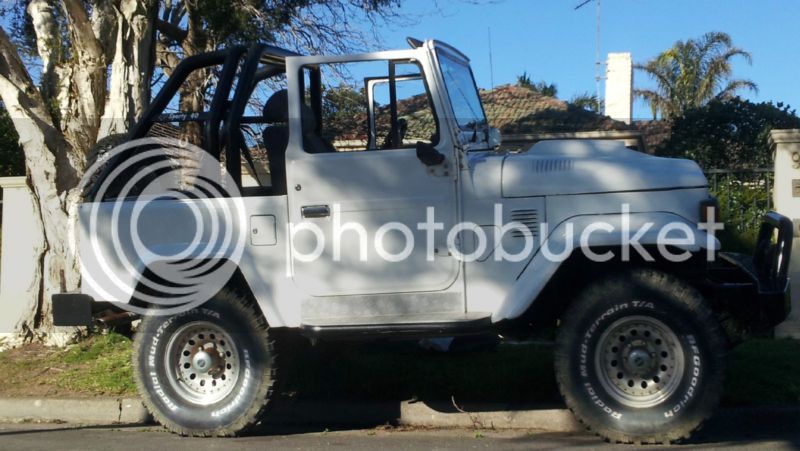
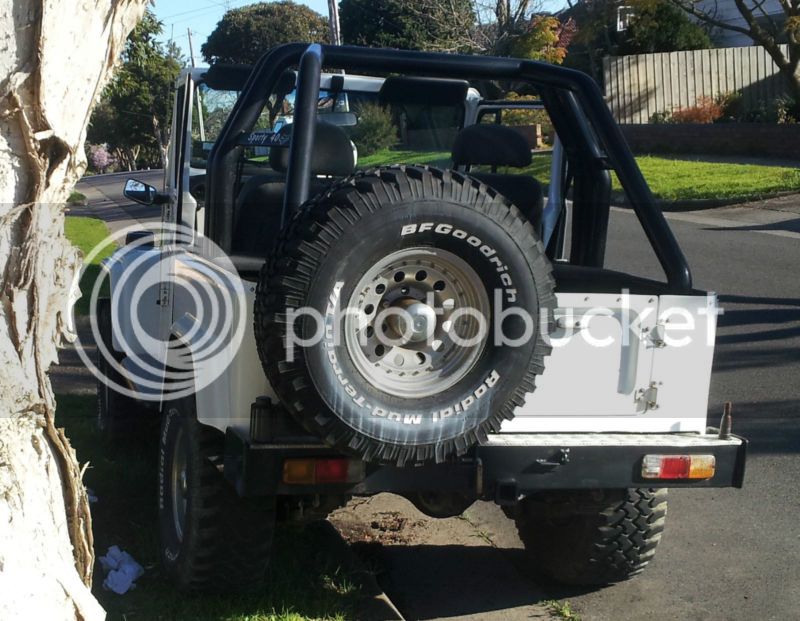
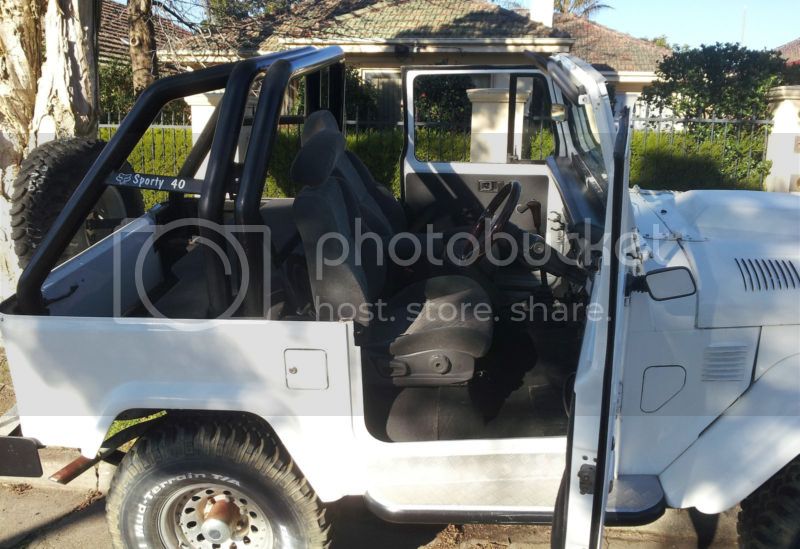
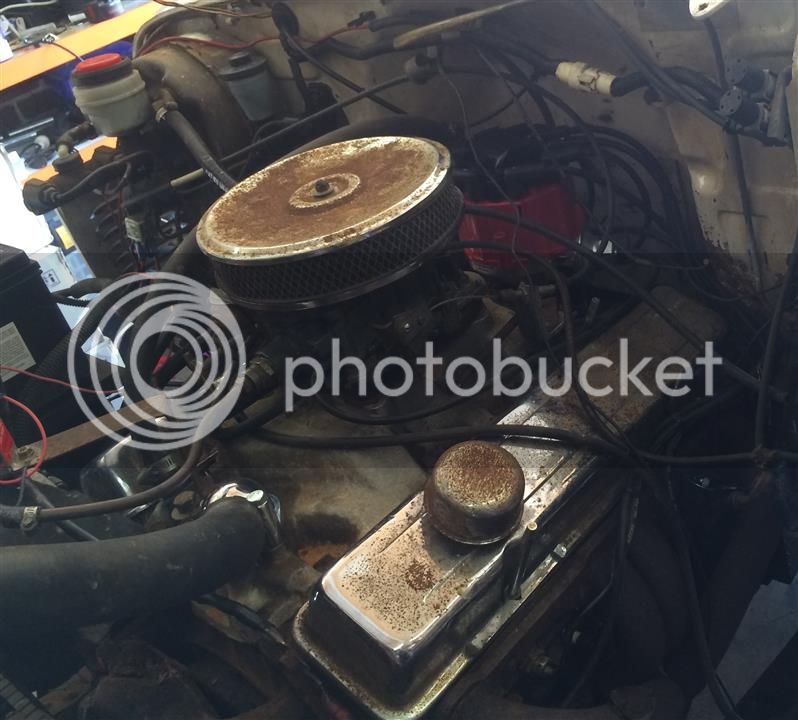
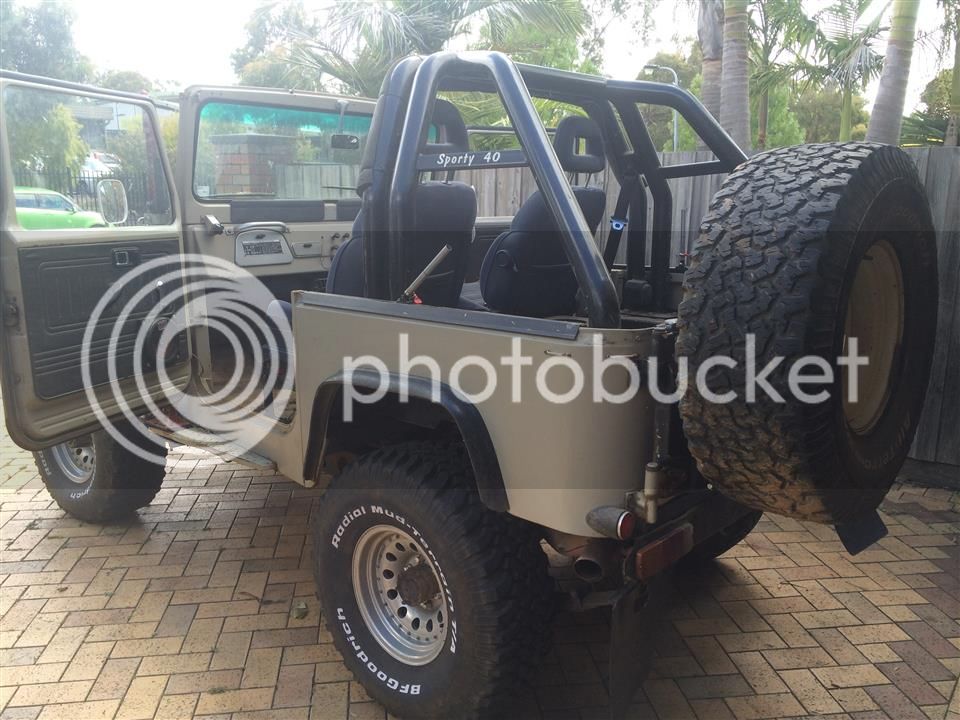
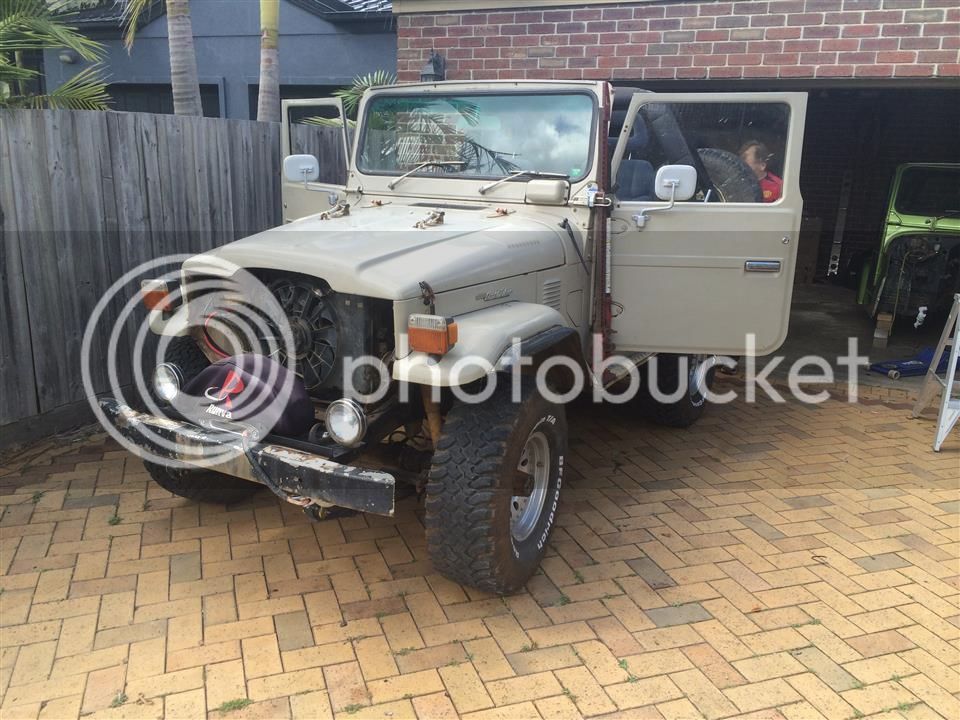
It was a 1982 FJ40 with a Chev 350 on LPG.

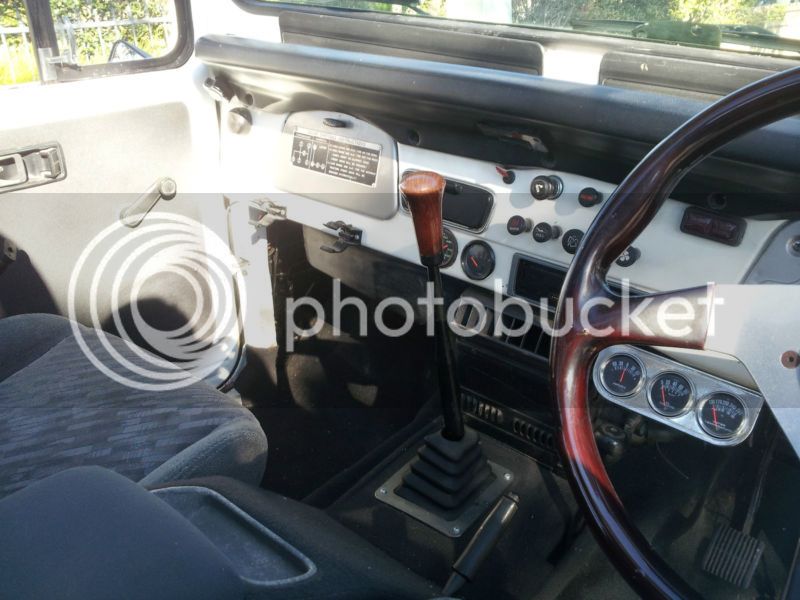
It has a 5 speed 60 series gearbox

Factory 40 series power steering

Disk brake front end

Eureka Bullbar and “Sporty 40” Roll Bar

Good condition soft top

Alloy rims with 33” tyres

Kamar rear bar.


It wasn’t running, but was 95% complete. The owner had owned it for the last 20 years, and had used it as a daily driver for a while. However it had been sitting in a barn for the last few years so a few things needed attention.


Originally the owner was trying to sell for $15k, then slowly lowered the price down but still couldn’t sell it. Due to desperation of moving overseas, he chucked it on a 3 day listing on ebay with a starting price of $5000… I was the only one to bid so picked it up for a bargain price of $5k.


Here are the pics from the day we picked it up…


IMG_3610_zps060b9783.jpg


IMG_3606_zpsc9a37dce.jpg


IMG_3607_zps02126559.jpg


IMG_3608_zps4fe43afc.jpg


IMG_3609_zpsc8a70001.jpg


IMG_3615_zps8df43faf.jpg


IMG_3614_zpsac379ac7.jpg


IMG_3613_zps60f5516b.jpg
 
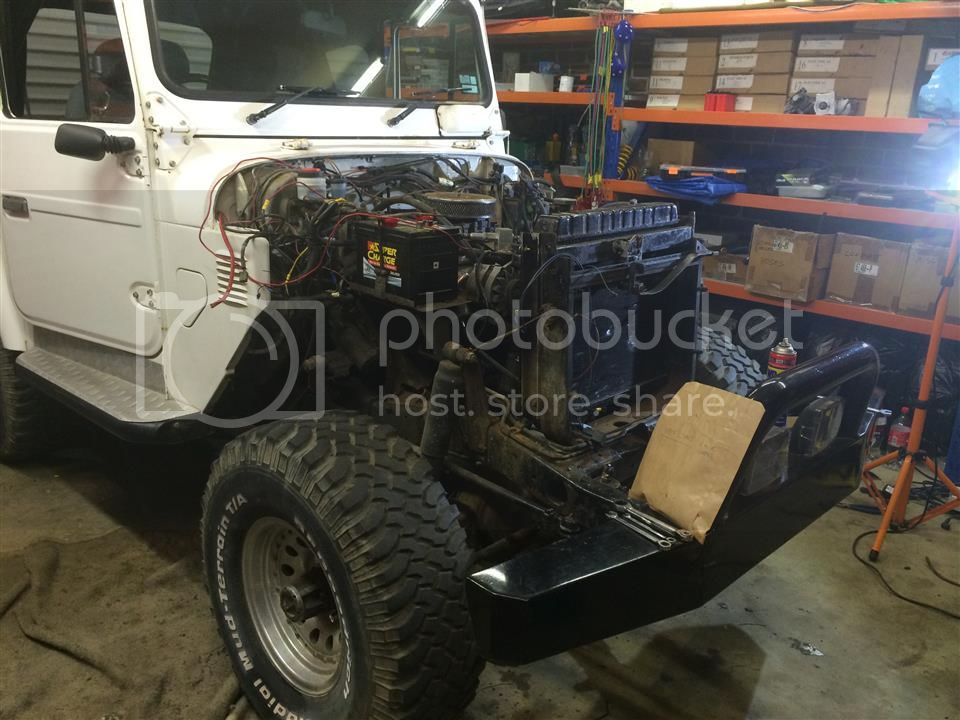
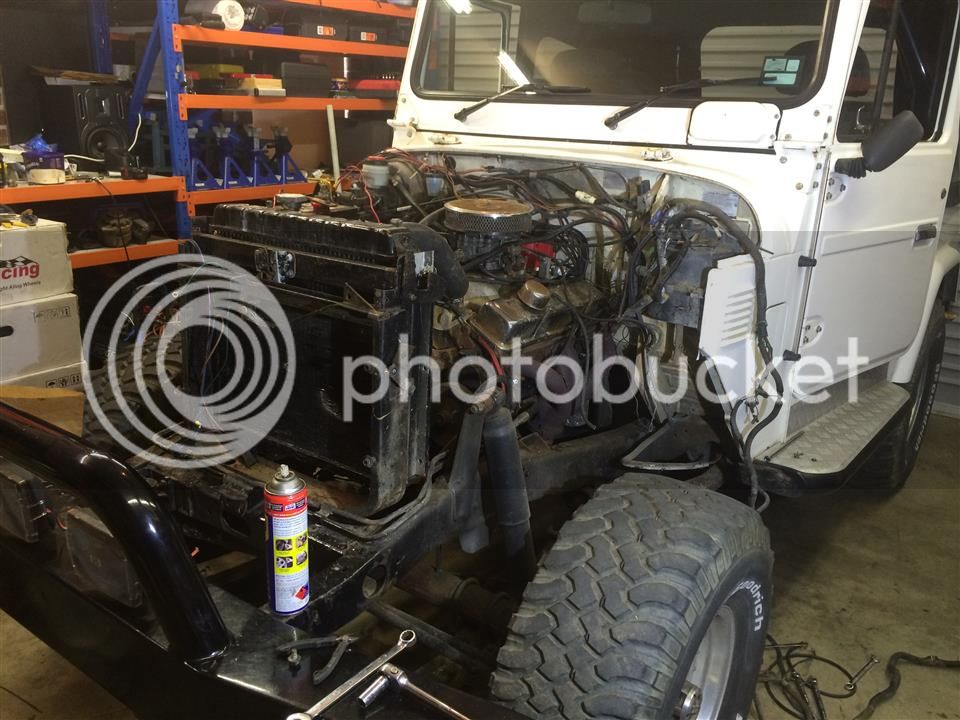
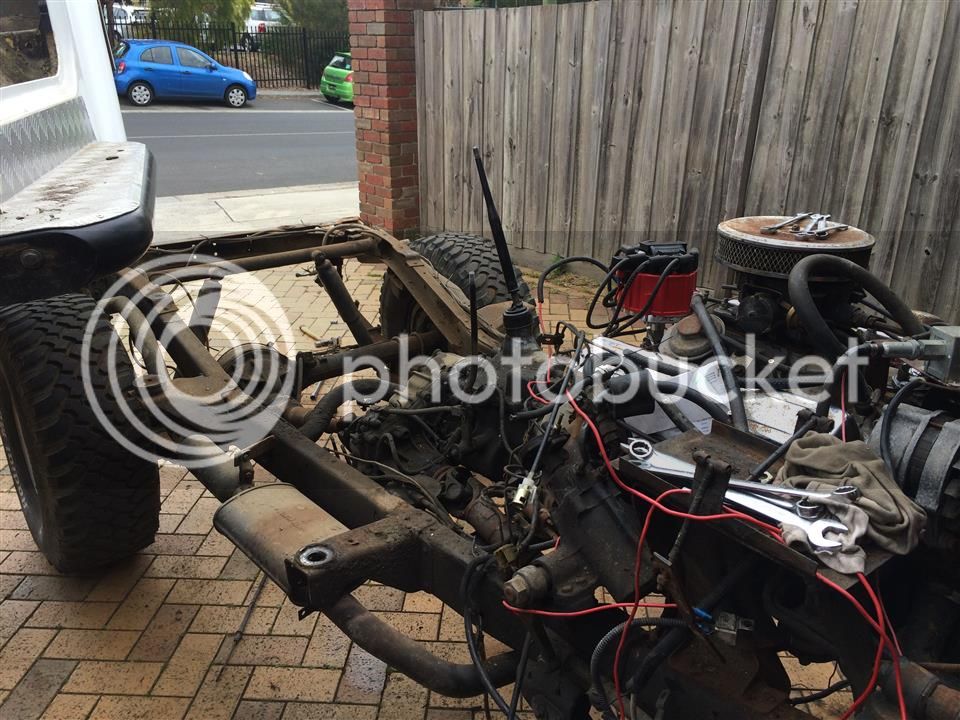
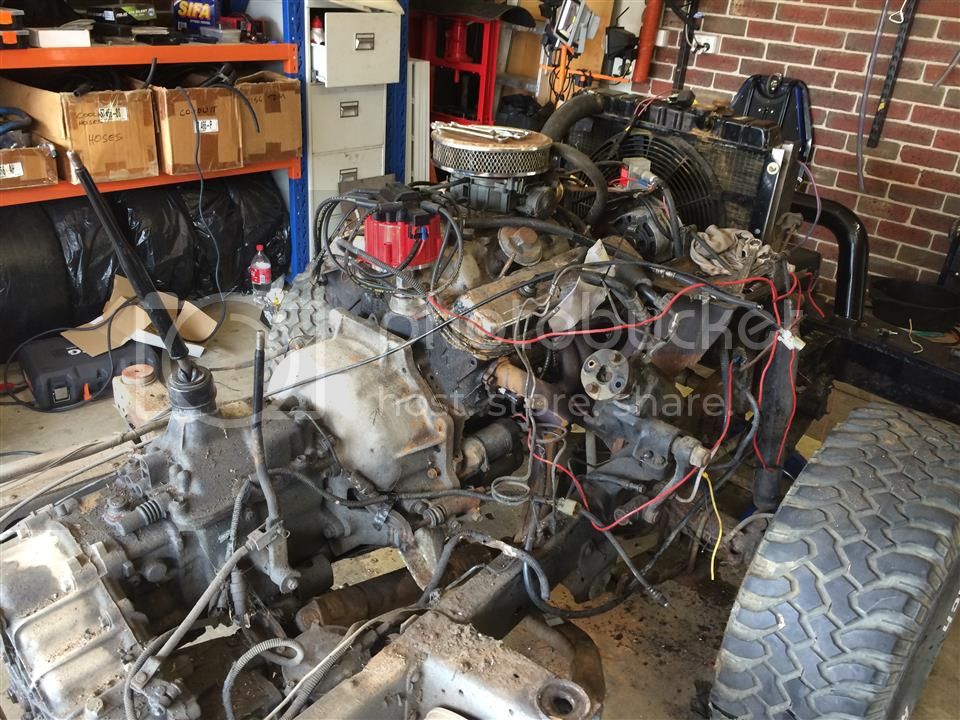
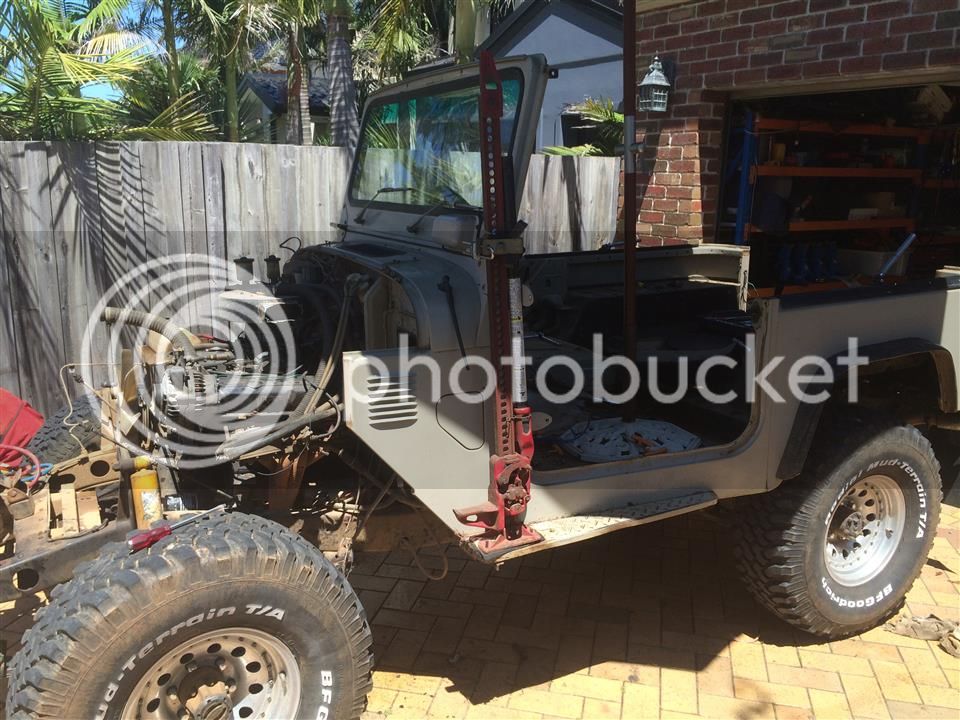
So first thing we did after getting the white FJ40 home was a basic evaluation to work out exactly what it included and what it required to get it running. Starting with the engine….


Drain and inspect the engine oil (Oil looked good, no metal fragments)

Put some fresh oil in

Took the spark plugs out (They looked good)

Turned the engine over by hand (everything felt smooth)

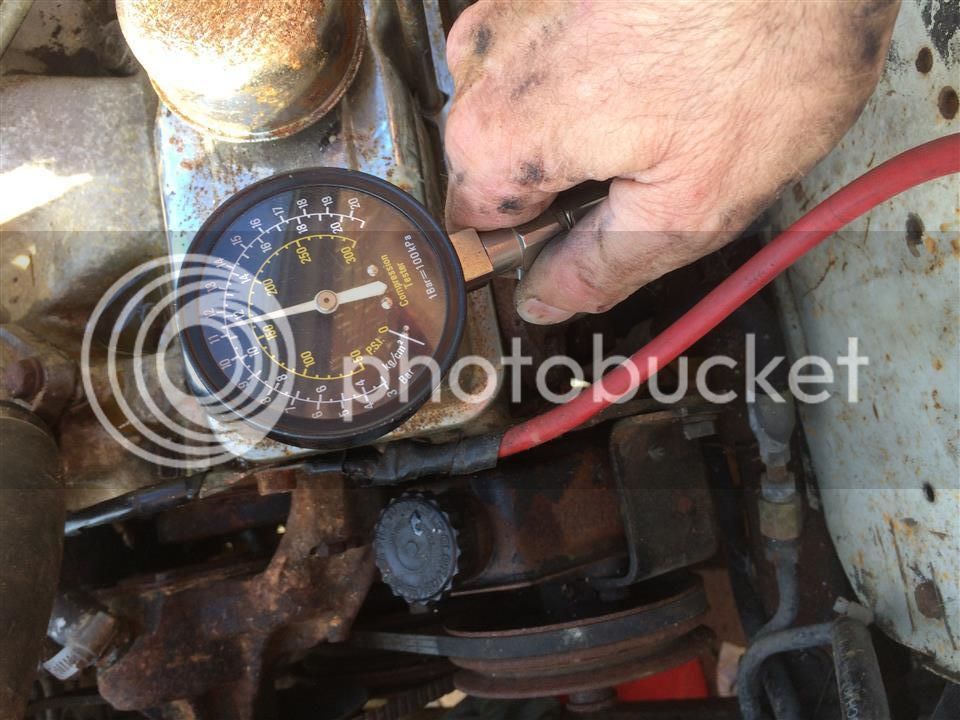
Did a compression test on each cylinder (Good news is each cylinder measured around 165psi (lowest was 158psi)

Refitted the spark plugs

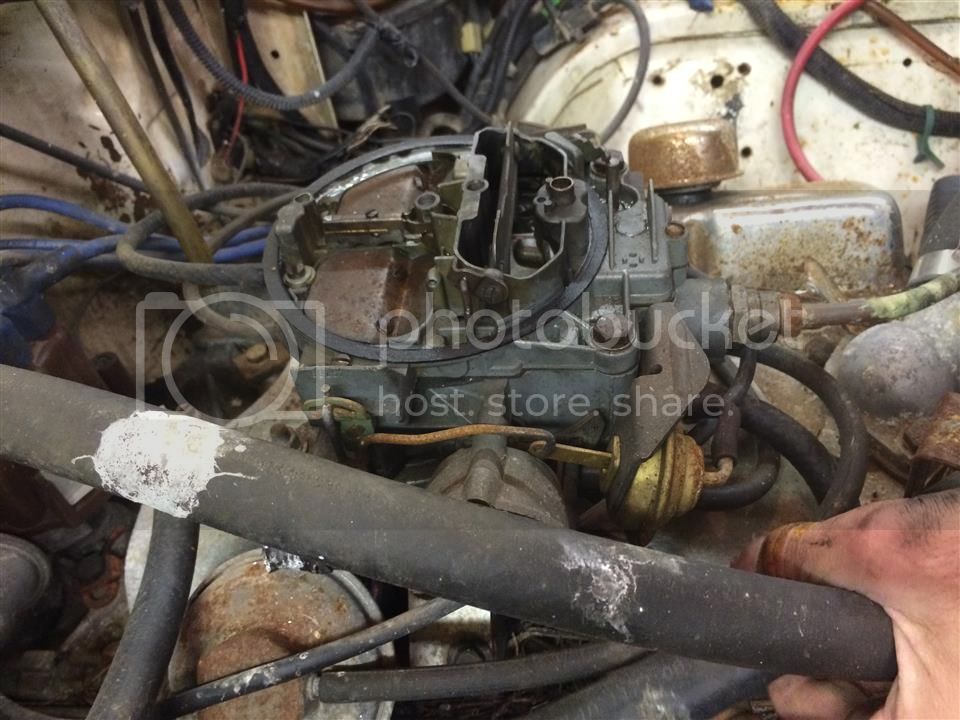
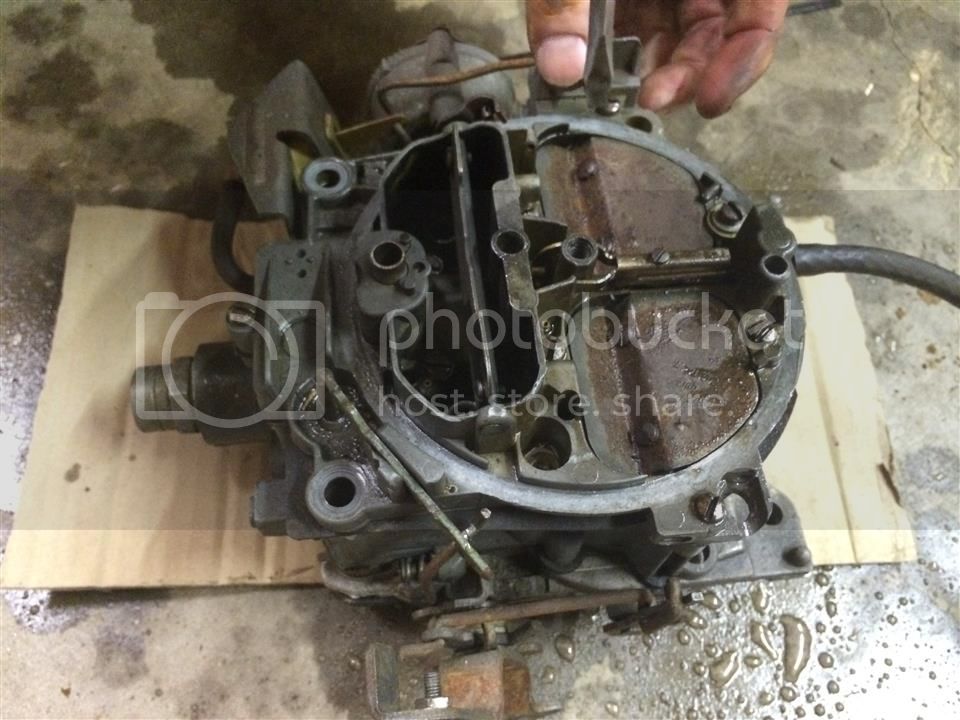
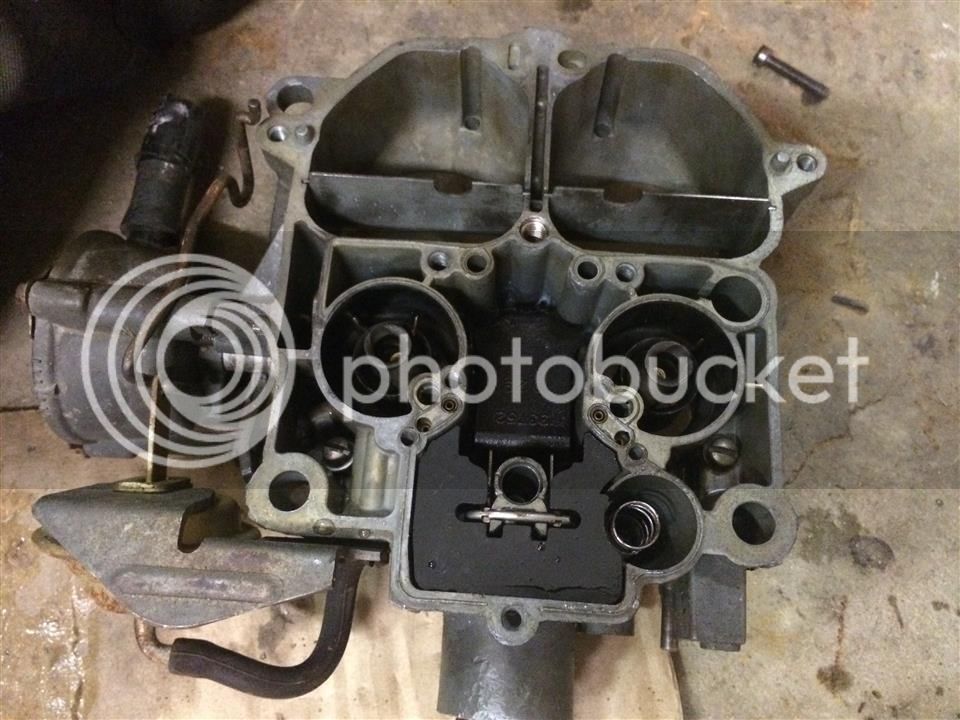
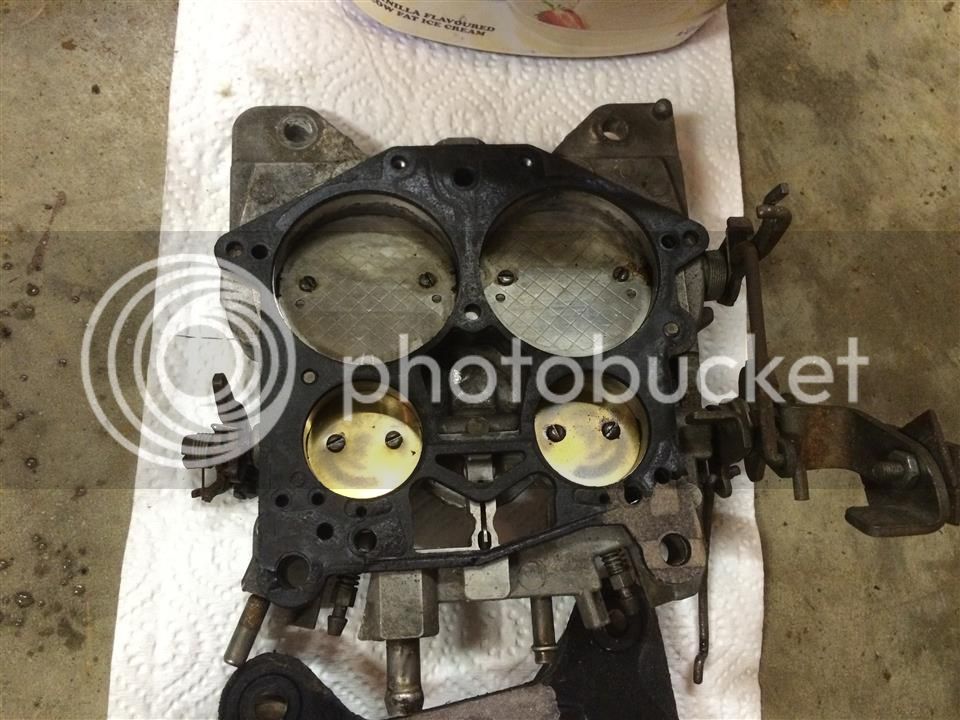
Pulled the carby off and stripped it down to clean it (The petrol had turned milky so everything was gummed up).

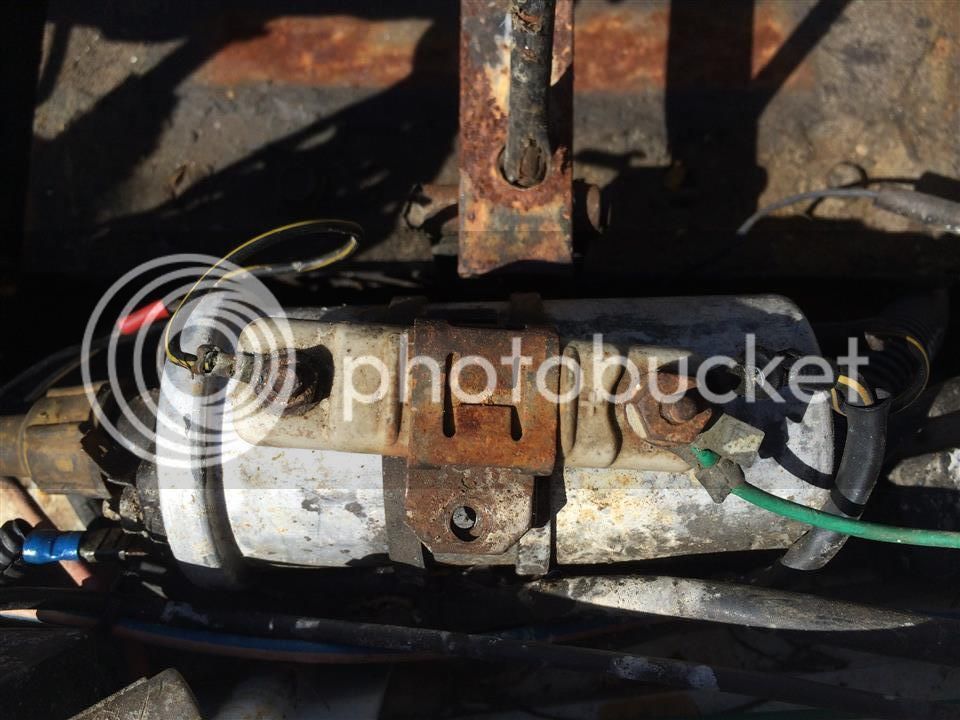
Purchased and fitted a new MSD “All in one” distributor/coil pack

Purchased and fitted a new fuel pump, oil filter and flushed out the petrol tank with new fuel.


IMG_3673Custom_zpsdbdb3ca6.jpg


IMG_3636Custom_zps6ce3b144.jpg


IMG_3650Custom_zpsb6d7c6b4.jpg


IMG_3654Custom_zpsd062ad20.jpg


IMG_3656Custom_zps3d3f388f.jpg


IMG_3662Custom_zpsdc028513.jpg


IMG_3672Custom_zps8f7871ef.jpg


IMG_3724Custom_zps819b7881.jpg


After a few other checks and wiring repairs, we fired it up.


http://s1224.photobucket.com/user/feistl/media/Untitled_zpsigan70jh.mp4.html


Once we had the engine running we turned our attention to the rest of the drive line. First problem was the clutch master and slave cylinders were pretty shot and leaking, so we purchased a installed new ones.


Flushed the brake fluid and bleed the brakes, pumped the tyres up, greased the suspension shackles, check wheel nuts etc and took it for a drive around the block.


Actually drove pretty well (the power steering was a massive improvement to the original FJ40). Gearbox shifted nicely, engine responded well, brakes were ok (although one was sticking)… not bad for a vehicle that had been sitting in a barn for a few years.


Initially we were worried as the 4WD button didn’t seem to do anything, but turns out the H55F 5 speed gearbox was the vacuum operated version. The vacuum hoses had perished, so the switch didn’t do anything. We manually applied some vacuum into the mechanism and it switched into 4wd mode.


Tested the 4WD in high/low range and everything worked nicely.
 
Now as this FJ40 wasn’t roadworthy/registered, we decided to pull this one down first for a rebuild so we could continue using the first FJ40. The plan was to rebuild the white one, get it registered and insured then tear the first FJ40 down for a rebuild as well.


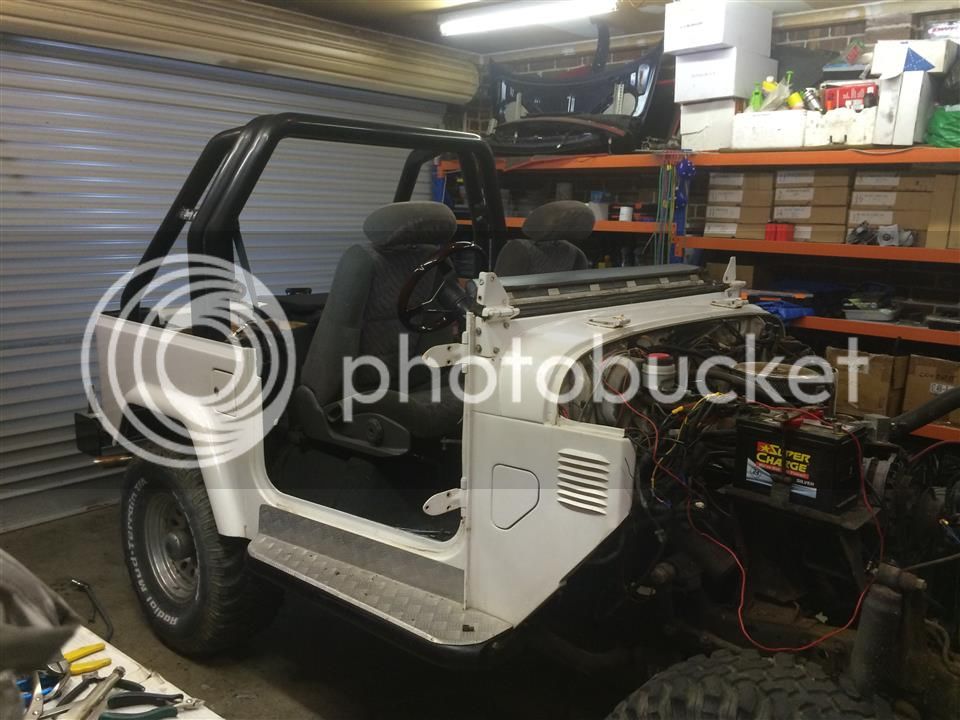
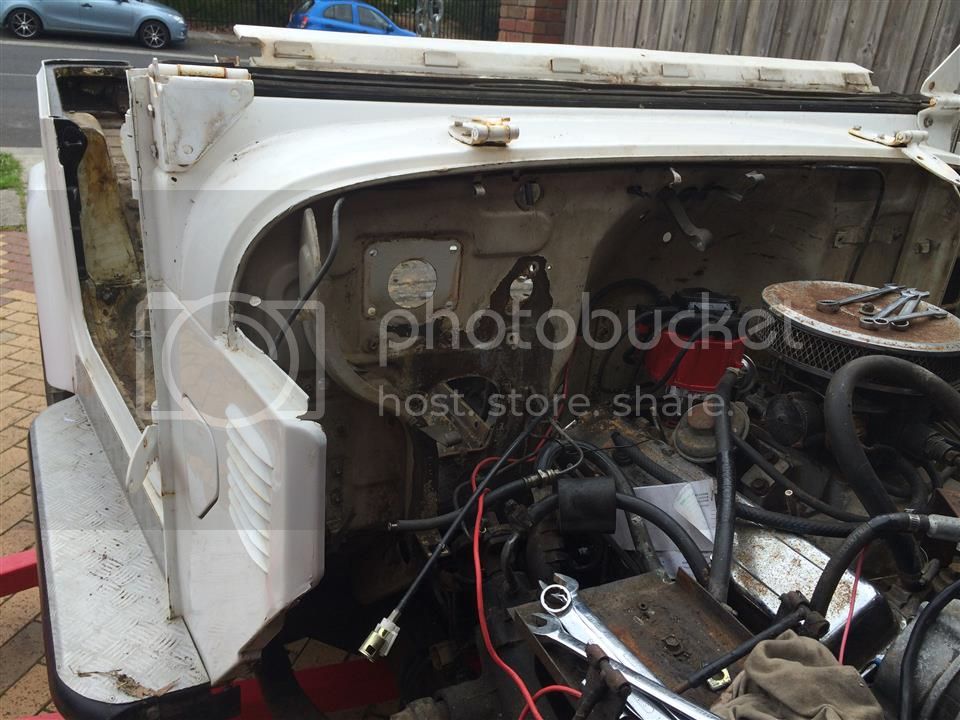
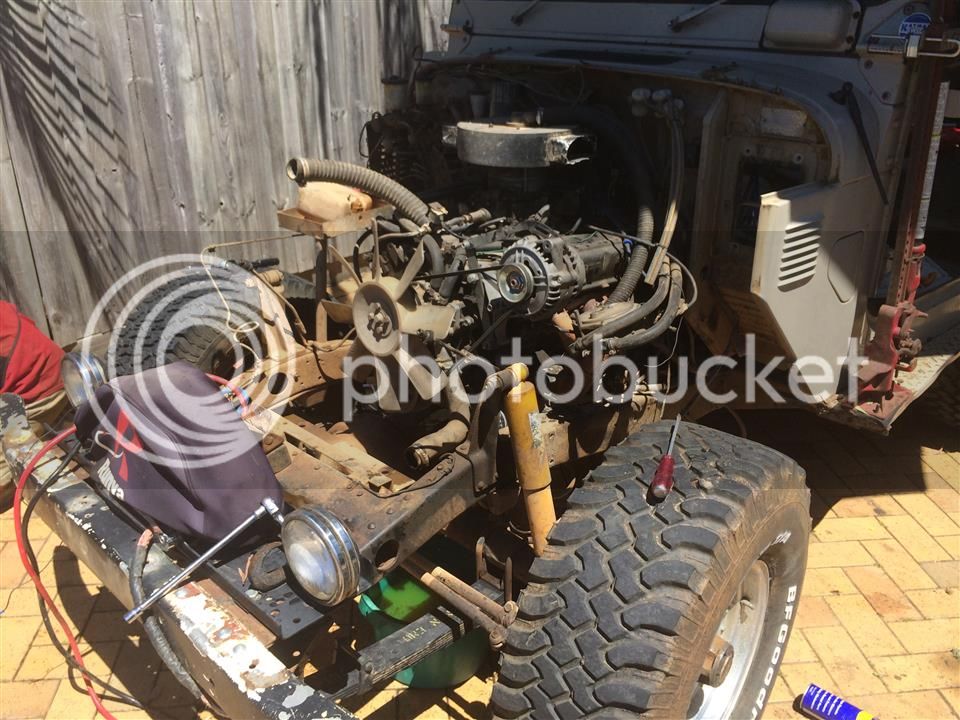
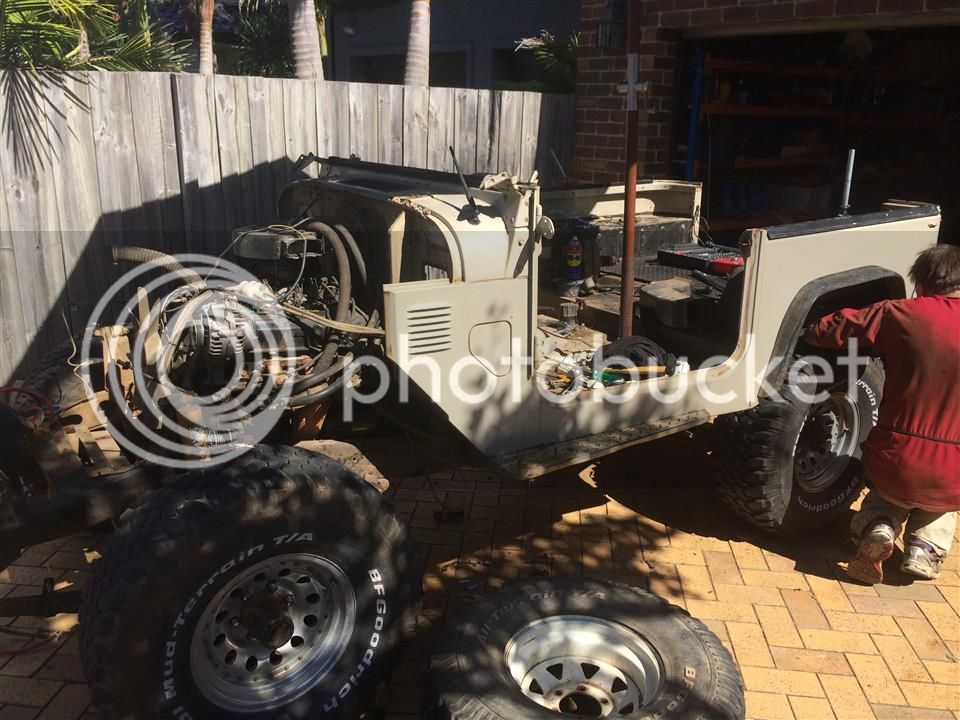
As we were happy that all the main components of the white FJ40 were working nicely, we decided to strip it down for the rebuild.


Here are the pics of the teardown…


IMG_3681Custom_zps1c2974ef.jpg


IMG_3698Custom_zpsc735bc47.jpg


IMG_3700Custom_zps2695469d.jpg


IMG_3703Custom_zps1e4883d1.jpg


IMG_3706Custom_zpsa72f0b02.jpg


IMG_3708Custom_zps3c022a14.jpg


IMG_3709Custom_zps2353368a.jpg


IMG_3718Custom_zpscea55258.jpg


IMG_3720Custom_zps7760e7a8.jpg


IMG_3722Custom_zpsca4172c7.jpg


IMG_3777Custom_zps8da2a5e1.jpg


IMG_3778Custom_zpsd71ea33a.jpg


IMG_3781Custom_zpse81c18a7.jpg


IMG_3783Custom_zps6301d80e.jpg


IMG_3789Custom_zps290ac9ce.jpg
 
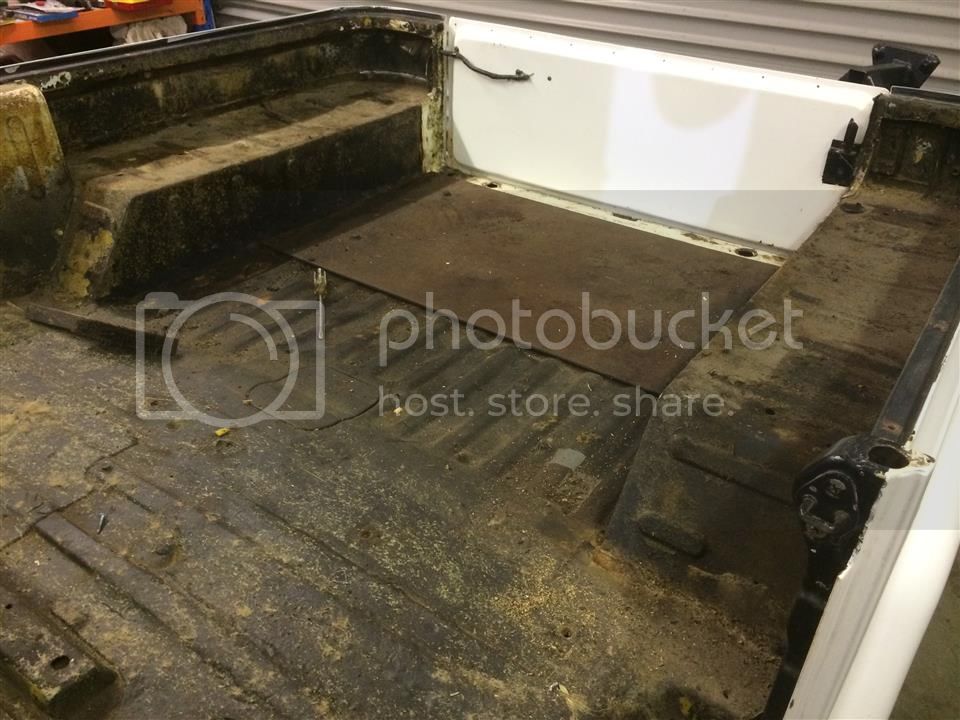
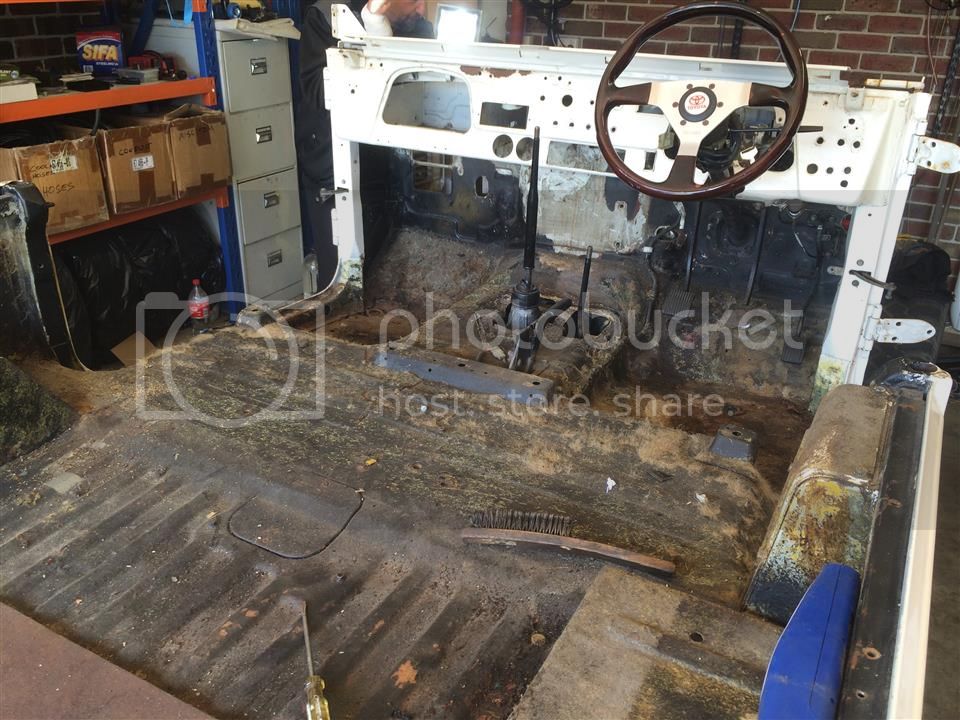
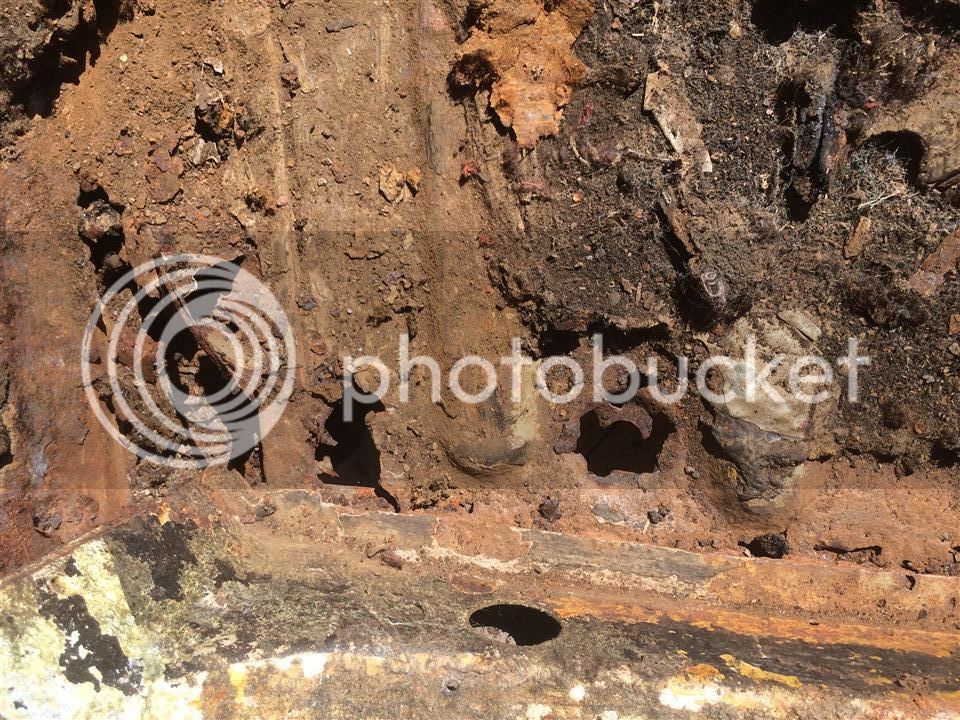
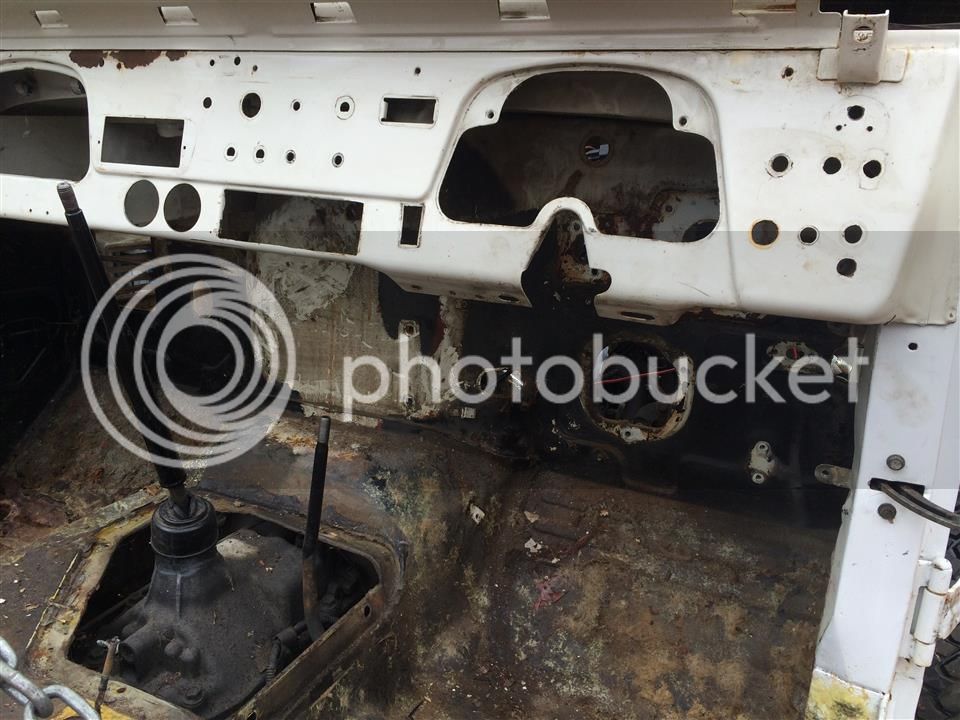
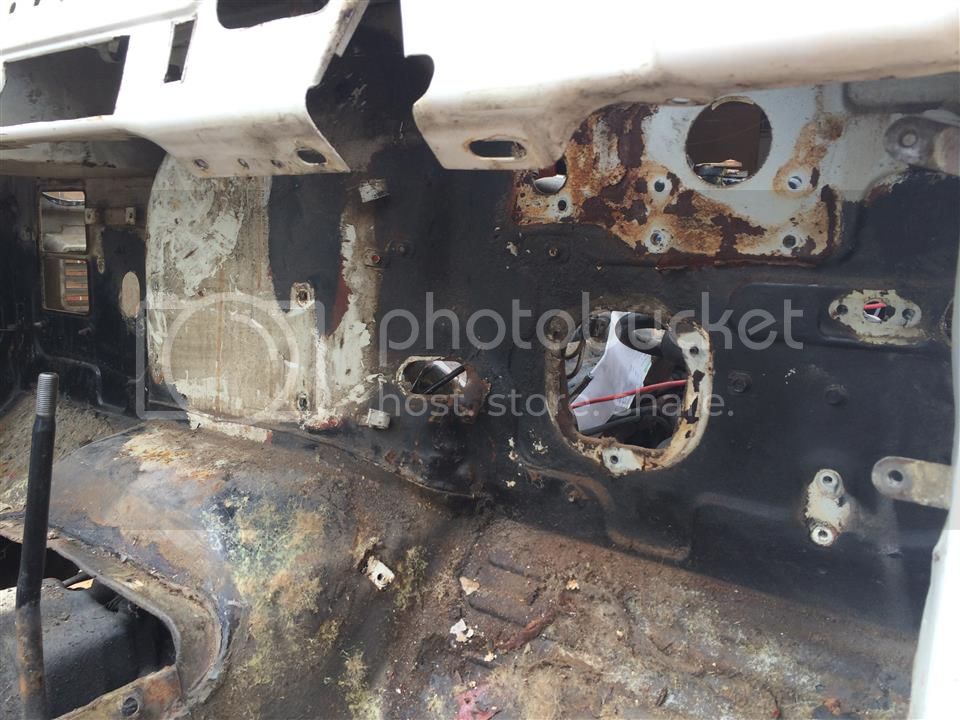
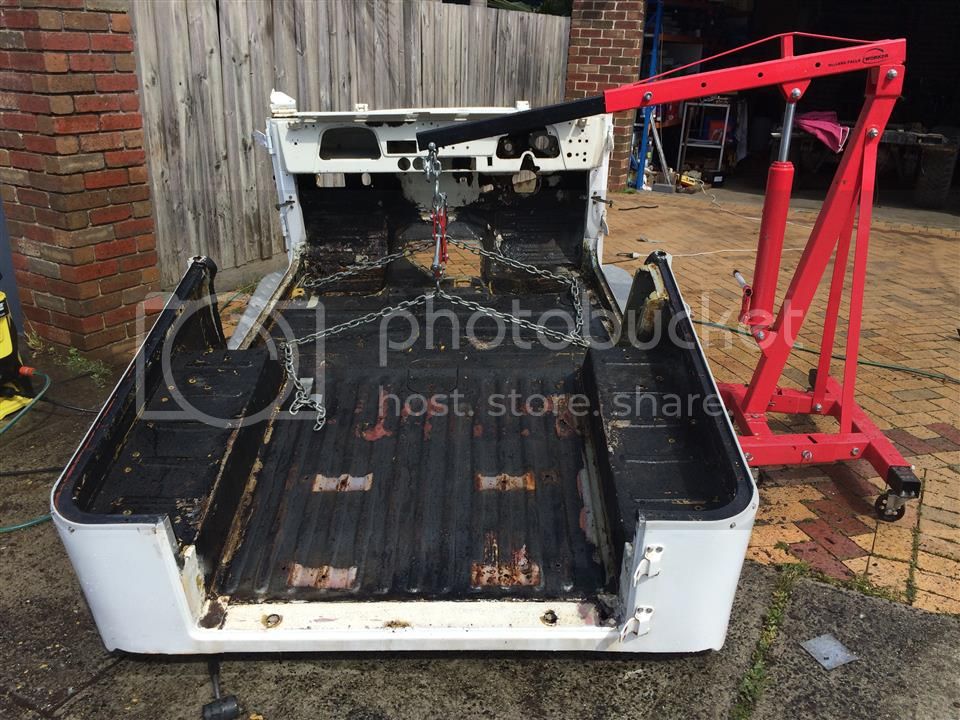
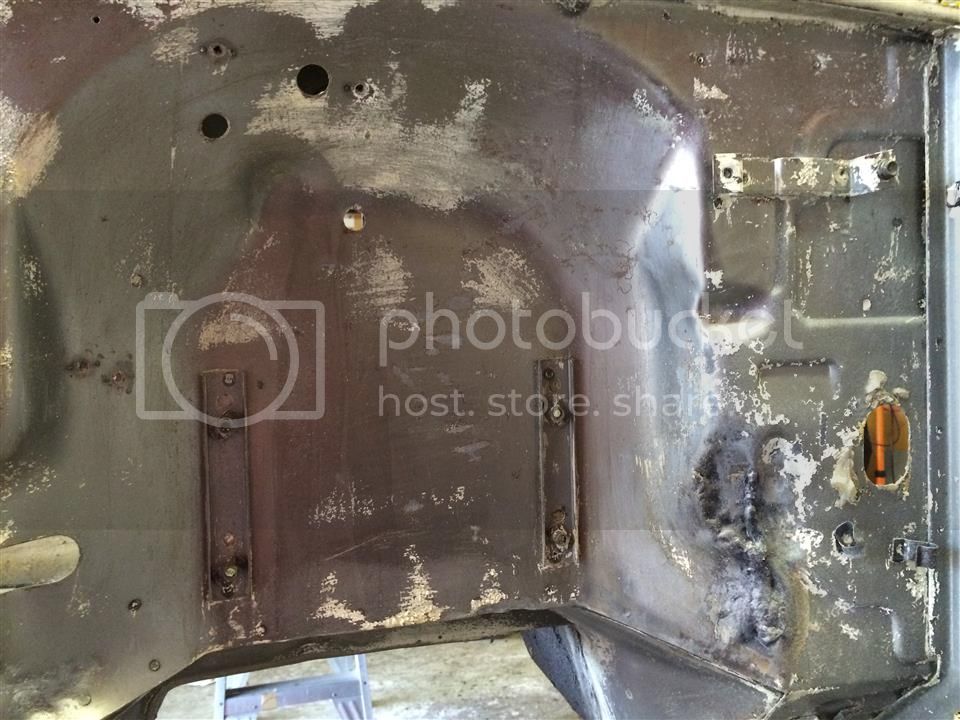
Once we had the tub mostly stripped down, we found a few areas of moderately bad rust. Worst part was the passenger footwell, with some in the drivers footwell and a small section in the rear.


IMG_3797Custom_zps27956a5a.jpg


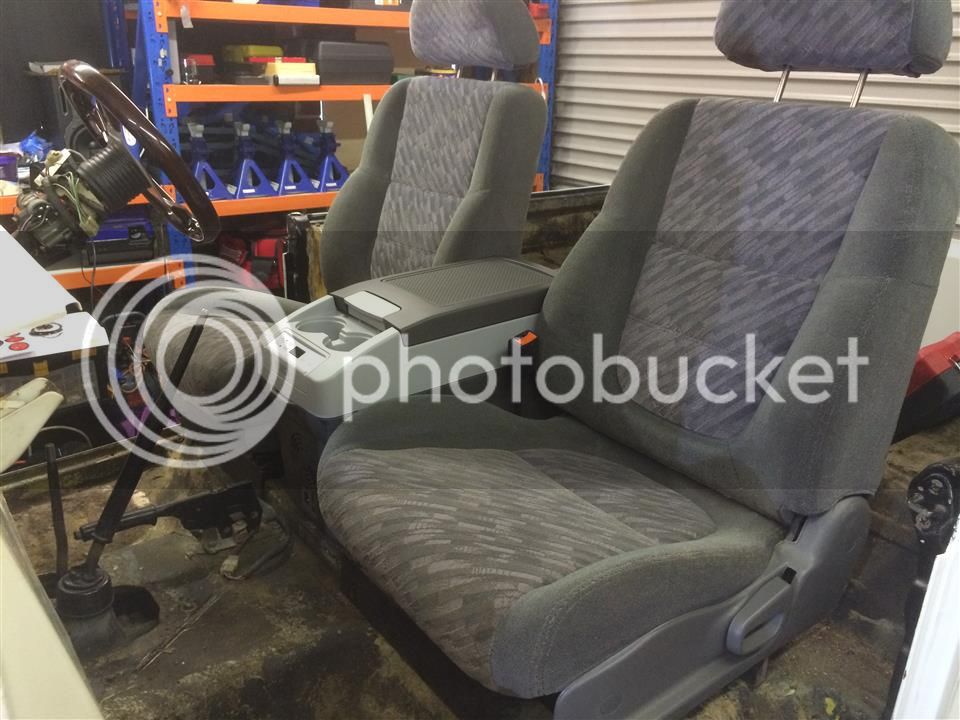
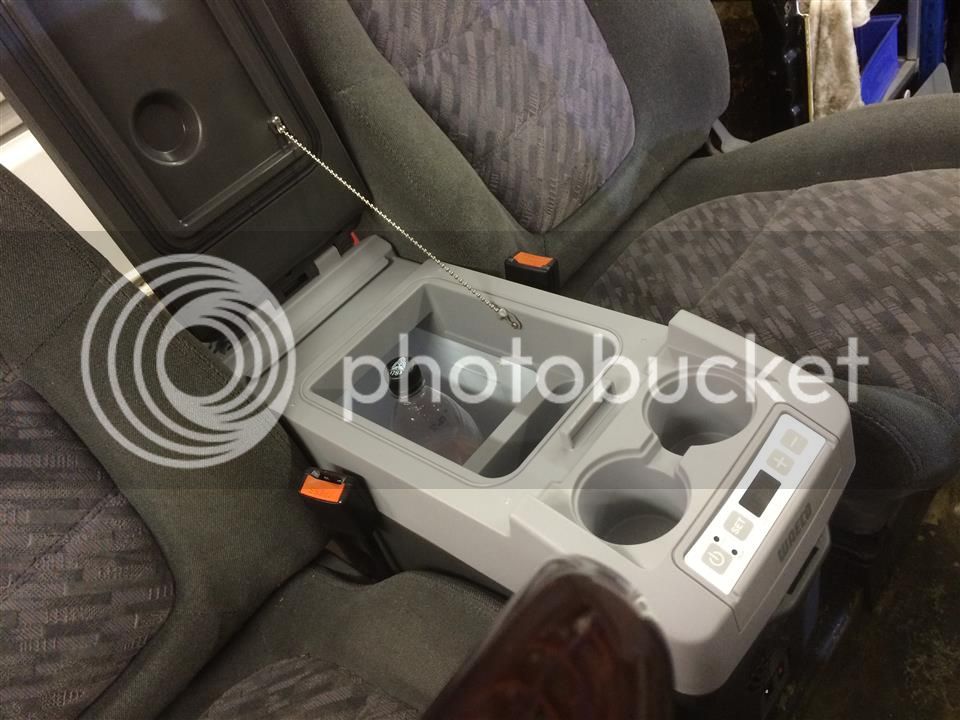
At this stage we were happy to use the tub (as we could repair the rust issues). So before we removed the tub, we quickly mocked up the seats and a centre console fridge we had purchased (initially the fridge was purchased for the first FJ40, but we planned to fit one in each).


The fridge is a Waeco CDF11 fridge/freezer (The smallest on the market).


As you can see, it fits perfectly between the seats and can be used as an arm rest.


IMG_3800Custom_zps013b4e68.jpg


IMG_3802Custom_zps0d871f08.jpg


IMG_3803Custom_zps549598ba.jpg


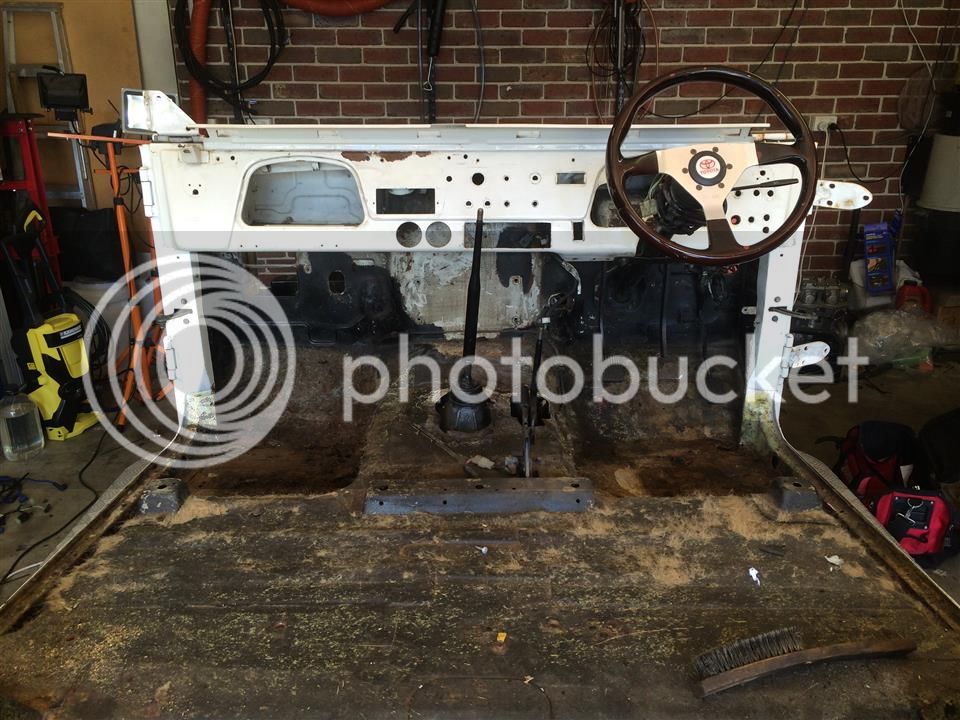
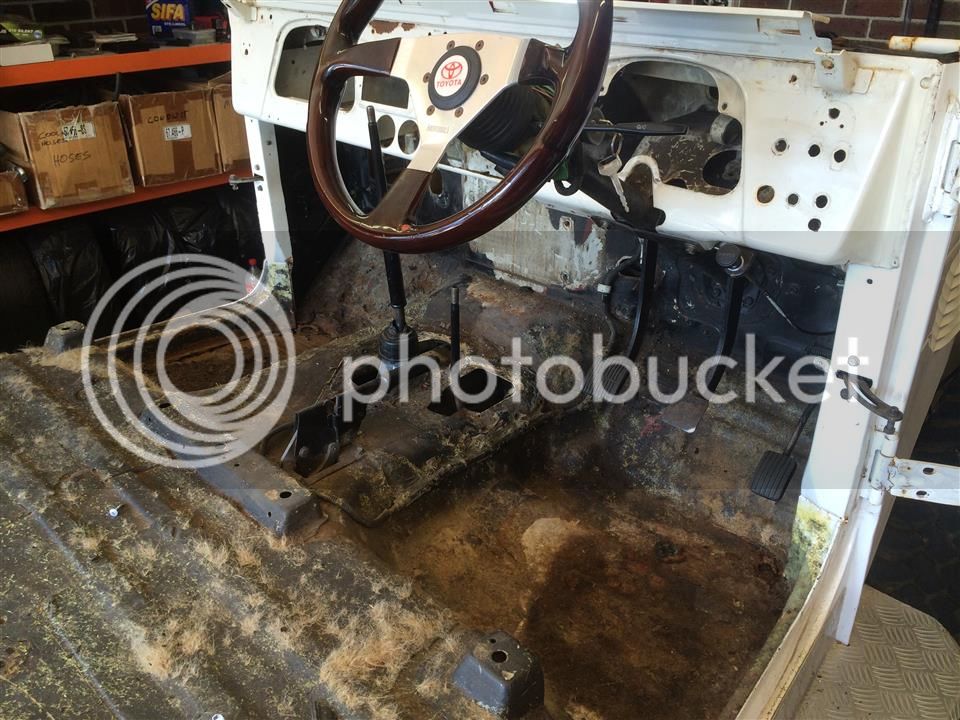
Once we were happy the fridge system would work, we continued stripping down the tub (Steering column, pedals etc).


IMG_3869Custom_zpsa3124b47.jpg


IMG_3870Custom_zps77430172.jpg


IMG_3871Custom_zps79be8cf5.jpg


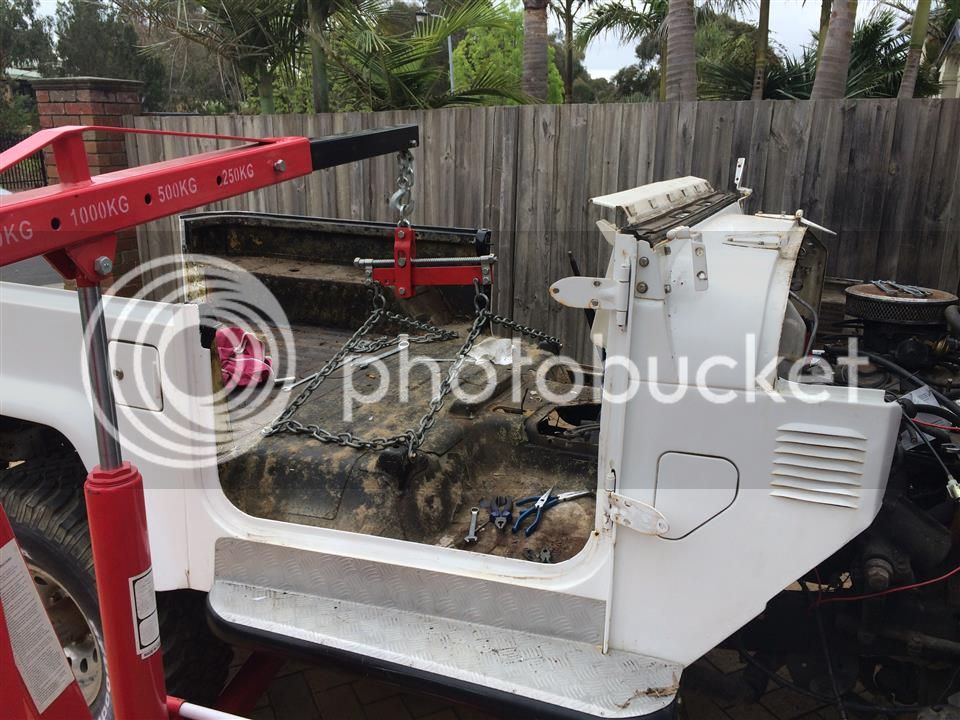
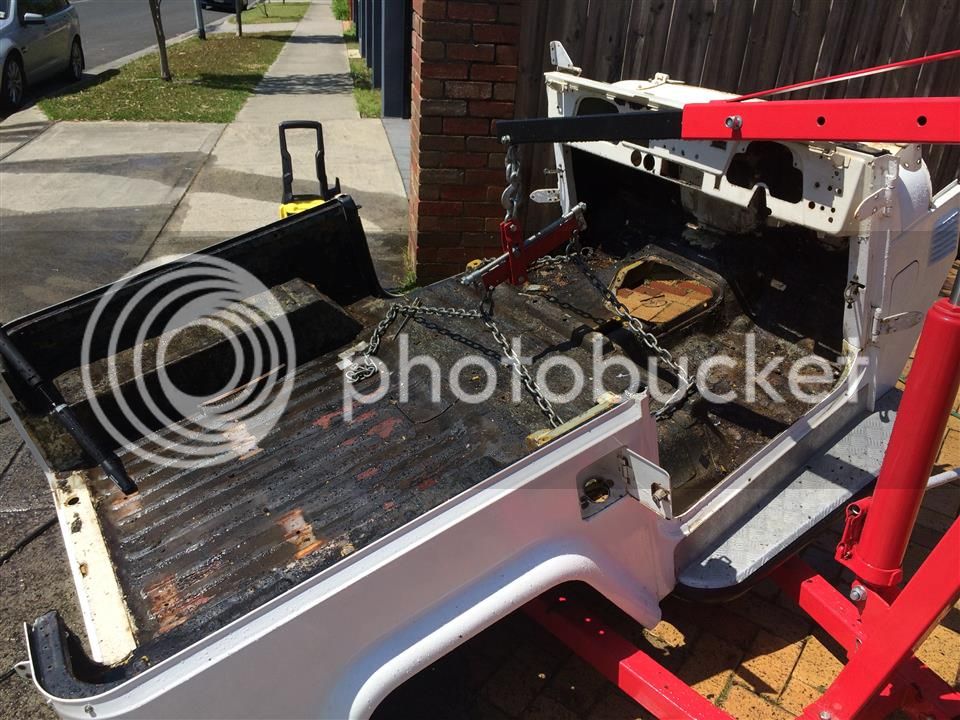
We were now ready to remove the tub from the chassis…


IMG_3868Custom_zps5bd41e6b.jpg


IMG_3874Custom_zps887fe500.jpg


IMG_3875Custom_zps77e8a1c4.jpg


IMG_3876Custom_zpsd3b0cd71.jpg


IMG_3878Custom_zpse1b7d515.jpg


IMG_3877Custom_zps948a5cb1.jpg


IMG_3880Custom_zps7a8738f4.jpg
 
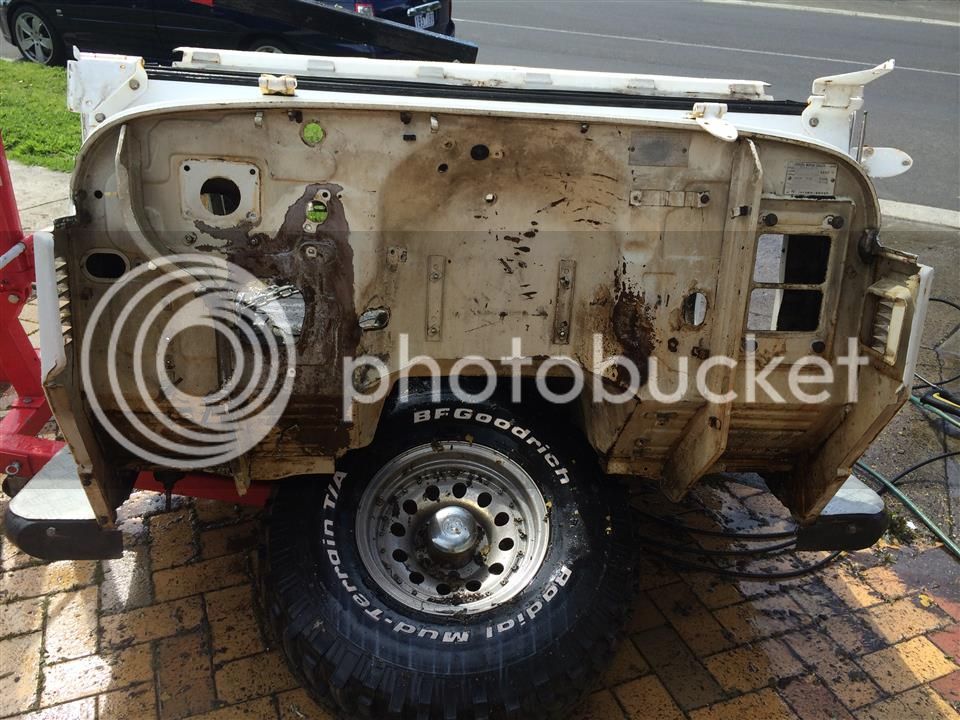
Once the tub was removed I have it a wash with the karcher pressure washer to try and remove as much dirt and grime as possible.


IMG_3881Custom_zps725457cd.jpg


IMG_3882Custom_zps6f3e5703.jpg


IMG_3883Custom_zpsfa3aac2a.jpg


Once the tub was clean we moved it into the garage (and put it on axle stands).

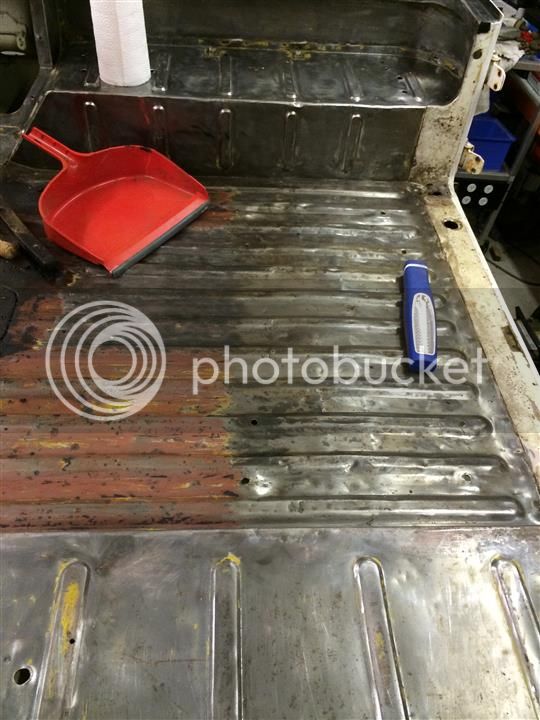
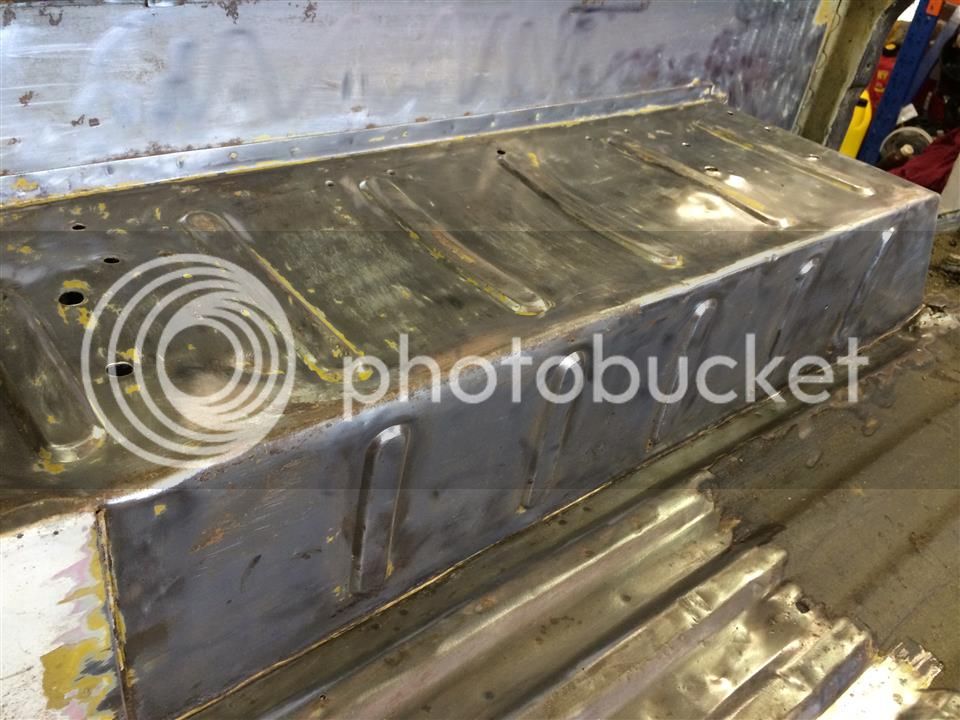
It was then a matter of stripping the tub back to bare metal (Using a combination of wire wheel brushes and elbow grease).


IMG_3938Custom_zpsa36660b8.jpg


IMG_3934Custom_zps90475845.jpg


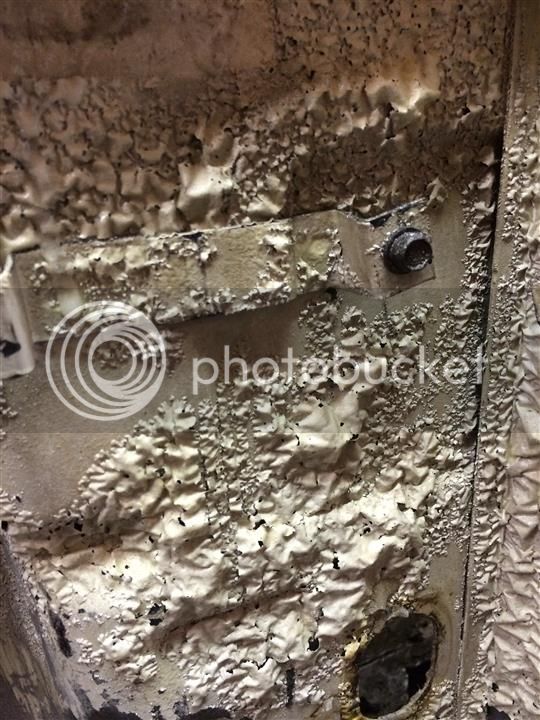
We also attacked the front firewall with paint stripper (again to get back to bare metal).


IMG_3931Custom_zps7762495e.jpg


IMG_3937Custom_zpsb38ee636.jpg


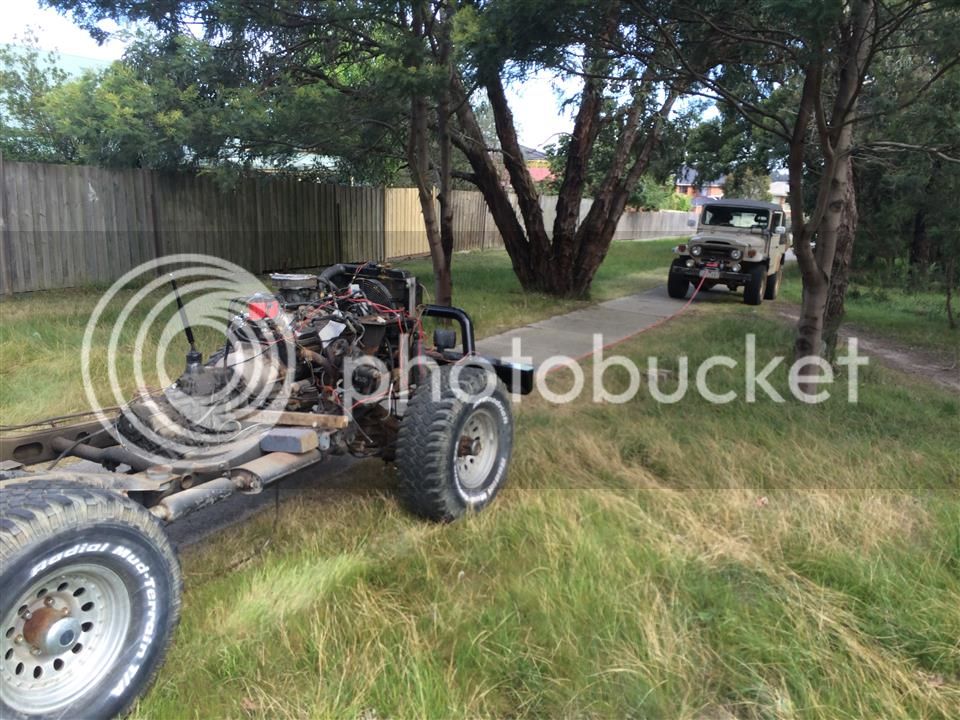
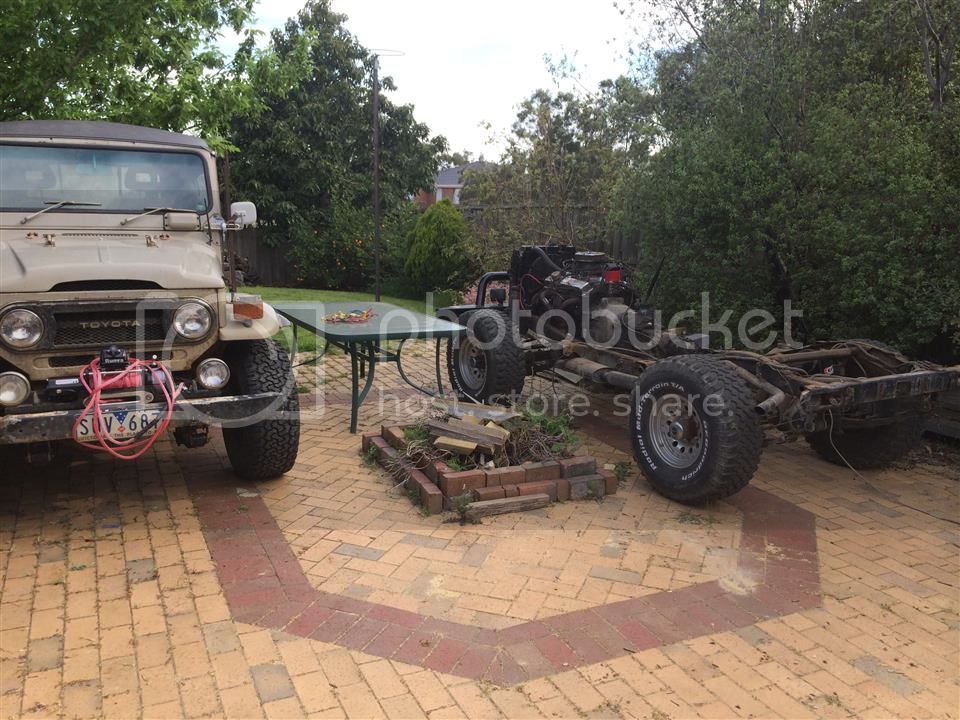
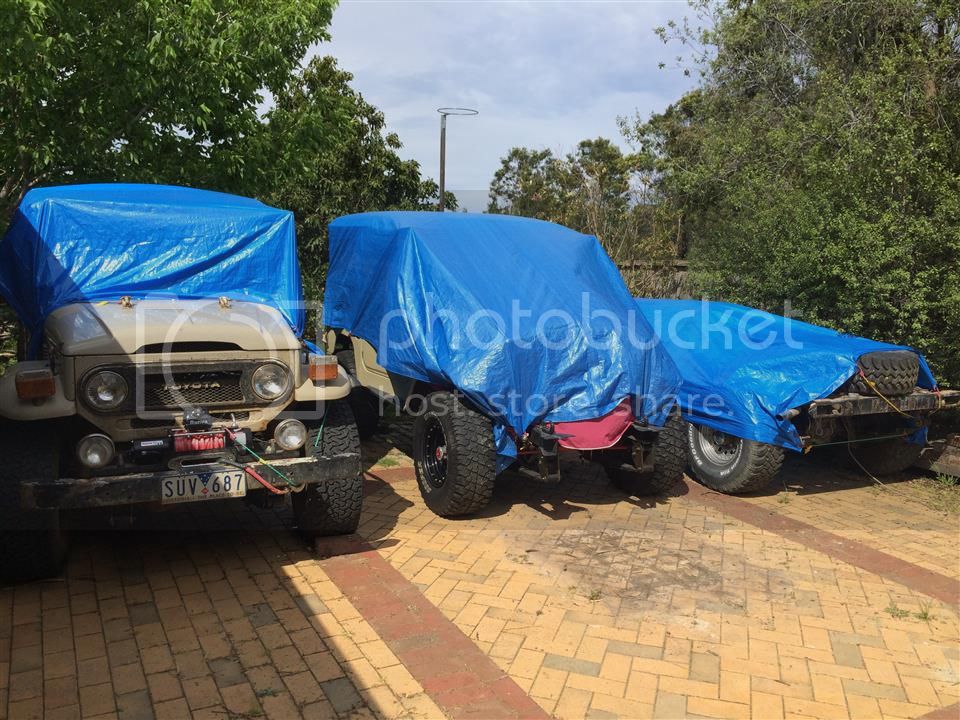
Now a few weeks earlier anticipating the need for extra storage space, we made a gate in our side fence so we had access to the back of the property. Luckily we live next to a “nature reserve”, so don’t have a neighbour to worry about. This allowed us to move the chassis around to the back of the property (along with the FJ40-1) for storage. (Both FJ40-1 and the FJ40-2 chassis were covered with a water proof tarp after I took these pics).


IMG_3886Custom_zps3d7285aa.jpg


IMG_3888Custom_zpsbd8dd84d.jpg


The chassis does have a lot of surface rust, but hopefully it could be cleaned up and painted.
 
So here is where things get interesting…


During the previous few weeks (while the work above was occurring), we had been looking on gumtree (our equivalent to craigslist) and found an unfinished FJ40 project in Adelaide. Basically the guy had done 80% of the restoration, but just had a kid and needed the money/garage space. We were able to get it for $6500 including the transport/freight costs to Melbourne.


(These are the pics from the ad)


IMG_3897Custom_zps53509cd2.jpg


IMG_3711_zps1954b985.jpg


IMG_3712_zps892d5ddb.jpg


IMG_3713_zps6ba4c400.jpg


IMG_3714_zps1d2be8d7.jpg


IMG_3715_zpsbd4262e4.jpg


IMG_3716_zps6d45f88b.jpg


IMG_3717_zpsac489071.jpg


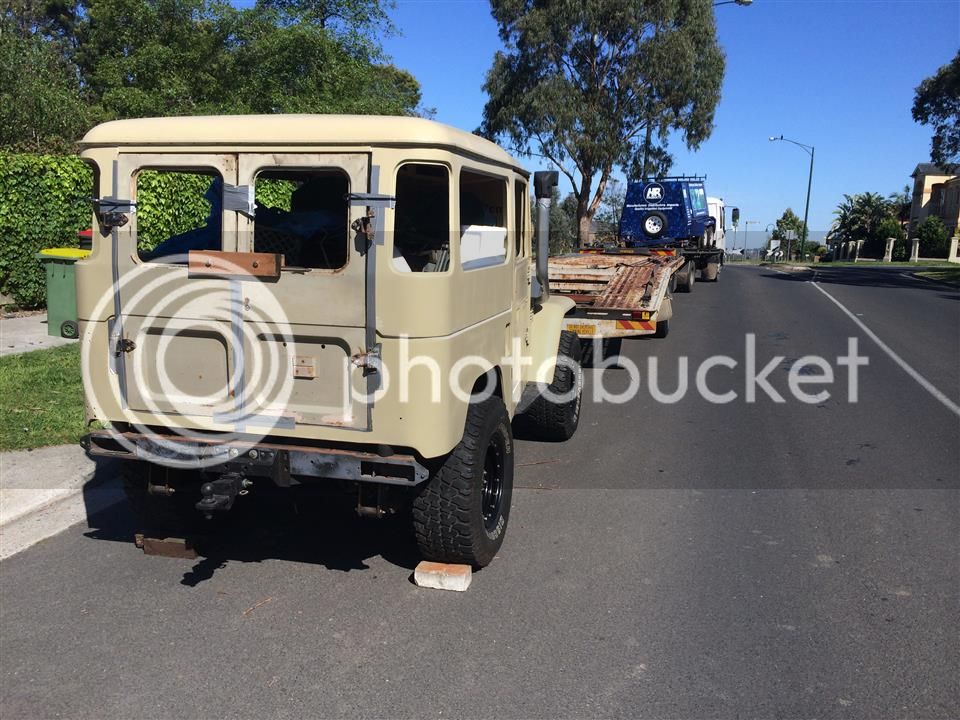
And it arriving on the truck…


IMG_3897Custom_zps53509cd2.jpg


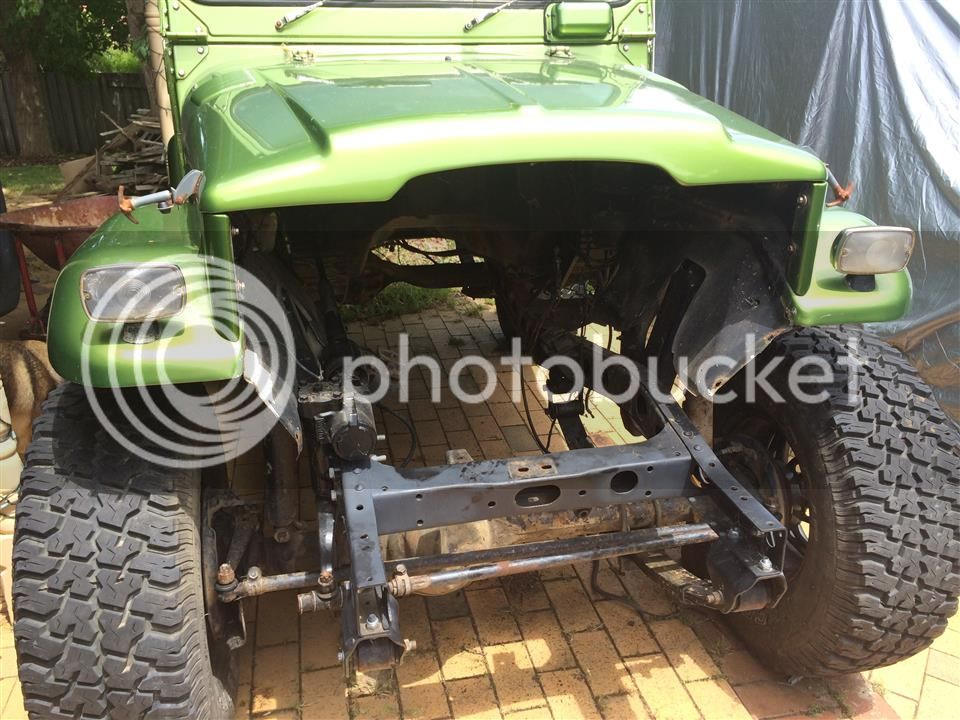
So it was a 1976 FJ40 Hardtop with the driveline from a donor HJ47.


2H Diesel Engine, 4 speed gearbox

Fully rebuilt front/rear diffs/axles/brakes etc

Body had been sand blasted and painted

New suspension and bead lock rims

Included factory air conditioning


We moved it around the back to go with the FJ40-1 and FJ40-2 chassis.


IMG_3927Custom_zps6f12e686.jpg
 
Now things just get downright complicated.


Having spent too much time on ebay, we stumbled upon another FJ40landcruiser. This one was 15 minutes from home, and listed for $3000.


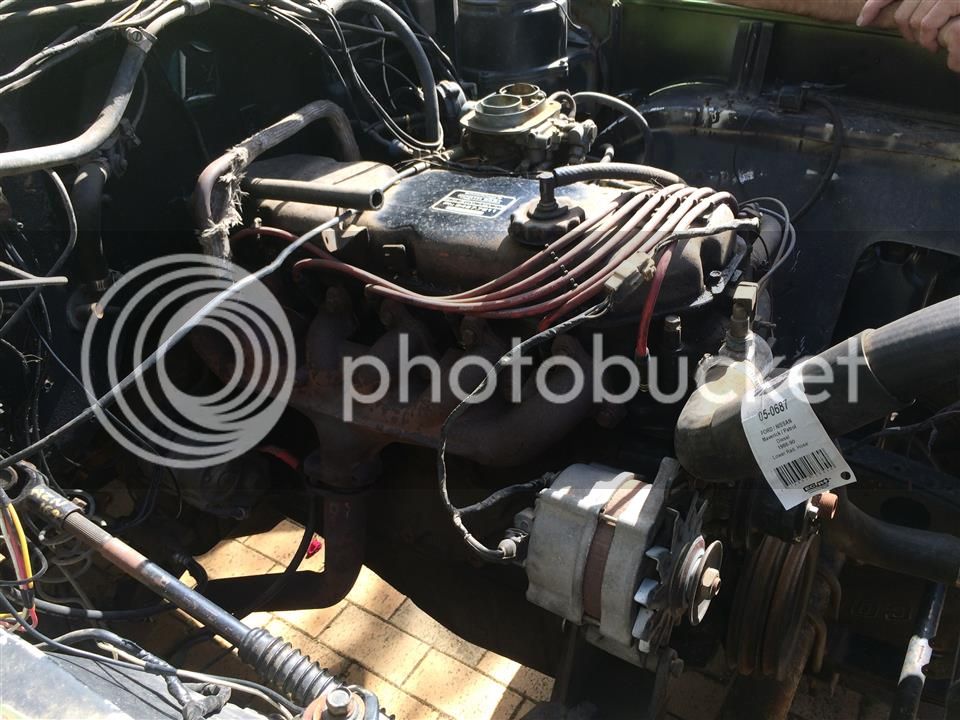
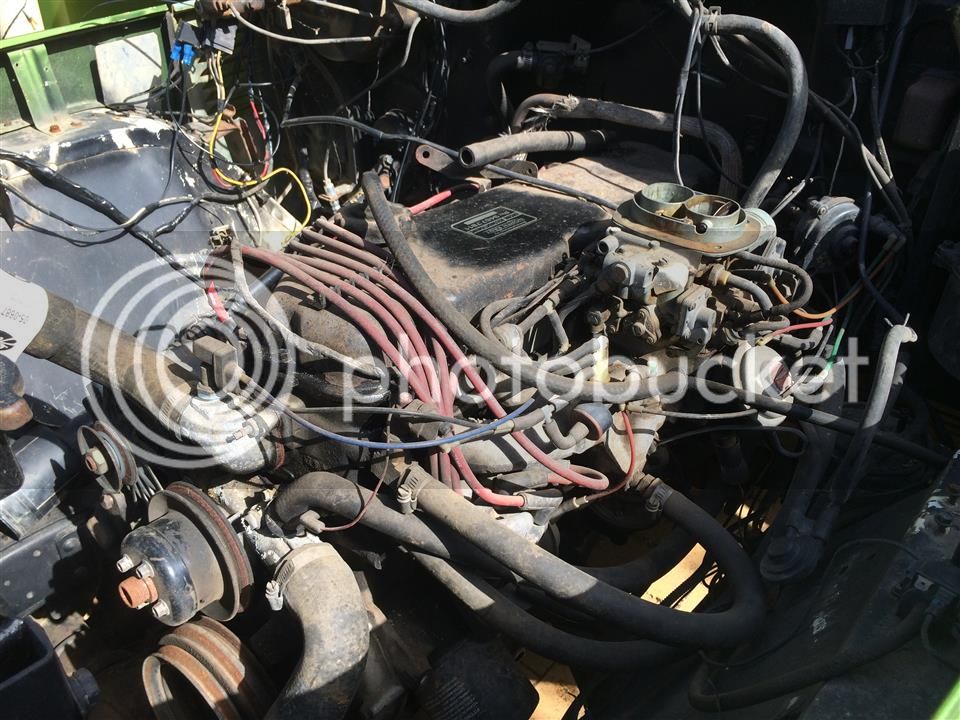
It was a 1977 FJ40 with a Ford 250ci Crossflow I6.

4 speed gearbox

60 series power steering conversion

35” Wheels/rims and suspension shackle reversal

Body/chassis had been recently resprayed

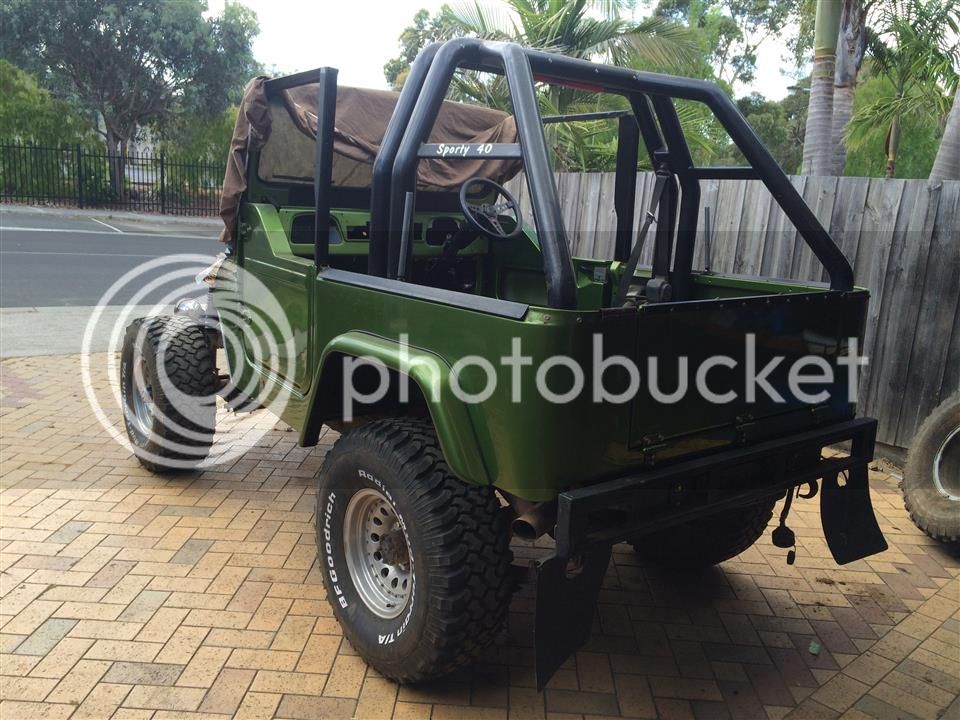
“Sporty 40” roll bar

Fibreglass half doors/Barn doors

New soft top including inserts for the barn doors


31D58ECC-9BCE-452A-9D7B-6572745C76DE_zpsrunjyp0e.jpg


253898A9-DDEC-45E8-A7F2-C645D0DDD905_zpseiz70otv.jpg


The interior was basic…


IMG_4057%20Custom_zpsgcpgckfr.jpg


IMG_4058%20Custom_zpsqknufkvg.jpg


IMG_4059%20Custom_zpsf3hfp02v.jpg


IMG_4060%20Custom_zps6ribtcez.jpg


Engine conversion was done (and the engine runs), but needed an exhaust.


IMG_4073%20Custom_zpsimtgyc5q.jpg


IMG_4074%20Custom_zpsscql2aue.jpg


Also included a spare 40 series power steering box/pump, spare 60 series box and a few other bits and pieces.


A52A87C8-4854-433C-9CCF-C332C576BB34_zpsmj5sndfk.jpg


388ABE28-BB2E-4879-BF94-AD29C3F132A6_zpscvl1wwiu.jpg


0EADF3B4-5B74-41B9-877A-F491F383559B_zpstlrqu5hu.jpg


Overall it is a LOT of car and parts for $3000.
 
Last edited:
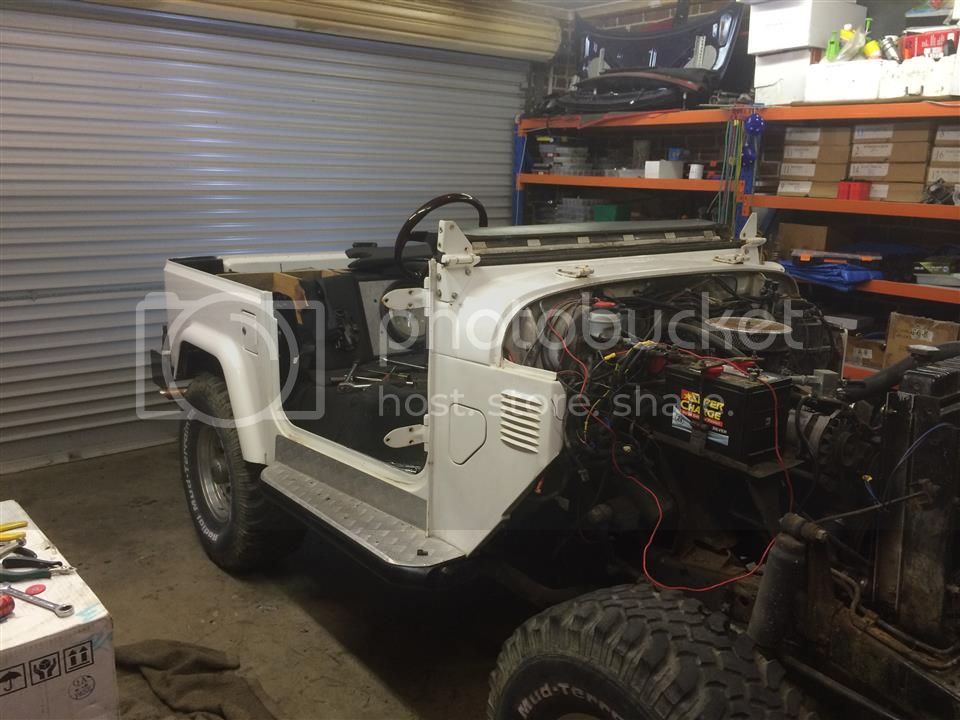
Also picked up a few more spares (gumtree, ebay etc).


I know this will hurt you American guys, but picked up a recently rebuilt H55F 5 speed gearbox/transfer case with Bellhousing to suit a Chev V8 for $600.


885A9E1B-5FD8-45DB-90C8-61962794EF02_zpspovj4yyh.jpg


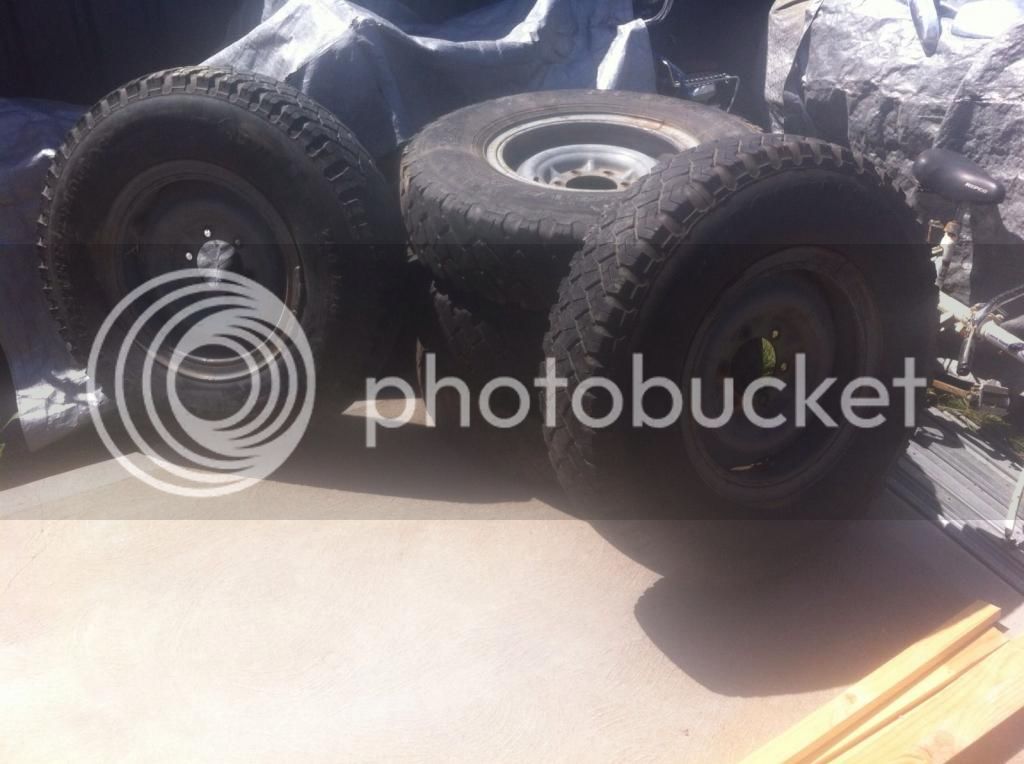
Also grabbed a spare set of split rims/tyres for $50.


FJ40Wheels_zps693a6f7d.jpg


Now i know this is a little complicated to follow, but this was the overall plan.


Vehicle 1 - Combine the following

FJ40-1: Chassis/engine/axles/diff

FJ40-2: Alloy Wheels

FJ40-4: Green Body/doors, Soft Top, Roll bar, spare 60 series power steering box

Spares: The rebuilt H55F 5 Speed gearbox


Vehicle 2 – Combine the following

FJ40-3: Chassis/Body/Axles/Diffs/Brakes/Wheels

FJ40-2: Chev 350/5 Speed/Power Steering/Soft Top/Roll Bar


We would then end up with 2 very good convertible FJ40s with V8s, 5 speed gearboxes, power steering, good chassis/bodies, nice wheels, good soft tops etc.
 
So at this point we decided to build the “Vehicle 1” first.


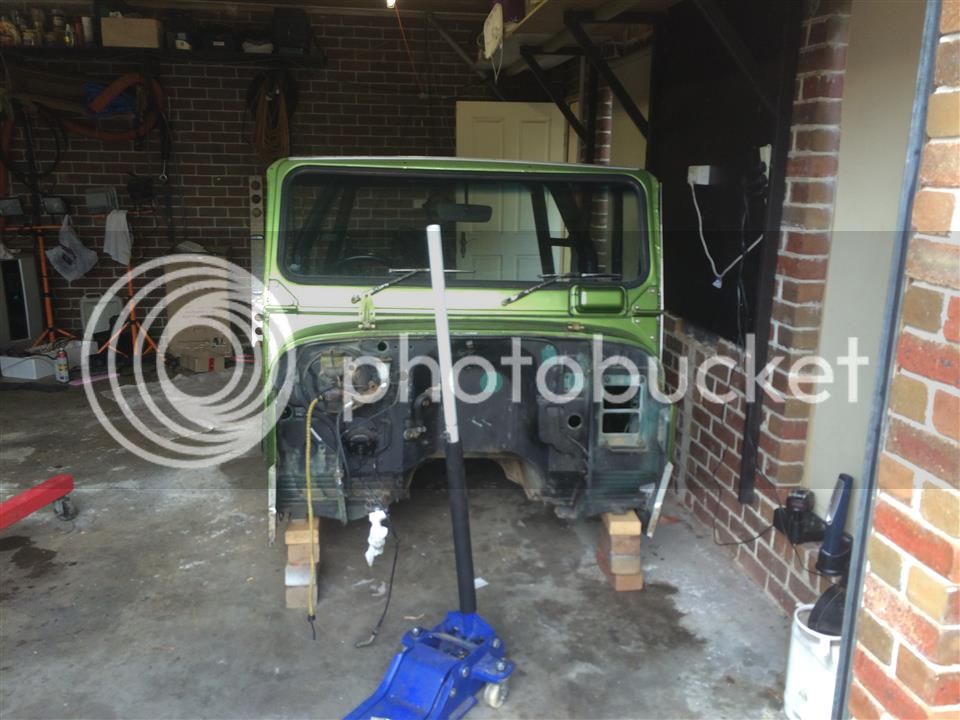
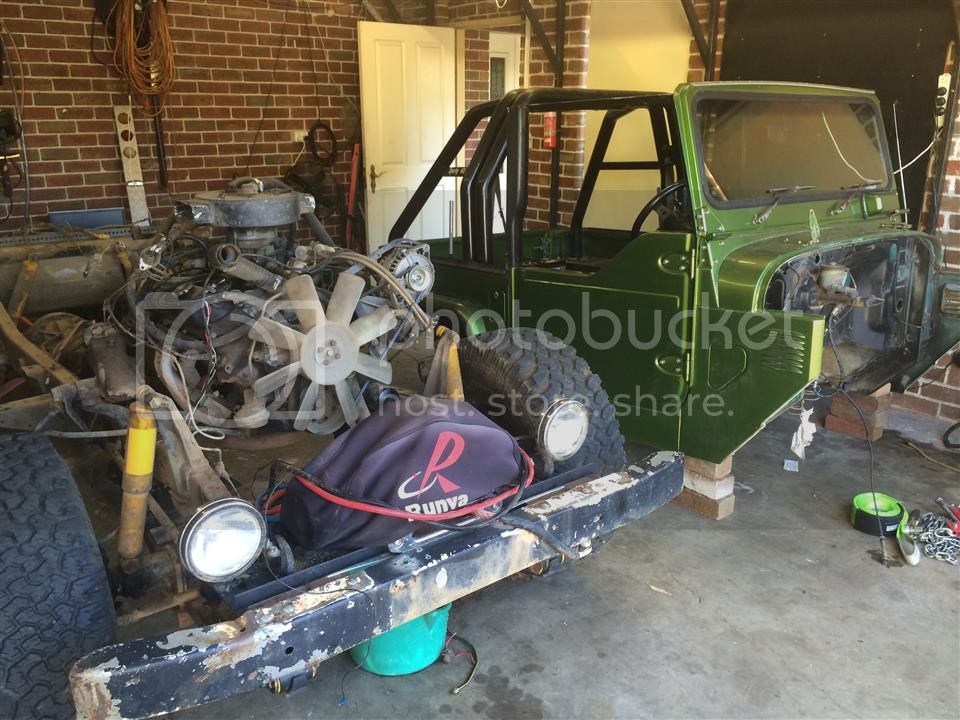
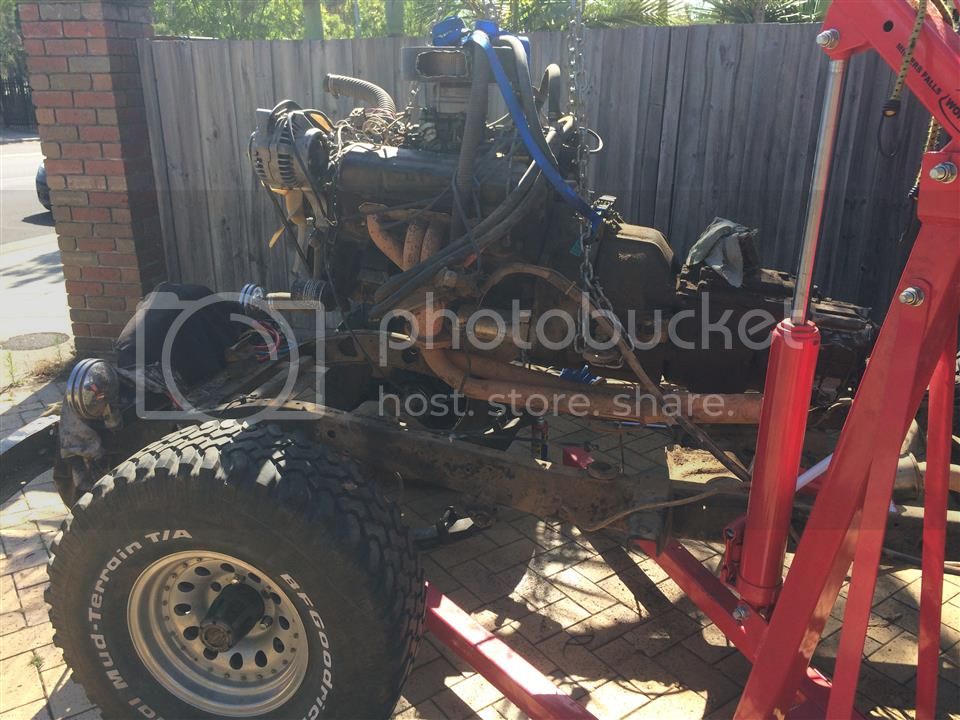
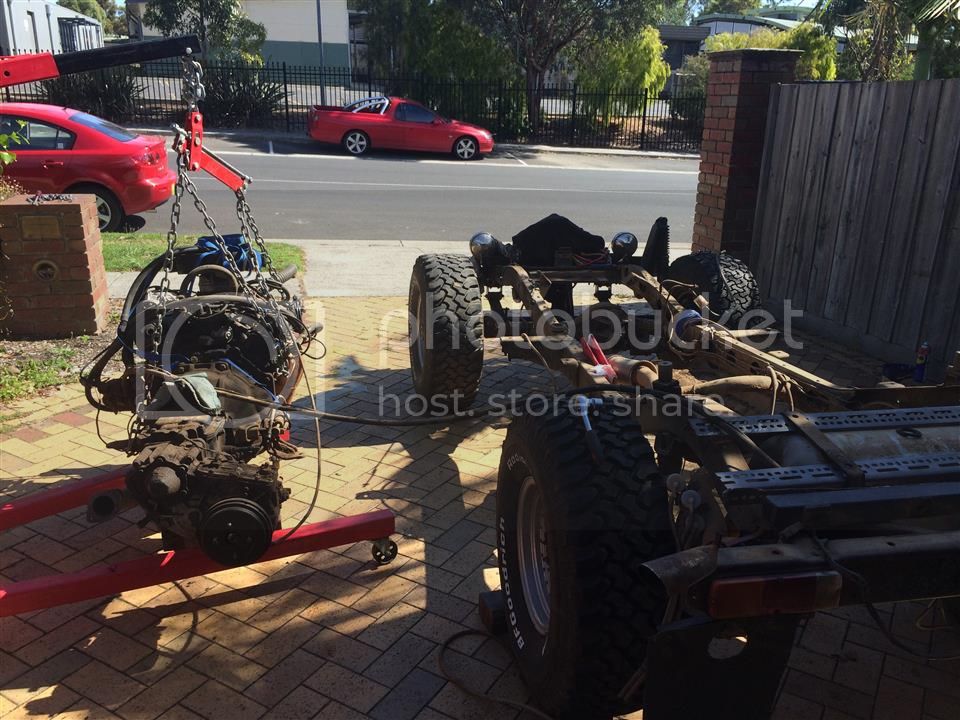
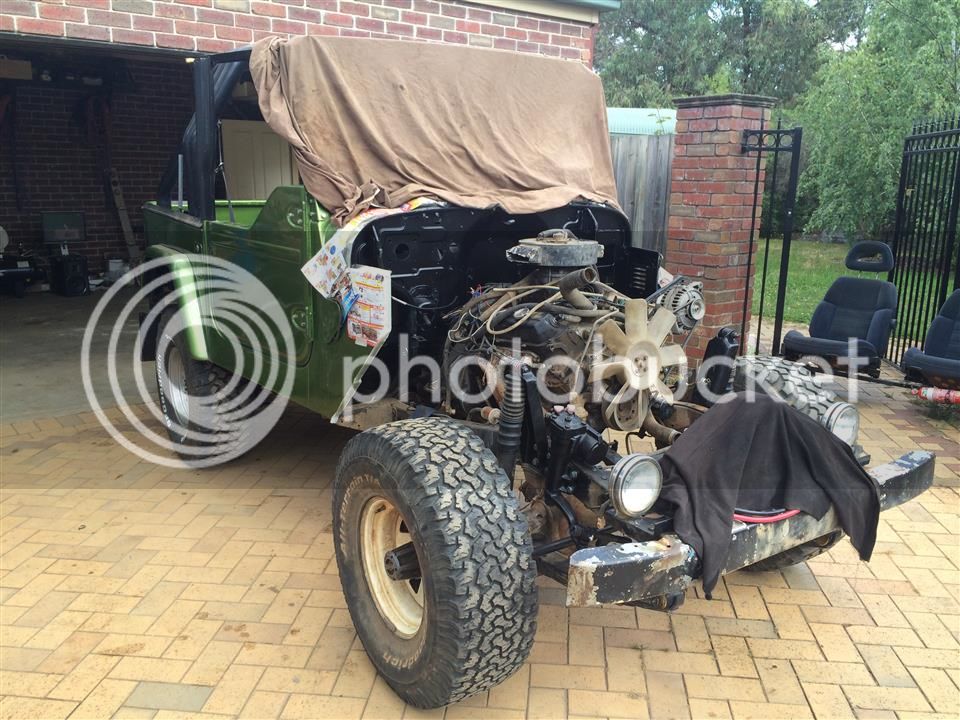
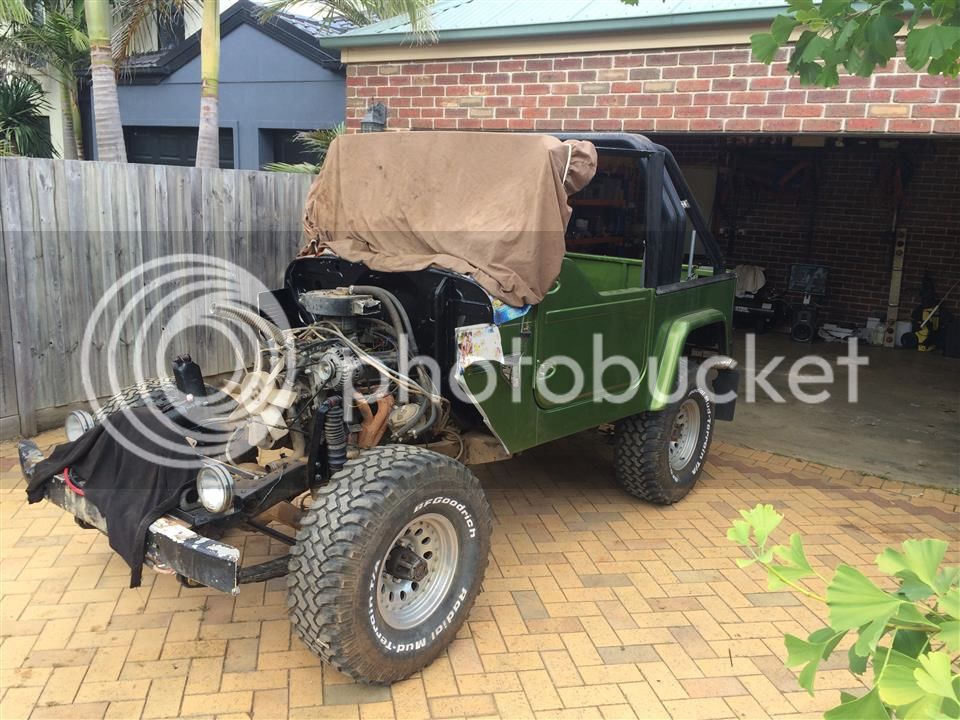
We started by removing the Ford Cross Flow engine/gearbox from FJ40-4…


IMG_4144%20Custom_zpsnz7vaun2.jpg


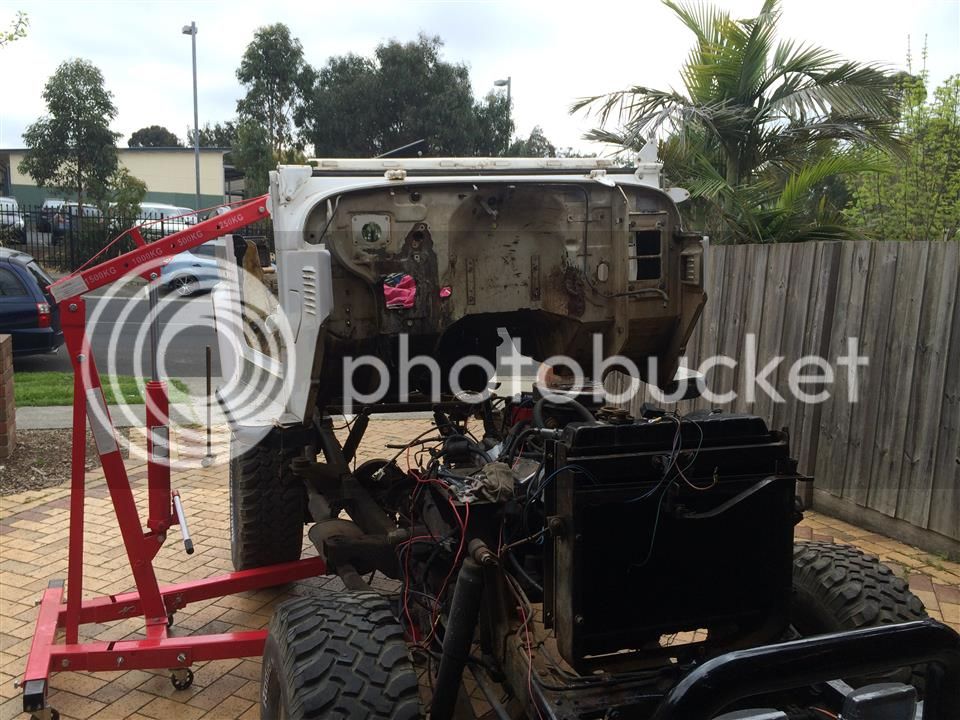
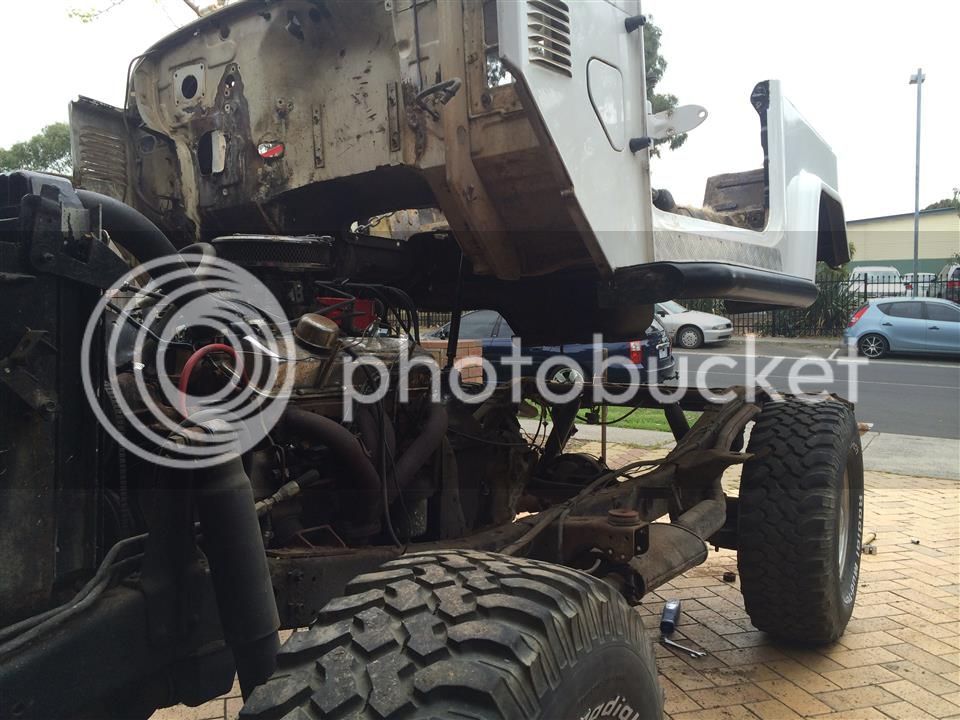
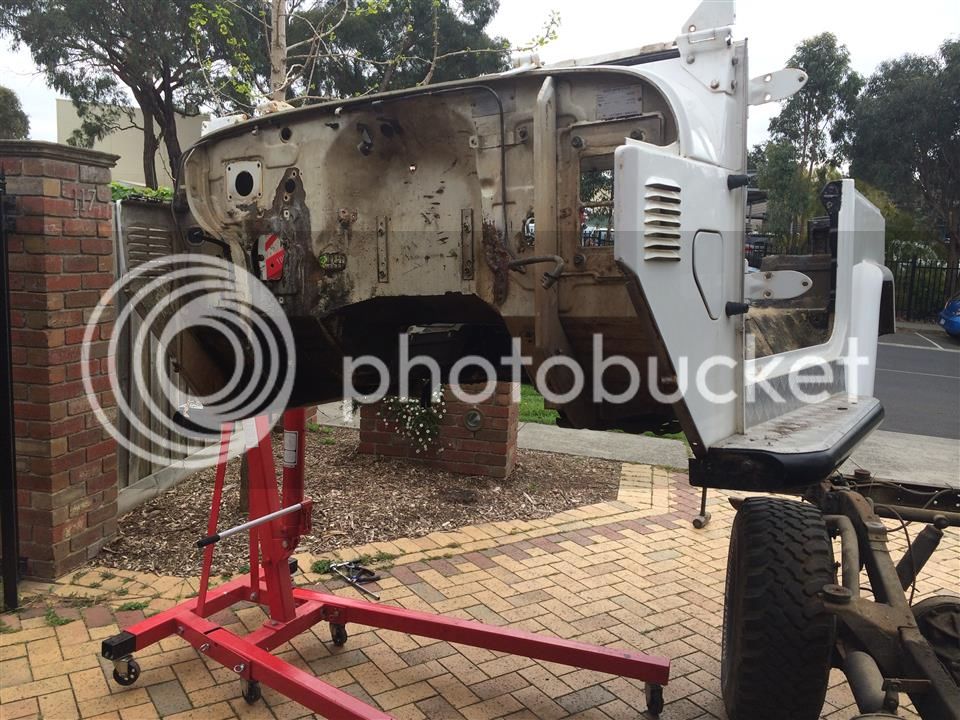
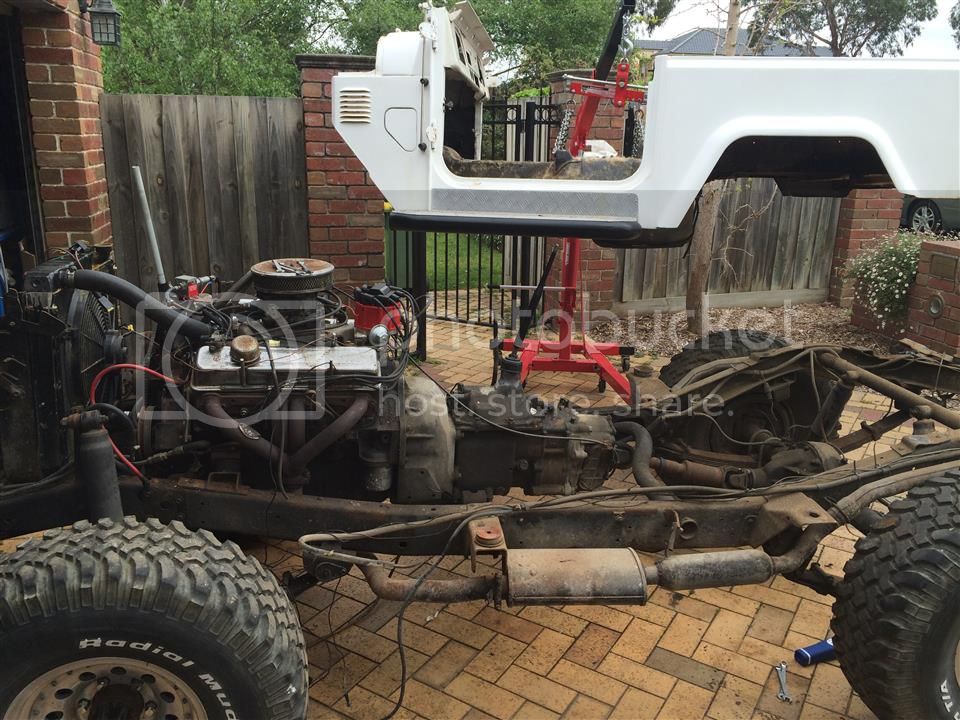
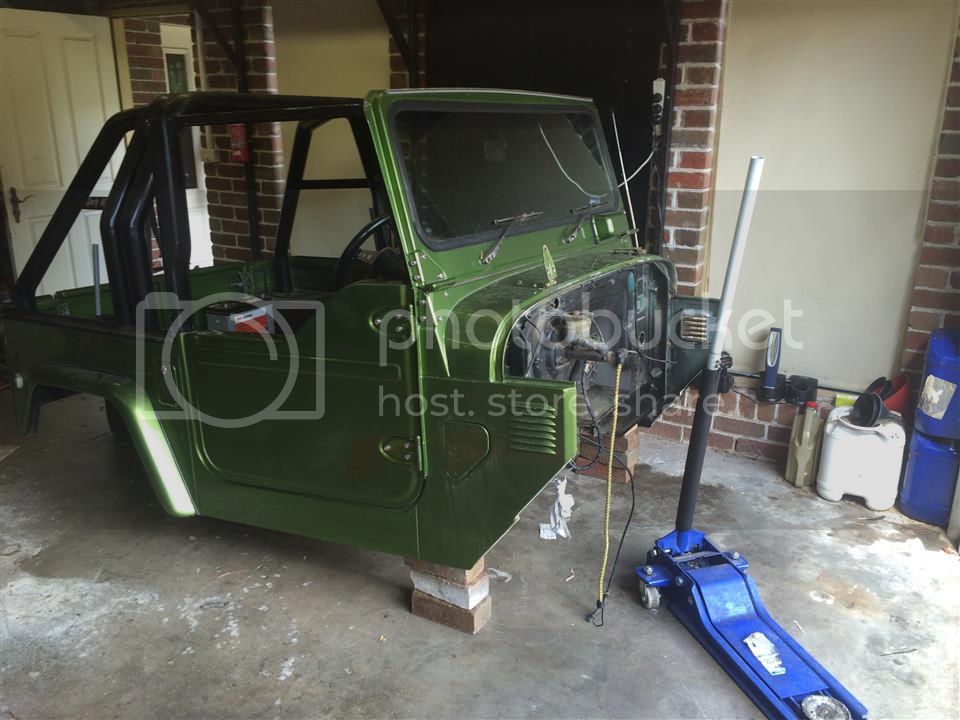
We then stripped the body down and removed it from the chassis.


IMG_4264%20Custom_zpszrcwyj7g.jpg


IMG_4265%20Custom_zpsu22gzdi8.jpg


We spent a bit of time repainting the firewall area, fixing up a few minor issues etc (more pics later).

It was then time to strip down the FJ40-1. We started by removing the body…


IMG_4267%20Custom_zpso9kabwy7.jpg


IMG_4268%20Custom_zps6whcnvqz.jpg


IMG_4271%20Custom_zpsbgbg20vk.jpg


IMG_4274%20Custom_zpslh5b3gjd.jpg


IMG_4282%20Custom_zpsataedtwl.jpg


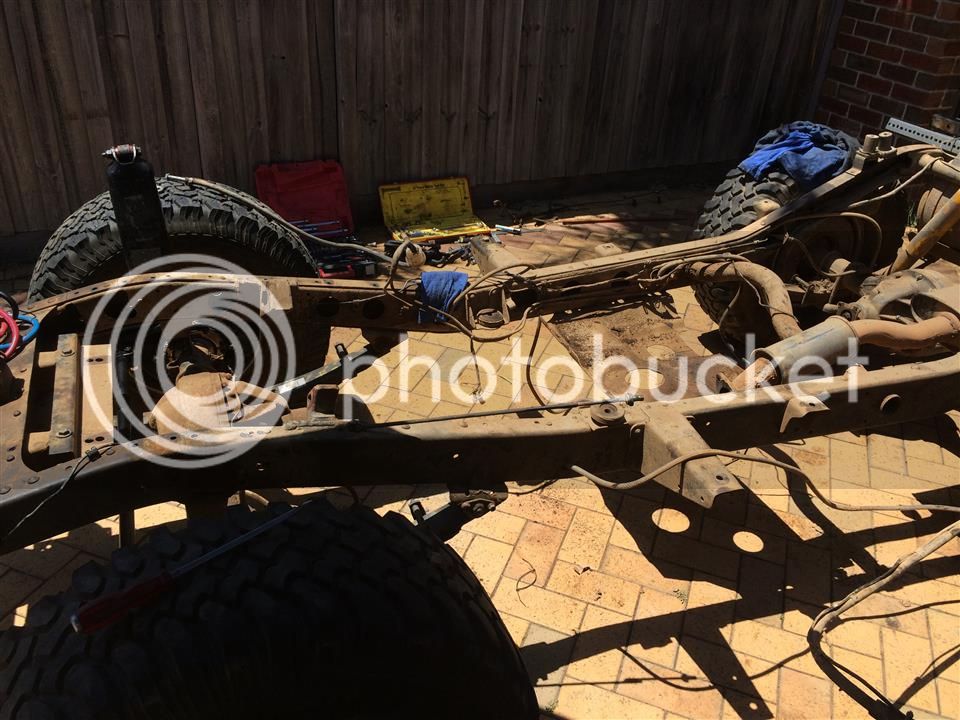
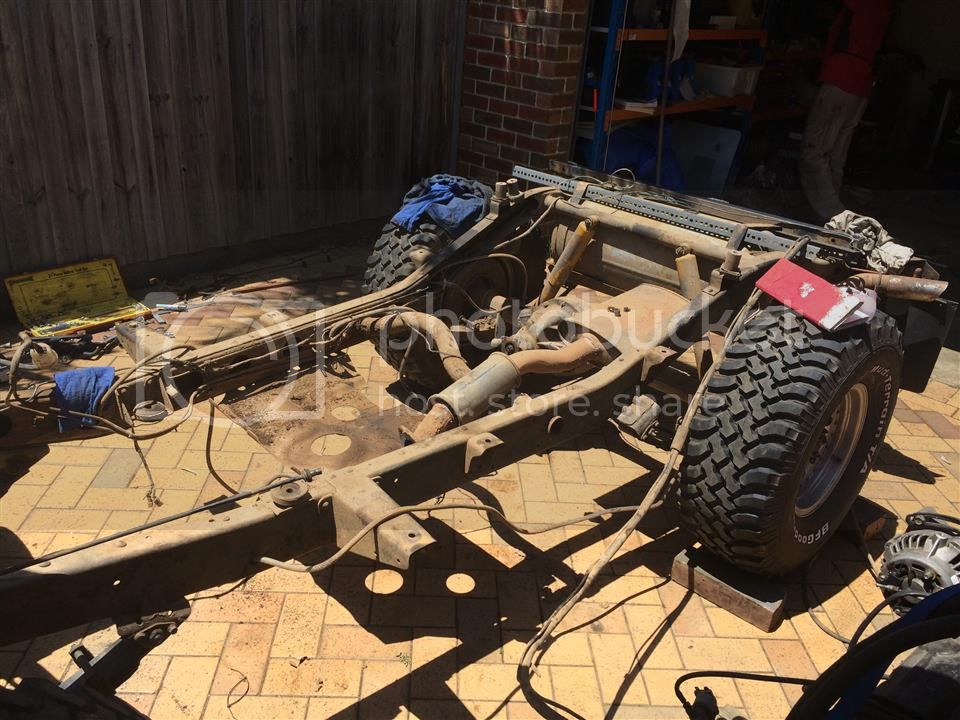
Once the tub had been removed, we put the chassis back in the garage so we could do some more repairs to the driveline…


IMG_4283%20Custom_zps5mtkaqky.jpg


IMG_4286%20Custom_zpshjma7sgu.jpg


As we were doing a 60 series power steering conversion, we needed to change the steering knuckle arm as the 60 series taper for the relay rod is larger than in the 40 series.


At this point we pulled axle apart so we could remove the diff to fit a diff locker (A lokka to be precise). We then fully rebuilt the steering knuckles, wheel bearings etc.


IMG_4290%20Custom_zpsf3wuarqz.jpg


IMG_4293%20Custom_zps9qqyxjyl.jpg


IMG_4296%20Custom_zpsqftskk35.jpg


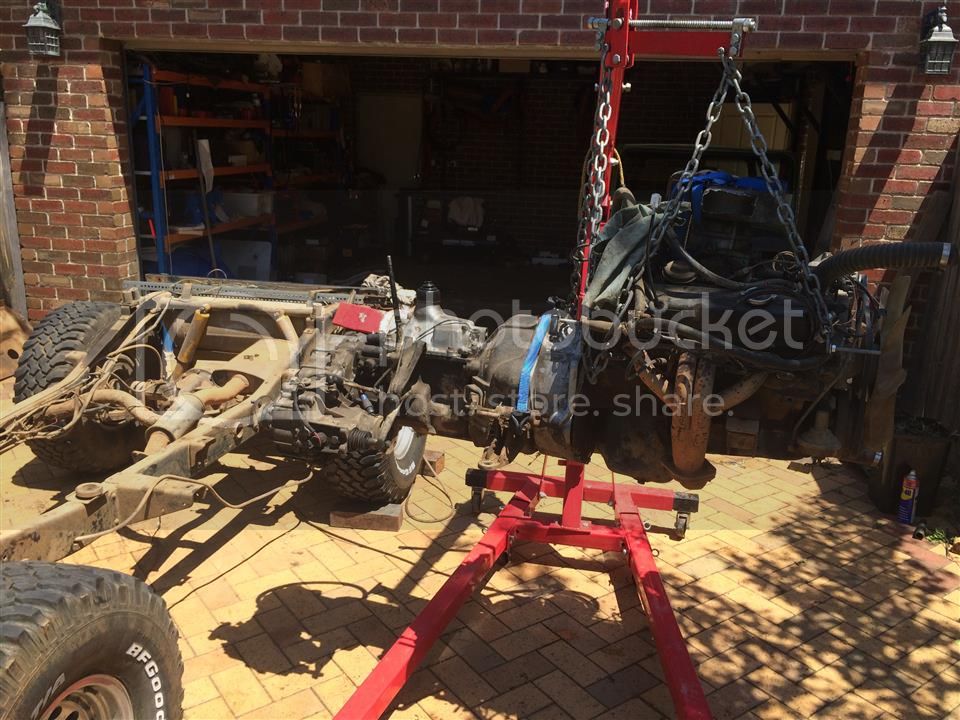
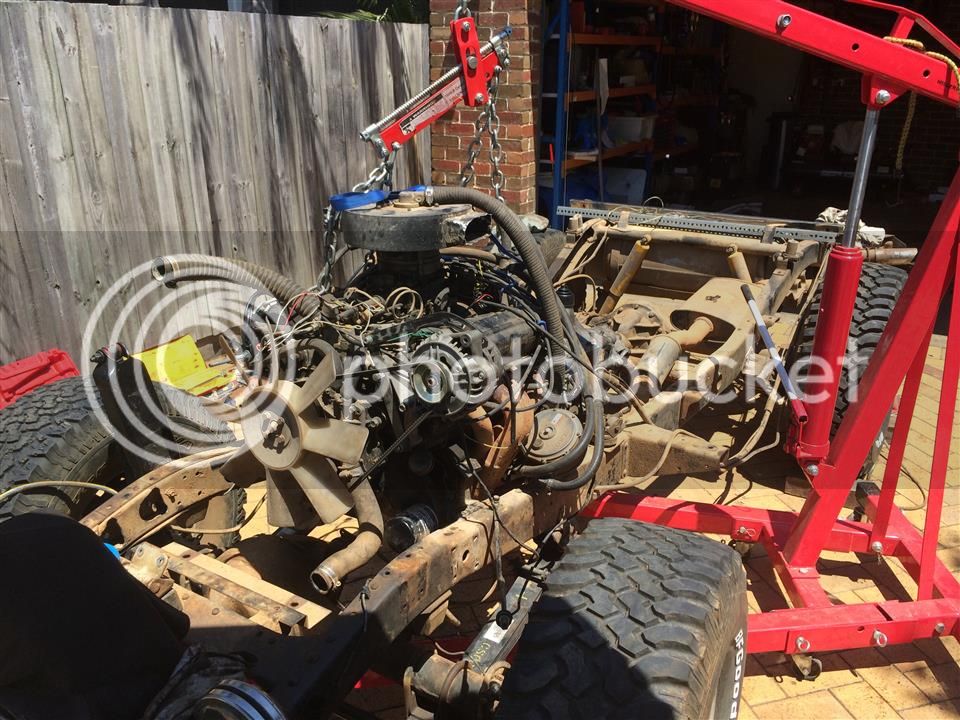
Once we had rebuilt the front axle (with the 60 series knuckle arms in preparation for the 60 series power steering conversion), we put the wheels back on and moved the chassis into the driveway to remove the engine/gearbox.


IMG_4299%20Custom_zpsnzyoei9t.jpg


IMG_4303%20Custom_zpsjhodtgdc.jpg


IMG_4314%20Custom_zpsi8lws2hf.jpg


IMG_4316%20Custom_zpsq8kdgqsu.jpg


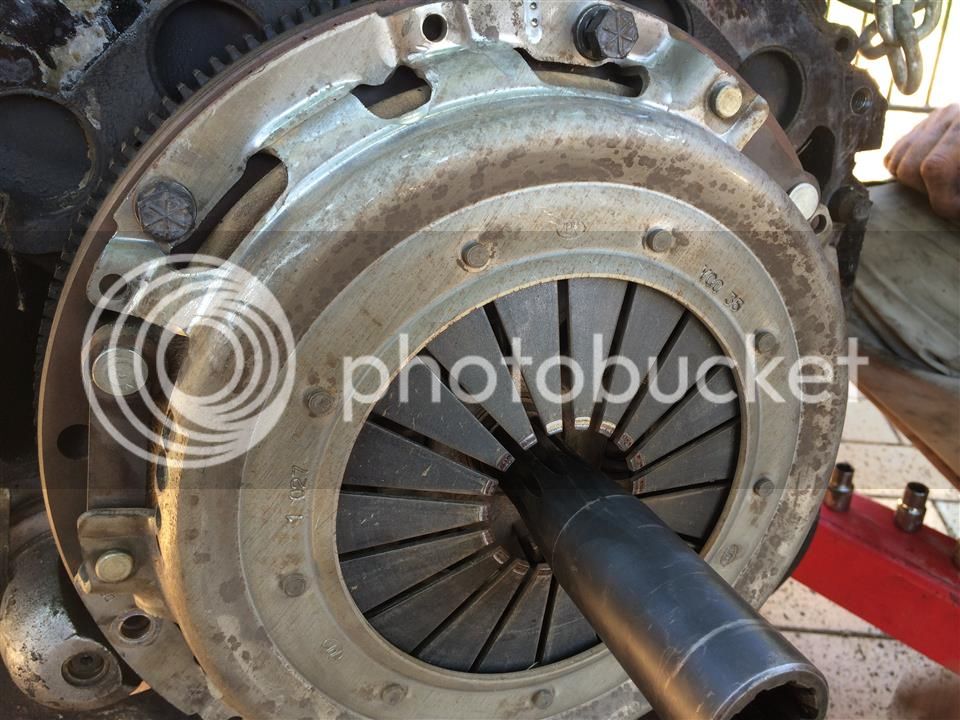
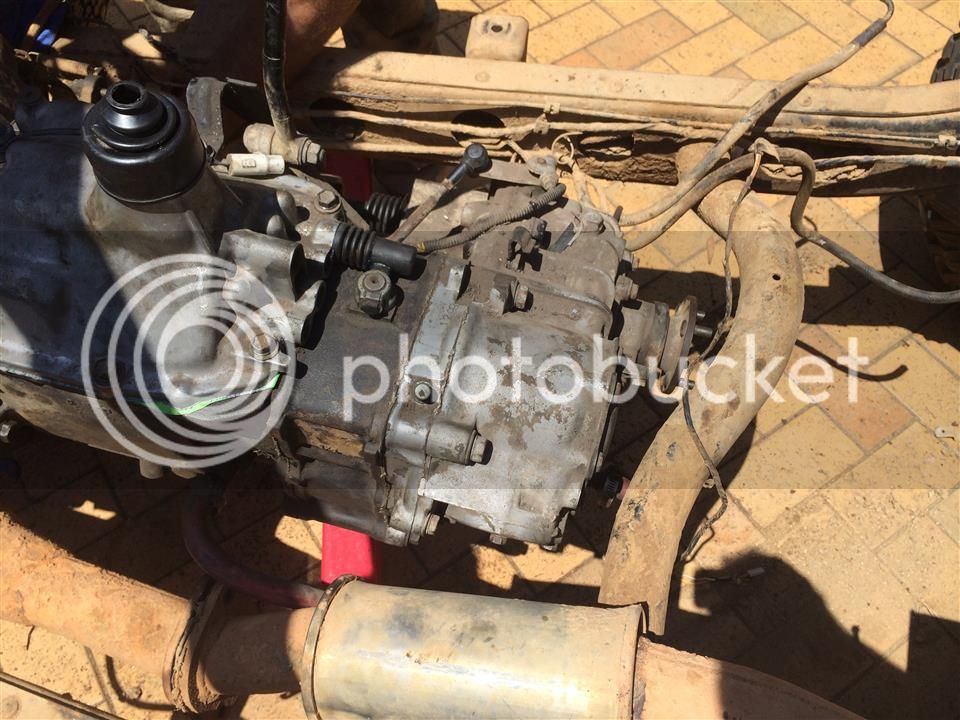
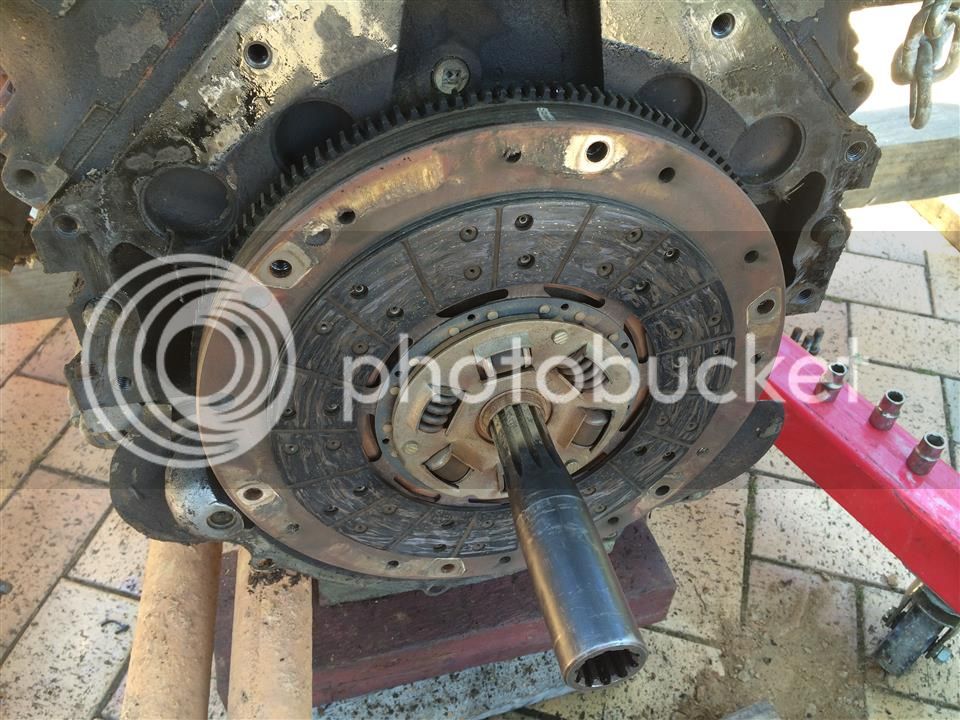
We split the engine and gearbox in preparation for the 5 speed swap, and checked the clutch wear level. It had recently been replaced, so we bolted it back up.


IMG_4317%20Custom_zpsm5lagj3p.jpg


IMG_4322%20Custom_zpsa5lhzs2i.jpg
 
We then bolted the new 5 speed gearbox on, and put it in the chassis for mocking up of the gearbox mounts.


IMG_4327%20Custom_zpsucpd03e8.jpg


IMG_4332%20Custom_zpshvzytosh.jpg


As you can see, the H55F does fit although is pretty long.


IMG_4331%20Custom_zpsfnvbszn2.jpg


At this stage we tack welded new gearbox mounts in place (as the 4 speed mounts from the bellhousing but due to the extra length and weight of the H55F it uses a “cradle” under the gearbox).


We then removed the engine/gearbox to focus on the steering conversion.


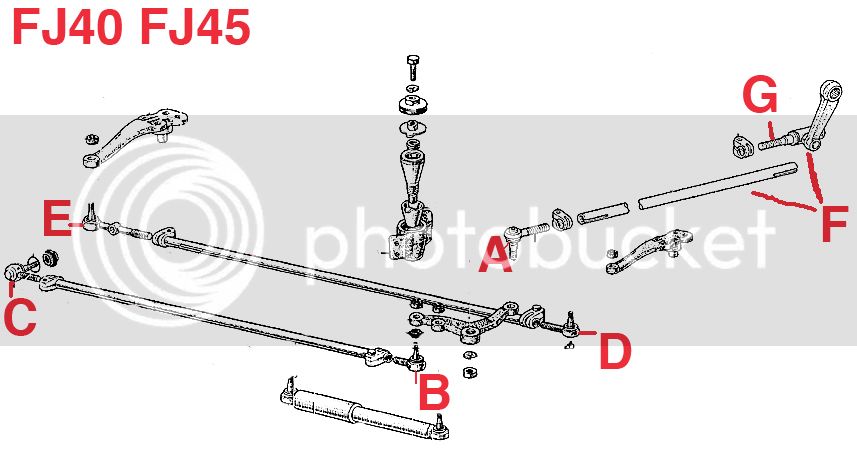
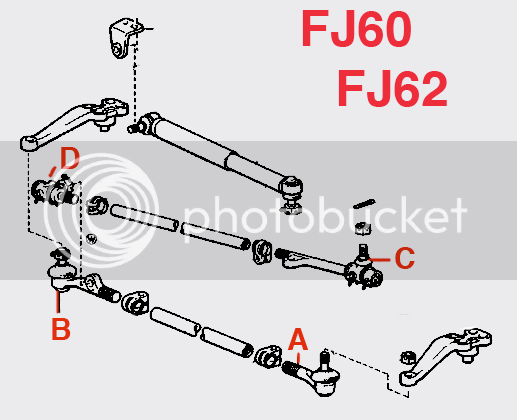
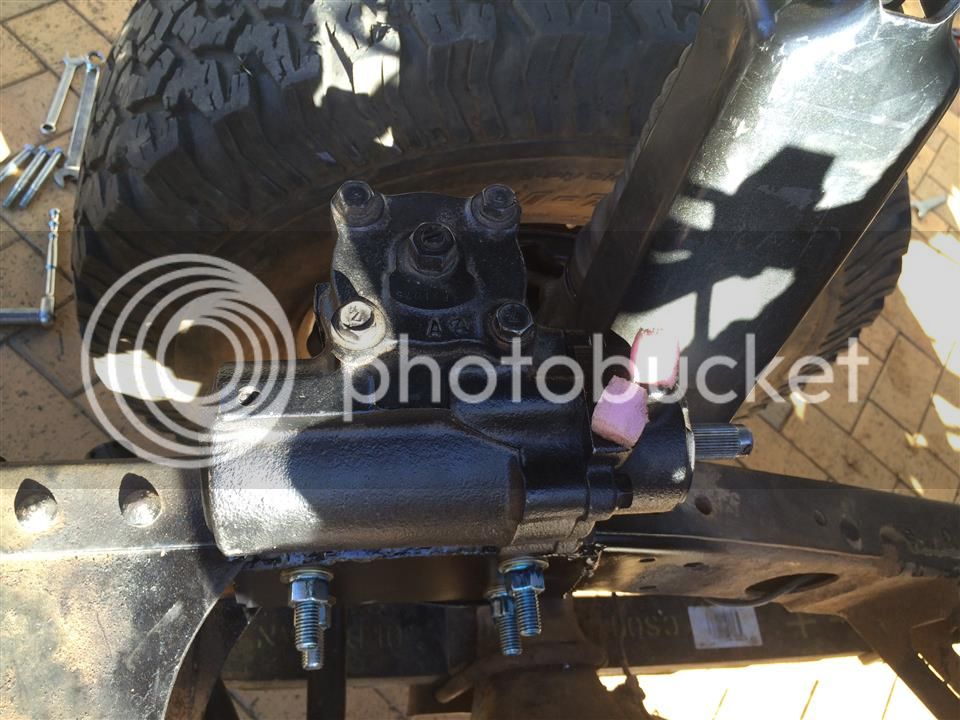
The biggest difference between the 40 and 60 series steering boxes is their mounting location. The 40 series is mounted close to the brake booster and uses an extra steering tie rod and pivot point to transfer steering movements to the relay rod. Whereas the 60 series is mounted at the front of the chassis (which eliminates a tie rod) and uses an extended steering shaft from the steering column.


FJ40 Steering Design


FJ40%20Steering_zpsphozzlcj.jpg


FJ60 Steering Design


62_diagrahm_zpsa3ftejdu.png


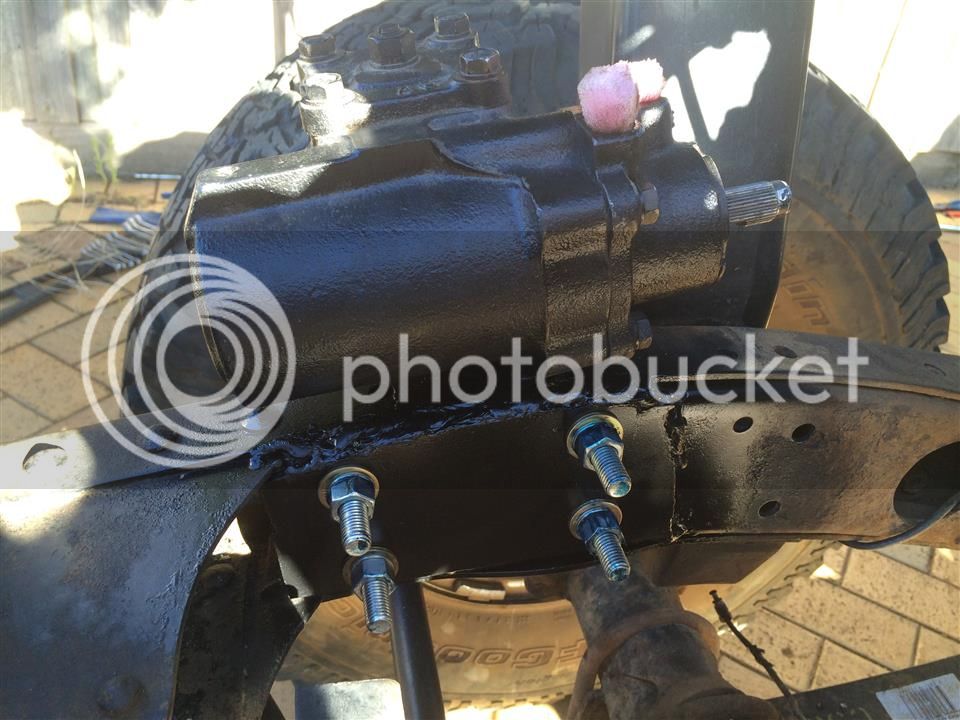
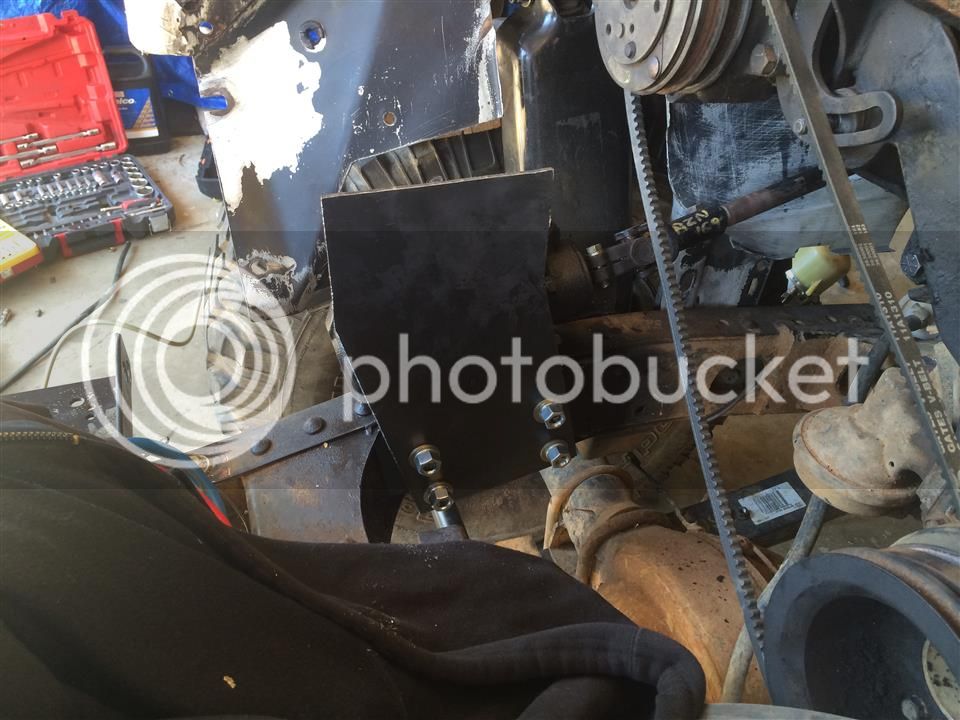
In order to mount the steering box to the chassis, we had to weld a new plate in place with crush tubes between the plate and chassis rails (This is an engineering requirement).


IMG_4351%20Custom_zpsixnpgzqk.jpg


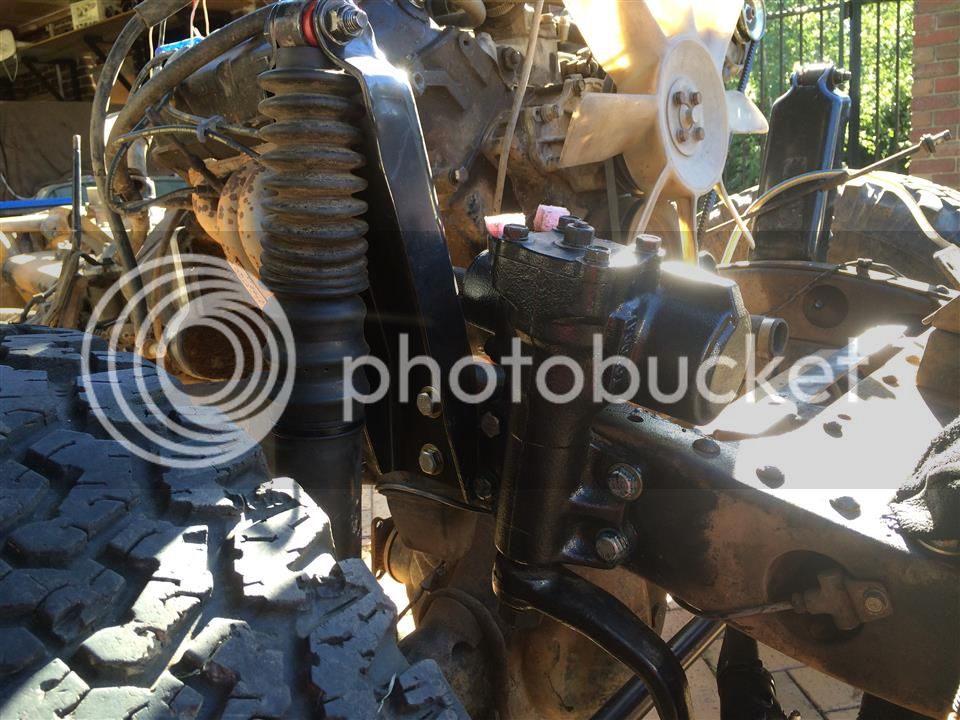
The next hurdle is the position of the shock tower mounts. As the steering shaft needs to run from the steering column to the steering box it fouls with the shock tower placement, so it has to be moved.


Easiest way to achieve this is to use a new donor shock mount tower from a Ford F250. These can be bolted or welded onto the outside of the chassis, and allow a slightly longer shock to be used. This also gives enough clearance for the steering shaft.


IMG_4353%20Custom_zpsyp1qhoj6.jpg


IMG_4354%20Custom_zpsqrbh9ukk.jpg


Once we had mounted the new steering box and shock towers, we properly welded up the gearbox mounts and refitted the engine/gearbox.


It was then time to put the new body on the chassis. You can see the repainted firewall now…


IMG_4357%20Custom_zpsbnao53z2.jpg


IMG_4358%20Custom_zpsvpn2qqbx.jpg


IMG_4360%20Custom_zps46zlmeor.jpg


IMG_4365%20Custom_zpspkbdme2m.jpg
 
Last edited:
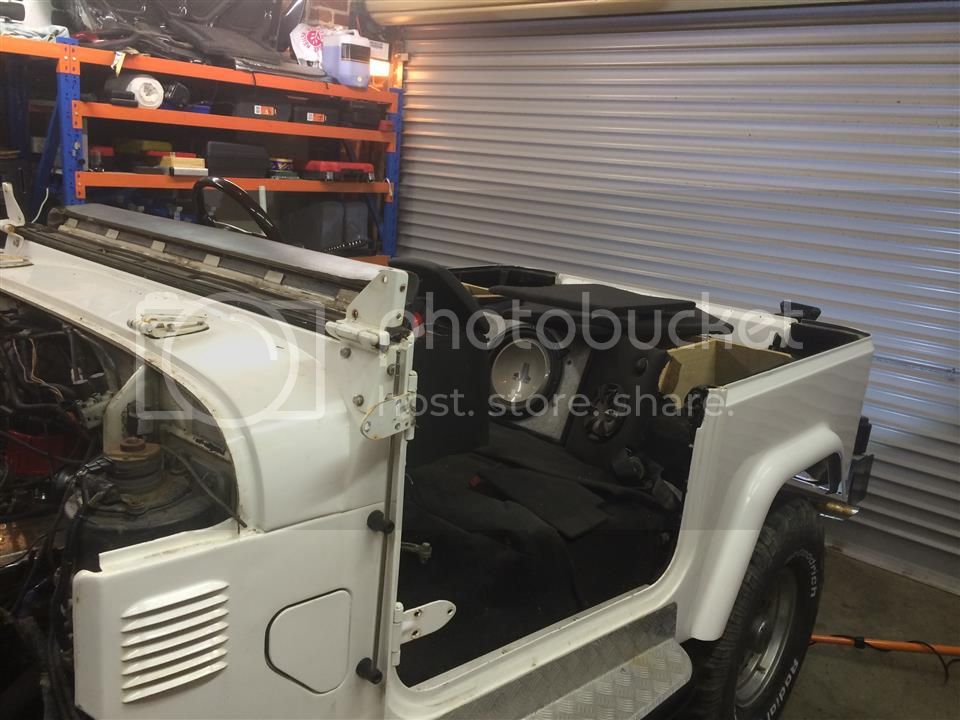
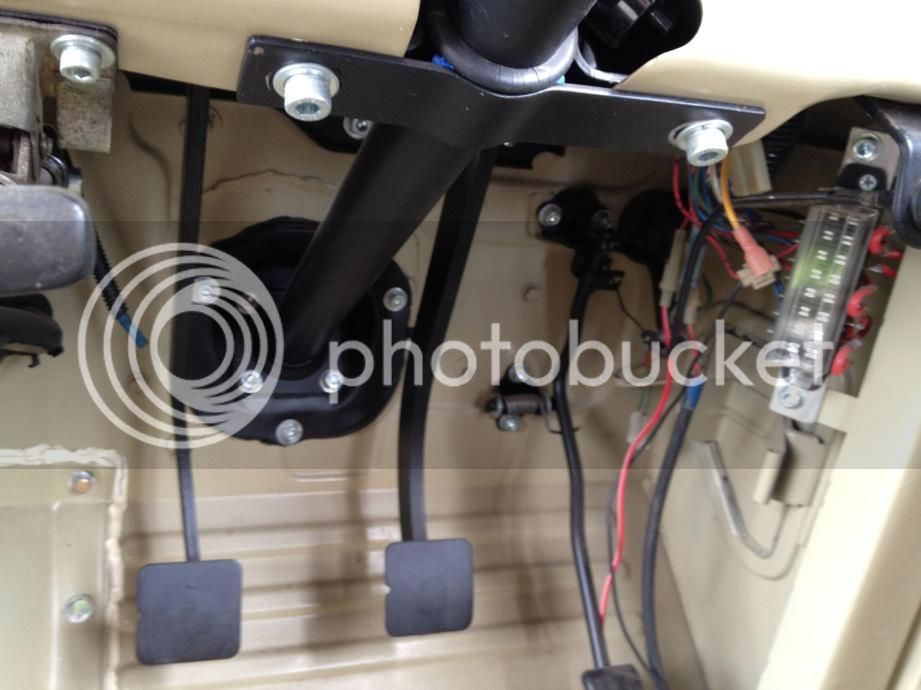
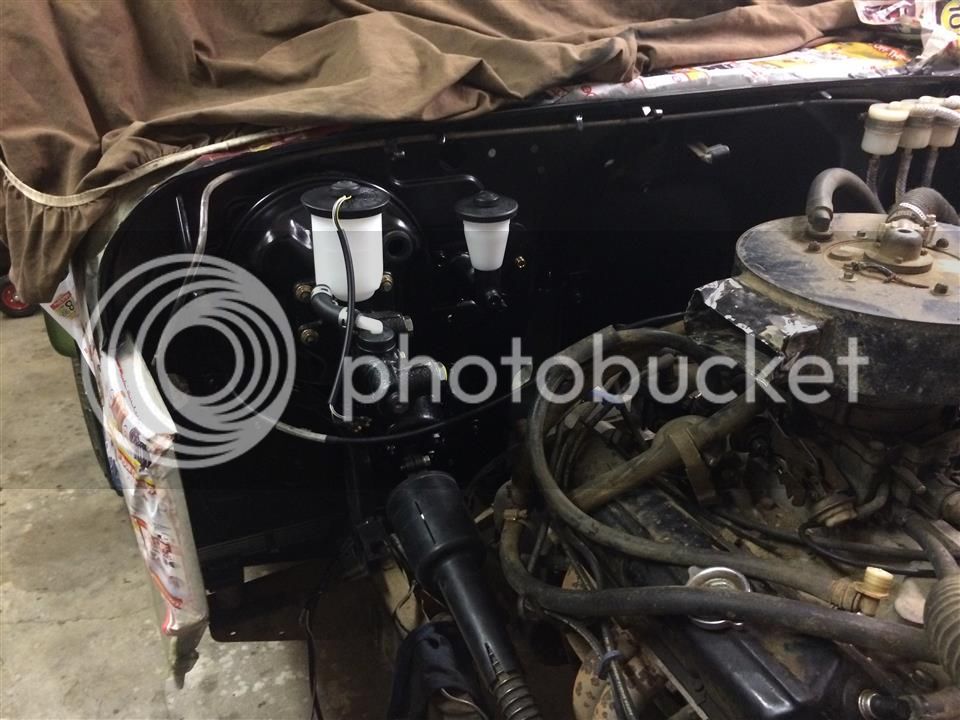
We then installed a new brake master cylinder and clutch master cylinder (You can see the new steering shaft / CV joints below).


IMG_4367%20Custom_zpsr52pudei.jpg


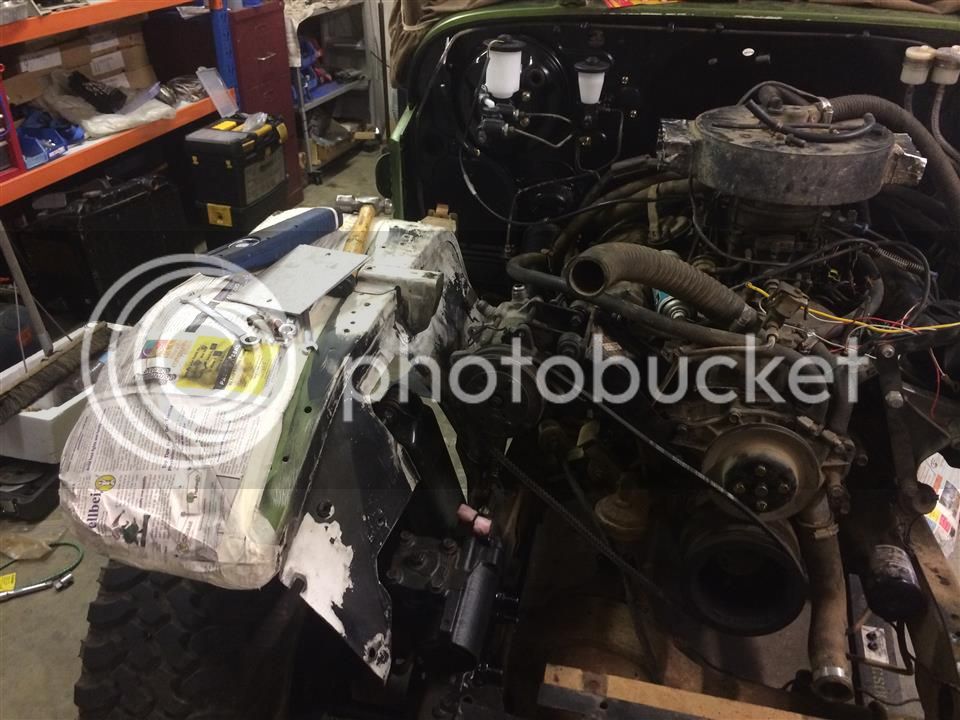
As we planned on fitting aftermarket air-conditioning down the track, we decided to install a A/C compressor now to ensure we had enough clearance to the guard.


You can see the compressor mounted in place, and the new cutout to accommodate the Ford F250 shock towers.


IMG_4374%20Custom_zps7de0k6bj.jpg


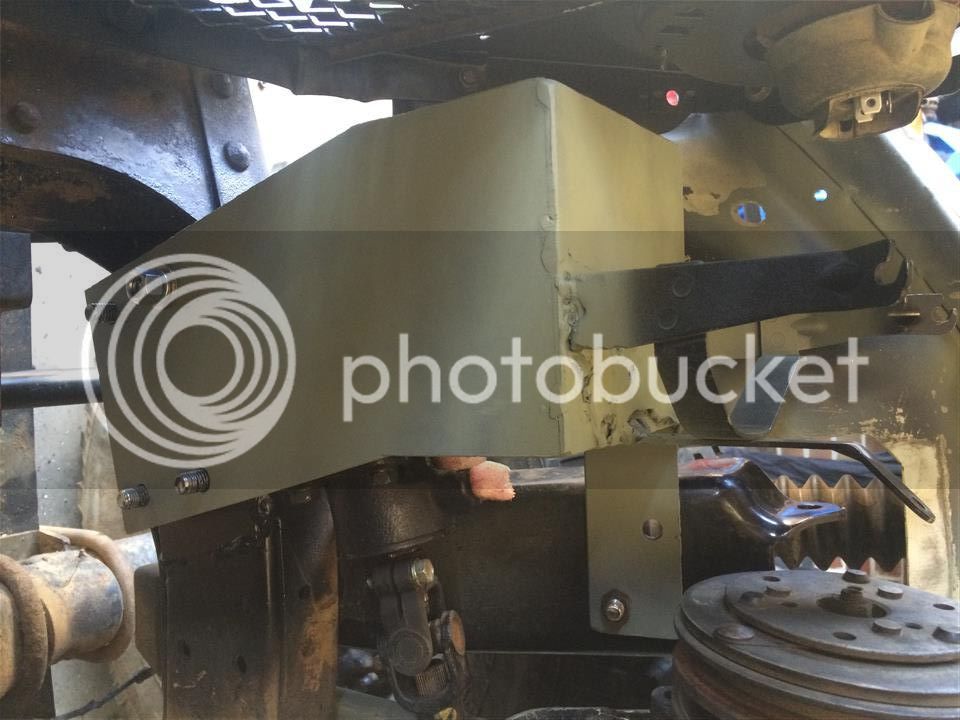
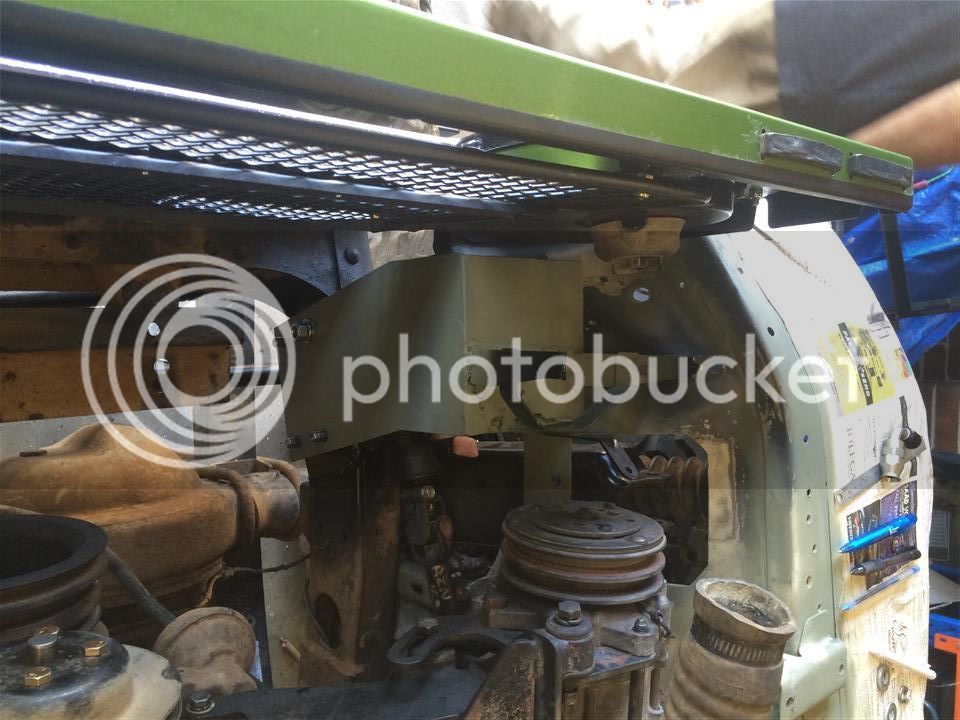
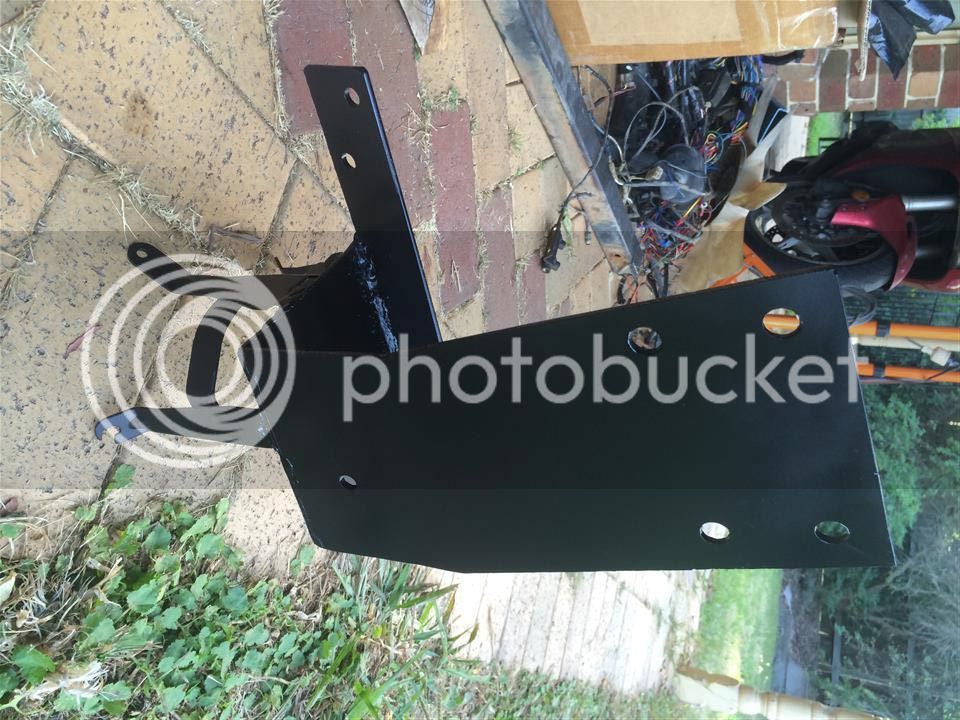
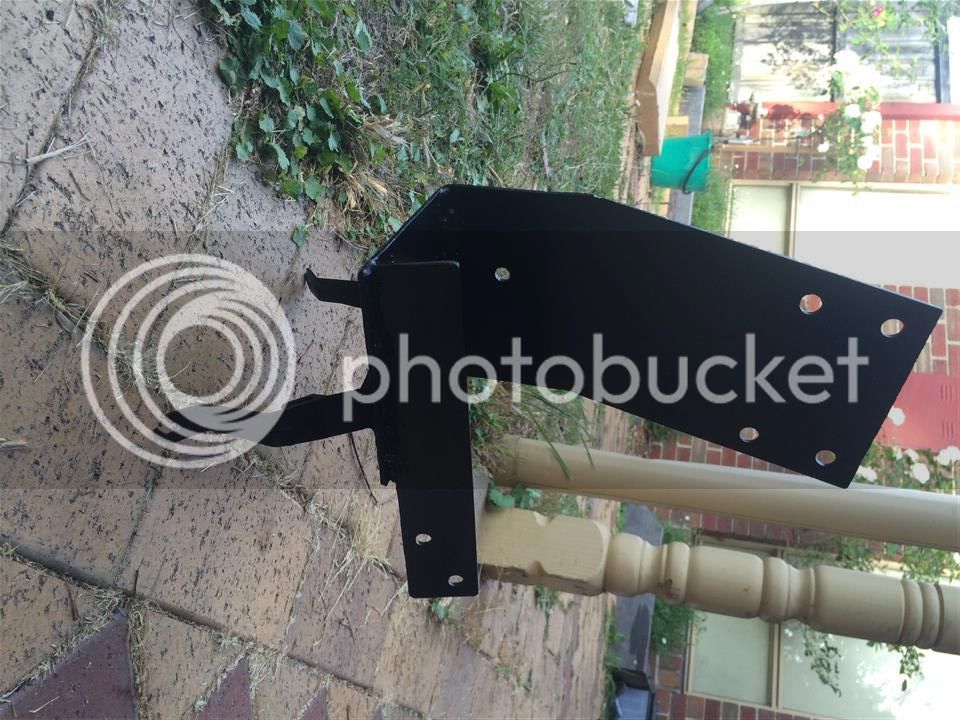
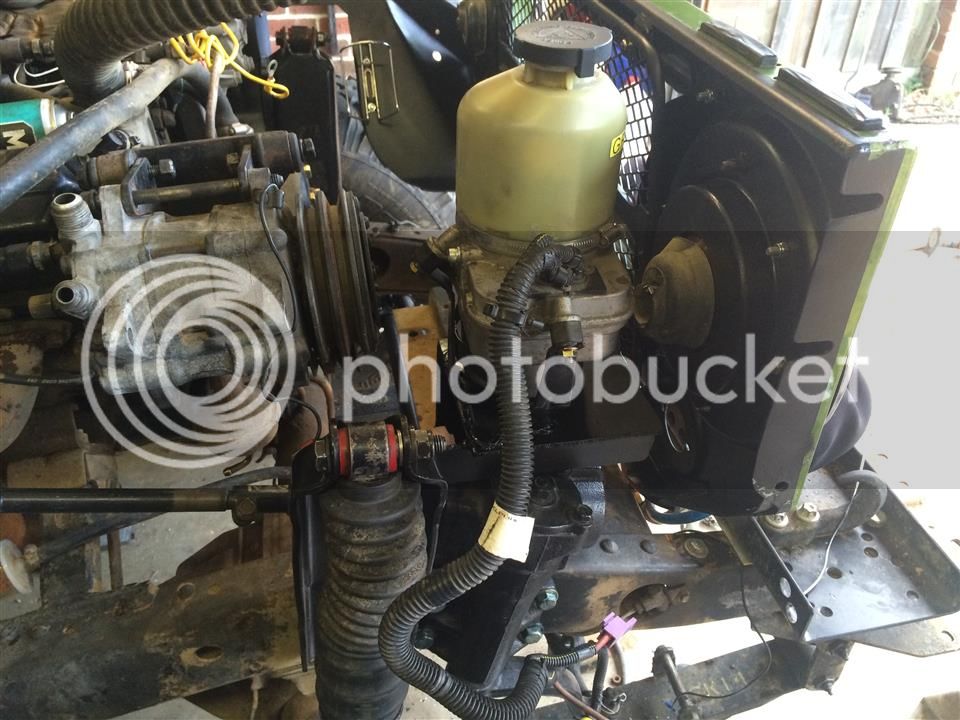
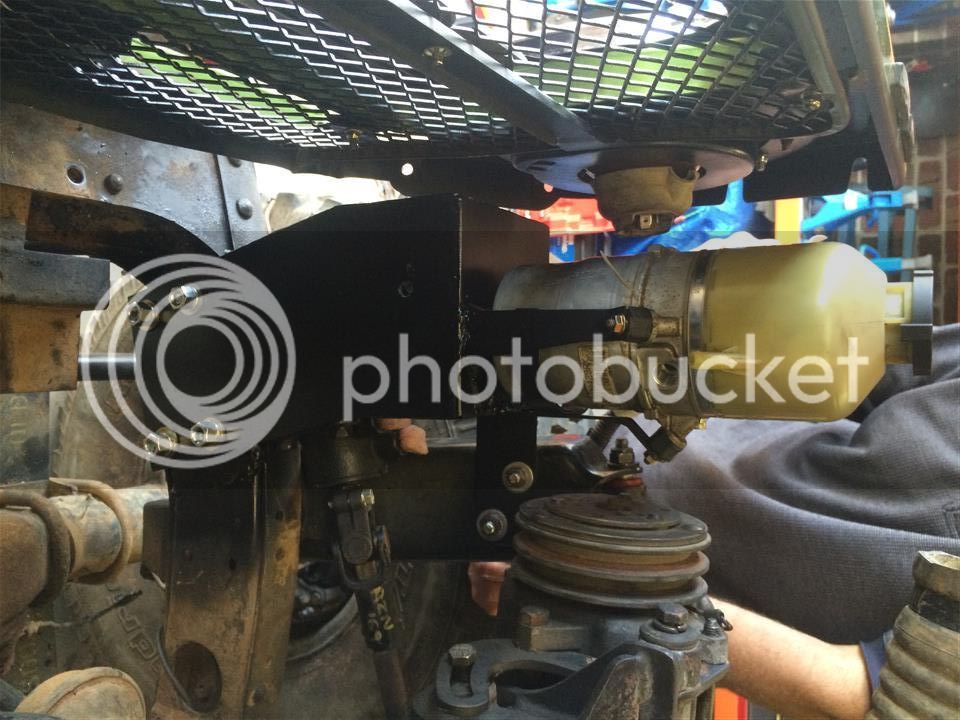
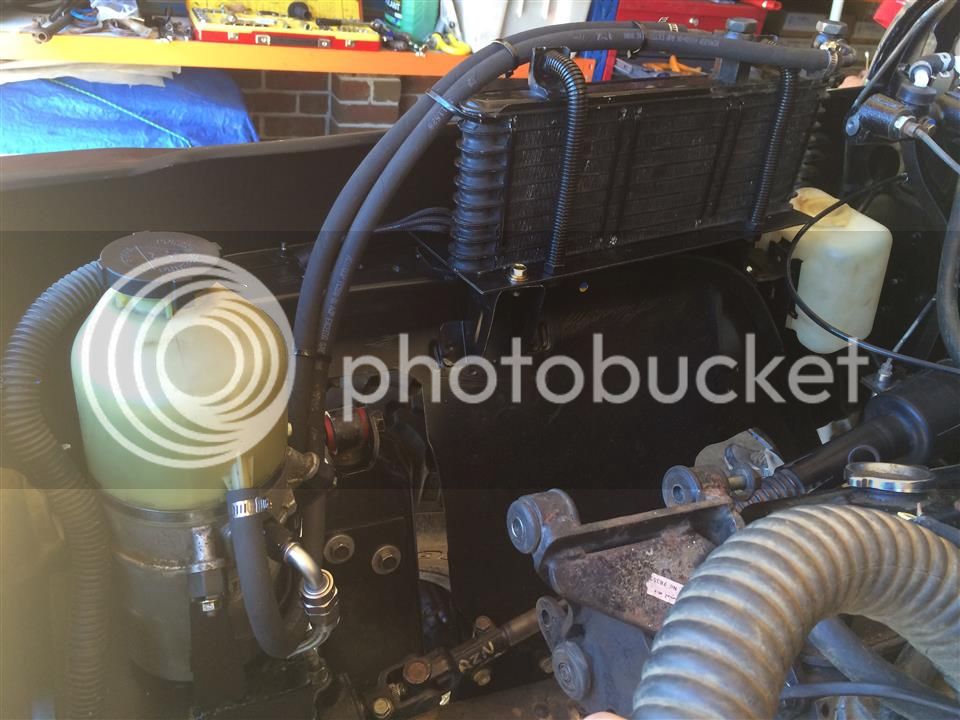
The biggest issue with installing the A/C compressor is the lack of space for a power steering pump. So instead of using a traditional belt driven pump on the engine block, we decided to use an electric pump. We were able to source an electric pump from a 2004 Holden Astra…


Note: This is still a hydraulic steering setup, it just uses an electric pump to generate the pressure rather than a mechanical belt driven pump.
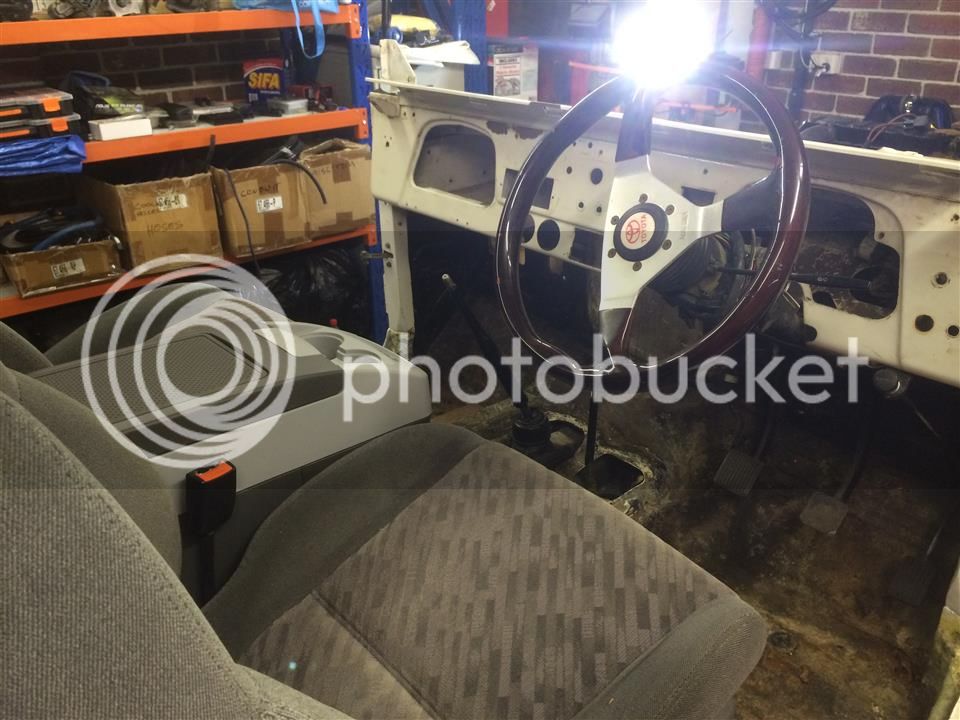

The most logical place to mount the pump was above the power steering box. So reusing the end of the bolts from the power steering box, I welded up a bracket to hold the pump in place. (Note: This was the first thing I ever welded so the welds aren’t pretty, but they do work well).

IMG_4376%20Custom_zpsfpejgwf0.jpg


IMG_4378%20Custom_zpsin35keqo.jpg


IMG_4379%20Custom_zpsijvptvoo.jpg


IMG_4383%20Custom_zpspyfylwl6.jpg


IMG_4386%20Custom_zpsc3ke39ry.jpg


Here is the pump mounted in place…


IMG_4387%20Custom_zpslnvuj5th.jpg


IMG_4390%20Custom_zpscapdorwb.jpg


Essentially these pumps use around 5amp at idle, 30-40 amp while turning and a peak of ~60amp on full lock. The pump is wired to only switch on when the alternator is charging (the 12v feed from the alternator to the charging light on the dash is used to drive a relay to switch the pump on/off).


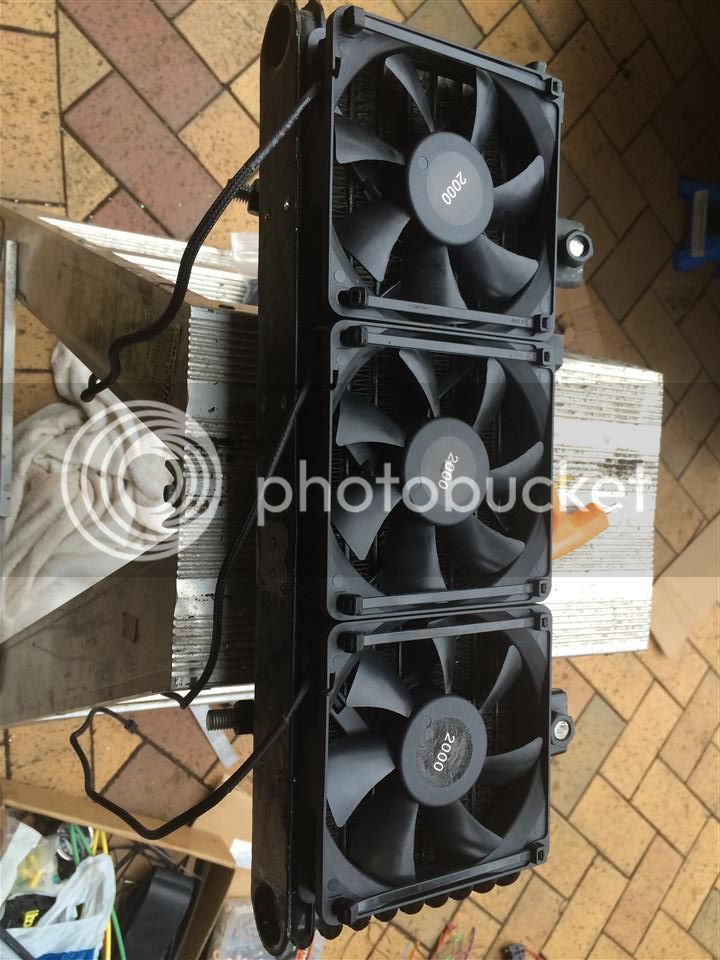
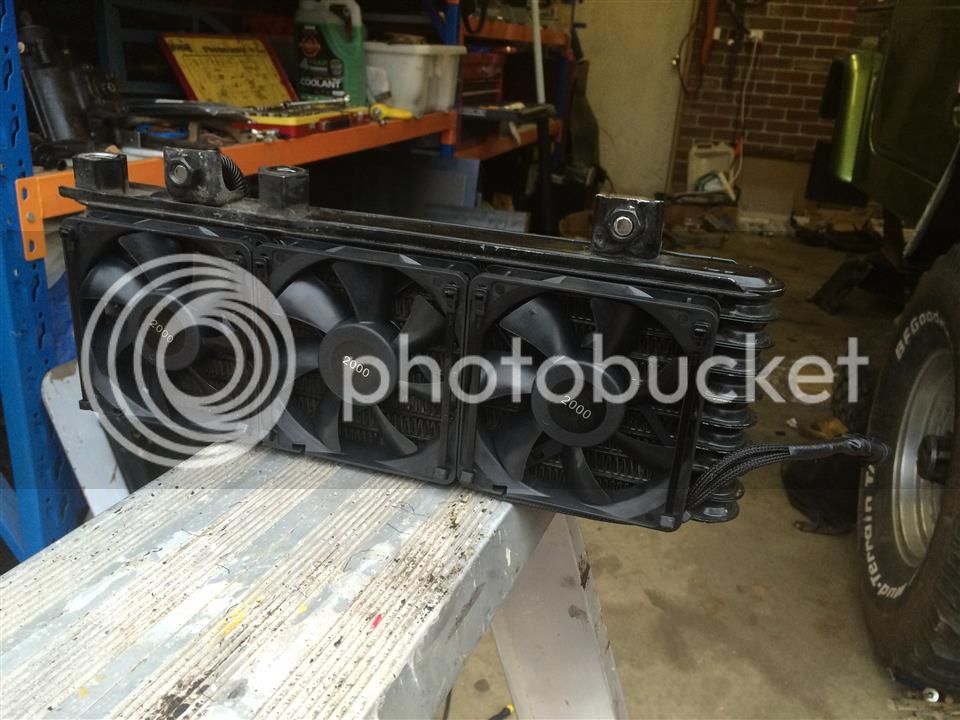
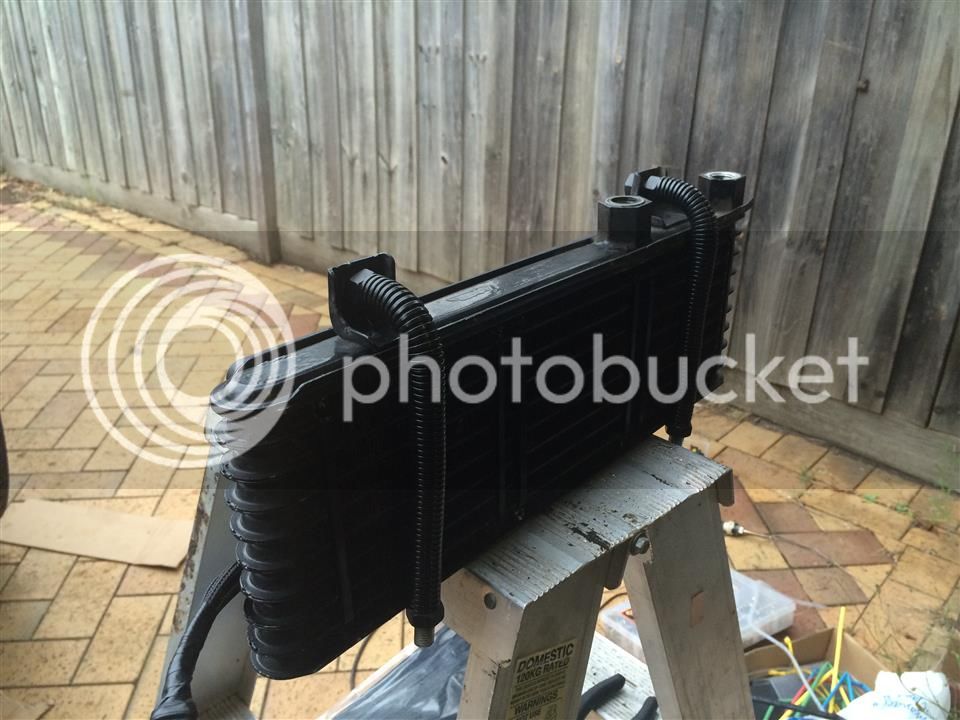
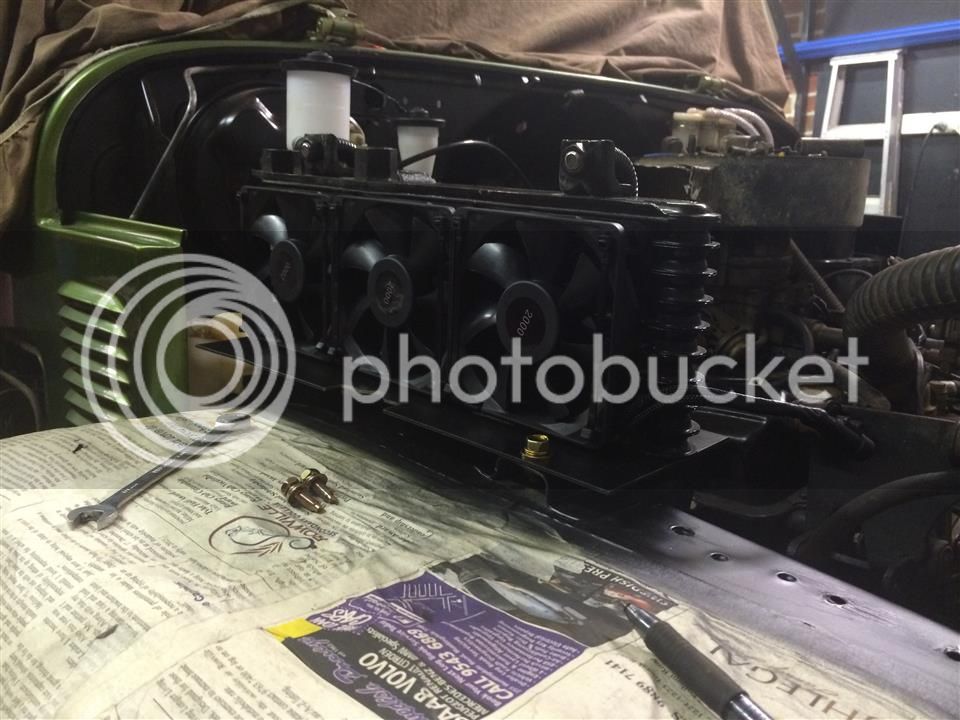
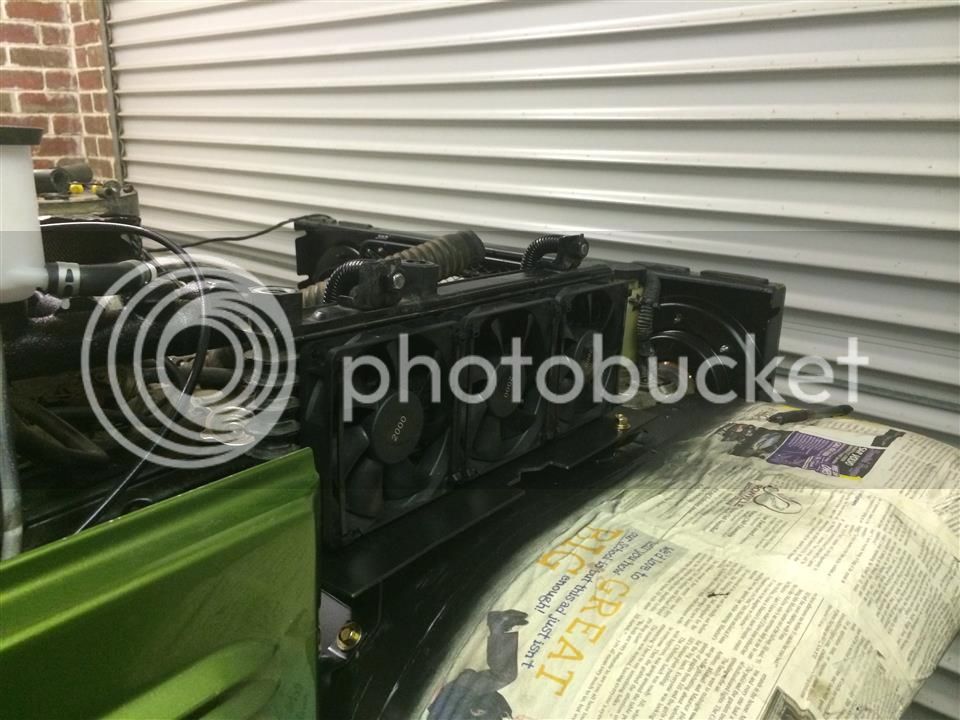
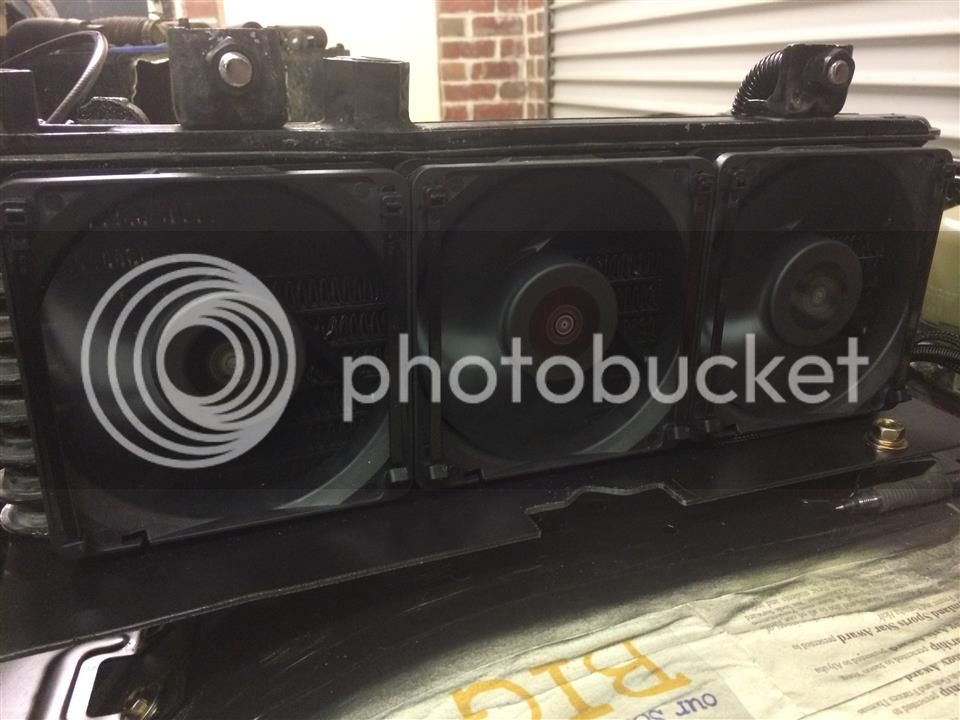
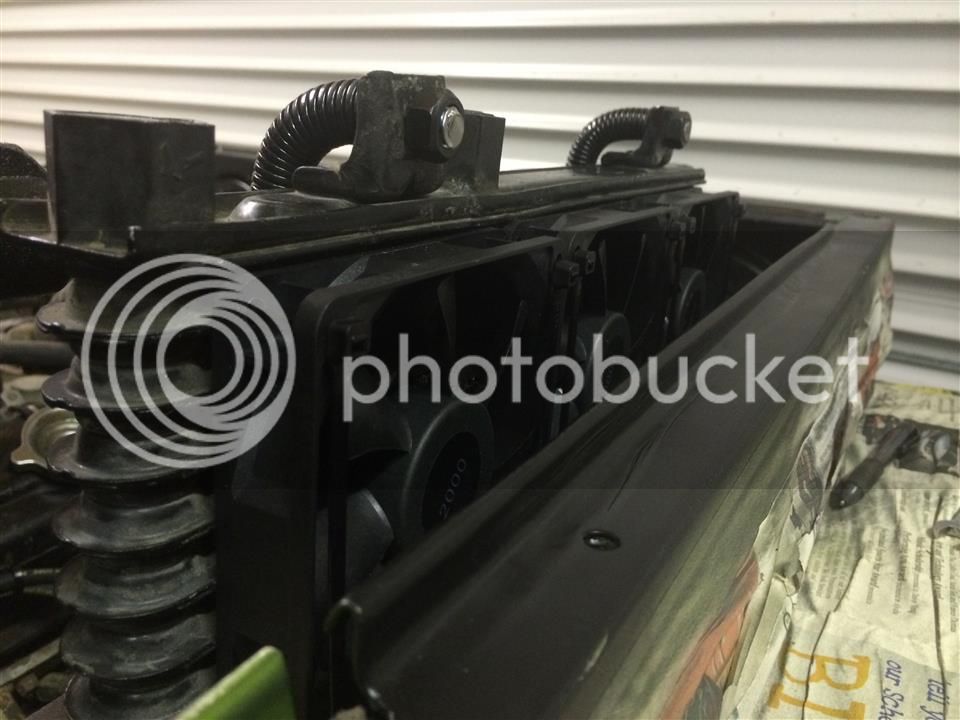
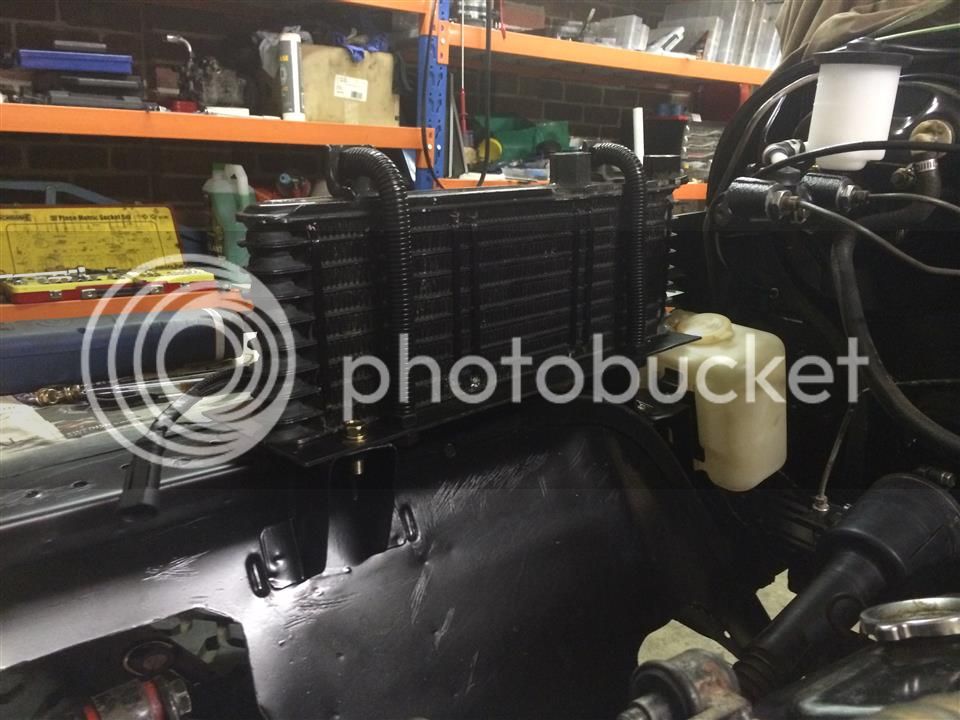
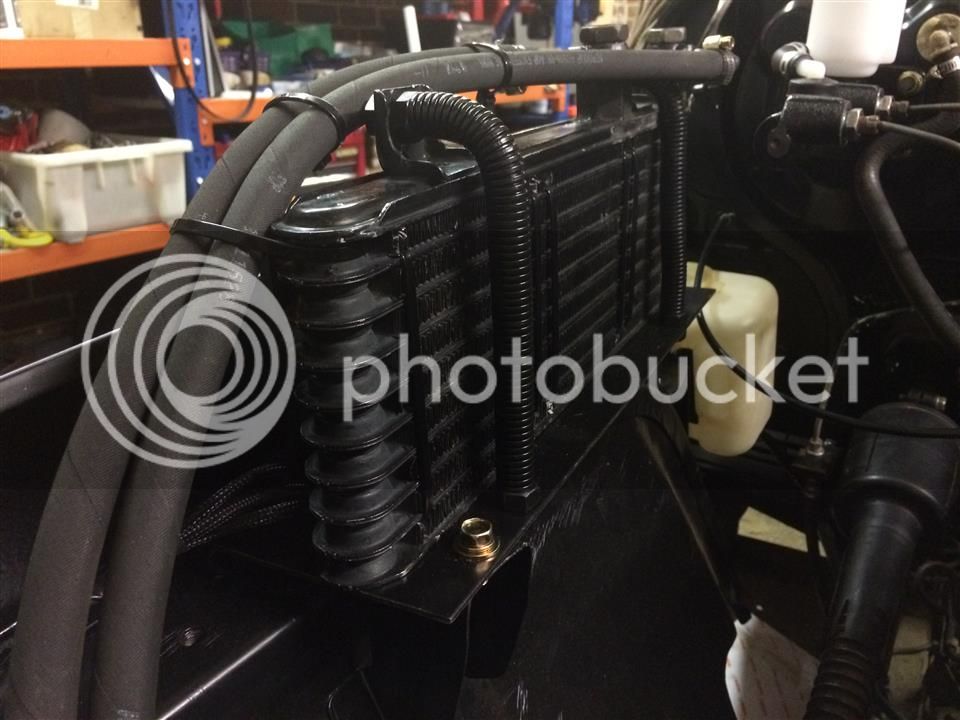
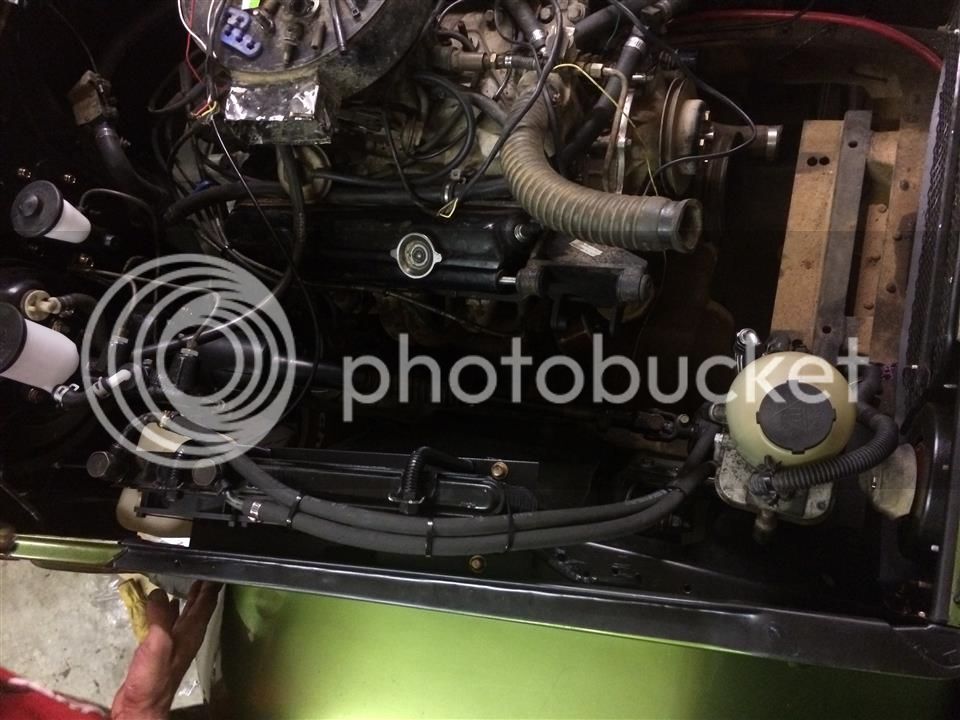
Now we were concerned with fluid temperature and pump life (as the Astra is a small car, whereas we are using the pump to move 33” wheels on a heavy 4WD) so we decided to fit a big oil cooler.

To aid with cooling I fitted 3 x 120mm computer fans to the back of the cooler.


IMG_4406%20Custom_zpsyotulyya.jpg


IMG_4408%20Custom_zpsmvdylziq.jpg


IMG_4411%20Custom_zpsdpg7hbmj.jpg
 
Now I know computer fans aren’t water proof, but we are mounting the whole setup on top of the guard, so we shouldn’t ever experience water that deep. Even if they do fail, they were only $8 each and are fused.


IMG_4414%20Custom_zpsc6oy6mxt.jpg


IMG_4415%20Custom_zpstlu9glzk.jpg


IMG_4425%20Custom_zpsa16zwcvp.jpg


IMG_4423%20Custom_zpsbqfagsnc.jpg


IMG_4417%20Custom_zps33mbtrg3.jpg


IMG_4428%20Custom_zpstehemvof.jpg


IMG_4429%20Custom_zps8tvazrzv.jpg


We then ran a braided high pressure line from the pump to the box


IMG_4431%20Custom_zps0aze3lcm.jpg


IMG_4434%20Custom_zps2ds2rqpo.jpg


I can report that we have since driven the vehicle and the power steering worked perfectly. Only downside is it takes about 5 seconds to build pressure, so when you turn the engine on it doesn’t instantly have power steering… But the rest of the time you wouldn’t know it was an electric pump. In fact if anything, it worked slightly better than a mechanical belt driven pump as the pressure is always identical rather than varied based on RPM.
 
Next thing we needed to tackle was the rear brakes/handbrake.


One of the issues with doing a swap from a 4 speed to a 5 speed, is the 4 speed has the handbrake drum built into the rear of the transfer case. However when the 5 speed was fitted to the 60 series landcruisers they moved the handbrake to the rear drums.


Now we could have sourced a 60 series axle setup and moved everything across to the 40 series axle, but we actually wanted to upgrade the rear drum to disk anyway.


Now one of the options was to buy a kit to bolt to the back of the 5 speed gearbox, but these are expensive and pretty s*** (Poor holding power etc).


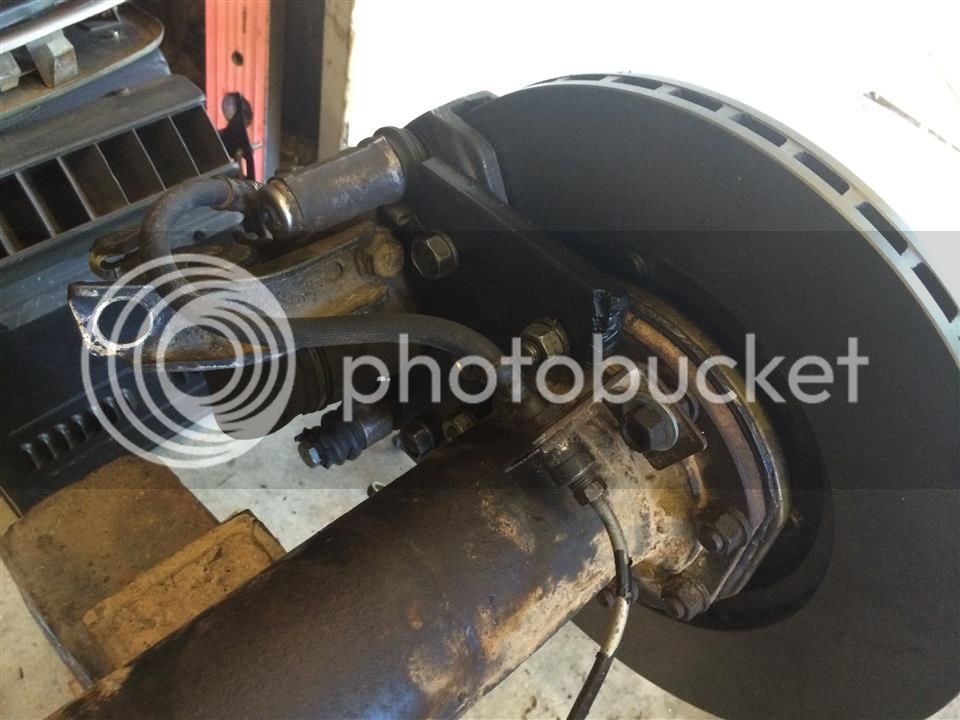
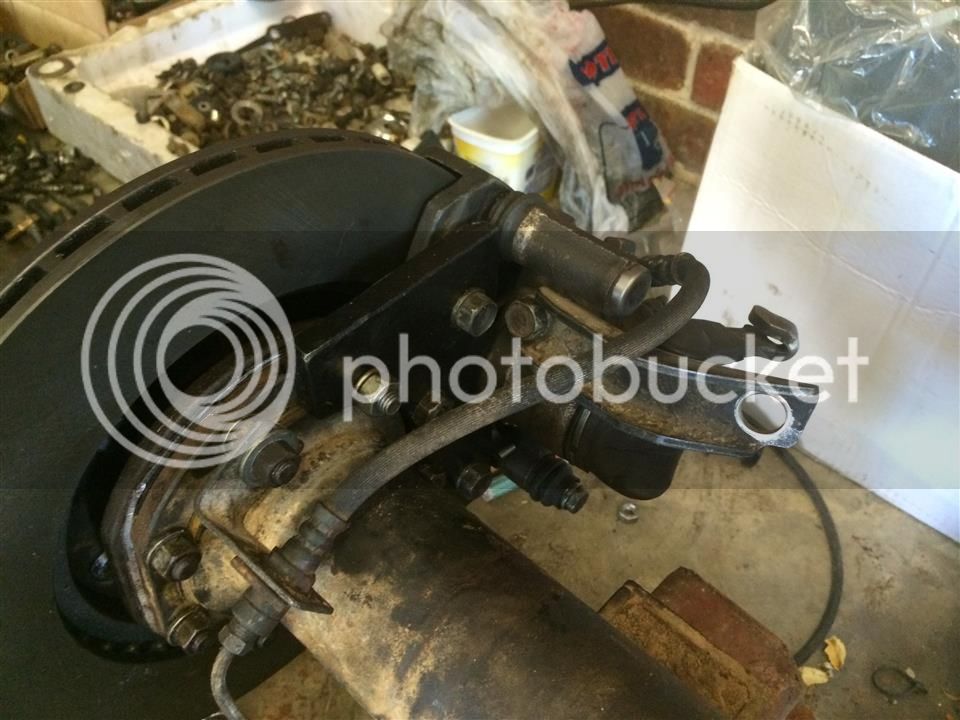
So we decided to use the front disk caliper from a 1986 Suburu Leone (which I like is the same as the Subaru Brat sold in the USA).


The beautiful thing about these calipers is the handbrake is built into the caliper and uses the same disk pads on the rotor as the main brake.


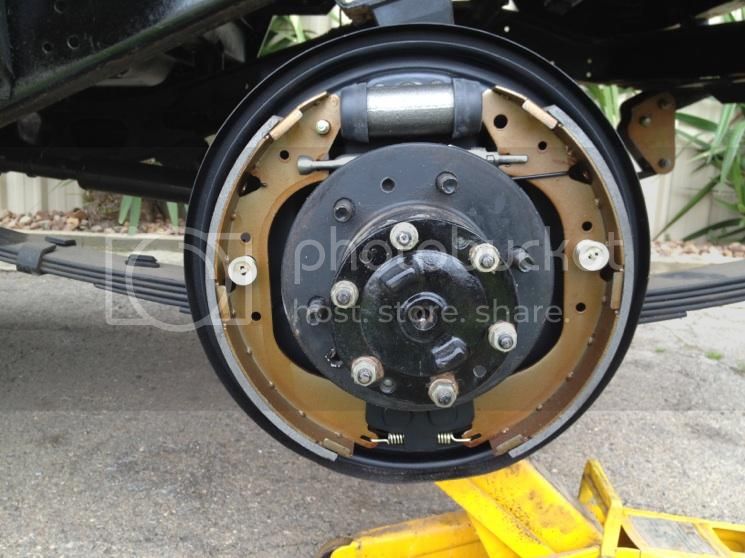
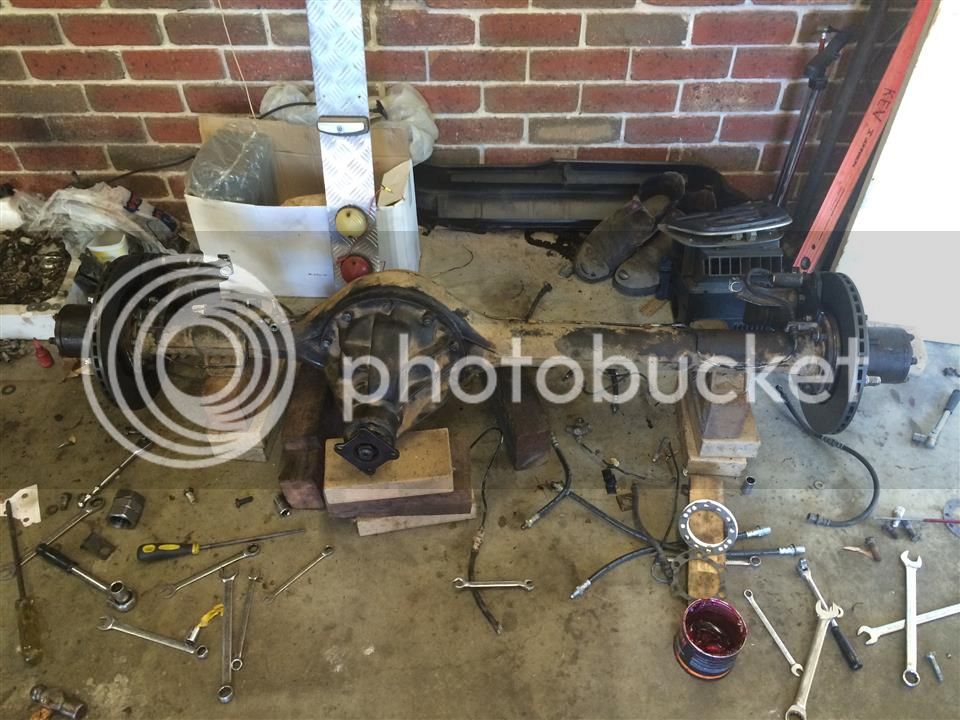
We cut a bracket out of 10mm steel and mounted it to axle. We also needed to shave the rear hub down (All 40/60 series axles in Australia and full float) which allowed us to use the same rotor as the front axle.


IMG_4435%20Custom_zps38xtwgah.jpg


IMG_4437%20Custom_zps91yiyuta.jpg


IMG_4438%20Custom_zpstvrfzm8s.jpg


We also used this time to remove and rebuild the diff with another diff locker (also lokka brand).

Once the new diff was fitted with rebuilt the hubs and refitted the entire axle to the FJ40.
 
Now that the entire driveline had been rebuilt (Both Diffs, both axles, all brake calipers, as well as the gearbox and engine previously) we were able to focus on the tub/interior.


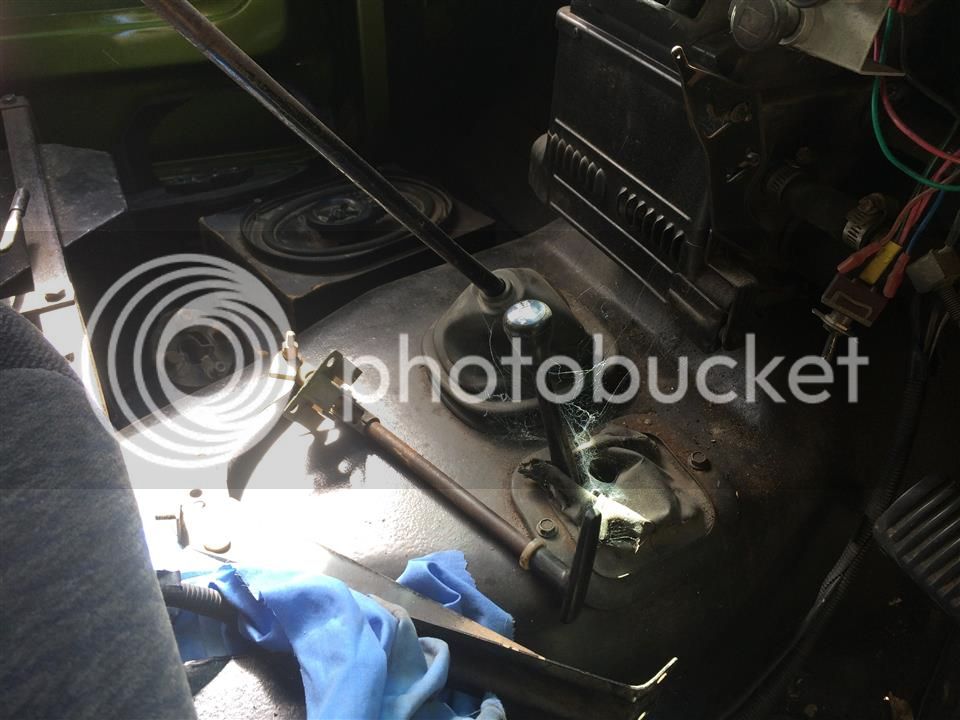
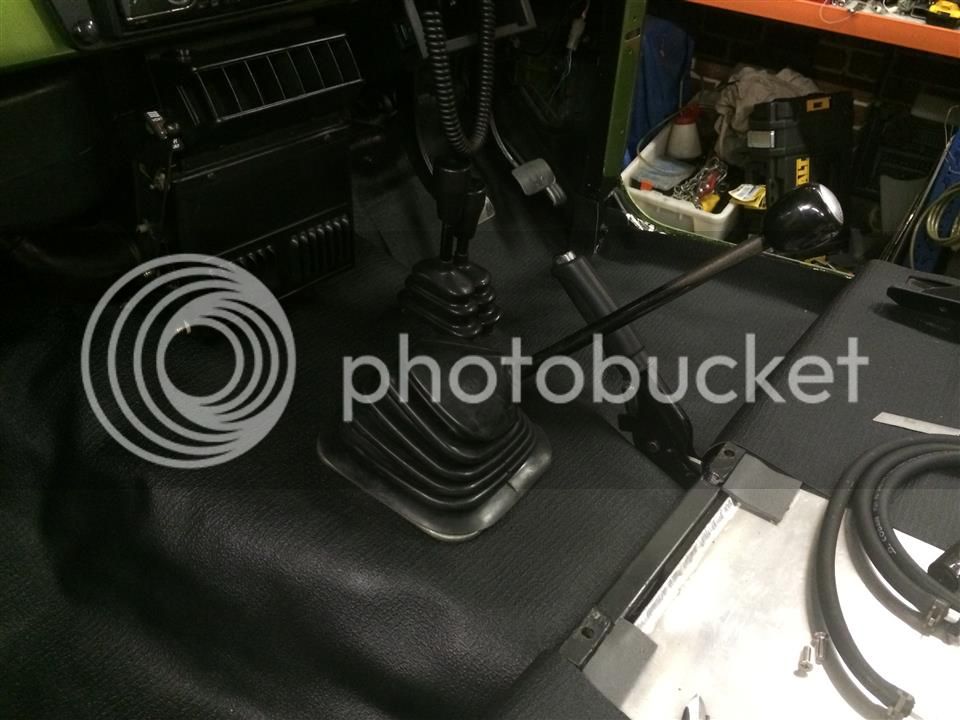
Note: Before we started on the interior, we fitted a twin stick conversion from George to the gearbox.


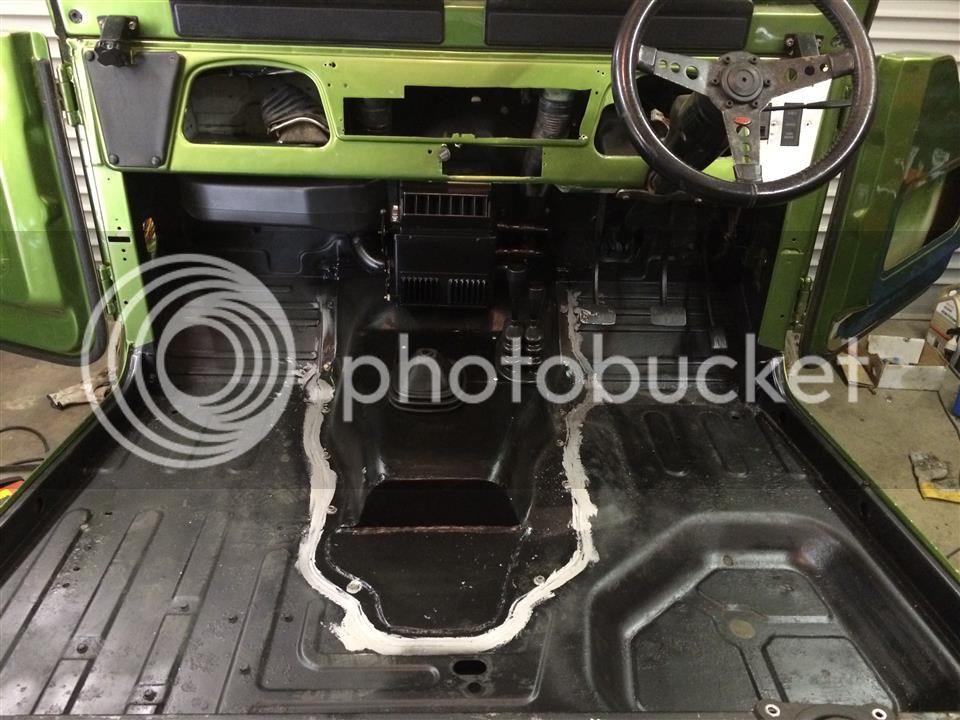
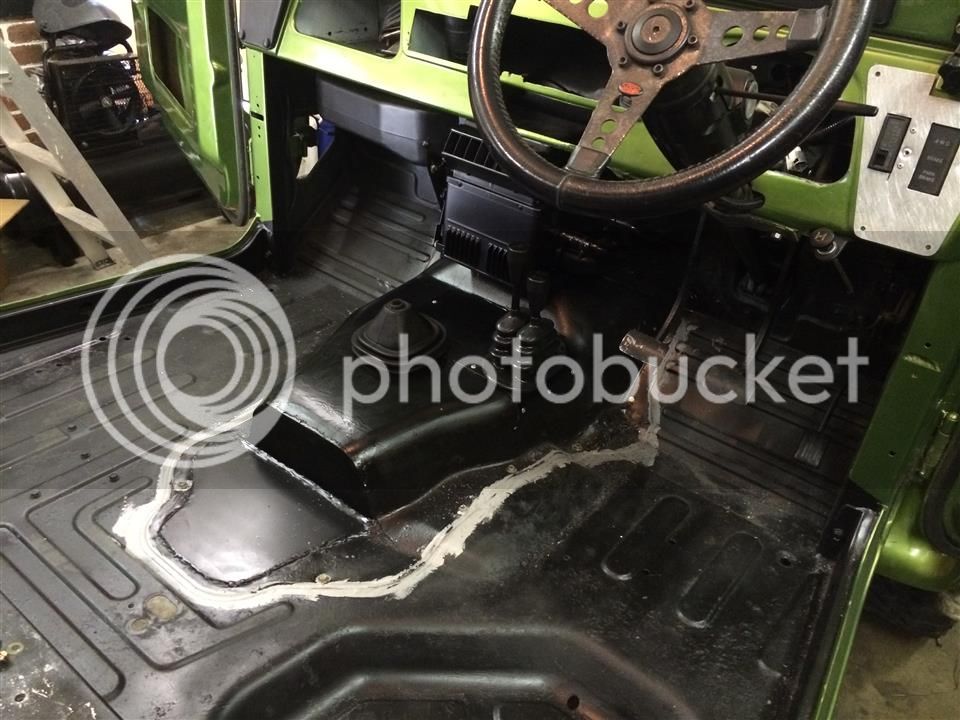
First step was to remove the centre gearbox cover and strip the interior back to bare metal. There was no rust anywhere in the tub, so we were able to coat the interior in primer and then a couple of top coats of Kill Rust paint.


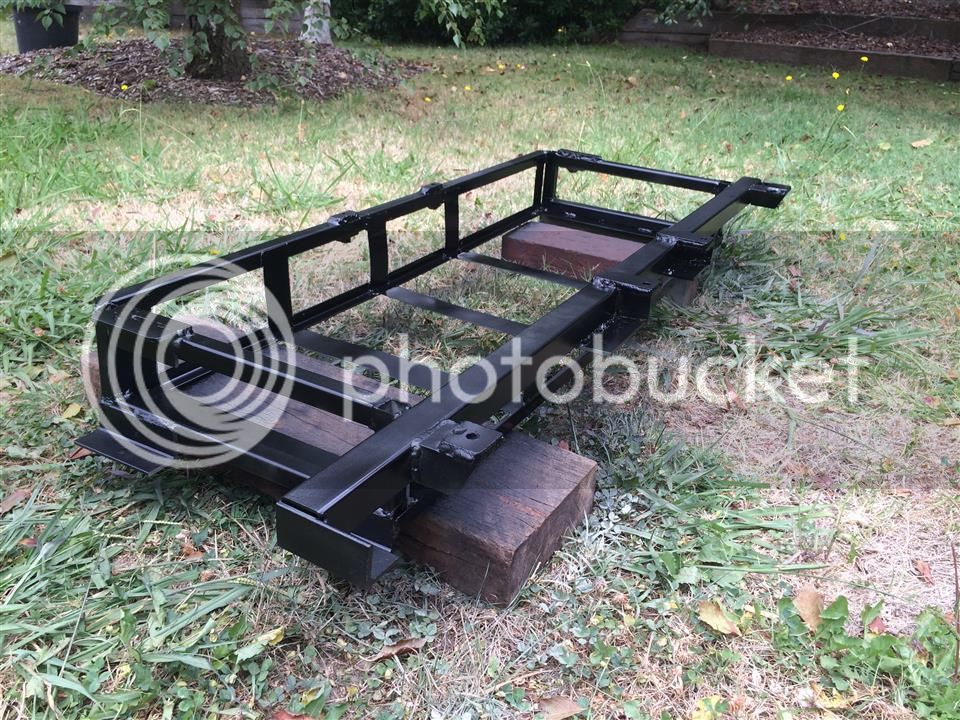
Next stage was to modify the centre gearbox cover, to remove the “hump” section at the rear. We did this to allow for a custom seat frame and fuel tank (more on that shortly).


We also had to modify the gear stick hole location and the twin shifter hole location. Essentially welded up the preexisting holes and cut new ones for the new location.


Once the modifications/welding were complete, we stripped it back to bare metal and painted it (same process as the body).


We then glued/bolted it back into the tub. We used a special automotive bonding agent, which is bloody potent stuff but holds incredibly well.


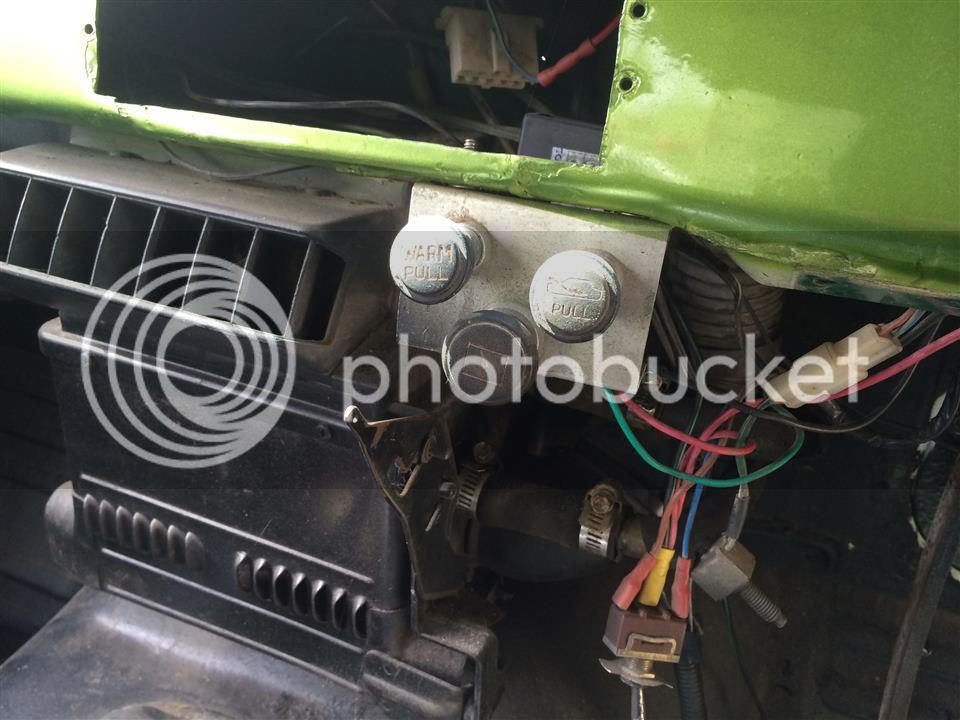
We then refurbished the heater box with a new heater core, and gave it a coat of paint.


IMG_4463%20Custom_zpsdhhikyza.jpg


IMG_4464%20Custom_zpsyqgbwlaz.jpg


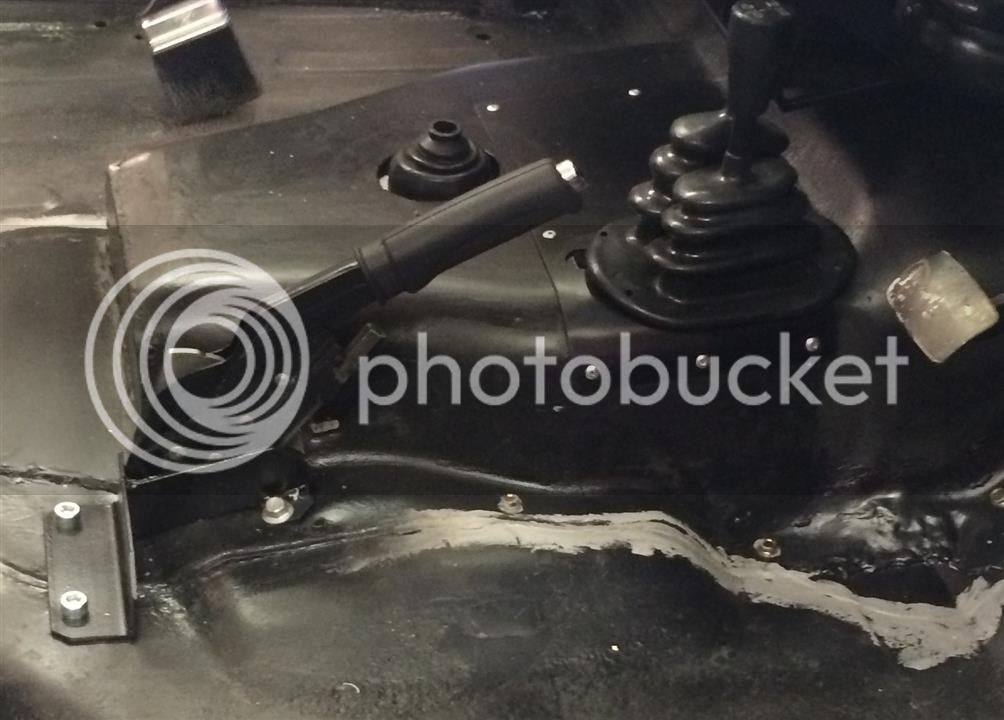
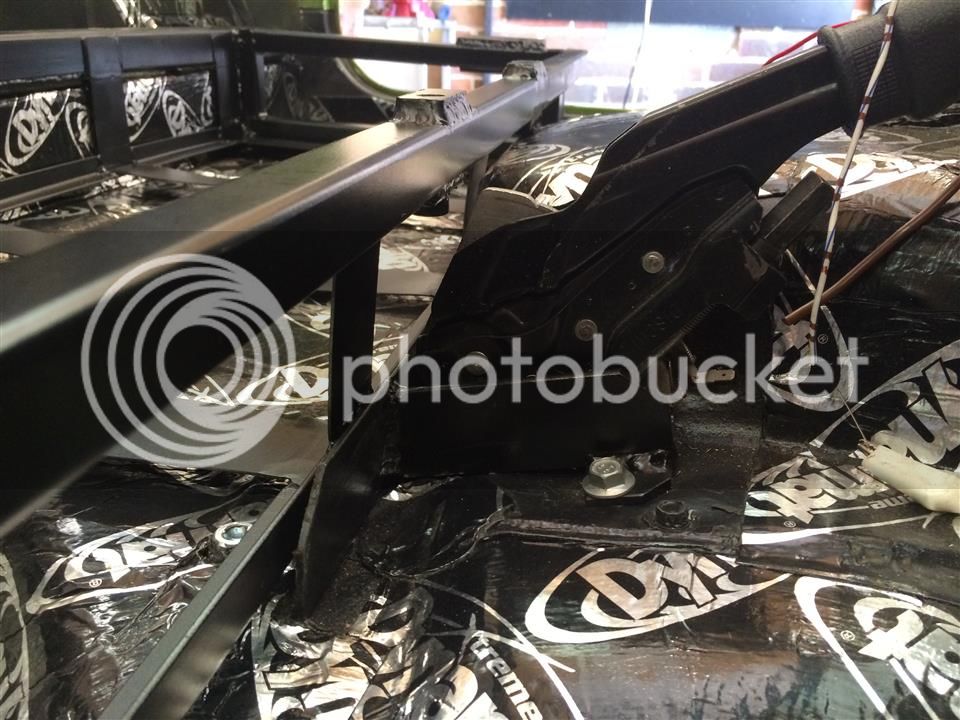
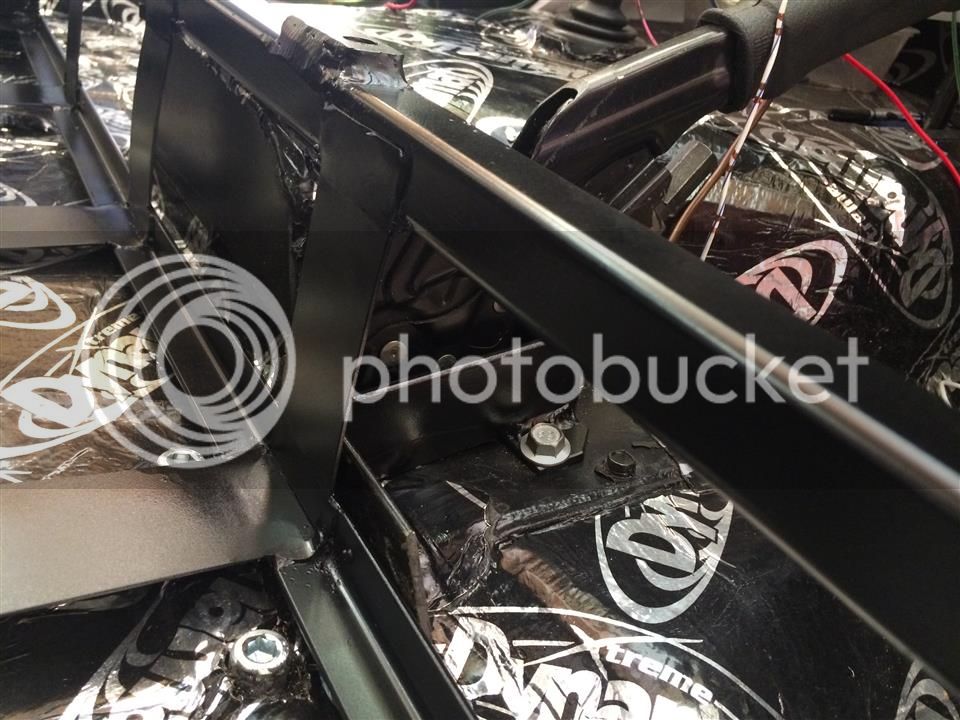
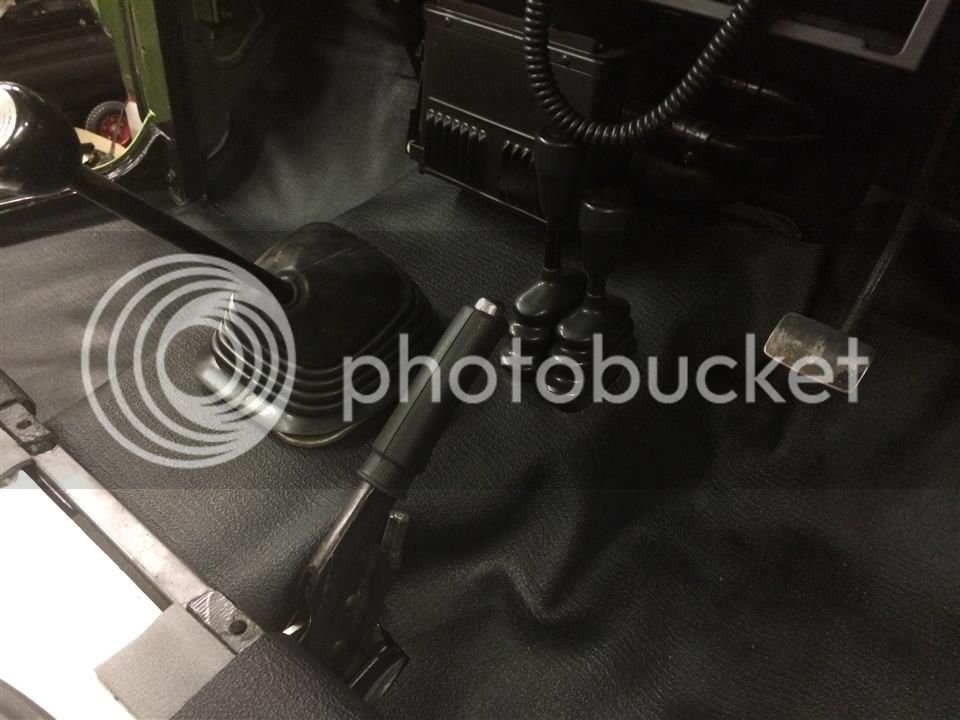
Next step was to install a new handbrake (as the standard one pulls from the dash area which is hard for hill starts). I spent hours in a local wrecking yard before finding a nice compact handbrake for an Alfa Romeo. The short length was important for clearance to the tank/seat frame and twin shifters.


IMG_4489%20Custom_zps4loyuxyh.jpg


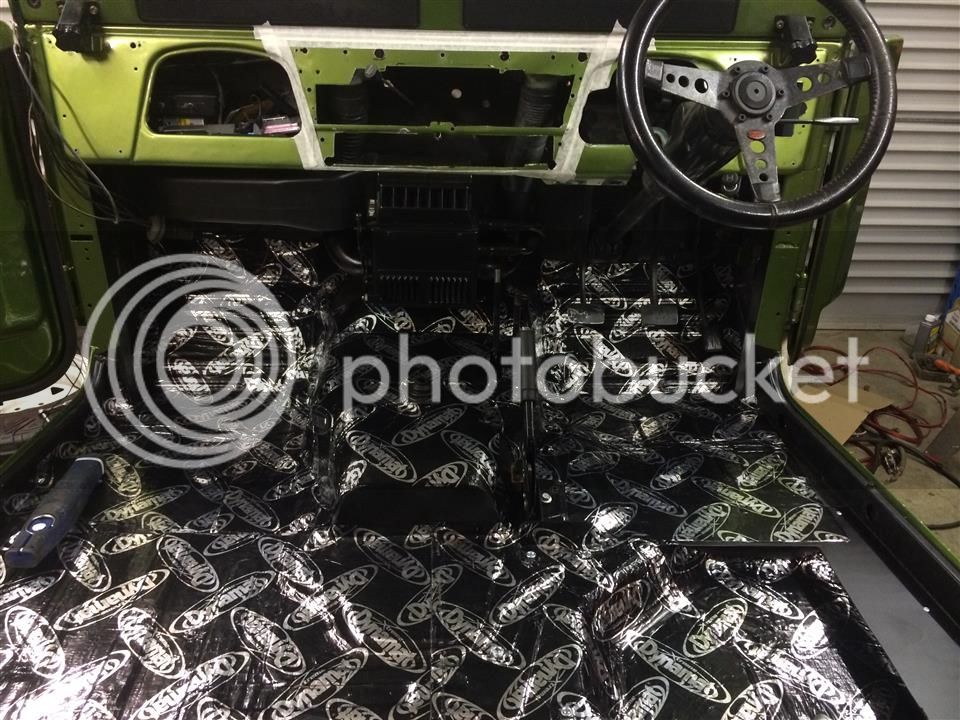
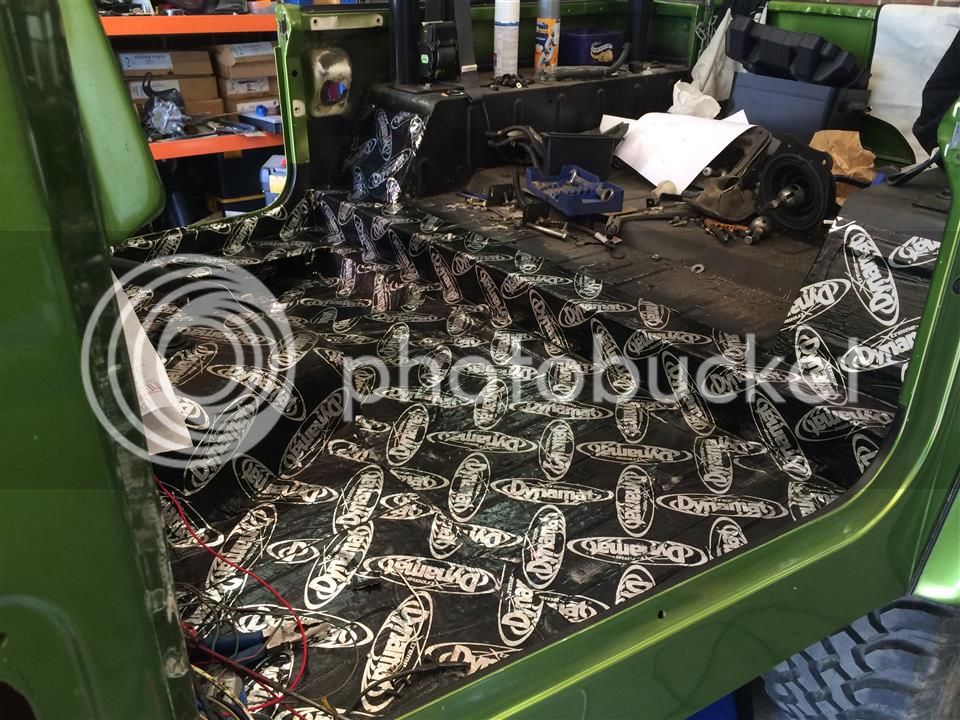
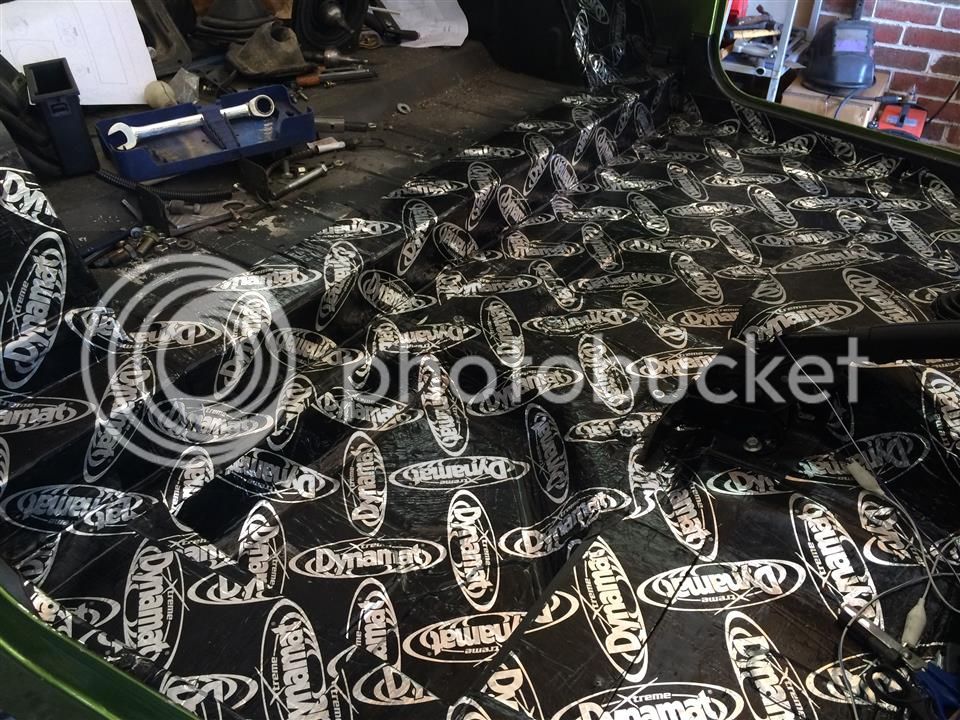
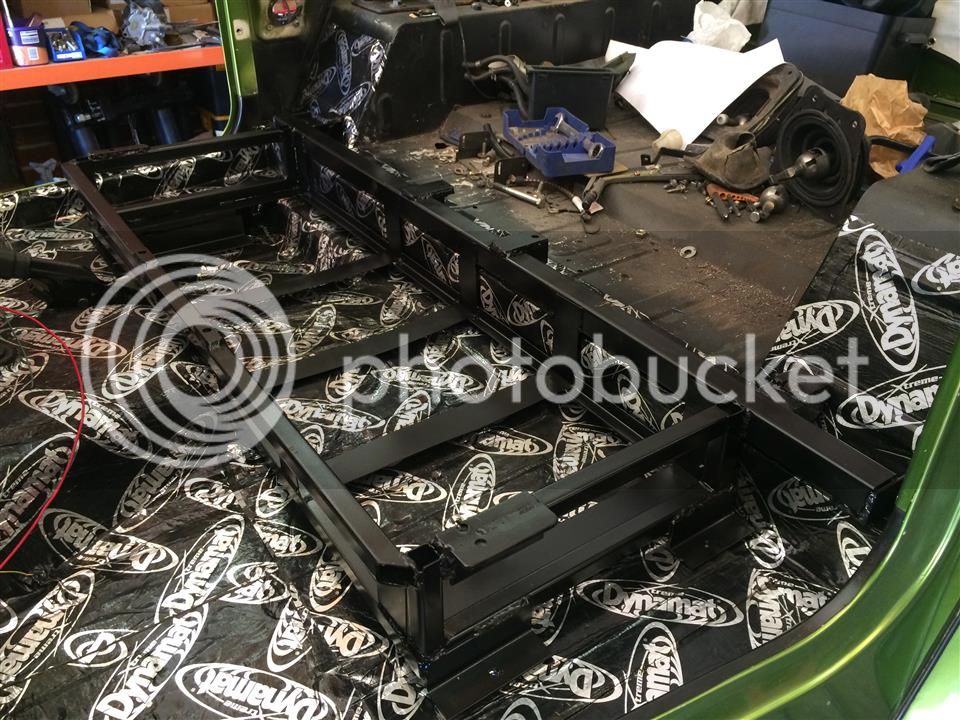
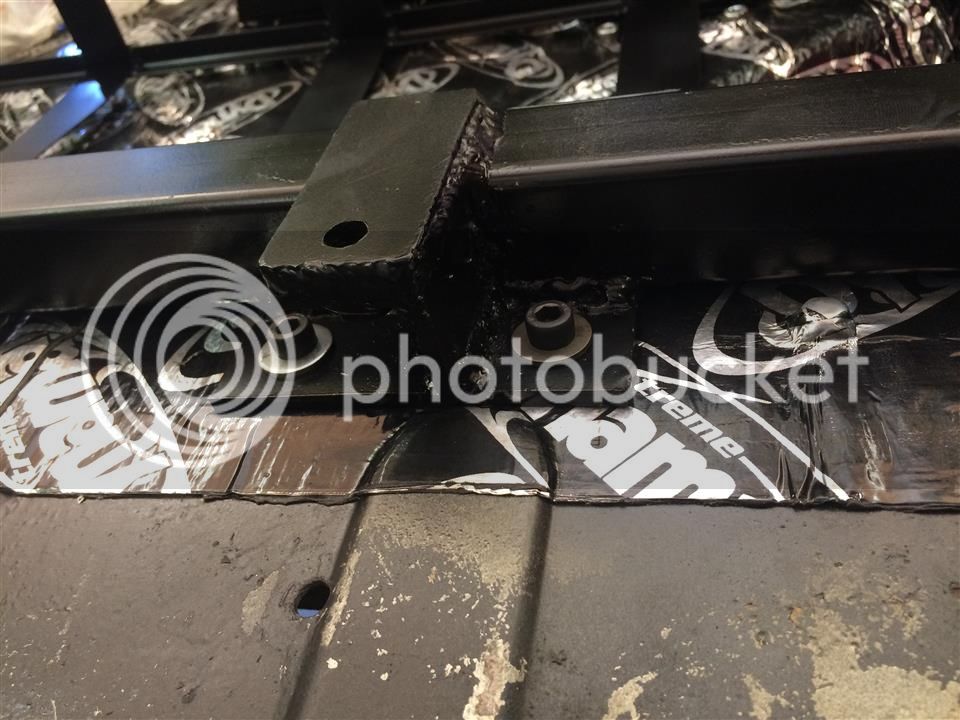
Once we were happy with the interior we gave it a complete coating in dynamat. Primarily for water proofing/protect the paint, but to also help insulate the floor.


(Note: The rear section will be done separately when the design is finalized).


IMG_4493%20Custom_zpsobreb5kg.jpg


IMG_4528%20Custom_zpse0mqfwtk.jpg


IMG_4526%20Custom_zps4mnj4peo.jpg


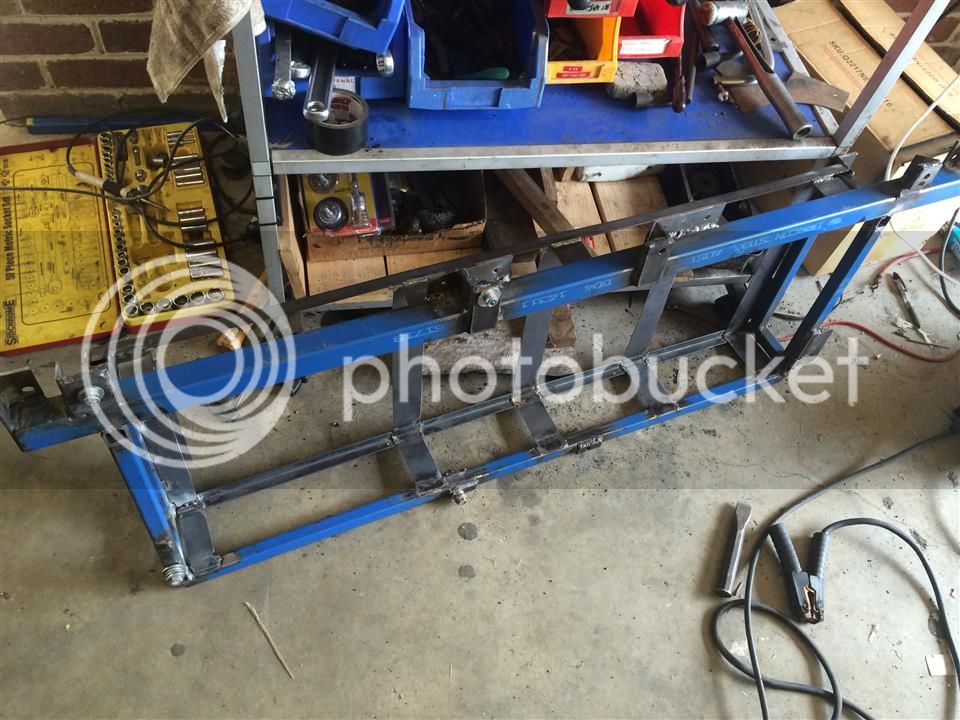
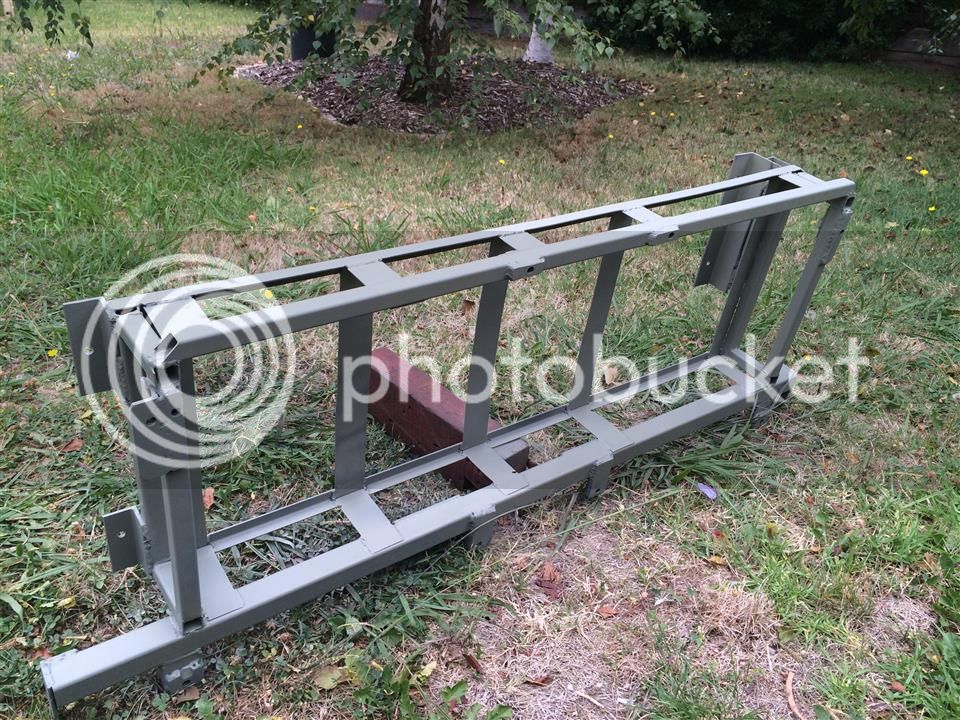
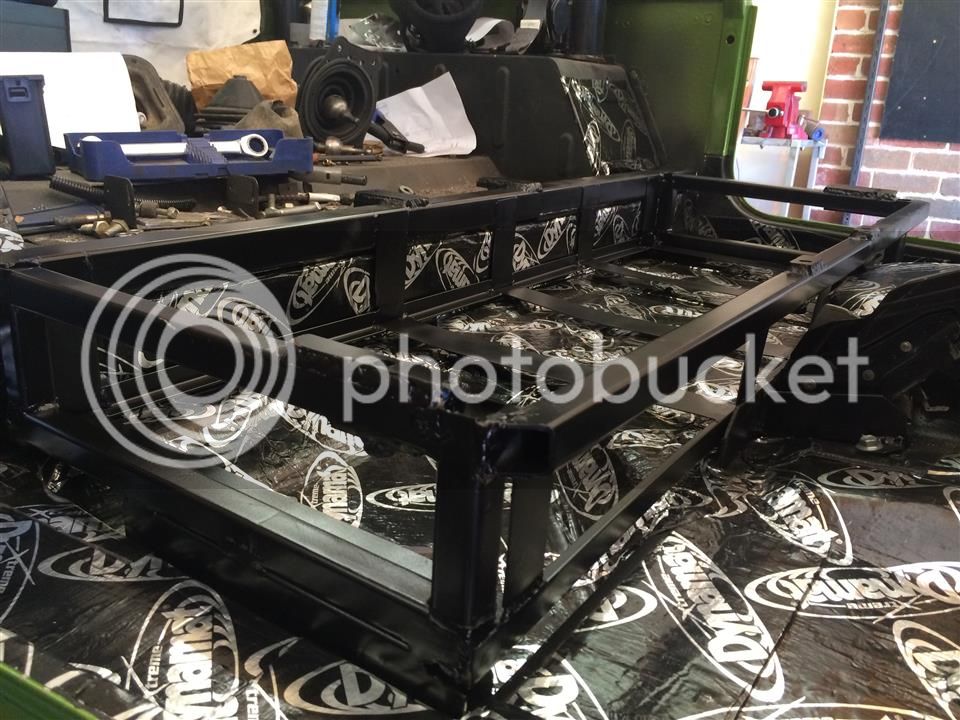
Now one of the wish list items was to do something better with the seat placement. Being 6”2, the standard placement was very cramped and uncomfortable to drive. Rather than trying to reuse anything, I decided to build a custom seat frame and new fuel tank.


IMG_4518%20Custom_zpswhqnher6.jpg


IMG_4524%20Custom_zpsmkglikeq.jpg


IMG_4525%20Custom_zpspcbi7ngd.jpg


IMG_4533%20Custom_zpsnki3slrn.jpg


IMG_4537%20Custom_zpszniyxbeb.jpg


IMG_4540%20Custom_zpsbfmg8kz7.jpg


You can see the reason for the small choice in handbrake….


IMG_4538%20Custom_zpssuybt1ua.jpg


IMG_4539%20Custom_zpsbhnpxcvw.jpg


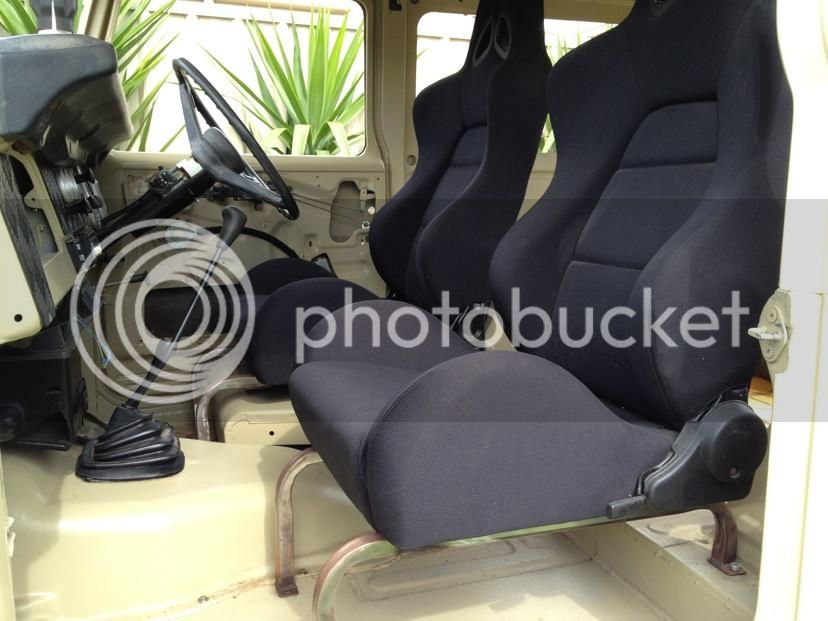
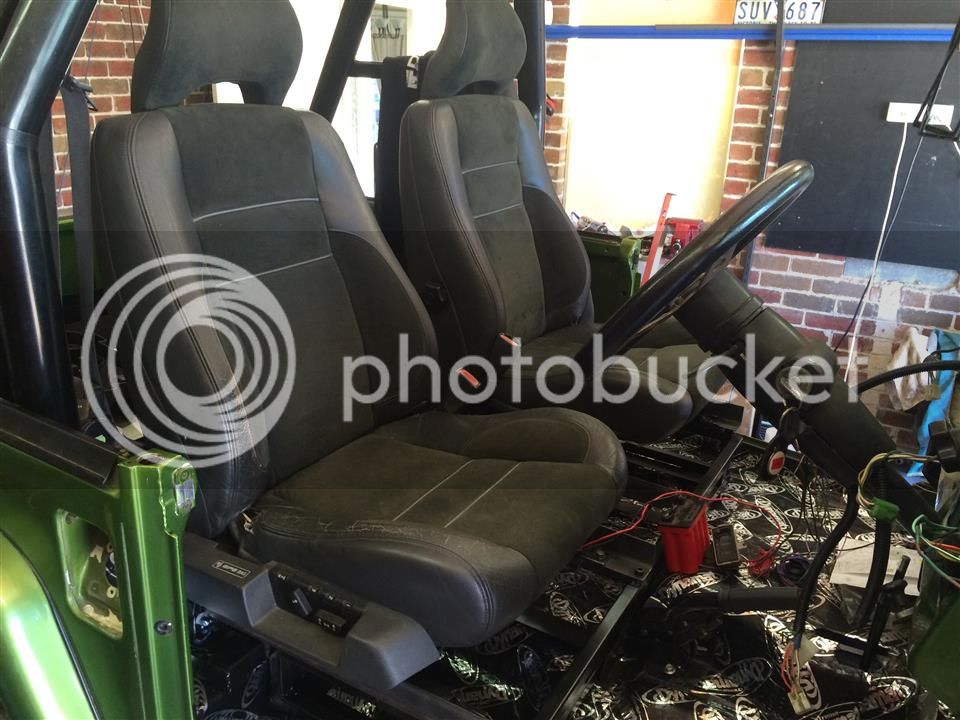
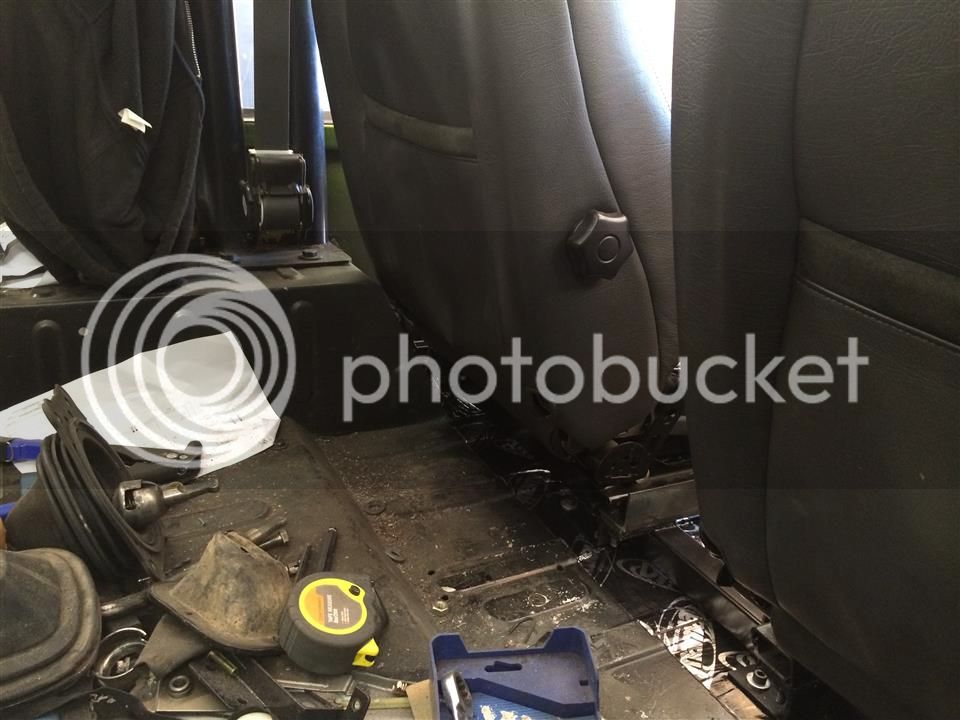
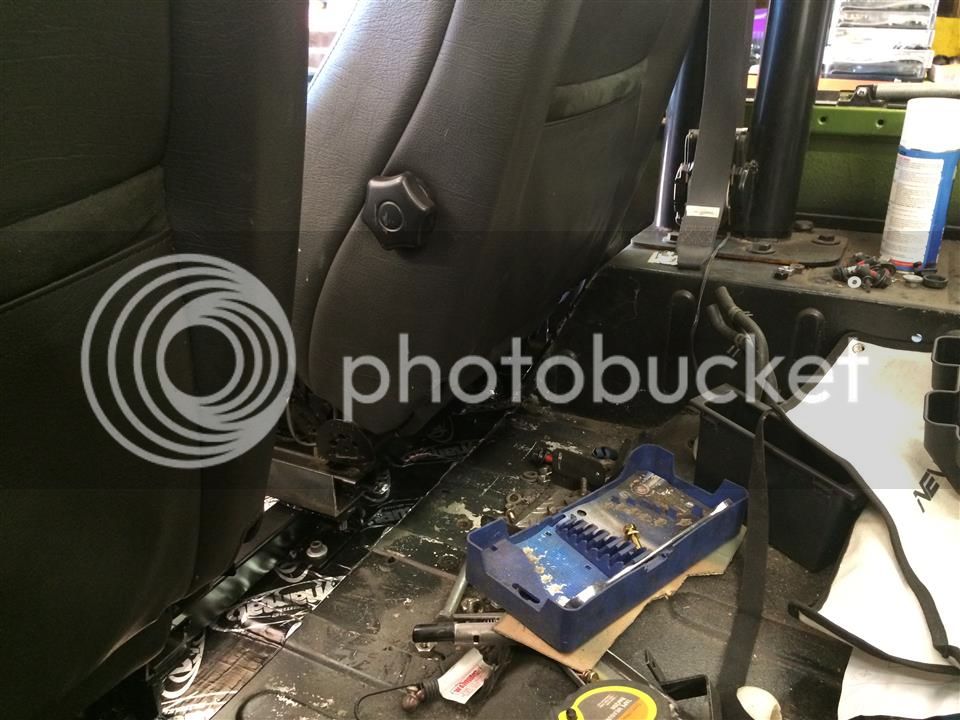
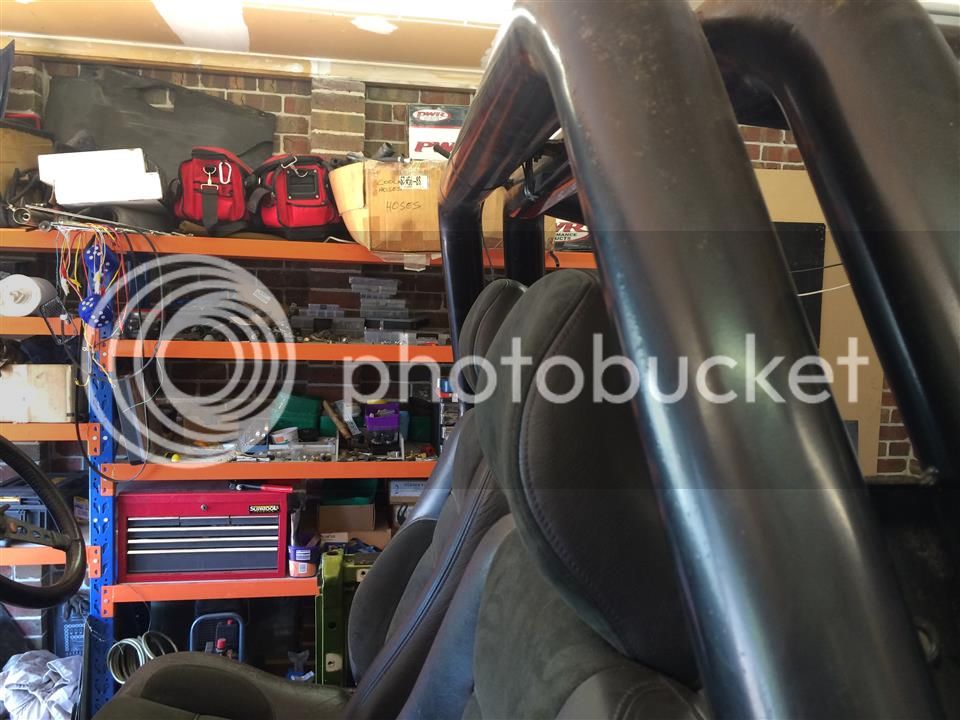
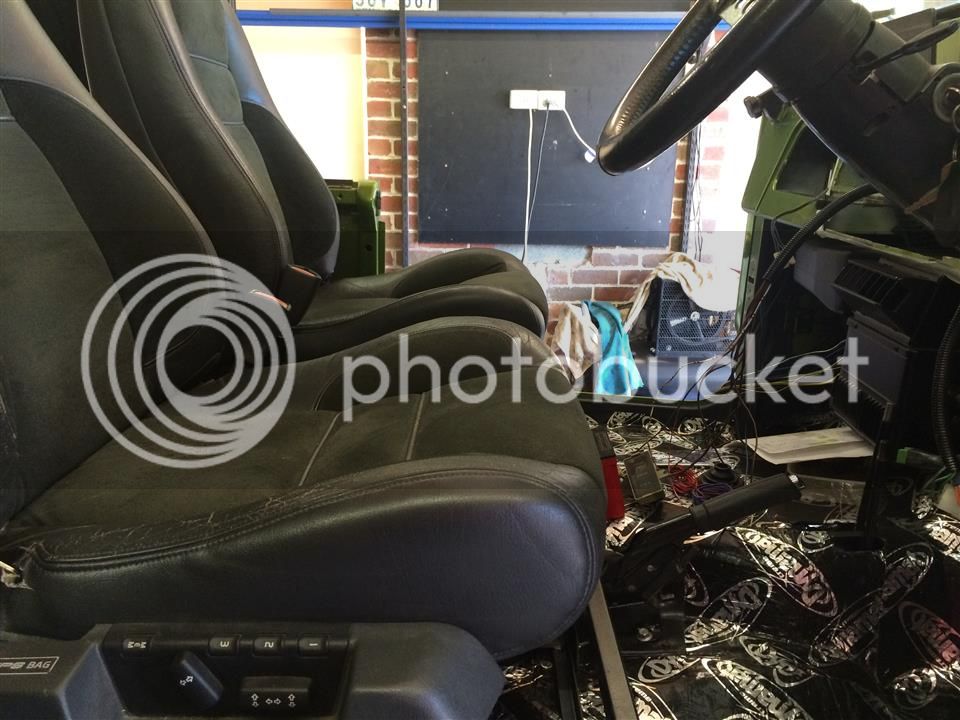
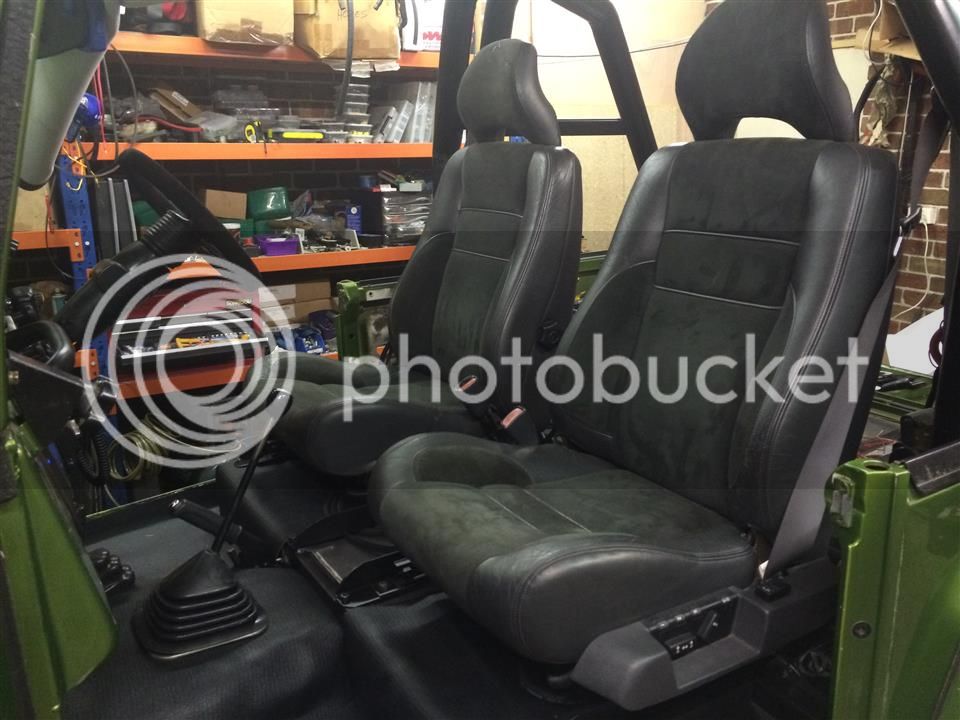
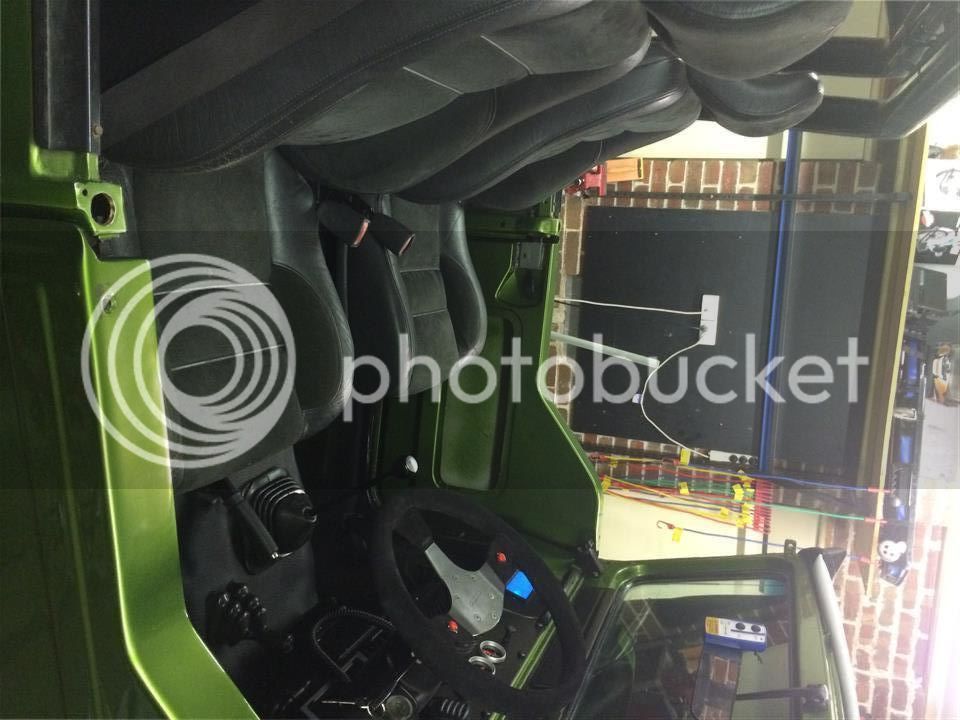
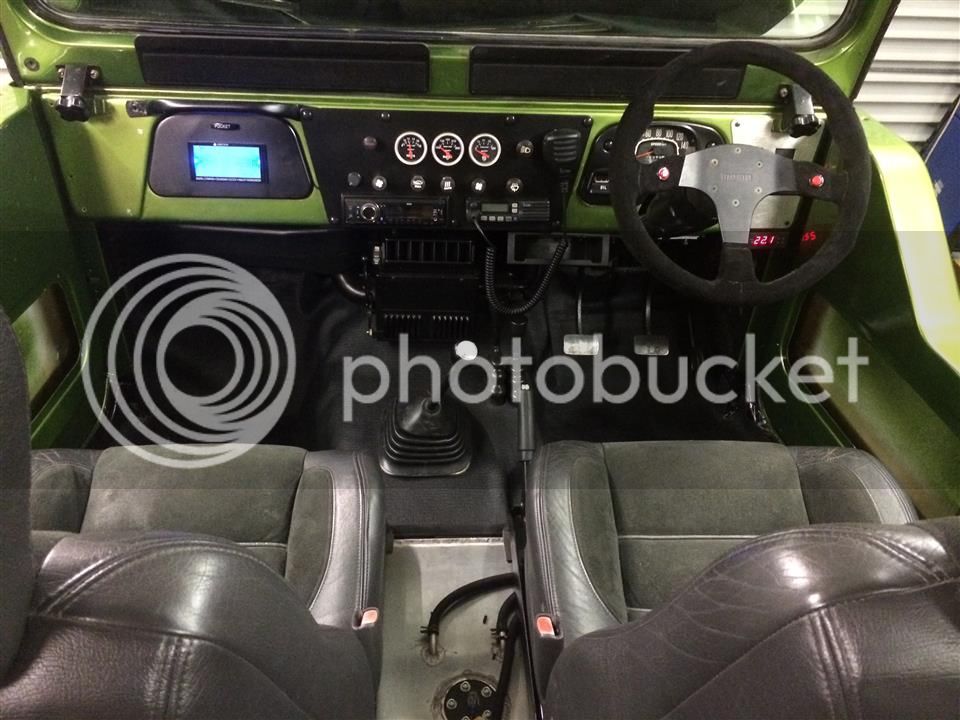
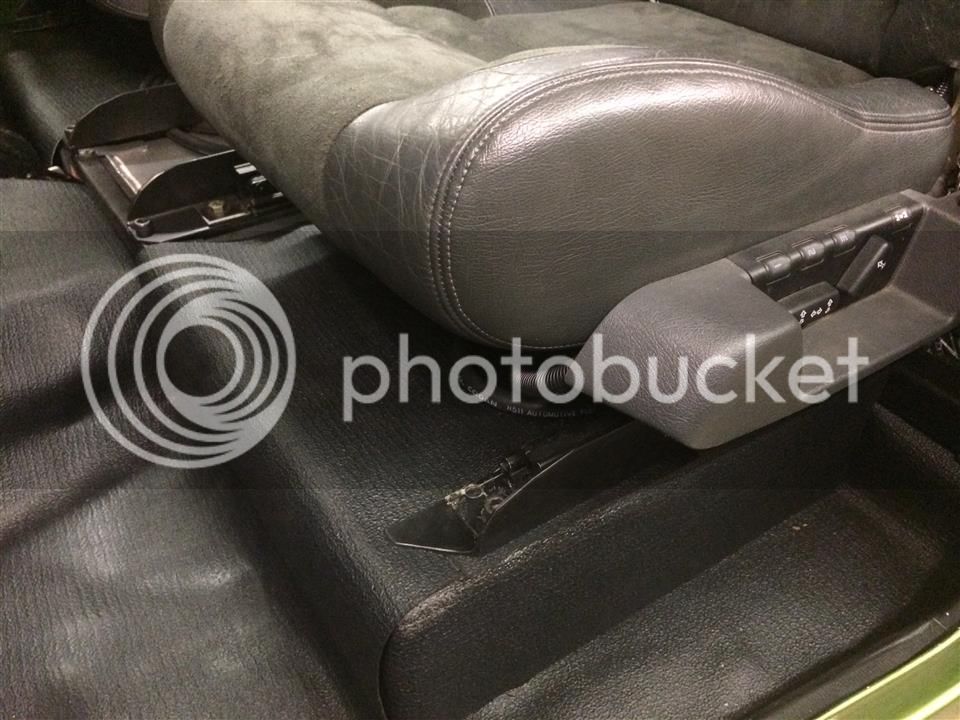
Now that we had a seat frame, I was able to use any seat I liked. After many hours searching at local car yards, I found a very nice pair of seats from a Volvo 850R. The main reason I choose these seats is they are 8 way electric with 3 position memory function and are heated. Perfect for a convertible 4WD.


The leather looks worse in the pictures than in real life…


IMG_4542%20Custom_zpswdvydmfh.jpg


IMG_4543%20Custom_zpsdisq1wqh.jpg


IMG_4544%20Custom_zpslrwjqgwn.jpg


IMG_4545%20Custom_zpsr9xnyyua.jpg


IMG_4554%20Custom_zpsluflabbj.jpg


Now as a comparison, the new seat sits much further down and further back. In fact even being 6”2, I needed to move the seat forward and up from its lowest/furthest back position. Anyone up to 6”5 should be able to comfortably drive this…


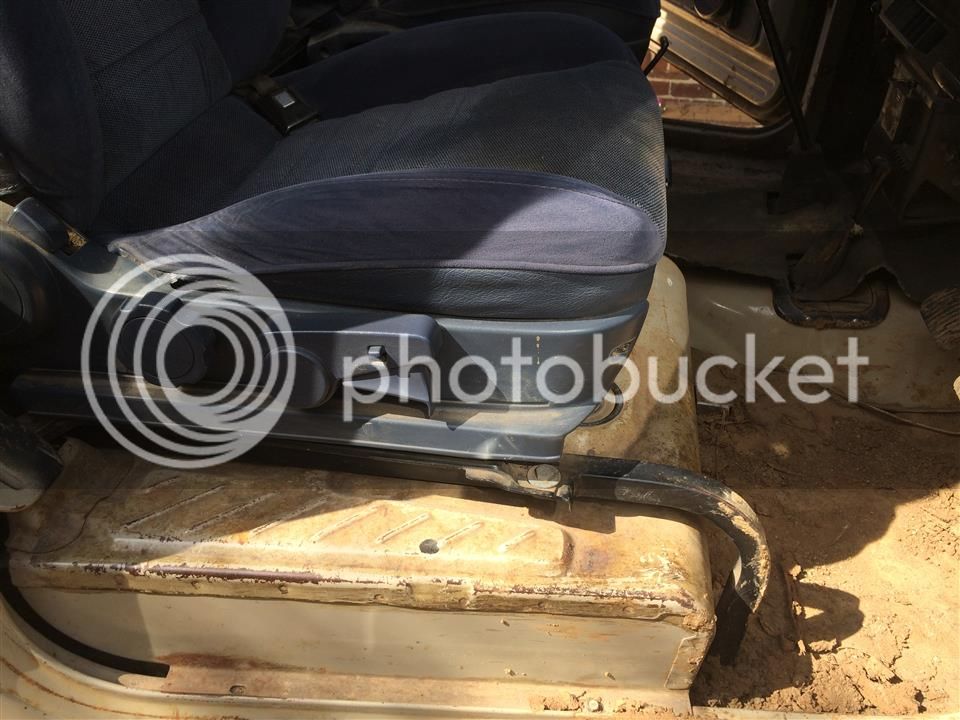
As a reminder here is the standard seat position


IMG_4065%20Custom_zps6bqwuyjh.jpg
 
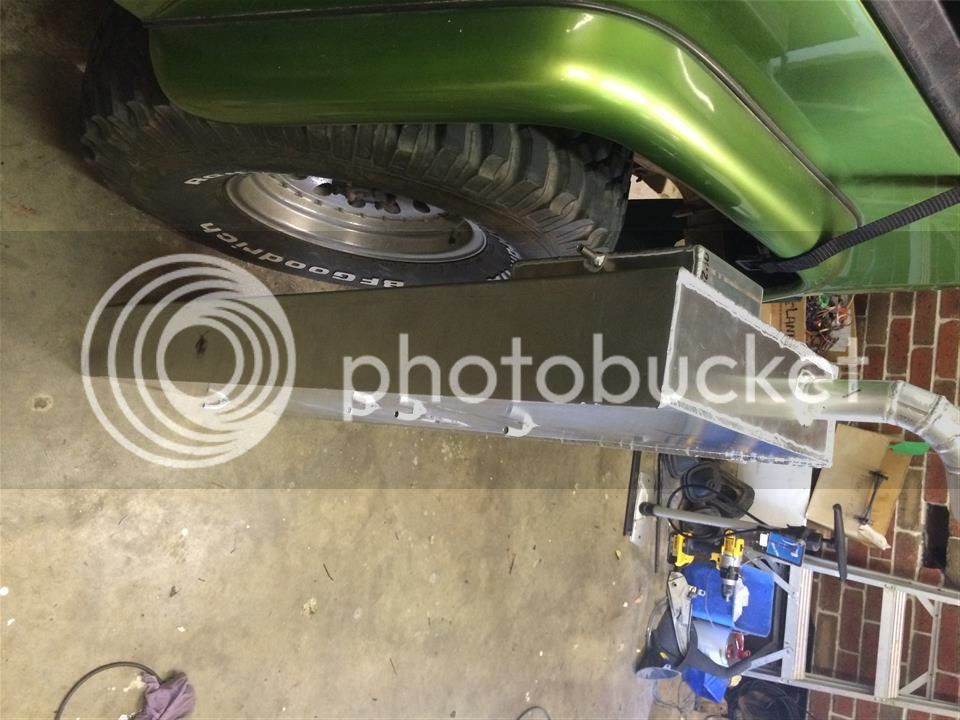
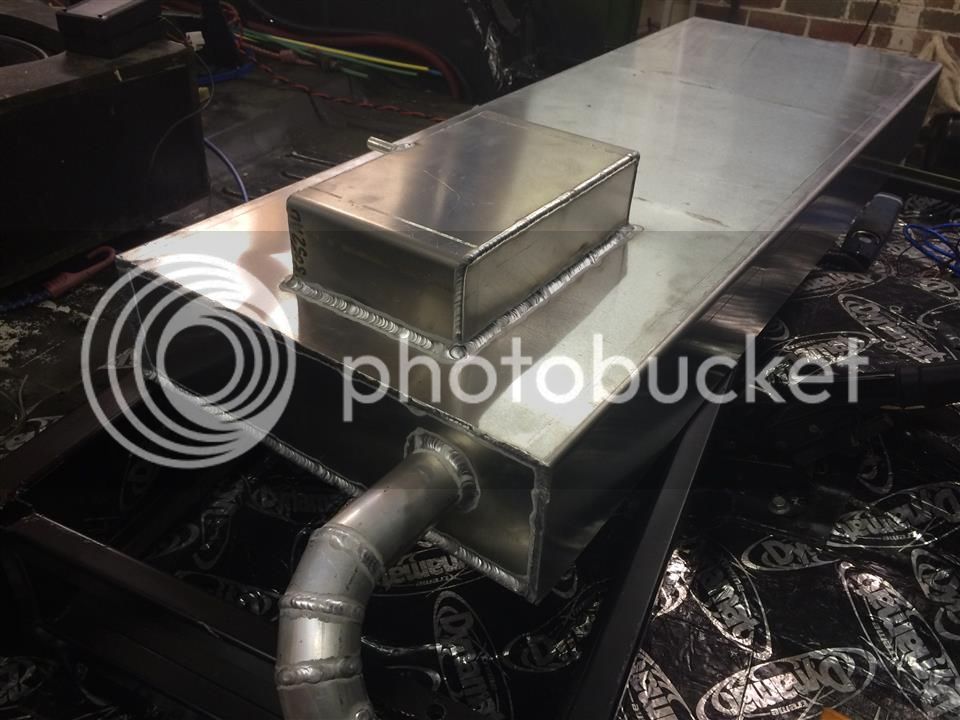
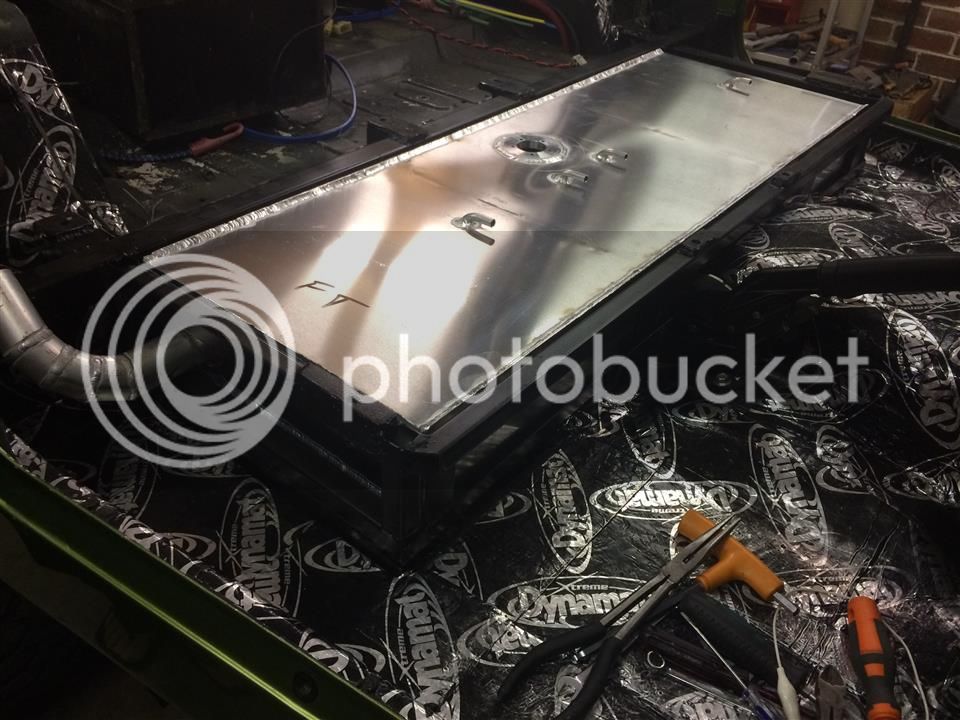
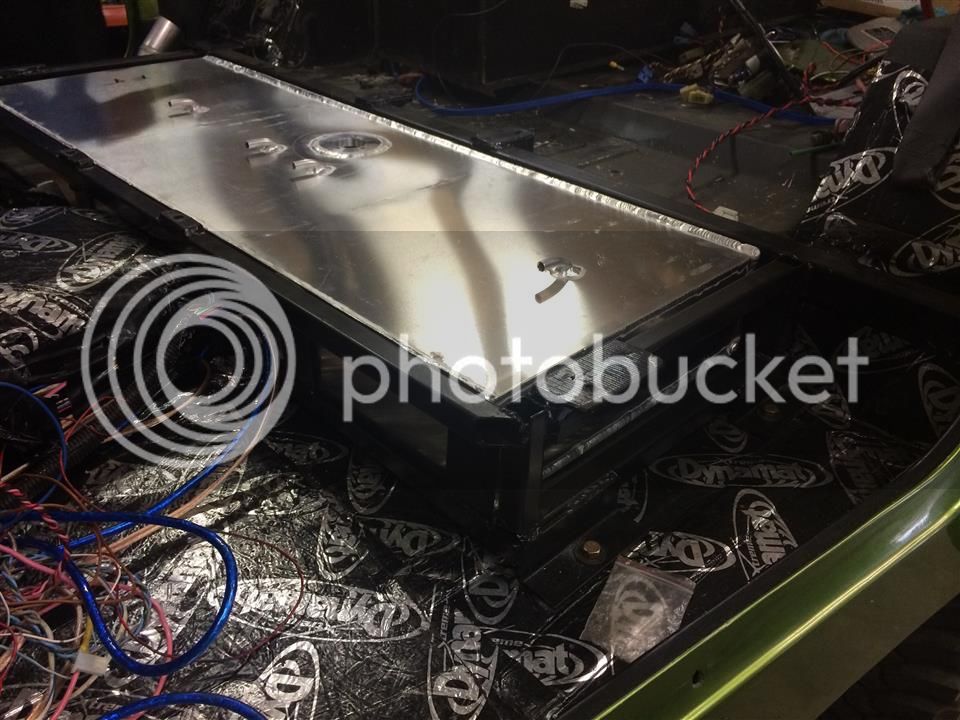
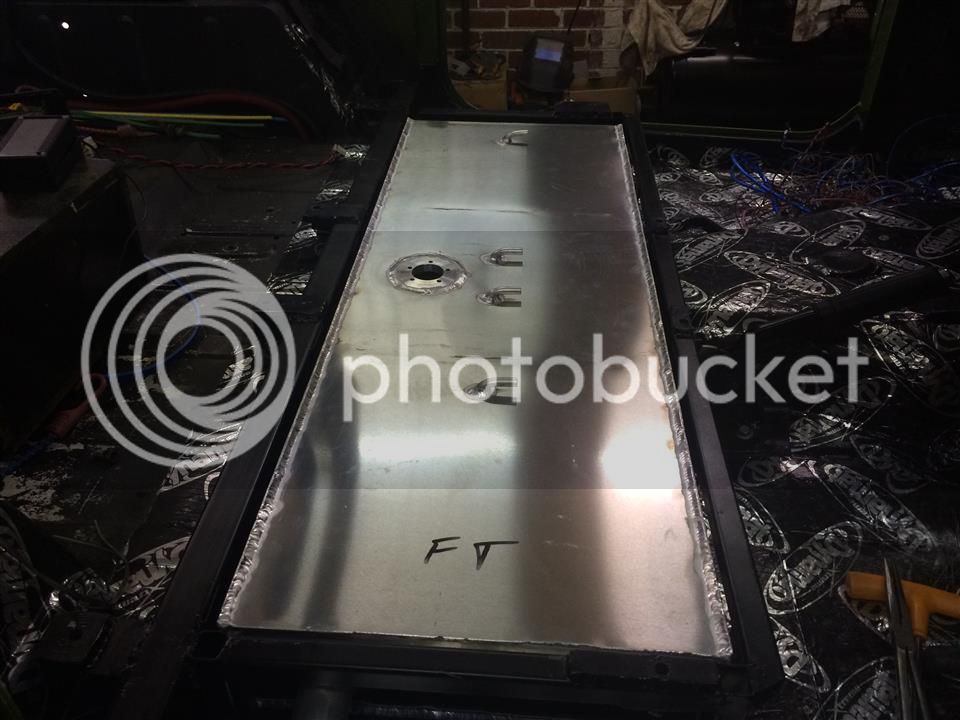
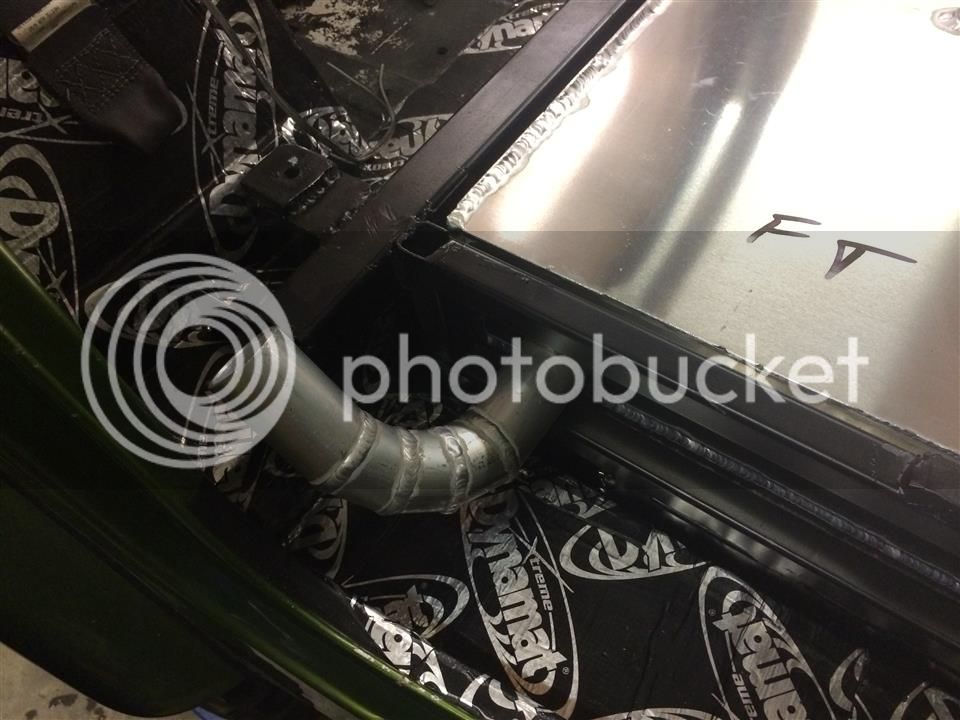
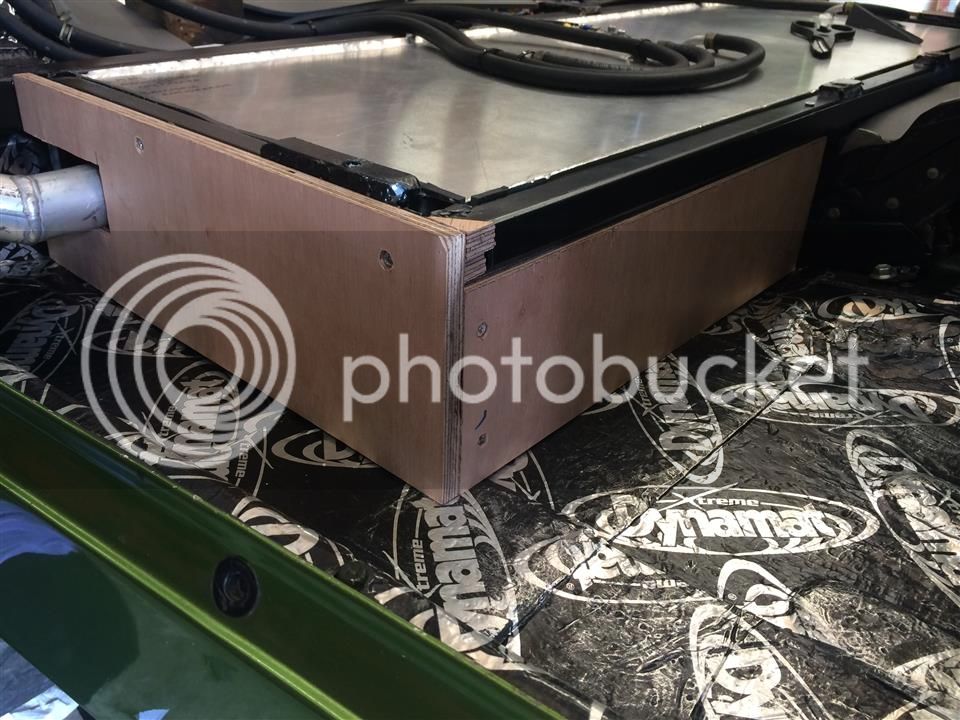
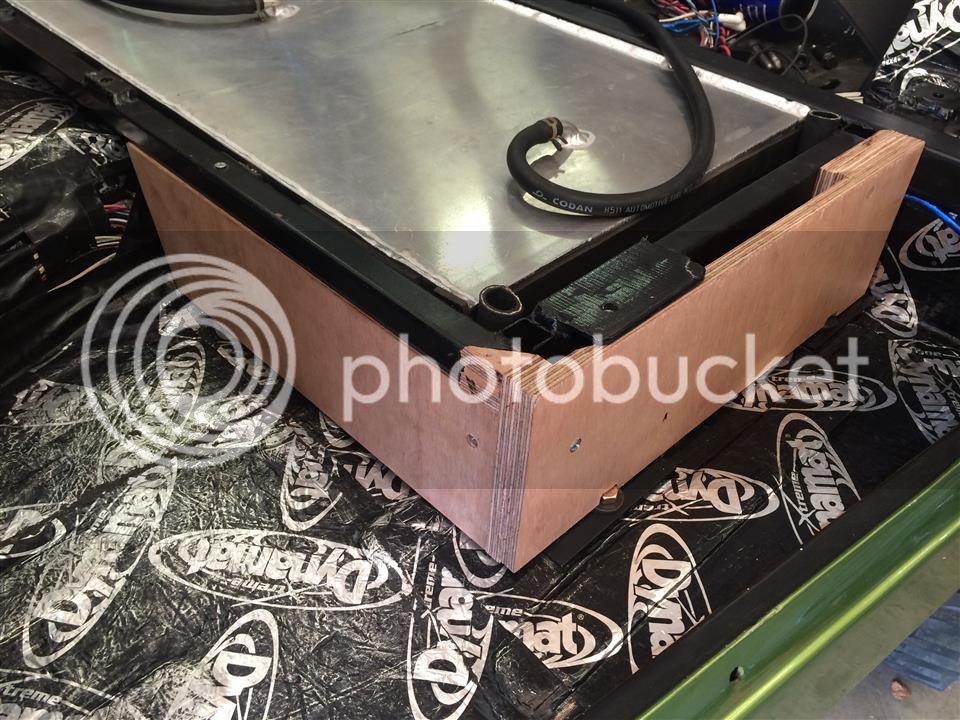
Now the clever part of the design is the new aluminum fuel tank with inbuilt surge tank…


IMG_4624%20Custom_zpsutxybgmo.jpg


IMG_4615%20Custom_zpsl8vqsr7o.jpg


IMG_4610%20Custom_zpsslquvmjr.jpg


IMG_4607%20Custom_zpsll70cqma.jpg


IMG_4613%20Custom_zpsa42ehojz.jpg


IMG_4611%20Custom_zpsldactbjs.jpg


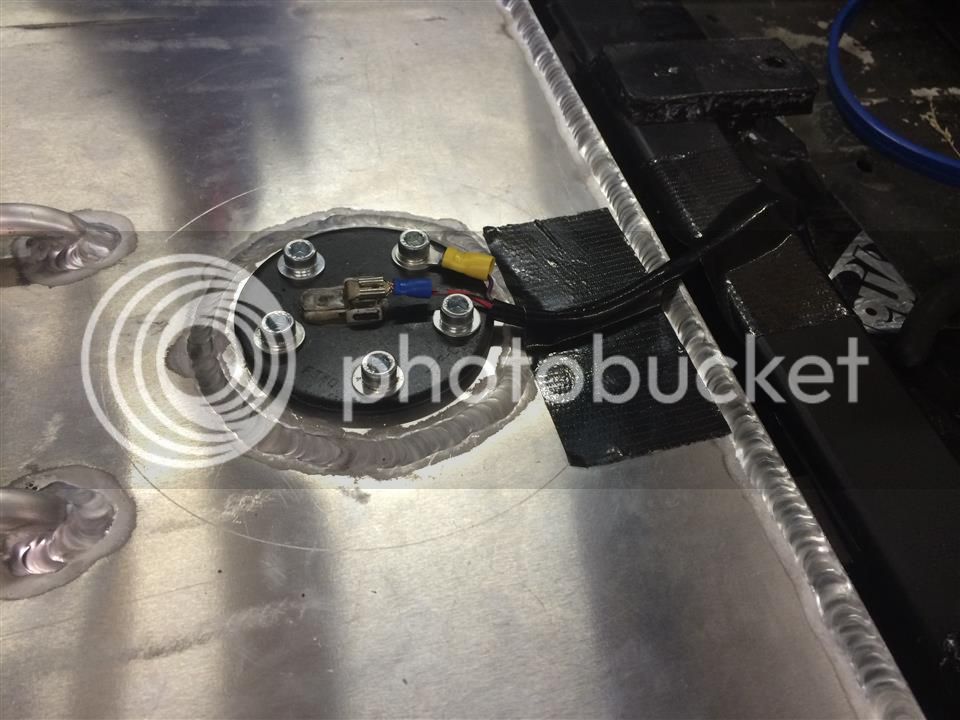
It even uses the original fuel sender so will work perfectly with the standard fuel gauge.


IMG_4630%20Custom_zpsywtu22jh.jpg


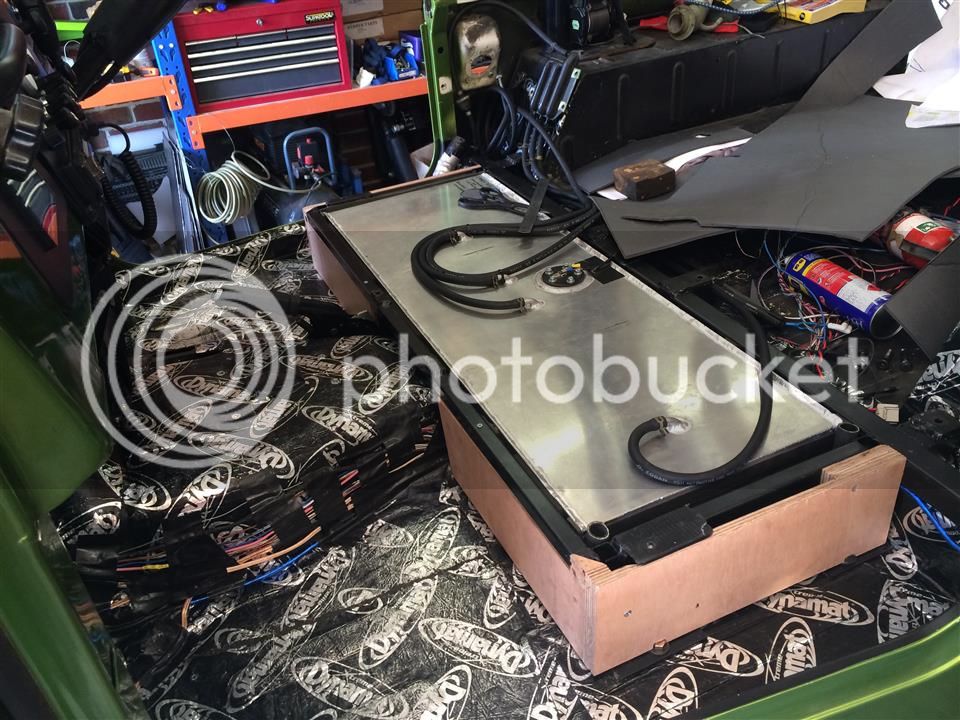
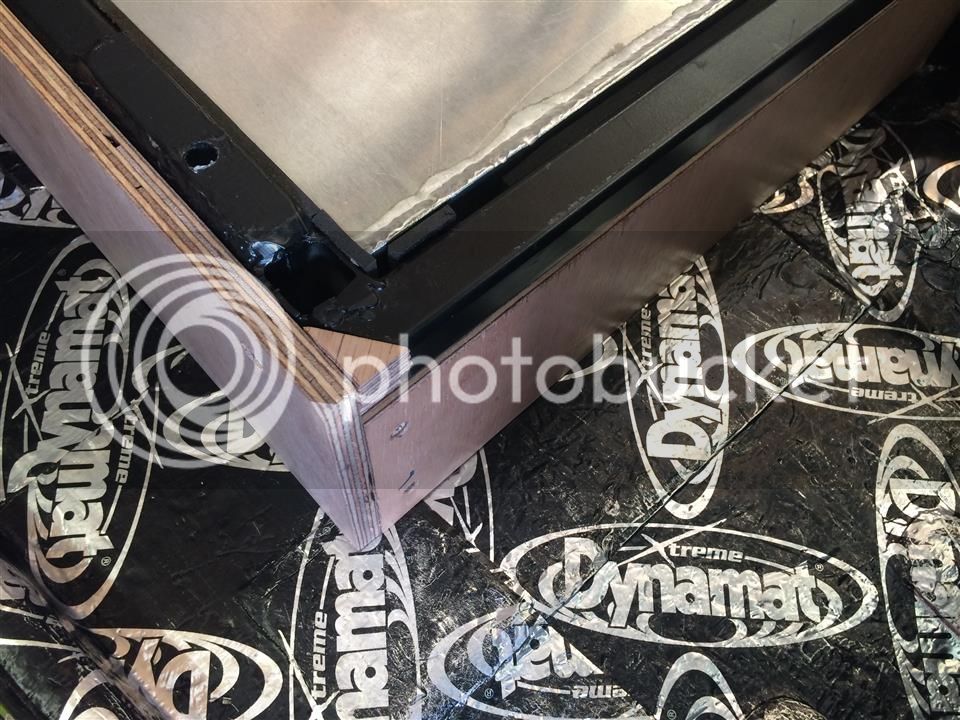
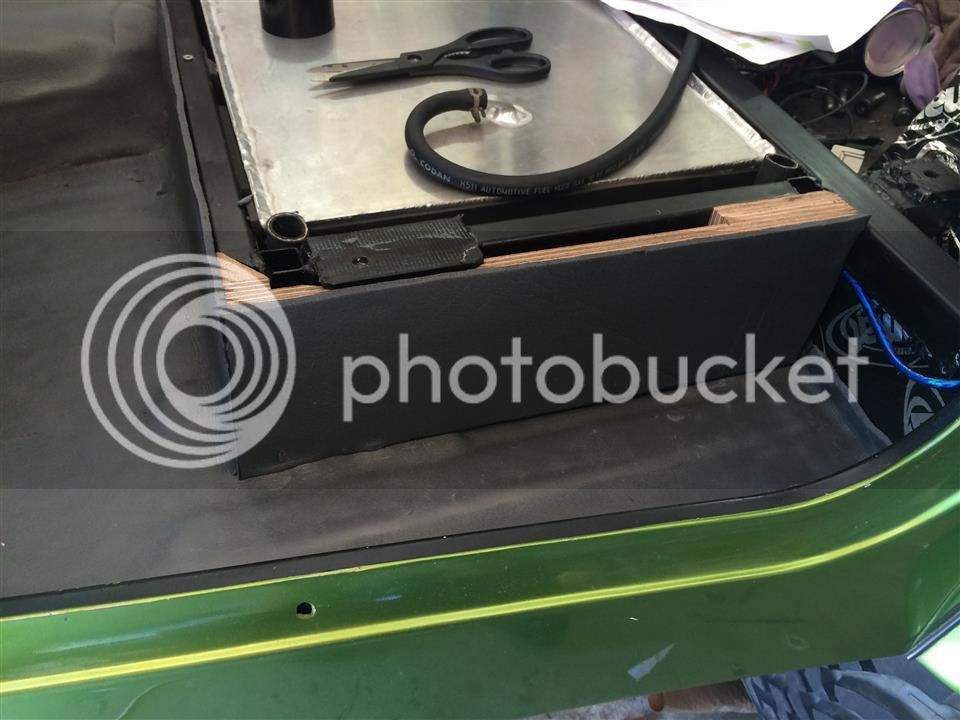
Next step was to fill in the gaps with Marine grade plywood (its waterproof and wont rot).


IMG_4661%20Custom_zpspj86kw4l.jpg


IMG_4657%20Custom_zpstpzniwx1.jpg


IMG_4659%20Custom_zpsec2i2k6q.jpg


IMG_4658%20Custom_zps43r0pwpc.jpg


Once the seat frame/fuel tank were under control, we turned our attention to the dash area.

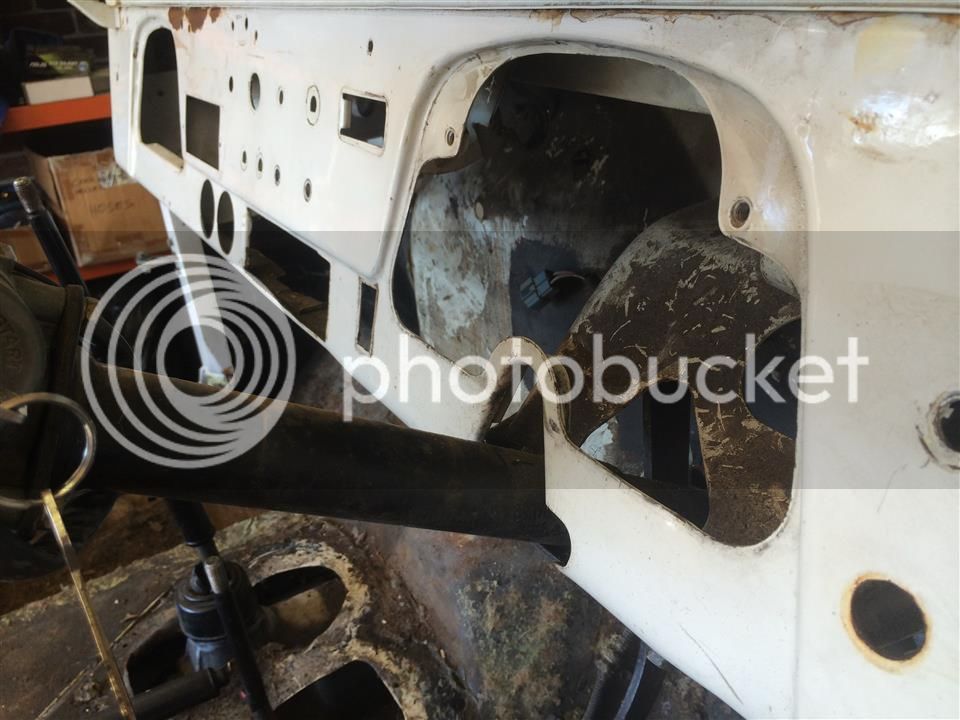
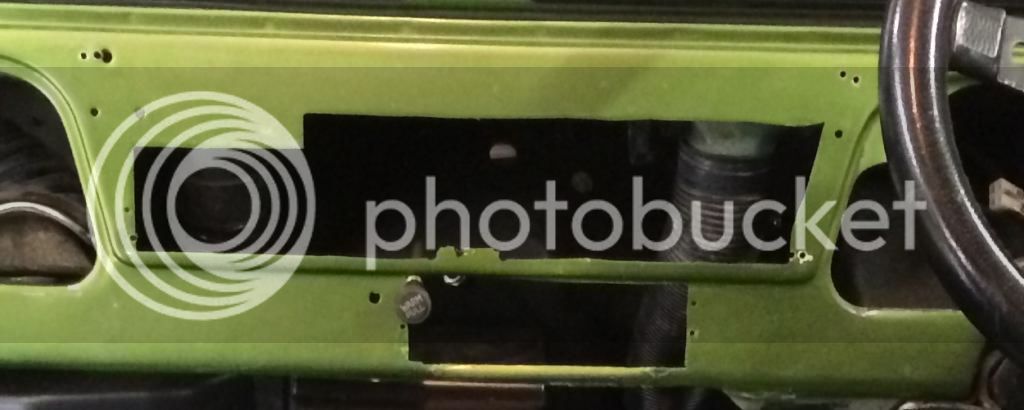
Now unfortunately someone has previously hacked the dash board up pretty badly.


The original panels hide the damage…


IMG_4058%20Custom_zps2yzamme7.jpg


Dash%20Original_zpslqectqhk.jpg


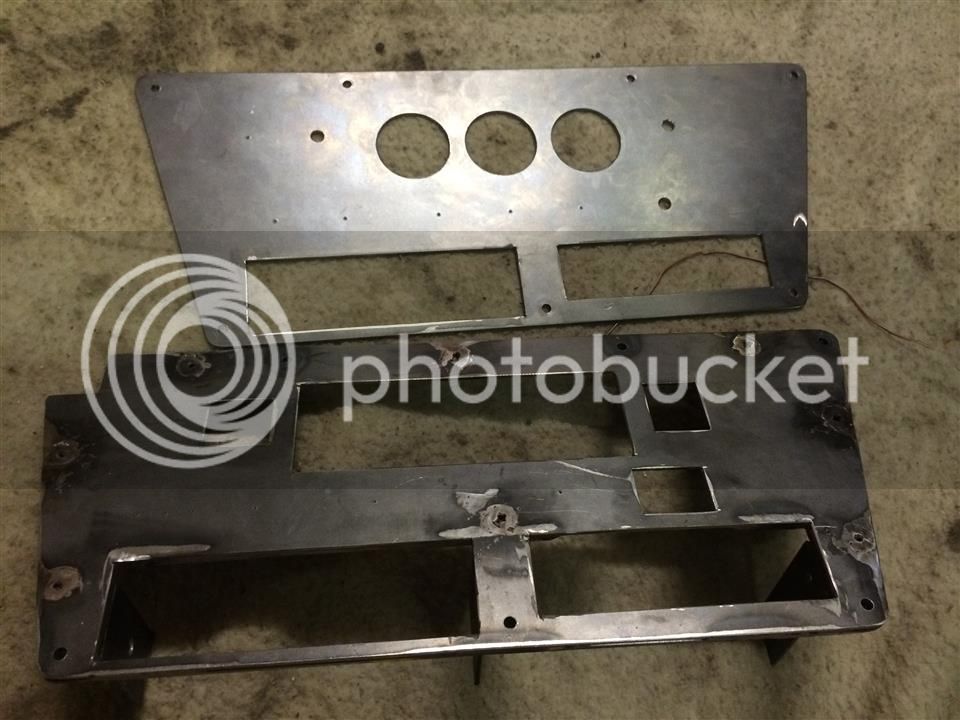
Now I was pretty limited in what I could do to repair it, so had to come up with something clever.
 
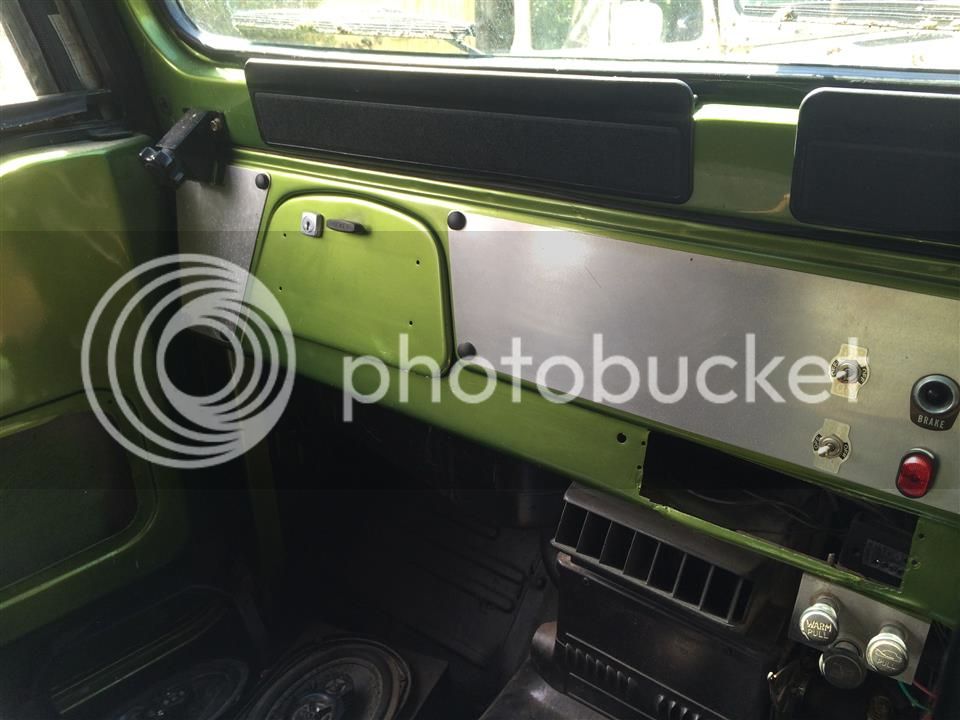
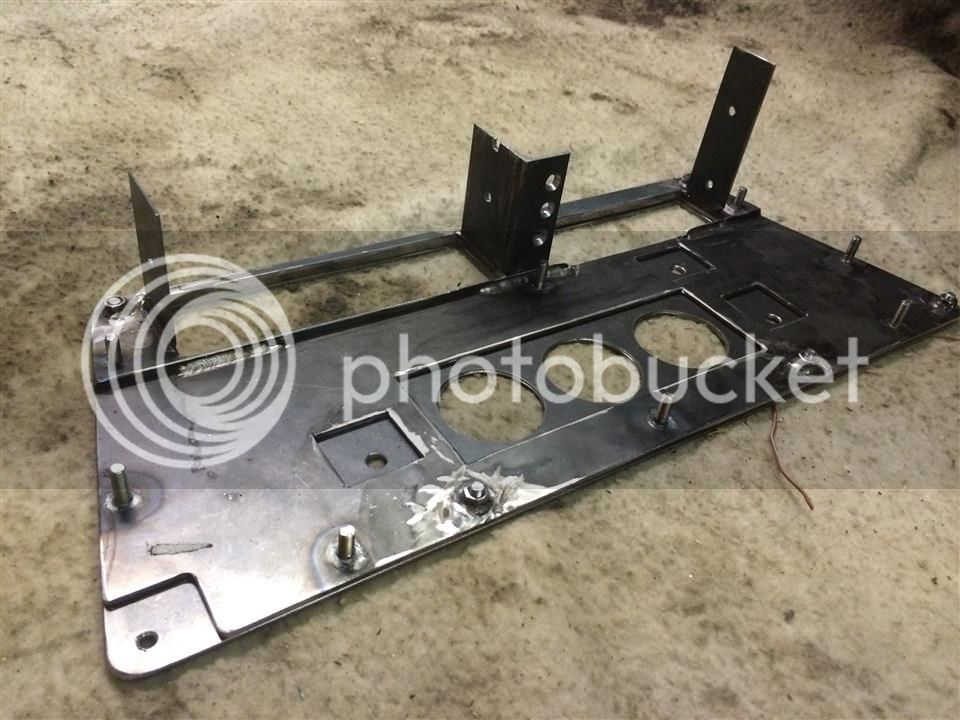
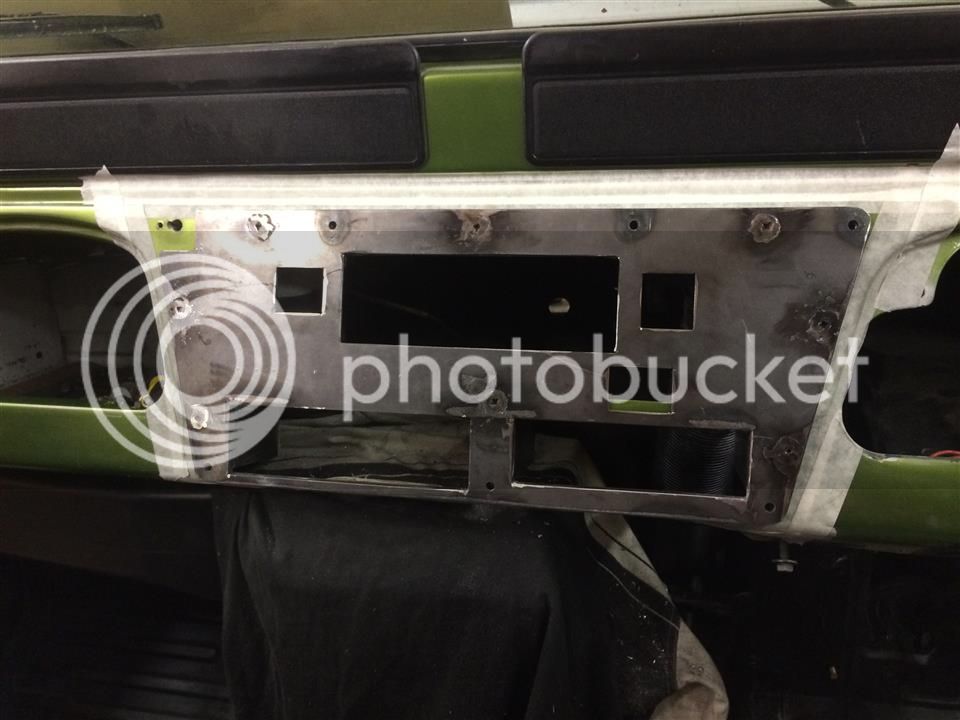
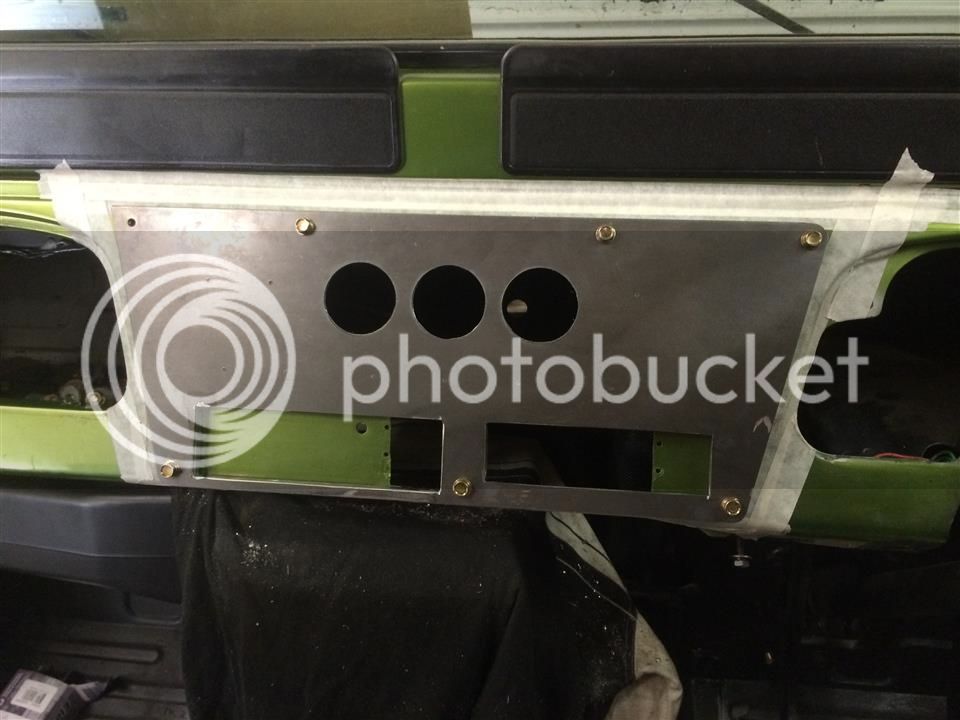
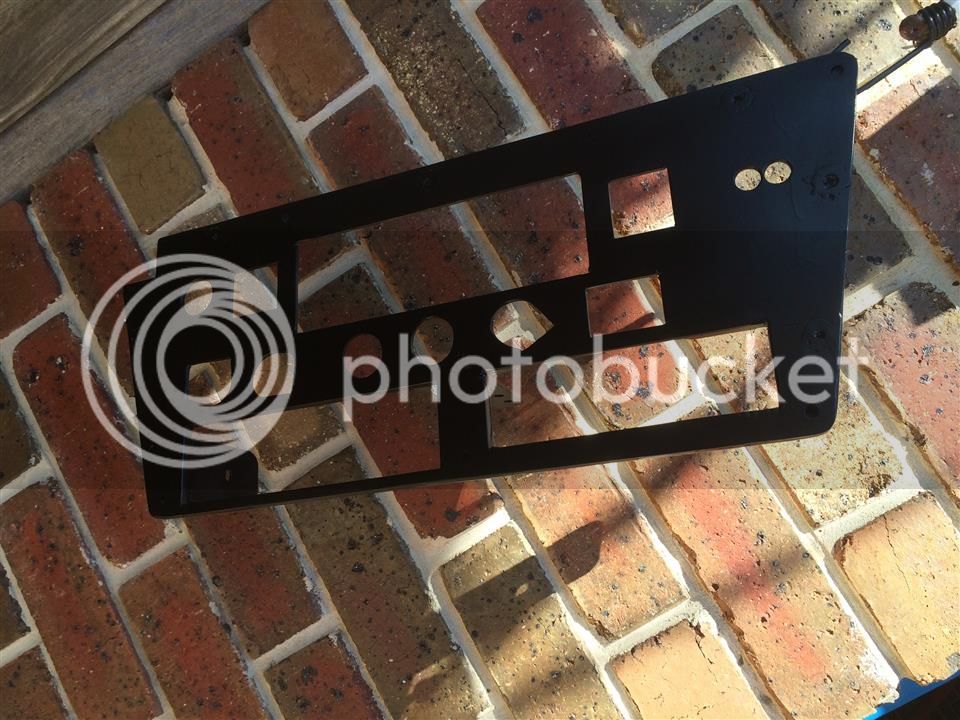
The solution was a 2 piece design, where the backing plate could be bolted into place using the cut outs and a top cover which bolted into the backing plate.


IMG_4567%20Custom_zpsxghmd9ll.jpg


IMG_4565%20Custom_zps2m5knu8c.jpg


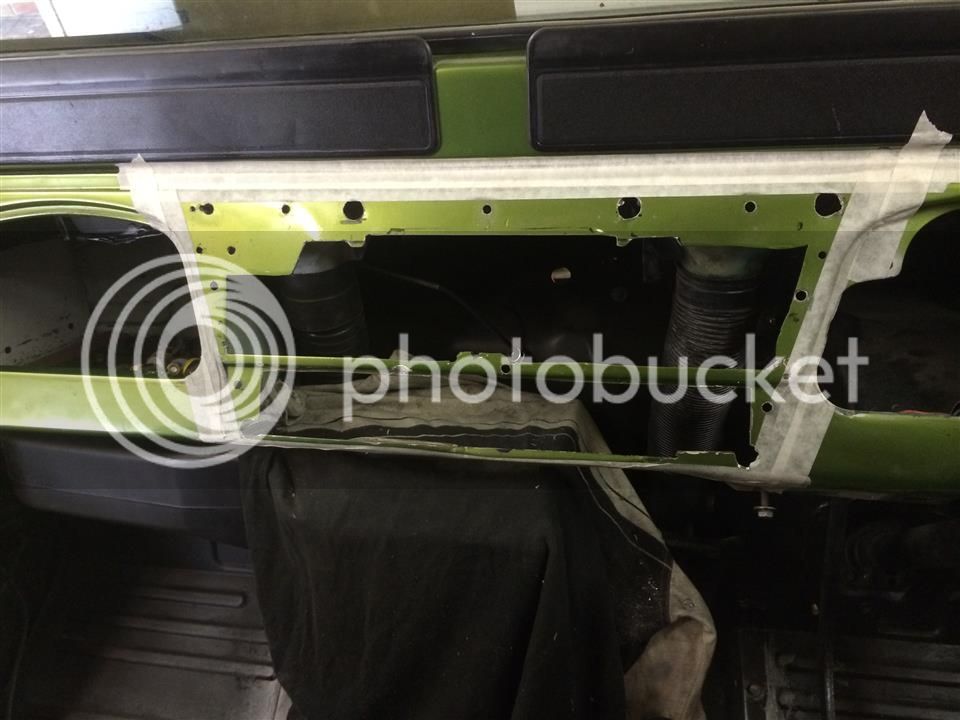
It did require a few new holes being cut into the dash…


IMG_4479%20Custom_zpskbsz11zq.jpg


But that allowed the backing plate to be bolted in nice and tight. It’s a tricky job to bolt it in, but once in adds a LOT of strength to the entire dash area.


IMG_4477%20Custom_zpsi4oezi3t.jpg


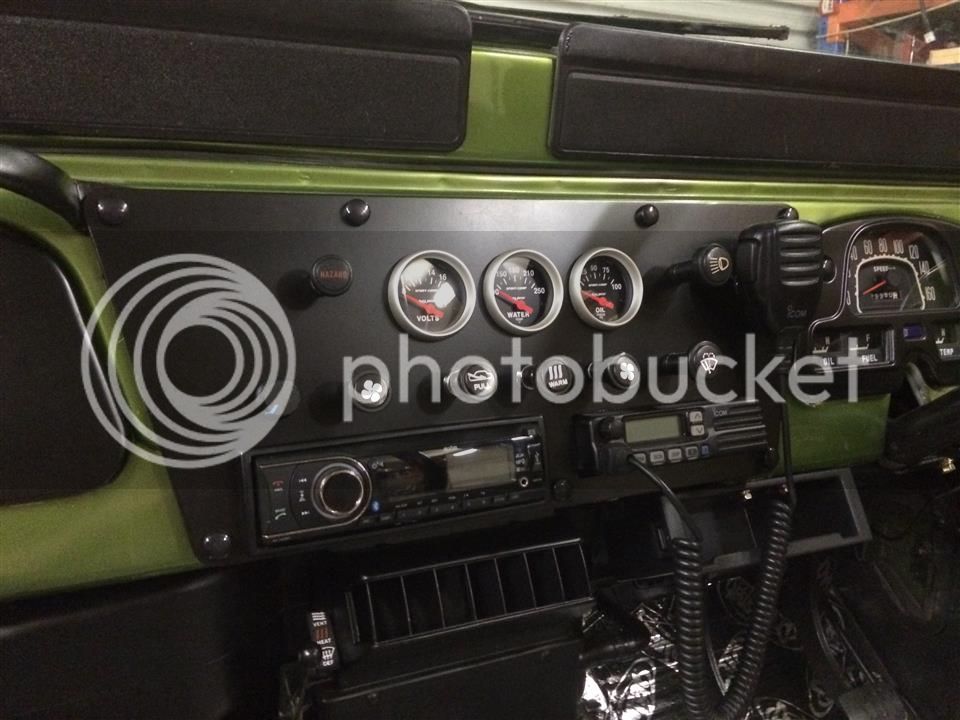
Then the top plate bolts into place over the top.


IMG_4472%20Custom_zpsldzcglv3.jpg


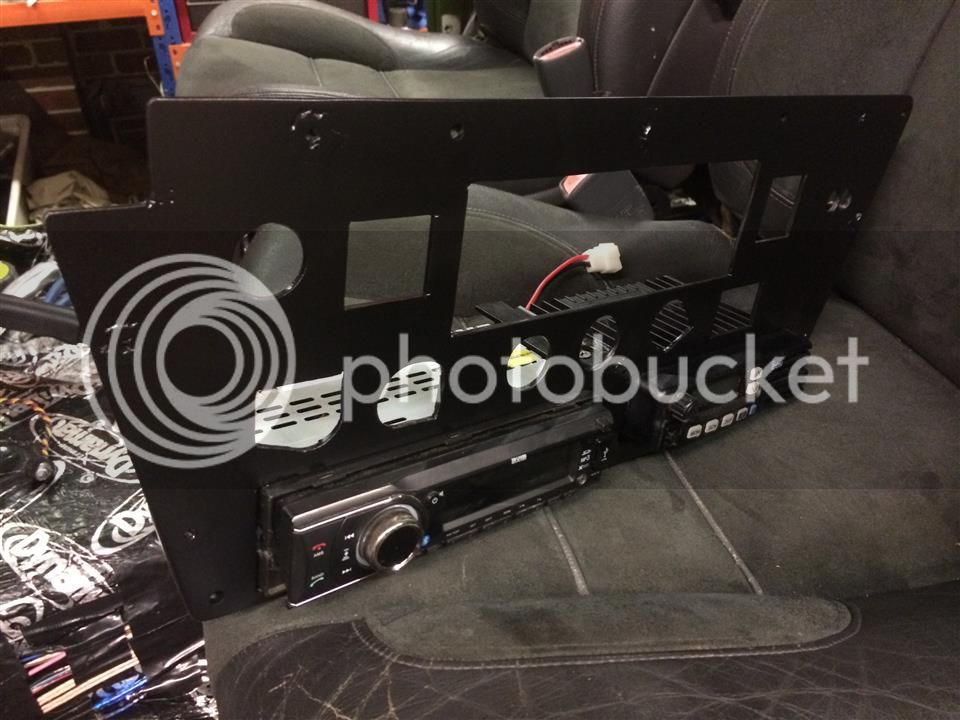
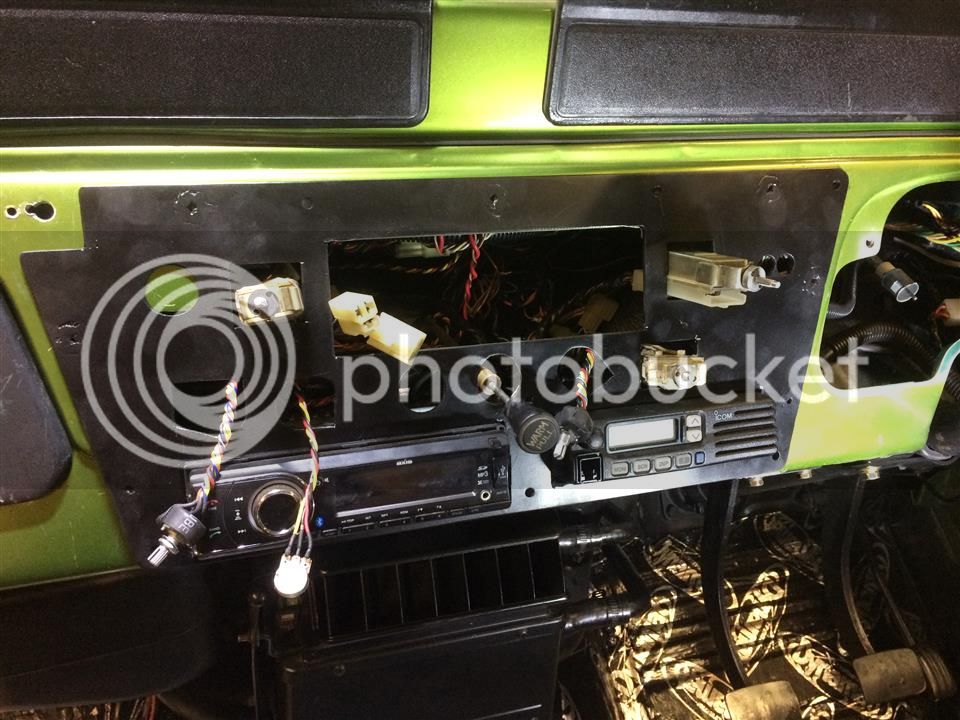
Once I was happy with the design, I cut out the extra material so the radios would fit, and gave both pieces a coat of paint.


IMG_4587%20Custom_zpsosx6dkcy.jpg


Both radios (CB radio and normal stereo) both bolt into the backing plate before its installed.


IMG_4588%20Custom_zpsvkyax4c2.jpg


The switches are wired into place (more on the wiring setup shortly).


IMG_4594%20Custom_zpsfr0kkk1z.jpg


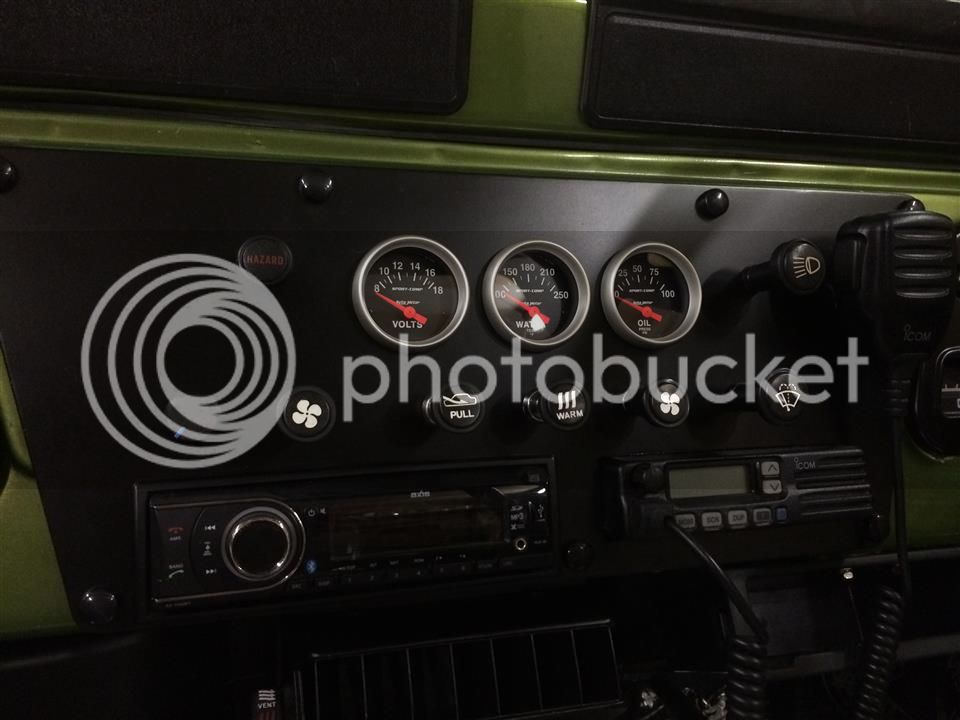
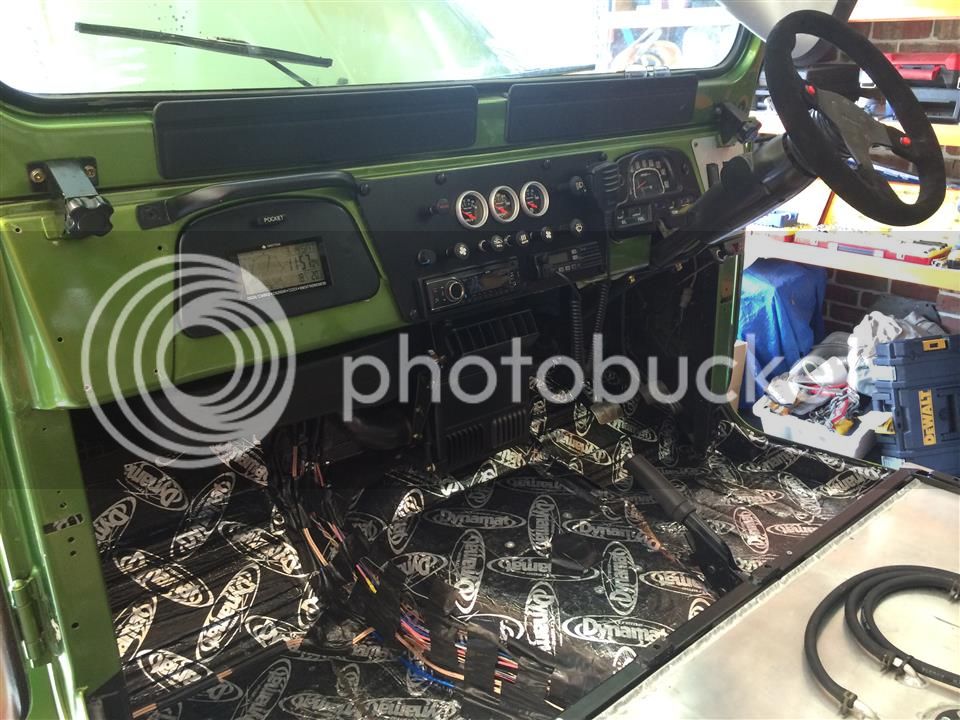
And the top cover installed.


IMG_4645%20Custom_zpsi4ij1eyo.jpg


IMG_4646%20Custom_zpsvxtjlqou.jpg


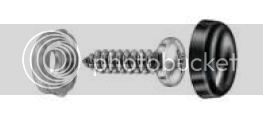
I used some of the kitchen cupboard screw covers in black.


Screw%20Cover_zpsqu1tsv13.jpg


They work really well to give a nice finish and are practical.


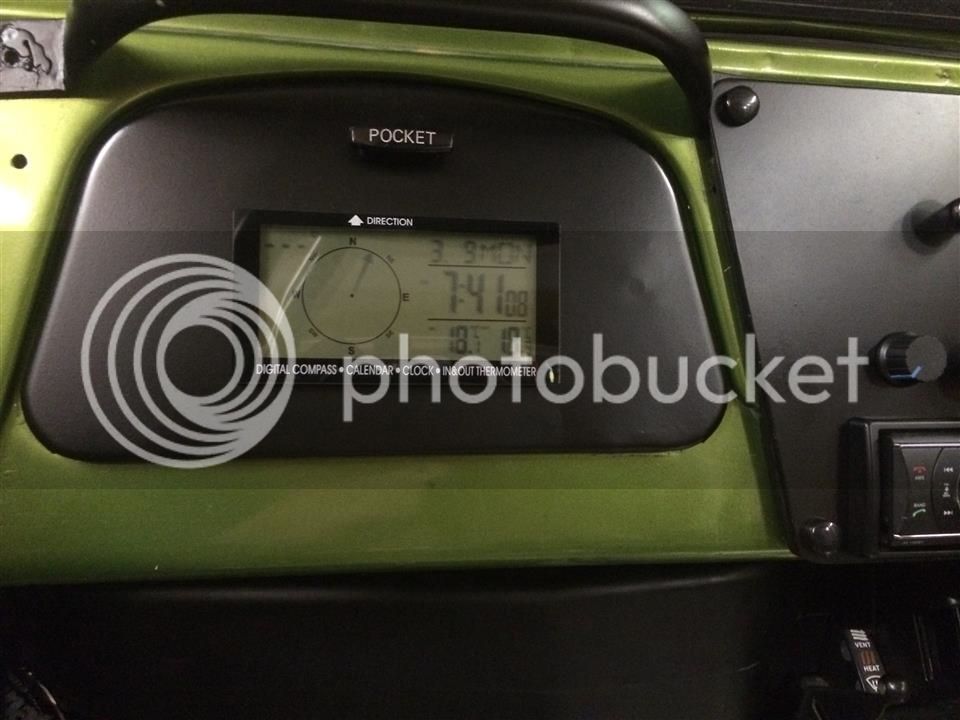
I also installed a “weather station” thing in the glove box lid.


IMG_4644%20Custom_zpsqnlfvl3i.jpg


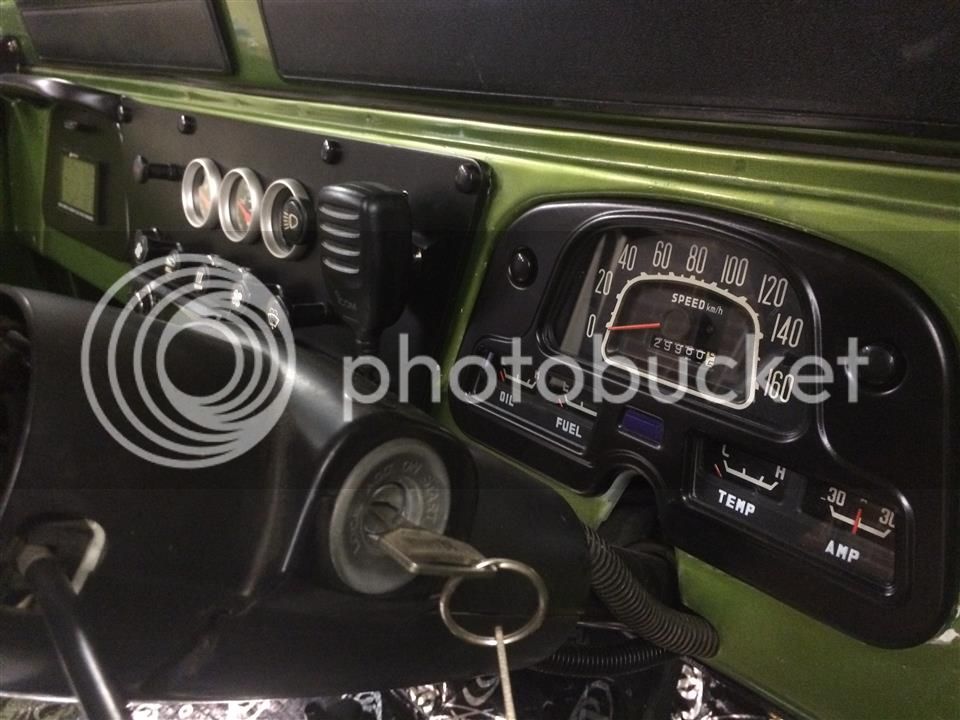
And painted the standard cluster black


IMG_4648%20Custom_zpstpiws6ao.jpg


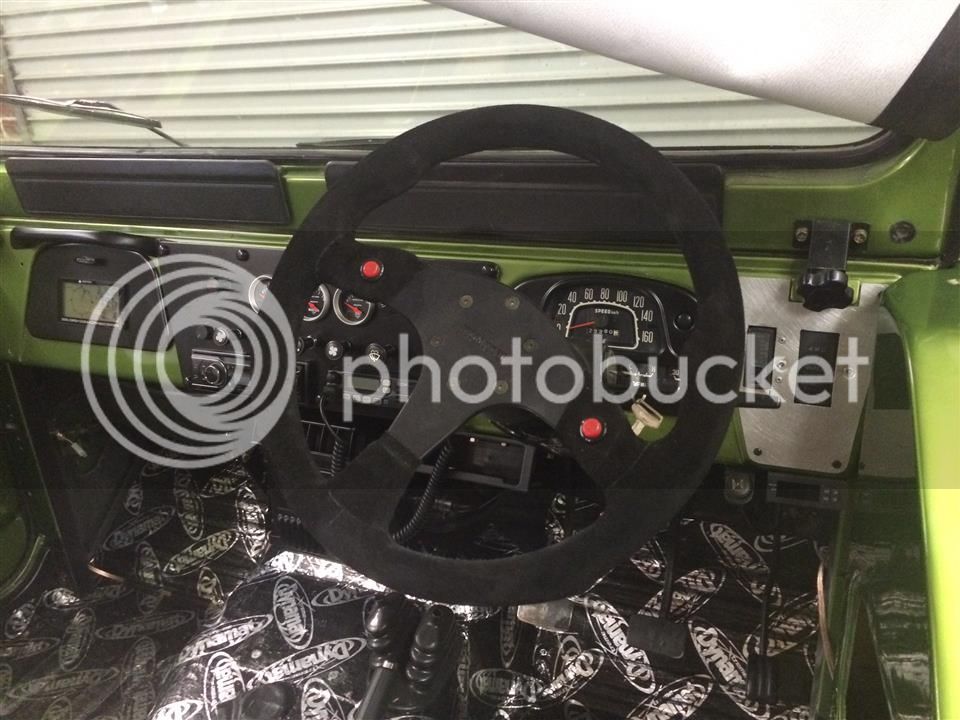
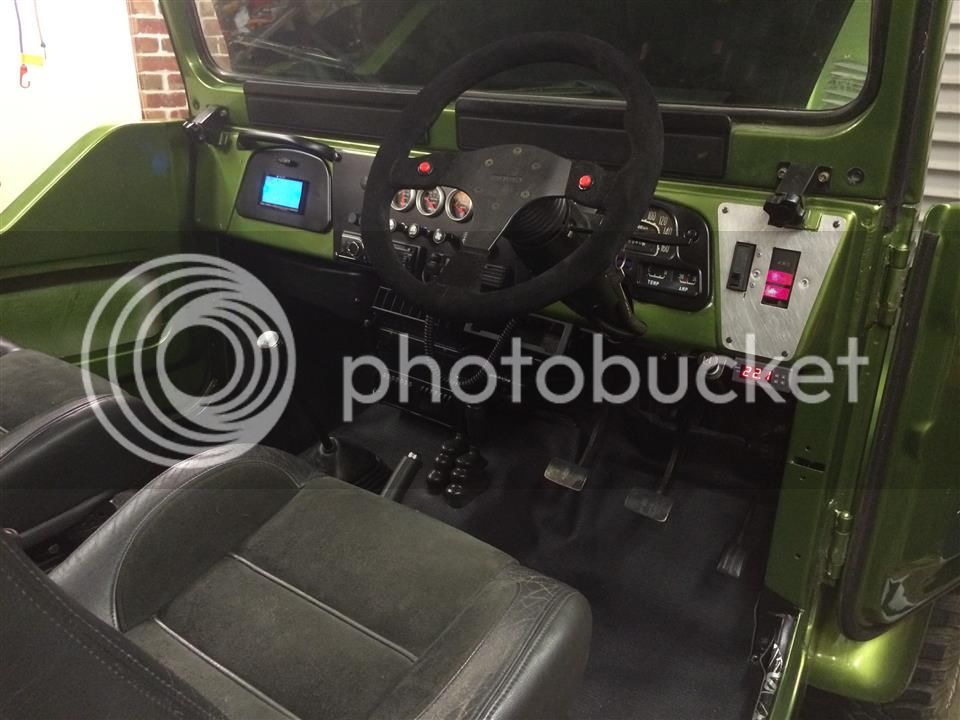
Final piece of the puzzle was a genuine suede momo steering wheel.


IMG_4647%20Custom_zpsora4fpma.jpg


This steering wheel was chosen for a specific reason… It has dual horn buttons.


Now in 2WD both buttons act as a horn button, but when you select 4WD the buttons automatically change to control a brake line locker. So essentially when doing a hill start in 4WD, you put your foot on the brake, press and hold the “horn” button (Horn doesn’t activate), release your foot off the brake (The line locker will hold the brakes on for you) and when you’re ready to take of with the clutch/accelerator simply take your finger off the button. This is much easier than trying to use the handbrake (although that still works as well).


IMG_4662%20Custom_zpsin5vqsyu.jpg
 
Now that the dash was complete, I could finish the interior floor.


I decided to glue down some special interior foam (which is closed cell and water proof), which should soften the interior floor and marine plywood.


IMG_4674%20Custom_zpsnwblcvm4.jpg


IMG_4669%20Custom_zps3bahout6.jpg


IMG_4676%20Custom_zpsnsuuoj4k.jpg


IMG_4668%20Custom_zpsdnx3hhn2.jpg


IMG_4670%20Custom_zpsa3kxcb1n.jpg


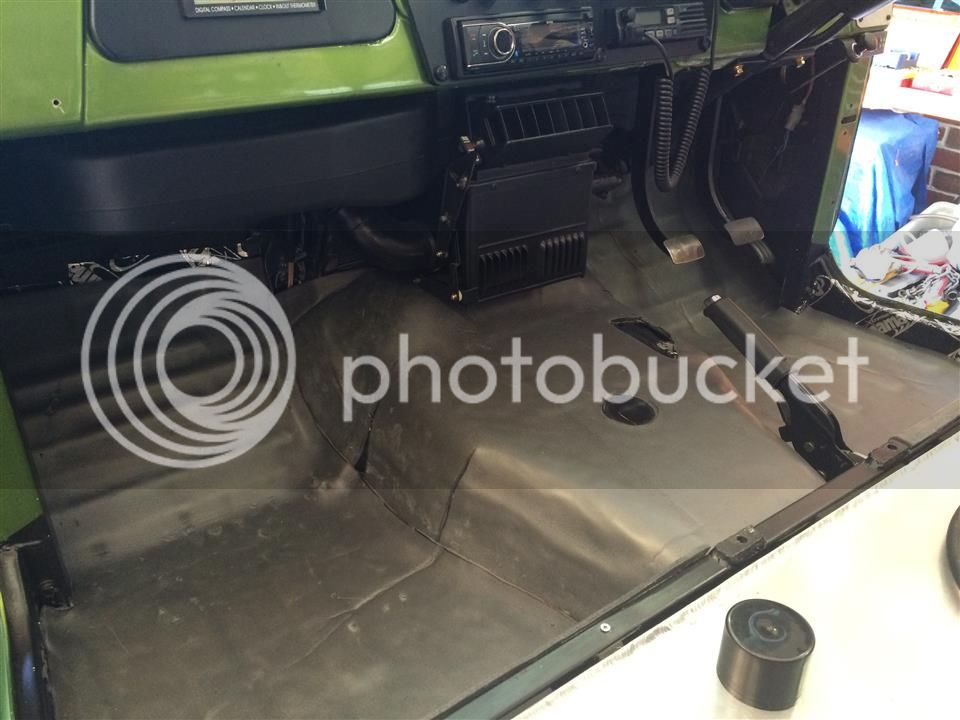
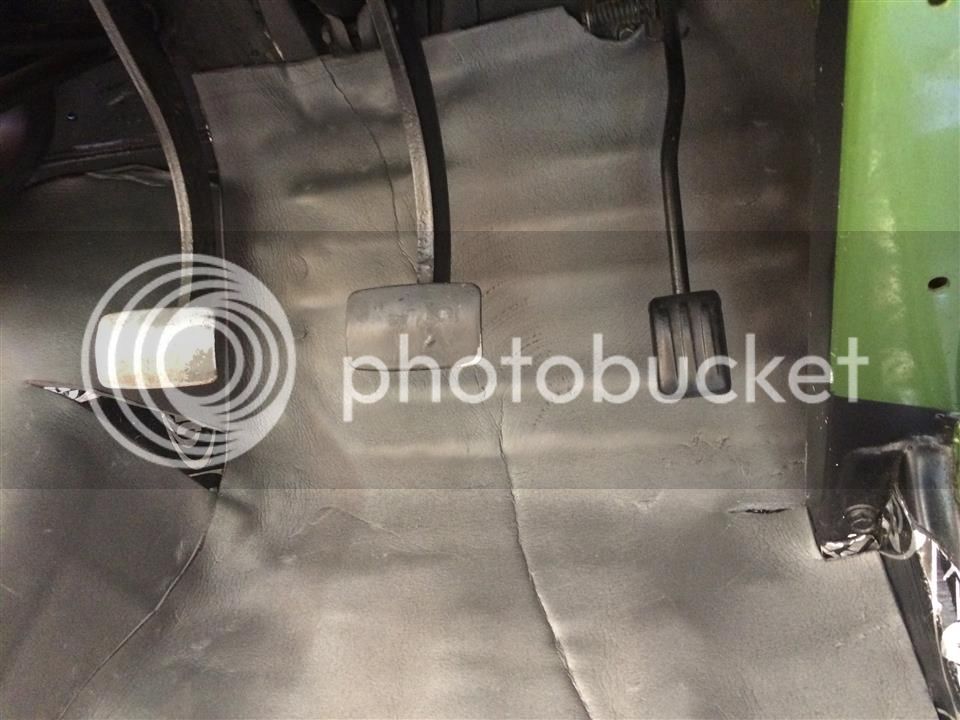
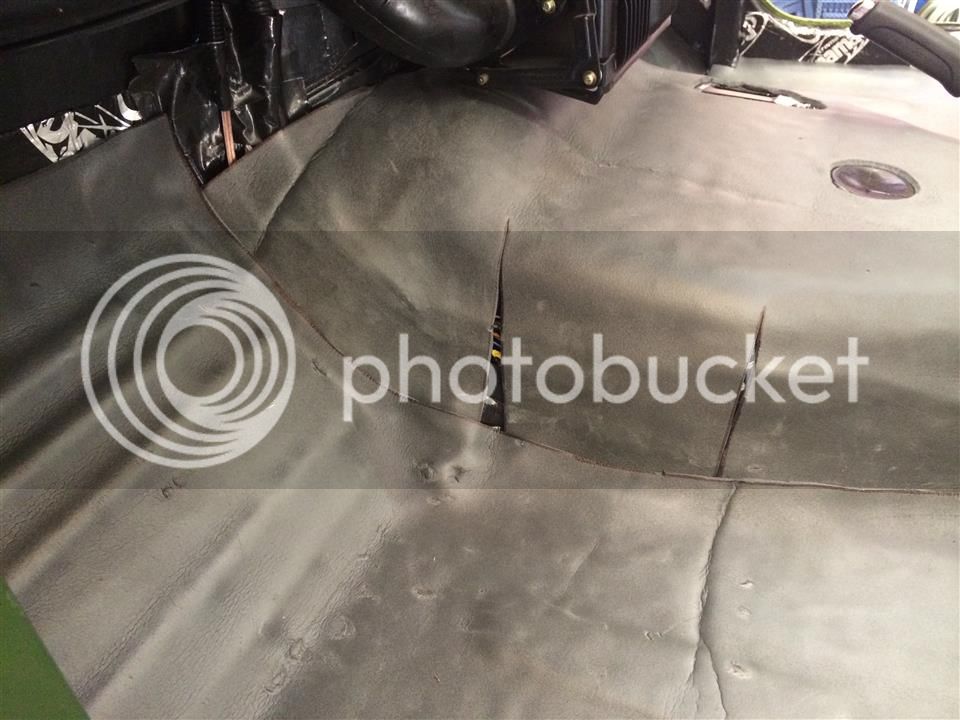
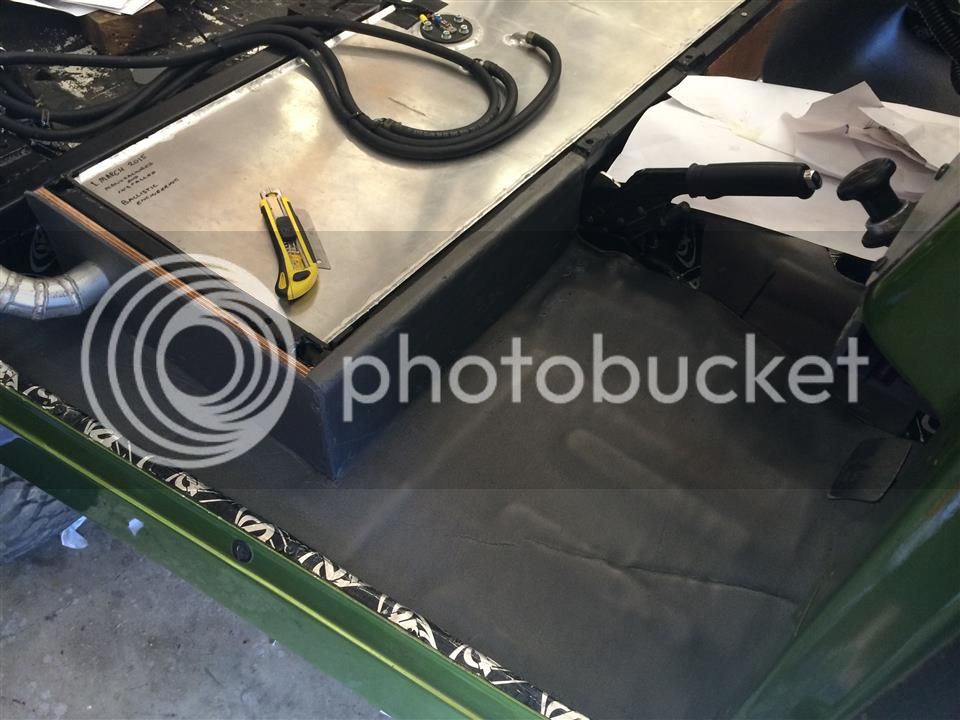
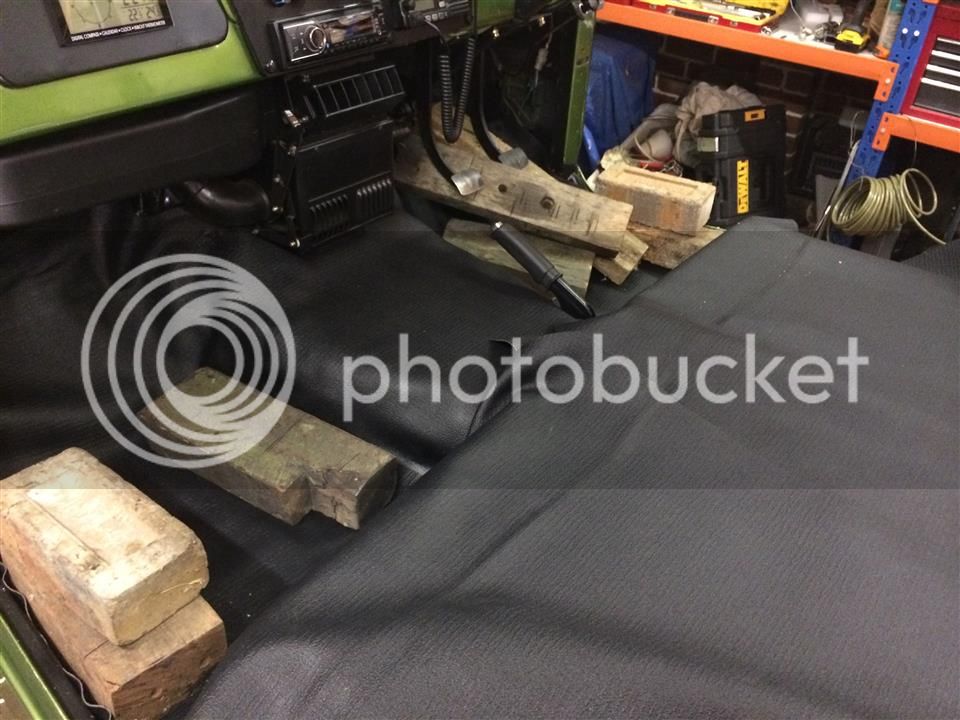
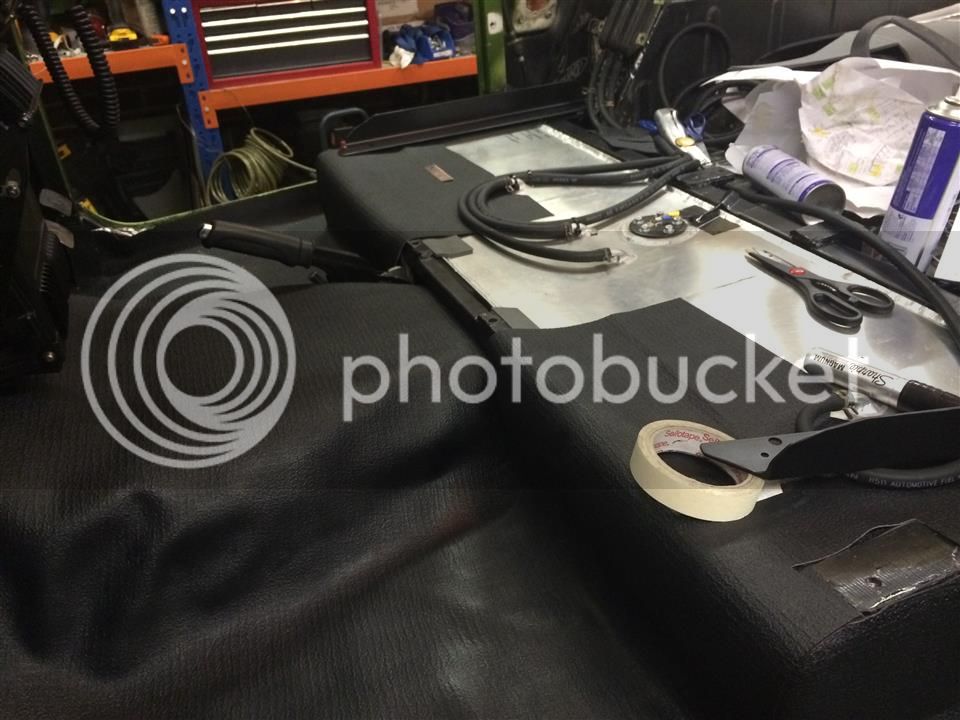
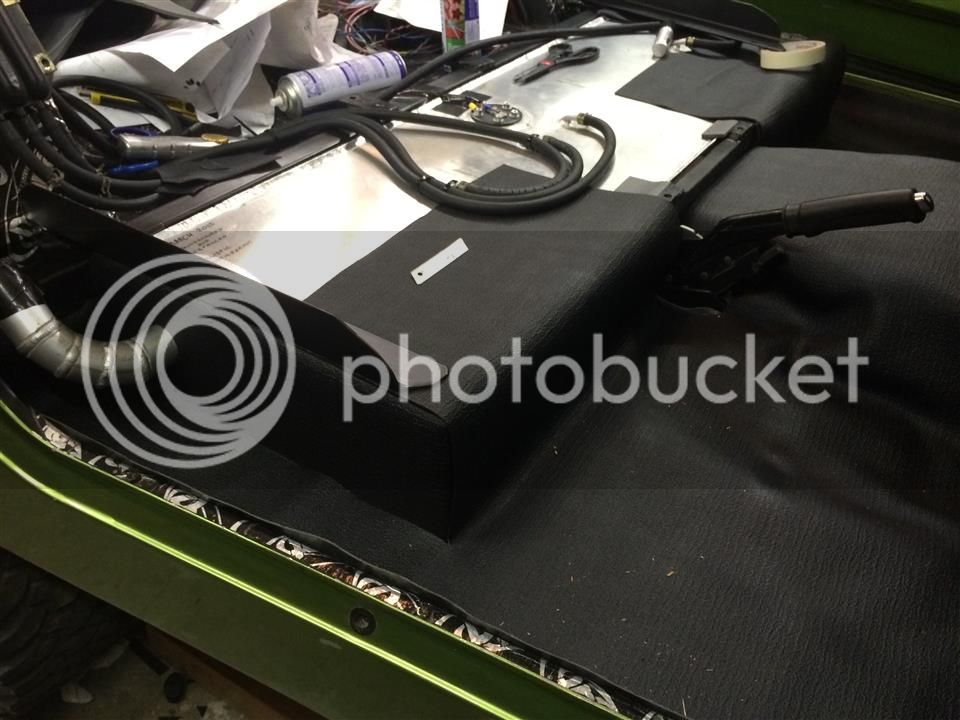
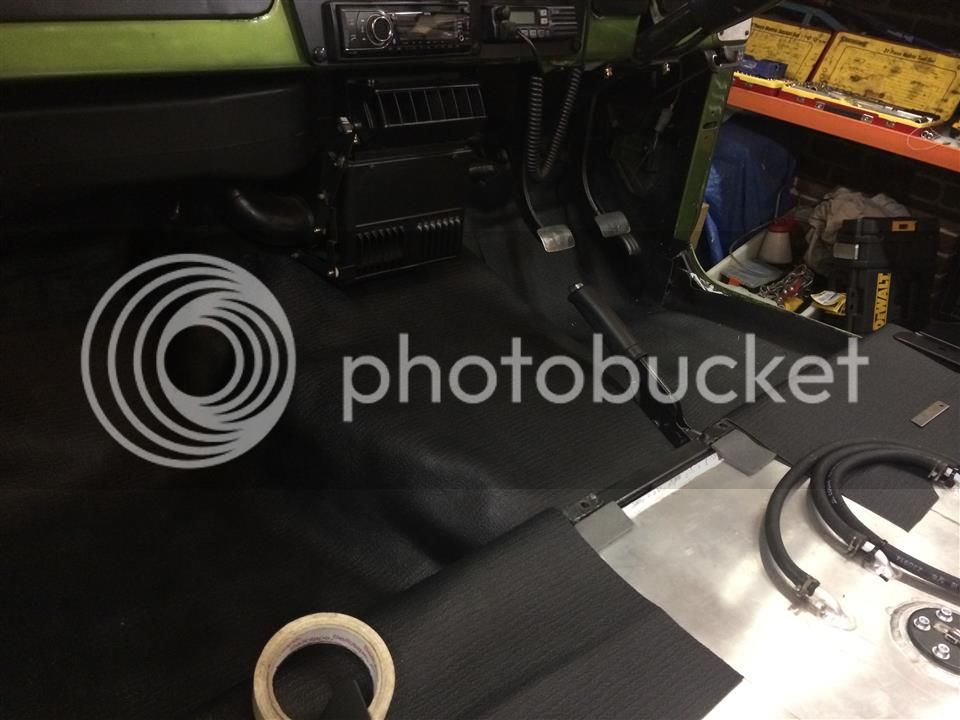
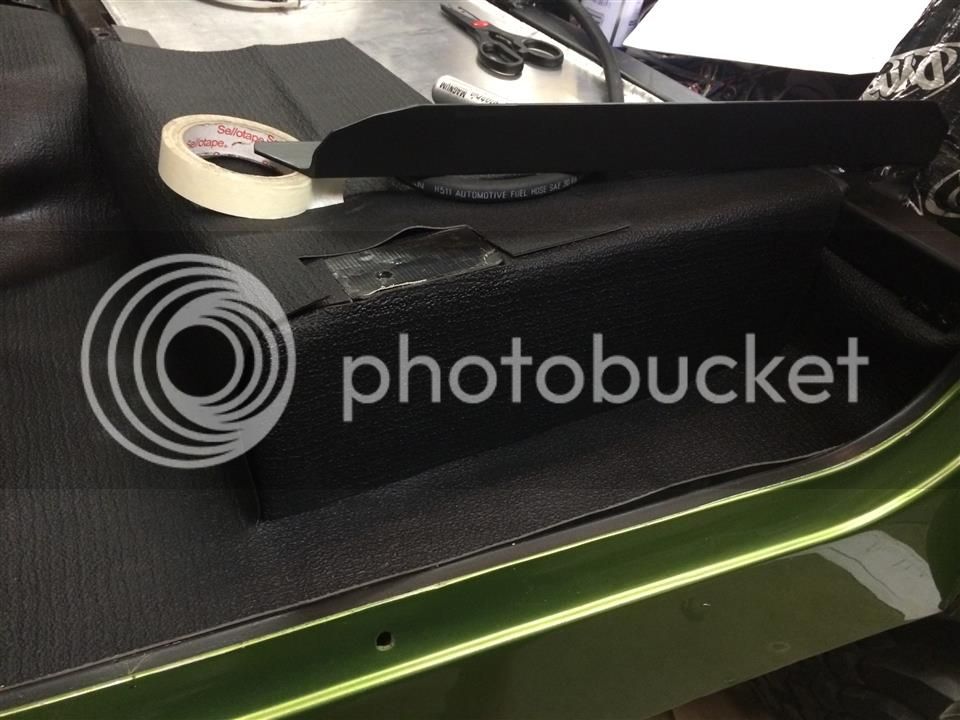
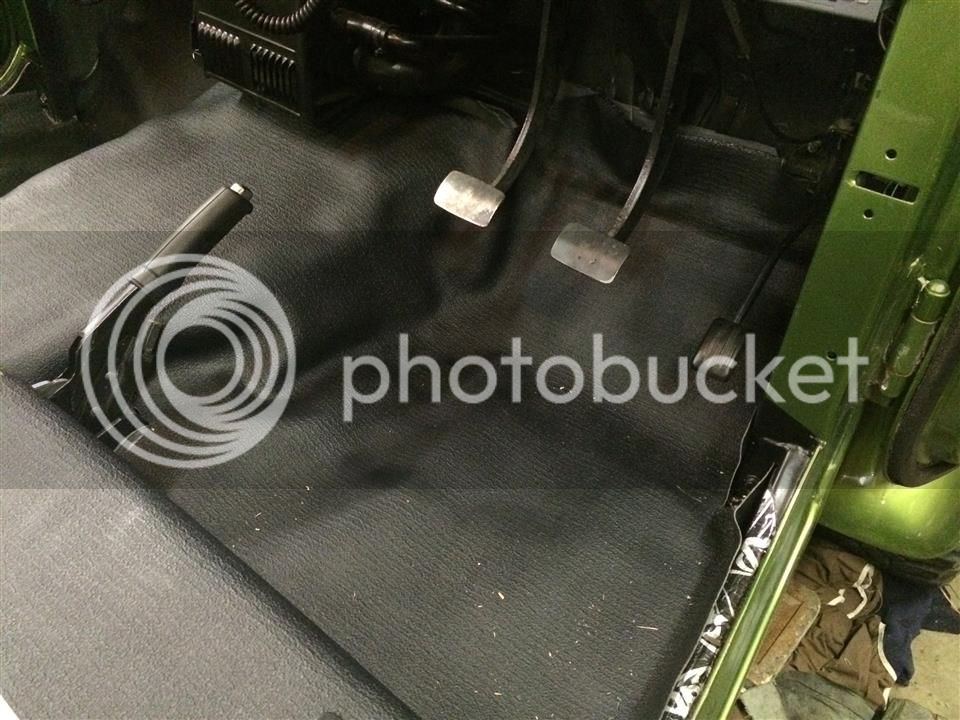
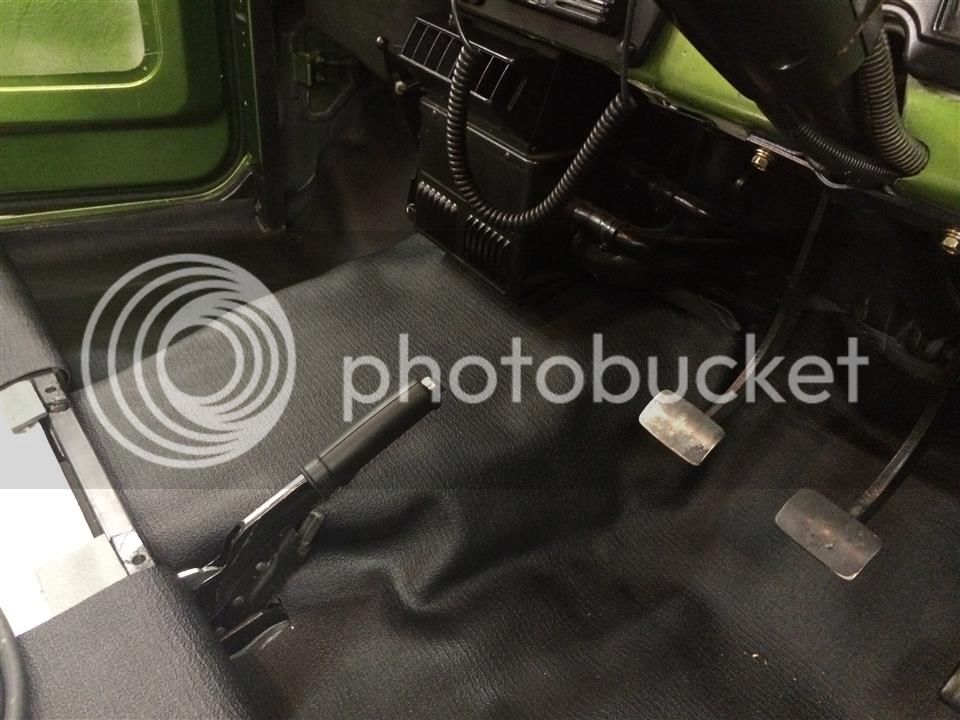
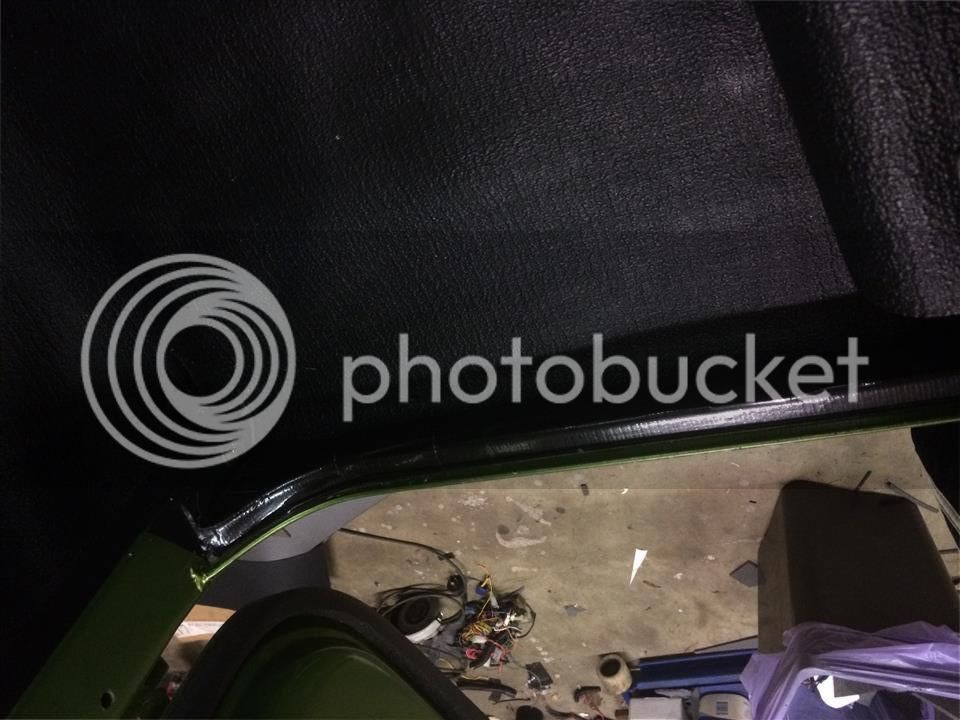
Next stage was to install the new vinyl floor.


IMG_4677%20Custom_zpsa88fculx.jpg


Had to leave some weights on it and put it in the sun for a while, but it seems to have taken the right shape.


IMG_4681%20Custom_zpsamkhi9ut.jpg


IMG_4682%20Custom_zpsoyuwlaz0.jpg


IMG_4679%20Custom_zpsuhmwenjz.jpg


IMG_4680%20Custom_zpsf835hhee.jpg


IMG_4683%20Custom_zpssqzuqn1c.jpg


IMG_4684%20Custom_zpsutcxfeih.jpg


Once I was happy with the shape, we cut out holes for the gear lever and twin sticks…


IMG_4685%20Custom_zpshee8yke9.jpg


IMG_4686%20Custom_zpsmq11bukv.jpg


IMG_4704%20Custom_zpsyayq4w6l.jpg


Finally ready to install the seats permanently…


IMG_4690%20Custom_zps76fqbhkg.jpg


IMG_4698%20Custom_zpsu4ovctk7.jpg


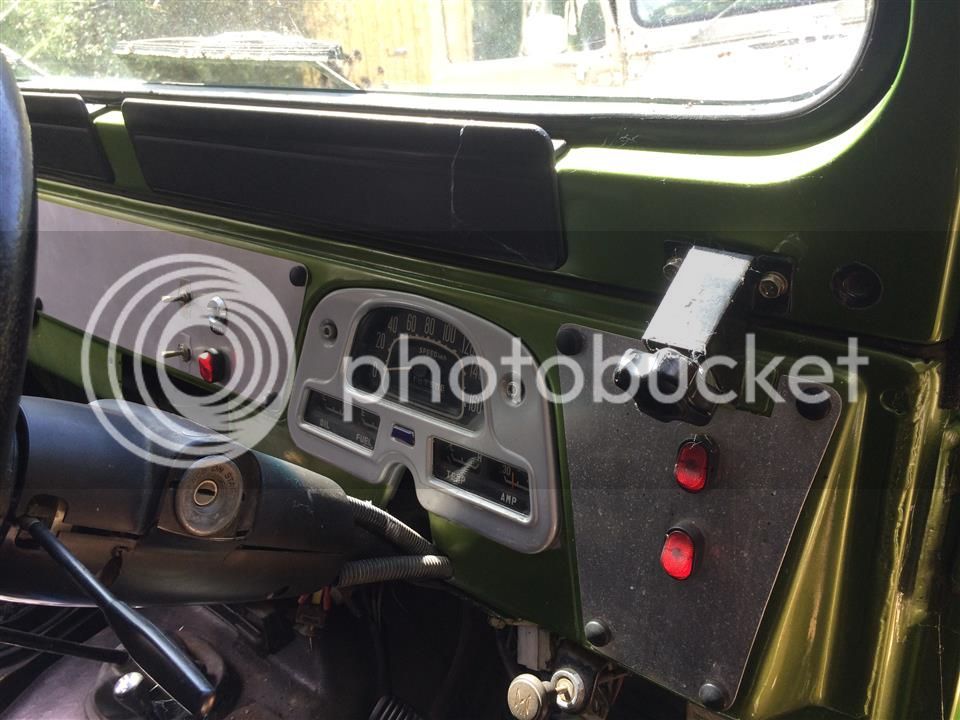
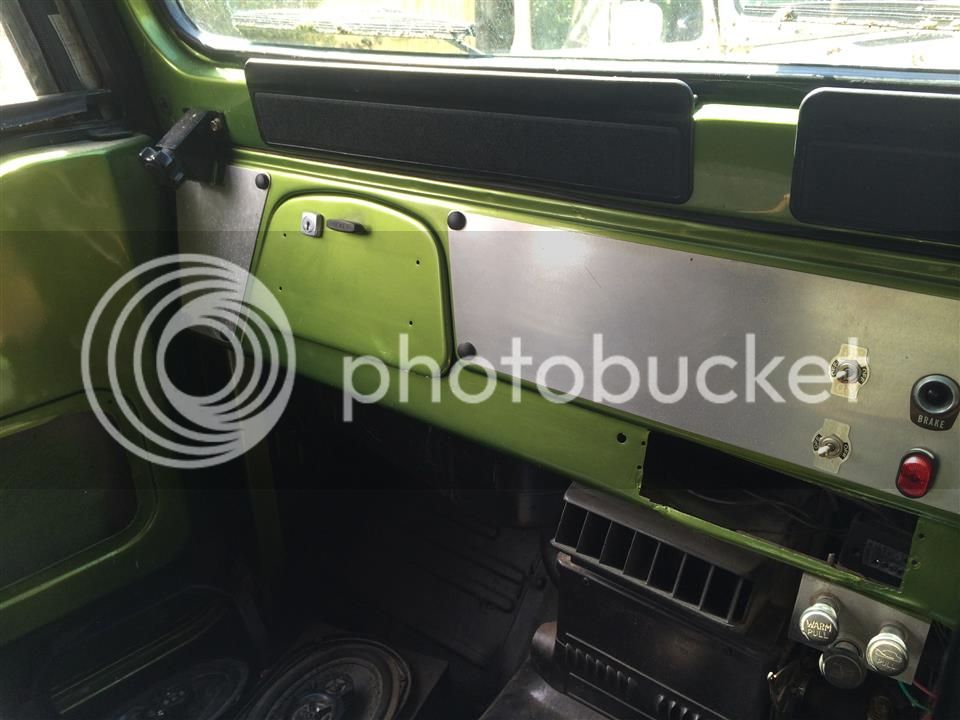
Spent a little more time and fixed up the right side panel (including the LPG/Petrol controller) and Brake/Park Brake/4WD indicator lights. Also added a digital temperature controller for the thermofan.


IMG_4694%20Custom_zpsfl7lr6se.jpg


IMG_4700%20Custom_zps7vh7og9n.jpg


IMG_4703%20Custom_zps6mzboclq.jpg
 
Back
Top Bottom