

Navigation
Install the app
How to install the app on iOS
Follow along with the video below to see how to install our site as a web app on your home screen.
Note: This feature may not be available in some browsers.
More options
Style variation
You are using an out of date browser. It may not display this or other websites correctly.
You should upgrade or use an alternative browser.
You should upgrade or use an alternative browser.
LX570 AHC “Basics” - Added as sticky thread for AHC Issues
- Thread starter longranger
- Start date
This site may earn a commission from merchant affiliate
links, including eBay, Amazon, Skimlinks, and others.


 . Especially if there own dealers dont want to **** with it
As far as I’m aware, it doesn’t have an off button like the 100 series?Any change if you hit the AHC off button?

As far as I’m aware, it doesn’t have an off button like the 100 series?
It does!
So it does! No idea why I’ve never noticed that before! It seems to have no effect and doesn’t illuminate the ‘AHC off’ light on the dash, as suggested in the manual.It does!
nwfl4runner
GOLD Star
So it does! No idea why I’ve never noticed that before! It seems to have no effect and doesn’t illuminate the ‘AHC off’ light on the dash, as suggested in the manual.
if you’ve got access to tech stream you can manually adjust a corner. If that works it’s likely a switch panel issue. On the LX it shares a connector with other items that could be tested (MTS), not sure about the LC
I haven’t currently got Techstream but I’m discovering that there are ways to obtain it. It’s clearly not even trying to work or I’d get some faults, either on the dash or when scanned with snap on versus.if you’ve got access to tech stream you can manually adjust a corner. If that works it’s likely a switch panel issue. On the LX it shares a connector with other items that could be tested (MTS), not sure about the LC

Soft is very soft and good for broken roads, med is less pitchy, and balanced, and firm is much firmer than soft and good for highway. There is a difference from 55 series being more distinct in the modes, but my 75 series is more muted between and much softer on the lower setting.I would not describe the AVS setting differences as dramatic. You can feel the difference on the highway and off road mostly. I bought my truck at 62K and did the fluid right when I got it so I never let the fluid get really old. I never thought AVS did much but I could feel the damping difference once I changed the accumulators, they were def due. I did bleed but there was not a lot of air in the system at all.

I've got questions:
I purchased a 2015 LX570 a few weeks ago with 132K miles. Based on the service history I pulled from mylexus and Carfax, it has lived it's entire life in TX Hill Country around San Antonio and Austin. I flew to Austin, bought it from a Subaru dealer, and drove it back to NM. Undercarriage is clean and there is no rust. Everything seems to work as it should and I've been trying to get fully educated on the ins and outs of the AHC system. I haven't read every post in this thread (because it 47-friggin pages long and I haven't had time yet) but searching has not found answers to my questions either. Maybe I just suck at searching.
1) Is there any harm done by leaving the vehicle off and parked for several days in LO mode? My short wife LOVES the Easy Access mode and I get it to function as described in the manual when I pull into my garage, put it in Park and shut off the vehicle. But we don't drive the vehicle every day. It might be several days or even a few weeks between drives. So it's just sitting there in LO that entire time.
2) I intend to use the vehicle to tow my 5K lb travel trailer that has ~750lb tongue weight. The manual describes the towing process by where you put the vehicle in LO, connect the hitch, then return it to N before driving. I want to set up a Weight Distributing Hitch. Do I do my WDH setup with the vehicle in N and the AHC system turned off? What about when I'm backing up and hooking up? Do I start in LO, hook up, set it to H, let it adjust , and then secure the spring bars? With my 100-series I have airbags inside the rear coils (and no AHC). I just set them at 30 psi and then I did my WDH setup with airbags fully pressurized. And when I hook up to tow, I start with airbags at full pressure before hooking up and securing the spring bars. But there is nothing active going on during this process. I've read the manual with regards to the function of the AHC and connecting to a trailer in 'weight carrying' mode but couldn't find any details of the process using a Weight Distributing Hitch.
I purchased a 2015 LX570 a few weeks ago with 132K miles. Based on the service history I pulled from mylexus and Carfax, it has lived it's entire life in TX Hill Country around San Antonio and Austin. I flew to Austin, bought it from a Subaru dealer, and drove it back to NM. Undercarriage is clean and there is no rust. Everything seems to work as it should and I've been trying to get fully educated on the ins and outs of the AHC system. I haven't read every post in this thread (because it 47-friggin pages long and I haven't had time yet) but searching has not found answers to my questions either. Maybe I just suck at searching.
1) Is there any harm done by leaving the vehicle off and parked for several days in LO mode? My short wife LOVES the Easy Access mode and I get it to function as described in the manual when I pull into my garage, put it in Park and shut off the vehicle. But we don't drive the vehicle every day. It might be several days or even a few weeks between drives. So it's just sitting there in LO that entire time.
2) I intend to use the vehicle to tow my 5K lb travel trailer that has ~750lb tongue weight. The manual describes the towing process by where you put the vehicle in LO, connect the hitch, then return it to N before driving. I want to set up a Weight Distributing Hitch. Do I do my WDH setup with the vehicle in N and the AHC system turned off? What about when I'm backing up and hooking up? Do I start in LO, hook up, set it to H, let it adjust , and then secure the spring bars? With my 100-series I have airbags inside the rear coils (and no AHC). I just set them at 30 psi and then I did my WDH setup with airbags fully pressurized. And when I hook up to tow, I start with airbags at full pressure before hooking up and securing the spring bars. But there is nothing active going on during this process. I've read the manual with regards to the function of the AHC and connecting to a trailer in 'weight carrying' mode but couldn't find any details of the process using a Weight Distributing Hitch.
I don't tow so I can't give you answer on that but I have using easy access mode in the 6+ years I have owned my LX and leave it parked in low almost every day and no issues at all. I do leave it for several days/weeks in the summer when I ride my motorcycle or when I travel. I don't think the systems cares what setting you park it in.I've got questions:
I purchased a 2015 LX570 a few weeks ago with 132K miles. Based on the service history I pulled from mylexus and Carfax, it has lived it's entire life in TX Hill Country around San Antonio and Austin. I flew to Austin, bought it from a Subaru dealer, and drove it back to NM. Undercarriage is clean and there is no rust. Everything seems to work as it should and I've been trying to get fully educated on the ins and outs of the AHC system. I haven't read every post in this thread (because it 47-friggin pages long and I haven't had time yet) but searching has not found answers to my questions either. Maybe I just suck at searching.
1) Is there any harm done by leaving the vehicle off and parked for several days in LO mode? My short wife LOVES the Easy Access mode and I get it to function as described in the manual when I pull into my garage, put it in Park and shut off the vehicle. But we don't drive the vehicle every day. It might be several days or even a few weeks between drives. So it's just sitting there in LO that entire time.
2) I intend to use the vehicle to tow my 5K lb travel trailer that has ~750lb tongue weight. The manual describes the towing process by where you put the vehicle in LO, connect the hitch, then return it to N before driving. I want to set up a Weight Distributing Hitch. Do I do my WDH setup with the vehicle in N and the AHC system turned off? What about when I'm backing up and hooking up? Do I start in LO, hook up, set it to H, let it adjust , and then secure the spring bars? With my 100-series I have airbags inside the rear coils (and no AHC). I just set them at 30 psi and then I did my WDH setup with airbags fully pressurized. And when I hook up to tow, I start with airbags at full pressure before hooking up and securing the spring bars. But there is nothing active going on during this process. I've read the manual with regards to the function of the AHC and connecting to a trailer in 'weight carrying' mode but couldn't find any details of the process using a Weight Distributing Hitch.

Can’t speak on towing. @TeCKis300 has a lot of miles under his belt.I've got questions:
I purchased a 2015 LX570 a few weeks ago with 132K miles. Based on the service history I pulled from mylexus and Carfax, it has lived it's entire life in TX Hill Country around San Antonio and Austin. I flew to Austin, bought it from a Subaru dealer, and drove it back to NM. Undercarriage is clean and there is no rust. Everything seems to work as it should and I've been trying to get fully educated on the ins and outs of the AHC system. I haven't read every post in this thread (because it 47-friggin pages long and I haven't had time yet) but searching has not found answers to my questions either. Maybe I just suck at searching.
1) Is there any harm done by leaving the vehicle off and parked for several days in LO mode? My short wife LOVES the Easy Access mode and I get it to function as described in the manual when I pull into my garage, put it in Park and shut off the vehicle. But we don't drive the vehicle every day. It might be several days or even a few weeks between drives. So it's just sitting there in LO that entire time.
2) I intend to use the vehicle to tow my 5K lb travel trailer that has ~750lb tongue weight. The manual describes the towing process by where you put the vehicle in LO, connect the hitch, then return it to N before driving. I want to set up a Weight Distributing Hitch. Do I do my WDH setup with the vehicle in N and the AHC system turned off? What about when I'm backing up and hooking up? Do I start in LO, hook up, set it to H, let it adjust , and then secure the spring bars? With my 100-series I have airbags inside the rear coils (and no AHC). I just set them at 30 psi and then I did my WDH setup with airbags fully pressurized. And when I hook up to tow, I start with airbags at full pressure before hooking up and securing the spring bars. But there is nothing active going on during this process. I've read the manual with regards to the function of the AHC and connecting to a trailer in 'weight carrying' mode but couldn't find any details of the process using a Weight Distributing Hitch.
To first question, AHC system is very robust and can handle a lot of exercise in different height and damper settings. As long as there is no rust, no air in lines, change fluid every 60k, change globes probably at 150k-200k, then you should be totally fine. It’s a great system.
Just knocked the fluid swap out on my 15 LX. Super easy. My bit of advice here is to get a funnel that will fit the same small hose that you use to pump out the old fluid from the tank, and use it to put it down into the tank for filling with new fluid. I found that using a funnel that fits the opening works if you go EXTREMELY slow. Otherwise it will spill out of the fill tube opening very easily. As expensive as the fluid is, made me realize I need to come up with another way real quick. Putting hose down into the tank with a small funnel made for a clean and easy job. I used new 1/4” fuel line with a tiny funnel I could barely get to fit but worked beautifully.


I used a manual fluid pump from Harbor Freight to both pump old fluid out and new fluid in.Just knocked the fluid swap out on my 15 LX. Super easy. My bit of advice here is to get a funnel that will fit the same small hose that you use to pump out the old fluid from the tank, and use it to put it down into the tank for filling with new fluid. I found that using a funnel that fits the opening works if you go EXTREMELY slow. Otherwise it will spill out of the fill tube opening very easily. As expensive as the fluid is, made me realize I need to come up with another way real quick. Putting hose down into the tank with a small funnel made for a clean and easy job. I used new 1/4” fuel line with a tiny funnel I could barely get to fit but worked beautifully.
View attachment 4086801
I purchased four globes from Impex and I’m planning to swap out my globes on my 2019 570 with 120k miles.
Seeing all the people who rounded the bolts trying to remove the old globes has me nervous.
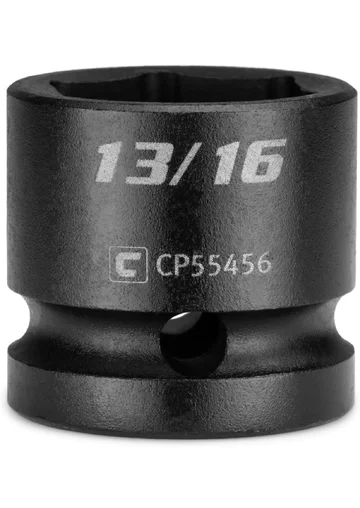
My plan is to get a socket and grind it down to remove the taper. The problem is I don’t have the proper tools to do this. What is the cheapest and easiest way for me to grind the socket down? I tried to find a flat face (no taper) socket, with no luck. I do see extractor sockets, which may also work. But I would like to try the proper way first.
Seeing all the people who rounded the bolts trying to remove the old globes has me nervous.
My plan is to get a socket and grind it down to remove the taper. The problem is I don’t have the proper tools to do this. What is the cheapest and easiest way for me to grind the socket down? I tried to find a flat face (no taper) socket, with no luck. I do see extractor sockets, which may also work. But I would like to try the proper way first.
nwfl4runner
GOLD Star
I purchased four globes from Impex and I’m planning to swap out my globes on my 2019 570 with 120k miles.
Seeing all the people who rounded the bolts trying to remove the old globes has me nervous.
My plan is to get a socket and grind it down to remove the taper. The problem is I don’t have the proper tools to do this. What is the cheapest and easiest way for me to grind the socket down? I tried to find a flat face (no taper) socket, with no luck. I do see extractor sockets, which may also work. But I would like to try the proper way first.
If your 2019 is not rusted to hell, you’ll be fine with a GOOD socket. A wright tools one if you’re not looking to go snap-on. Honestly there’s enough to grip and loosen if you’re going slow. If you feel it starting to slip, go impact. Did all 4 of mine on a 2010 just going slow
I purchased four globes from Impex and I’m planning to swap out my globes on my 2019 570 with 120k miles.
Seeing all the people who rounded the bolts trying to remove the old globes has me nervous.
My plan is to get a socket and grind it down to remove the taper. The problem is I don’t have the proper tools to do this. What is the cheapest and easiest way for me to grind the socket down? I tried to find a flat face (no taper) socket, with no luck. I do see extractor sockets, which may also work. But I would like to try the proper way first.
IIRC, my spark plug socket fit well on the globe hex head. The six sided vs the 12 sided socket is best.
Last edited:


sticky iqqy iqqy
SILVER Star
I'm about to tackle an in-depth suspension refresh on my new to me LX w/173k. I was trying to do everything in one go but some parts are delayed so trying to figure out how much fluid is lost when just bleeding the front to disconnect the front shocks (to install spacers). I have 2 2.5L cans but thinking i'm going to tackle the globes and fluid replacement this weekend as time allows and then I'll do the front shock spacers when those finally arrive.
Want to make sure I have enough fluid on hand.
Want to make sure I have enough fluid on hand.

You won't lose much fluid at all if you just disconnect the hoses to add the spacers (especially if you already have the truck in Lo before removing the wheels and allowing full suspension droop). The issue that will probably consume more fluid is going through the process of bleeding the air out of the front lines after putting in the spacers and re-attaching the lines since that will introduce some air into the system. I was similarly in your situation and waited until I had globes and spacers all ready to go so I only had to bleed once.I'm about to tackle an in-depth suspension refresh on my new to me LX w/173k. I was trying to do everything in one go but some parts are delayed so trying to figure out how much fluid is lost when just bleeding the front to disconnect the front shocks (to install spacers). I have 2 2.5L cans but thinking i'm going to tackle the globes and fluid replacement this weekend as time allows and then I'll do the front shock spacers when those finally arrive.
Want to make sure I have enough fluid on hand.