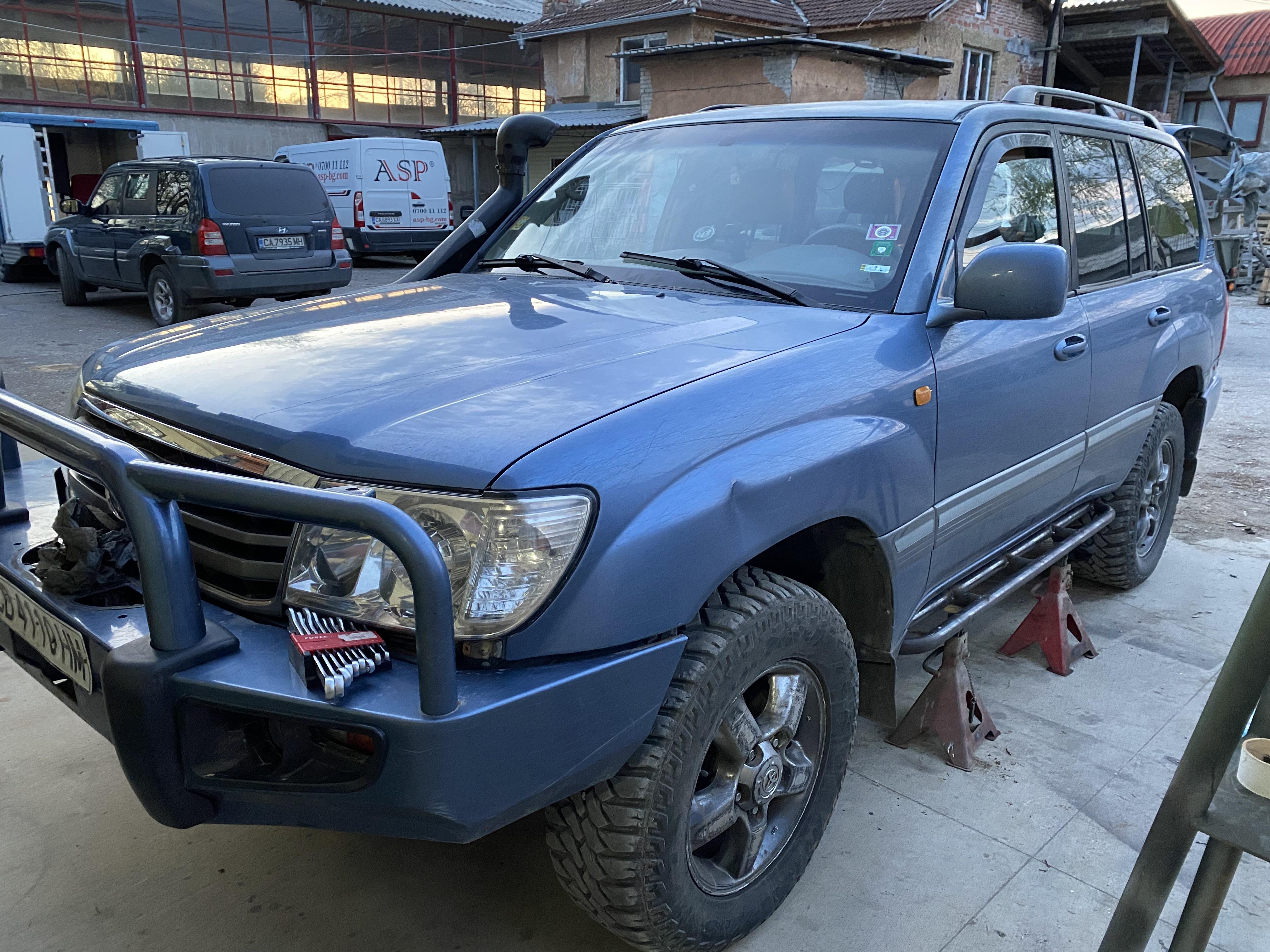
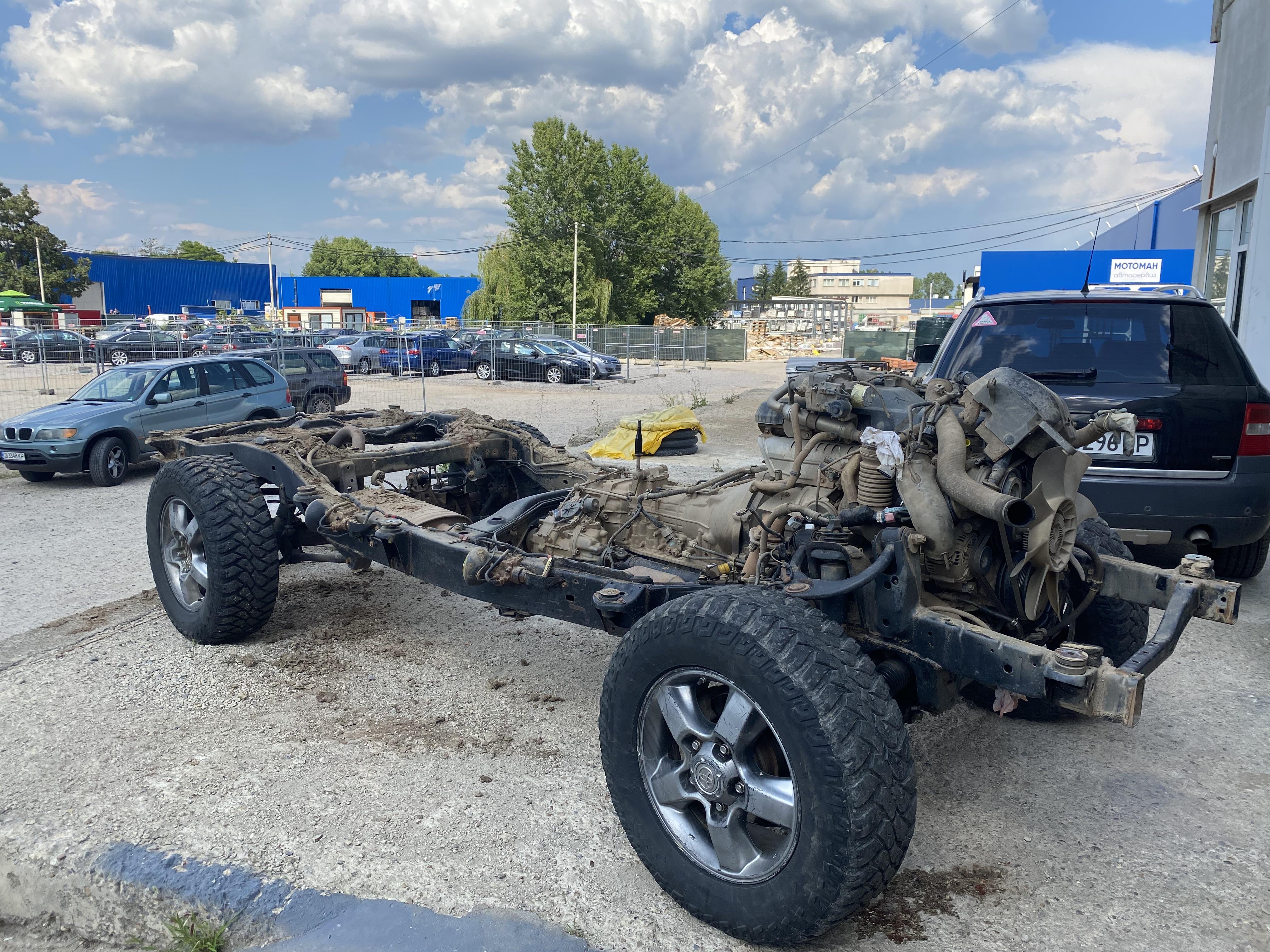
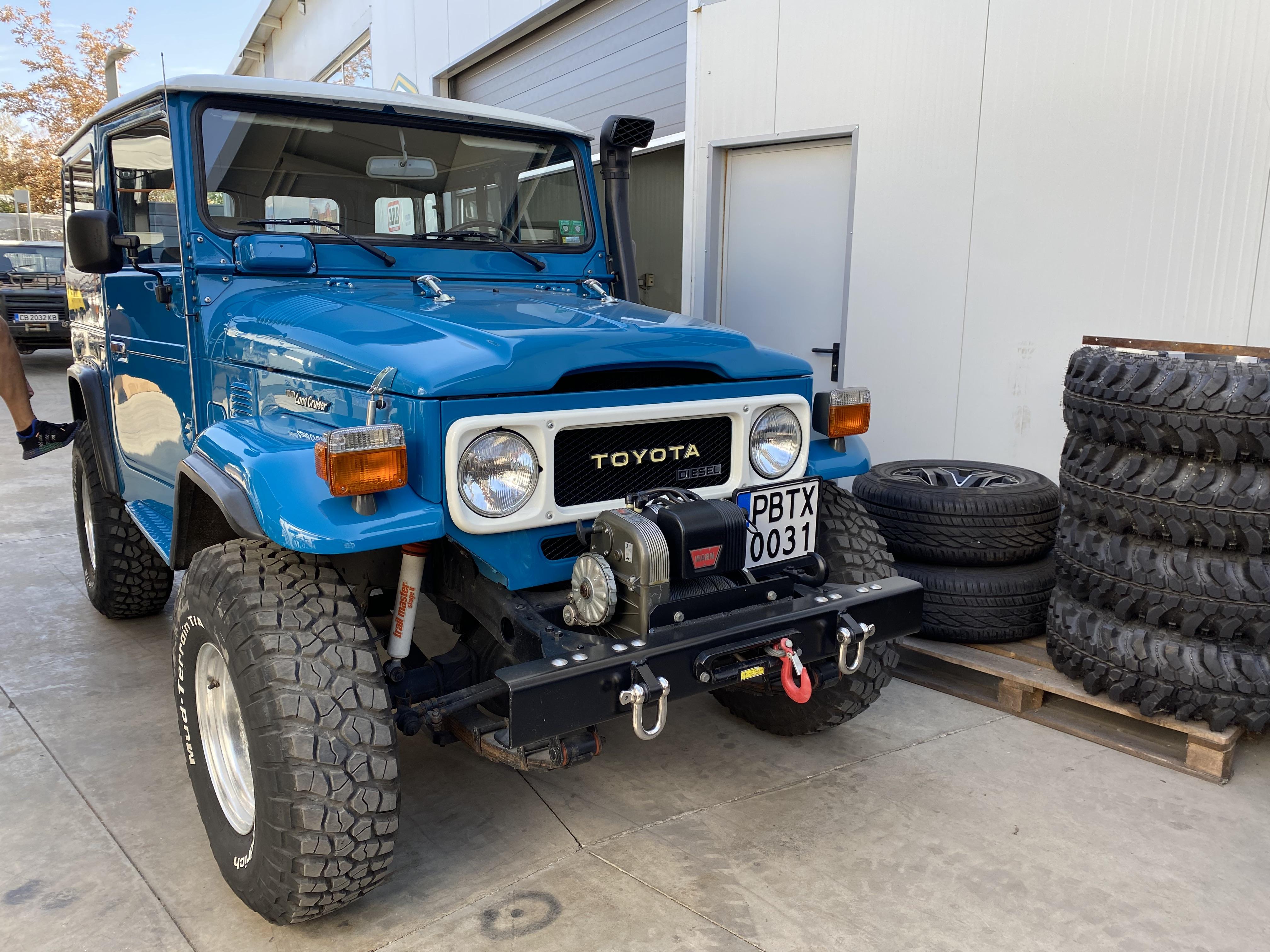
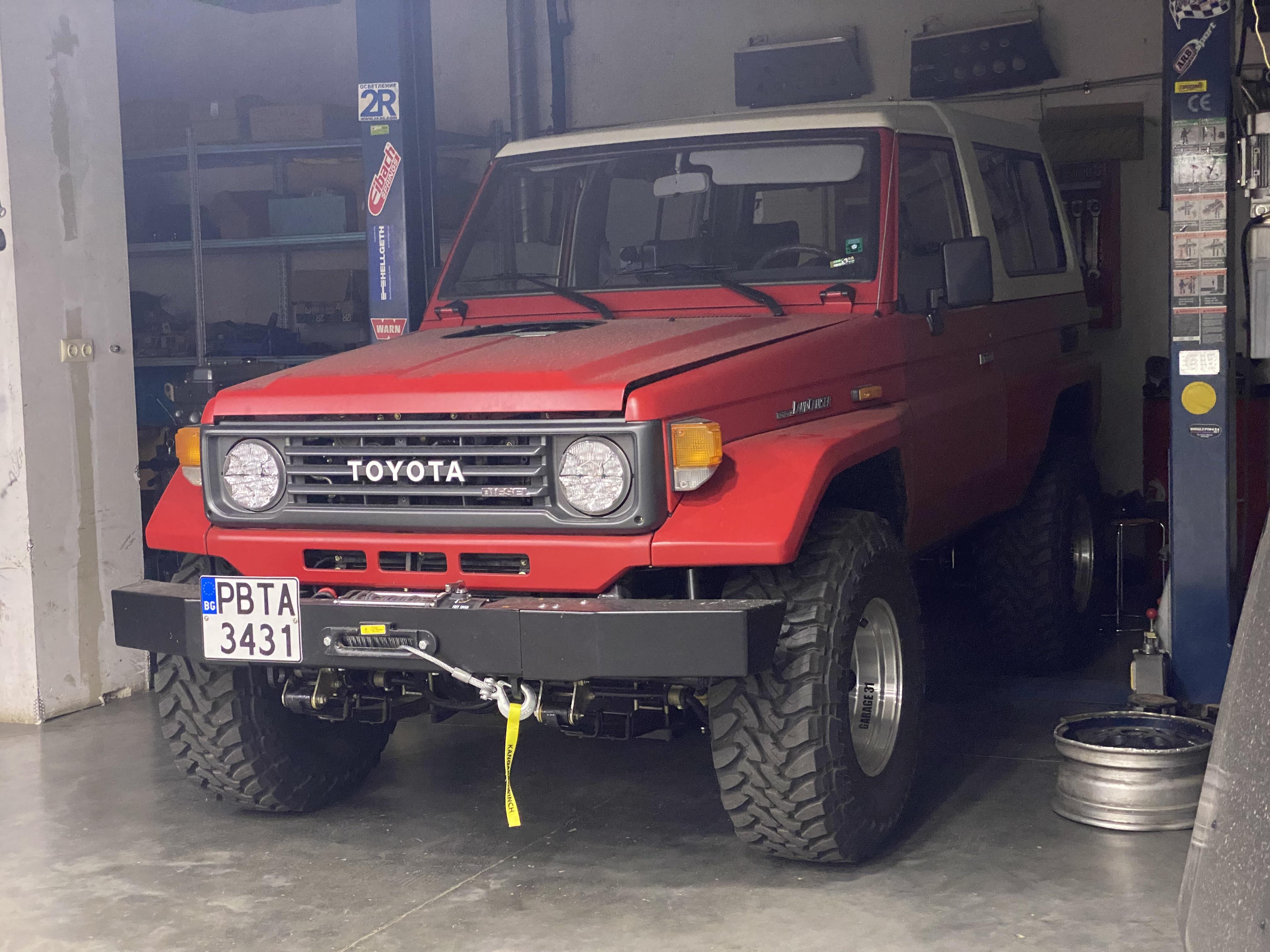
HDJ100 - Body off renovation, now with a hot dip galvanised frame *Picture Heavy*

This site may earn a commission from merchant affiliate
links, including eBay, Amazon, Skimlinks, and others.

Awesome thread! Where do the torsion bar bushings go?
 
Thanks for sharing this—it’s so entertaining to see the resto as well as see the rest of world options.

I did a frame replacement years ago on a 1965 Land Rover 109, which was a laughably simple job compared to what you’re doing. Galvanization is the way to go—I bought a galvanized frame and had the firewall (bulkhead in the UK), grille support (breakfast in the UK), and B/C pillar assemblies hot dipped as well. And then I got an airhead BMW and sold the Land Rover . . .

View attachment 2396772

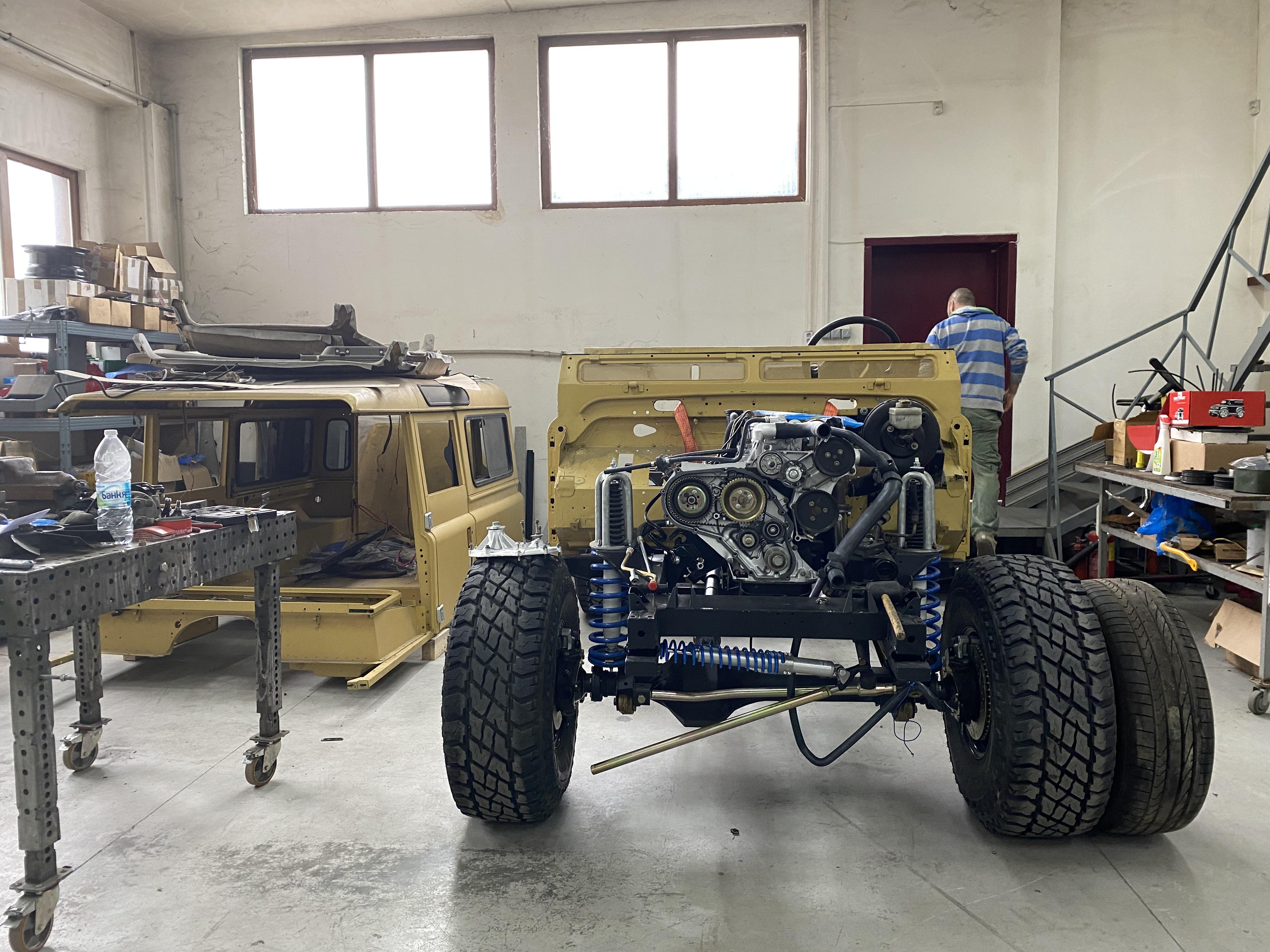
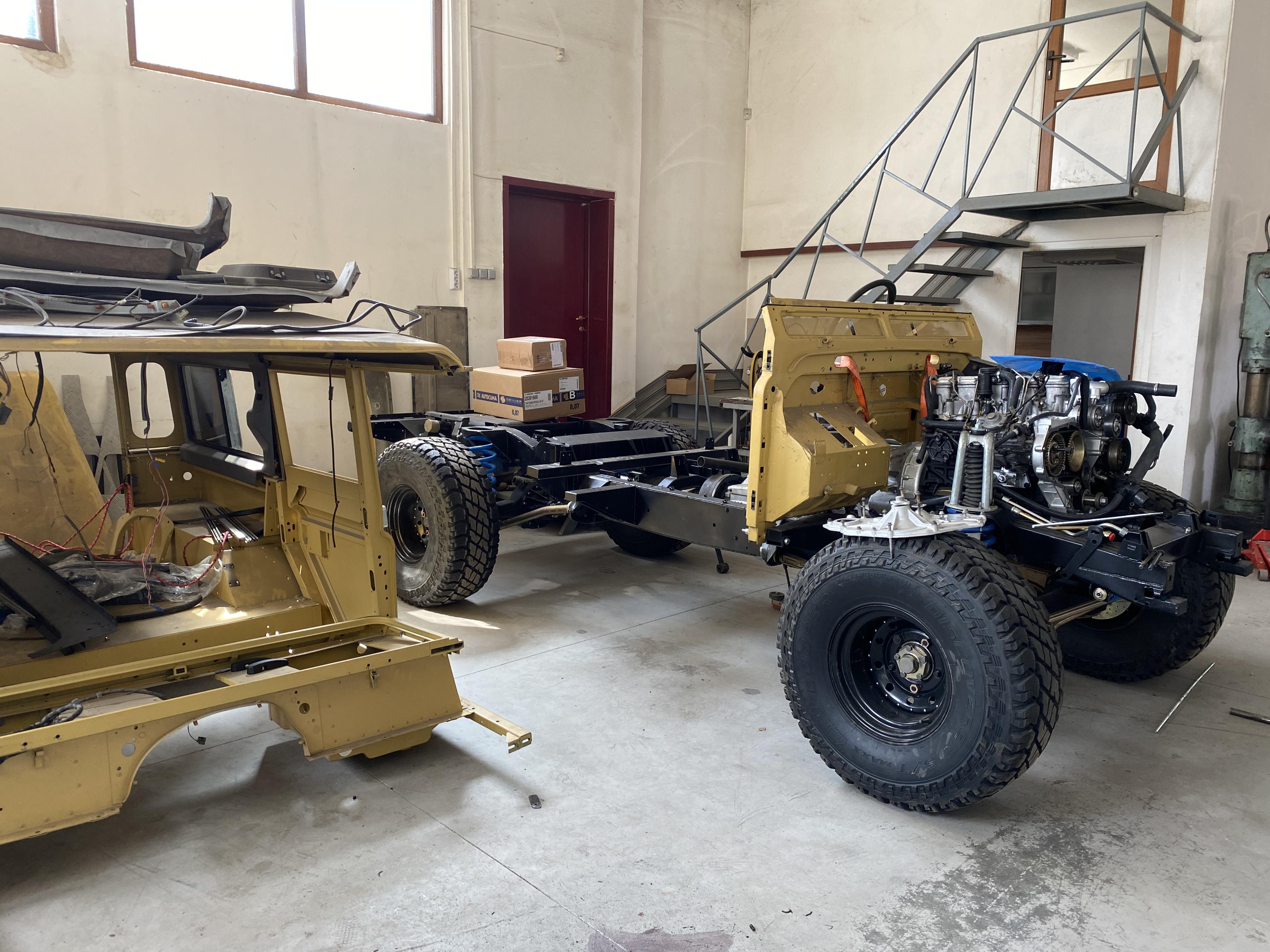
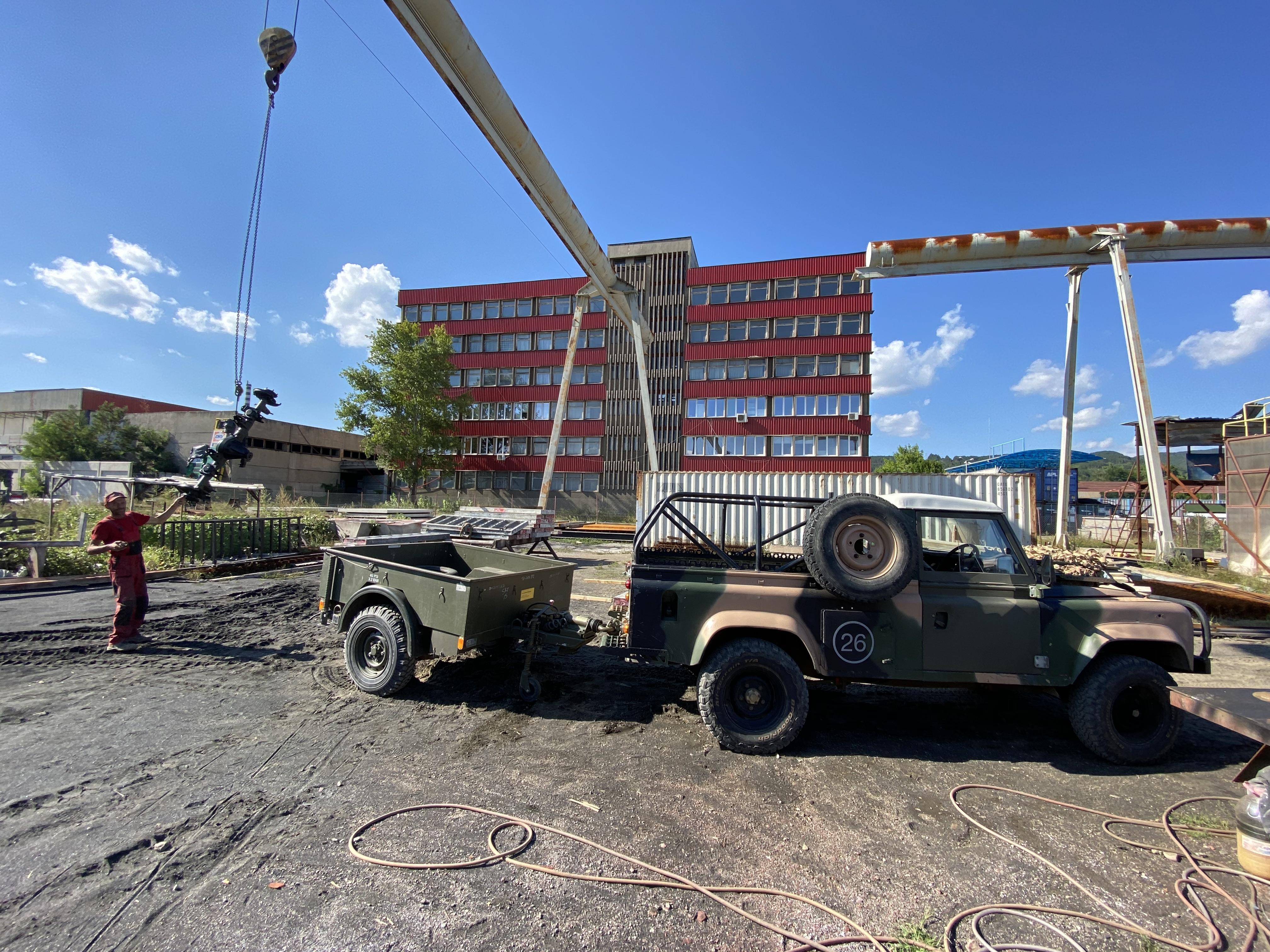
I have a friend with a workshop that I have been using for the past few months. He has a collection of recent-ish Defenders. Right now he is in the middle of this restoration. This is going to be a showpiece car - everything completely rebuilt, competiotion cro-mo CVs, heavy duty diffs with lockers, rebuilt engine, etc and won't be seeing any mud and wheeling :)

3MjrHPr.jpg


XznQ0V1.jpg


One of his friends is into classics

G9zX6i0.jpg


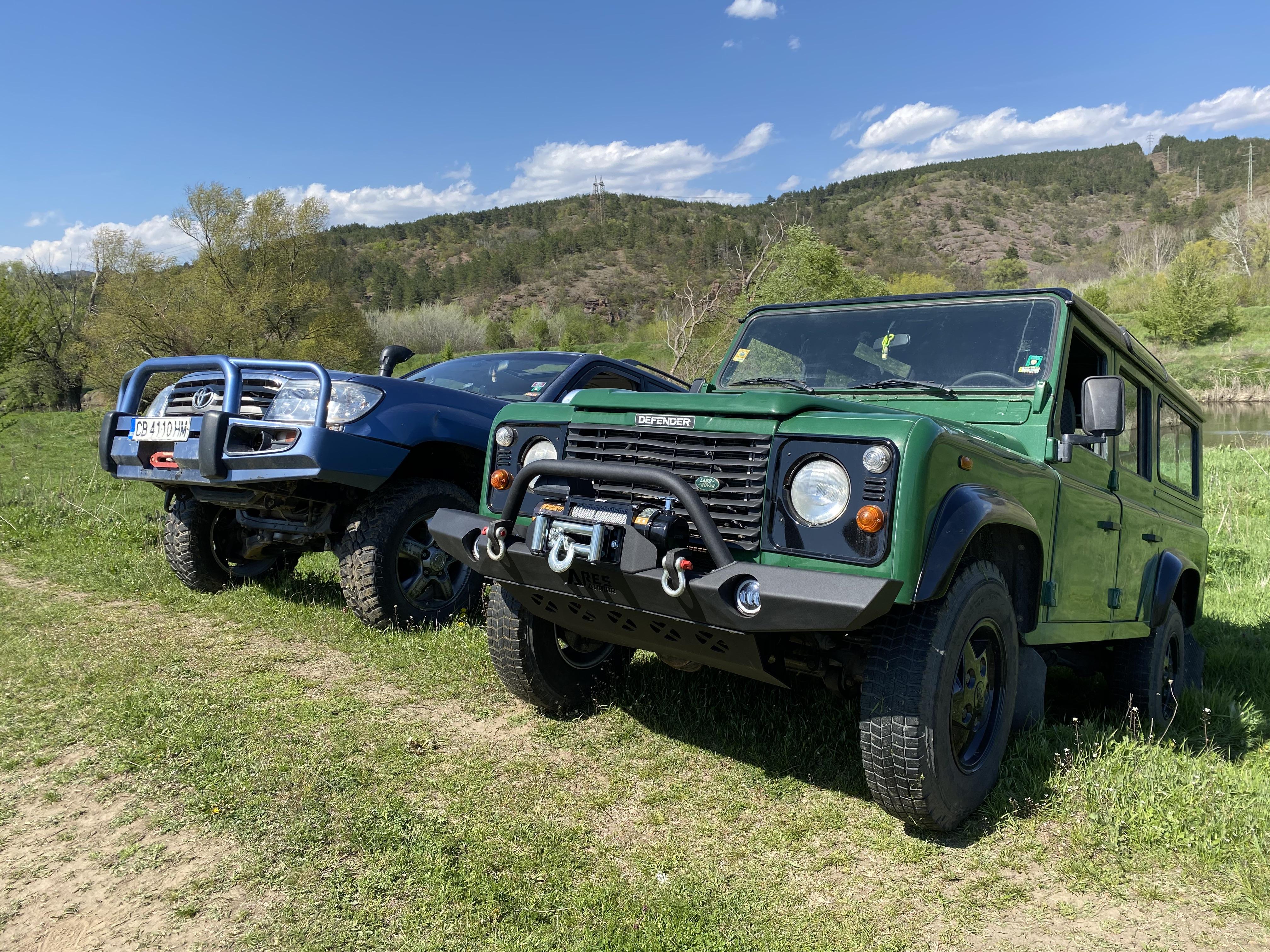
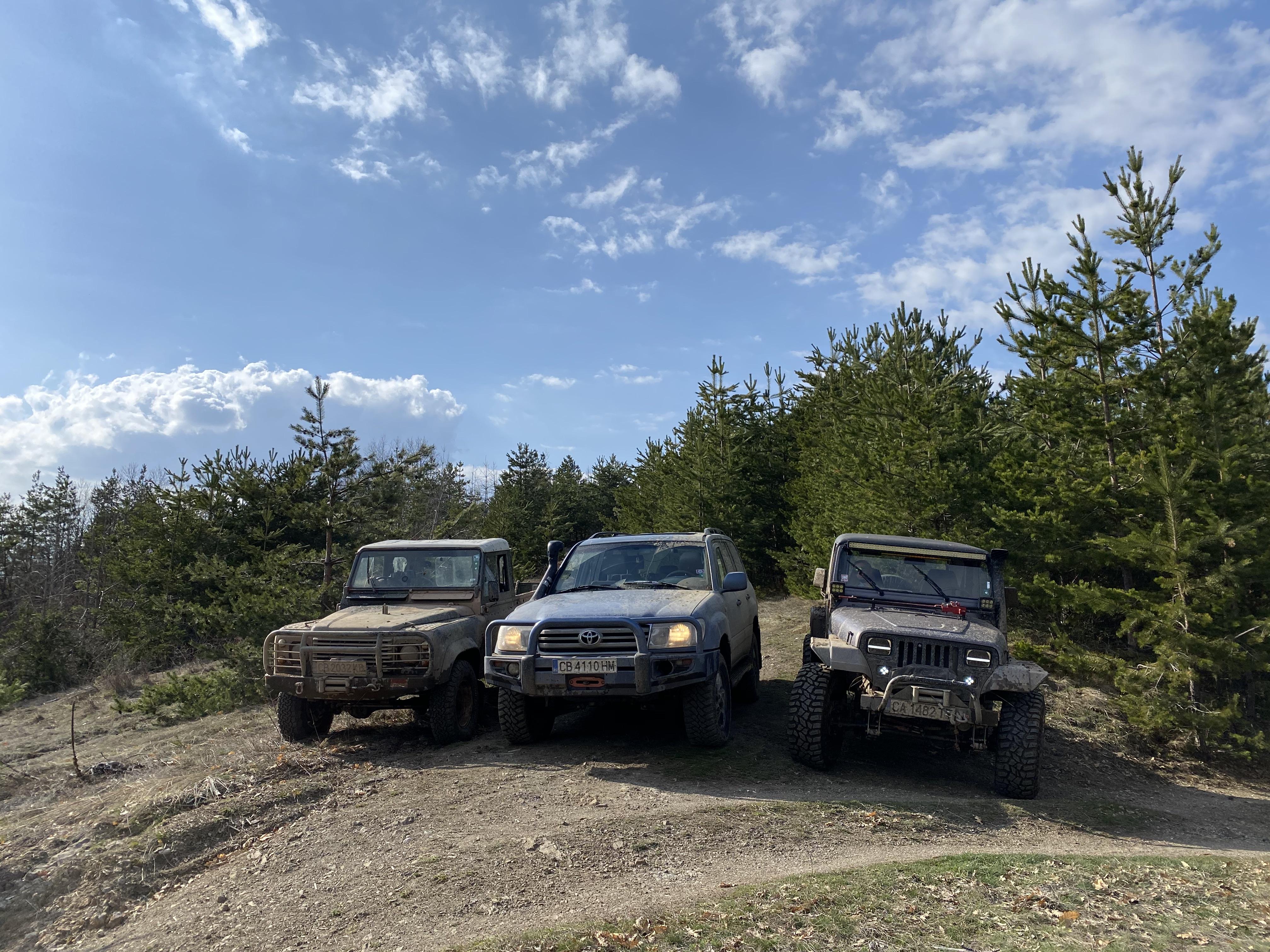
Funny thing is - I don't have any wheeling friends with Land Cruisers. So usually we are a diverse group - Land Rovers and Wranglers. Same guy from above with the pickup Defender.

TNYWgpm.jpg


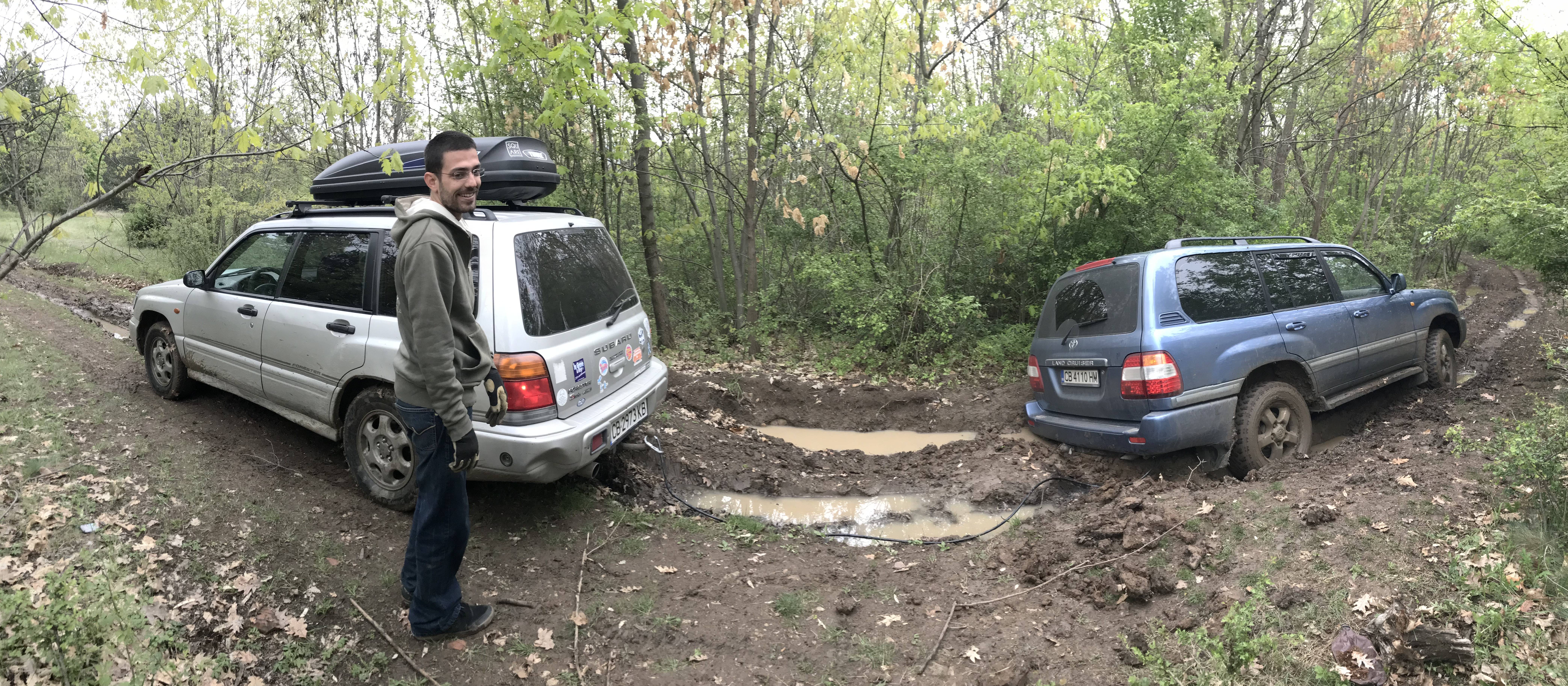
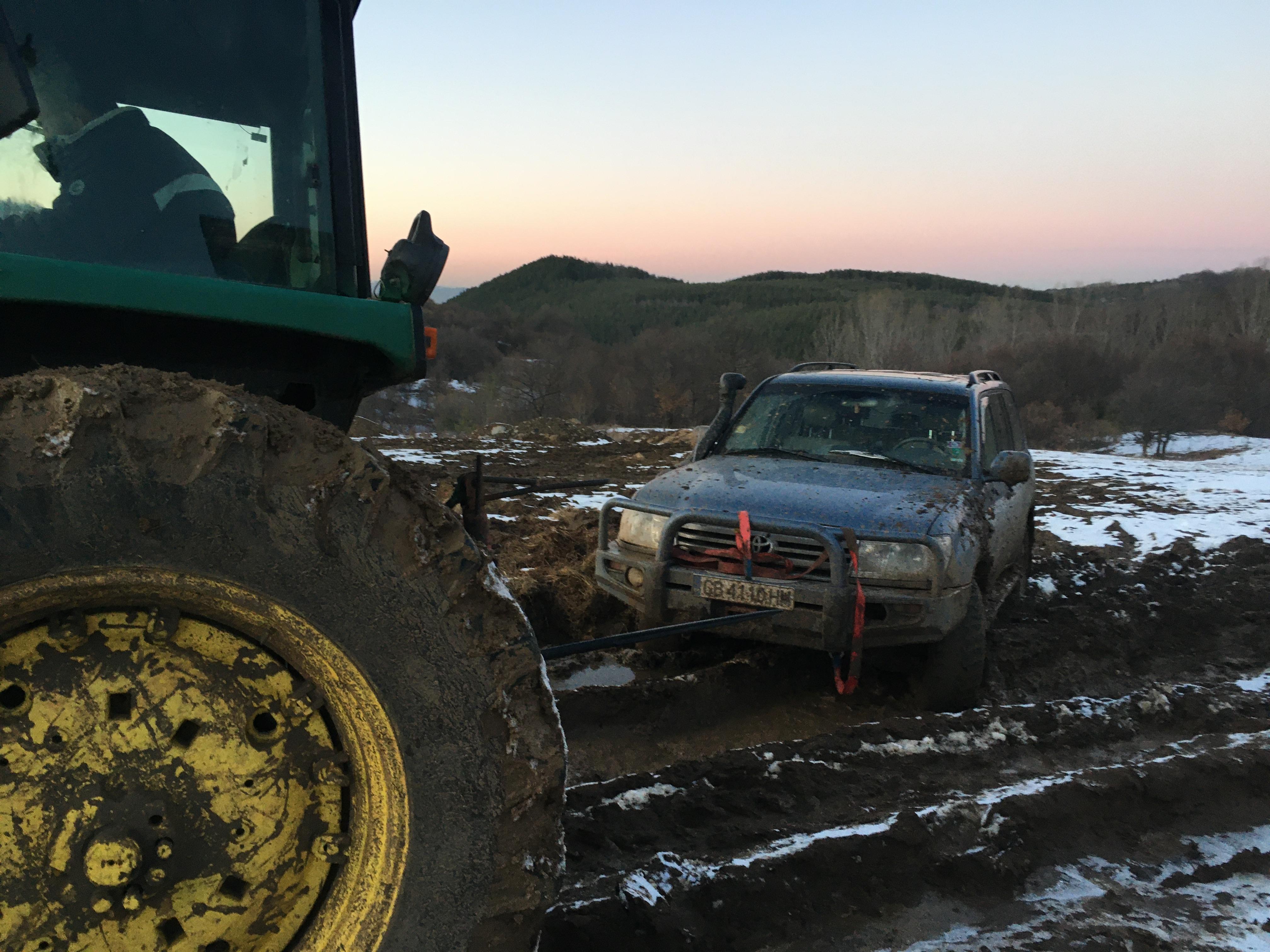
Actually, the first time I got stuck was two months after I got the truck. No experience, no recovery gear, no idea what is a good idea. Only guy I could call was with a Subaru and that didn't get the 100 anywhere. But it took us to a machine shop where we were able to buy a hand winch and finally get the cruiser out :D

7CSzTdm.jpg


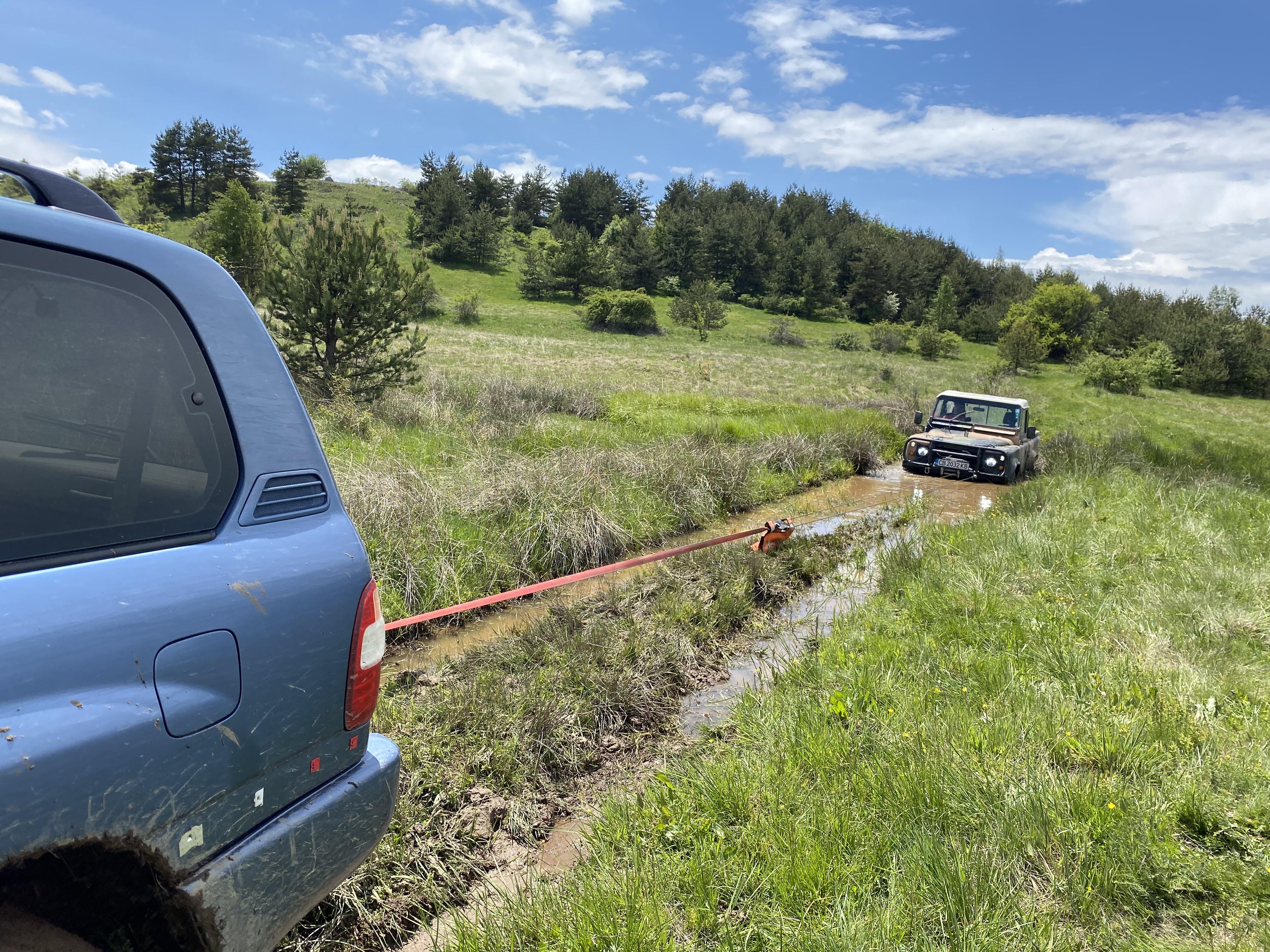
Now it's sometimes me pulling the Defender out

9EMnFNu.jpg


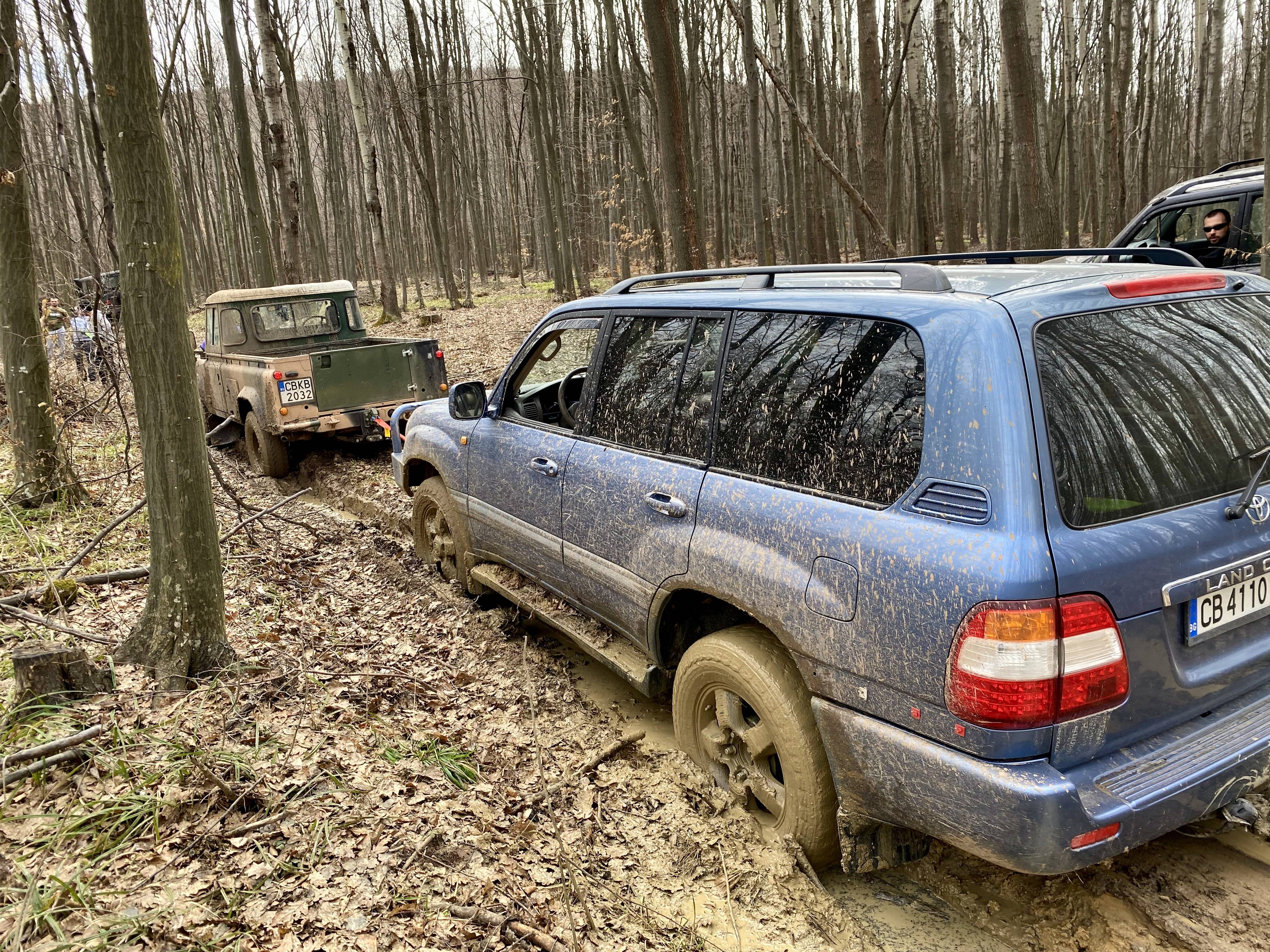
Or the Defender pulling me out.

4vqYF4L.jpg


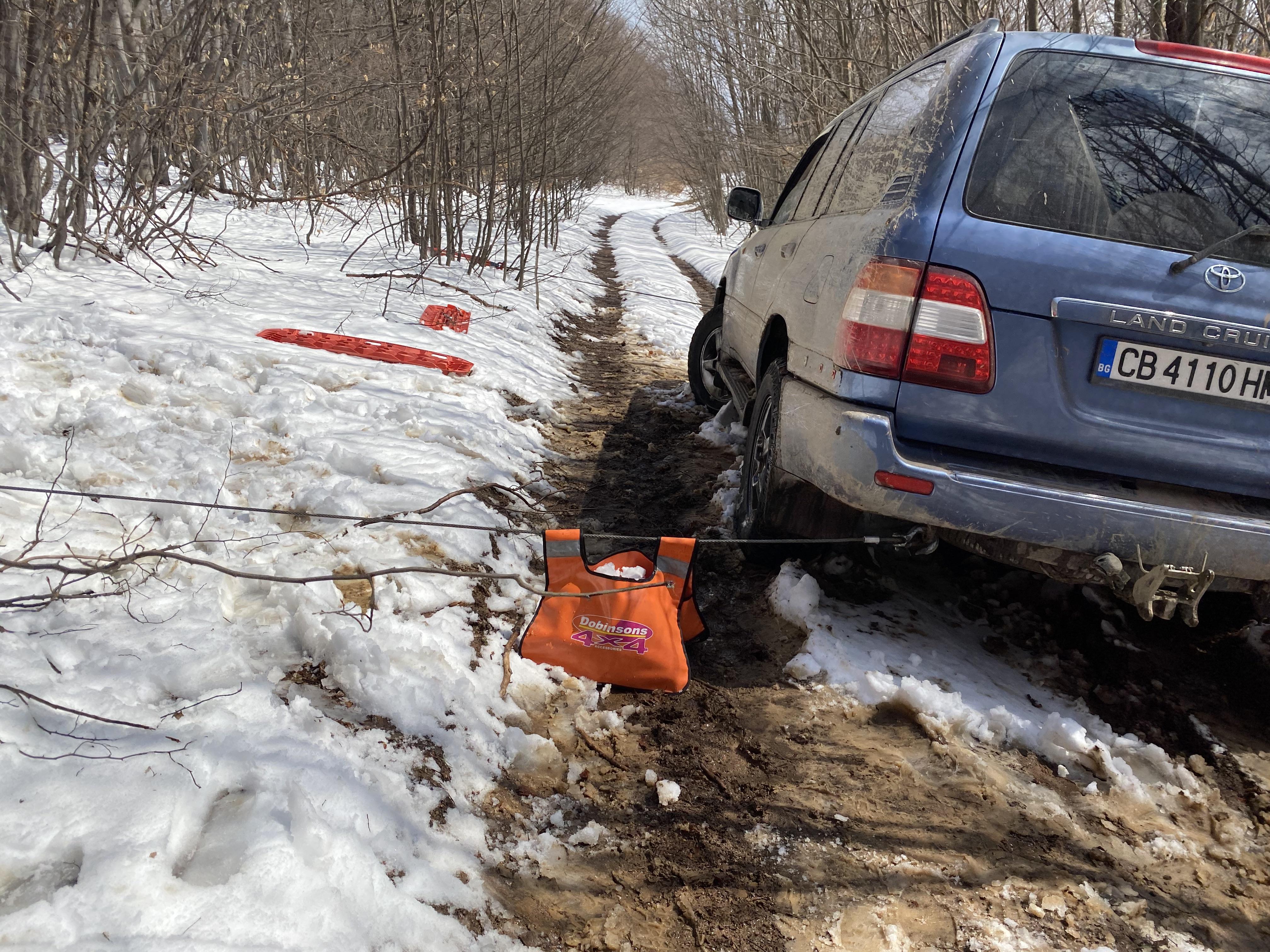
I want to say that I am winning, but it's closer to a draw... Sometimes we need the combined power of both

1FKMcJI.jpg


And then there are the times when you have to admit complete defeat :D

R9Cv9Hk.jpg


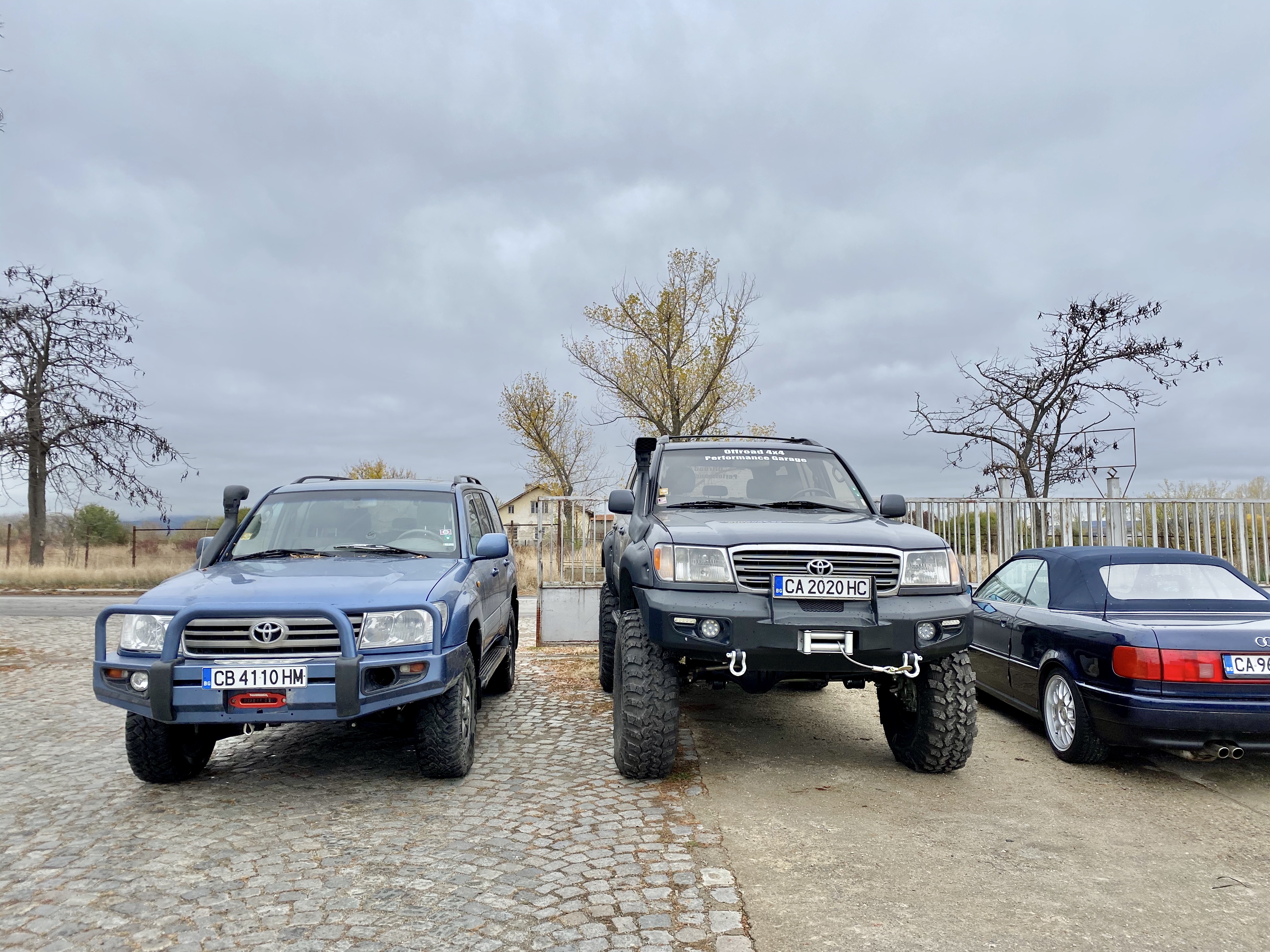
We have a saying - "The bigger the 4x4 is, the further would the tractor have to go". I don't want to be this guy when he finally gets stuck. SAS UZJ100 with portal axles. My HDJ100 is with the AHC in high next to it :D

EX6Jm7H.jpg


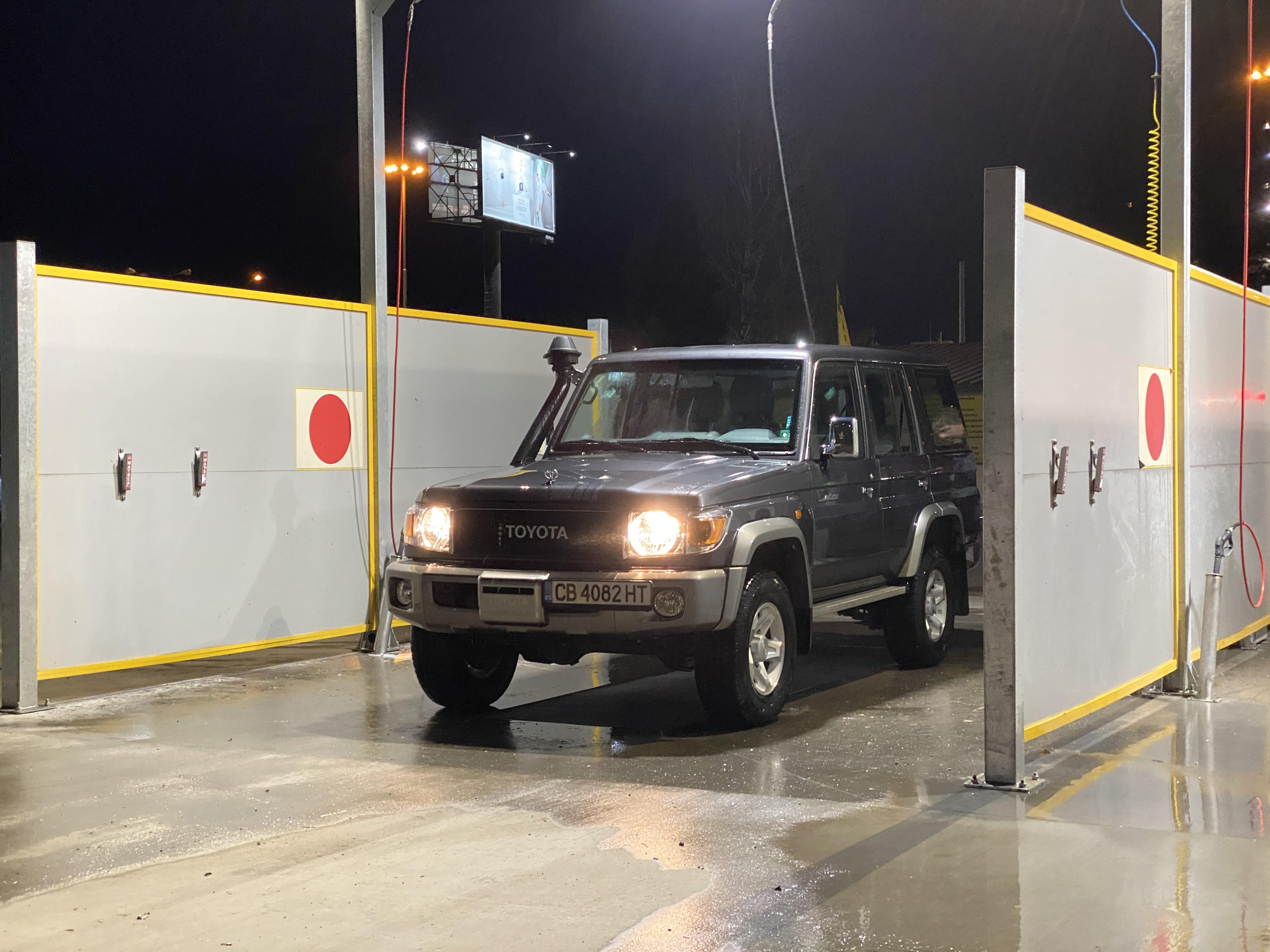
Bonus picture - this 2016 76 series beauty. They are incredibly rare as due to emission regulations it is virtually impossible to register the newer ones in the EU. Still easier than the US I suppose.

JVVRUac.jpg


Curious why you're going through the effort of blasting and re-coating the frame. Based on the original pics you posted, that truck has no rust at all. What's the point?

Conservation is way, way easier and cheaper than restoration. I bought the truck without a single speck of rust. All factory colours underneath. It was glorious! After one (mild) winter and about 6 months of mud and pressure washing all the welds on the chassis have started to rust. There are multiple places in the rear section of the chassis that trap lots of mud and water that is extremely hard to remove.

Awesome thread! Where do the torsion bar bushings go?
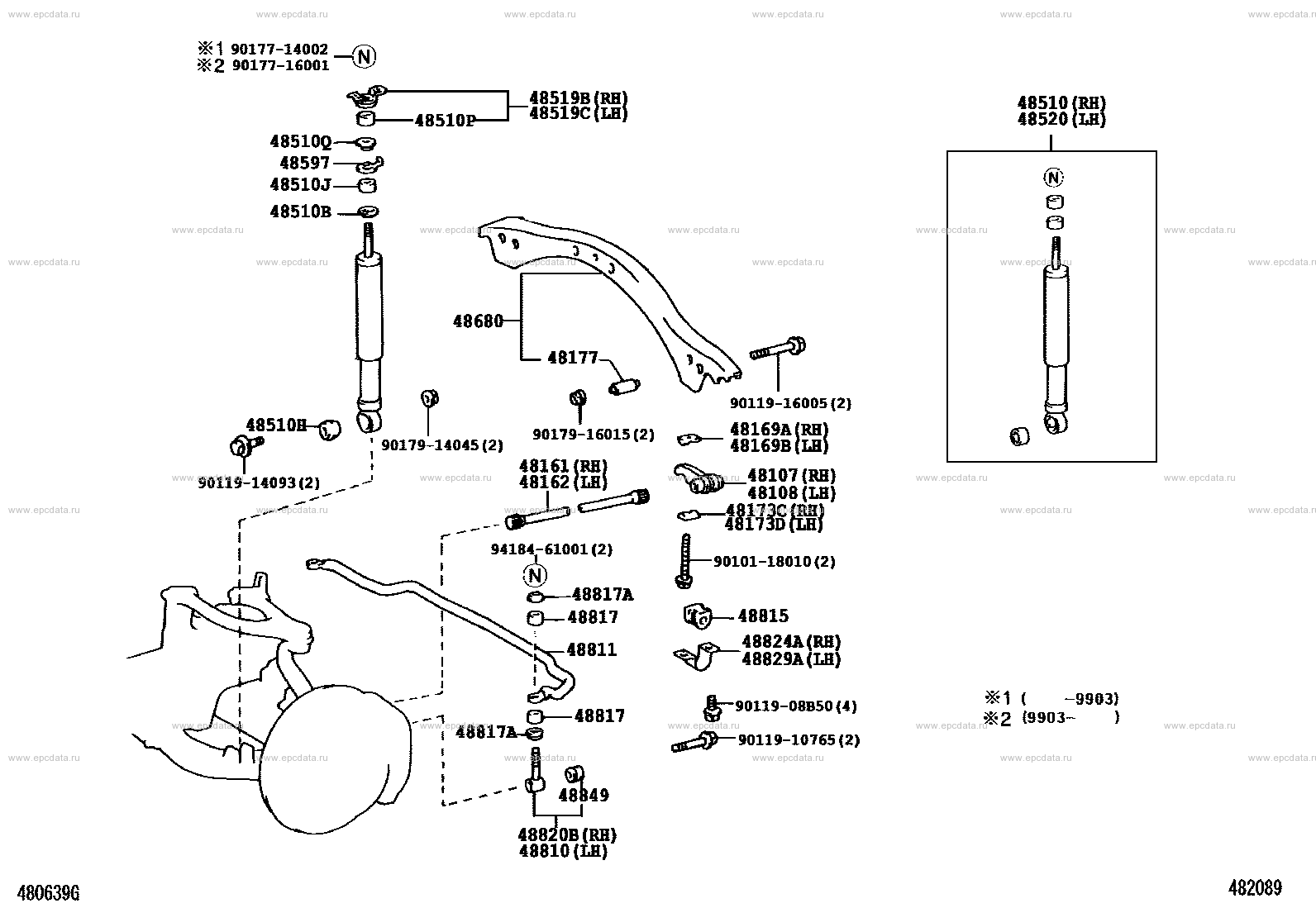
48177 here. The torsion bar adjuster is right next to it.

482089.png
 
Last edited:
Interesting, never knew these existed:) Thank you!
 
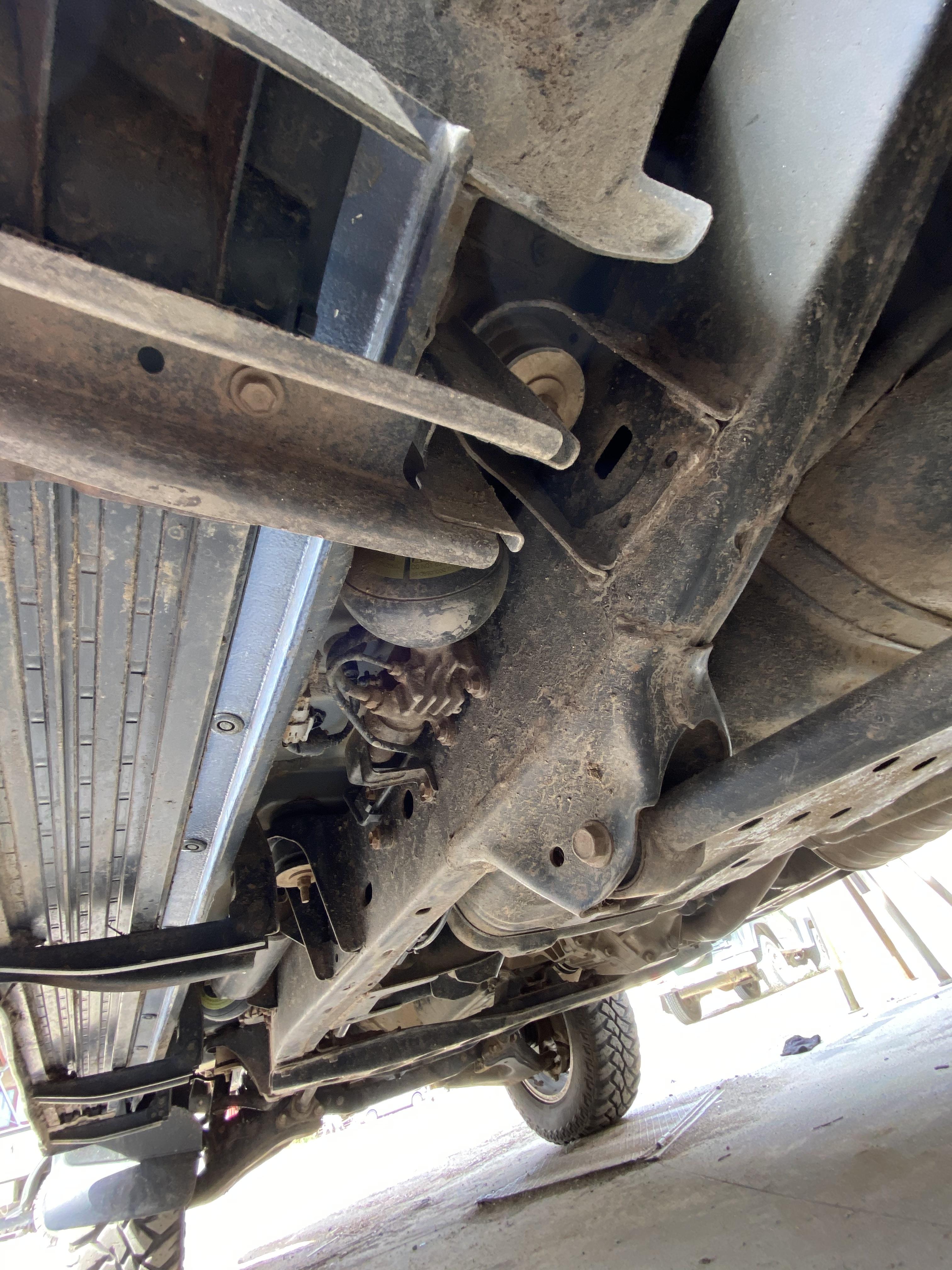
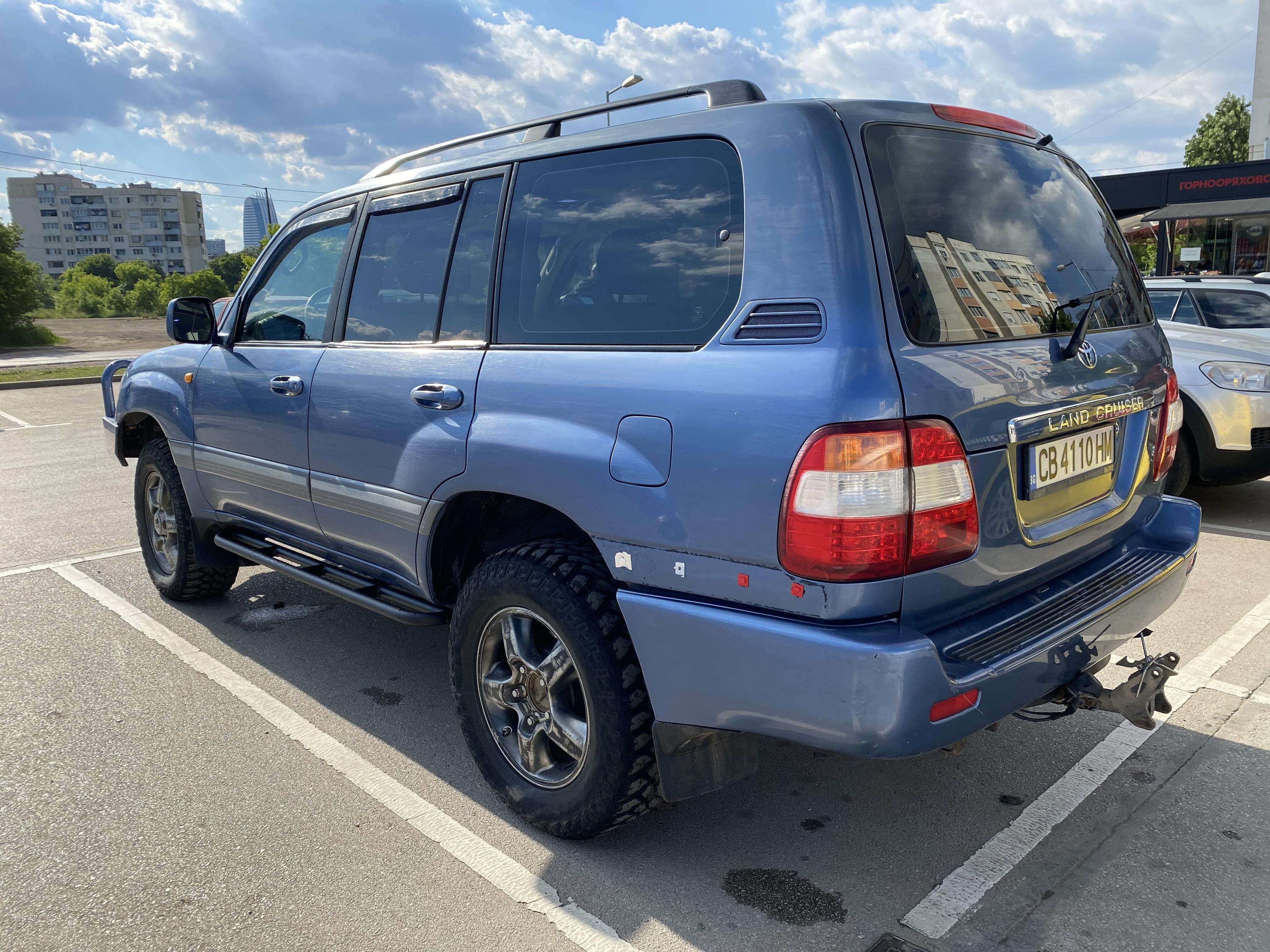
Stock sidesteps suck. They are wafer thin and what is worse - they are bolted to the cabin and not the chassis. If you bend them there is a high chance you will be getting panel damage

x1c6X8j.jpg


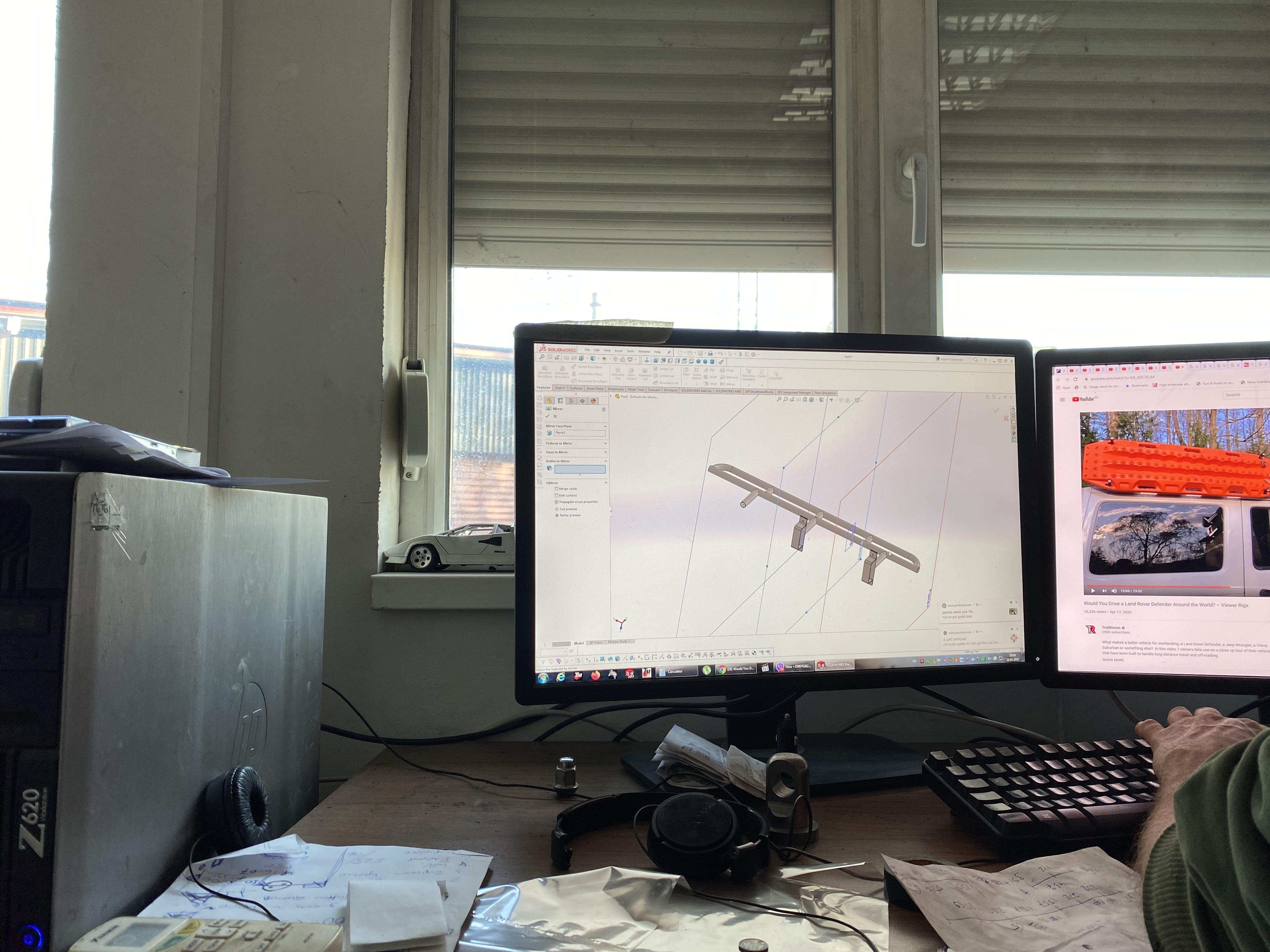
My friend gave me a crash course in SolidWorks.

xkfhY0Q.jpg


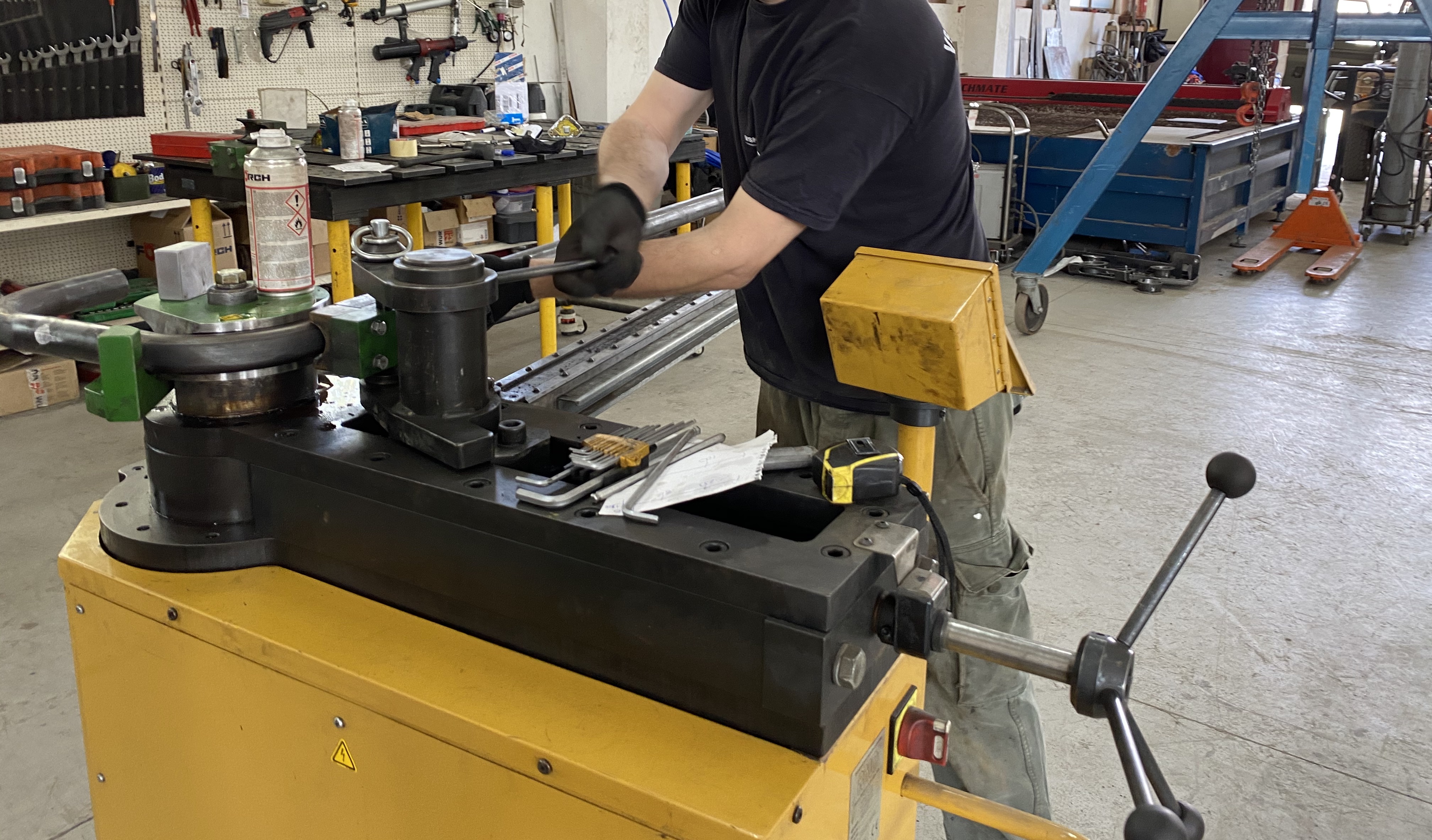
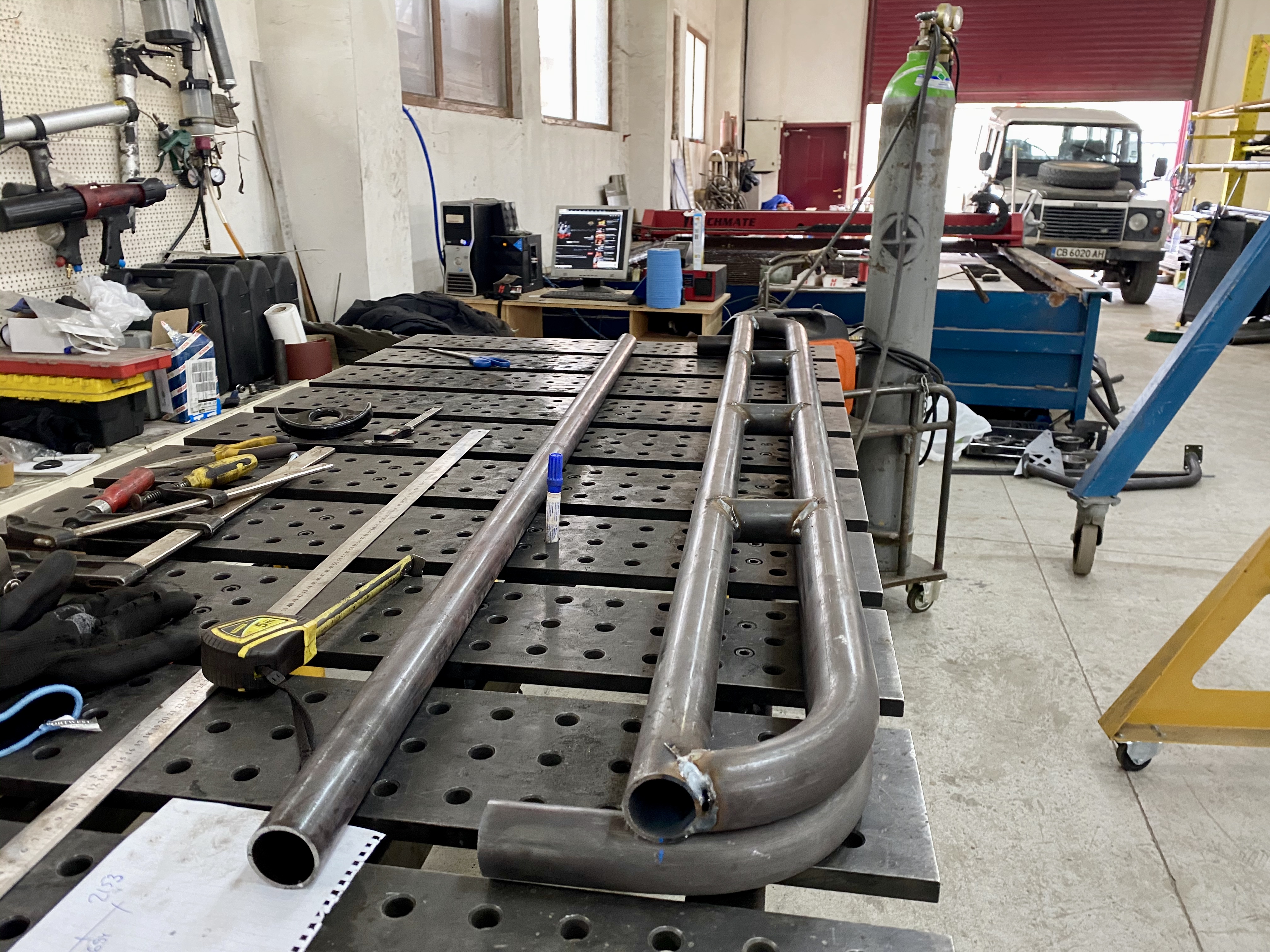
I have never worked with metal before. Bending pipes was pretty straightforward - primarily because given the properties and dimensions of the material and the bend the machine calculates most parameters itself.

PrGdEpT.jpg


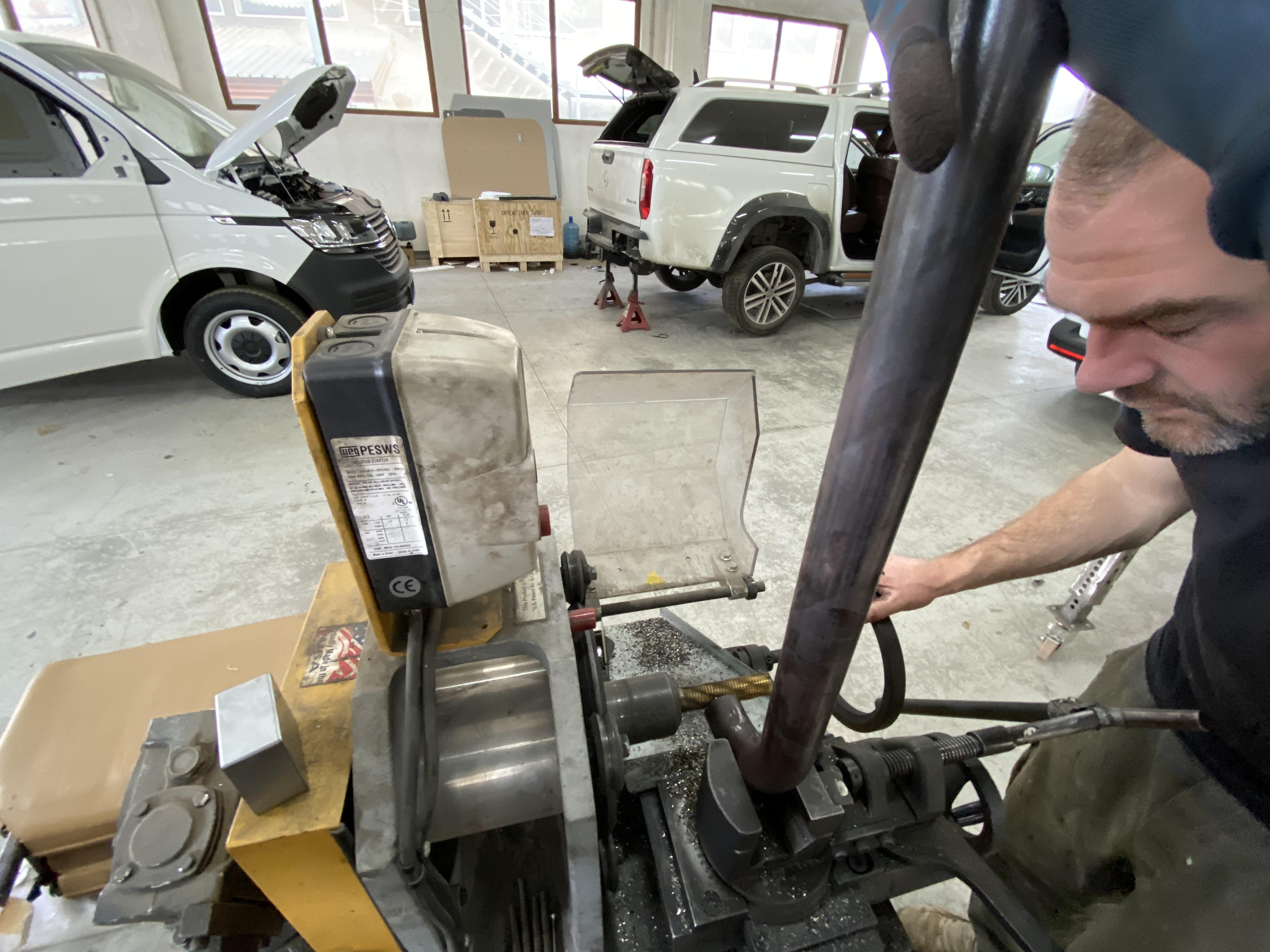
This one is pretty cool. The drill thingy is on an eccentric and it creates notches on tubes, so they can brace other tubes!

HPtKLaj.jpg


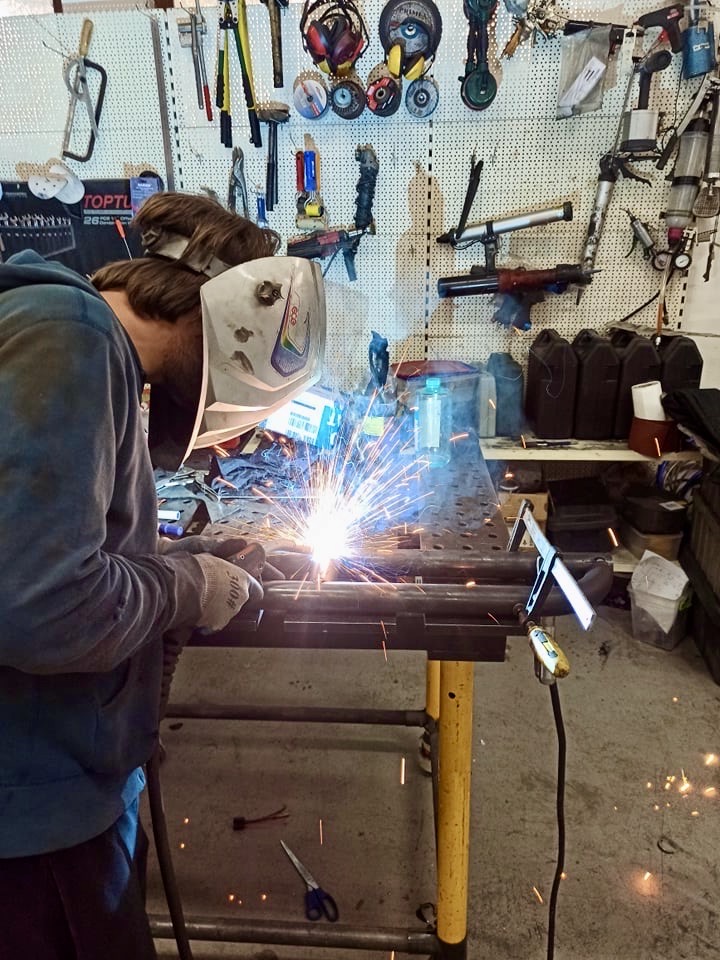
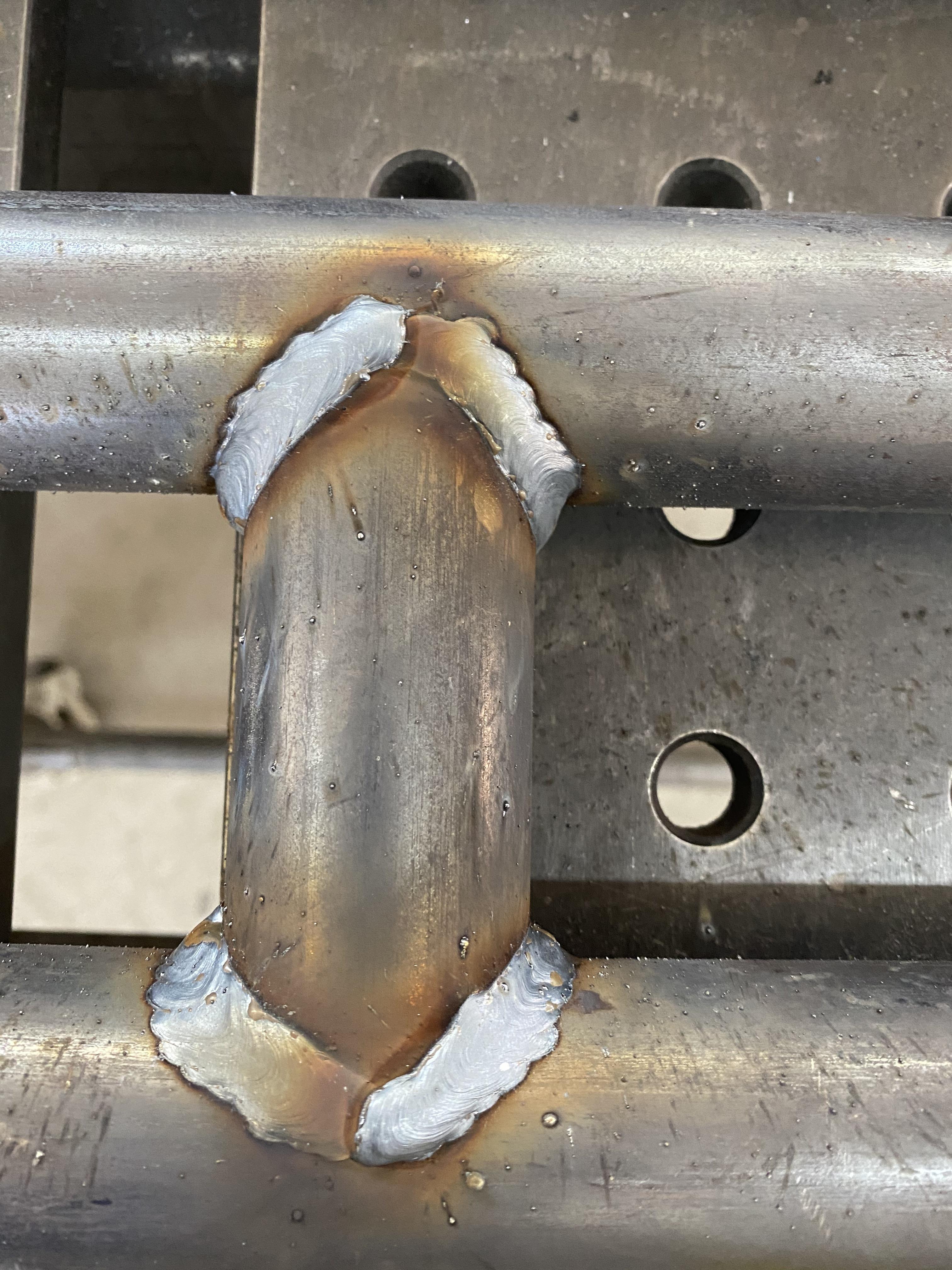
Next was first steps in MIG welding. I have very little experience with stick welding, having welded ~2 sticks ever :D

FGDI6Qg.jpg


This have to be my 4th to 8th MIG welds ever. They turned out better than a lot of my later ones...

OBWXYFT.jpg


Coming along nicely

Sv89fvG.jpg


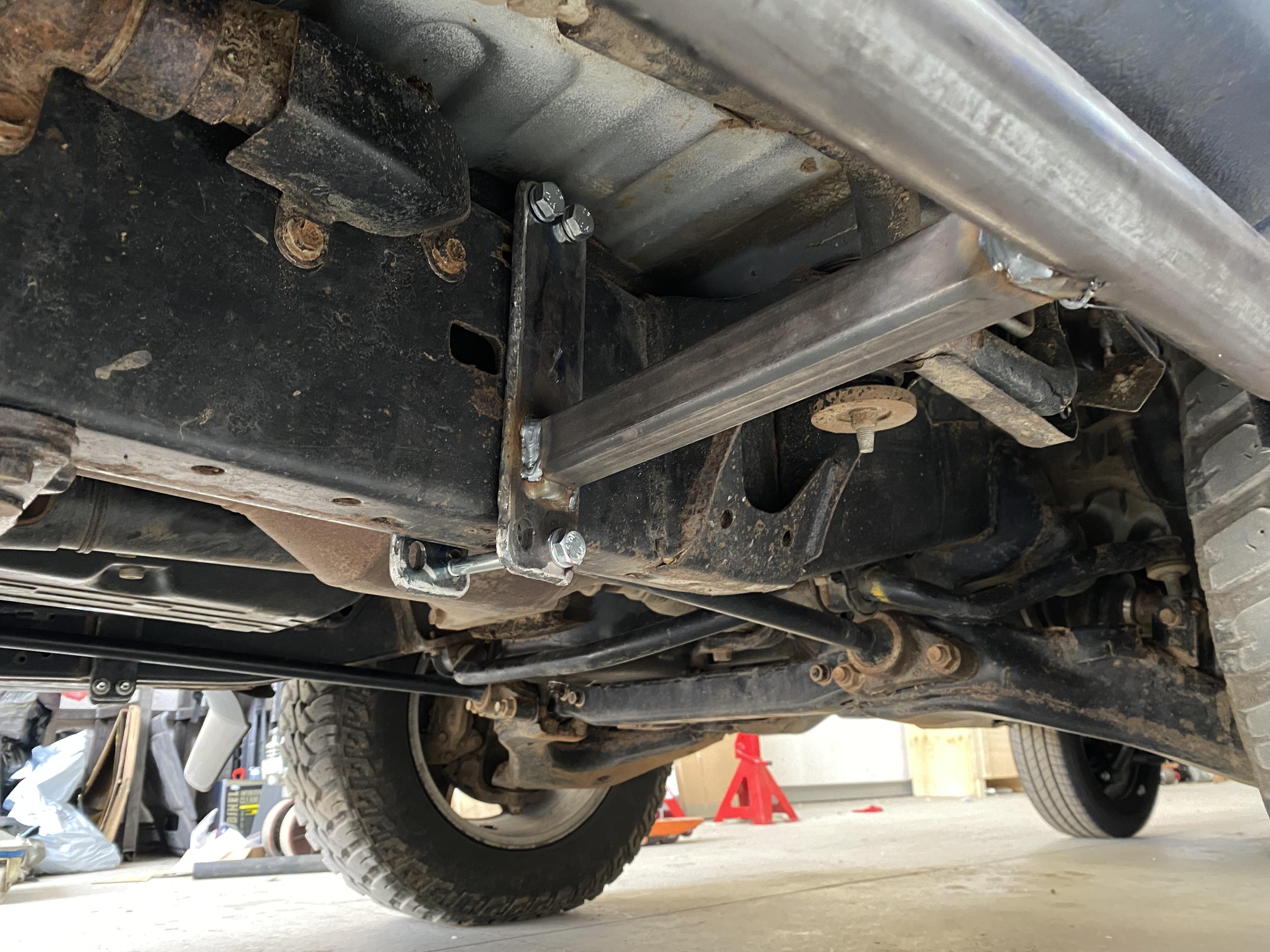
Test fit before welding the chassis struts

lMLK415.jpg


Test fit with the struts

dDn6kAp.jpg


Final result with gussets. The AHC limits you to only 2 possible struts on the driver side, unless you relocate the accumulator. The AHC lines also limit you on the max possible size for the gussets in the rear.

RYzUmQf.jpg


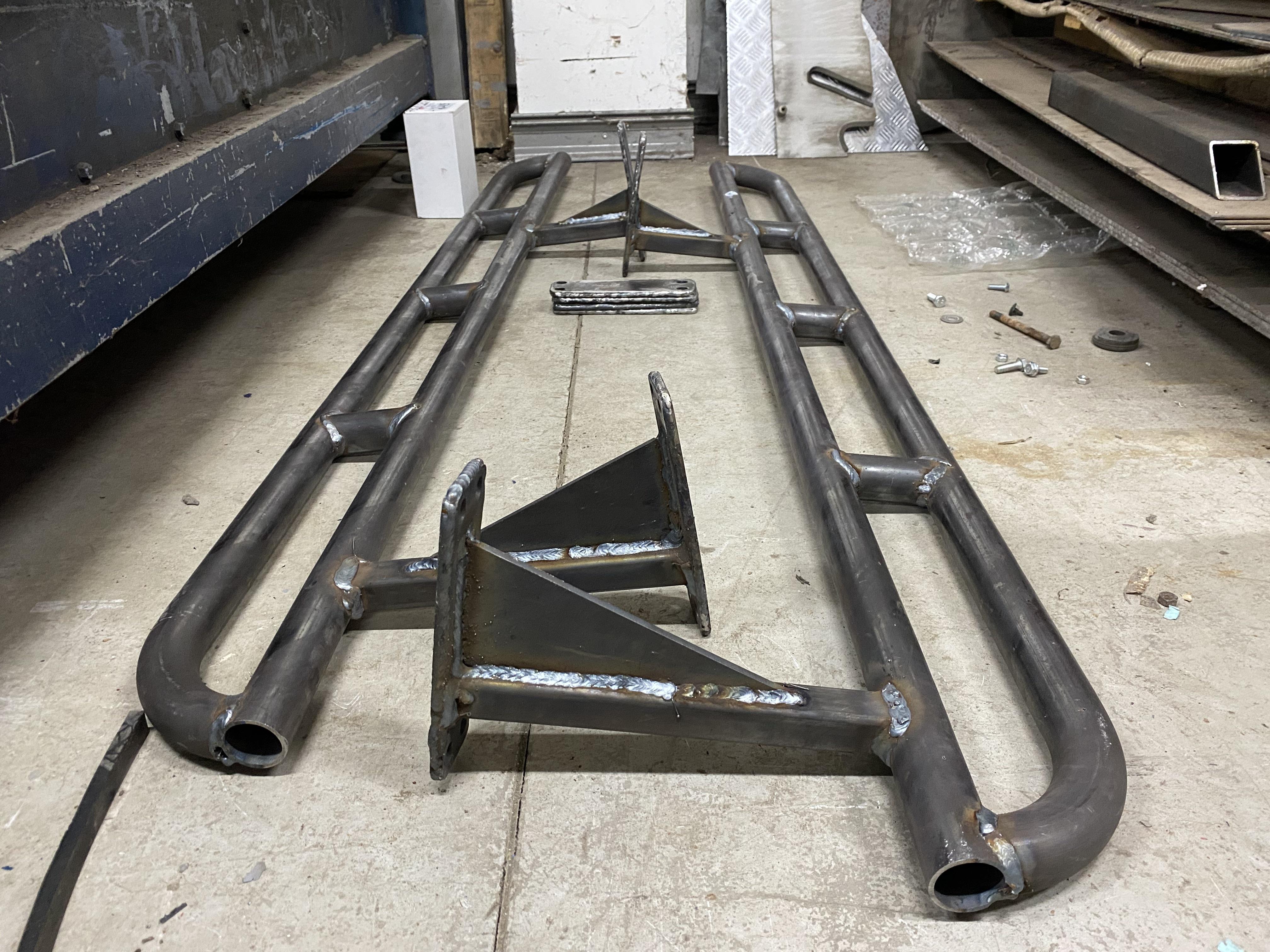
The end result is pretty good. I had them cataphoretic and then powder coated. Will see how durable that coat is.

TJtBXAk.jpg


All in all, I am happy with the result. I wanted something super minimal and easy to clean. My friend did maybe 70% of the work on one of the sliders and then 30% on the other. Some welds were pretty good, other darn horrible. No undo, unlike SolidWorks :( I learned about the great round vs square main tube debate. I made them too close vertically to the cabin and the struts managed to slightly deform the pinch weld above them.

Definitely many lessons learned - once those are beat up enough I will make a much improved V2. I have the SolidWorks files, but there were some changes while actually building them, so I think they might do more harm than good wasting you material.
 
Stock sidesteps suck. They are wafer thin and what is worse - they are bolted to the cabin and not the chassis. If you bend them there is a high chance you will be getting panel damage

x1c6X8j.jpg


My friend gave me a crash course in SolidWorks.

xkfhY0Q.jpg


I have never worked with metal before. Bending pipes was pretty straightforward - primarily because given the properties and dimensions of the material and the bend the machine calculates most parameters itself.

PrGdEpT.jpg


This one is pretty cool. The drill thingy is on an eccentric and it creates notches on tubes, so they can brace other tubes!

HPtKLaj.jpg


Next was first steps in MIG welding. I have very little experience with stick welding, having welded ~2 sticks ever :D

FGDI6Qg.jpg


This have to be my 4th to 8th MIG welds ever. They turned out better than a lot of my later ones...

OBWXYFT.jpg


Coming along nicely

Sv89fvG.jpg


Test fit before welding the chassis struts

lMLK415.jpg


Test fit with the struts

dDn6kAp.jpg


Final result with gussets. The AHC limits you to only 2 possible struts on the driver side, unless you relocate the accumulator. The AHC lines also limit you on the max possible size for the gussets in the rear.

RYzUmQf.jpg


The end result is pretty good. I had them cataphoretic and then powder coated. Will see how durable that coat is.

TJtBXAk.jpg


All in all, I am happy with the result. I wanted something super minimal and easy to clean. My friend did maybe 70% of the work on one of the sliders and then 30% on the other. Some welds were pretty good, other darn horrible. No undo, unlike SolidWorks :( I learned about the great round vs square main tube debate. I made them too close vertically to the cabin and the struts managed to slightly deform the pinch weld above them.

Definitely many lessons learned - once those are beat up enough I will make a much improved V2. I have the SolidWorks files, but there were some changes while actually building them, so I think they might do more harm than good wasting you material.
Awesome work! Also, I see you have an iSi Carrier pivot base on there 😎 Best bike racks ever made - I love mine.
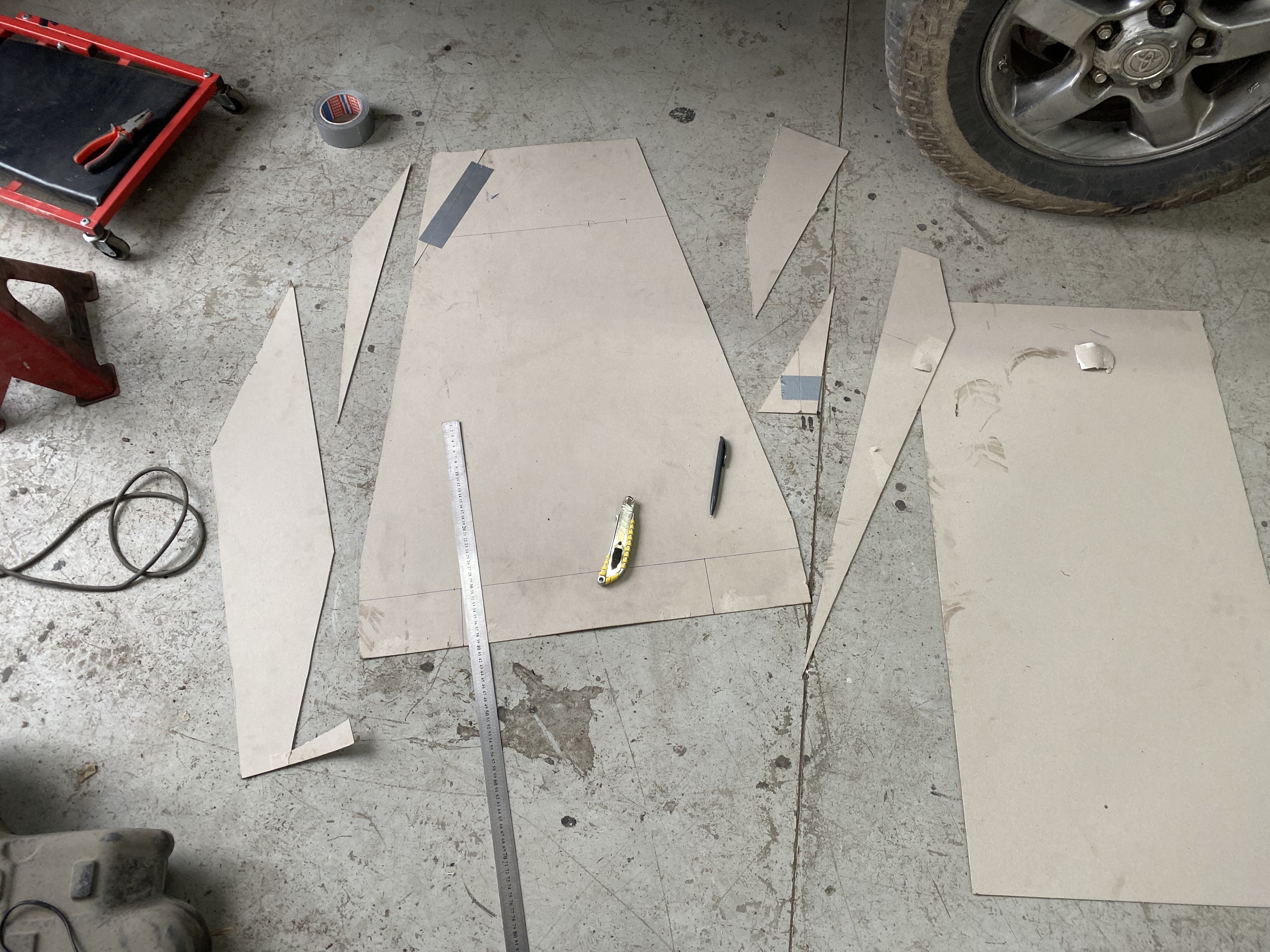
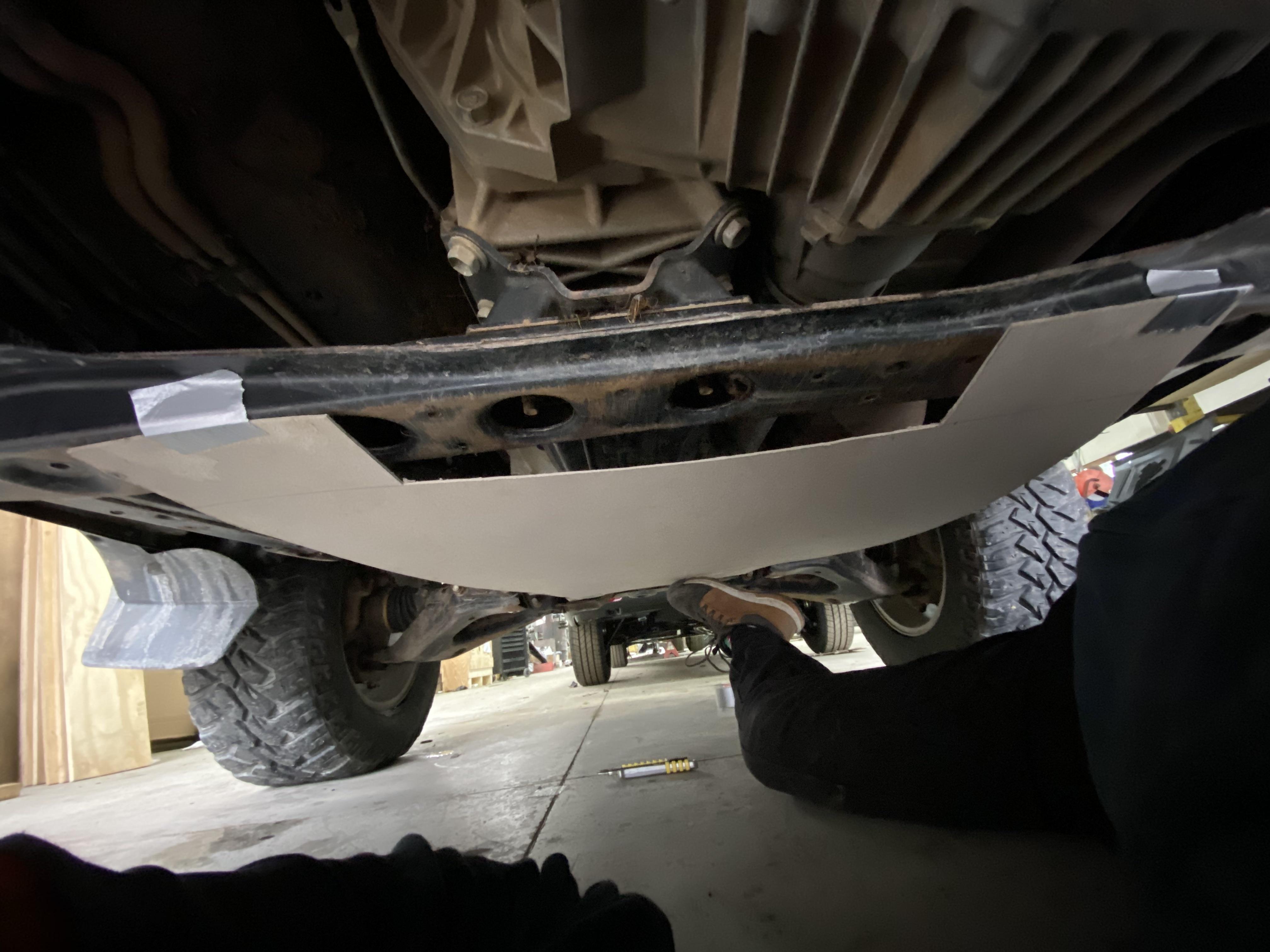
 
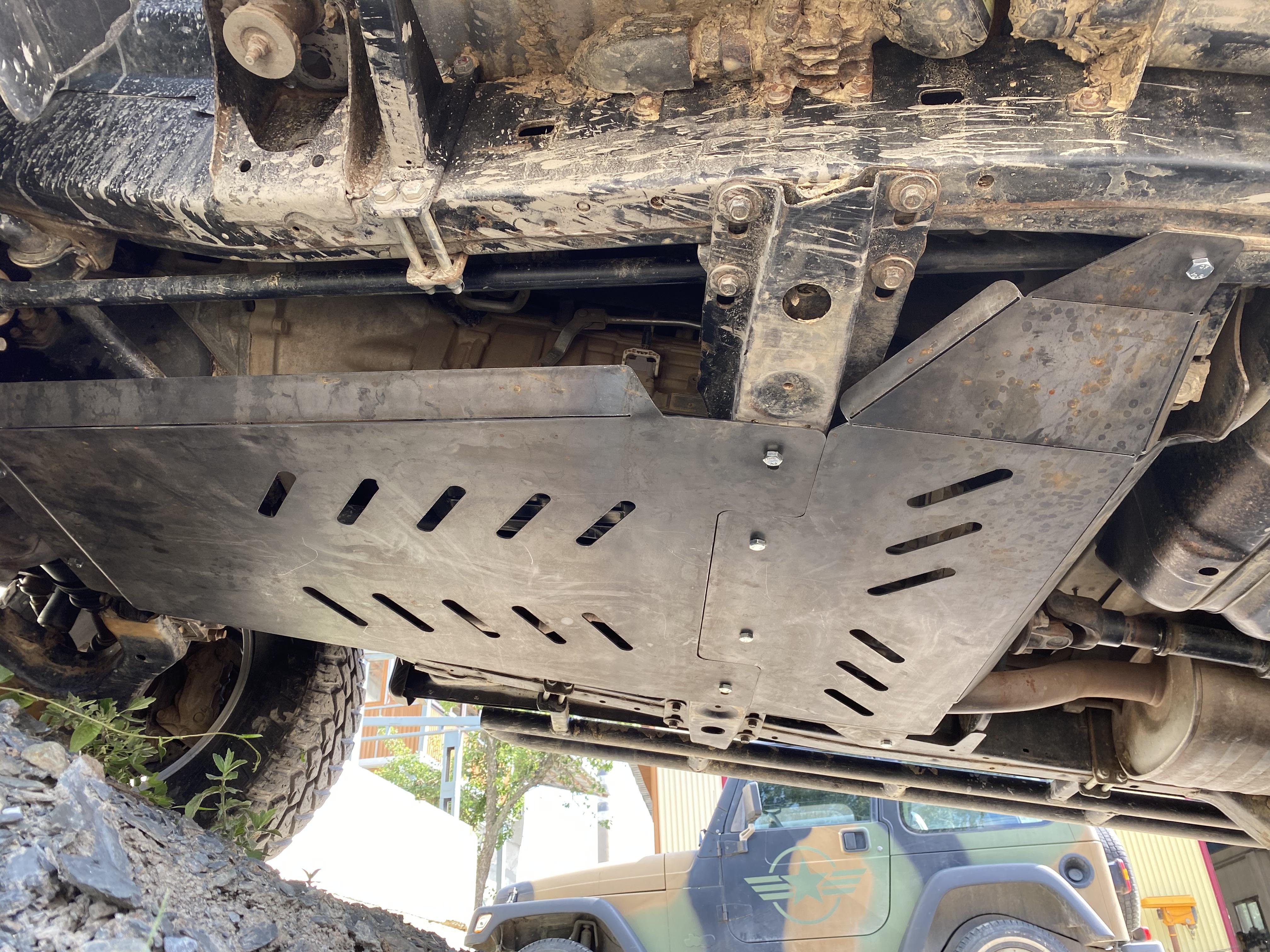
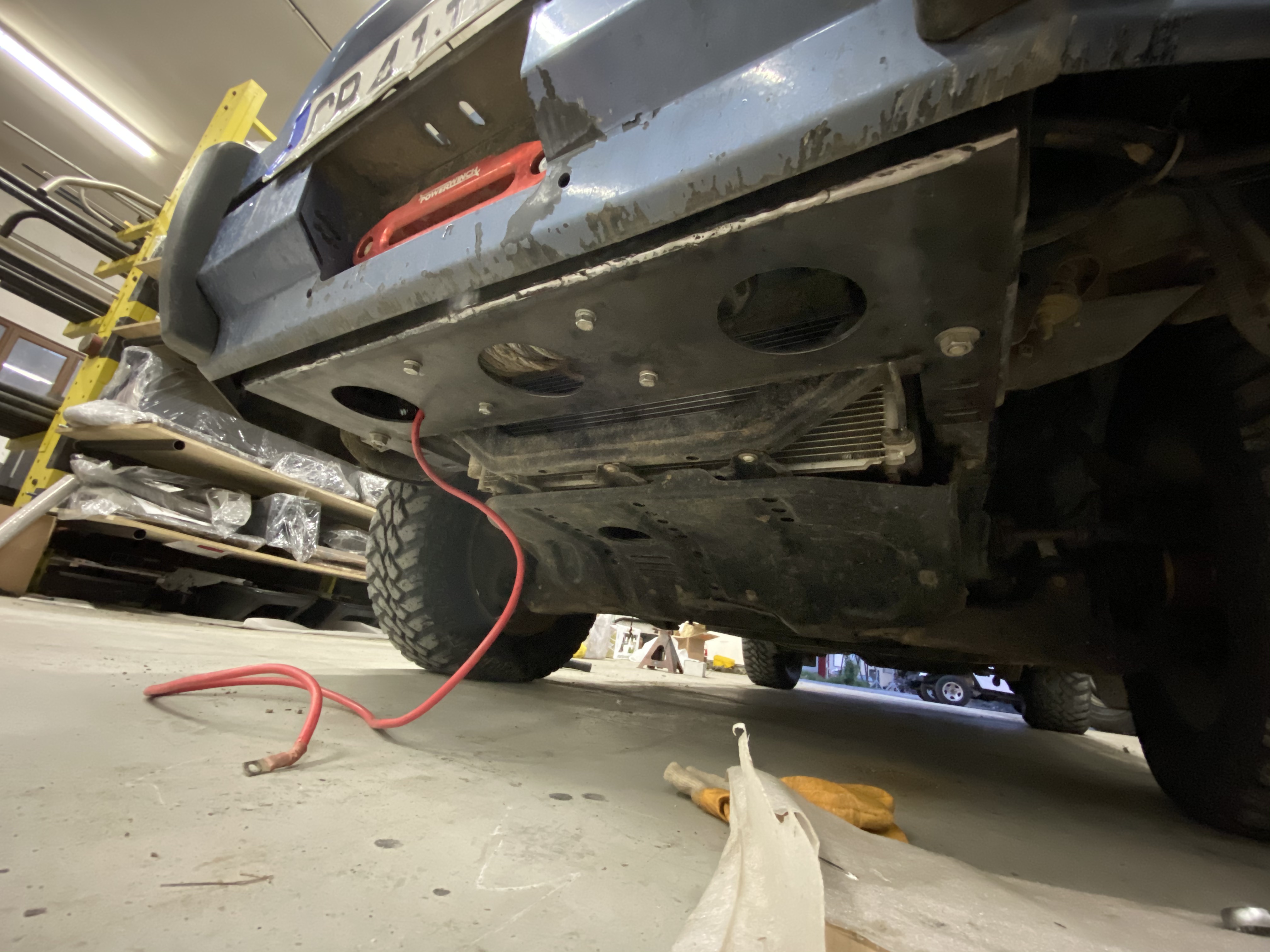
After sorting out the sidesteps it was time for the bash plates. I started with the sump/gearbox/transfer case shields, as they are flatter and easier to fabricate than the front one under the engine, towards the bumper. The stock one is metal, so it will do until I tackle it as well.
I based my design on Rival 4x4. I am using 3mm of S355J2 structural steel.

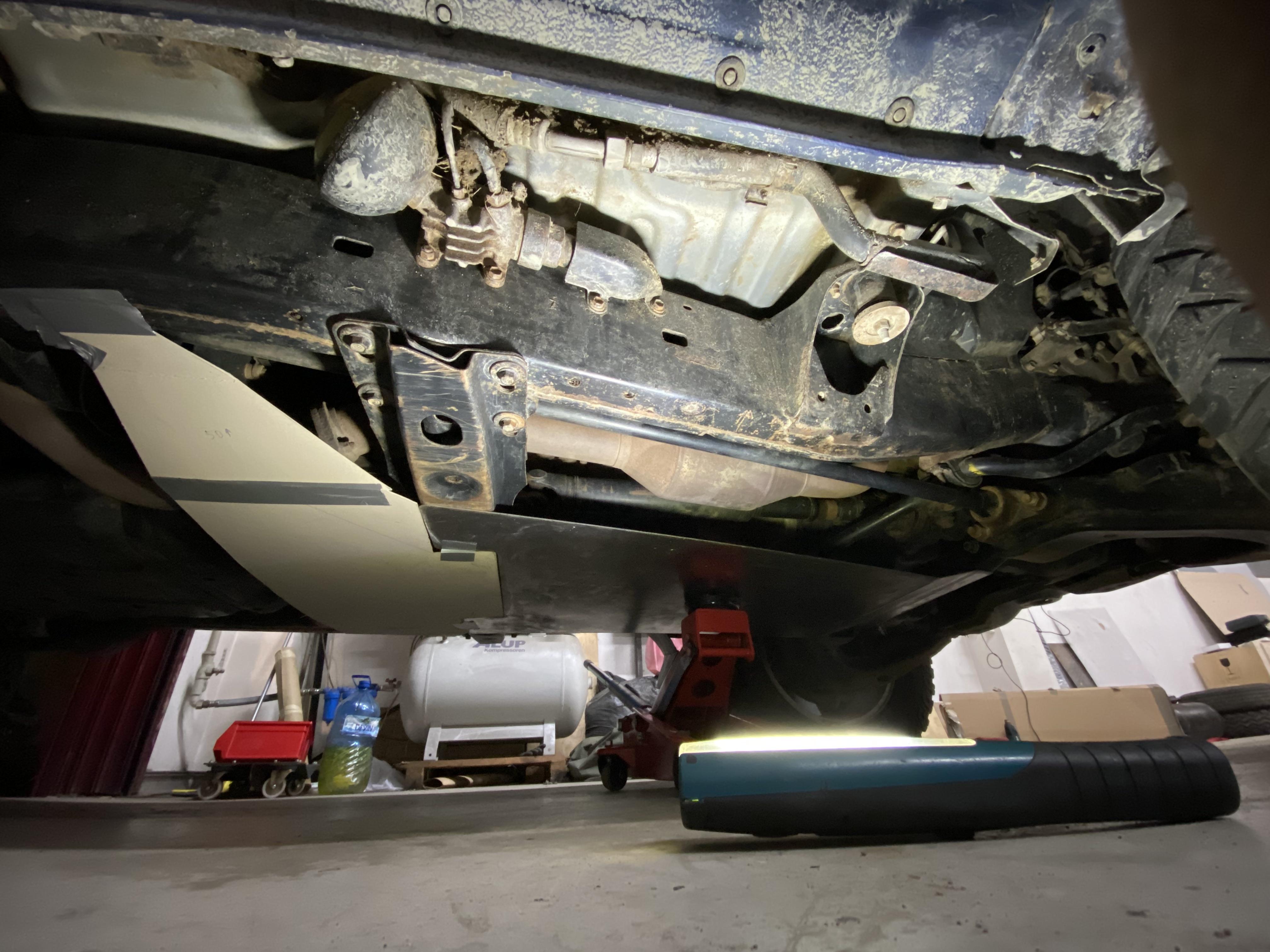
First lots of measurements and cardboard cutting

YFNA5TC.jpg


Ballparking fit

CATjJjN.jpg


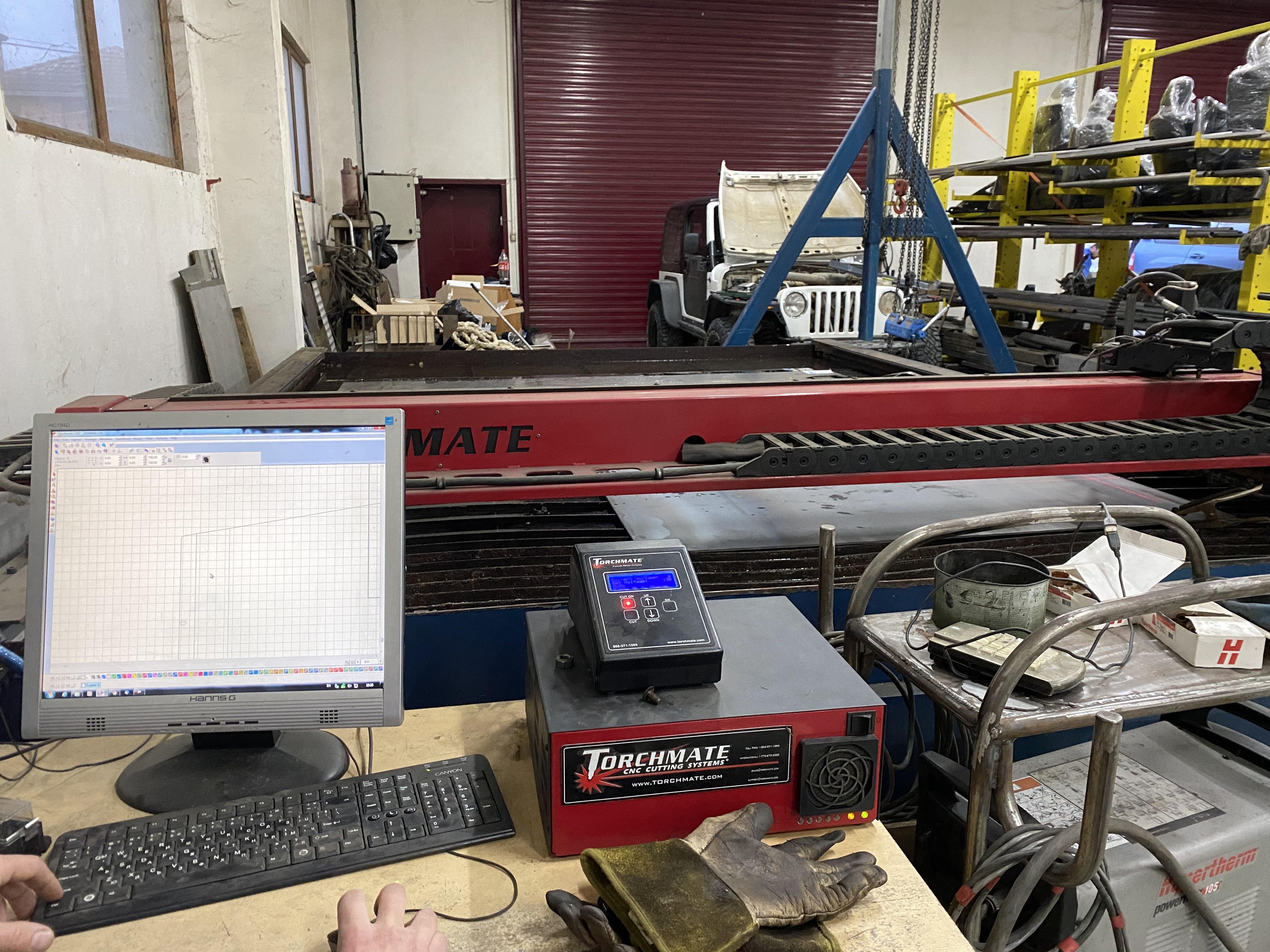
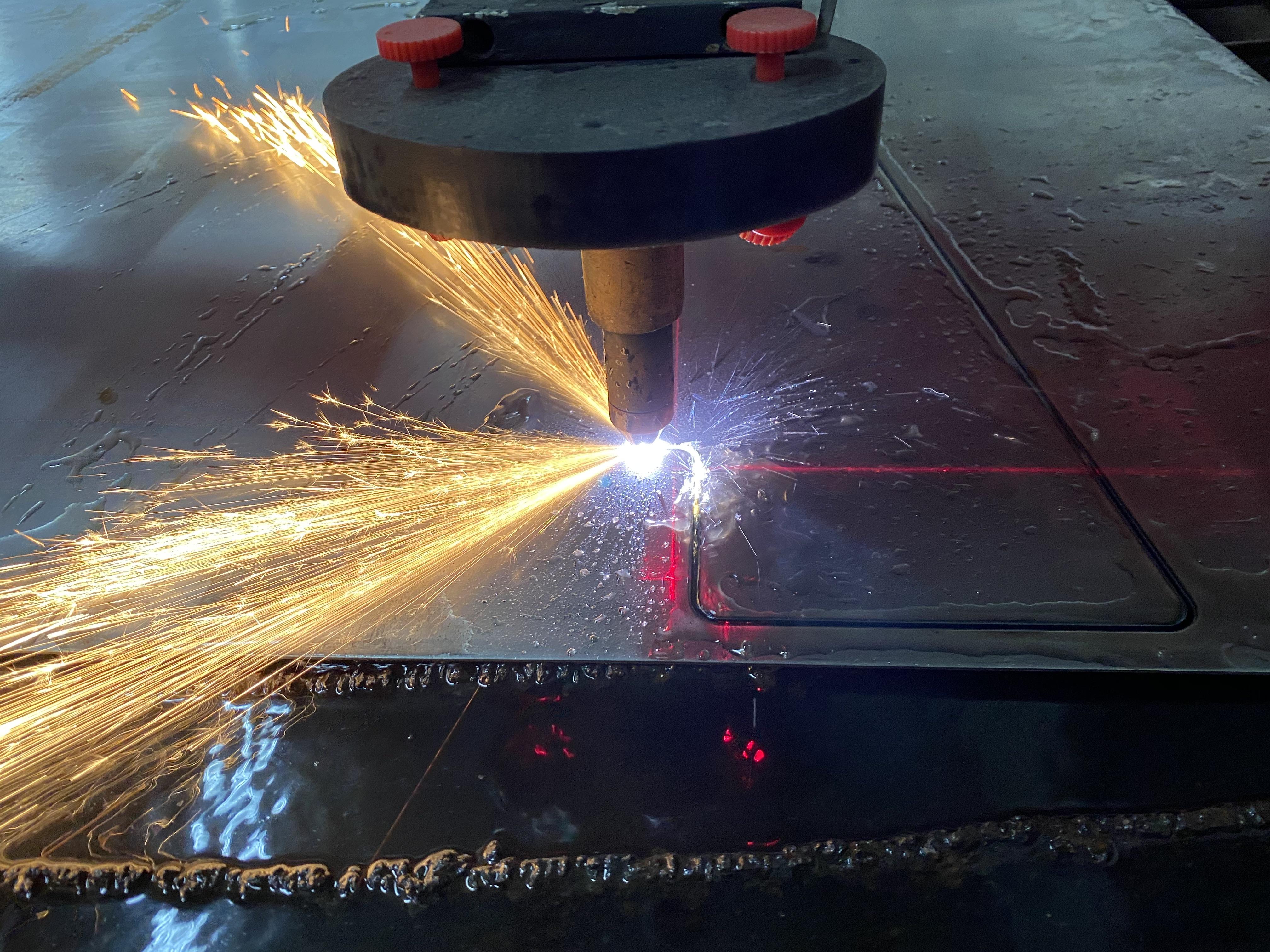
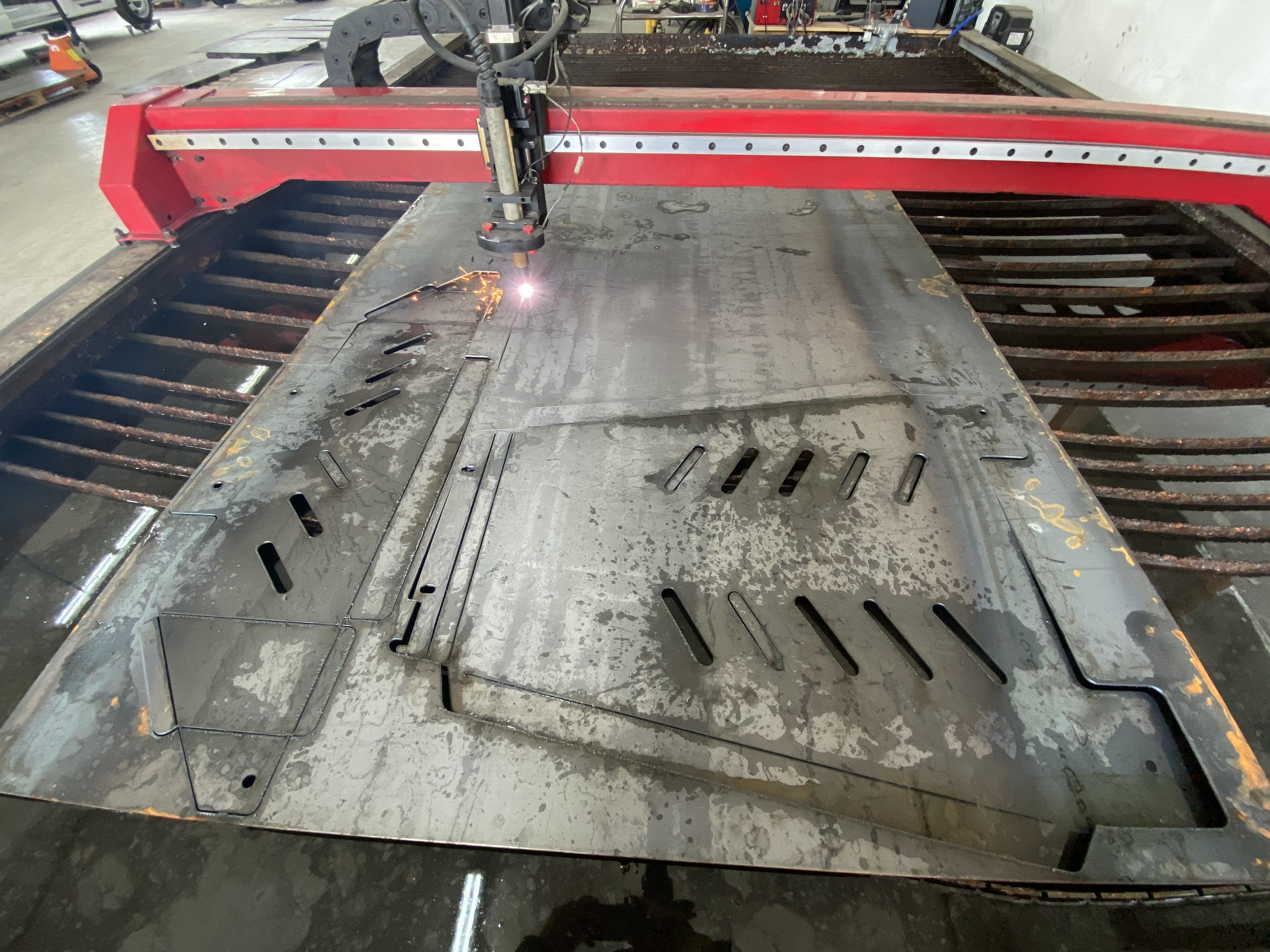
There is a plasma onsite that greatly accelerates prototyping. I cut out a more rigid prototype out of 1.5mm or 2mm scrap plate

zjrKDvX.jpg


d0J6Zx8.jpg


The front swaybar travels further down than the straight line between the chassis crossmembers that I wanted to use as supports, so there is a step up in the bash plate.

dO5j9Lk.jpg


Further test fitments

eFOFt9z.jpg


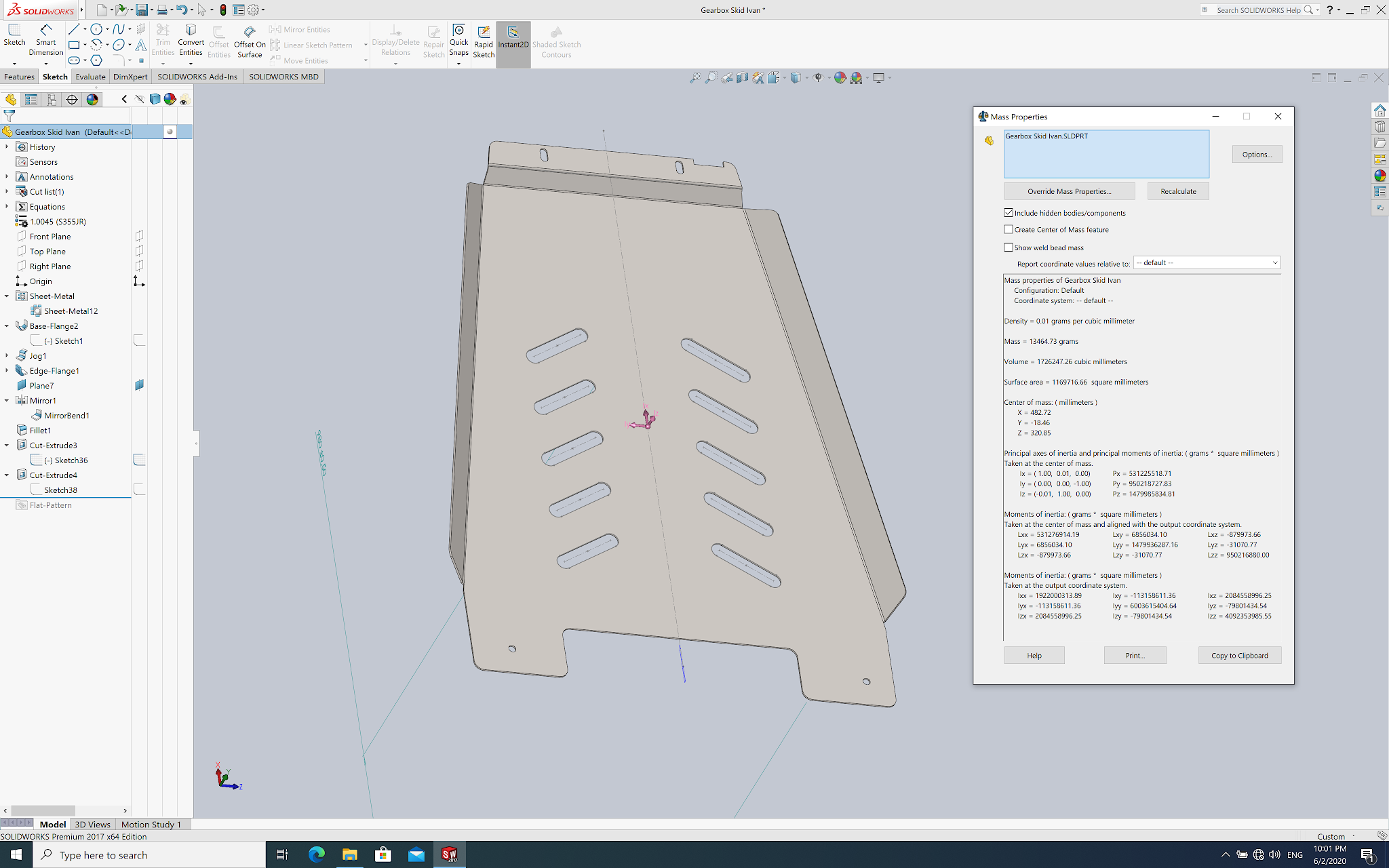
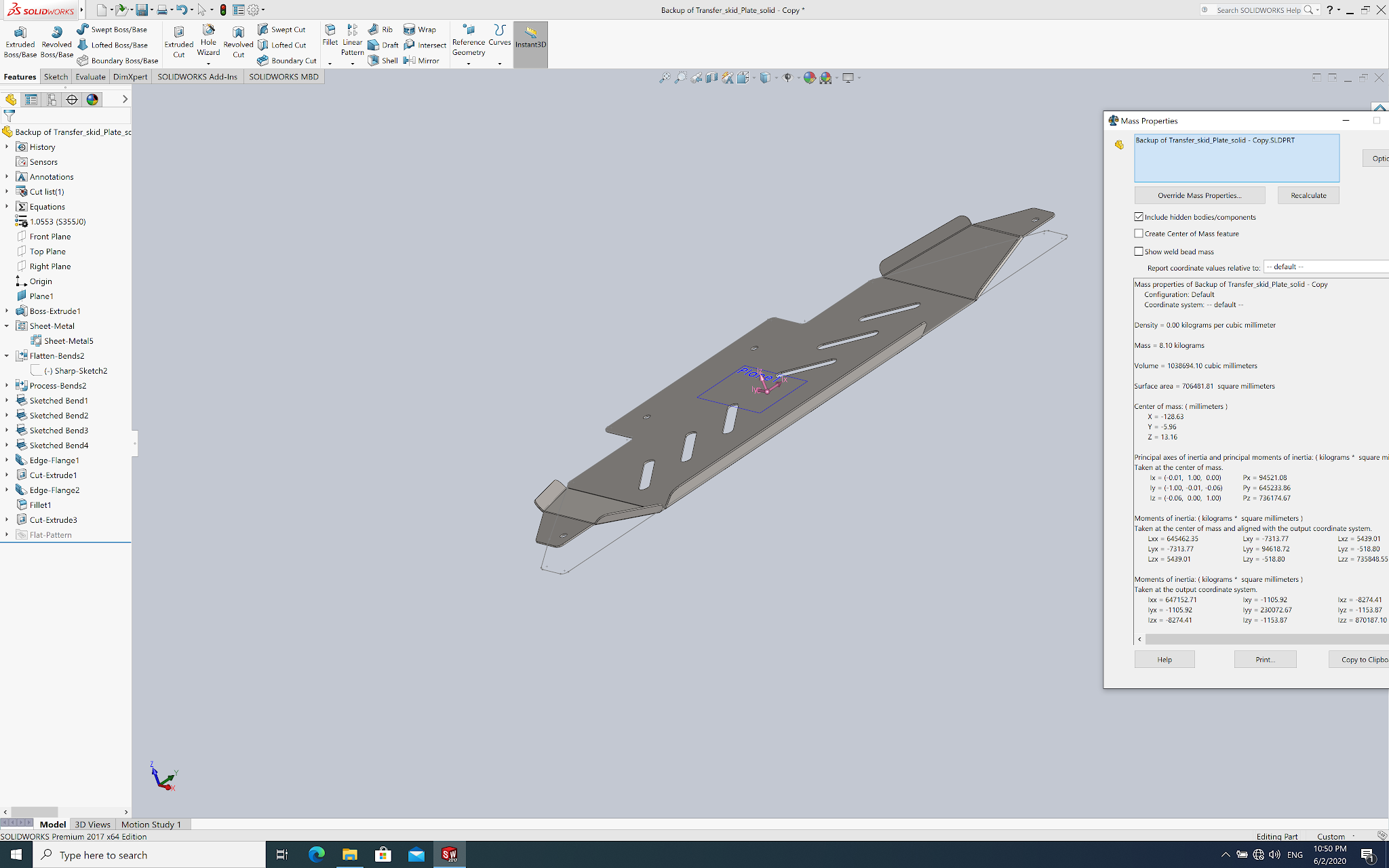
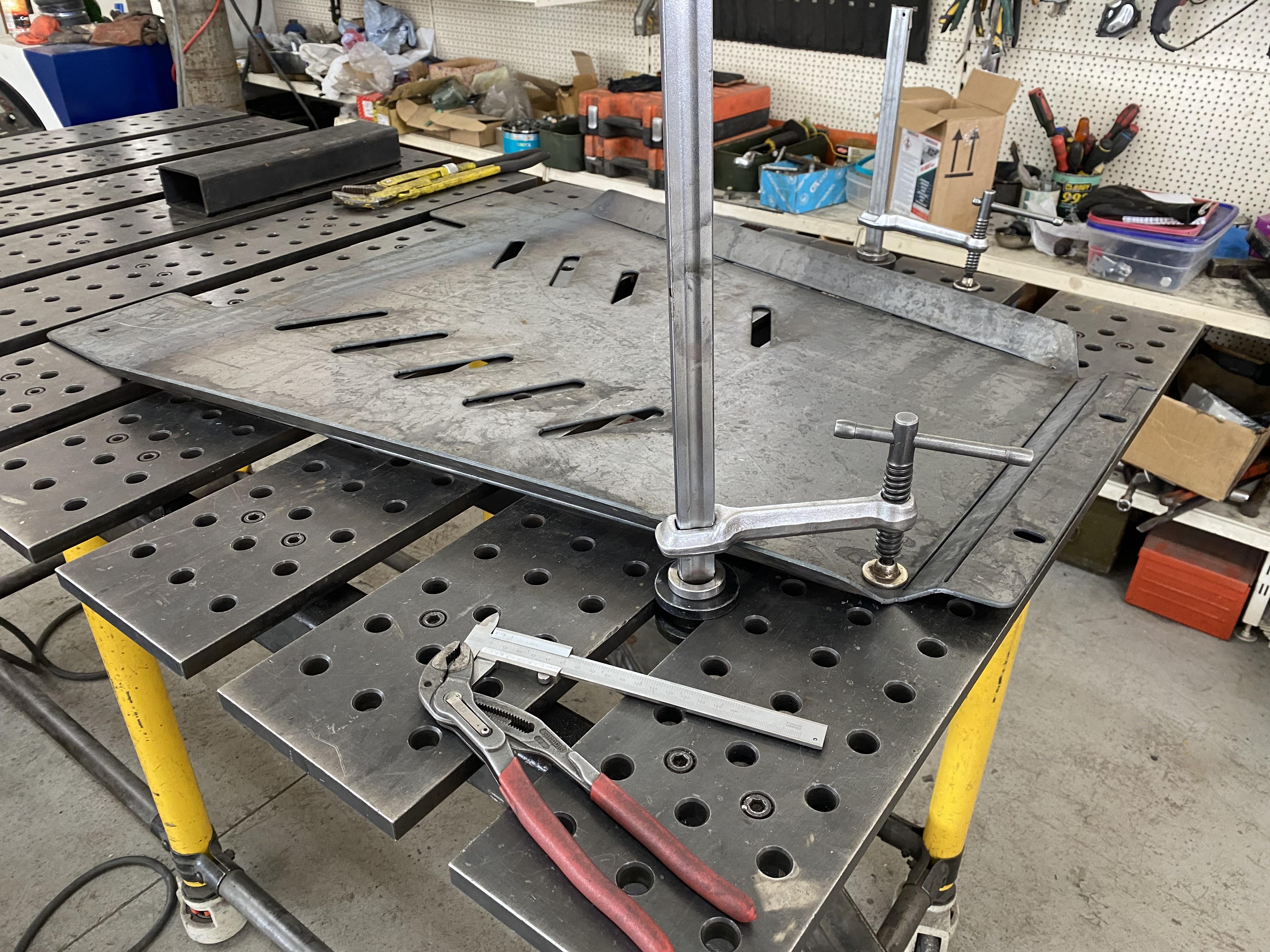
With the proper dimensions and shapes I did the final design. Happy to say that I did it myself.
The little flaps will deflect mud away (and prevent it from cleaning...) and strengthen the edges against tearing and bending. Openings for draining. I am aiming to use as many existing frame holes as possible. I had to drill 2 and tap 2.

13.6kg (28.66lb)
HkJ1WRQ.png


8.1kg (17.86lb)
mqcDbBb.png


Cutting the real deal

qqsh69H.jpg


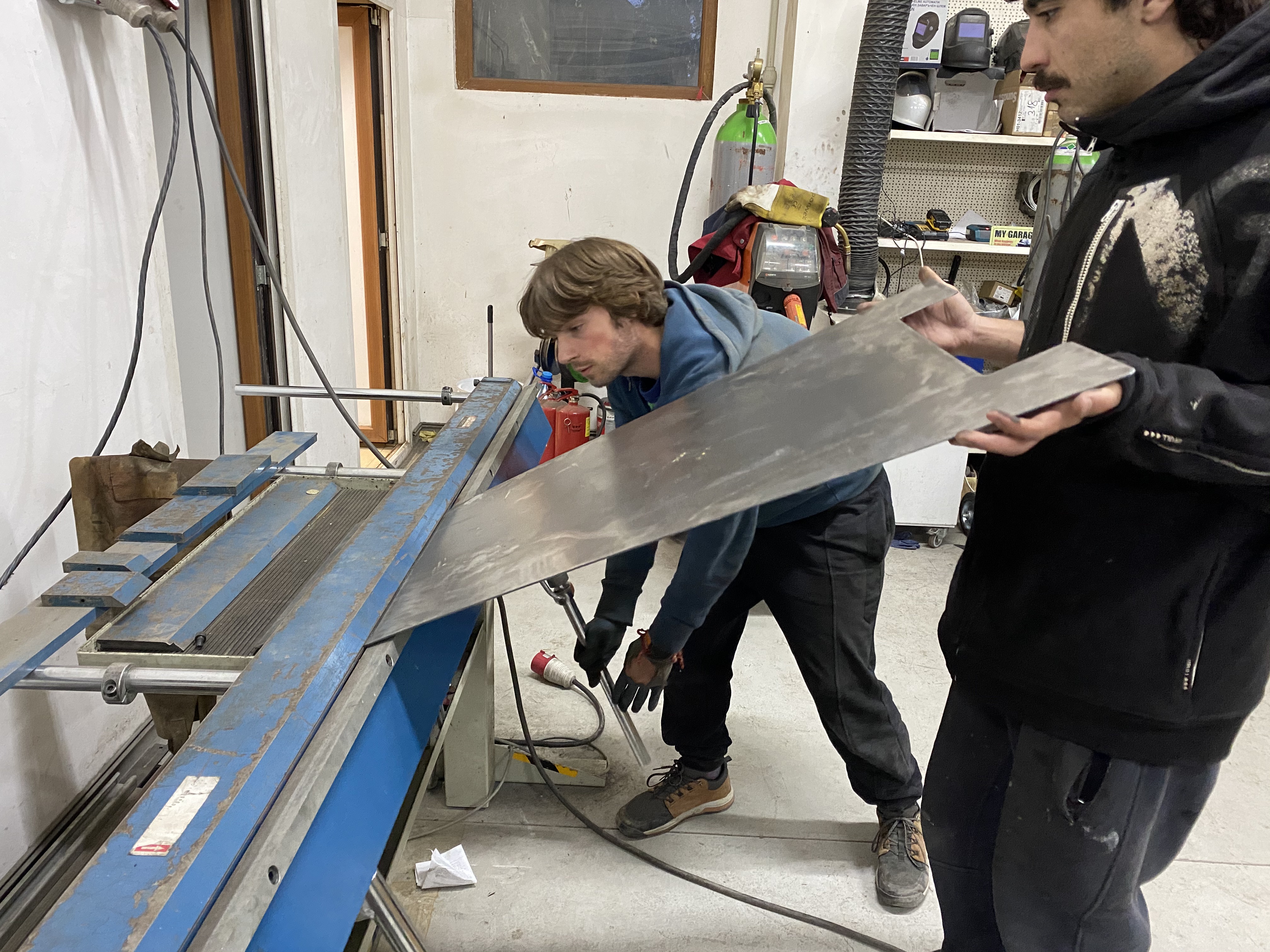
The available press brake is very weak and even 3mm of structural steel can be challenging, so the bends are pre-cut and then filled with weld, which supposedly will further strengthen the edges.

Z5wwjA3.jpg


Another round of test fits

pUh8nWe.jpg


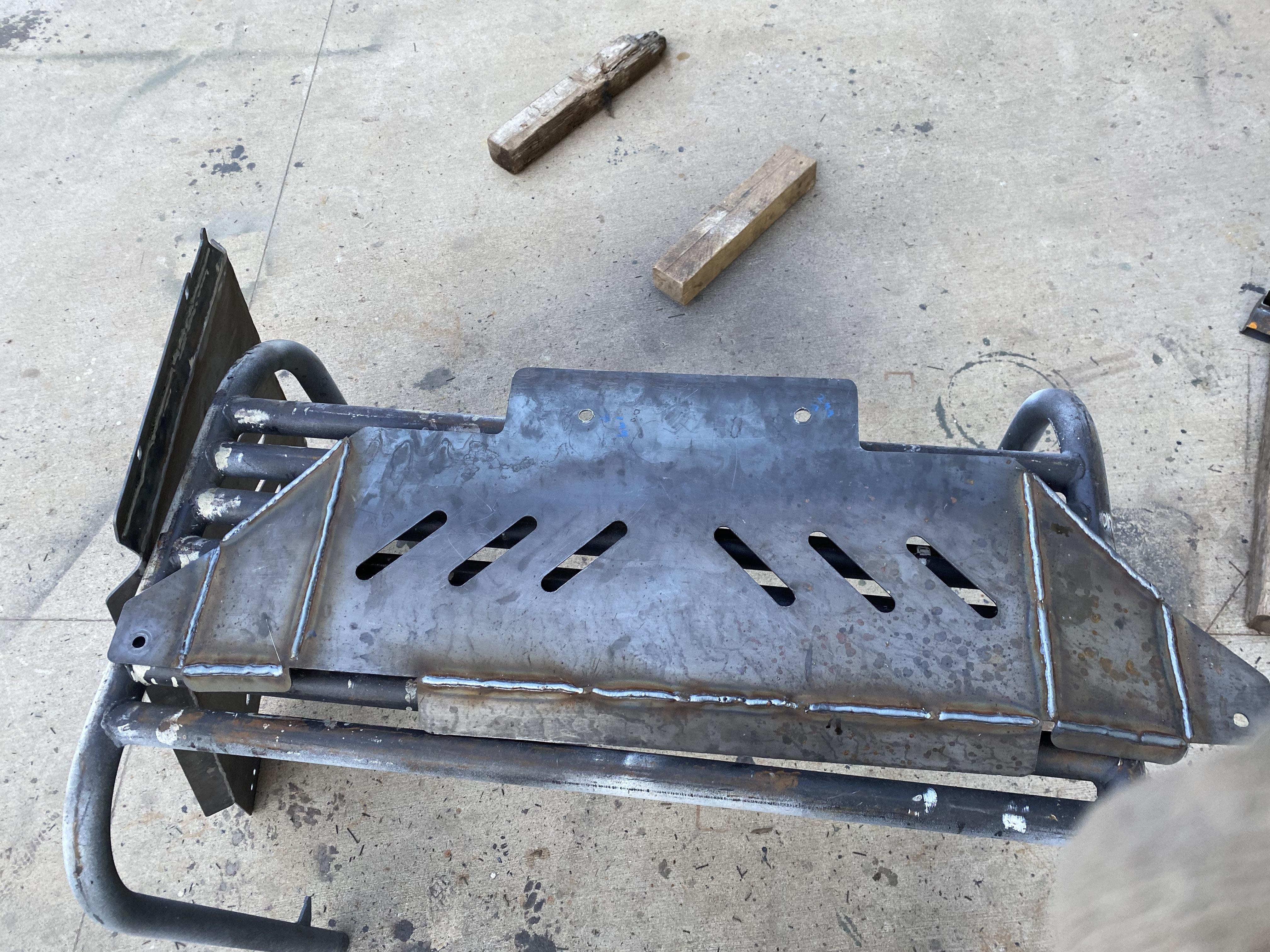
I went wild with the welding and played with most of the variables, such as voltage, gun distance, direction, speed, etc to get a feeling of how it works. If it breaks, I can quickly make another one. Better.

6qdnIWY.jpg


It took me from May 2nd to Jun 4th to get from the cardboard cuttings to this stage. I spent maybe 6 or 7 days on this project. Cost me another 35 Big Macs.
 
Last edited:
And THAT boys and girls, is why we pay several hundred dollars for "just a flat piece of steel". ;-) So much time in the R&D&P (prototyping). But such a cool outcome! Great work.
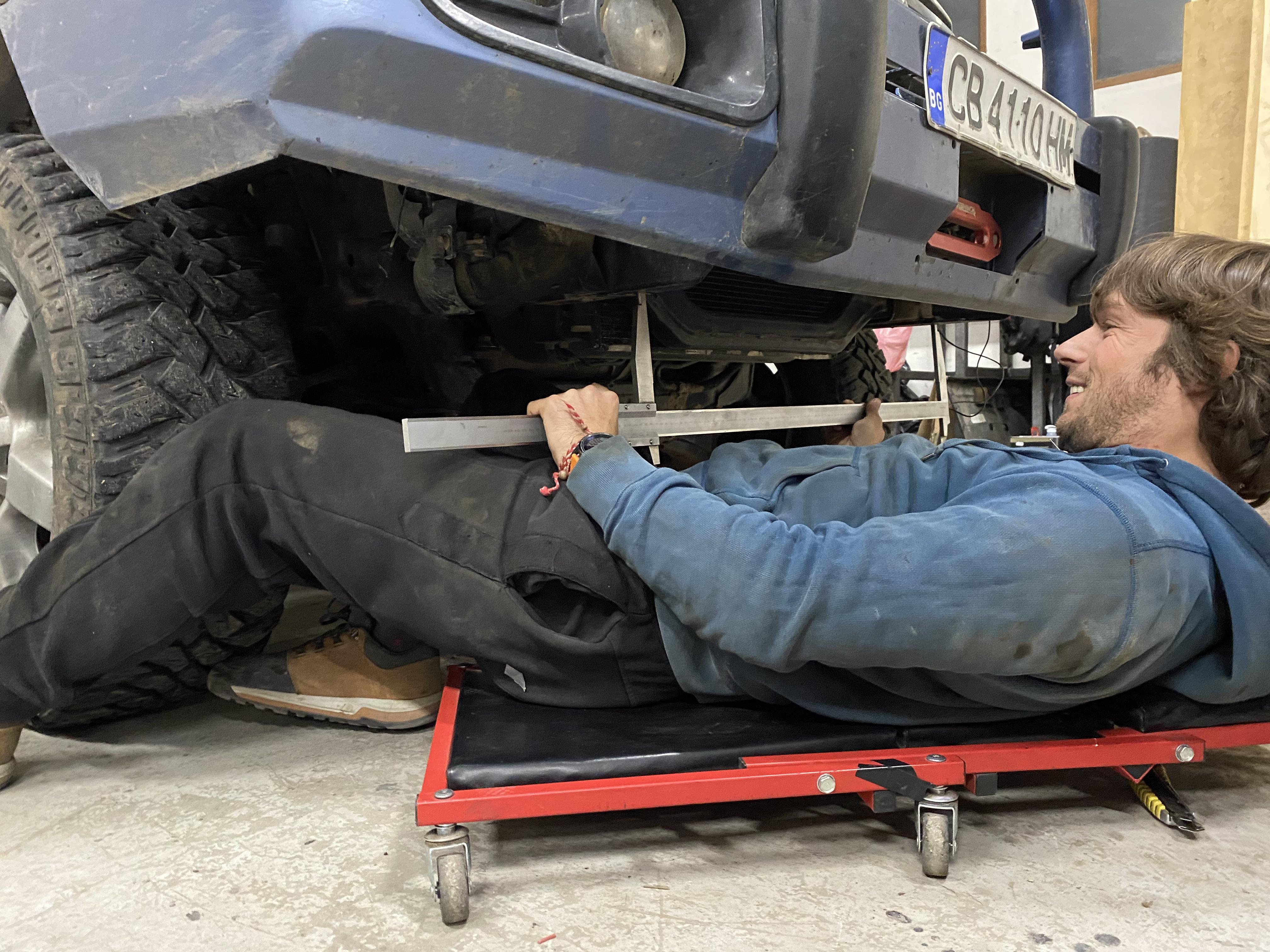
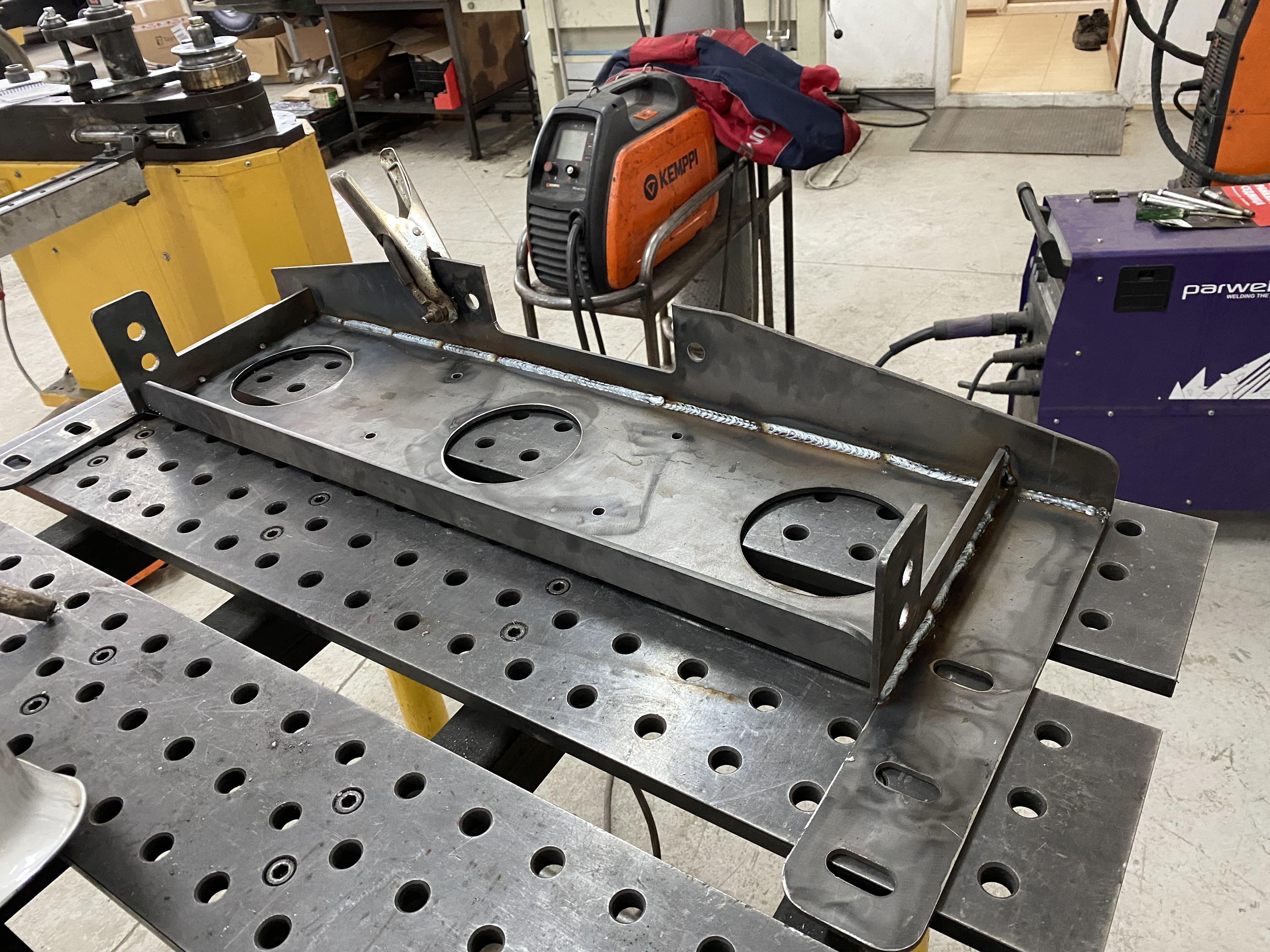
 
Together with the bash plates I tackled the winch cradle. This has to be one of my favourite new tools - 1m wide calipers :D

diAlrnF.jpg


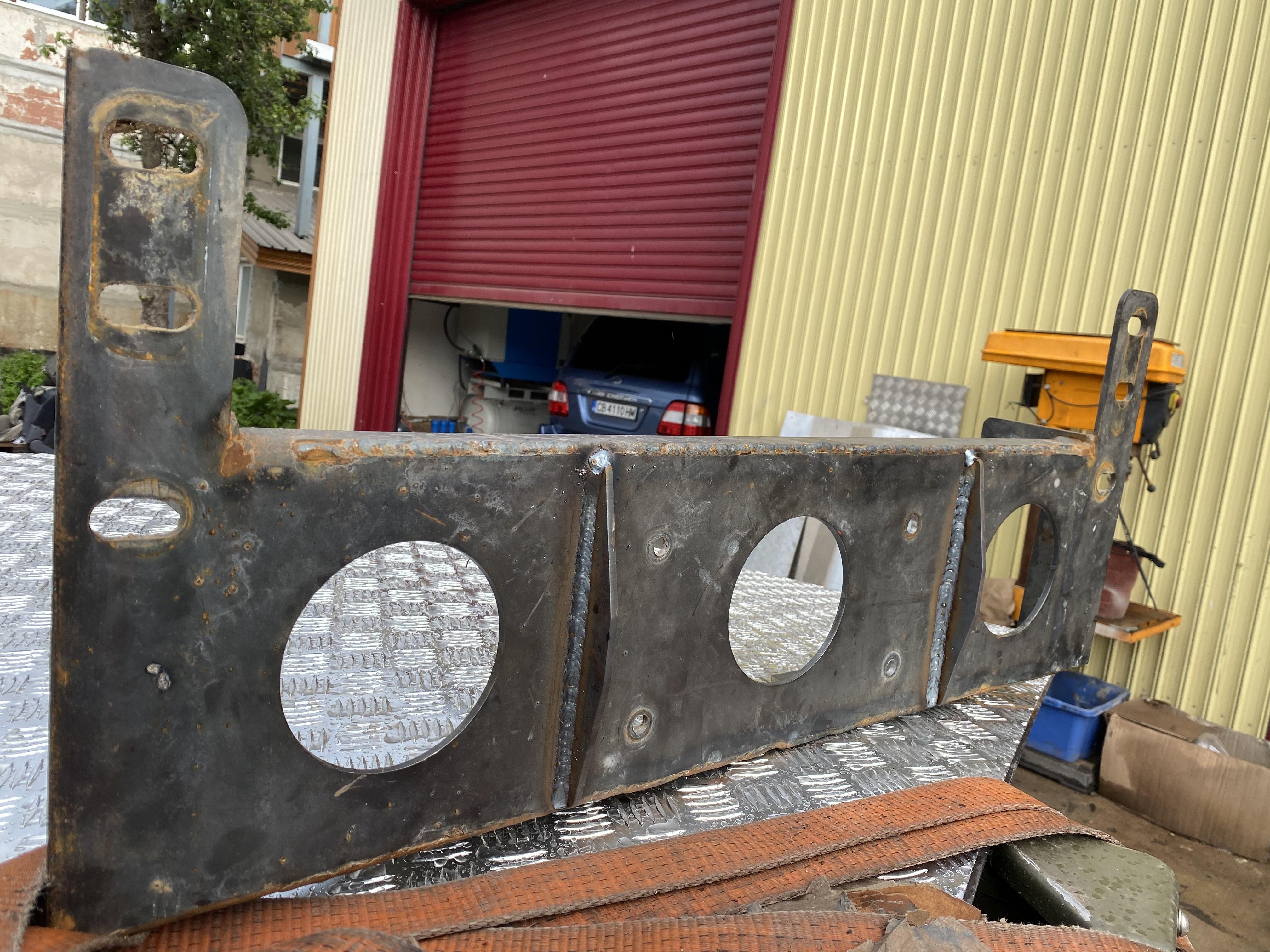
I re-used a design that my friend has been using for a number of vehicles. It uses only existing holes on my chassis - 2 vertical, 3 horizontal per side. 5mm S355J2 structural steel again.

4RIfaia.jpg


Test fit with the winch

ra7aMkS.jpg


With additional strengthening brackets. I am getting better with the MIG

edLI6aQ.jpg


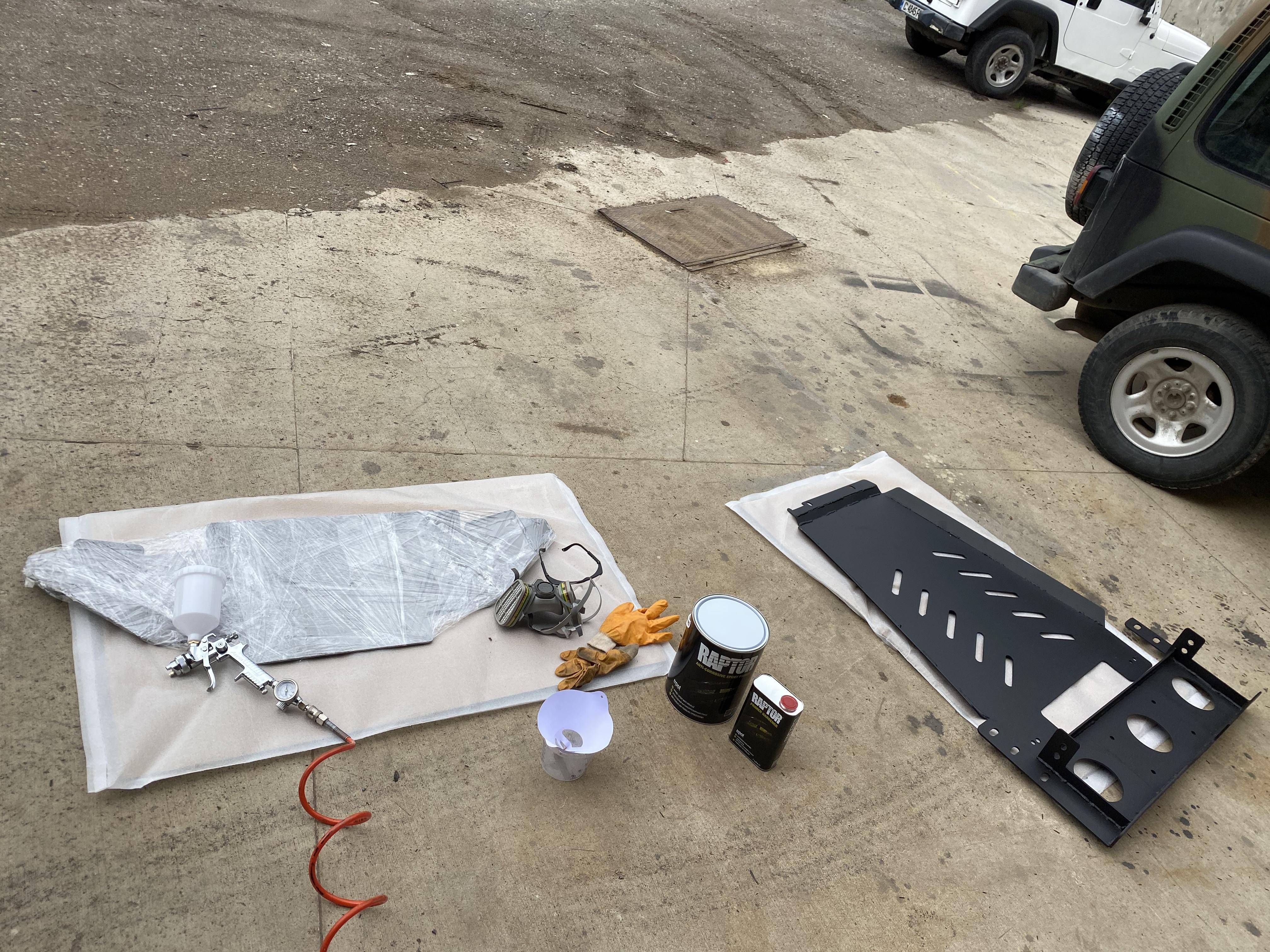
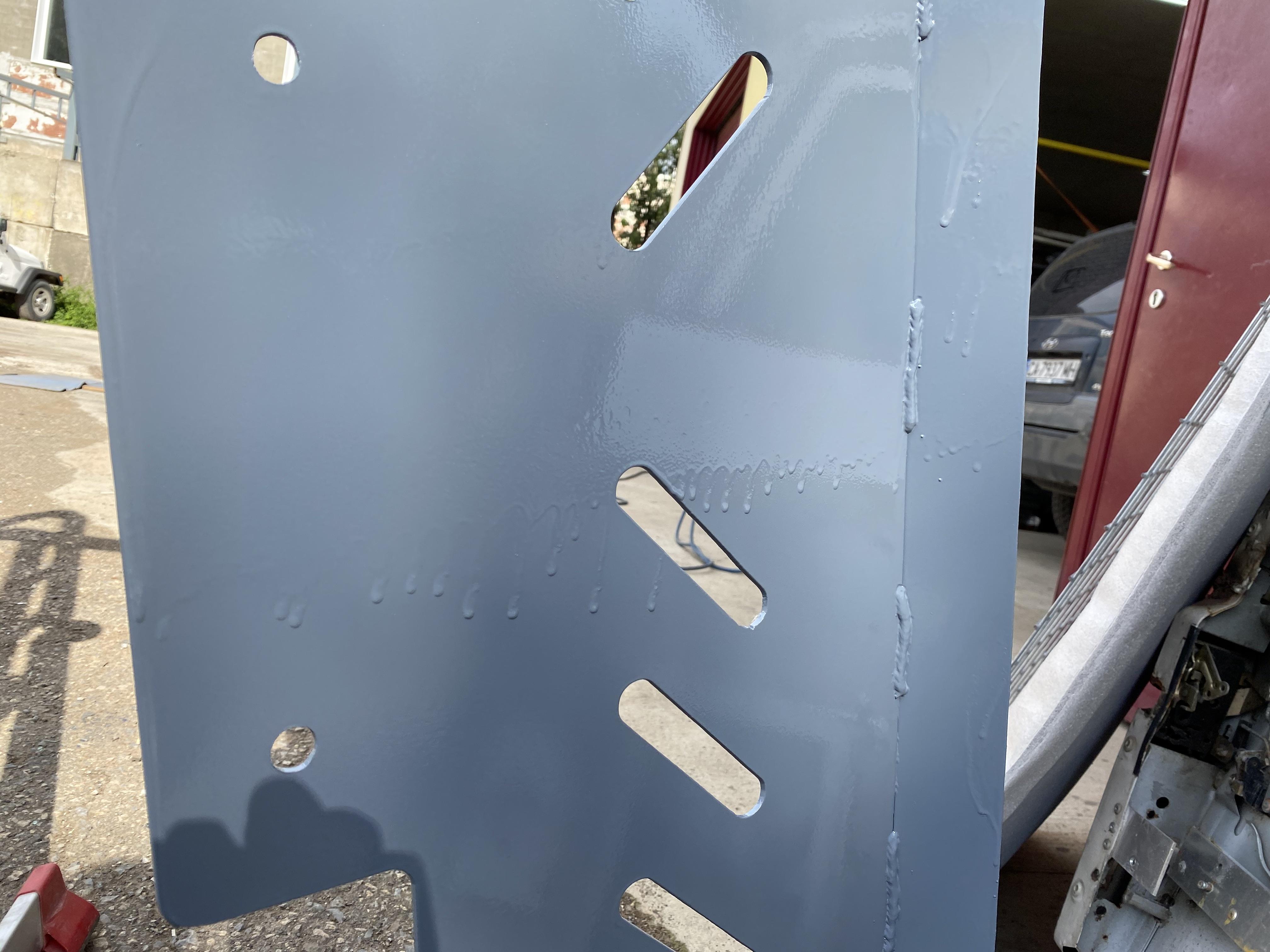
I sent it for blasting with the bash plates. The cradle and the big plate on the right got the cataphoretic + powder coat treatment. I used epoxy primer + Raptor for the small plate for the transfer case on the left.

It will be interesting to see how well the two different coats handle abuse.

9FicPyE.jpg


First time using a paint gun. This will take some getting used to, but should be good enough for a bash plate...

1lHxvjh.jpg


The Raptor is way way way more forgiving. Point & shoot.

1PQSpDZ.jpg
 
Last edited:
So about that...

05TujfF.jpg


I was alarmed at how quickly rust was taking over and figured early on that to lastingly deal with it you have to eradicate it. No half measures and rust converters. My intention is to keep the car for at least a few years, may be 5 to 10 years and would prefer it not to be a rust bucket by then.
The COVID thing threw a wrench into all kinds of plans - the idea & budget for the vehicle was completely different - getting a tent and a fridge and some other pieces of equipment and go camping throughout the summer. Ultimately we were planning to ship to Argentina in time for the December 2020 eclipse and drive the continent for a while. Obviously none of that could happen which left me with a lot of free time and car budget.

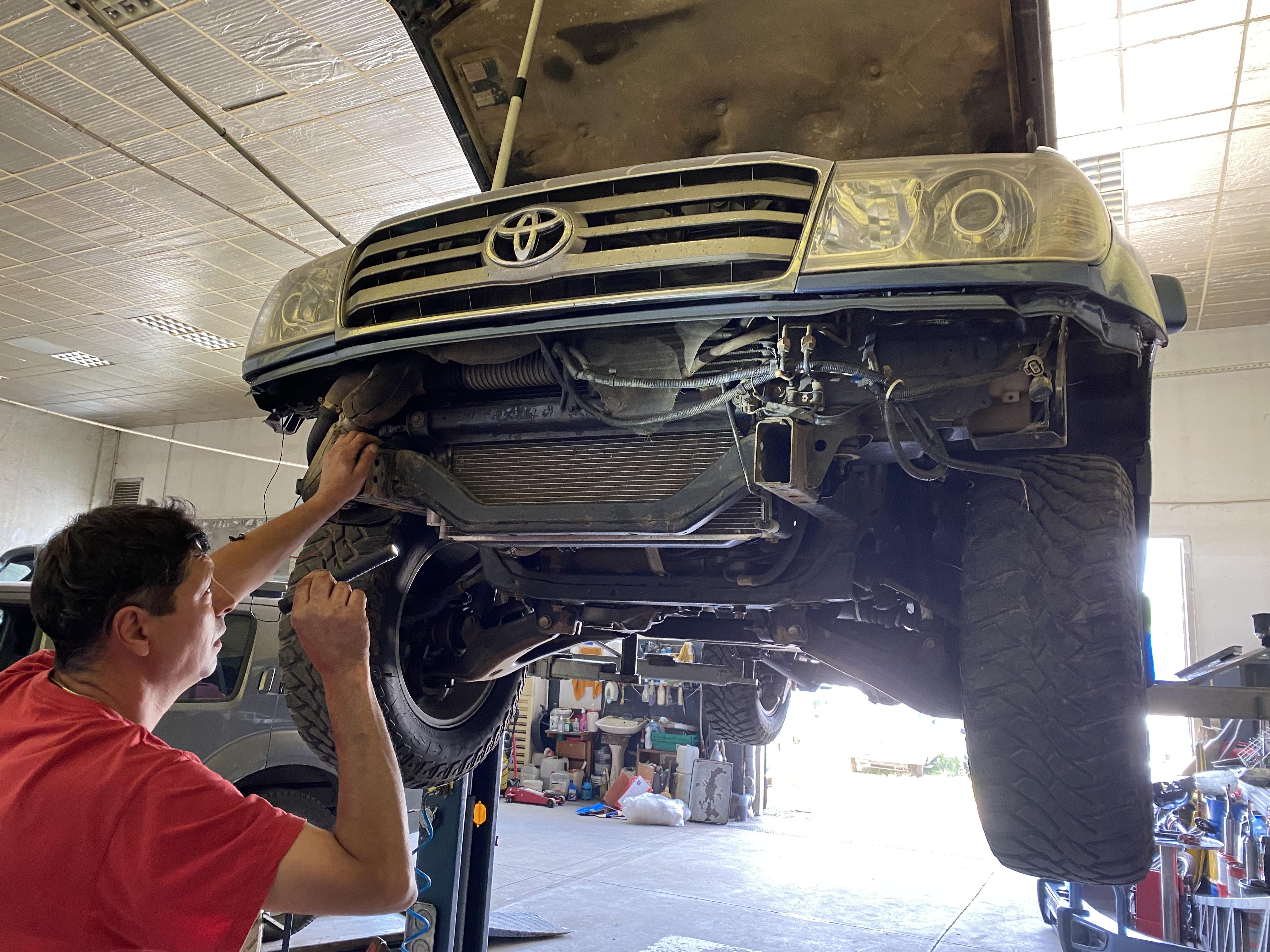
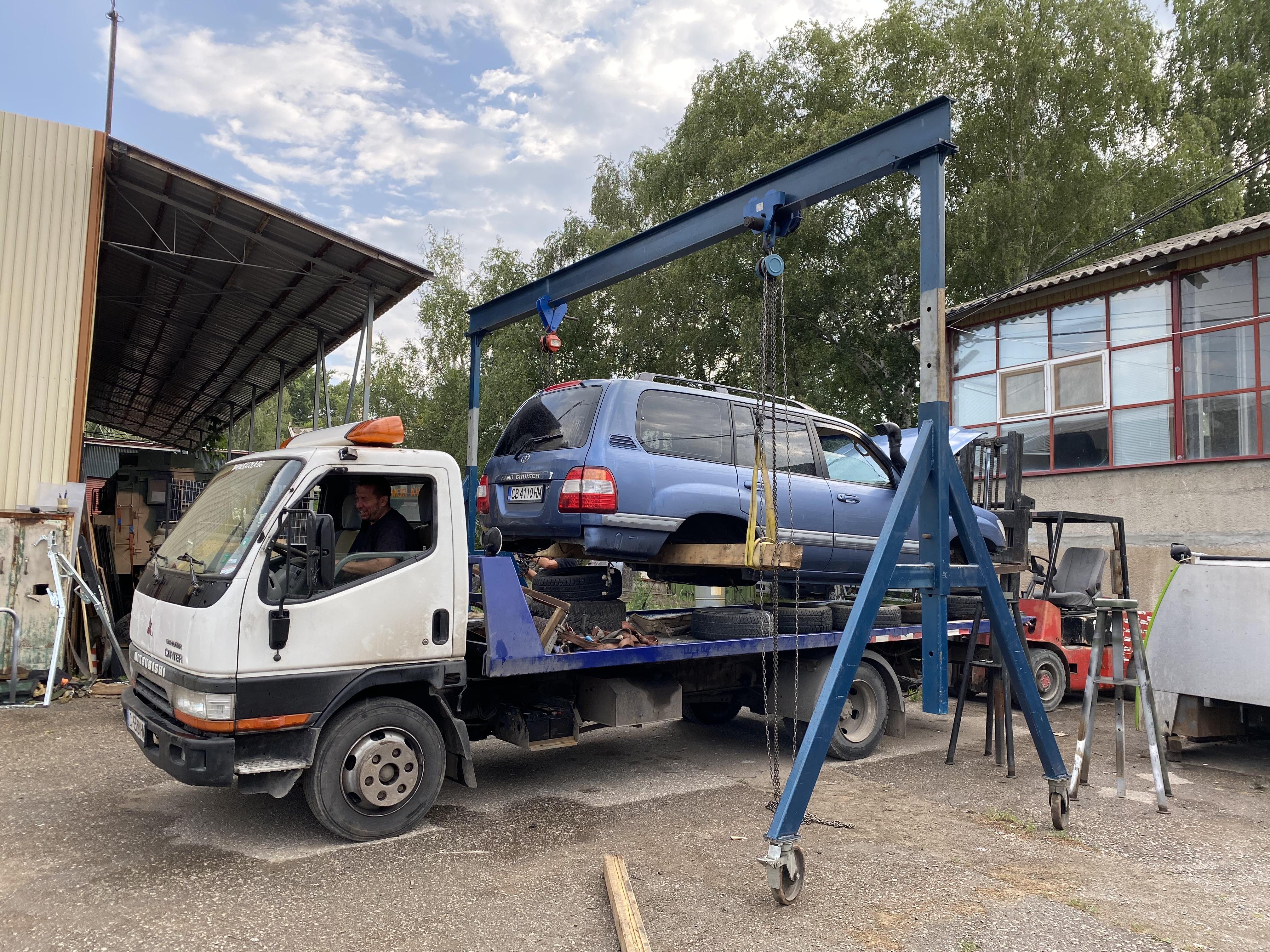
For the most of the mechanical work in separating the body and chassis and stripping the chassis down I used the services of one of the very few Land Cruiser specialist around. He also wanted everything gone from his workshop, which was a challenge.
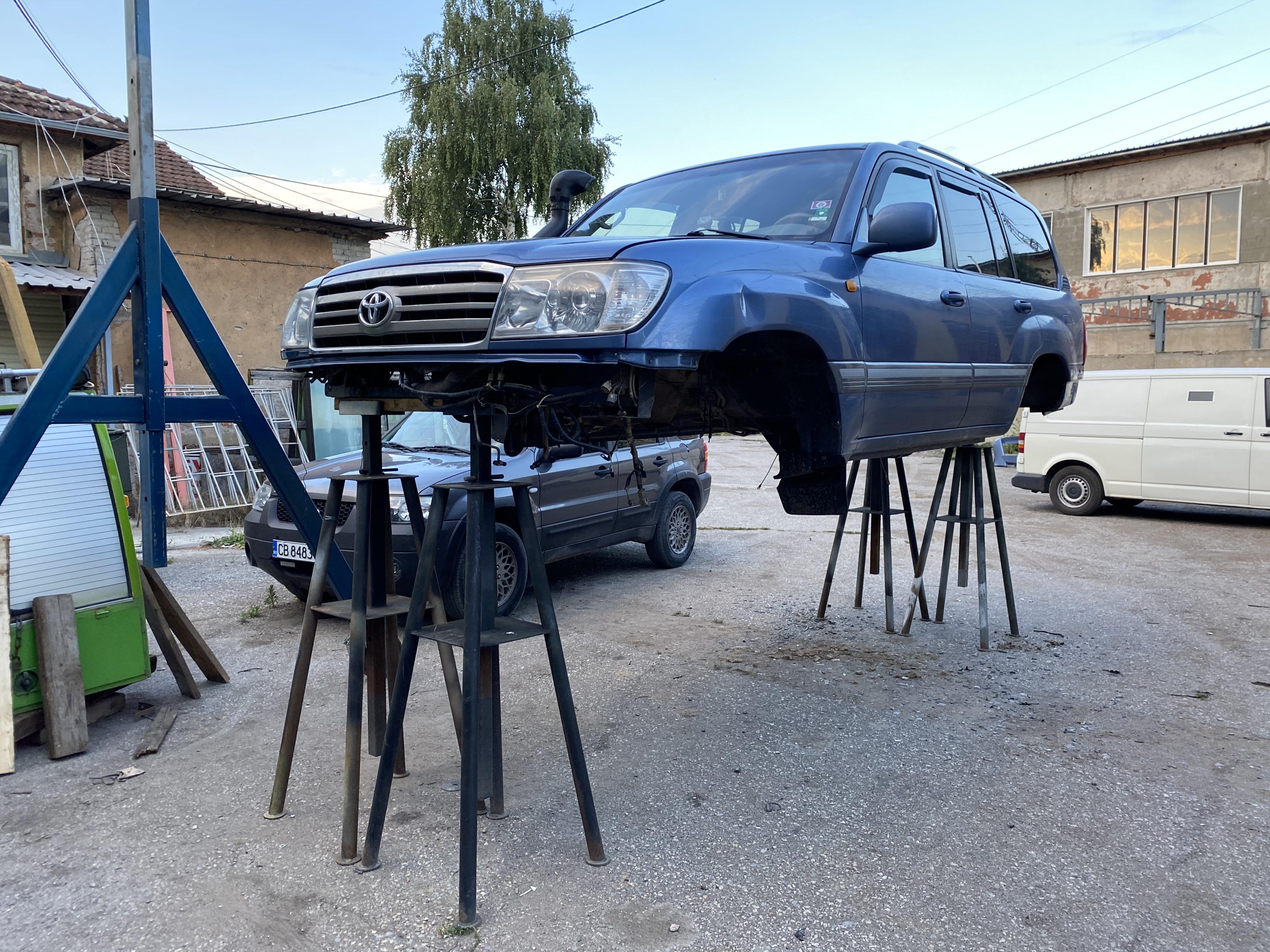
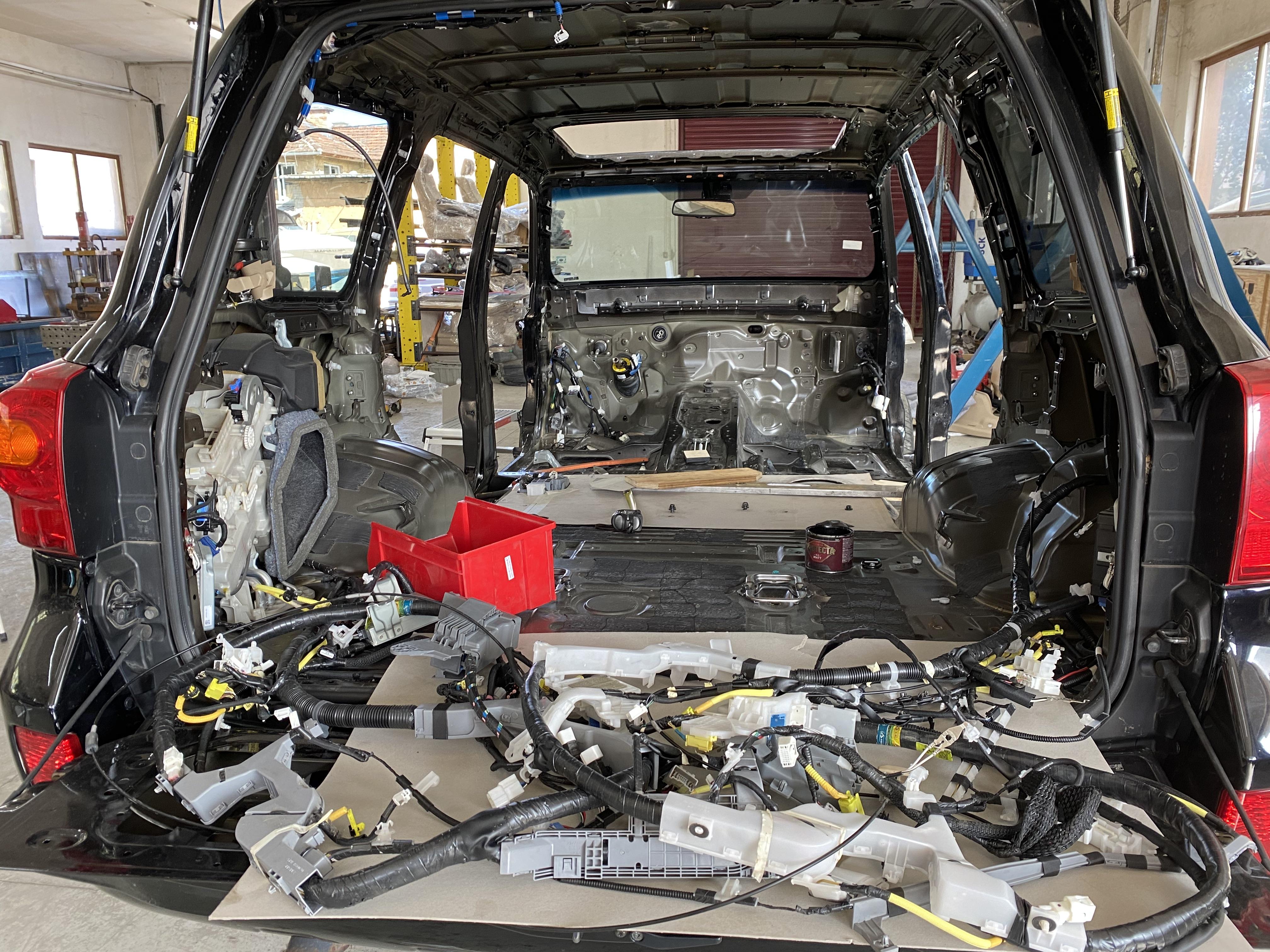
Lifting the body is pretty straight forward. Unbolt 10 body-frame bolts, unclip a lot of connectors, disconnect a few hoses and that's about it.

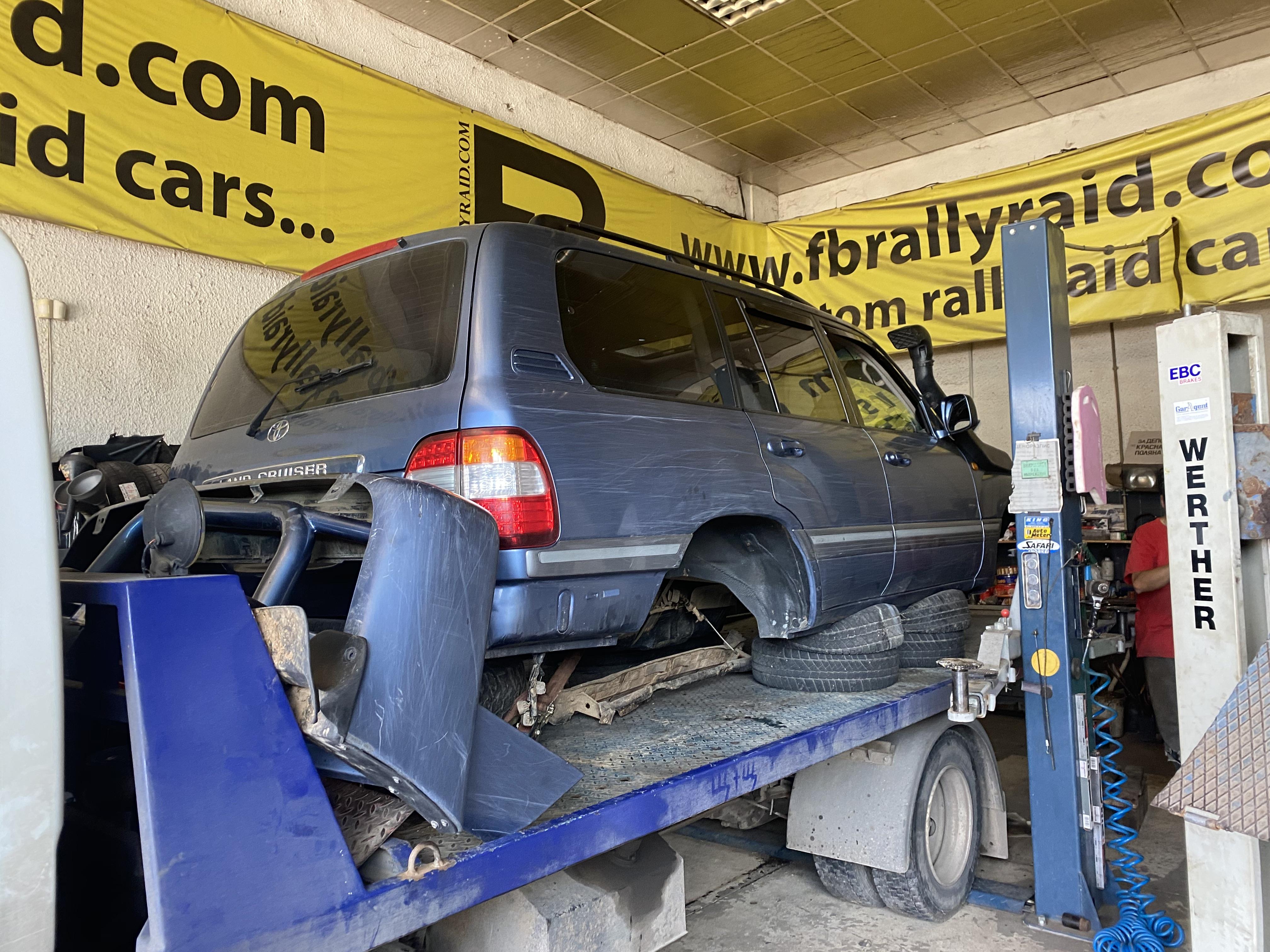
ZSsnvCd.jpg


The body was ready for pickup in just two days

svqNgOI.jpg


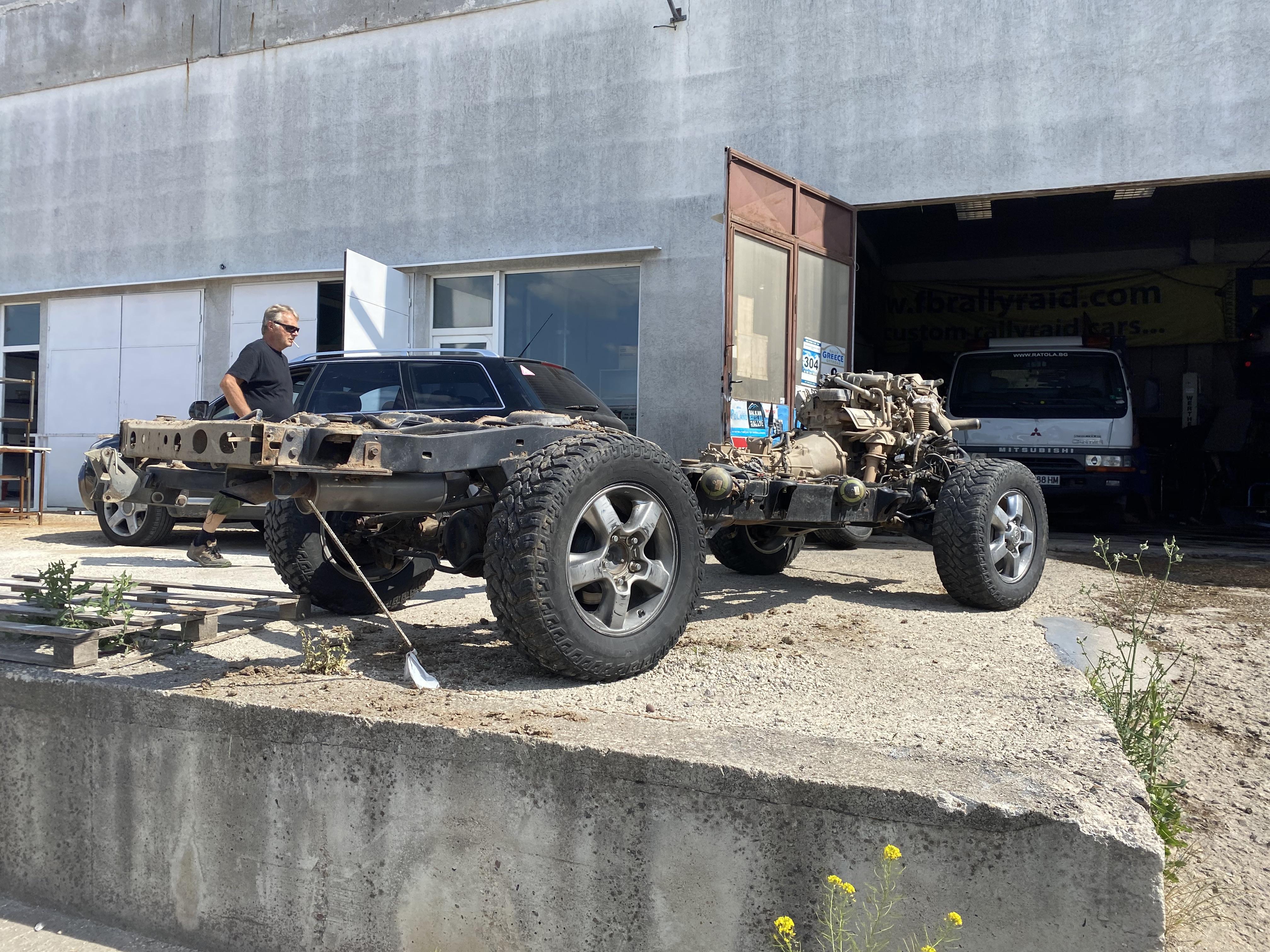
Another view of the chassis with the 1HD-FTE and A750F and the AHC.

aHd0P8Z.jpg


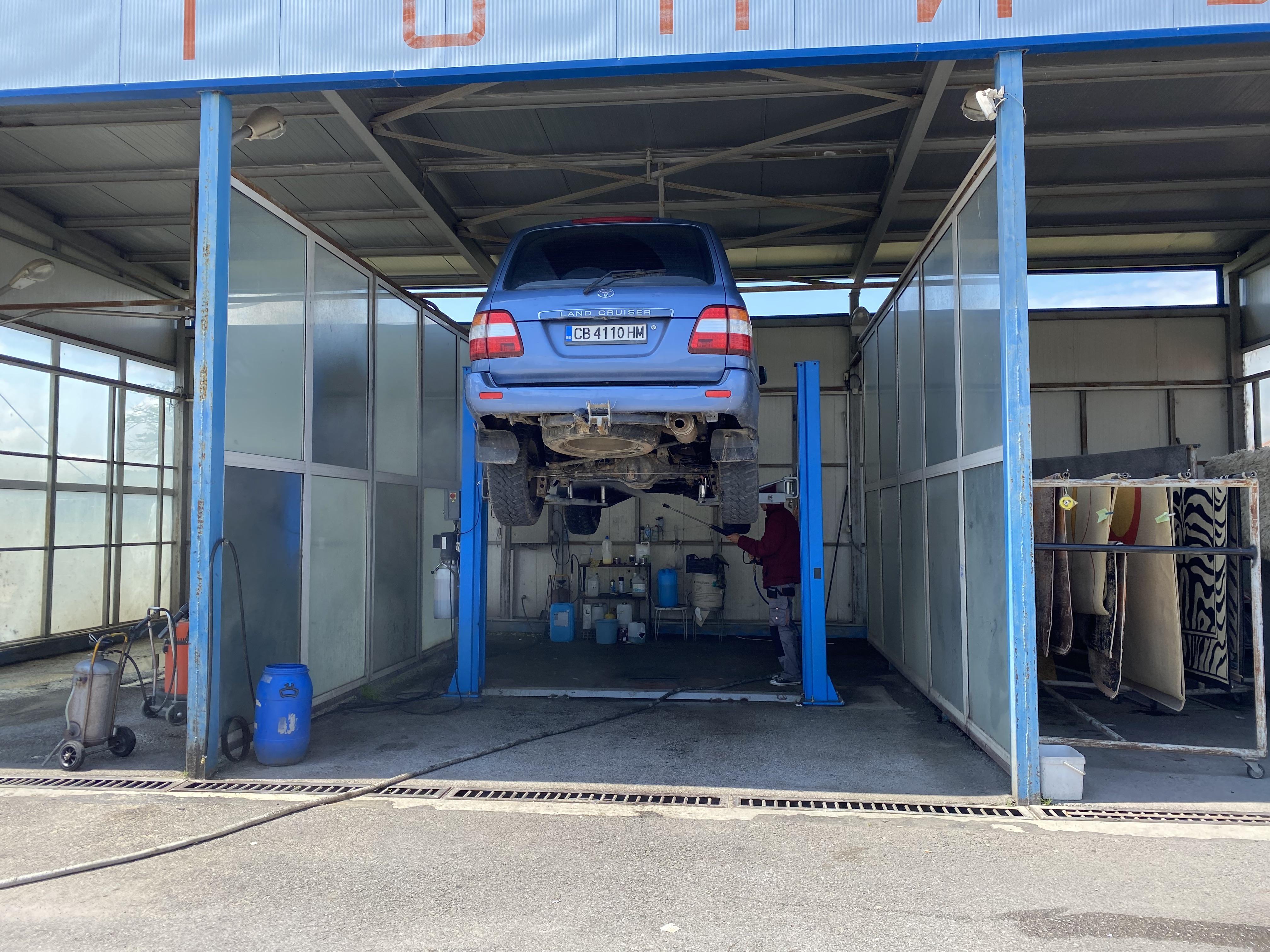
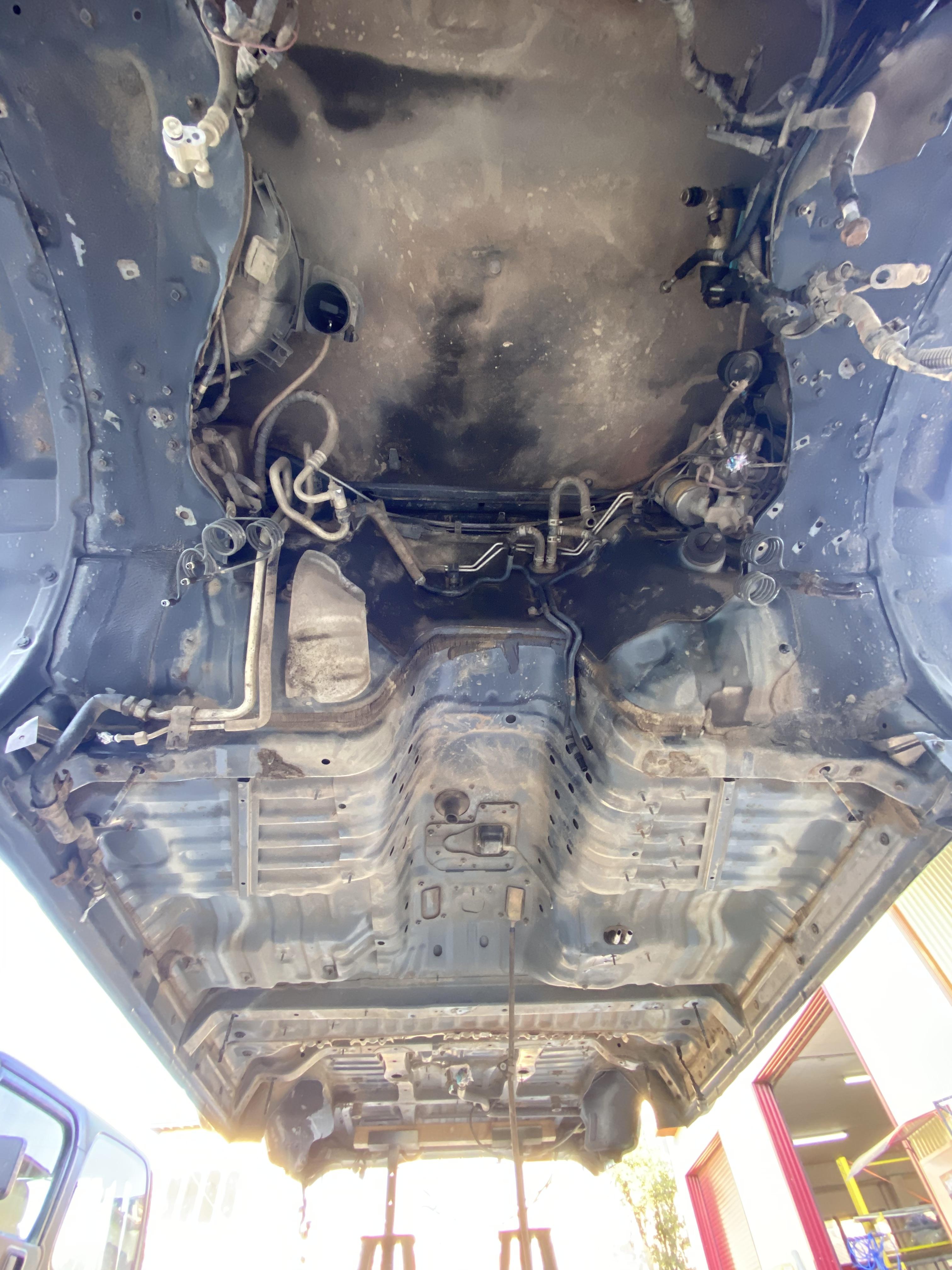
Notice how there is a whole lot of mud in the rear? Before starting the disassembling, I had it thoroughly cleaned from underneath until it was spotless. That mud is close to impossible to clean normally.

unQ5FOA.jpg


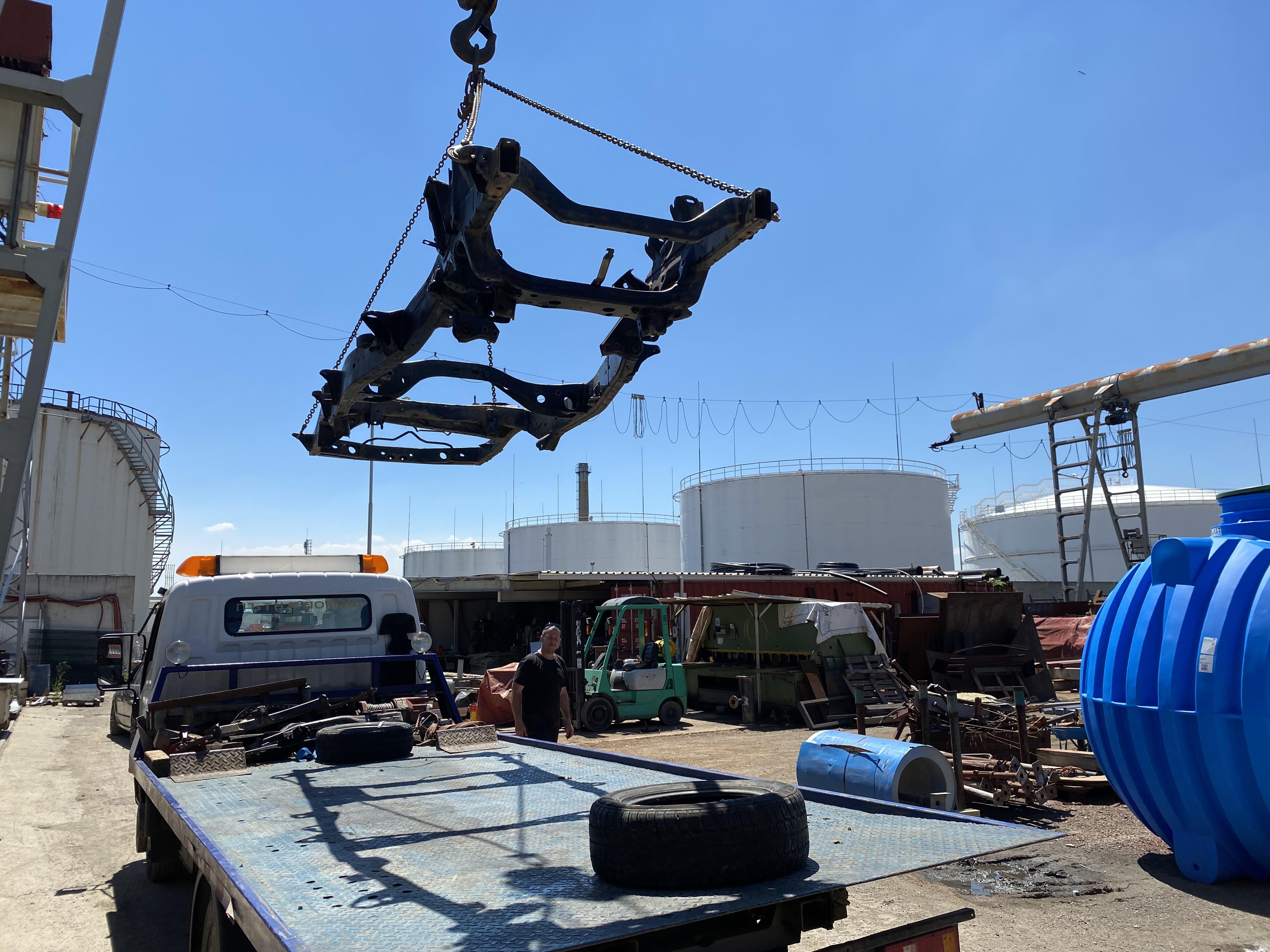
So back to the chassis. I had to store it for a few weeks and do some work underneath, so I put it in my friend's workshop yard.

kW3Vkfb.jpg


Honestly, the whole thing looked like madness to me. I can't believe that actually worked 😃

v6gUIUk.jpg


But it ended up pretty well

2MD0iqD.jpg


From engine bay towards the back

cUKwNkd.jpg


A few days later, the frame was stripped. It went straight to media blasting.

beJnTPW.jpg


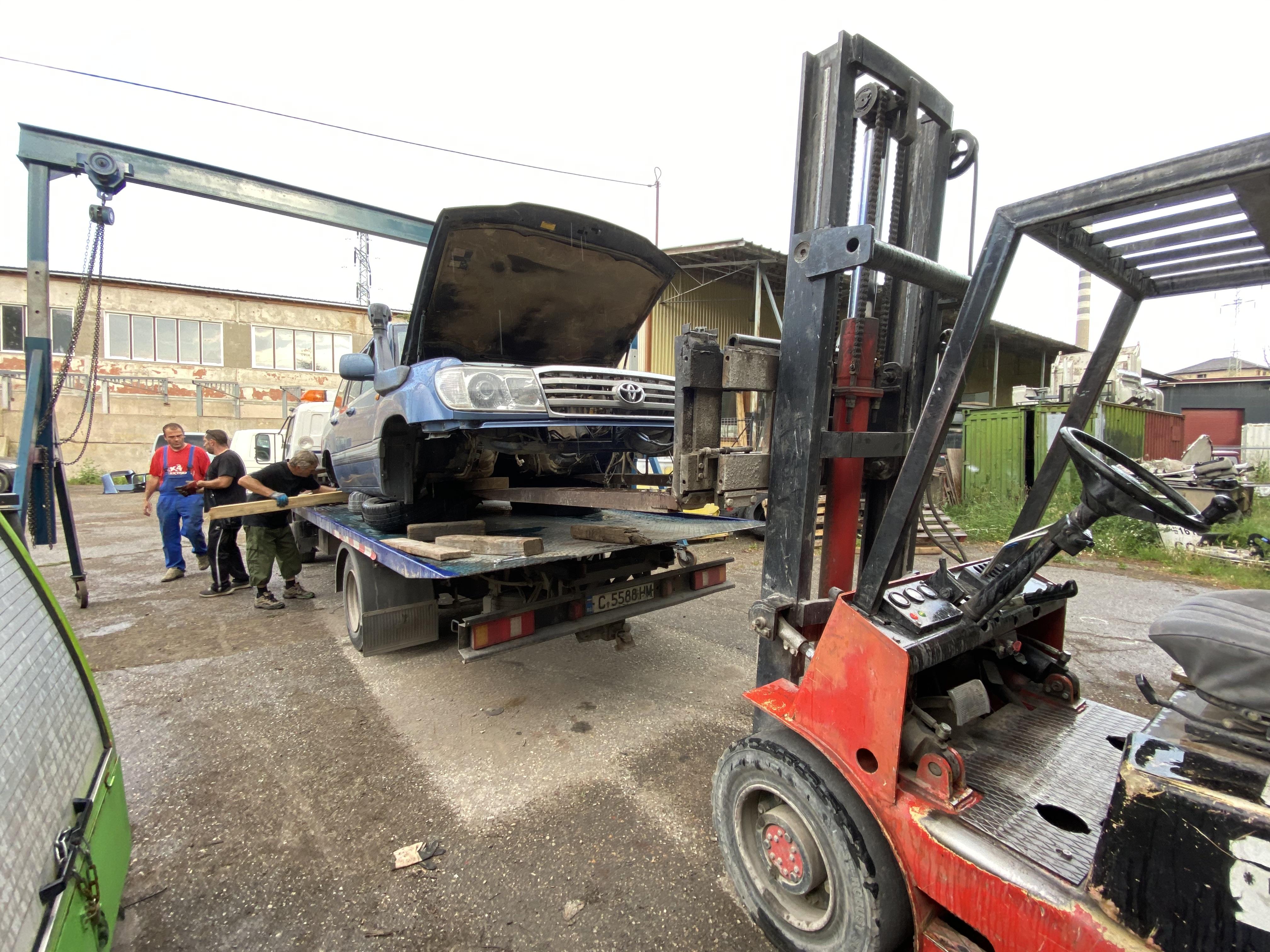
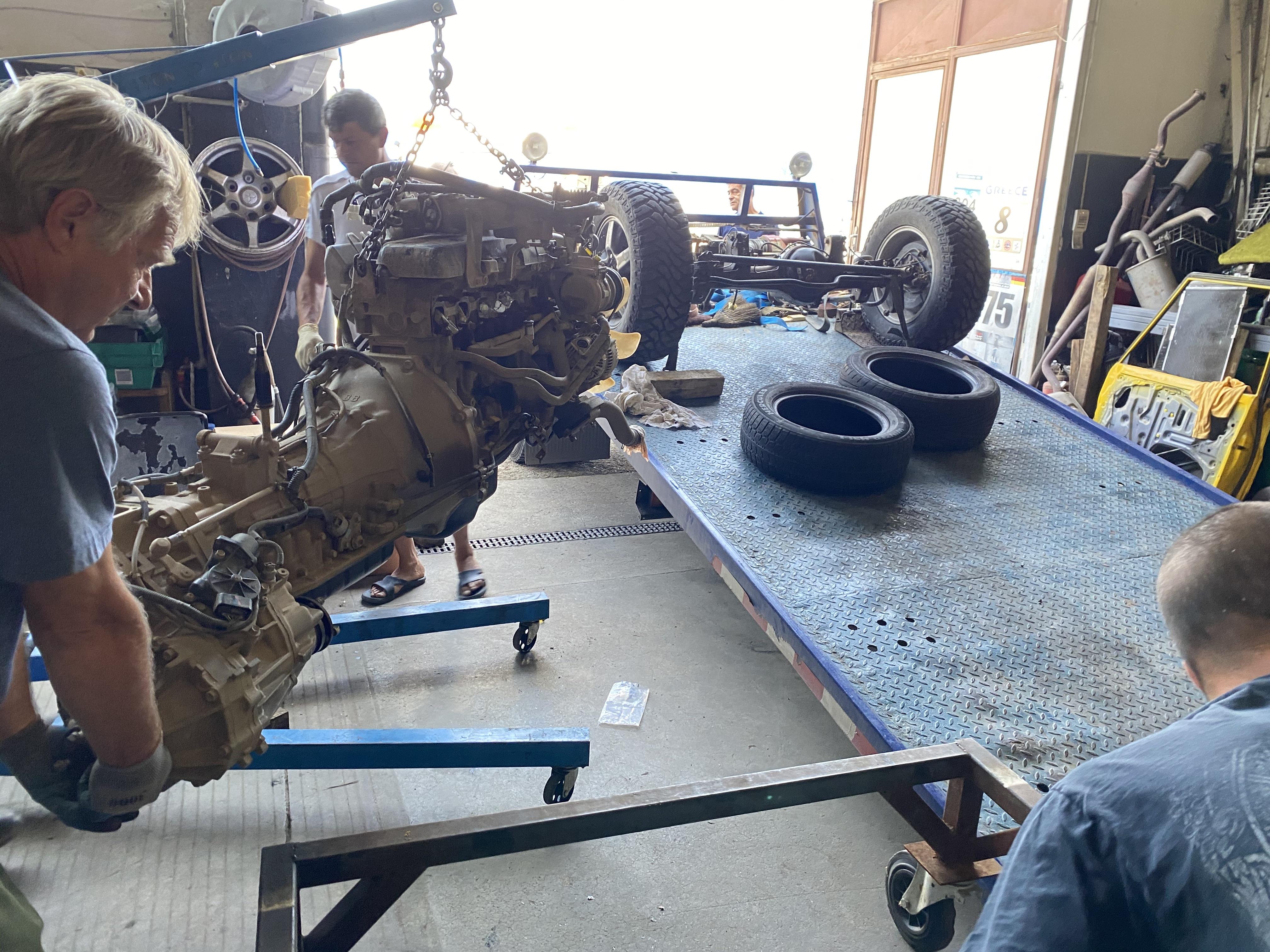
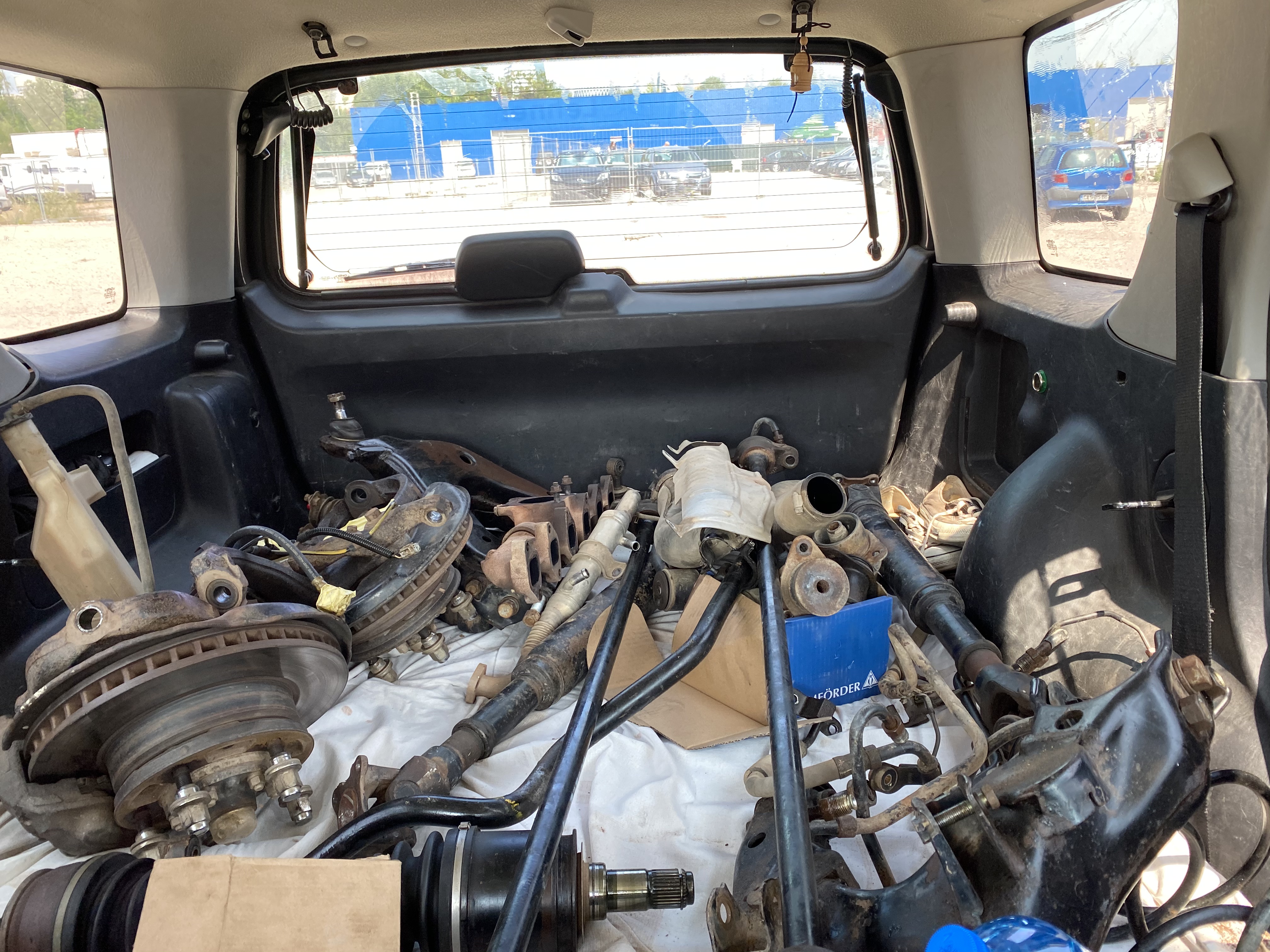
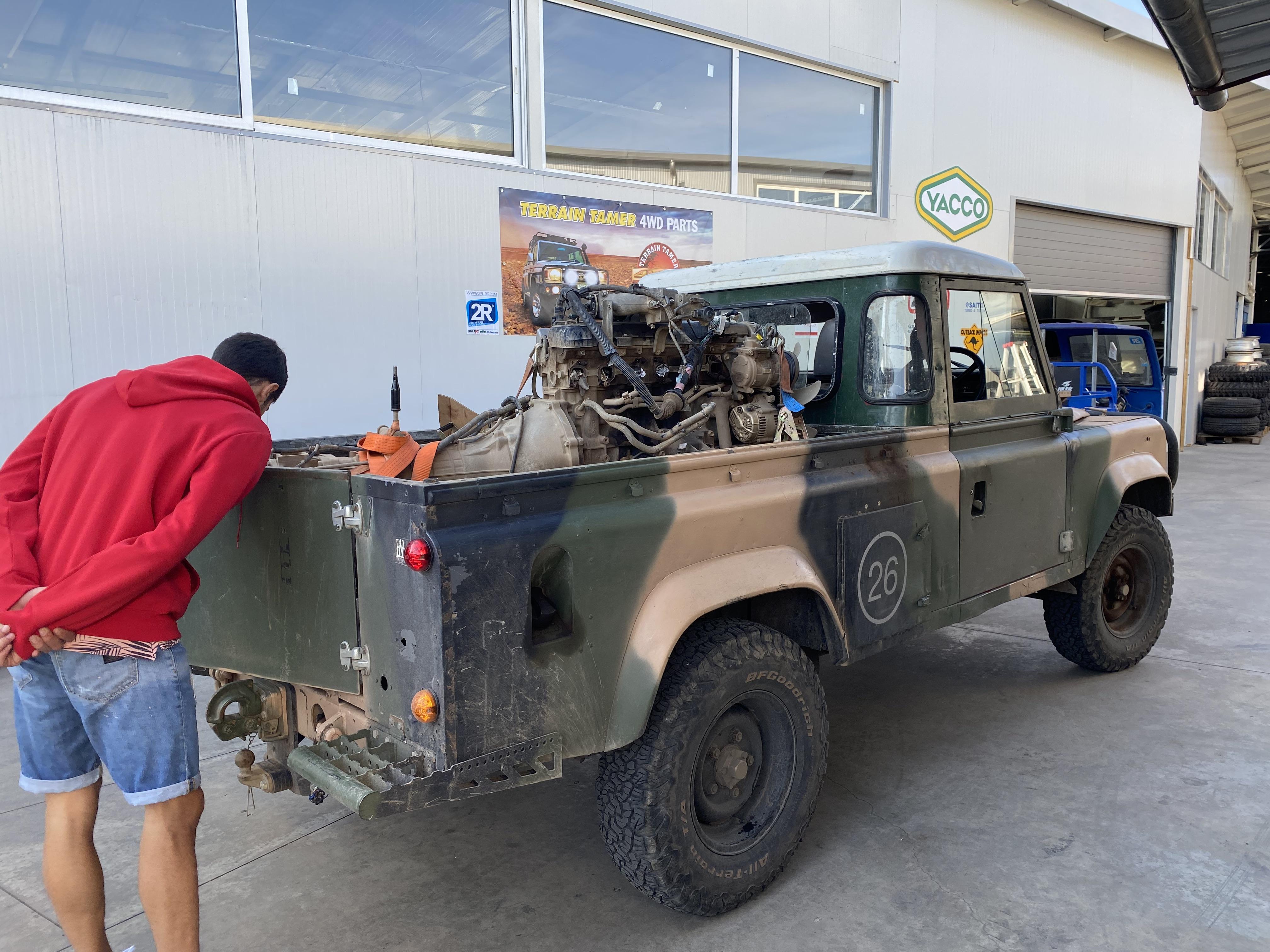
I had to take the rest of the car. The engine mated to the gearbox is enormous. At least the flatbed is equipped to hold axles (:

bR8hXZk.jpg


That's a 100 series frontend

gdPEM2i.jpg


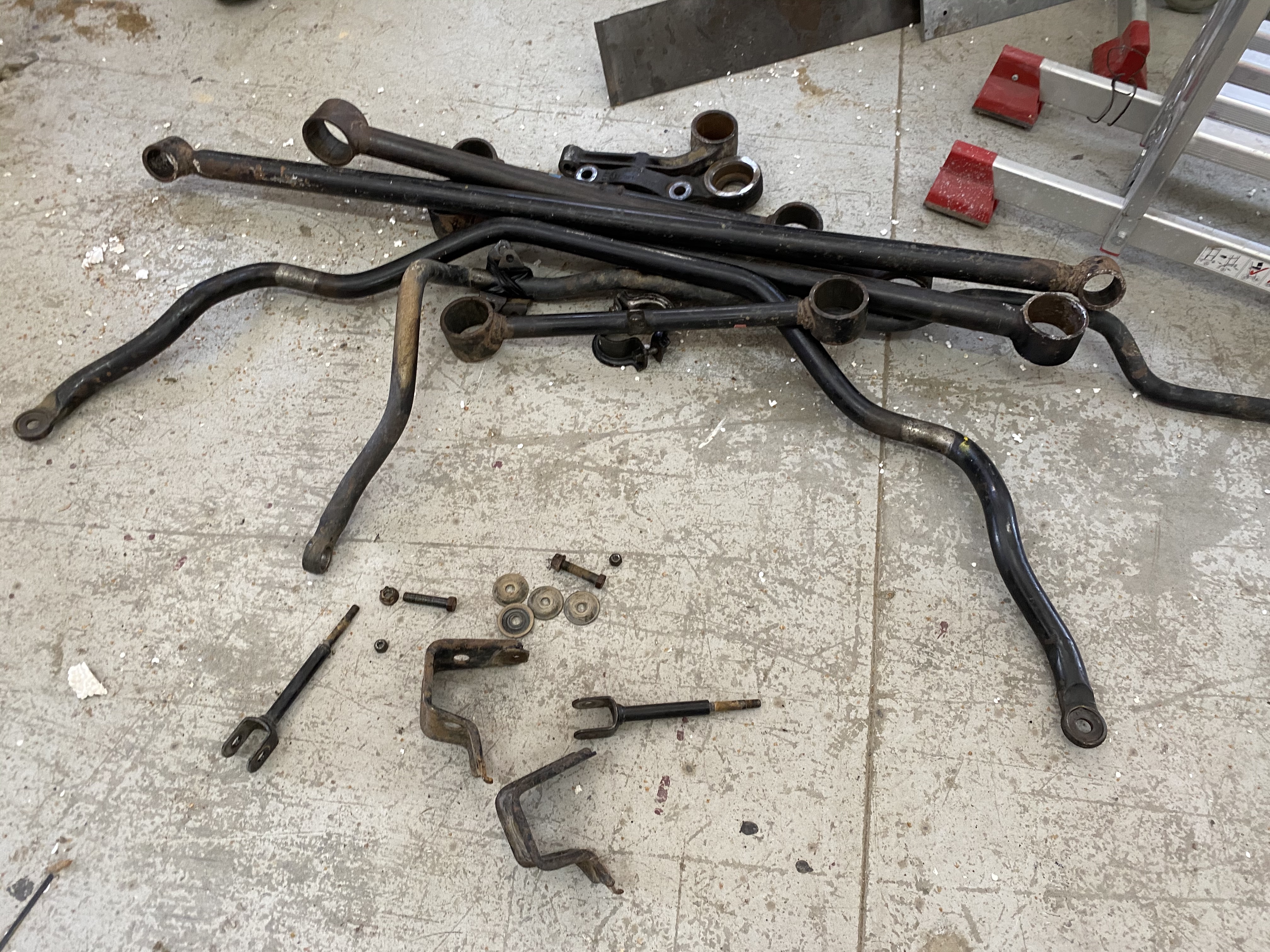
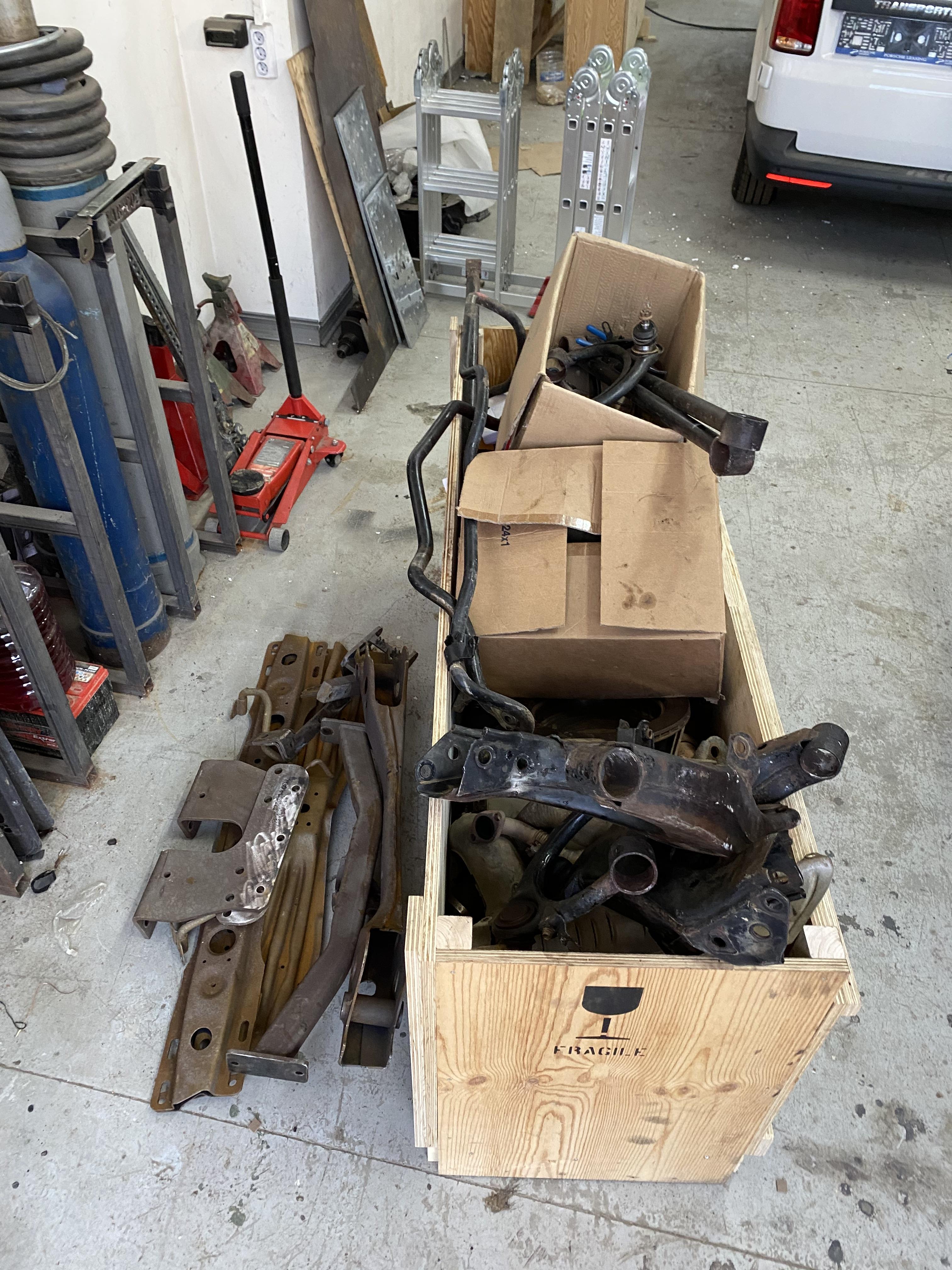
All new bushings EVERYWHERE

PTMRd6k.jpg


Imagine if Ikea were selling Land Cruisers!

dgzdUTD.jpg
 
This is awesome. My truck has body rust issues and I suspect it always will. The time, care and money your truck is getting is just plain awesome to see.
 
This finally brings us to present day.

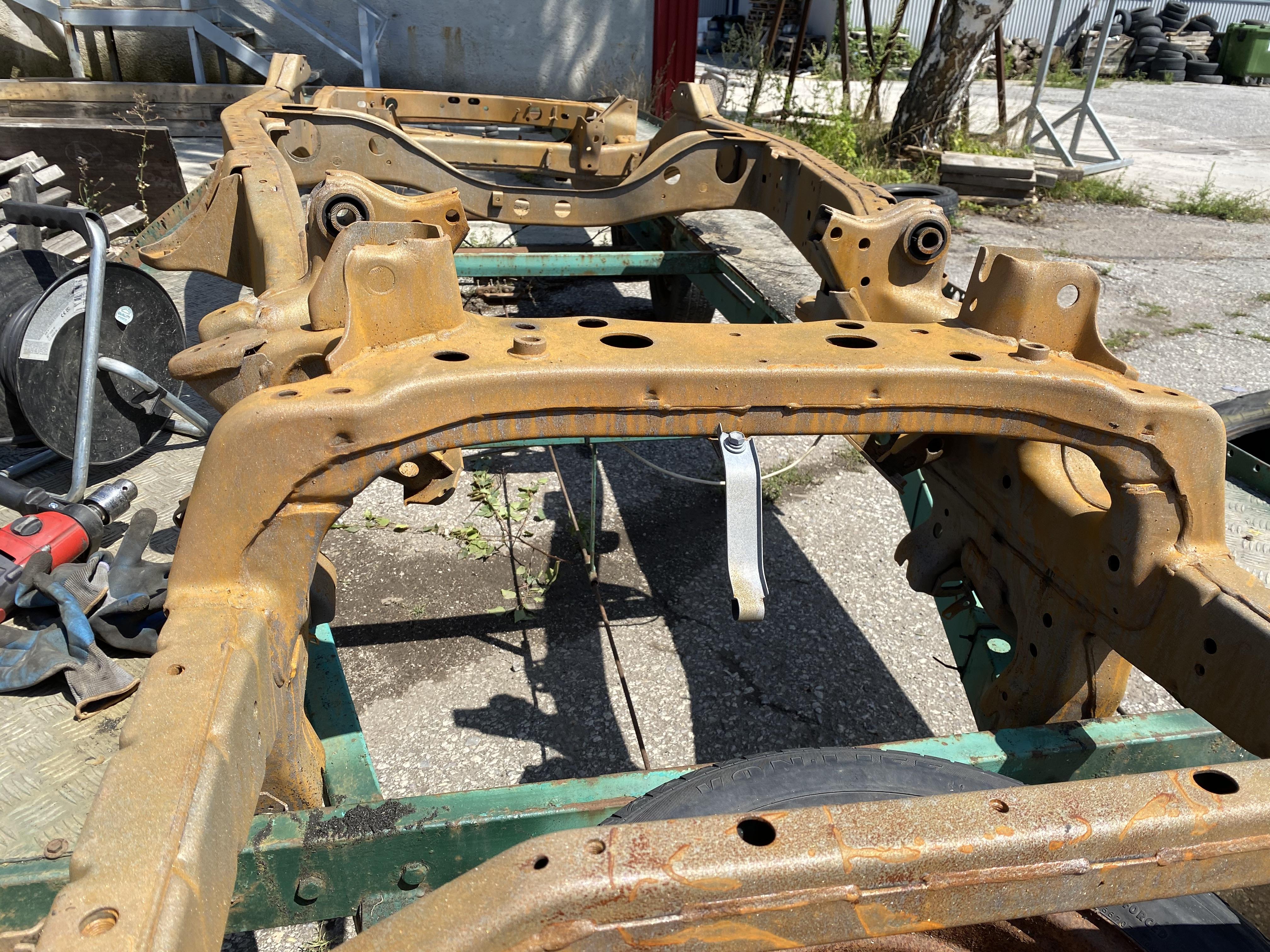
After a few delays they finally started blasting the frame

kDic8gv.jpg


Then at 4pm on Friday I got a call - "We are almost done, come to get it at 6pm". Like I could do anything with a freshly blasted frame on Friday afternoon!
Went there at 5:50, at 6 it was pouring rain. 🤷‍♂️

Of course this happened. In like one hour. It is going to be dunked into hydrochloric acid before the zinc and it will take care of it, but still it's painful to see...

VF6KPyW.jpg


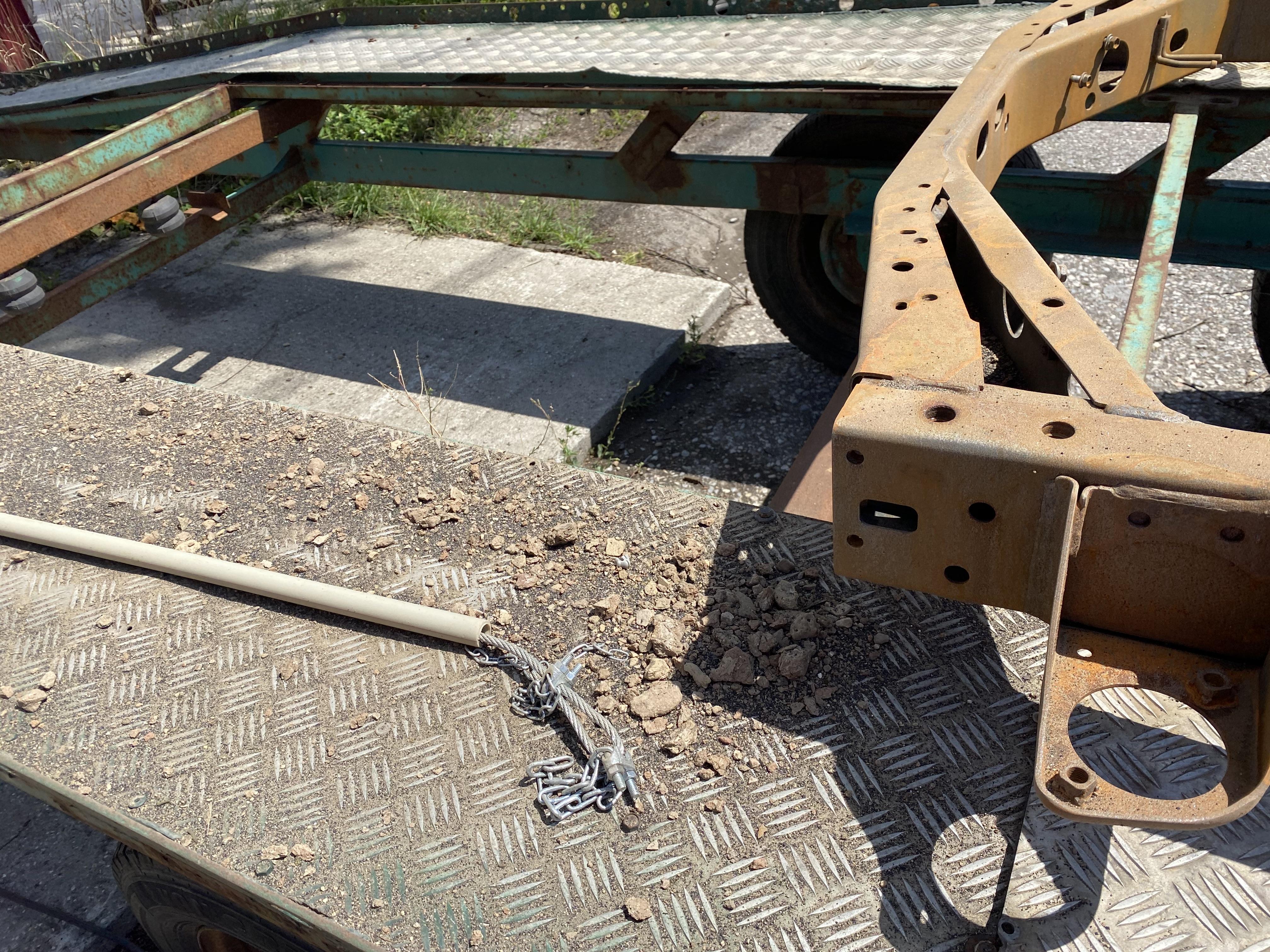
The galvanising place generally doesn't want to deal with used frames as they are usually full of dirt, mud, oils and all kinds of s*** in the rails. They agreed on the condition that it is thoroughly cleaned inside and inspected. So I came up with this, after seeing it on this youtube video. Metal cable in plastic pipe with a loop at the end where I attached some pieces of chain. You spin the other end of the cable with a drill. Lots of dirt and media from blasting

E6NOY77.jpg


It's highly effective!


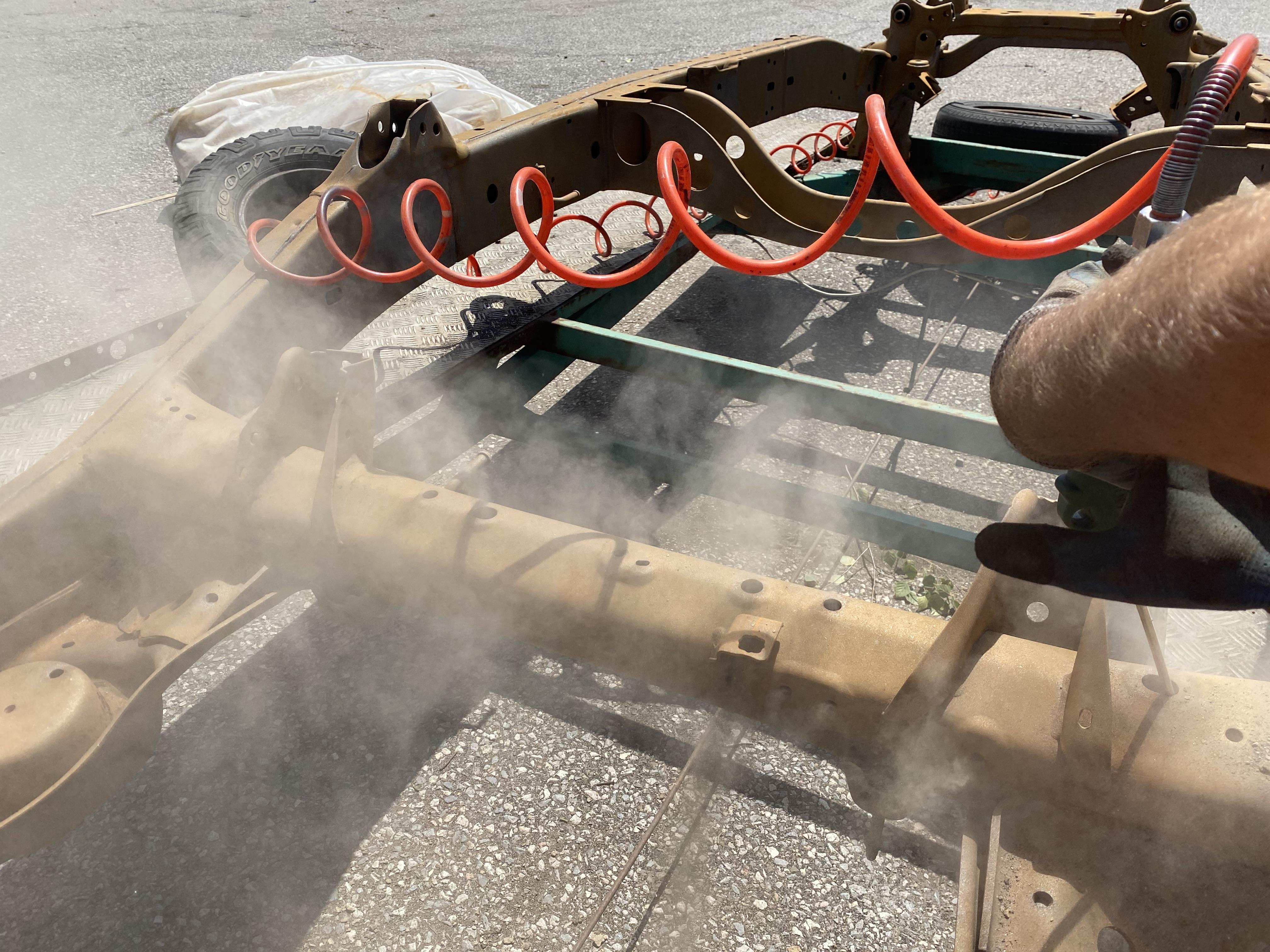
It can't get in the crossmembers, there I relied on compressed air and a water jet.

ZDGRzrP.jpg


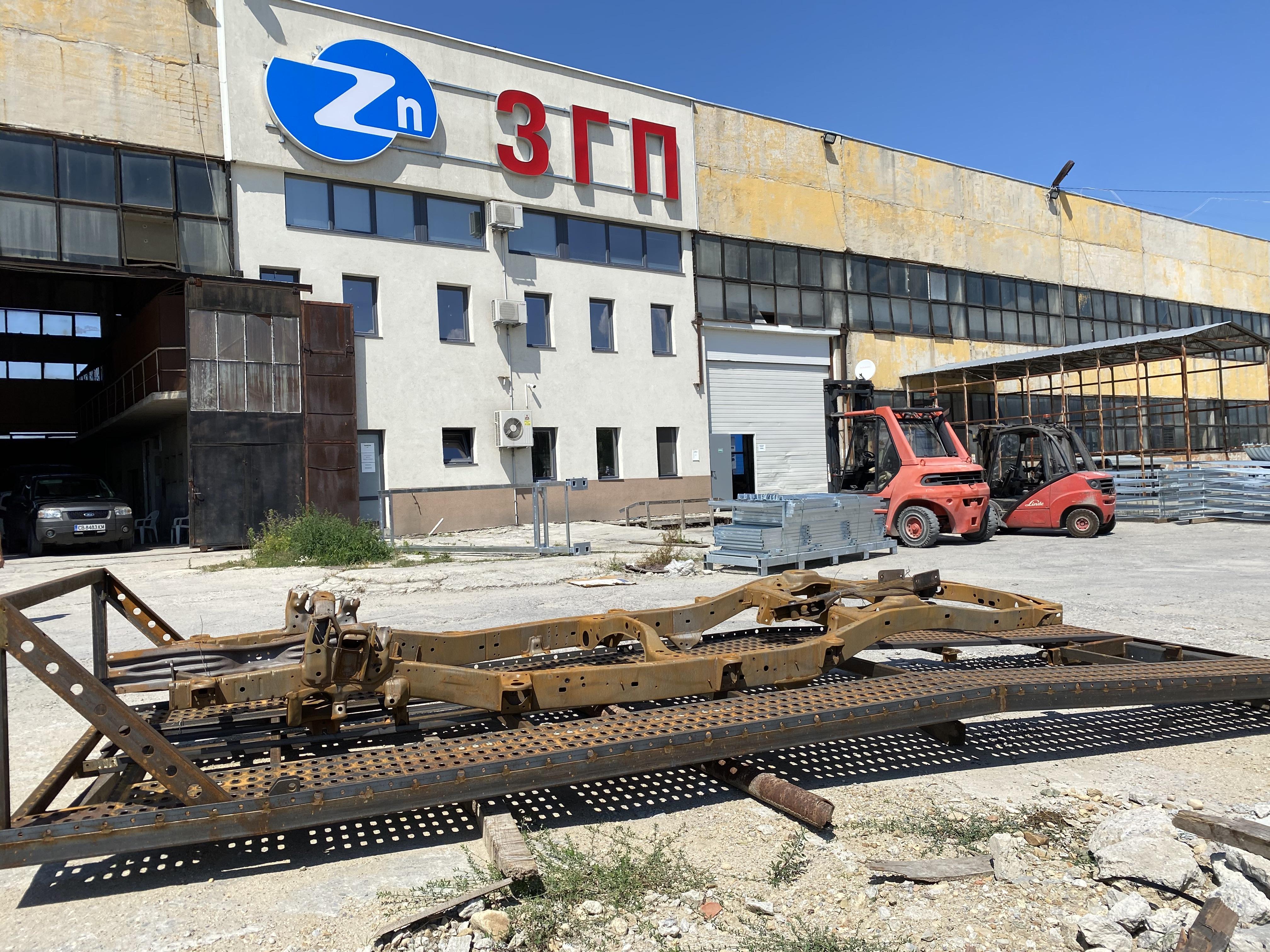
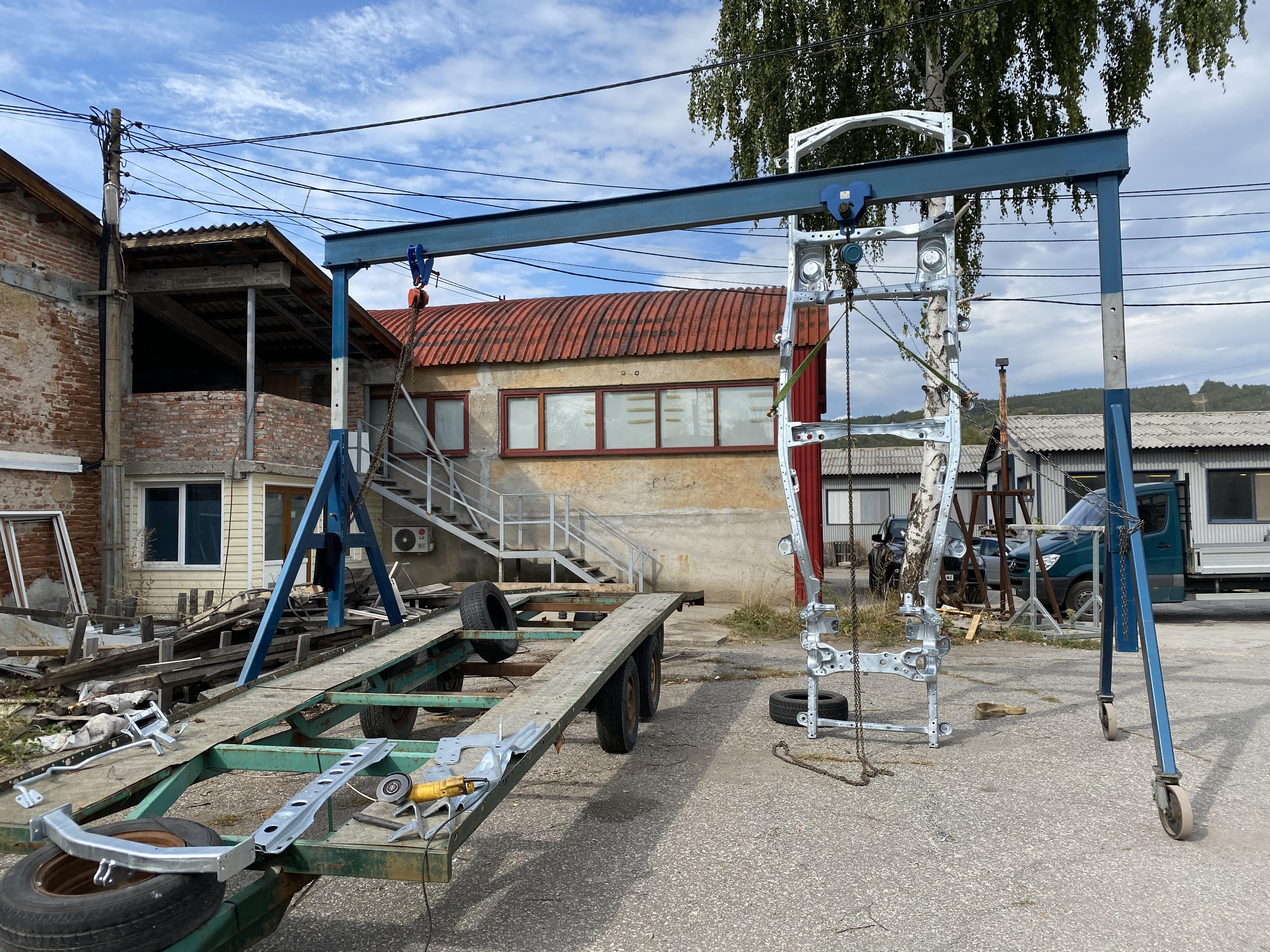
Finally at the zinc facility! Expected time is 2-3 working weeks, which was 2 weeks ago, so should be getting done anytime soon.

SjErvlb.jpg


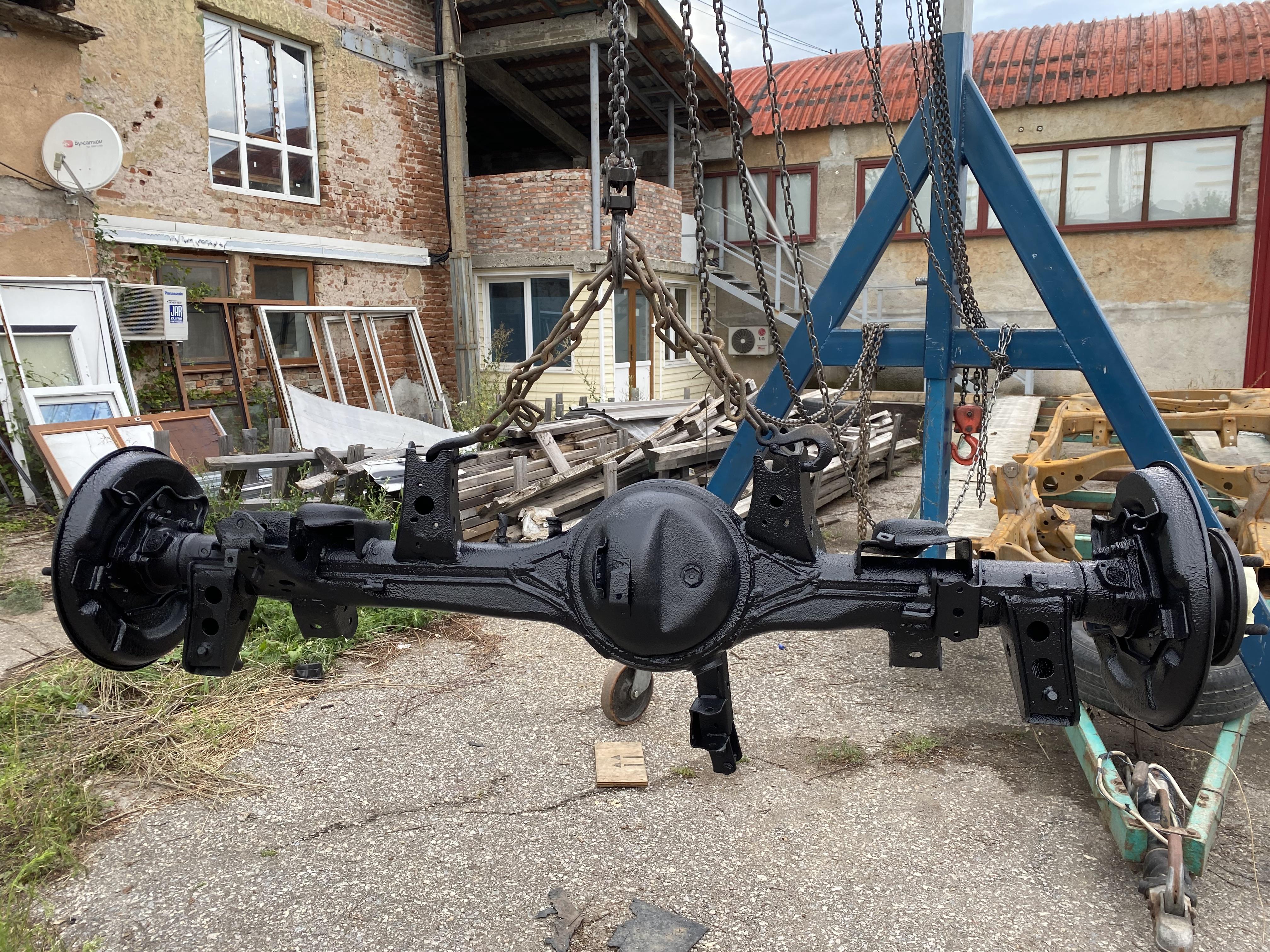
Meanwhile I got the rear axle from blasting too with this bad boy. I had it stripped and rebuilt 6 months ago, when fitting the rear ARB locker, so didn't want to do that all over again. Sealed it as best as I could and stripped everything from it.

pIdnZMM.jpg


It got epoxy coated with Jotun and then Raptor

yBb0OzF.jpg


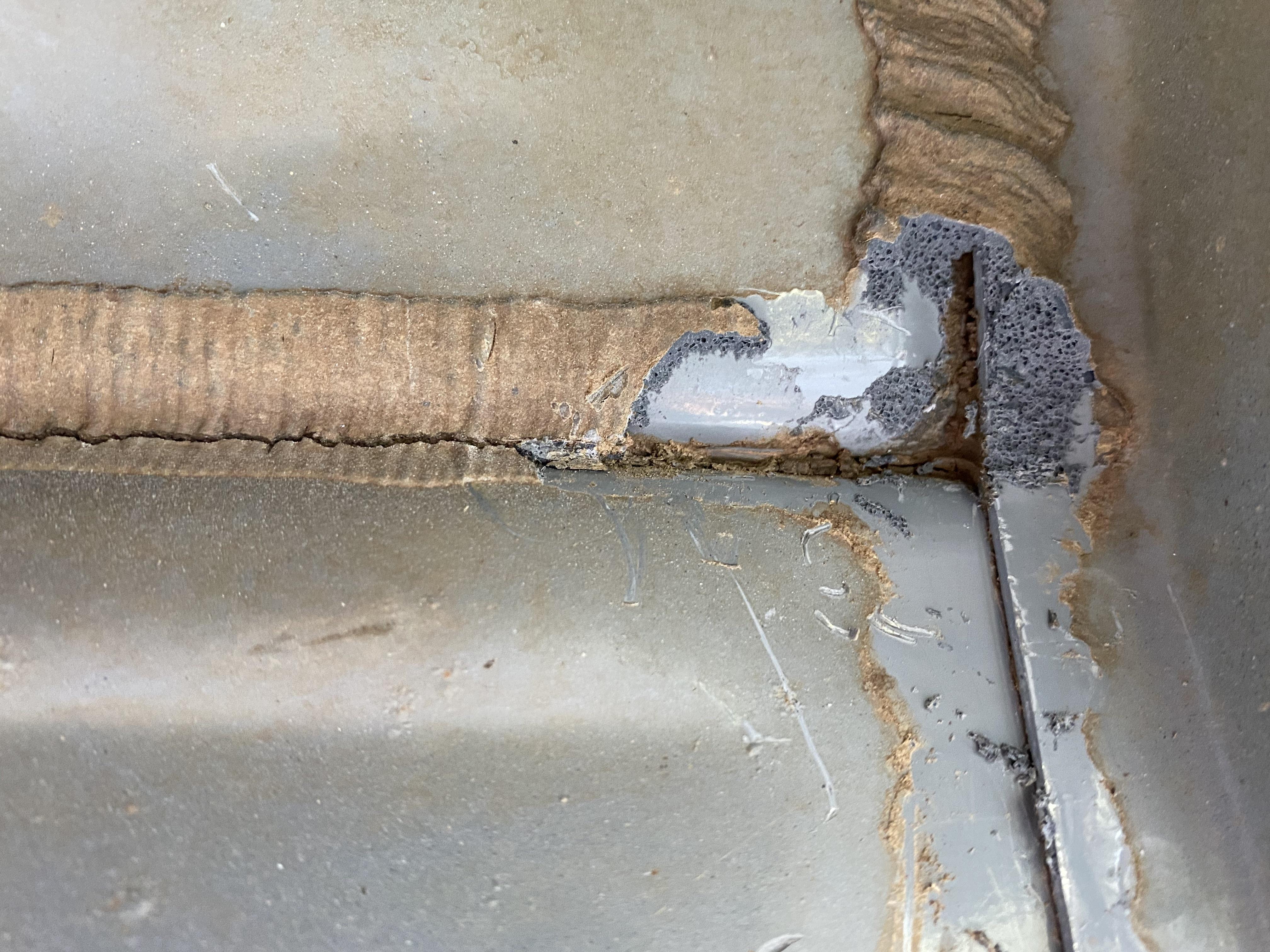
Back to the body, I have been removing all the seam sealer, as it has started cracking and letting water and mud behind. Exact same thing is used as an anti-stonechip coating in the rear wheel arches too and removing it sucks!

ICqFj9r.jpg


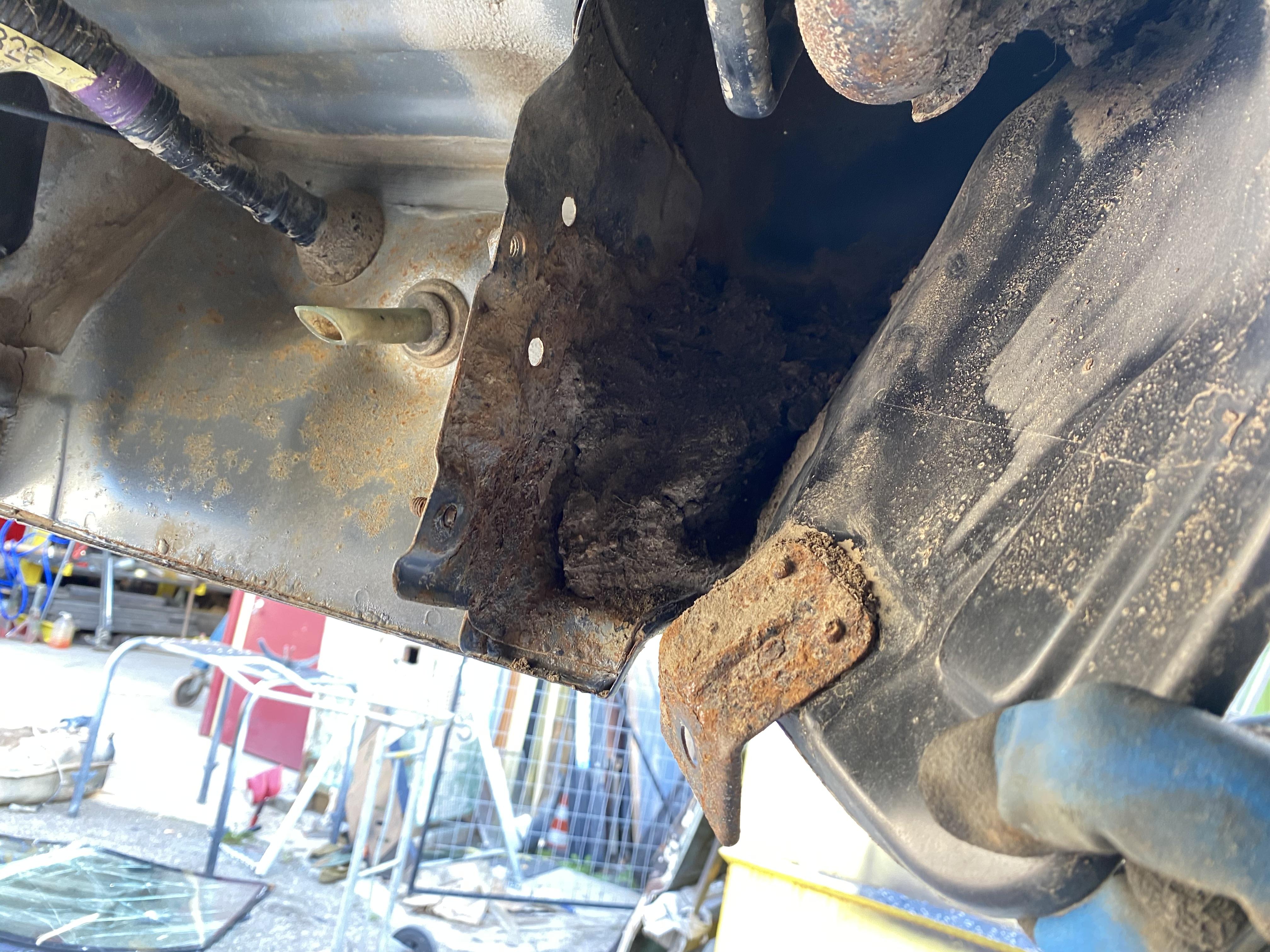
Do yourselves a favour, unscrew the plastic liner on your driver sides wheel arch and clean the mud that has been collecting there. My truck practically had nothing worse than a few spots of surface rust, but that area under the fueling neck behind the plastic liner would have soon started to rot.

HTsN6ha.jpg


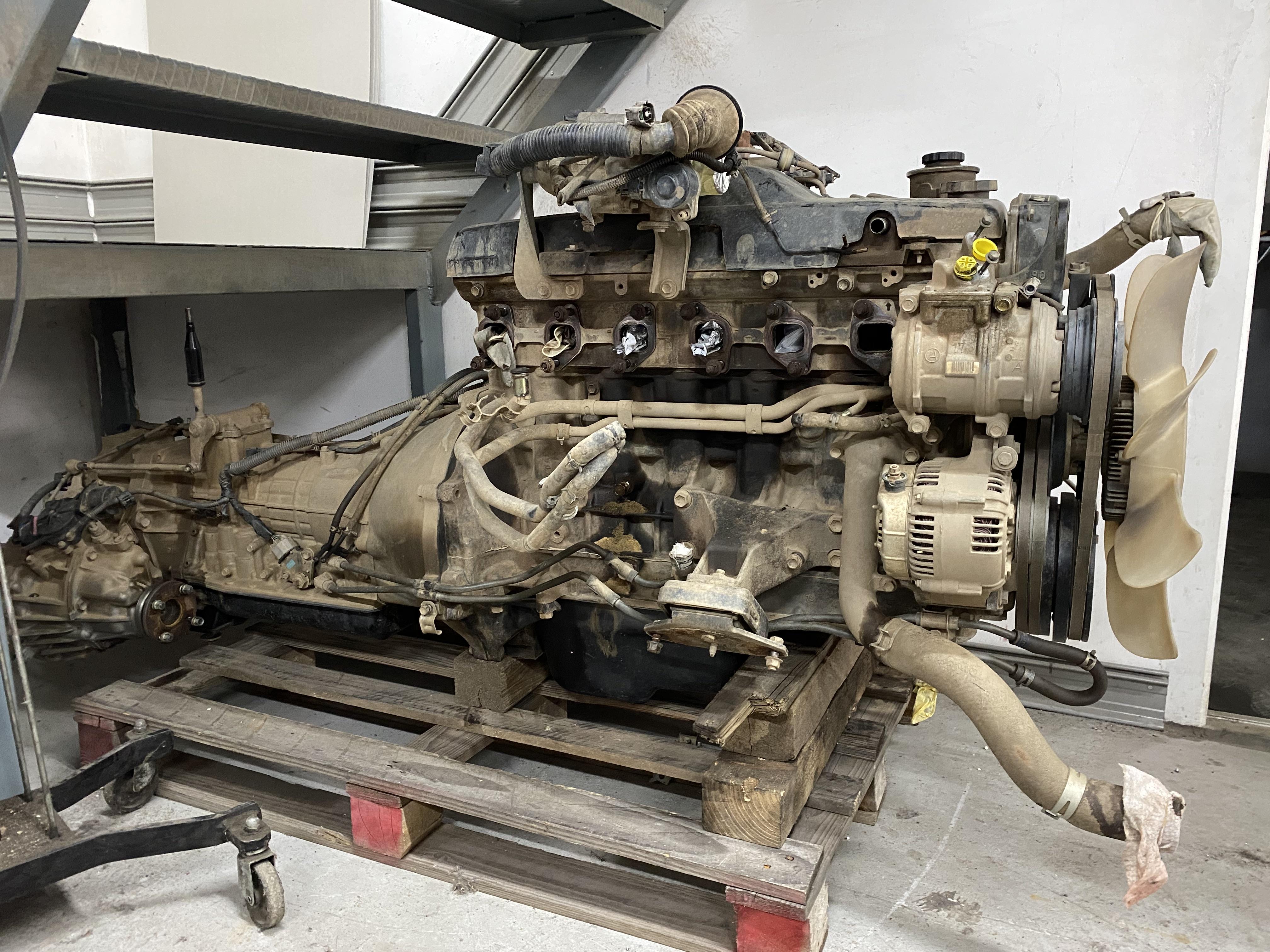
Bonus pic of the 1HD-FTE that I am contemplating sending for a complete rebuild

3Mnx2Ga.jpg


That's where I am right now. I have had tons of actual work work in the past few weeks and will probably have for the next few, so things won't be moving as fast, as I wished.
I am waiting for the chassis to come back then I will have to tap a few bazillion threads.
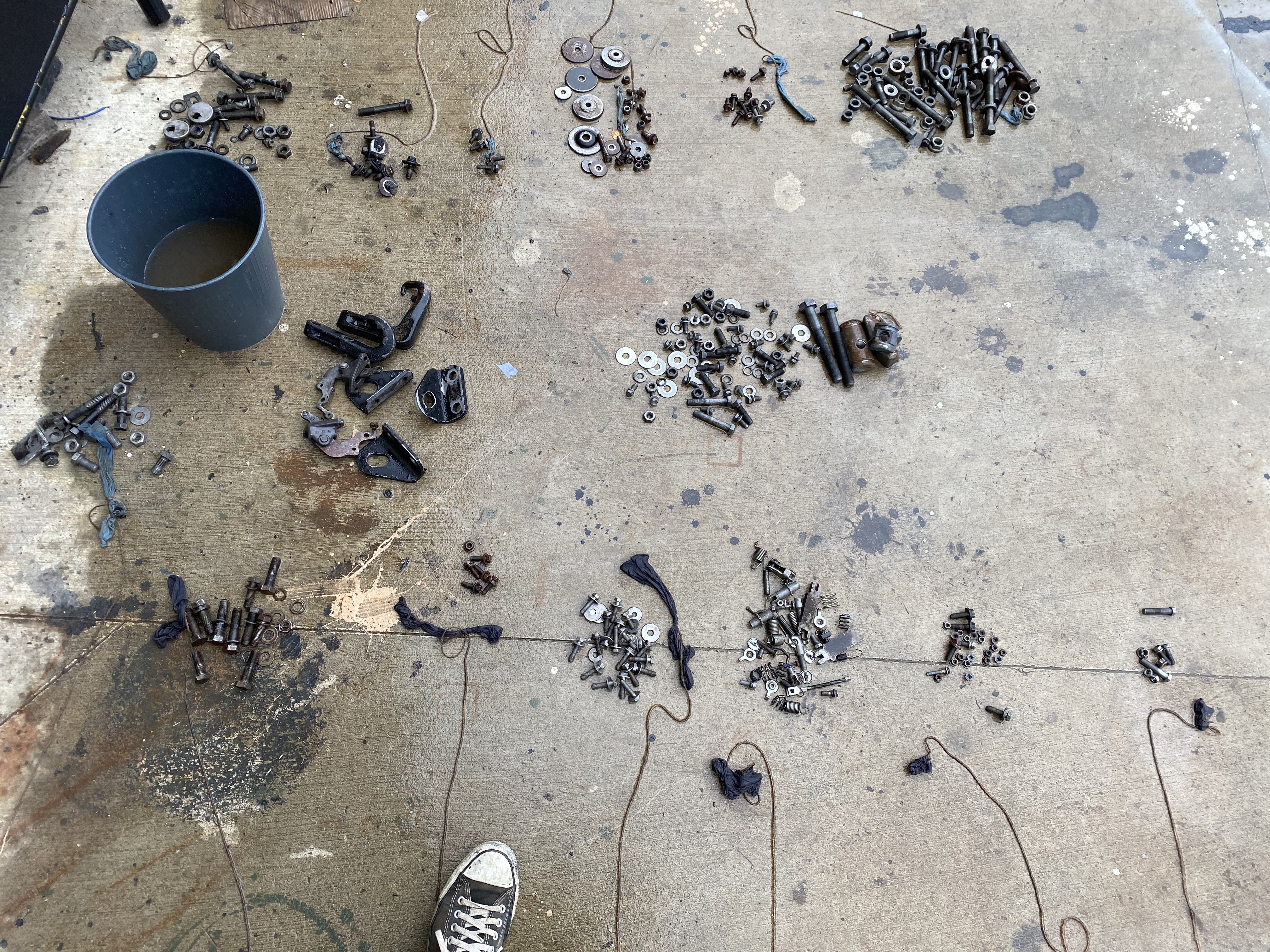
I have to go through all the bolts on that frame and body, list lengths and diameters and order new ones.
I have to finish stripping the wheel arches from the stonechip protection, then blast the underside and coat it with epoxy & urethane.
Then assemble the rear axle, some parts of the frame and body and ship everything back to my mechanic who will have to put it back together. It has been 28 days since I drove it to him.
 
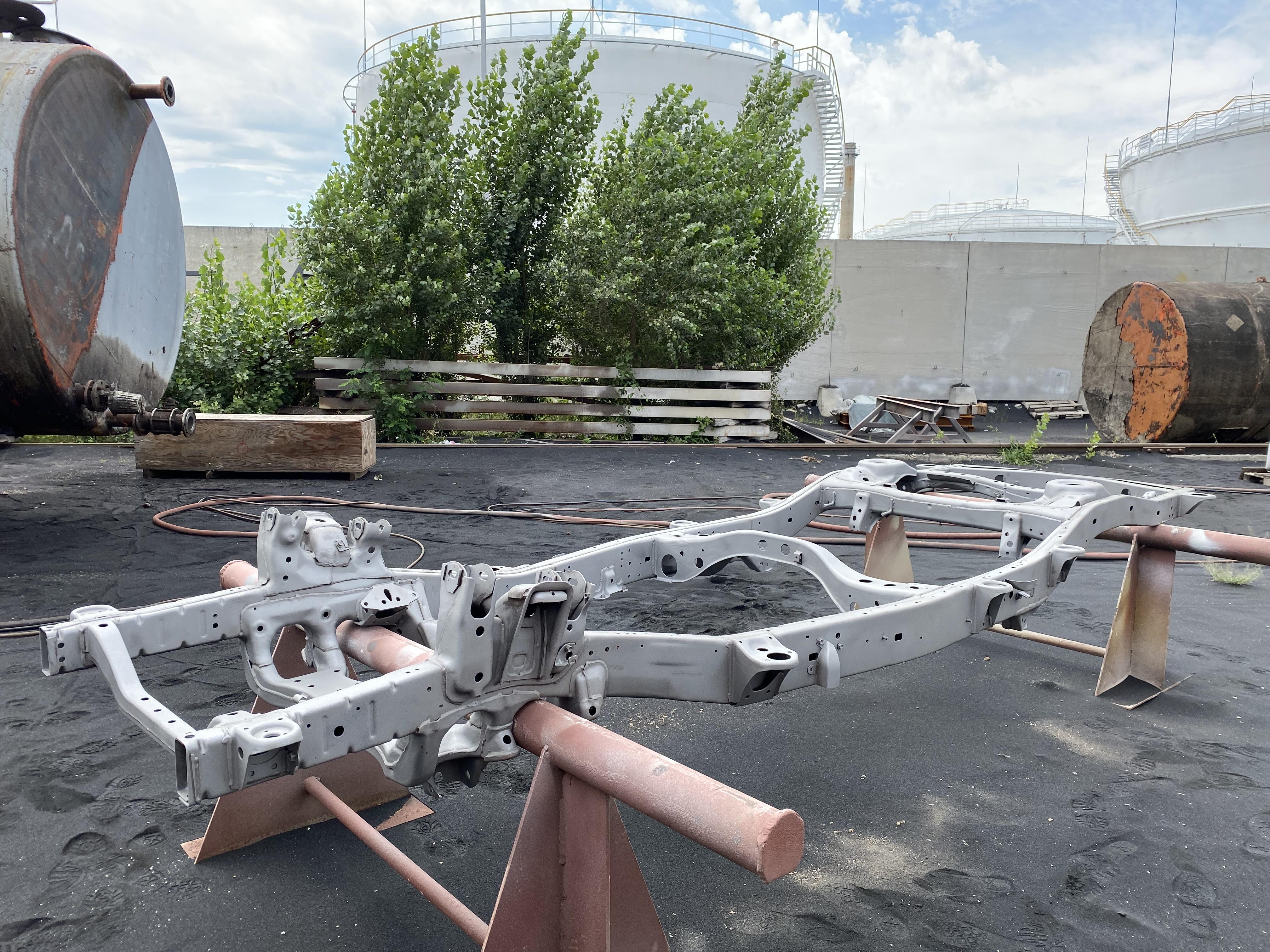
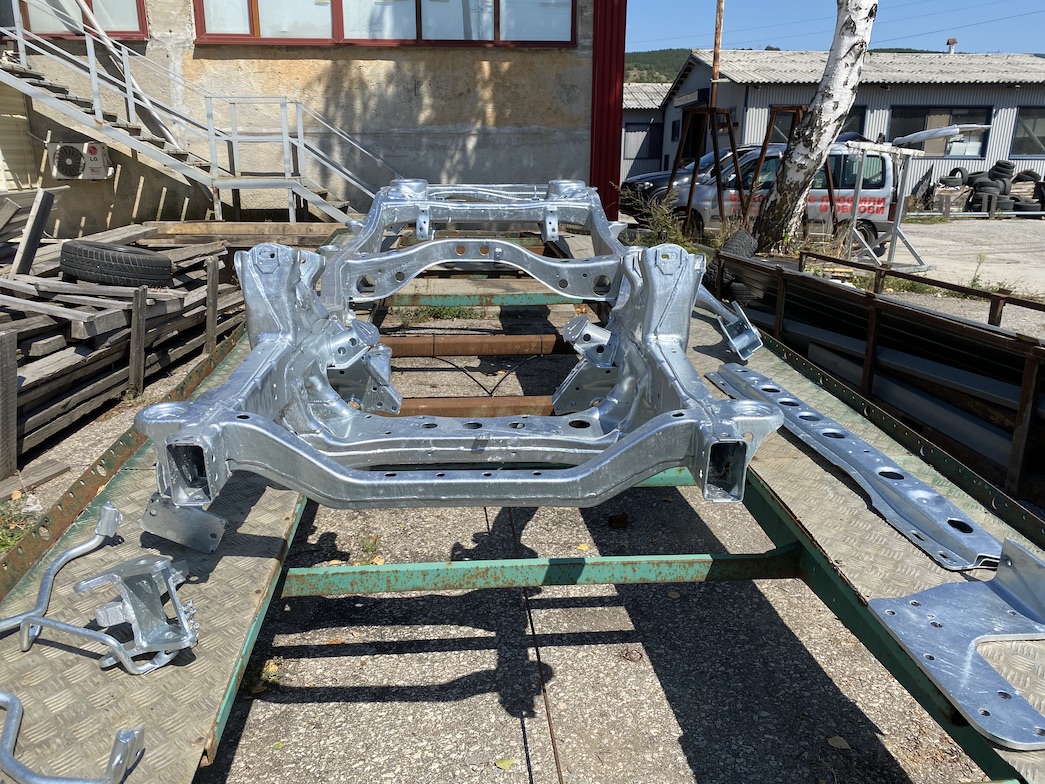
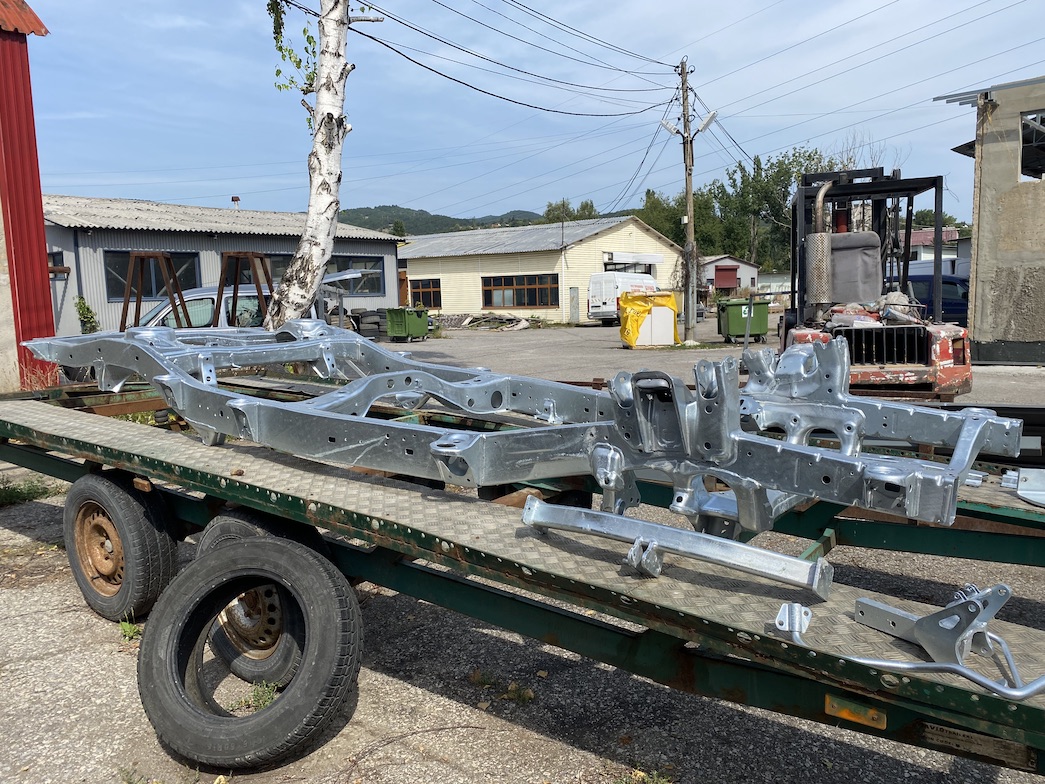
It's alive! And it's shiny!

2zI1c0C.jpg


Rz9A4DN.jpg


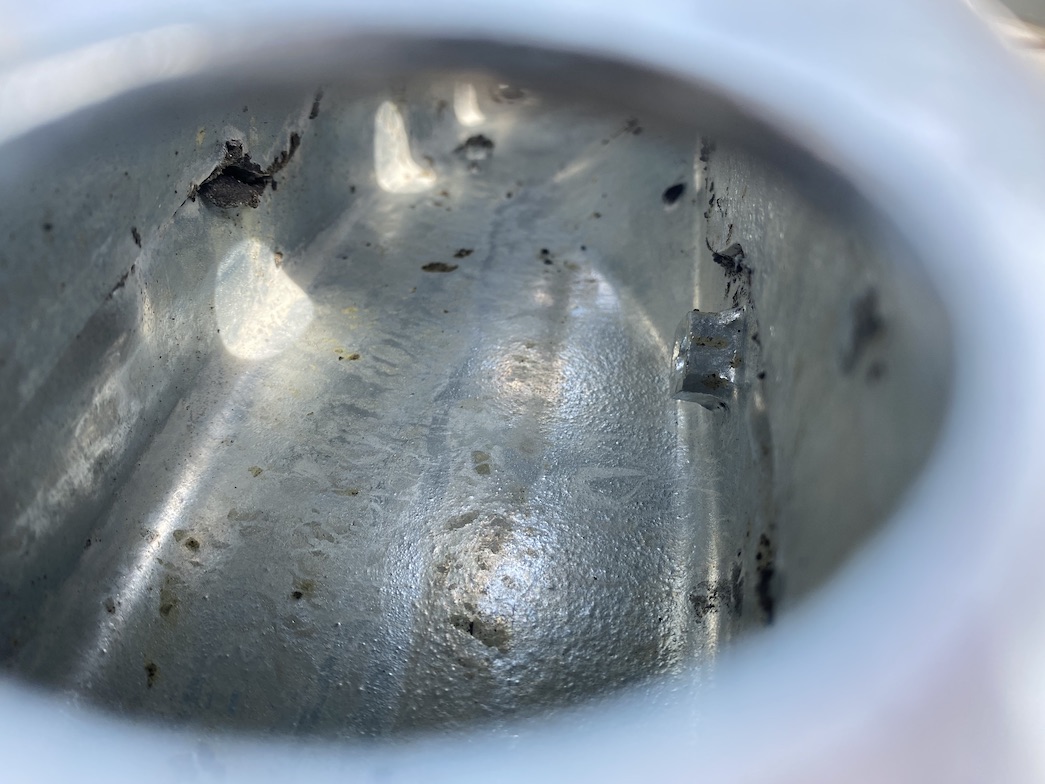
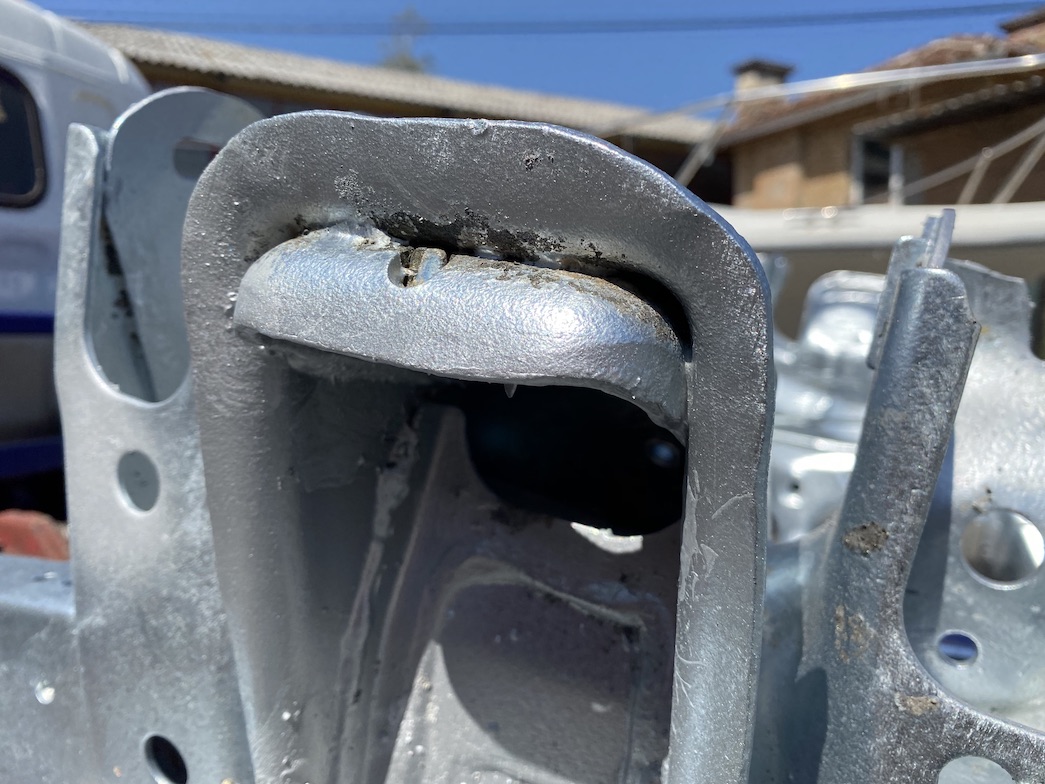
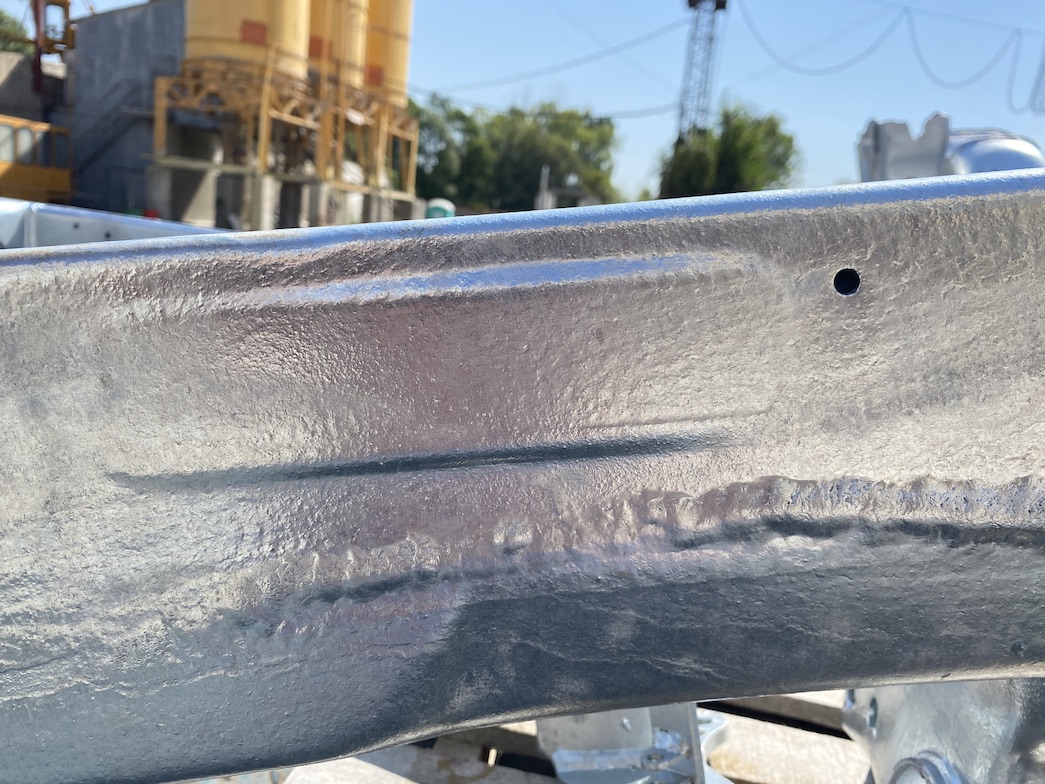
Overall the result is good, although not perfect. There are a few spots that I will have to retouch.

Inside it is ok-ish

b9BqFOY.jpg


Outside there are a few places where the zinc didn't stick perfectly. I will try to cover this with cold zinc paint (Zinga, here in Europe)

DlZ9DoS.jpg


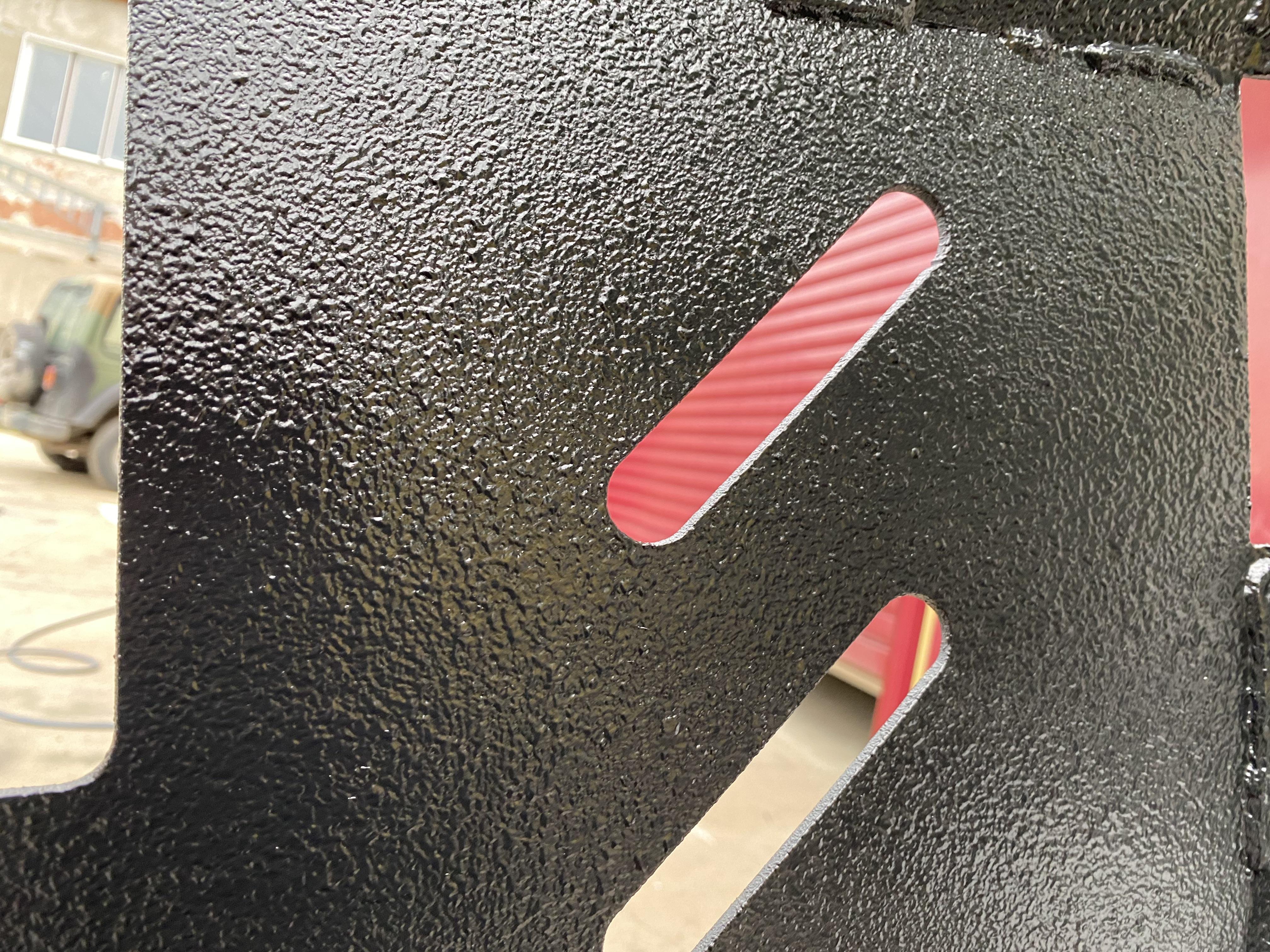
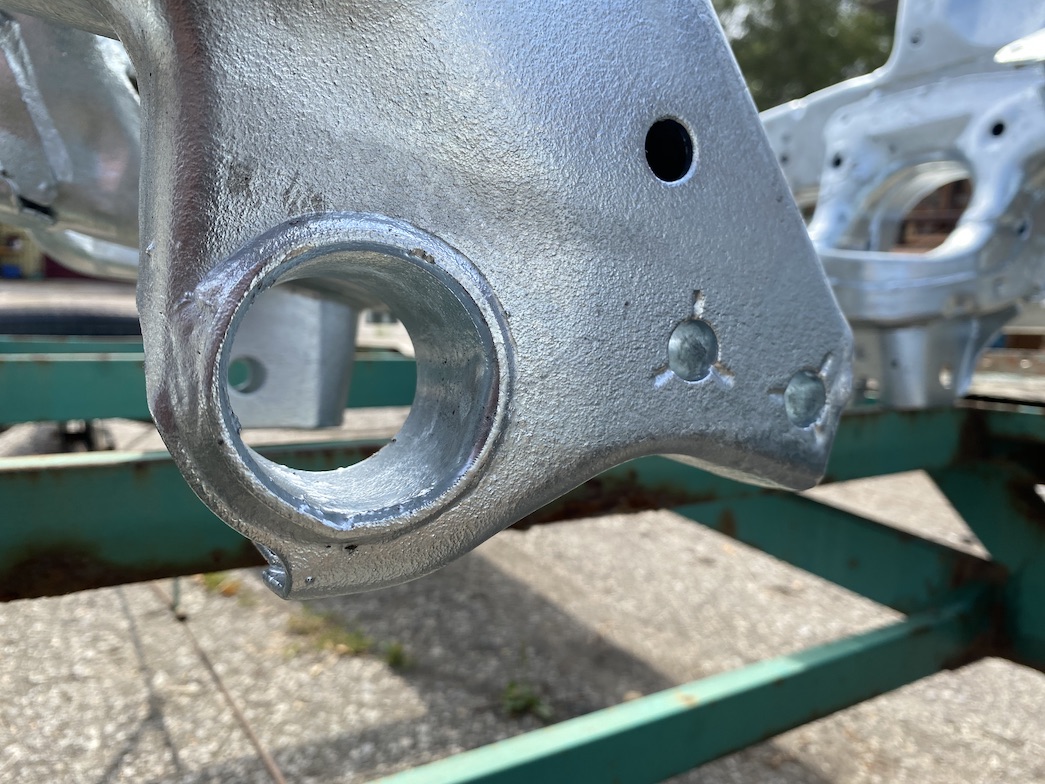
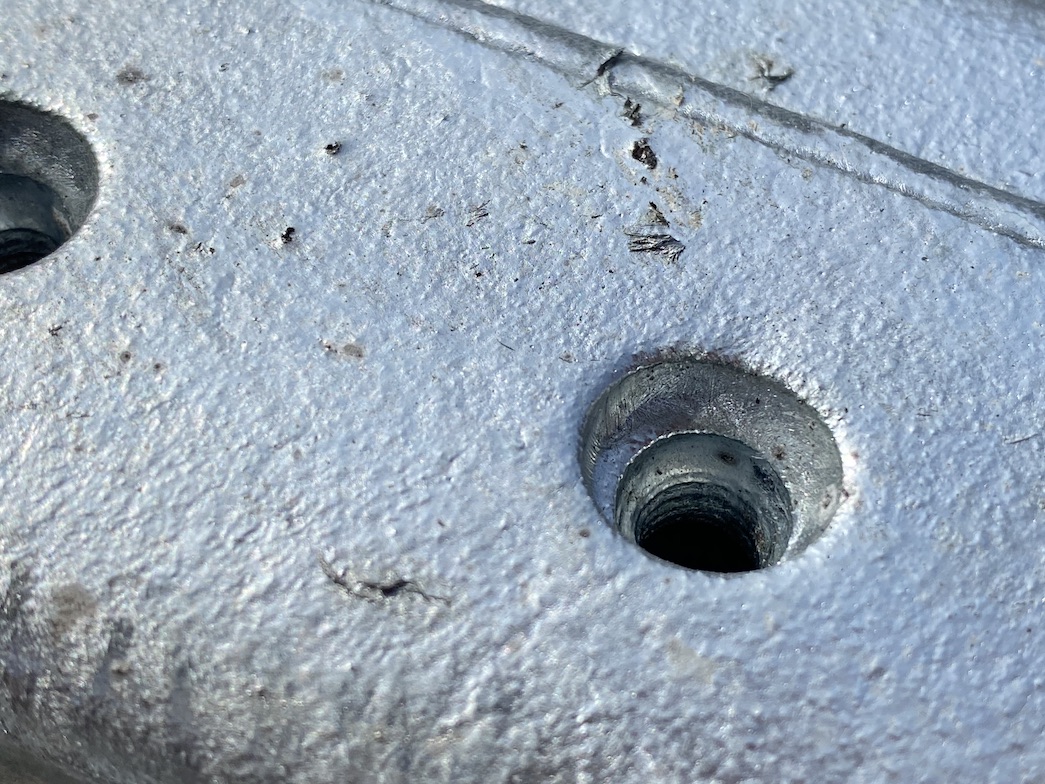
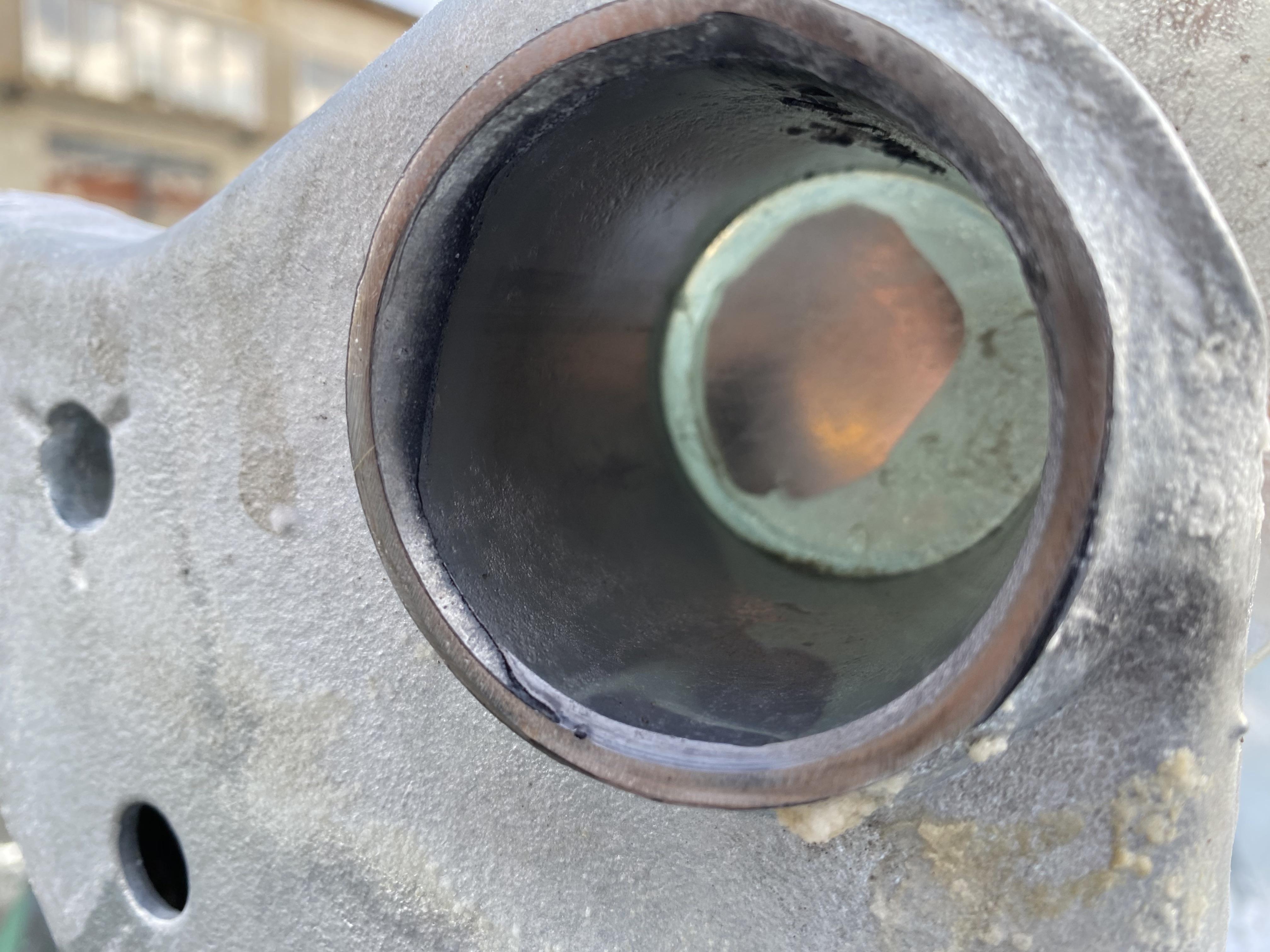
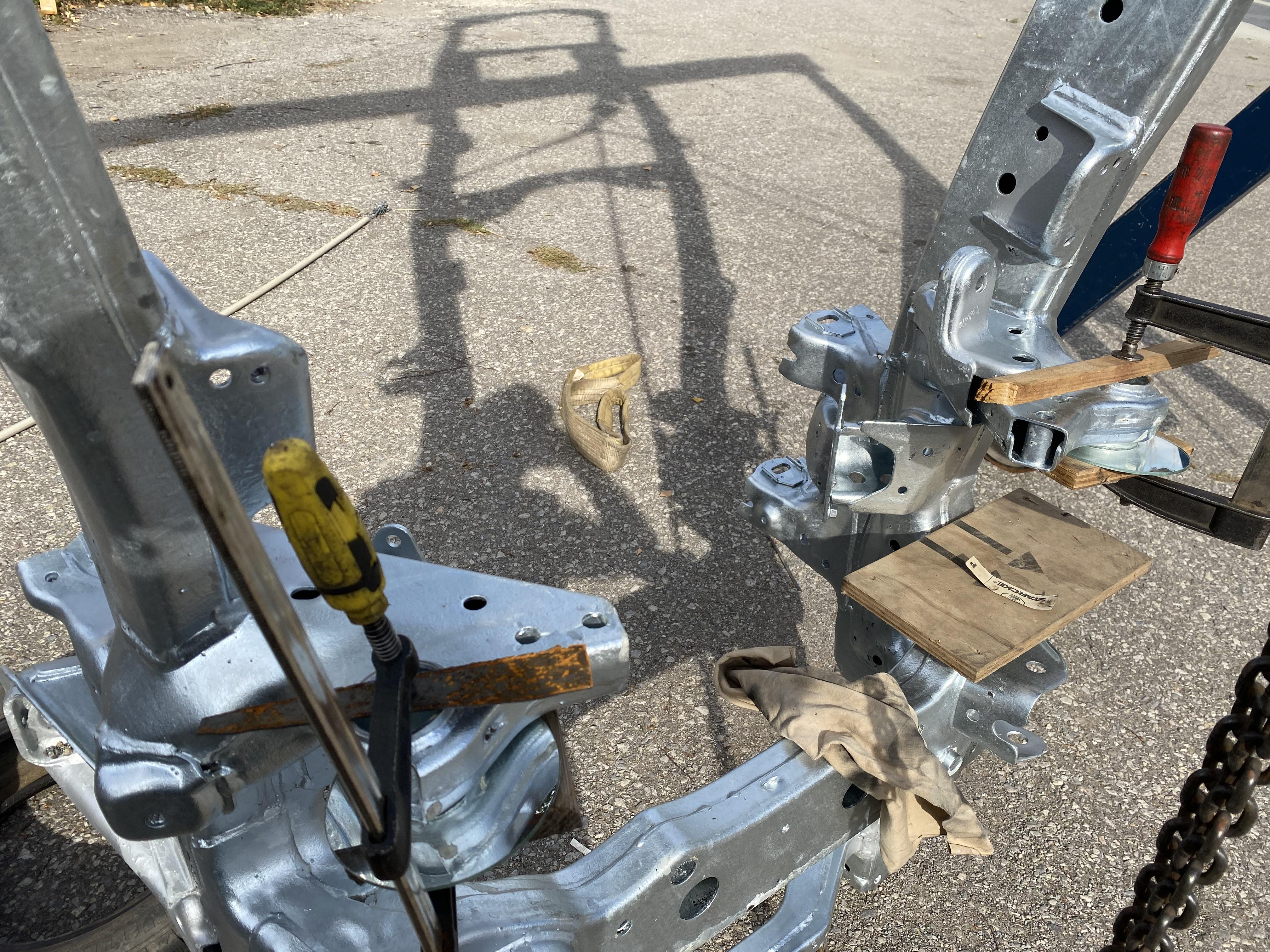
The LCA bushing slots have uneven zinc deposit and are no longer round. This will be fun, although it is not unexpected.

QdlfHvk.jpg


Threads are not completely filled, but tapping all those holes is going to be fun too

9s5WfuN.jpg


The bigger deal is that those imbeciles didn't even think about the VIN. So I do not have a VIN anymore. Guess what - this will be fun too. There are ways to recover it but it's both a technical and legal nightmare...

WHrVjM3.jpg


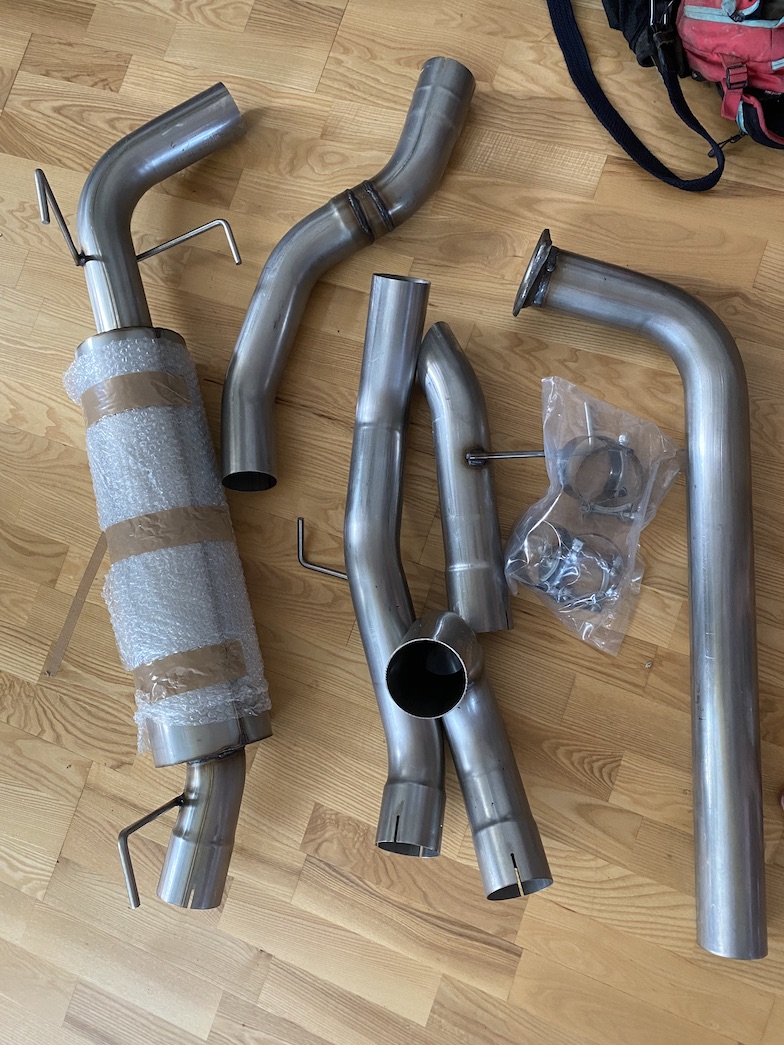
On another note, I now also have brand new 3" stainless exhaust, mandrel bends and all, straight from the turbo.

f2VTQo4.jpg
 
Last edited:
Ouch, all that work for this result:(
Anyway, be careful when taping the captive nuts in the frame, as sometimes they don’t need much twisting torque to de-attach from the frame & it is not fun to reweld them..
 
I was swamped with work, so there was no progress for a few weeks, but now I am back to finishing the chassis.

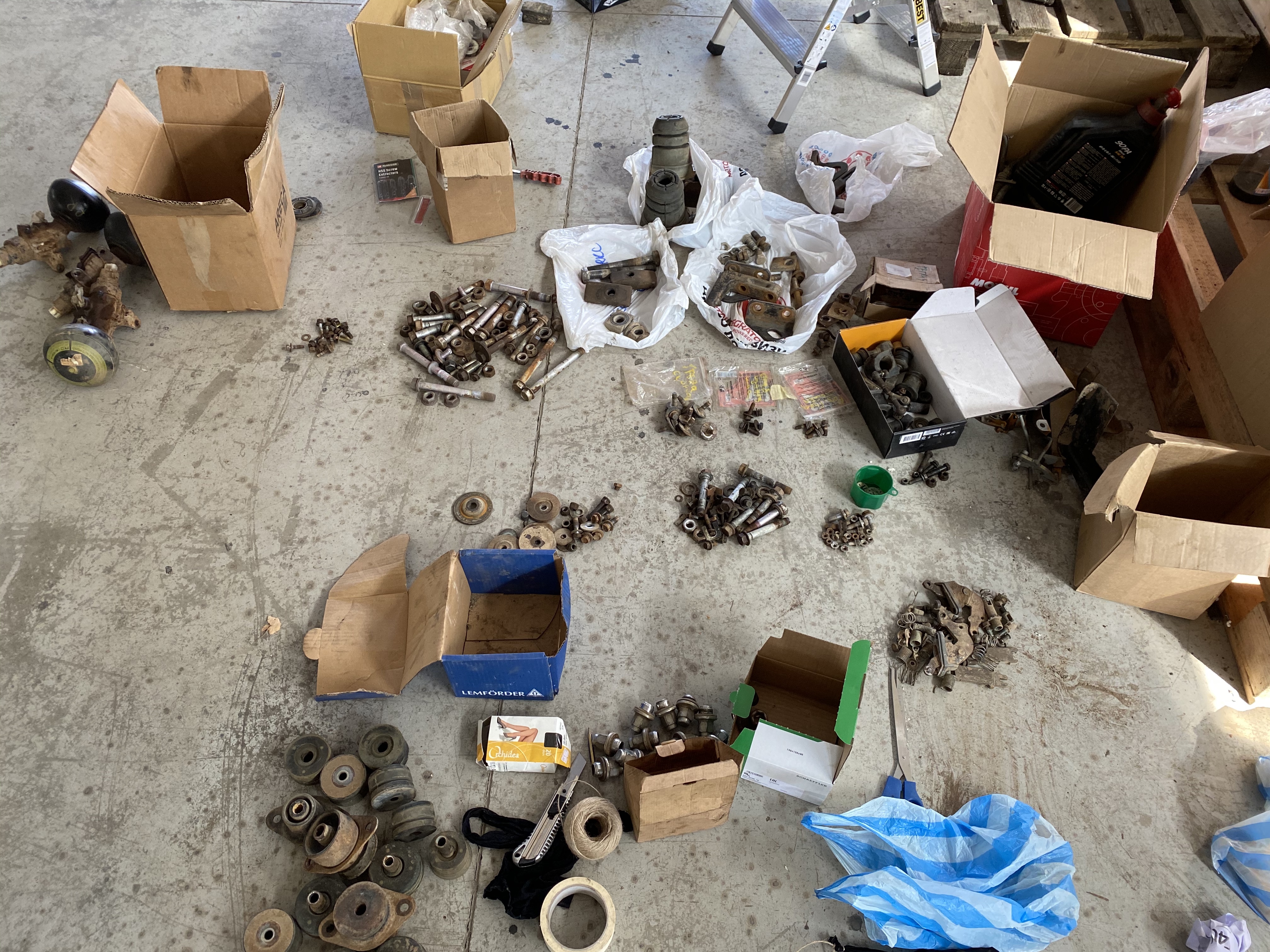
I started sorting out bolts and nuts. They are bagged and boxed by source for the most part. I dipped them in degreaser for a couple of days in an ultrasonic bath.
There are a dozen or two snapped bolts and definitely at least a few lost. It will be fun bolting stuff back and figuring out what to buy...

ECg8dJi.jpg


They got out way cleaner, even most of the rust fell off. Now they are off to soft media blasting and then cold zinc plating.

Aq1jm7q.jpg


Meanwhile the workshop that my friend is letting me use for my project will be armoring this 2016 VDJ200 - IED, assault rifle (AK-47), etc protection.
Last year I was debating wether to get the 100 or the 200, seeing the number of wires, control units and just stuff makes me glad I went with the 100 for simplicity, even though the 200 drives so much nicer and is so much more capable...

5hEQCVW.jpg


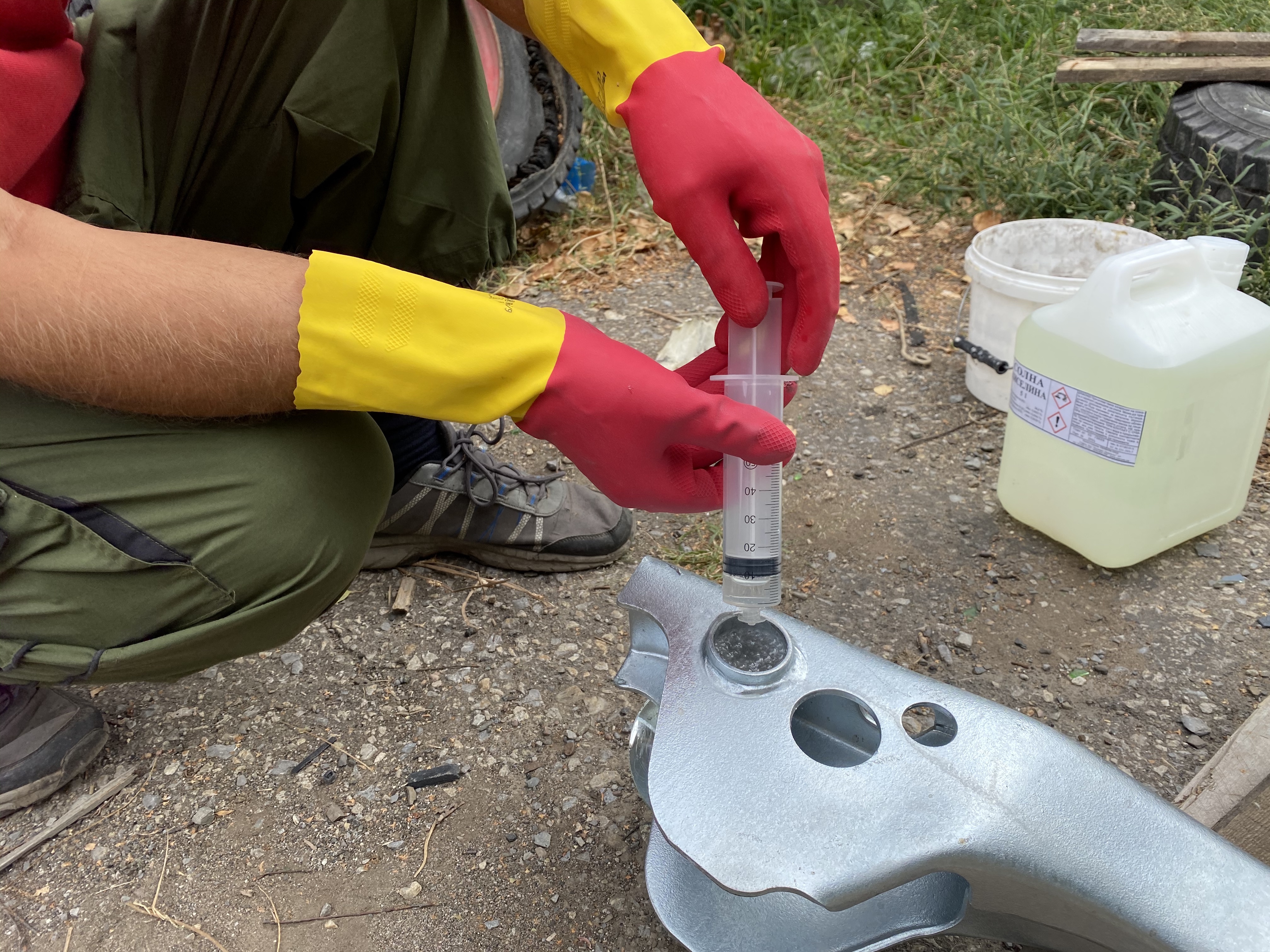
Next was cleaning zinc from the bushing holes in the torsion cross member and the chassis. First I let my father try doing it mechanically - first with a round grinder, then with a makeshift reamer. No freaking way to centre the opening or have it completely round! So after some reading and consultations I decided to try a more chemical approach - 30% Hydrochloric acid. This eats right through the zinc and leaves raw steel!

jvM11nl.jpg


I glued a piece of glass with fast curing epoxy on the other end of the bushing tunnel to make it a vessel and poured in the acid. It dissolves all the zinc in about 5 minutes. It's relatively turbulent and boils, so we covered the naked zinc around the opening with baking soda to neutralise any droplets and splashes.
There is a little bit of zinc left at the edge that was easy to grind off.

4EVMYhJ.jpg


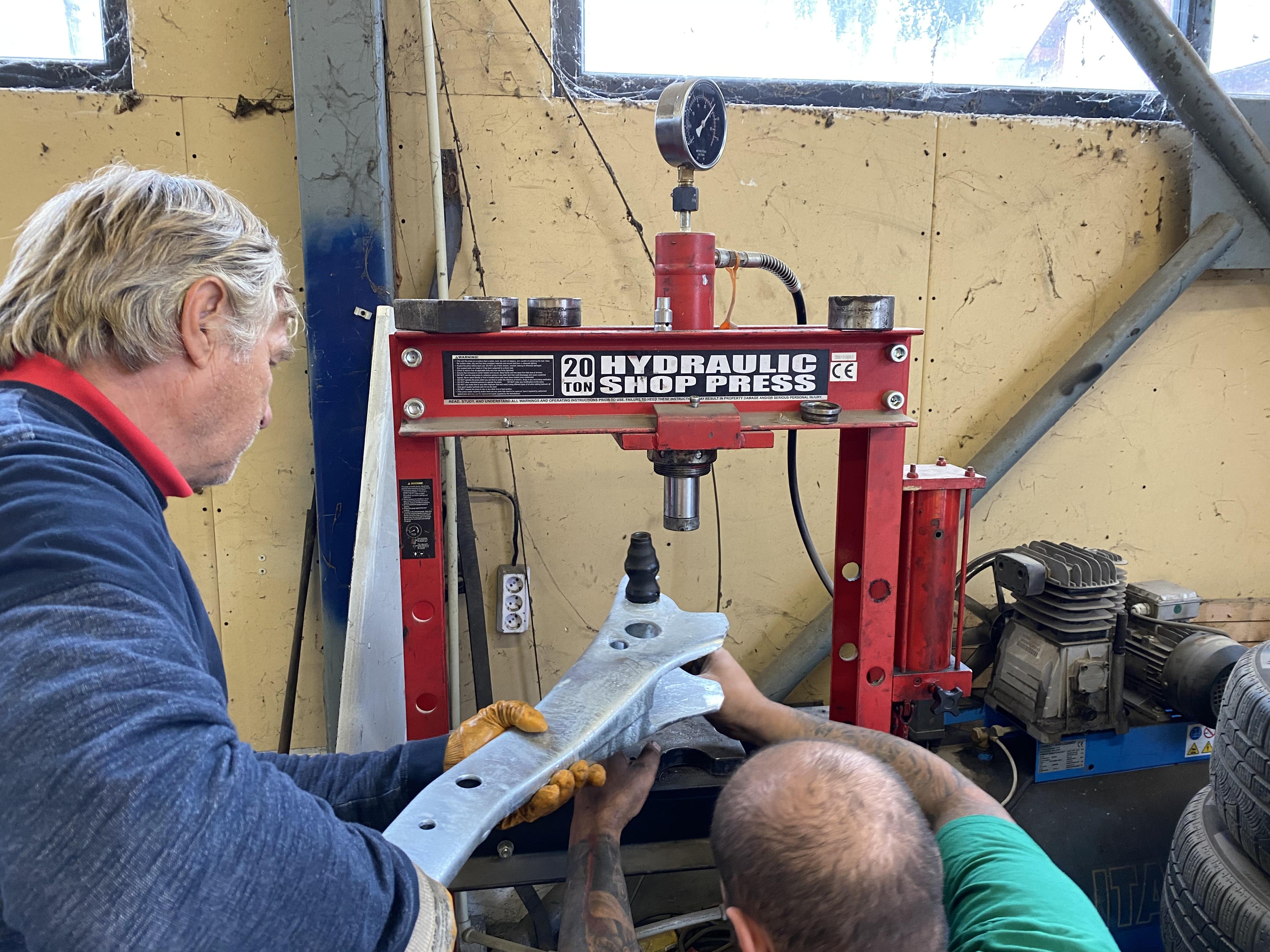
The weird dildo looking torsion bushing is very easy to press. We could have done it without the hydraulic press.

1n5aYaO.jpg


The crossmember is small and easy to handle. The chassis bushings (LCA No. 2 bushing) is a completely different matter. The tunnels are parallel to the chassis, so it is not easy to fill them in. So we flipped the chassis on it's front!

RRo5zhm.jpg


Then we glued glass again. Glass works well as it is not affected by the acid and after we are done we can just brake it. Before that the acid is removed with a syringe and neutralised with a water solution of baking soda.

vhmgxhT.jpg


Now that we have a tried and tested method to clean bushing openings I am confident to proceed with galvanising the front and rear control arms, which will happen next week.

Next on my list was the engine. I plan some performance mods, so I wanted to have a rebuilt first. As the engine is already out and on a crate, now is the perfect time. That Land Rover has done so much for my Toyota ❤

JE2ut5L.jpg


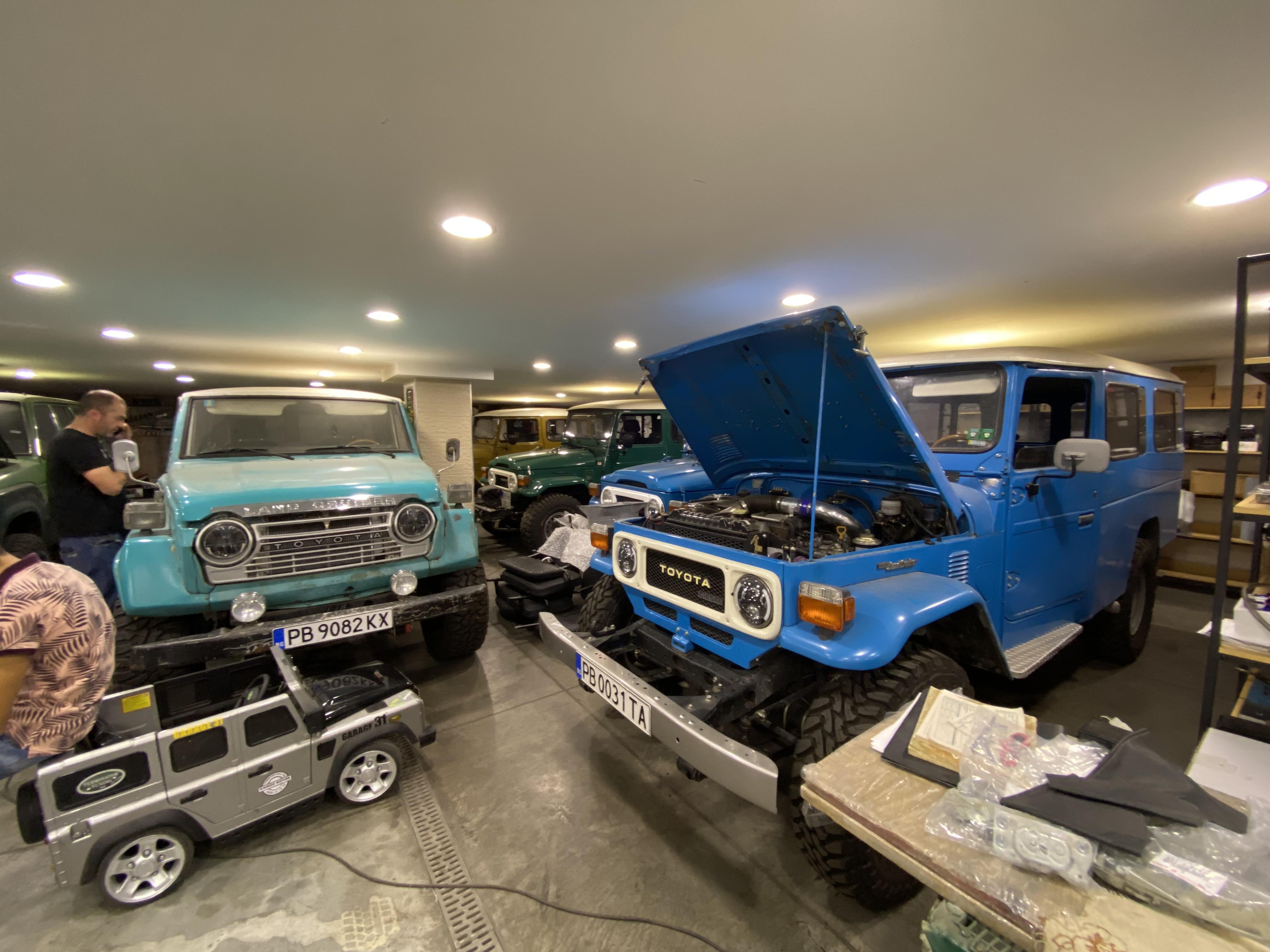
We went to see Garage31 - a local and maybe the only place in the country that specialises in Land Cruisers, especially classics. They have done a few 1HD- engines.
There we were greeted by this beauty

YcGrNXb.jpg


Downstairs it gets interesting

RhL4PCo.jpg


Off the picture there a couple of Series 2 Land Rovers and a few other Toyotas here and there.
Like this 73 beast with a 300hp 1HD-FT

G40rp6x.jpg


Next is galvanising the control arms, blasting the cab bottom and painting it and then I think I will be ready to start actually putting everything back together... It's exactly 2 months now with abouth a month long pause due to work.
 
Last edited:
Personally I wouldn't galvanize the control arms. They don't usually rust quickly. If they eventually do then just replace them. I would focus more on the underside of the body. For seams that have light rust I treat it with rust converter. Then I use por15 after the converter has dried. Also while it's all apart it may be a good time to consider a 1 or 2" body lift. This will allow for bigger tires while still keeping center of gravity fairly low. It will also give more room under the chassis for additional components.
 
Galvanisation is cheap. Why not?
POR15 has it's place as a quick fix on top of rust. But it can't compare with blasting, 2 pack epoxy primer and urethane on top.
I also prefer to avoid lifts - I do not plan more than 33" and don't have anything to fit underneath.
 
Back
Top Bottom