DIY Coolant Valley Leak Repair

This site may earn a commission from merchant affiliate
links, including eBay, Amazon, Skimlinks, and others.

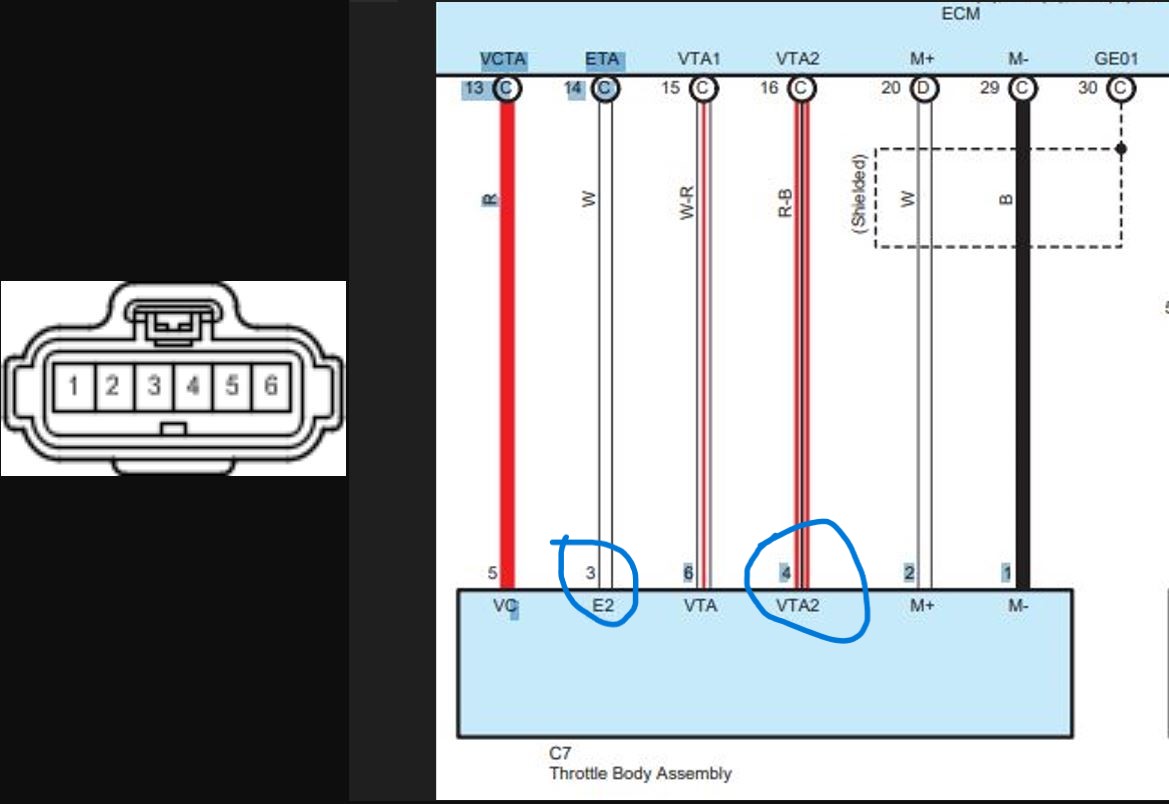
Having one issue that I would like someone better than me at reading these electrical diagrams opinion on.

The OEM plug has the numbers on the back of the plug in order just like the picture of the plug below but if you look at the actual wiring diagram, the numbers at the bottom are out of order.

My black and white (one of them) wires line up with the diagram and are still in 1 and 2 on the OEM plug. Does this diagram mean that the 3rd wire is another white wire or is it red/black??

iNvxBaN.jpg
 
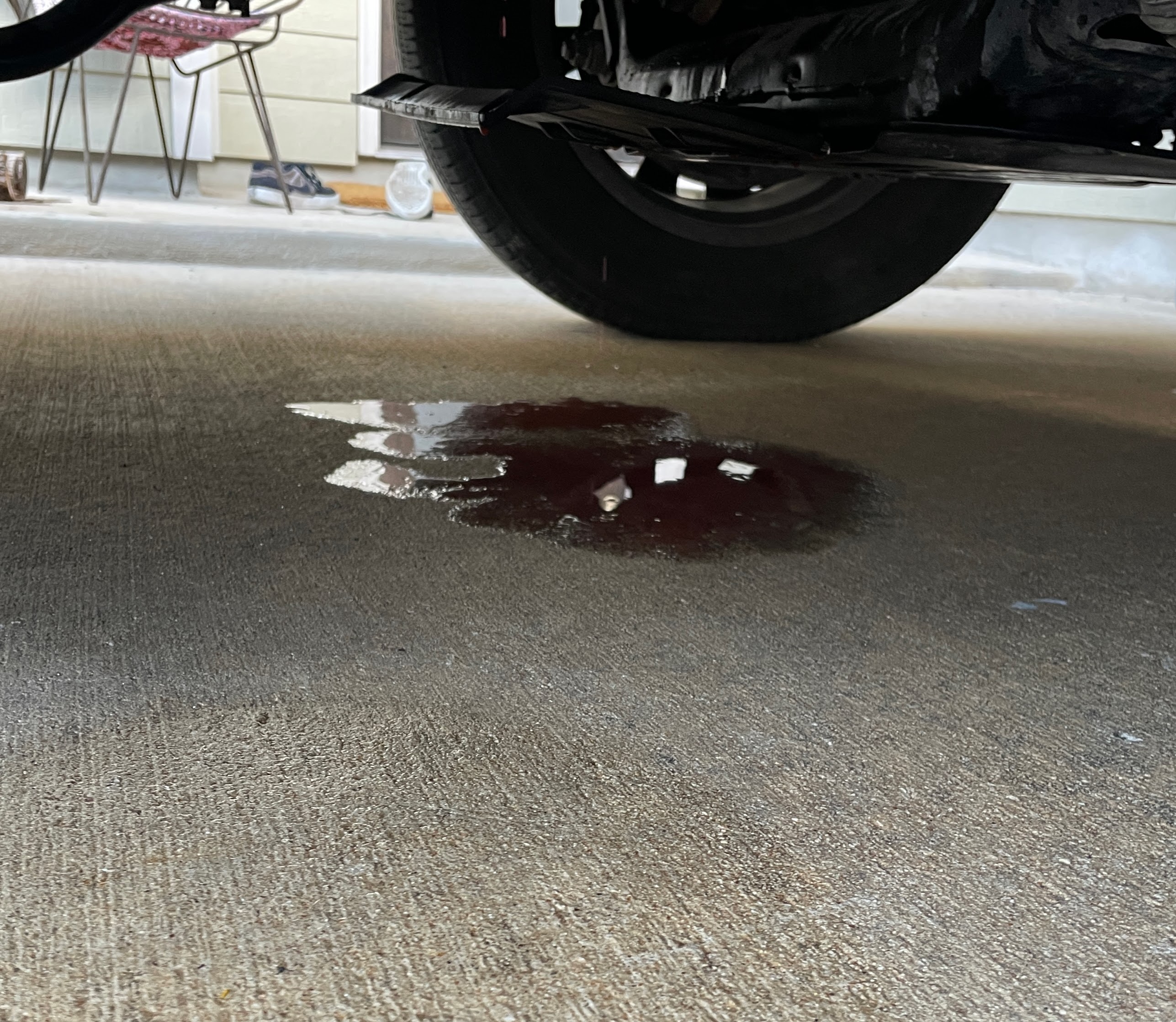
Well screw me. Test drive last night seemed good. Ran and drove it for over an hour. Got home and everything looked good but didn't check coolant level. This morning there were 2 small drips under the car but I was hoping (but not expecting) it was from the build up in my skid plates.

Checked the level this morning and it was low so I started it and decided to try to top it off and see this after it gets warm.

I guess I am going back in. I was a little rough with a coolant hose under the intake manifold so hopefully that is all it is and it is obvious.

LP192RP.jpg
 
Got it all torn down and it seems pretty clear my placement of the FIPG gasket wasn't right. Looking at my pic before I installed it looks ok and I was careful to make sure it looked the same thickness all around. It isn't perfect but it should have been fine.

Before:
gasket before.webp


Here is how it looked when I just pulled it. I cleared all the coolant out of the bolt holes by stuffing strips paper towels in them until they came out dry but it does look a little like there might have been some fluid since it is thinner around the bolts. I am going to read some more tutorials to see if I can see how others applied the gasket and hopefully see what I did wrong. If anyone has any advice, I'd love to hear it.

gasketafter1.webp
gasketafter2.webp
 
Sorry to hear this. I hope you get this figured out the 2nd time around. I was concerned about my bead as well, but thankfully it seems to be holding strong. I keep checking my level and it's maintaining. Keep us updated. Did you get your wiring figured out?
 
Sealing parts without a gasket is common in motorcycle engines. I've done a bunch of them.

When I put sealant on surfaces like that I spread a layer across the whole sealing surface rather than leaving a single thick bead and hoping it gets squished out properly. The factory can do it that way because they've done it over and over and know exactly where it will go as the parts torque down. These days it's a robot placing the cover and it's going to place it exactly. You and I are going to wiggle it a bit.

The thick bead can mean a lot of sealant gets squished to the inside. There's always a chance of pieces breaking loose and going through the engine.

A way to ensure good coverage is to spread a layer of sealant on both mating halves. When spreading it like this you want sealant that's not going to harden before you're ready. Sometimes I use a piece of bbq skewer to spread the sealant.

I clean the parts really well with spray carb cleaner and then clean off the carb cleaner residue with acetone. After that try to not touch the mating surfaces so you don't get skin oils on them.
 
Sealing parts without a gasket is common in motorcycle engines. I've done a bunch of them.

When I put sealant on surfaces like that I spread a layer across the whole sealing surface rather than leaving a single thick bead and hoping it gets squished out properly. The factory can do it that way because they've done it over and over and know exactly where it will go as the parts torque down. These days it's a robot placing the cover and it's going to place it exactly. You and I are going to wiggle it a bit.

The thick bead can mean a lot of sealant gets squished to the inside. There's always a chance of pieces breaking loose and going through the engine.

A way to ensure good coverage is to spread a layer of sealant on both mating halves. When spreading it like this you want sealant that's not going to harden before you're ready. Sometimes I use a piece of bbq skewer to spread the sealant.

I clean the parts really well with spray carb cleaner and then clean off the carb cleaner residue with acetone. After that try to not touch the mating surfaces so you don't get skin oils on them.
This is the way.
 
Sealing parts without a gasket is common in motorcycle engines. I've done a bunch of them.

When I put sealant on surfaces like that I spread a layer across the whole sealing surface rather than leaving a single thick bead and hoping it gets squished out properly. The factory can do it that way because they've done it over and over and know exactly where it will go as the parts torque down. These days it's a robot placing the cover and it's going to place it exactly. You and I are going to wiggle it a bit.

The thick bead can mean a lot of sealant gets squished to the inside. There's always a chance of pieces breaking loose and going through the engine.

A way to ensure good coverage is to spread a layer of sealant on both mating halves. When spreading it like this you want sealant that's not going to harden before you're ready. Sometimes I use a piece of bbq skewer to spread the sealant.

I clean the parts really well with spray carb cleaner and then clean off the carb cleaner residue with acetone. After that try to not touch the mating surfaces so you don't get skin oils on them.
I will remember this for my next project. Thank you
 
I usually put on a nitrile glove and smooth the bead all of the way across the sealing surface with my finger. It just squished the wrong way on yours. This takes a couple minutes to do. I've never had a FIPG gasket installed that way leak.
 
Sorry to hear this. I hope you get this figured out the 2nd time around. I was concerned about my bead as well, but thankfully it seems to be holding strong. I keep checking my level and it's maintaining. Keep us updated. Did you get your wiring figured out?
Thanks. I was able to get the wiring issue sorted out thanks to a member here.

I know my sealant didn't look great but I am now thinking it was the o-rings that caused the leak. I had one that looked a little deformed when I pulled that coolant transfer tube out.

I've had it back together for a few days and I *think* it is fixed now. I've run it for over 5 hours and driven over 100 miles. Still trying to get a handle on the "normal" movement in the overflow to be sure. I did smell coolant but that seems to be dissipating. I think it was just the puddles that I didn't dry out from the leaks before.

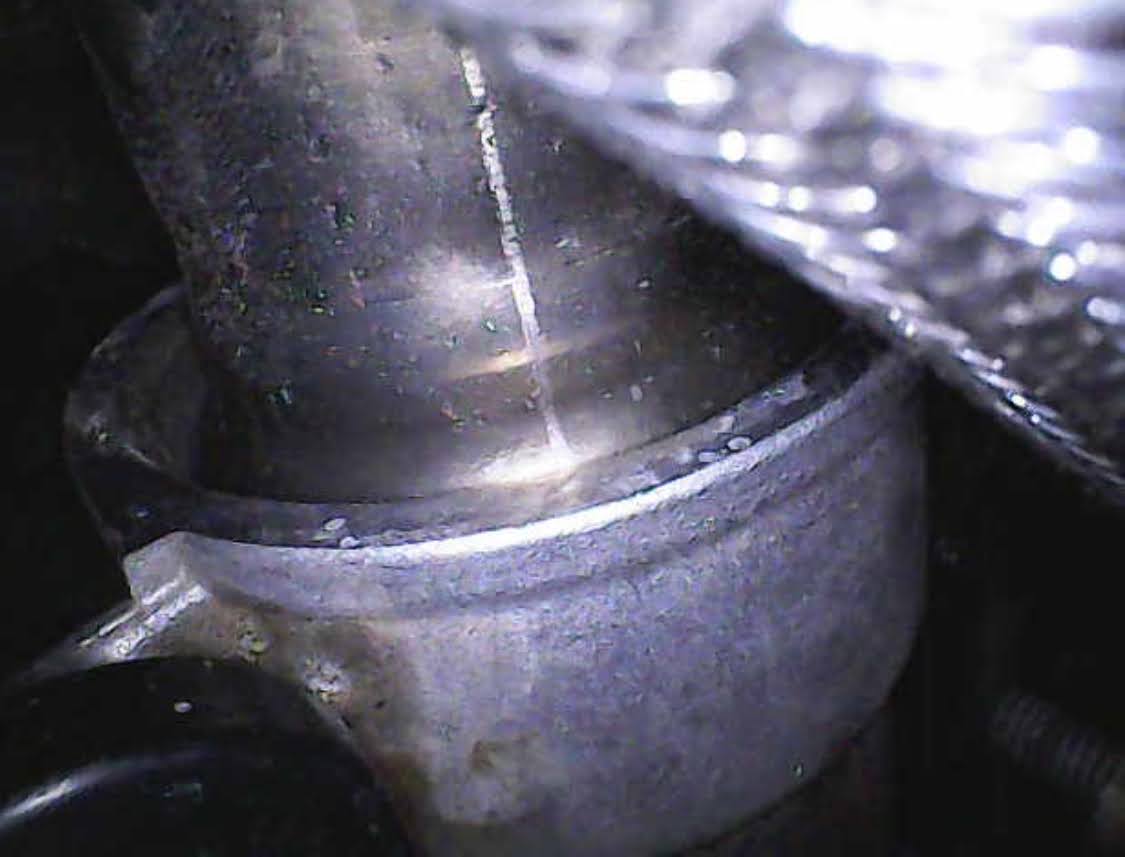
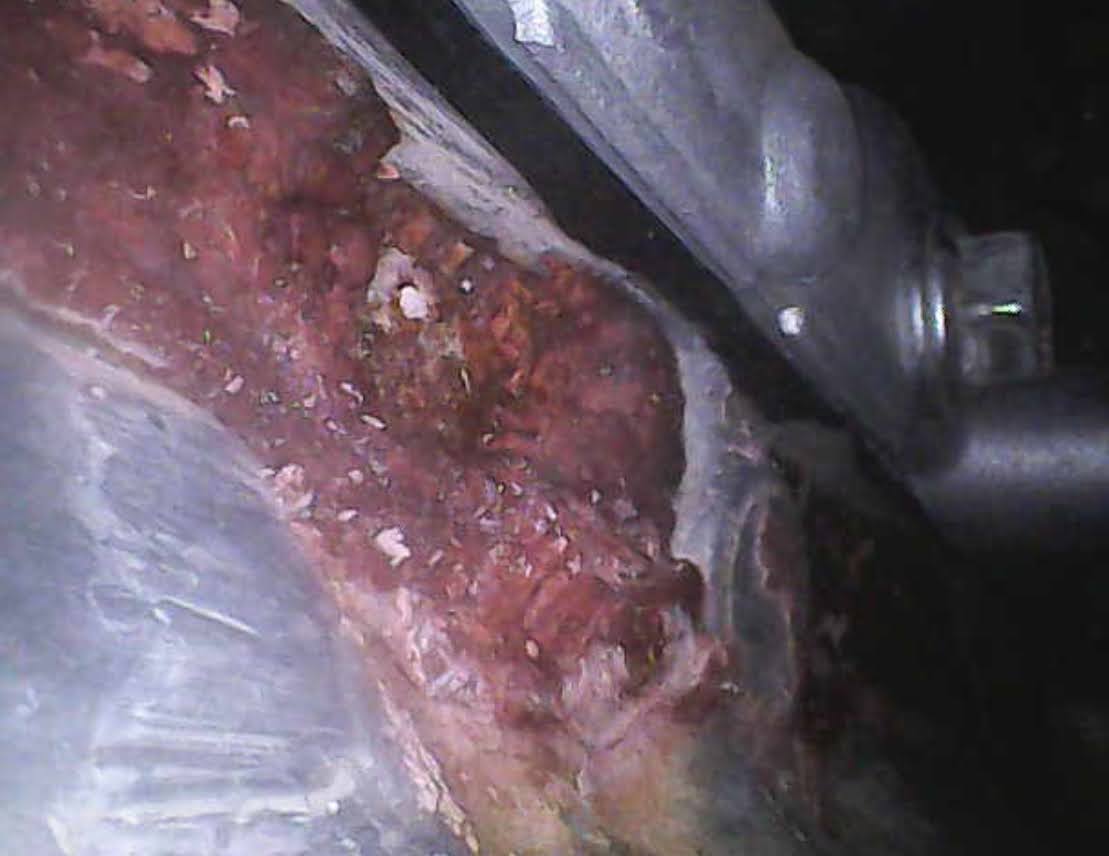
I am not seeing any leaks and I even bought a boroscope and left the foam around the PCV valve out so I can get under the intake manifold. With the camera, I can see the transfer tube and it looks dry. I can see my FIPG bead and it is dry around it. I couldn't get a good picture of the passenger side but it looked dry too and I even went from under the truck up the back of the transmission and it all looks dry.
8SbWHot.jpg


6N0vCLq.jpg
 
Last edited:
Now that I have mine finished up, I wanted to add my thoughts on something I saw discussed earlier in the thread.

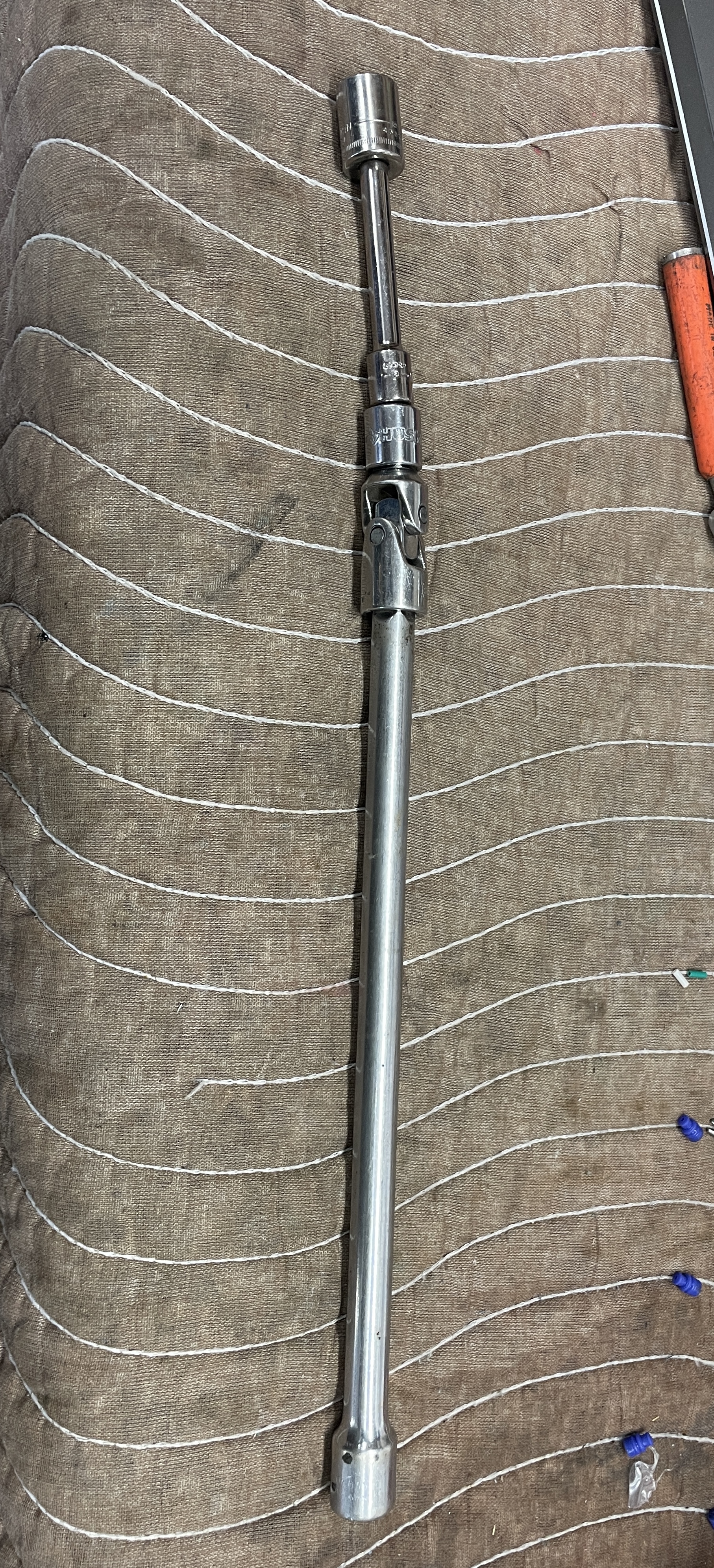
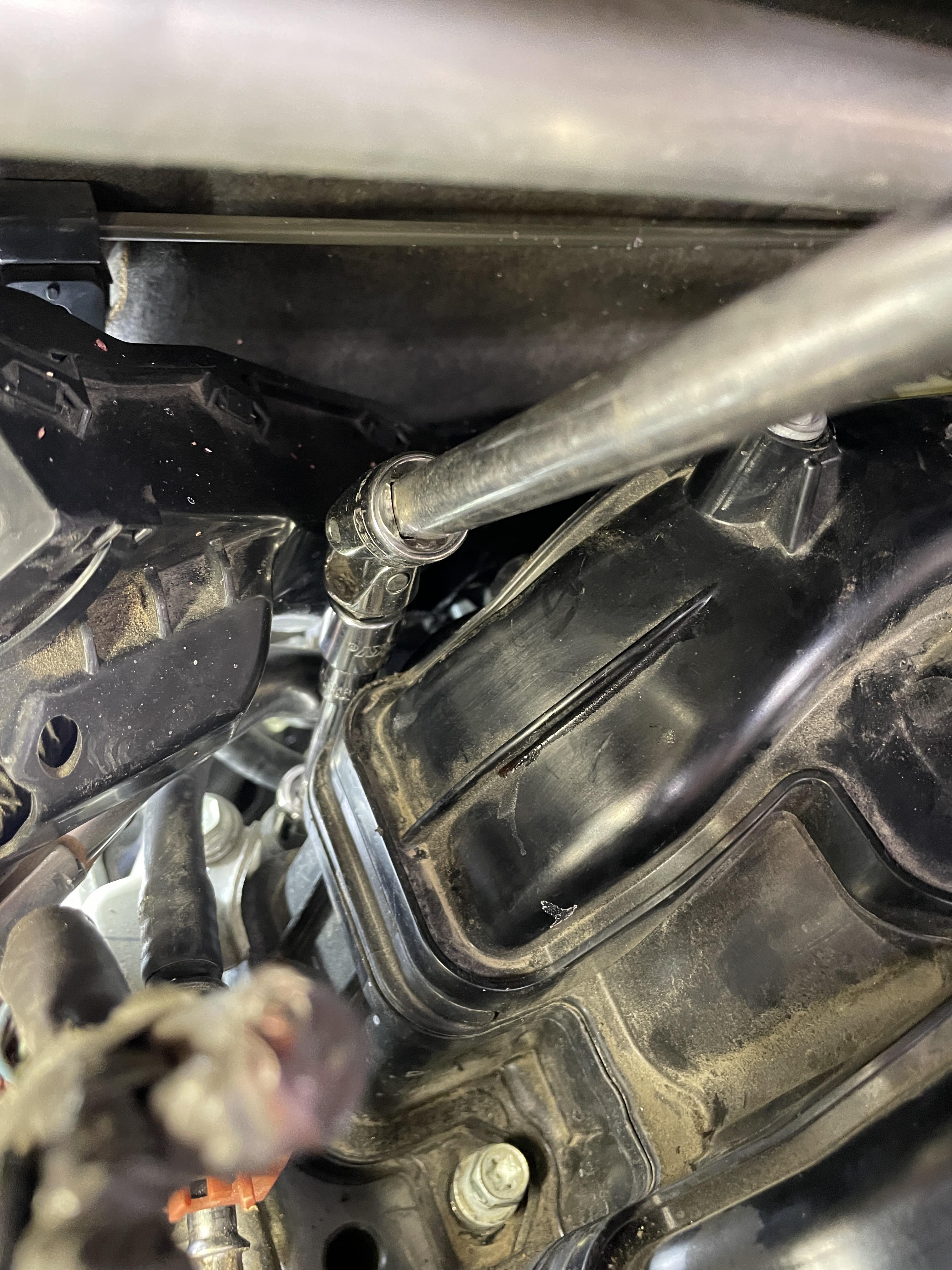
@mcnaughty mentioned moving the heater hoses and using a 1/4 socket to get to the passenger rear intake manifold bolt. I removed the heater hoses the first time but the second time, I tried a 1/4 and was able to get to it relatively easy with this combination. Hopefully this saves someone the struggle of trying to get to that bolt.

pD5uMGO.jpg


Eauguti.jpg
 
Now that I have mine finished up, I wanted to add my thoughts on something I saw discussed earlier in the thread.

@mcnaughty mentioned moving the heater hoses and using a 1/4 socket to get to the passenger rear intake manifold bolt. I removed the heater hoses the first time but the second time, I tried a 1/4 and was able to get to it relatively easy with this combination. Hopefully this saves someone the struggle of trying to get to that bolt.
Great tip!
But can you reach the bolt after unscrewing it without having to move the heater hose?
Or are your sockets magnetized?
 
OK, quick update with some notes:

A 1/4" drive shallow 12mm socket with a 6" extension is the ticket for that back passenger side manifold bolt. I think it was hanging on by one thread the day before, when I was working with the 3/8" drive tools, and holding the manifold on. As soon as I backed that bolt off another turn, I was able to lift the manifold off easily. I'm still a little concerned about how I'm going to get that bolt back into place when the manifold is seated back down.

I disconnected the fuel crossover line on both sides of the manifold and didn't lose any gas. I believe that when I broke the seal loose on the manifold (before I disconnected the fuel line), it released pressure so I wasn't sprayed with fuel when I disconnected those lines. This would be my suggested method for anyone doing this job. I could barely even feel the head of that bolt on the rear of the manifold with my finger, there was no way I was getting a tool to it and turning it. That bolt does not go through the wire harness, so the line will come right off with the manifold when you lift it. This way you will only have to disconnect the drivers side wire harness clip (easy to do) and break the passenger side clip (a little nerve racking because of all of the cracking noises when you do it).

Also, I drained the radiator and the block on the passenger side and it drained enough coolant so that when I lifted the valley plate off the head coolant didn't run out everywhere. I don't think I'd mess with doing the drivers side as I couldn't figure out how to get access to drain it.

I got the valley plate sealed and placed back on the set overnight. I think the coolant transfer tube slid on appropriately, but I'll fond out for sure tonight when I refill it with coolant. Keeping my fingers crossed on that one!

View attachment 3446909

This is absolutely the way to do this. I had the driver's side clip off in about 60 seconds, the passenger side clip broken off in 10 seconds with a prybar, and the fuel lines disconnected in about 3 minutes (had to grab a stubby screwdriver to press in the yellow tab on one side). No messing with that hidden bolt at all.

The 1/4" socket method for the passenger rear bolt definitely works, but I'm not sure how easy it's going to be to get back in there when the time comes. lol. I'm waiting on parts now.

This job would definitely be easier if I had tiny Asian hands and stronger beer.
 
I went to bed just before the rear manifold bolts. I’m glad I did bc I’ve read this entire thread. Hold my beer- I’m going in!
I never updated after, but this thread was perfect instructions.

You got this!

Note for anyone reading this in the future, I hit a delay because I took a chance on my knock sensor harness, but I ended up breaking every clip taking it off because it was crazy brittle. I recommend spending the ~$30 on the new harness before you get started so you don’t get to that point and get stuck like me. And make sure to not throw away your old harness before you start because you’ll have to transfer over a little metal clip from the old one to the new one.

Other than that, everything went really good. I also recommend a gym floor mat to lay across the front of the truck so you have something to lay on to reach to the back of the engine bay.
 
IMG_7682.webp

I’m down in there now. Does anyone know what caused the leak? Was it an improper material for the gasket? If it was FIPG- I’m not feeling real good about it lasting, but perhaps there was a switch of gasket material?
 
View attachment 3571509
I’m down in there now. Does anyone know what caused the leak? Was it an improper material for the gasket? If it was FIPG- I’m not feeling real good about it lasting, but perhaps there was a switch of gasket material?
Honestly, it’s a manufacturing defect. The flange surface between the coolant plate and the valley is too thin. That combined with the FIPG getting brittle with age/heat cycles causes this to happen. Mine made it 125,000 miles and 11 years before it showed any signs. There is no other option for a gasket other than FIPG. I used Toyota 1282B.
 
I'm not sure there is a conclusive root cause... lots of speculation from design, gasket material, surface prep, bad luck, heat cycles, coolant, etc

Bear in mind seems to affect all the V8 UR engines .. I think latest I've seen so far is a 2018

I keep an eye on my "cold" coolant recovery tank level like a hawk
 
I never updated after, but this thread was perfect instructions.

You got this!

Note for anyone reading this in the future, I hit a delay because I took a chance on my knock sensor harness, but I ended up breaking every clip taking it off because it was crazy brittle. I recommend spending the ~$30 on the new harness before you get started so you don’t get to that point and get stuck like me. And make sure to not throw away your old harness before you start because you’ll have to transfer over a little metal clip from the old one to the new one.

Other than that, everything went really good. I also recommend a gym floor mat to lay across the front of the truck so you have something to lay on to reach to the back of the engine bay.
I was really worried about that harness too. Good idea just buying a new one if it’s that cheap.
 
View attachment 3571509
I’m down in there now. Does anyone know what caused the leak? Was it an improper material for the gasket? If it was FIPG- I’m not feeling real good about it lasting, but perhaps there was a switch of gasket material?
Looks good. Be very careful with the coolant transfer tube. Make sure the orings are wet and it slides in smoothly. Mine was pinched so I had to tear it down again.
 
Back
Top Bottom