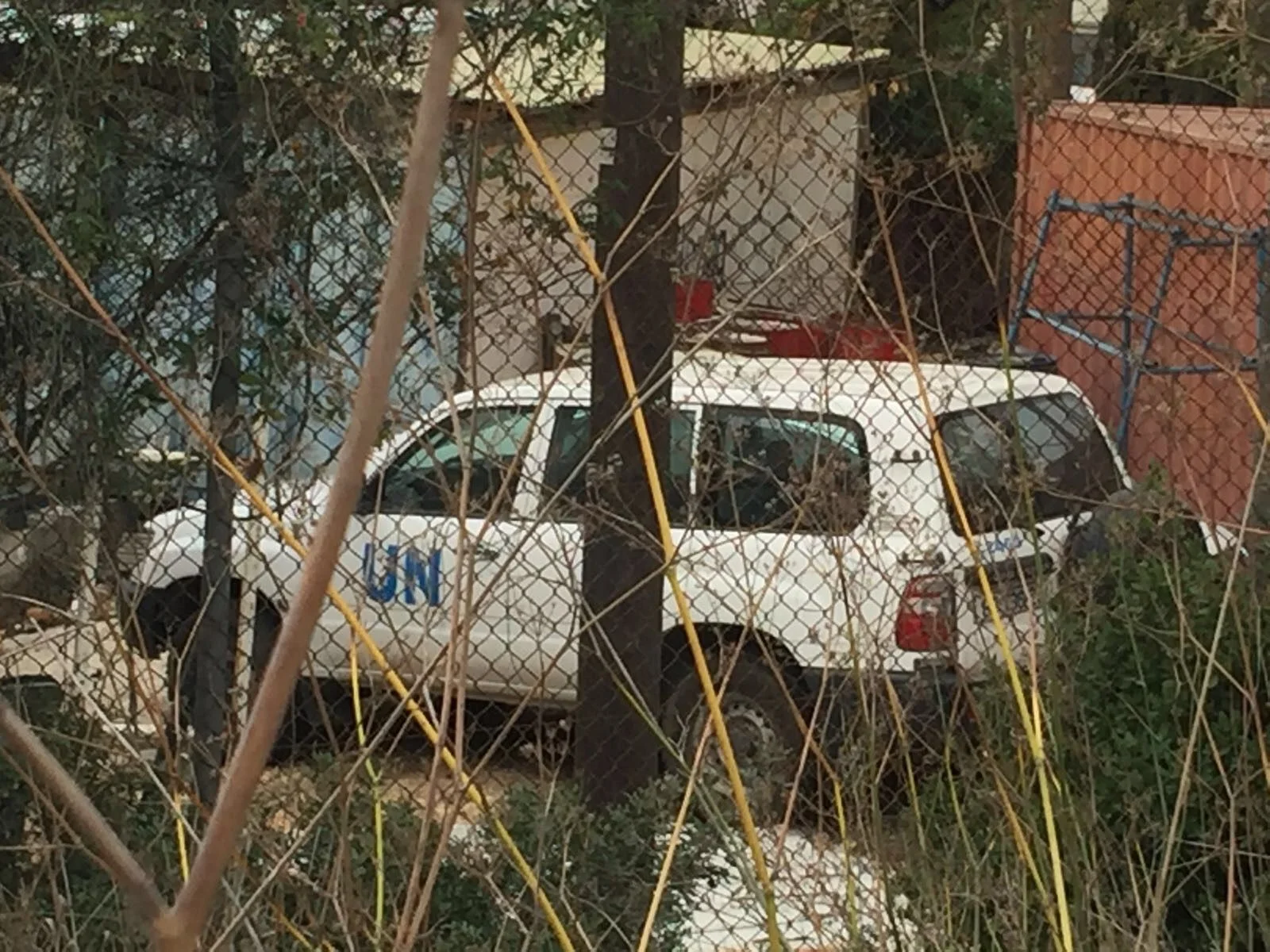
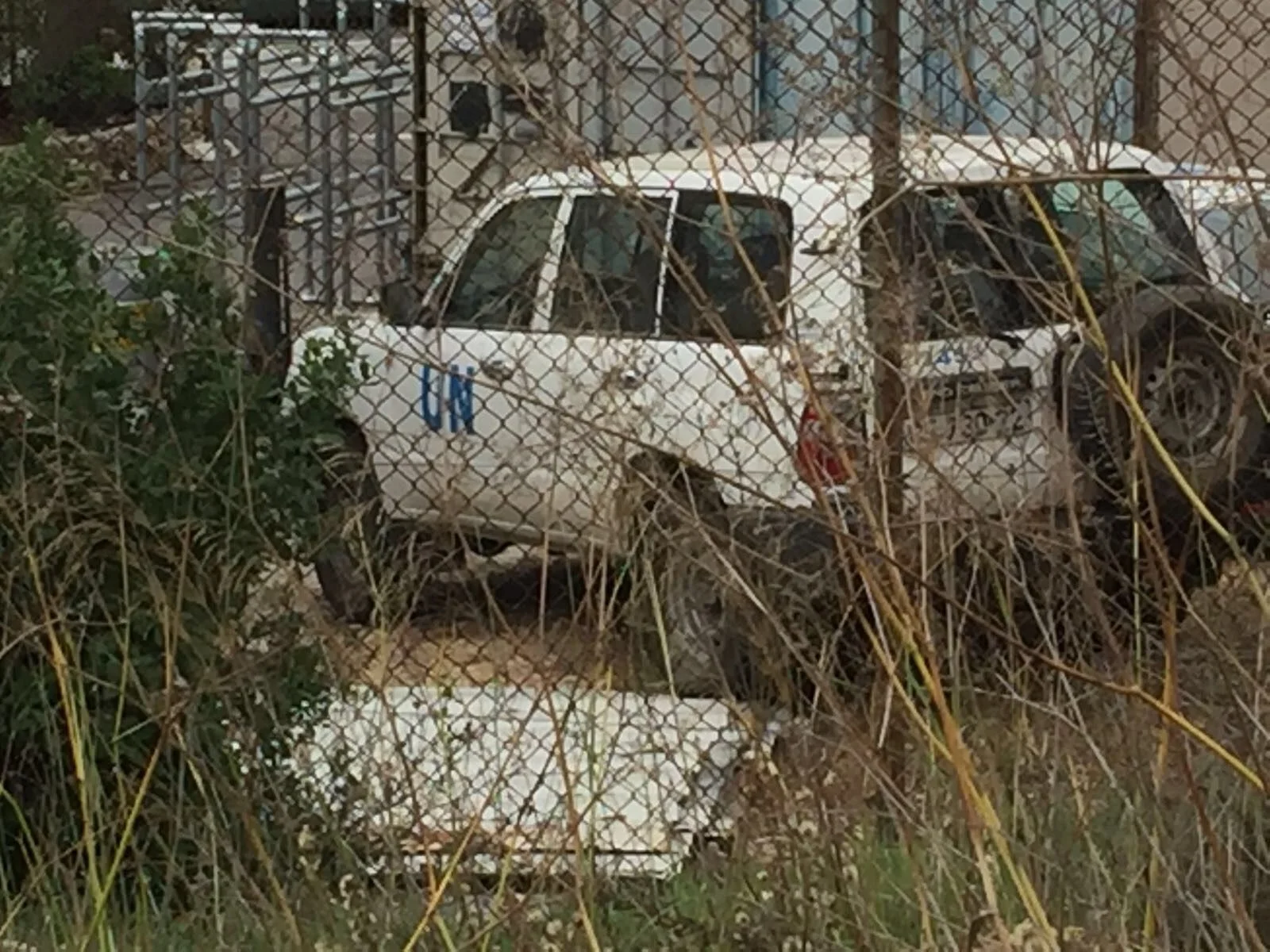
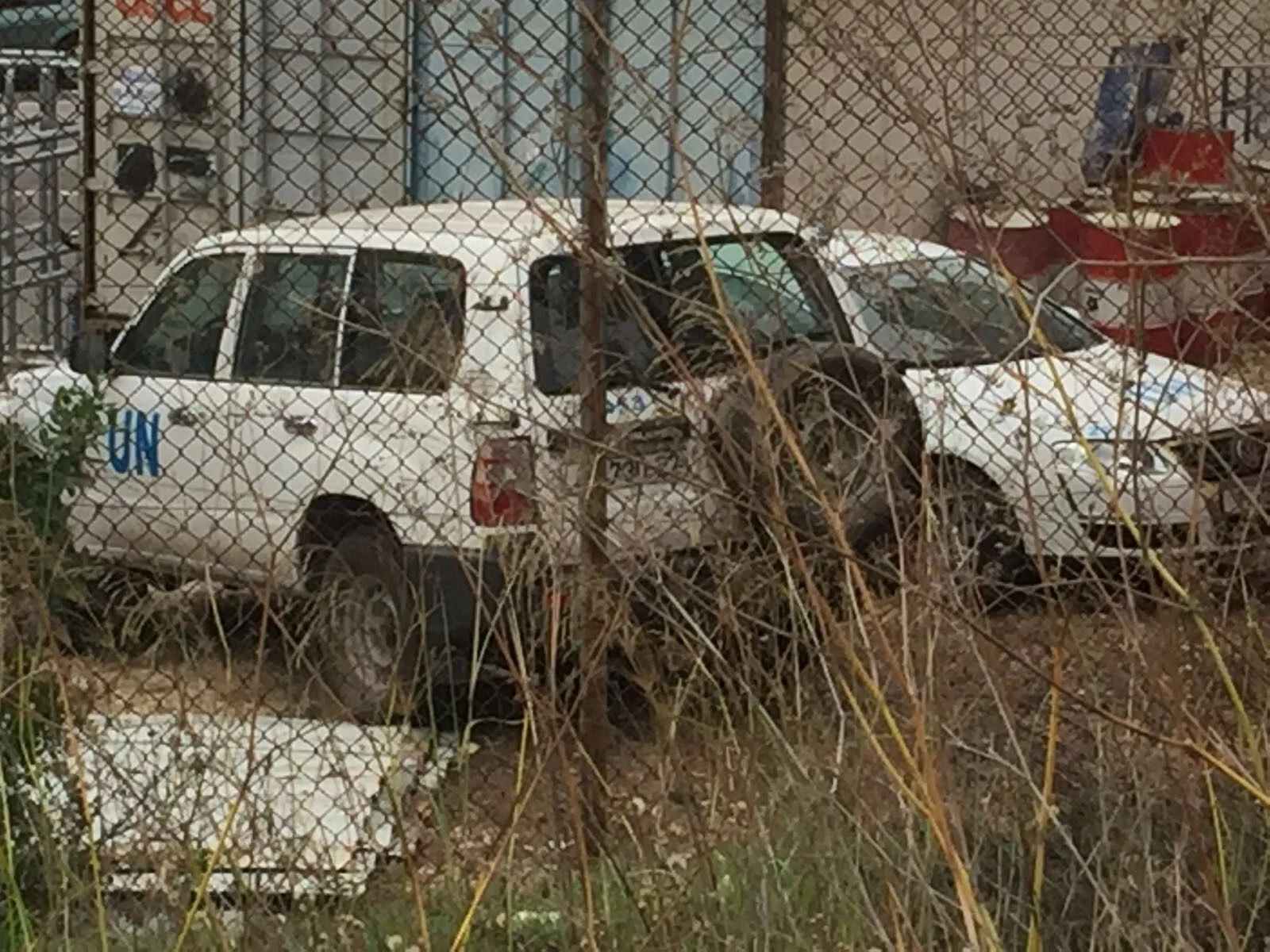
"There are two distinct versions of the 100-series, the
100 and the
105. The two versions look very similar, but there are significant differences under the bodywork. Despite these differences and official model names, both the 100 and 105 are collectively known as the
100 series.
The
105 carried over the majority of its chassis and powertrain from the 80-series with coil suspended
solid axles front and rear, and straight-6 petrol and diesel engines. These models were only sold in African, Australian, Russian, and South American markets."
"The
100 models were fitted with a slightly wider chassis,
independent front suspension (IFS) and two new engines. The change to IFS was a first for a Land Cruiser, and was made (in combination with
rack-and-pinion steering) to improve on-road handling. However it also limited the vehicle's off-road capability and durability, hence the decision to offer the solid axle 105 models alongside the IFS 100 models in some markets."
wikipedia.
I believe in 1998 no foreign manufacturer was able to sell diesels in US, due to a change in emissions law.
The new 100 series aspired to be a more upscale model anyway and it could not mix in the dirty image diesels had with it's new status.
Toyota did not want to bother with the diesel headache in US. Back then they were not being viewed in a favorable way.
Even today they carry a certain stigma. See VW/Audi dieselgate.