


Man am I happy I got this fixed on my 2015 under warranty.
Follow along with the video below to see how to install our site as a web app on your home screen.
Note: This feature may not be available in some browsers.
This site may earn a commission from merchant affiliate
links, including eBay, Amazon, Skimlinks, and others.

what mileage were you at when you got it fixed? Also, did you experience a slow drop in coolant level over time or was it more sudden?Man am I happy I got this fixed on my 2015 under warranty.
I got it fixed about a year ago at 65k. It was a very slow drop in coolant level. I knew about the issue when I bought the 460 so I watched it very closely and could tell it was slowly losing coolant. I told the dealer I was adding about 1 pint every 5k which was a bit of an exaggeration.what mileage were you at when you got it fixed? Also, did you experience a slow drop in coolant level over time or was it more sudden?


Currently being inside of the thing I'd like to delete the entire thing and install a small block chevy right now. This engine is absolutely full of s***.With the intake off it would be a good time to port it or replace it with something more performance oriented. I suppose you could also delete the EGR while you’re waist deep in there already? LOL
Clutch! Thank you, I got 201k on it.

The best, bar-none, lubricant for coolant seals is this stuff.Before reinstalling the valley plate with new FIPG, you want to install the coolant transfer pipe into the block. To do this, properly lube up the new o-rings on the pipe and the lube up the hole the pipe is inserting into. I used coolant as a lubricant here, but others say there's coolant friendly lubricants that would do the trick as well, maybe even better. You'll have to research them or make your own decision here.
**This step is one of the most important steps to get right, IMO. The new o-rings can easily kink, roll or come out of their groves and the issue might not be easily visible. If you reassemble it with an issue here (like I did), you'll only really know once you fill the system back up with coolant and it leaks like crazy, That'll mean tearing everything back down and starting over as the valley pan has to come off to reposition these o-rings. You cannot test them my adding coolant at this step either, it'll leak out many other areas that are currently disconnected. You might be able to plug all those alternative paths and try, but I didn't and can't speak to that option.**
 www.dupont.com
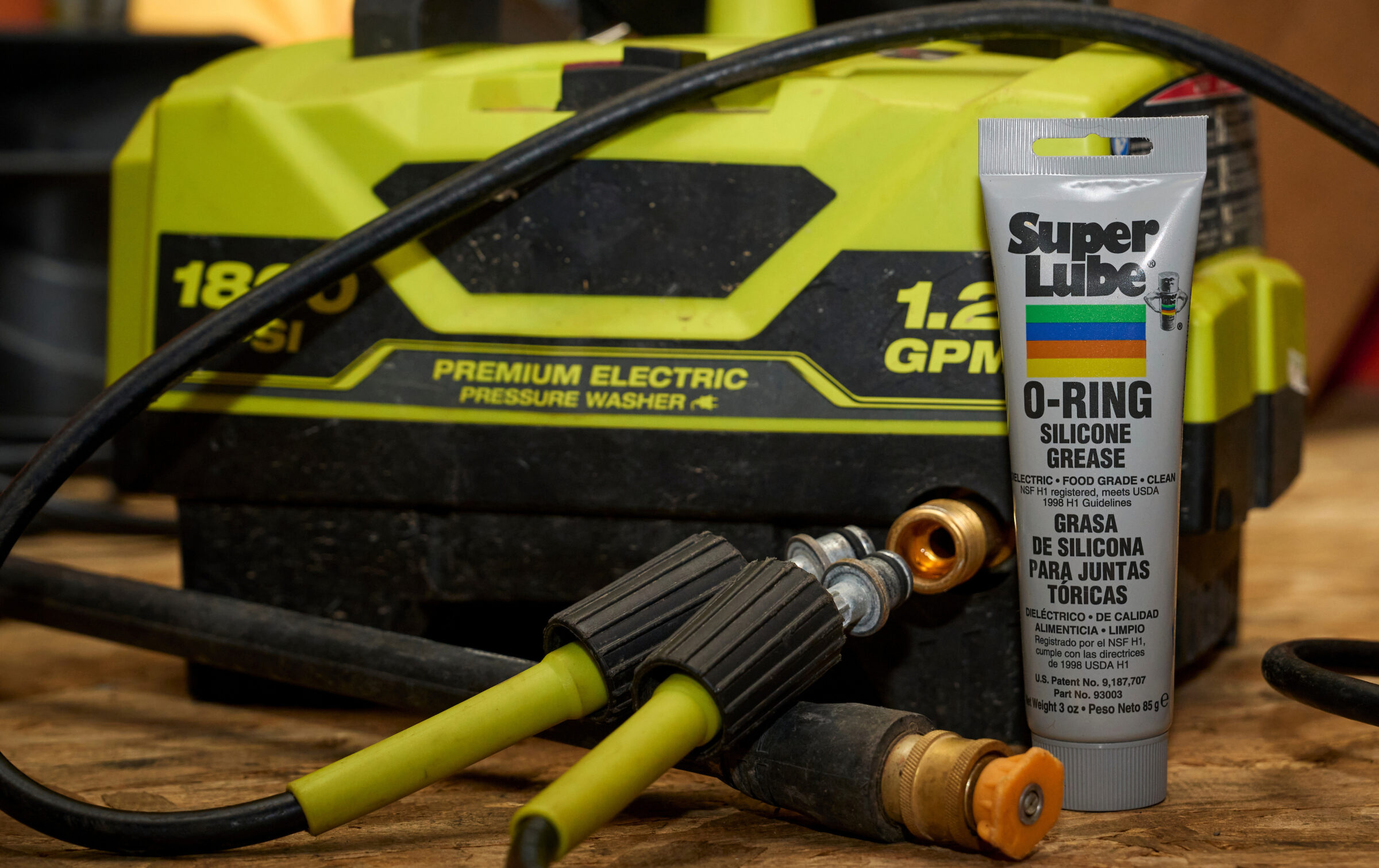
 www.super-lube.com
2014, 105k milesyz125: What year is your GX?

Also, kindly, screw you for making me believe I could do this lol. I am a moderate home mechanic, like I've done a timing belt before ok, and I nearly threw in the towel on this one trying to get the intake manifold off.

@jmanscotch thank you for such an amazing write up! I had a coolant leak, and used your instructions to disassemble so that I could check out the coolant valley plate. One question though - after letting the vehicle sit with the negative terminal off the battery and now reassembling everything, I too have some dash lights on. What was the exact process that you used to “reset” those dash lights?Couple more notes to add concerning issues after wrapping up the repair.
When all done, I started it up and had traction control, multi-terrain and ABS lights on and a bad belt squeal and faint bearing noise. I had read someone else mention the lights coming on, and to disconnect the battery again and short the positive cable to ground (or negative) for a few seconds and it'd fix it, which it did.
I wondered if the faint bearing noise was the new water pump unit being bad out of the box and after talking to Matthew at MyLParts.com, he quickly sent me an official Lexus dealership parts receipt to take to my local dealership to prove purchase and warranty status on it.
Dealership checked it over and said the belt squealing and coolant soaked pulleys were the only real issues they found and suggested cleaning it all up and replacing the serpentine belt. They did both and also installed that new secondary air injection tube (?) I broke during the repair. Guess I should've drained the coolant out of the block before the repair, but I was being lazy. Good news is there's no bearing noise since.
Also since the repair, a few times I've noticed a slight rough idle (being about 480 RPMs sometimes) and three times now it has failed to start when I try to start it. This happened twice Tuesday (before having the broken intake tube replaced Wednesday/Thursday) so I wrote it off as issues due to that air/vacuum leak. That was until it happened again today. Rough idle on the way home from work and a long hard crank with an eventual hard start when I went to run errands a hour after returning home from work.
Here's what I've found out about it so far. Apparently it's a common enough condition after a long period of the battery being disconnected, a couple forums had membors who noted it with their Toyota/Lexus after battery swaps and such. Essentially the ECU forgets any tuning changes it's stored and it takes a little bit to relearn again. I saw some suggest driving 20 miles after such a power interruption or as much as a few weeks. I've driven about 15 miles since and am not sure if the dealer disconnected the battery during their repairs.
Obviously, the ideal that the ECU has to relearn some tuning tweaks to make my GX idle smooth means I'm probably due for some maintenance items (maybe MAF sensor cleaning, new spark plugs, potentially O2 sensors) so that's something I'll look into soon. I know the spark plug swap is going to lead to new oil rings and a valve cover gasket job, so I've been intentionally putting that off, what you haven't confirmed yet can't hurt you, right? For now, I plan to keep driving it and just ensure it stops being an issue over a bit of use/time.
@jmanscotch thank you for such an amazing write up! I had a coolant leak, and used your instructions to disassemble so that I could check out the coolant valley plate. One question though - after letting the vehicle sit with the negative terminal off the battery and now reassembling everything, I too have some dash lights on. What was the exact process that you used to “reset” those dash lights?
A key sign that your GX suffers from this issue is a low coolant condition and coolant running down the backside of your engine and down the transmission bell housing. If you crawl under the GX behind either of the front wheels and look up at the transmission bell housing, you can see evidence of pink/red coolant leaking.