

Crack Rear Differential

This site may earn a commission from merchant affiliate
links, including eBay, Amazon, Skimlinks, and others.

Joined
Nov 24, 2010
Threads
4
Messages
22
Location
Nairobi Kenya
Good evening everyone,

Ive had a hairline crack in my 80 series rear differential. Its been leaking and the puddles have increased in size, so I removed the diff and found the crack to have traveled and formed through a previous repair job that was done in the same line.

I have heard this is a common problem on the 80 series and it can be welded back but should be done with some reinforcement of an angle line underneath.

Has anyone experienced this before? I am going to try to have it repaired rather than replace which is expensive.

Looking forward to your responses.

Regards
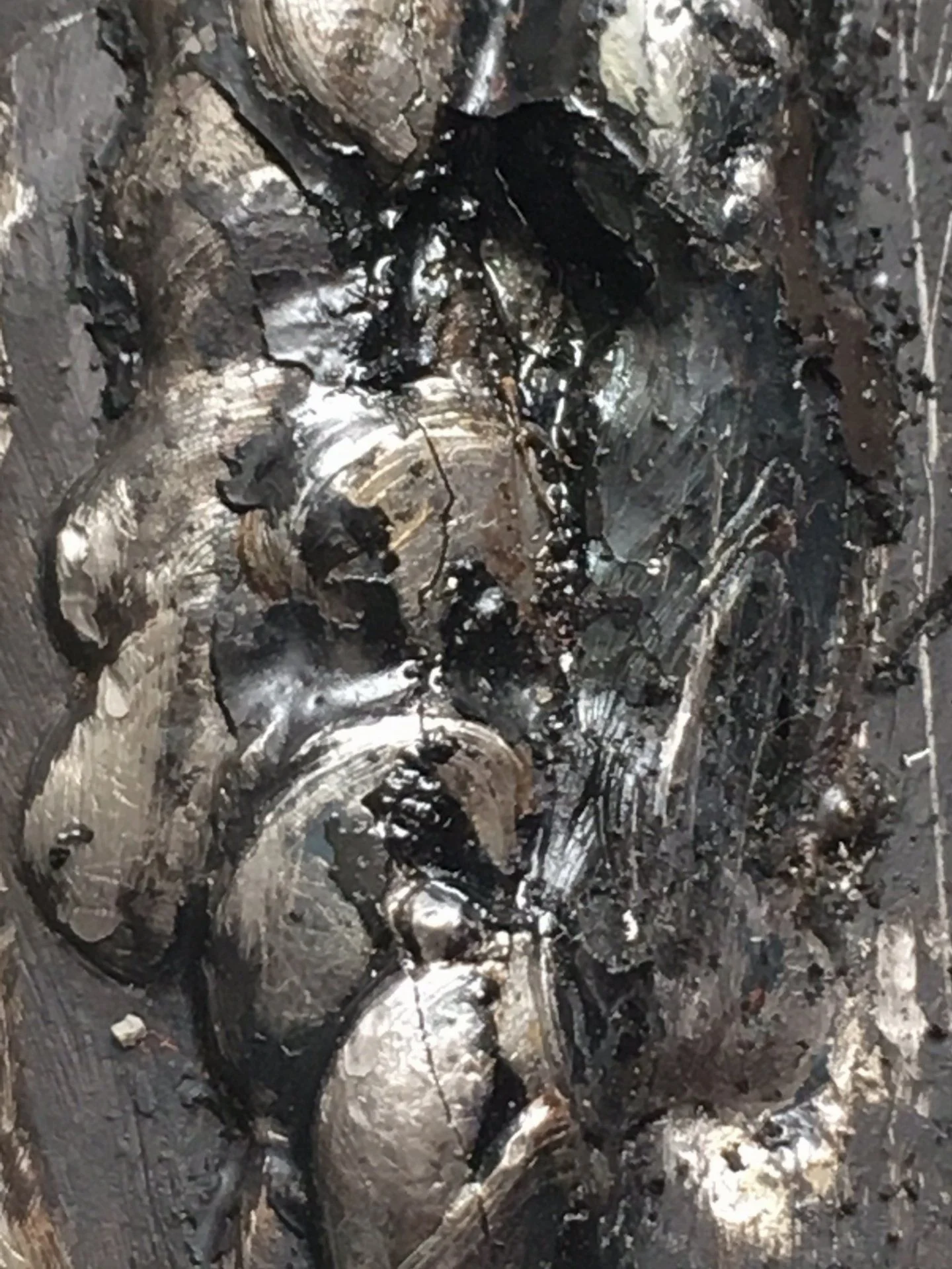
IMG_5105.webp
 
I would also like to know where exactly the crack is...then we can figure out WHY it's cracking. Obviously the simple weld wasn't enough...
 
Welding cast iron is difficult because of the free carbon (graphite) in the matrix. You simply can't weld steel with all that free carbon floating around. The trick to doing it correctly is to remove the (free) carbon, then you are left with low carbon steel, which you can weld easily. Most industrial processes use a flux which the carbon has a greater affinity for than the carbon in the cast iron. Caustic soda (lye) is one of those materials.

So you want to make sure that whoever does the repair for you cleans the crack really well (get all the old repair out and cut into some of the original casting), preheat it before welding (or else the weld heat will run away and you'll get a cold joint), pack it with lye and go to town.

Another idea is to contact Locknstitch in Turlock, CA: Metal Stitching & Thread Repair Inserts. - Turlock , CA - LOCK-N-STITCH, Inc
They have some nifty inserts, but it may not work for something as curvy and small as the diff case.
 
Is that crack in the carrier, or is it in the tube housing? If it's in the carrier, then it's like Malleus posted, cast iron can be very difficult to weld. When we welded cast iron we would place the item in a large industrial oven for a few hours to bring it up in temperature, plus that high temp would burn off all the oil, and grease that can contaminate your weld, then we used a special filler rod.
 
Luckily it isn't cast iron if it is on the axle housing. Take a picture from further away and you will be on your way to a solution.
 
If it's as Chris Wilcox says, and it's just the mild steel housing, I'd take a grinder, and grind out all that old weld. Then I'd take a rose bud, and cook off all that old oil and grease. Plus the rose bud would preheat the weld area before you start welding, helping to prevent your new weld from cracking. Then I'd finish it off by filling in that crack with a Tig welder.
 
It was repaired before but what a shoddy job it was. Pre heating it as Malleus says sounds like the best way to start.
I appriciate all your comments and advice, I will be posting the progress.

Thank you all
 
We call that bird s*** welding here in NZ. Man that is rough.
I think you are heading down the right track by getting rid of all that crap welding and starting again.
 
If it were mine, I'd grind it all down and weld a patch over the cracked area.

Actually, I'd probably look for another housing to swap in, and not worry about fixing that one at all.
 
I agree with l lean. look for a good used one and never worry about it again
 
Unless your current housing has been modified for special suspension, I would replace the housing.

To properly fix that crack, you need to grind off the SURFACE weld and clean that up, THEN back-gouge along the crack to remove all bad material and get back to raw steel. You should grind almost all the way into the housing in order to get as much weld penetration as possible. It would be great to heat the entire area with a large rosebud to burn out any oil or impurities. Since the axle is out of the truck, it will be much easier to weld the axle in a horizontal position rather than laying under the truck and getting undercut.

Then after the welding, heat the entire area with a rosebud again in order to normalize the metal in those areas and let them air cool. This will relieve the heat stress in the weld. You can grind it to suit.
 
It is a common problem of 80s mostly front. Rear is rarely happens. I would suggest to take it to the UV scan, scan it and weld it again. You will be surprised by the scale of the problem, cracks will be everywhere even on plain steel.
I did mine with V-welding method three layers. cleaned all the cracks out and pretty much welded everywhere.

For future I am looking to order a custom axles made out of steel of decent thickness.
 
Back
Top Bottom