This type of meticulous repair is expected to last the life of the head - not a temporary affair at all. Welding cast aluminum often creates widespread stress to the area as the expansion and contraction from the repair itself creates changes in the mass and tension of the piece. A physical repair like this avoids that and essentially amounts to laboriously replacing the crack with solid aluminum that's not under any pressure.
Once the new aluminum is in place, he'll remachine the hole for the plug, and also the head bolt mounting face since obviously they will have threaded plugs across their surfaces. The head looked to be around 3/4 inch thick at the plugs - no wonder it's so dang heavy. BTW, there's so much room in the engine bay that if you follow my DVD recommendation to remove the hood it's easily lifted off the block by one person and handed to another standing at the front bumper. If there were a place to set it down in the engine bay (could set one up by laying boards across a corner) it could be done by one person.
I have never heard of this head cracking before, so I don't know where DJ's info comes from??
IMO, this engine has been heat stressed before based on the following items:
I bought it with a nonstock radiator
This radiator had a repair in it
The large aluminum cooling pipe to the upper rad hose is pitted badly
I made it all good with new OEM rad (brass/copper 93/94 version), flush, hoses etc but also promptly began heavy towing with it. And I contributed my share of abuse when the coolant got low this summer and alerted me to the whole "where's this coolant going" saga. So, a pre existing crack finally showed itself or began passing enough water to get my attention. Interestingly, I have an oil sample taken before this all began and I will be sending it to Blackstone to shed light on that. If it shows I had coolant in the oil in smaller amounts before the dam burst then it will confirm this. If the sample is clean then it happened on my watch. Will be interesting, no?
What's impressive is that this engine runs so incredibly well, burns zero oil, tested with excellent compression and hasn't been opened up before. Clearly, they'll take some abuse and keep on ticking. I still cannot get over how massive that block is. Seeing it stripped bare really brings that home - it's gigantic.
Truck, I've done several things while the head came off including new fuel injector seals, thorough throttle body cleaning, new O rings on water pipes, gaskets, replaced the tiny water line under the intake manifold, etc. For grins, I may index the spark plugs since I'll be able to see them in the head before putting it back on. Also, I'm installing a block heater I got from Cdan as I can basically stand there with my knees against the block at the moment. The 93 has one and it's kinda nice to use once in a while. Oh, and I found a very trick insulating sleeve from NAPA I'll be installing on the engine wire bundle where it passes the EGR pipe. Good for 1200 degrees, etc. All this will be on the DVD. I wasn't going to use the valve seals as they weren't leaking, but since it's going to be at a shop anyhow and they are the only rubber part in a head that's been heat stressed I felt it worth the money to have them put in. I'd feel like moron if they started leaking a year from now and the truck smoked a bit or started burning oil. This way, I should be good for another 200,000 miles of Miller abuse.
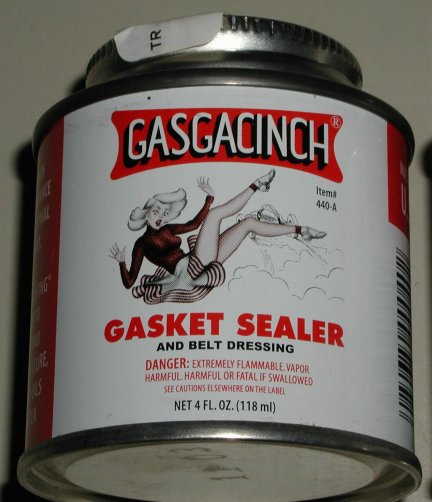
I'll be using the shop's tool to check the engine block tomorrow (Sunday) just for reassurance. Hopefully no surprises there. Oh, almost forgot. I mentioned the tiny mark from the edge of the head gasket and he gave me a product name "Gasket Cinch" that is excellent at permanently filling this. He felt it was not enough of a mar to worry about but I confessed my anal tendancies and he laughed and told me how to use it.
DougM