Thanks gaijin for the physical comparison run down. Interesting.
As for better, we as laymen without empiracal data, makes it all a crapshoot. It's fun to hypothesize, but we don't know for sure, other than to rely on TRDs reputation of making quality products. It may be better in some respects but worse in others.
Consider TRDs mission - to make performance products for your everyday car.
Performance can be interpreted in different ways. It might be that the TRD filters with less resistance at high engine speeds to minimize pumping losses and free up hp. But potentially it doesn't filter as efficiently, or for a long between oil changes as the standard Toyota filter. But this me hypothesizing too, as this filter media certainly has less pleats (hence surface area), but potentially the media has deeper features to expose more surface area within the media.
What I do know is that there is no way the stock media will collapse even in the harshest of uses, within their recommend change cycles. And that it will certainly guarantee me superb engine life commensurate with Toyota's reputation. I find no compelling reasons to deviate from this validated solution.
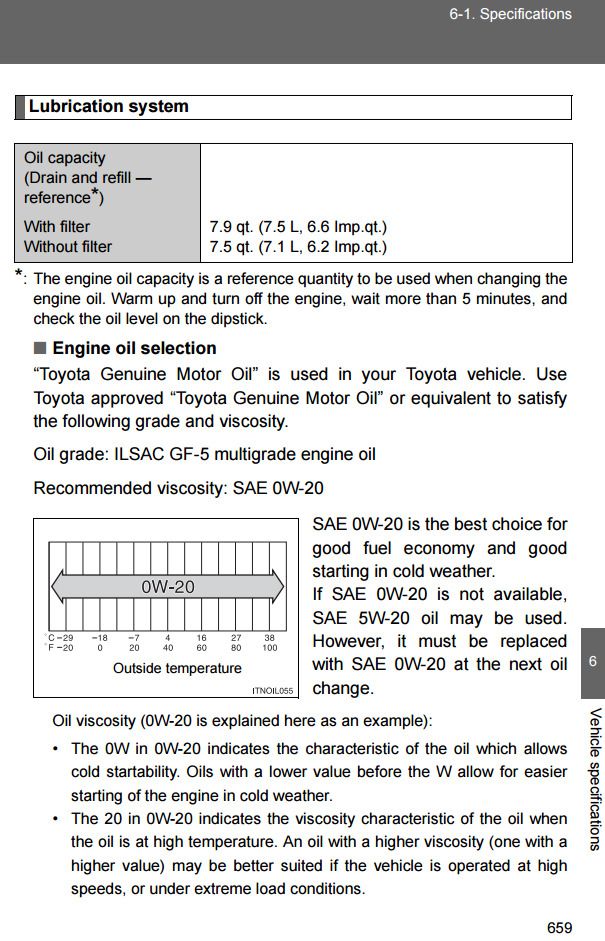
BTW, oil weights are another fun topic that I just shake my head at when people try to deviate from the manufacturers recommendation. Clearances may be the same, but oil weights are a designed in aspect of the larger engine system and application. It takes into consideration bearing surface areas, operating loads, heat loads, use cases, etc. There are very much specific engineering trade-offs and design decisions here. Again, following Toyota's guideline will assure me engine performance and longevity. Anything else is testing on my own dime.