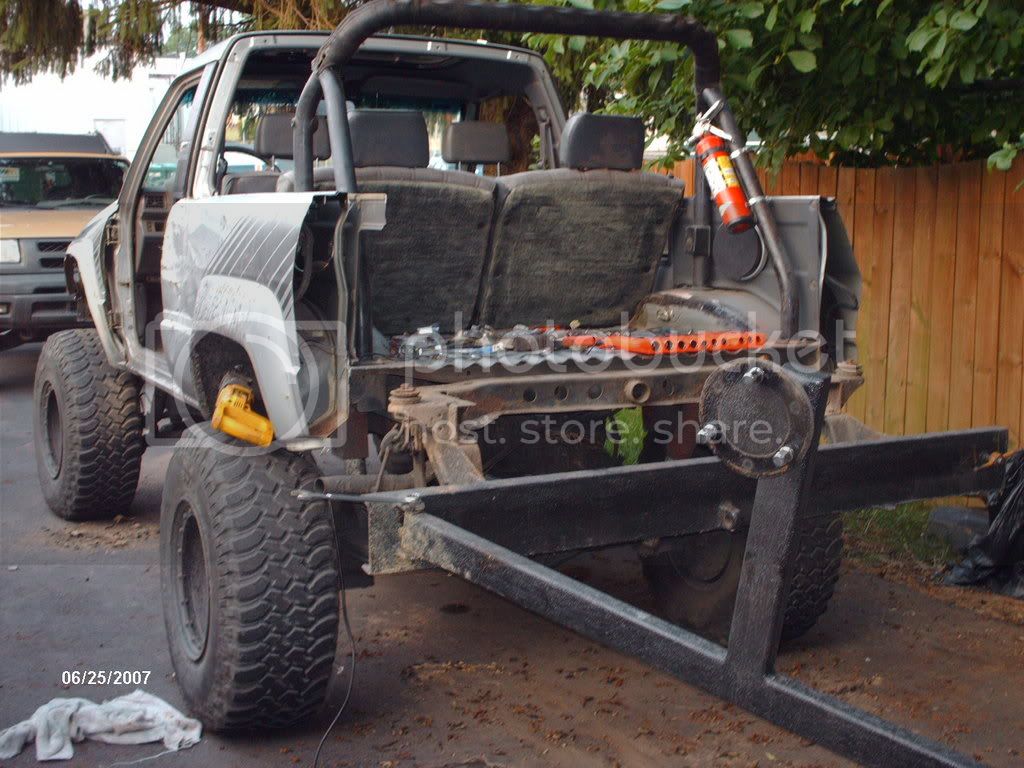
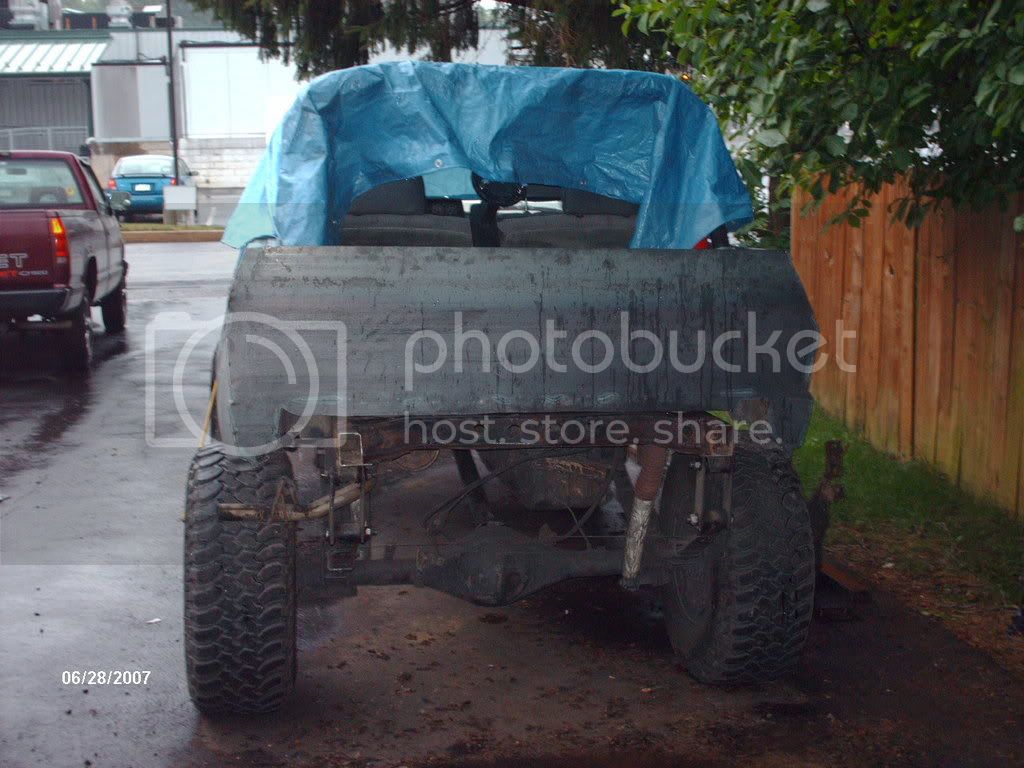
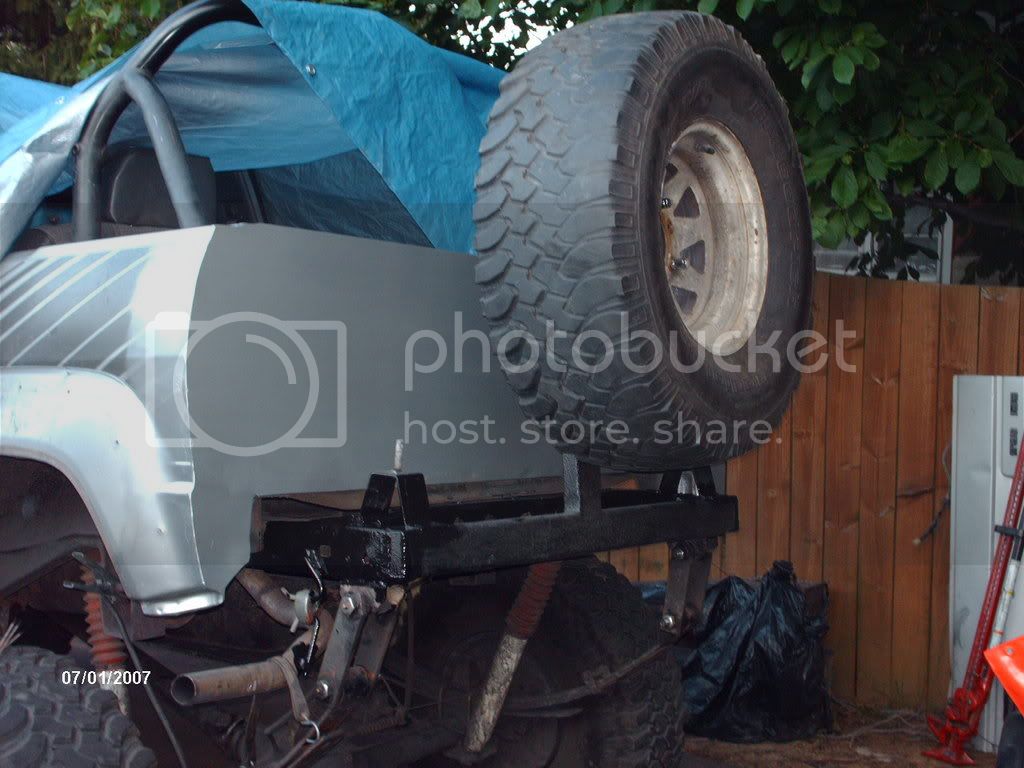
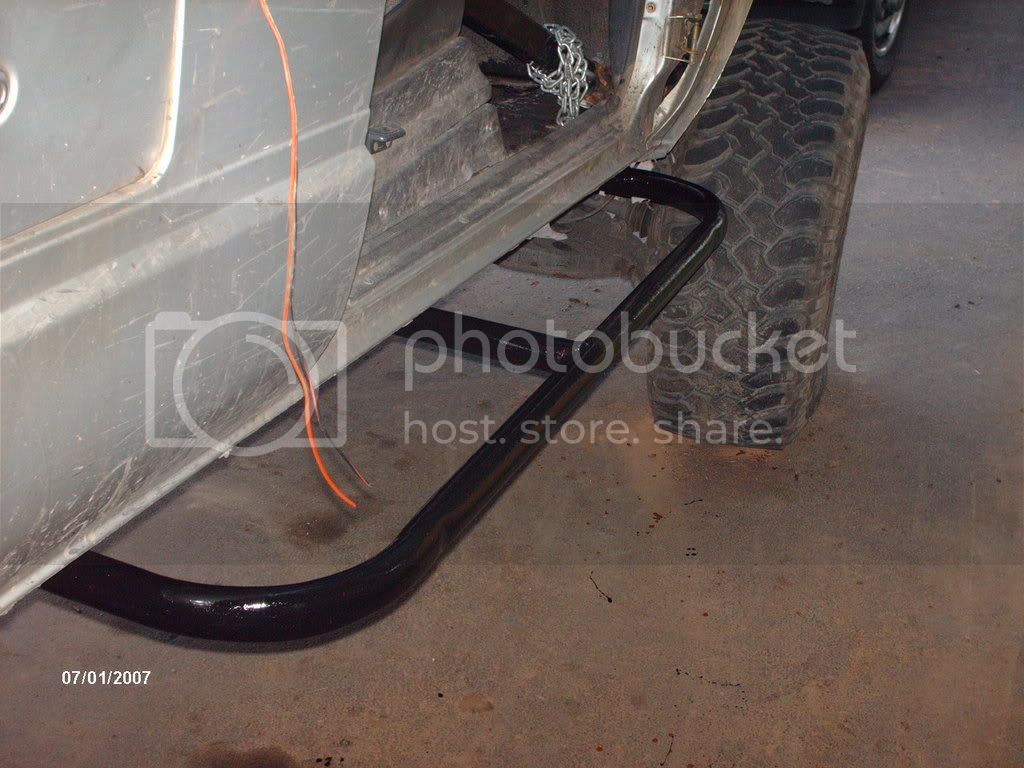
Hot Rolled Electric Welded
More on the topic: "HREW is a 1010 steel, DOM is 1020. The 10 and 20 represent the amount of Carbon in the steel. The higher carbon
content make the steel much stronger. Yield strength on 1010 is around 45,000 psi and DOM is around 70,000 and 4130 is around 90,000. So you can see the strength difference. Also, DOM is "work-hardened" or forged if you will. The Steel itself becomes denser and the surface tougher.
DOM is a process and means "drawn over mandrel". Typically you use DOM when you require precise thicknesses in the ID, OD or wall thickness of a tube. Hydraulic applications come to mind. It is not seamless but is made from sheet steel, rolled and electric resistance welded and finally, DOM'ed. DOM is a cold process. Most typically it is made from low to medium carbon steel. Often a low carbon steel application is preferred because of it's ability to be formed easily. The higher the carbon content, the harder it
becomes to bend.
More: HREW has a seam weld, as does DOM, but DOM is taken a few steps further and as far as I can tell, it's basically like a heat treating and then it's rolled over a die to counteract the welding and cold working abnormalities for a straighter stronger piece of tubing. But as far as strength goes in cages and other automotive applications, HREW will sufficiently do the job except for like steering columns (saftey sake) and driveshaft tubes."
Anyway, searching forums results in a lot of debate. DOM is preferred but not necesarry (depending on the design of the cage and welding techniques)... but I have friends who have well designed HREW tube cages that have taken hard rolls.. not that anyone should skimp on a cage but I guess it is debatable if it is skimping... DOM is X2$...