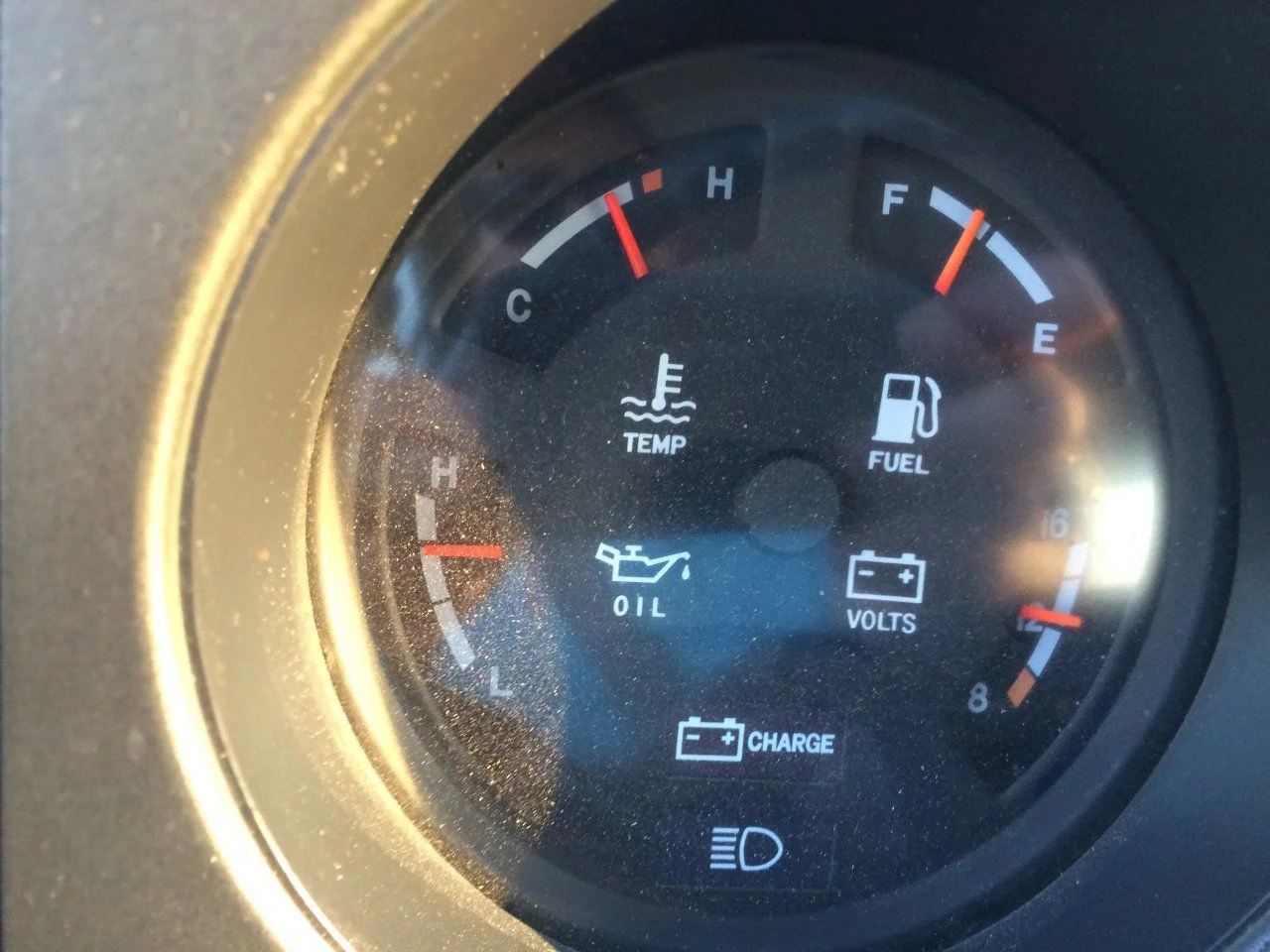
.... and avoid overheating if I come to a sudden stop on the highway. ... It's the sudden stops that scare me.
The engine doesn't get hotter when coming to an abrupt stop-to-idle after traveling at highway speeds, only the coolant does. And that doesn't really matter.
>>>>
The temperature sender in the engine is measuring the temperature of the COOLANT which was obviously heated by the metal of the engine, which was obviously heated by the burning fuel inside the cylinders. It is not directly measuring the temp of the metal engine, nor the temperature of the cylinder walls nor head.
There is a considerable lag time between when the fuel ignites, to when the metal (engine) gets hot, to when the coolant heats up, and finally when the sender detects a change in temp.
Heat in the engine starts inside the combustion chamber the instant the spark ignites the fuel/air mixture. It is the burning plasma that transfers heat to the engine. Since heat generation is proportional to the amount of fuel in the mixture, the INSTANT the throttle is reduced, the cylinder walls, pistons and head begin to cool down. This starts happening in less than a second regardless of RPM or the efficiency of the cooling system.
When the vehicle is traveling fast on the hwy, the engine is creating a lot of heat, but the air is also flowing fast through the radiator, cooling it down, and the water pump is pumping coolant quickly through the engine.
When the vehicle suddenly comes to a stop and idles after a fast run, the cylinder walls, pistons and combustion chamber start cooling down immediately because the source of the heat has been greatly diminished with the release of the throttle.
But the COOLANT temperature continues to rise as it is still soaking up OLD heat (latent heat) that was generated in the past that is finally getting around to being transferred through the metal to the coolant.
That temperature is old news of times gone by. It doesn't matter anymore except for curiousity's sake.
And since at idle, the water pump circulates the coolant more slowly, and there is less air flowing through the radiator than before, AND the temperature sender on the 2F is all the way in the back of the engine,... the temperature of the coolant at that location reflects in a very inaccurate way, a general idea of how hot the engine WAS "a long time ago".
Ignore it under these circumstances. The engine isn't getting hotter.