

Navigation
Install the app
How to install the app on iOS
Follow along with the video below to see how to install our site as a web app on your home screen.
Note: This feature may not be available in some browsers.
More options
Style variation
You are using an out of date browser. It may not display this or other websites correctly.
You should upgrade or use an alternative browser.
You should upgrade or use an alternative browser.
FJCruiser "Tuna Can"
- Thread starter FirstToy
- Start date
This site may earn a commission from merchant affiliate
links, including eBay, Amazon, Skimlinks, and others.


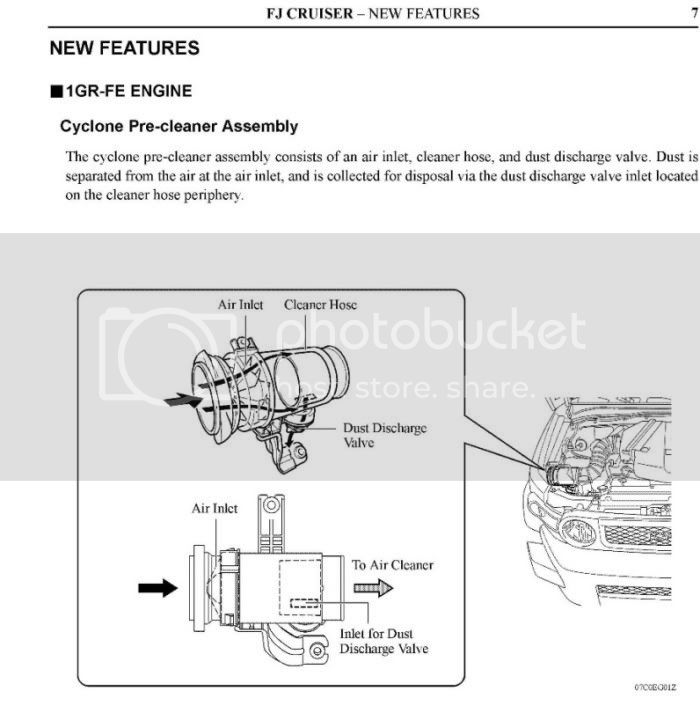
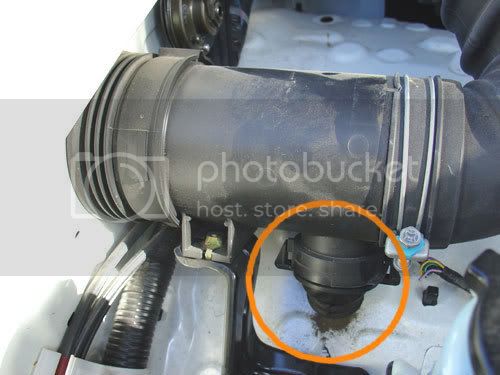

Ha. Figures they replaced metal which is AWESOME with plastic which is NOT SO MUCH.
Goodnight.
Goodnight.

Cyclone Pre-cleaner Assy?
 )

This is cool, Toyota brought back the 'tuna can' idea from the 80! Don't forget your roots!
...and before the 80, some 60 series air cleaners had a similar system included!


Ha. Figures they replaced metal which is AWESOME with plastic which is NOT SO MUCH.
I believe the use of the plastic housing would reduce the CIA temperature. In fact, I've been looking for a (cheap & easy) way to insulate the metal housing on the 80 after touching it after a hot noon summer drive


It looks like the FJC version automatically dumps itself? Thats pretty bling.

I believe the use of the plastic housing would reduce the CIA temperature. In fact, I've been looking for a (cheap & easy) way to insulate the metal housing on the 80 after touching it after a hot noon summer drive
Maybe this is completely off the wall but if they can ceramic coat headers to reduce heat from the headers getting into the engine bay could one have their air filter assembly ceramic coated to reduce internal air temps going through the filter? No ideas on the intake tube but the air filter assembly is metal correct?
I am always amazed, and sometimes scared, at what my Scangauge tells me the intake air temp is
- WAY higher than the ambient air temp and WAY higher than what Scangauge tells you they think you should see:FIA
CIA
Intake-Air-TemperatureCIA
"Temperature of the air going into the engine. At
highway speeds, this will typically be a few degrees
higher than the outside air temperature. At idle or
low speed, it may be much higher in temperature
than the outside temperature due to the low air-flow
into the engine and the high under-hood
temperatures warming it up."highway speeds, this will typically be a few degrees
higher than the outside air temperature. At idle or
low speed, it may be much higher in temperature
than the outside temperature due to the low air-flow
into the engine and the high under-hood


No flame here, but the ceramic seems like throwing a hand grenade at a cricket. A simple wrap with foil bubble wrap found at Home Depot in the insulation section should do better, and much cheaper. If it works but doesn't look pretty you could look into something else. Increasing the air flow to the engine compartment might help too, if you haven't already looked into that. For instance, upgrading the clutch fan would move more air through.
-Spike
-Spike
I am always amazed, and sometimes scared, at what my Scangauge tells me the intake air temp is
Flame awayFIAIntake-Air-Temperature
CIA
"Temperature of the air going into the engine. Attemperatures warming it up."
highway speeds, this will typically be a few degrees
higher than the outside air temperature. At idle or
low speed, it may be much higher in temperature
than the outside temperature due to the low air-flow
into the engine and the high under-hood
Exactly what I'm trying to get at...
On my new Sienna which has pretty much the same plastic air filter housing as the FJCruiser, the IAT was about 3F higher than the ambient temperature on the highway - this was late last night.
On the cruiser on this morning commute, the IAT was almost 20F higher on the highway, even though the ambient temp. has dropped 6F below

here is a quote from when I did some testing on IATs
You can see a 10* drop when that metal can is insulated.
Here is the Data from today's testing.
I had to make a run to Lowe's and since I forgot my wallet it was a two trip deal and got plenty testing done. Each way was about a 20 minute drive with some highway along the way.
During the entire time the engine temp fluctuated between 185* and 187*. This included idling time as well. The ambient temp was around 67*.
During initial start up the truck's Intake air temp was 66*
First drive out to Lowe's with a winter coat wrapped around the filter canister the Intake Air temps was a stable 82*
Coming back from Lowe's to retrieve my wallet without the coat around the canister the intake air temp was 92*
Second drive out to Lowe's with the coat re-installed: the intake air temps returned to 82*
At this point when I returned home I did an idle test with the coat still installed but with the hood open and then closed. Since I expected the temp to rise I immediately opened the hood first.
Hood open: the intake air temps rose to 91*
Hood closed: the intake air temps remained at 91*
At this point if you intend to positively effect your air intake temps it would seem that insulating the canister is really the only way to do it. Maybe at some speed the louvers might be of some help but I couldn't reliably predict where they would have to go.
Anyone have some ideas of what to use as an insulator? Something in a sheet material with an adhesive backing would be ideal as I can CAD up a pattern and use the equipment I service to cut out the shapes needed to wrap the canister.
You can see a 10* drop when that metal can is insulated.
insulate the can and silicone intake hose... what ever happened to that Samco deal?
i think people said they dropped IAT 10+ degrees F with a snorkel
Working on it!!!!
It's hard when your a student, going to work, and preparing your rig for the Iron Range Trailride this weekend