My seafoam experience. . . . .

This site may earn a commission from merchant affiliate
links, including eBay, Amazon, Skimlinks, and others.

Joined
Oct 27, 2003
Threads
490
Messages
9,928
Location
North Cadillac
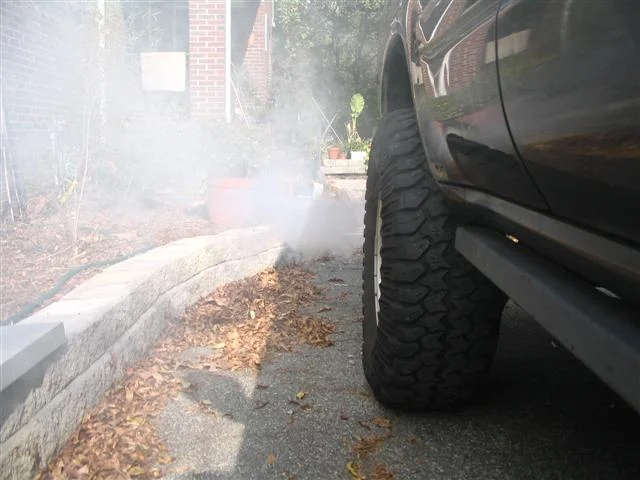
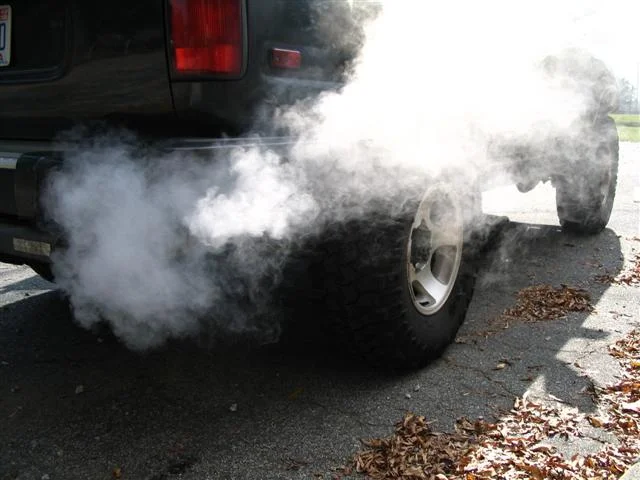
. . . . . . . I found a little technique to get the hose off the PCV valve. Used a panel removing tool and using a pair of hose pliars as leverage, pried the hose off (pic below). Then I poured the seafoam into a disposable cup. Started the engine, submerged the end of the hose into the cup of seafoam. The motor would bog down when you would completely submerge the hose, so pulling it out and allowing it to slowly skim the seafoam from the cup proved to be most successful. Shut the truck off and let it rest for about 3 minutes, cranked it and it smoked (pic below). Shut it off again and waited over an hour. Started the truck again and is continued to smoke for approximately 10 minutes. Then the smoke cleared away. Changed the oil using M1 syn. and I took it for a test drive.

Seat of the pants impressions are a smoother pull during acceleration, and for some reason, smoother shifts. Not a real power difference, but the truck does seem to perform smoother through it’s operations.
seafoam 001 (Small).webp
seafoam 003 (Small).webp
seafoam 005 (Small).webp
 
When I did the Seafoam in my FJ62 all the neighbors went inside their homes and closed the garages and windows. It smoked for a good 10-12 minutes. For the next few days I continued to get the look of death from a couple of them.
whiners :crybaby:


Anyone ever use the GM topend cleaner?

What about just running a tank of E85 or mixing E100.. that should clean things out.
 
SEA FOAM MOTOR TREATMENT for Gas Engine Applications

100% Pure Petroleum
Use in All Engines in All Seasons
2 Cycle, 4 Cycle, and Diesels
Treats 3 Critical Areas: Gas Tank, Fuel Systems, and Crankcase


Cleans fuel injectors
Cleans carburetor jets
Cleans carbon
Stabilizes fuels
Upper cylinder lube
Removes moisture in fuel
De-icer
Frees sticky lifters
Frees sticky rings
Removes moisture in oil
Cleans P.C.V. systems
Cleans catalytic converter odors
Oxygen sensor safe


How Many Mechanics Use SEA FOAM
In Tune-Up of 4 Cycle Gasoline Carbureted or Fuel Injected Engines
Autos, Trucks, and Tractors
With engine warm, slowly pour 1/3 to 1/2 pint through carburetor or throttle body throat. (If vehicle is port injected slowly pour SEA FOAM through direct manifold vacuum line that will feed all cylinders, possible sources are P.C.V. valve or brake booster line.) This will pull SEA FOAM down on top of the pistons and to the back of the intake valves to dissolve carbon. Turn ignition off. Restart engine after 5 minutes. If severe carbon build up is apparent, use more Sea Foam as previously directed. Make sure exhaust is well ventilated when using Sea Foam in these various ways as fumes will be extreme for a short time.
Pour 1/3 to 1/2 pint into oil crank case to clean rings, lifters, dirty parts and remove moisture.
Pour 1/3 to 1 full pint into fuel tank to clean injectors, carburetor jets, fuel lines and remove moisture.
Immediate Results: Smoother idle, increased R.P.M.'s better throttle response and improved performance. See label on can for detailed results for use in each area.
FUEL TANK, CARBURETOR, INJECTION and OIL CRANKCASE.

For Peak Performance, Use SEA FOAM Every 2,000 to 5,000 Miles

A 100% pure petroleum product for use in all gasoline and diesel type engines, both 2 and 4 cycle. OXYGEN SENSOR SAFE.
Cleans dirty engine parts internally by removing harmful gums, varnish and carbon. WORKS AND PERFORMS INSTANTLY.
Removes moisture from oil crankcases and fuel tanks.
Stabilizes and conditions fuels. Use for engine storage.
Cure hesitations, stalls, pings and rough idle due to carbon buildup.
Helps pass emissions test. EPA Registered.
When Used Thru Injection or Carburetor

Cleans carbon build up
Cleans intake valves and pistons
Gives smoother idle
Cleans catalytic converter odors
Cures hesitations and pings
Restores power and pickup
With warm engine running, SLOWLY poor 1/2 pint through carburator, throttle body or direct manifold vacuum line that will feed ALL CYLINDERS. Possible sources are P.C.V. valve or brake booster line. Turn ignition off. Restart engine after 5 minutes. Be sure exhaust is well ventilated. Fumes will be extreme for a short period of time.
For use in injector cleaning machines, use 50% SEA FOAM and 50% fuel.
Fill diesel filters with SEA FOAM to clean injectors fast.
When Added to Crankcase (Oil)


Frees sticky lifters and rings
Increases R.P.M.'s vacuum and compression
Cleans dirty parts
Removes moisture
Cleans PCV valve systems

One pint treats 10 quarts of oil (avg. 1 1/2 ounce per quart).

When Added to Fuel Tank
Cleans fuel injectors and carburetor jets
Cleans carbon as you drive
Lubricates upper cylinders
De-ices and removes moisture
Diesel full conditioner and anti gel
Stabilizes fuel
One pint treats 8-25 gallons of fuel (average 1 ounce per gallon).

In Injector Cleaning Machines

Add a 50/50 blend of fuel and SEA FOAM into injector cleaning machine. Run directly through the fuel rails to clean injectors fast. Add SEA FOAM to your fuel tank to clean injectors as you drive.

updates_whitecap.gif
 
I'm confused...why did you not just pour the seafoam directly into the throttle body as the instuctions show of the last post...("1/3 or 1/2 of a pint" through throttle body throat" ) or am I missing something here?
airlaird
 
Ita kinda hard to just pour it in the TB. The easiest way is to suck it thru the PCV valve while the engine is running.
 
I have used Seafoam in all my cars, and trucks. Just put it in the gas tanks. I have actually put it in the gas for 2 cycle weedeater, leaf blower, and now 4 cycle tractor. Everything is running great.

Grouseman
 
I have used the GM top end cleaner on my Chevy trucks, at my shop we have a canister you poor it into and then hook it to compresed air and run it into the intake system, works good on GM vehicle`s but one I ran it into a k&n intake tube to my throttle body, and it eat the tube seals
 
jklubens said:
SEA FOAM MOTOR TREATMENT for Gas Engine Applications

100% Pure Petroleum
Use in All Engines in All Seasons
2 Cycle, 4 Cycle, and Diesels
Treats 3 Critical Areas: Gas Tank, Fuel Systems, and Crankcase


Cleans fuel injectors
Cleans carburetor jets
Cleans carbon
Stabilizes fuels
Upper cylinder lube
Removes moisture in fuel
De-icer
Frees sticky lifters
Frees sticky rings
Removes moisture in oil
Cleans P.C.V. systems
Cleans catalytic converter odors
Oxygen sensor safe


How Many Mechanics Use SEA FOAM
In Tune-Up of 4 Cycle Gasoline Carbureted or Fuel Injected Engines
Autos, Trucks, and Tractors
With engine warm, slowly pour 1/3 to 1/2 pint through carburetor or throttle body throat. (If vehicle is port injected slowly pour SEA FOAM through direct manifold vacuum line that will feed all cylinders, possible sources are P.C.V. valve or brake booster line.) This will pull SEA FOAM down on top of the pistons and to the back of the intake valves to dissolve carbon. Turn ignition off. Restart engine after 5 minutes. If severe carbon build up is apparent, use more Sea Foam as previously directed. Make sure exhaust is well ventilated when using Sea Foam in these various ways as fumes will be extreme for a short time.
Pour 1/3 to 1/2 pint into oil crank case to clean rings, lifters, dirty parts and remove moisture.
Pour 1/3 to 1 full pint into fuel tank to clean injectors, carburetor jets, fuel lines and remove moisture.
Immediate Results: Smoother idle, increased R.P.M.'s better throttle response and improved performance. See label on can for detailed results for use in each area.
FUEL TANK, CARBURETOR, INJECTION and OIL CRANKCASE.

For Peak Performance, Use SEA FOAM Every 2,000 to 5,000 Miles

A 100% pure petroleum product for use in all gasoline and diesel type engines, both 2 and 4 cycle. OXYGEN SENSOR SAFE.
Cleans dirty engine parts internally by removing harmful gums, varnish and carbon. WORKS AND PERFORMS INSTANTLY.
Removes moisture from oil crankcases and fuel tanks.
Stabilizes and conditions fuels. Use for engine storage.
Cure hesitations, stalls, pings and rough idle due to carbon buildup.
Helps pass emissions test. EPA Registered.
When Used Thru Injection or Carburetor

Cleans carbon build up
Cleans intake valves and pistons
Gives smoother idle
Cleans catalytic converter odors
Cures hesitations and pings
Restores power and pickup
With warm engine running, SLOWLY poor 1/2 pint through carburator, throttle body or direct manifold vacuum line that will feed ALL CYLINDERS. Possible sources are P.C.V. valve or brake booster line. Turn ignition off. Restart engine after 5 minutes. Be sure exhaust is well ventilated. Fumes will be extreme for a short period of time.
For use in injector cleaning machines, use 50% SEA FOAM and 50% fuel.
Fill diesel filters with SEA FOAM to clean injectors fast.
When Added to Crankcase (Oil)


Frees sticky lifters and rings
Increases R.P.M.'s vacuum and compression
Cleans dirty parts
Removes moisture
Cleans PCV valve systems

One pint treats 10 quarts of oil (avg. 1 1/2 ounce per quart).

When Added to Fuel Tank
Cleans fuel injectors and carburetor jets
Cleans carbon as you drive
Lubricates upper cylinders
De-ices and removes moisture
Diesel full conditioner and anti gel
Stabilizes fuel
One pint treats 8-25 gallons of fuel (average 1 ounce per gallon).

In Injector Cleaning Machines

Add a 50/50 blend of fuel and SEA FOAM into injector cleaning machine. Run directly through the fuel rails to clean injectors fast. Add SEA FOAM to your fuel tank to clean injectors as you drive.


IOW, the miracle cure...
you'd think with all this, they'd tell you to drink it and it would cure arthritis, hair loss, and be better than Viagra, among many other ... :eek:


(j/k, don't try this at home, kids.... :D )
 
I have never in my whole automobile infested life before heard mention of Seafoam. Is this a necessary or expert recommended service?

Mike S
 
Snake Oil

Seafoam is unnecessary. Even Toyota says to avoid products like this in the manual. Use good quality gasoline and regualr oil changes-that will get you down the road a long way.

I'm going to call placebo effect on any "performance enhancements" Kind of like how your Land Cruiser runs better after you wash it.
 
Hey guys,

I have a son-in-law that has a Truck with 200K on it. He said the thing is running terrible. So I suggested Red Line and then Sea-Foam. After treating the engine with the these two additives, it ran great. Gas engines run at what % effiency? 60 or so maybe. So the rest of it is building up on the inside of the engine or out the tailpipe. Do you think regular gas is going to clean the inside of your engine up?
 
I'll have to try this stuff, next time I start to do any auto work, run this through one or both vehicles, and let is smoke like crazy. The mosquito's got me really bad last time I did a brake job on the Cruiser, last month. I bet I had 50 bites and I swell up a little on each bite the size of a dime. Bet they wouldn't stick around with this "Fogger" going, plus it helps the engine. Great!!!
 
I'd like to hear what a trusted voice like cruiserdan says to this before I get sucked in. You there Dan?
 
Gents... I just wanted to add something. Ive used Seafoam many times. I felt it did something good for my rigs although you never really know unless you look at the engine before and after. Im sure it works fine as a fuel cleaner. But not so sure as a carbon remover.

Ive used the old school method of carbon removal for years. Its the same method listed on the Seafoam bottle. But over the years I have used different stuff like kerosene, deisel, etc...

Well this time I wanted to see for myself. We had just purchased new rig that I would be doing a full restro on. The engine is a 2 cylinder 2 cycle with about 34,000 miles on it. Upon inspection of the head and piston domes we could see there was plenty of carbon.

Even though I have done this more times then I can count. We followed the dirrections on the can. When done we inspected the head and pistons again. They had exactly the same amount of carbon build up. Next we did the same thing but allowed it to sit for a longer period of time. Same results. Then I did it again and allowed it to sit for like an hour. Same thing again the carbon was still there. Then we tried it one last time with the exact same results.
I pulled the engine and placed the head and pistons in Seafom and allowed them to sit over night. Carbon still was as hard as ever. Now we all pretty much know a 2 cycle engine puts out a heck of a lot more carbon then a 4 cycle. But still this product did not remove any carbon from the combustion chamber. Im sure it possibly removes varnish and other crap from the TBI, Carb, FI injectors, intakes... but not so confident it decarbonizes the engine as believed.

If it were me I would just ran a good mixture of ethanol thru the fuel system. Look for an E85 station http://www.e85fuel.com/index.php and run a half tank thru with at least an E50 mixture. Dont allow the ethanol at this percentage to sit in the fuel system for a long period of time. Have the mindset that this tank is meant to flush things out and clean. Also remember to change the fuel filters after because it has been seen to clean out junk from the gas tank and lines and plug up filters within a few tanks of E100 so I am sure it would kick enough crap out to justify changing the fuel filters.

just my own tw cents....

also if someone is willing to test my findings... that would be awesome... then we would have more data to use... so if you are going to be rebuilding an engine anyway we would need before and after data.
 
well, what I can say is that my engine hardly smoke at all when I used Seafoam (full can). So it is probably reasonable to assume that those of you who see enormous clouds of smoke see something that is being cleaned by SF rather than SF burning itself...
 
Back
Top Bottom